
Reviewed · FUSHIMI INARI TOURS
Inside of Fushimi Inari – exploring and lunch with locals
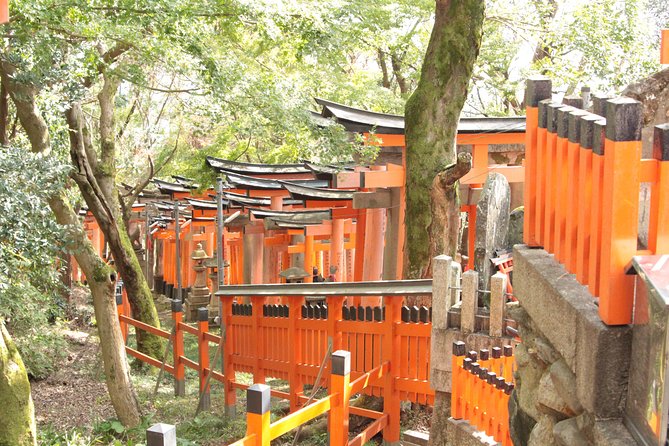
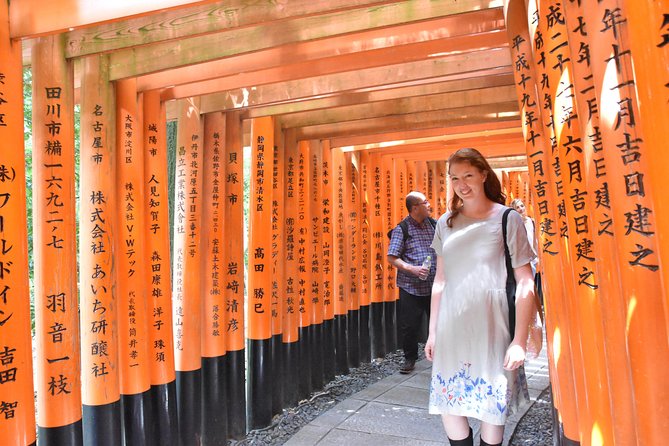
The best part of this Fushimi Inari experience is that it takes you past the famous red torii gates and into the quieter mountain paths where the shrine feels like a living place of worship, not just a photo stop. You may also meet a torii gate maker at work, a detail that gives the shrine’s famous rows of gates a human connection.
I like the small-group format, limited to 10 people, and the easygoing pace that lets you stop for photos and questions. I also like the tea and boiled egg at a mountain hut, followed by a proper soba lunch in a local restaurant. The main consideration is simple: this is a hike, with stairs and about 20 minutes of climbing to the summit, so comfortable shoes are essential.
- Quiet forest routes lead beyond the busiest torii gate corridor.
- Local guides such as Ko, Go, Kenji, Yuya, and Taishi explain Shinto customs and Fushimi Inari’s traditions in English.
- A 233-meter summit shrine provides a modest but worthwhile hiking goal.
- Bamboo, cedar trees, worship stones, a waterfall, and a factory add variety to the walk.
- Soba, inari sushi, tea, and a salted boiled egg are part of the experience.
- Vegan and allergy-friendly options are available when requested ahead of time.
Why This Fushimi Inari Walk Feels Different
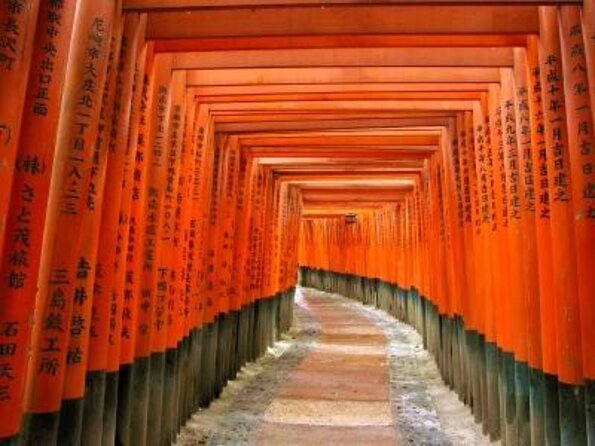
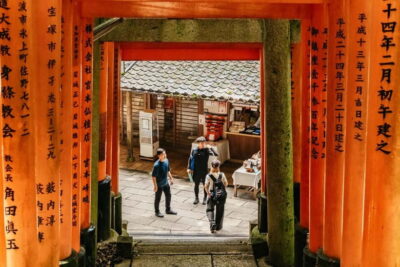
Fushimi Inari Taisha is famous for its thousands of orange-red torii gates, and the first section can feel like a parade route. Everyone wants the same photograph. The clever move is to keep walking, then let a local guide show you what sits beside and beyond the main path.
This four-hour outing combines the famous shrine with less obvious corners of the mountain. You still see the main shrine and the classic torii tunnel, but you also walk through bamboo and cedar woods, visit sacred stones and a waterfall, and stop at a factory connected to the local area.
That mix matters. Without context, the torii gates can become a long series of pretty frames on your camera. A guide can explain why people donate gates, how the shrine relates to Inari worship, and why small worship spots on the mountain matter. The experience is less about ticking off one famous sight and more about understanding how the place works.
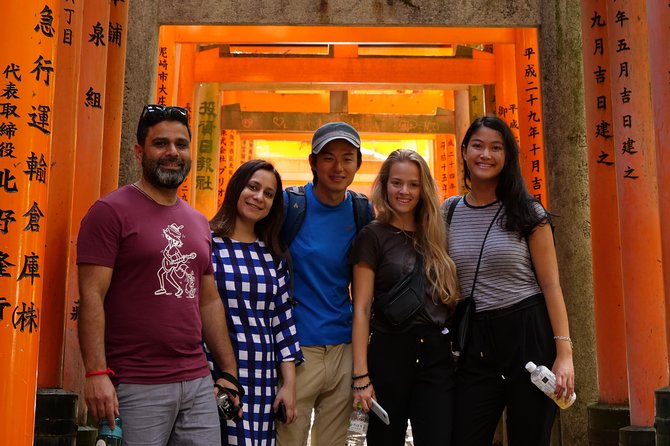
The group is capped at 10 people. That is small enough for questions and a little personal attention, while still being social. Guides named in past departures include Ko, Go, Kenji, Yuya, and Taishi. Their approach, based on the experience offered, is friendly and flexible rather than formal.
Starting at the Great Torii Near JR Inari Station
Meet at the stone pillar by the Great Torii across from the JR Inari Station exit. This is a useful meeting point because the shrine entrance is immediately in front of you. If you arrive by the Keihan line, Fushimi-Inari Station is about a 10-minute walk away.
Your guide begins with the main shrine area and the meaning behind the gates. This opening gives you the basic map of the site before the walking gets more rural. You can expect explanations of shrine customs, Shinto traditions, and the role of Inari, rather than only a list of dates and names.
The shrine is one of Kyoto’s most recognizable sights, so the first stretch may be busy. That is not a flaw in the tour. It is part of seeing Fushimi Inari at all. The benefit comes when your guide moves you toward quieter paths and points out details you would likely pass without noticing.
Keep your hands free if possible. The recommended gear is comfortable clothing, good walking shoes, and a hands-free backpack. You will be walking uphill and downhill on organized paths with stairs, and the timing can shift according to the group’s pace.
Other shrine walks around Kyoto:
- Kyoto: Fushimi Inari, Kinkakuji, Bamboo Grove 1 Day Bus Tour
★ 4.8 · 4,316 reviews - Fushimi Inari Hidden Hiking Tour (Private Option Available)
★ 5.0 · 1,750 reviews - Kyoto/Osaka: Nara, Fushimi Inari Taisha, Arashiyama Bus Tour
★ 4.7 · 1,275 reviews
Walking Through Bamboo, Cedar, and Sacred Side Paths
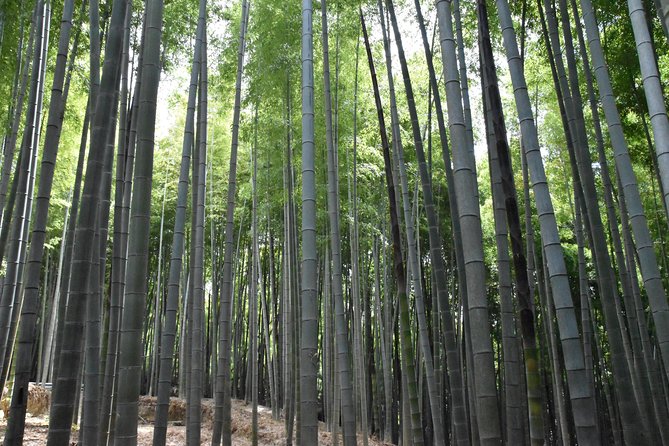
The walk soon becomes more varied than the standard torii-gate route. You enter forest paths lined with bamboo and cedar, with stops at authentic holy places such as worship stones and a waterfall.
These locations change the mood of the visit. The giant torii gates are bold and photogenic, but the smaller sacred sites are quieter and more personal. A guide helps you understand how to behave respectfully and why these places are part of the mountain’s religious life.
The forest section is described as easy walking, though you should not confuse easy with flat. The route includes stairs and some up-and-down movement. The tour allows breaks and a casual pace, but the group still needs to keep moving to fit the main sights, summit, photo stops, and lunch into four hours.
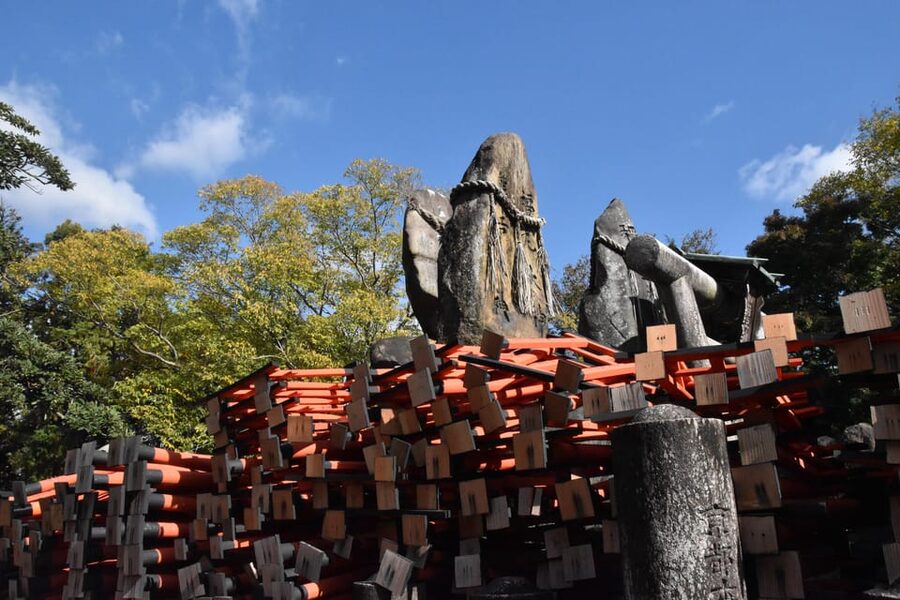
One especially unusual stop is a factory. You may also have the chance to see a master carving torii columns. That is a rare kind of travel moment because it connects the polished shrine gates with the people who make and maintain them. It also gives you something to look at besides the gates themselves.
The 233-Meter Summit Shrine
The climb to the summit shrine takes about 20 minutes on a forest route. The summit is 233 meters high, so this is not a major mountain hike, but it does require steady uphill walking and stairs.
Your guide shows you around the summit shrine before the group starts down. This section is useful for people who want to go beyond the first famous torii tunnel without committing to a full-day mountain walk. You get a clear destination and a sense of progress, while the four-hour schedule keeps the outing manageable.
The summit will not suit every visitor. If stairs are difficult for you, ask about the route before booking. The activity information describes the paths as well organized, but it does not promise a flat or step-free outing. You should also expect the schedule to change slightly if your group walks slowly or stops often for photographs.
The reward is not only reaching the top. It is the gradual change in atmosphere. The route begins with the public face of Fushimi Inari and moves into a calmer forest setting. That shift is one of the strongest reasons to choose a guided walk instead of visiting only the entrance area.
Finding Better Photo Spots on the Way Down
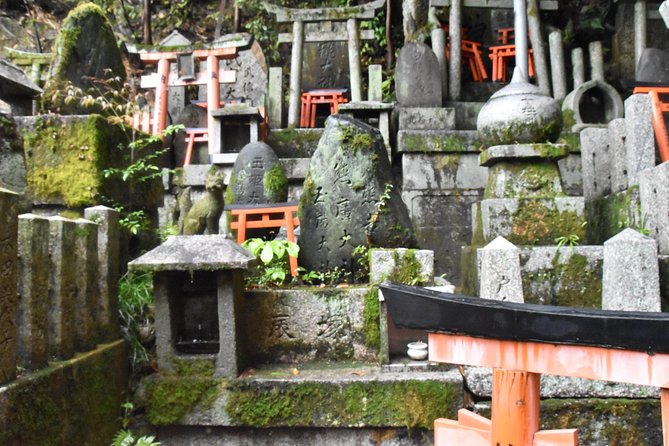
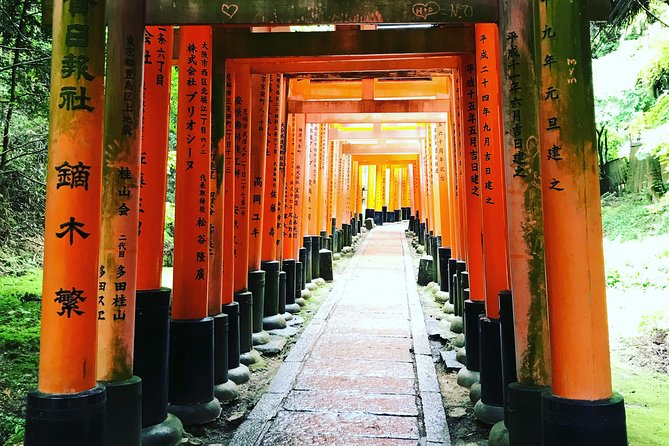
The descent includes a dedicated photography section. Rather than stopping only at the most crowded gate corridors, your guide points out less crowded places with good views and attractive lines of torii.
This is valuable if you want photographs without spending the entire morning waiting for a clear frame. It also keeps the camera work from taking over the visit. A guide who knows the route can suggest where to pause, then keep the group moving before the walk becomes a series of identical gate pictures.
You may also see bamboo, forest views, shrine details, and local activity that do not appear in the most familiar Fushimi Inari photographs. The photo stops are not a separate studio session. They are built into the return walk, so bring a phone or camera that you can reach easily.
Same base, a different sort of day:
- PERFECT KYOTO 1-Day Bus Tour
★ 5.0 · 13,518 reviews - Kyoto: Tea Ceremony in a Traditional Tea House in Kiyomizu
★ 4.9 · 3,519 reviews - Kyoto Geisha Walking Tour: Gion District & Hidden Gems
★ 4.7 · 3,273 reviews - Kyoto: Tea Ceremony Ju-An at Jotokuji Temple
★ 4.9 · 3,207 reviews
Tea, a Boiled Egg, and a View of Kyoto
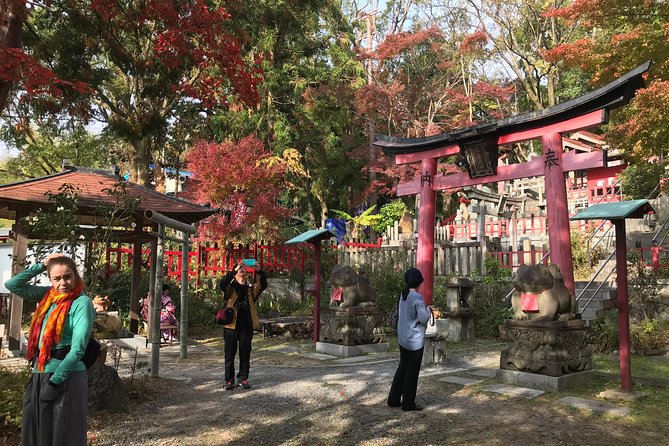
At a scenic mountain hut, the tour includes Japanese hot tea and a boiled egg with salt. This is a small break, but it is well placed. A warm drink and a simple snack give you time to rest before continuing down the mountain.
The stop also offers a panorama of Kyoto city. The view is a useful reminder that Fushimi Inari sits on a wooded mountain beside a large urban area. From the shrine paths, Kyoto can feel enclosed and quiet. From the viewpoint, the city opens out below you.
Some past outings have also included extras such as fortunes or ice cream, but these should not be treated as the central promise of the booking. The dependable food and drink details are the tea, boiled egg, lunch, soba, and inari sushi listed for the experience.
Soba Lunch at a Traditional Local Restaurant
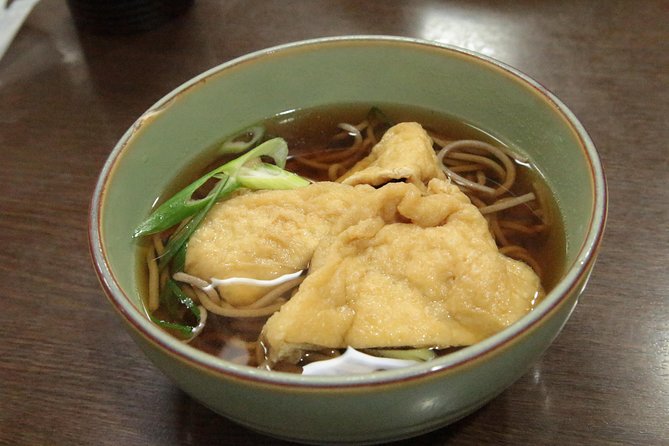
Lunch is served at a local soba restaurant and is scheduled for about 30 minutes. The included meal is Japanese noodle soba with fried sweet sushi, known as inari sushi. Drinks at the restaurant are not included, so plan to pay separately if you want something beyond what the tour provides.
This meal adds real value to the $67 price. You are not simply paying for a walk around a free shrine. The fee covers an English-speaking guide for four hours, local interpretation, the mountain snack, and a meal at a traditional restaurant. For a visitor who would otherwise spend time choosing a restaurant and working out what to order, that convenience is useful.
The 30-minute lunch is fairly brisk. You will not have a long, leisurely restaurant sitting, but it fits the half-day format. If lunch is a major part of your trip, you may prefer a longer independent meal. If you want to see Fushimi Inari and eat something local without losing a full day, the timing makes sense.
Vegetarian and vegan arrangements are available, along with options for allergies and other dietary restrictions, but you need to tell the provider in advance. Do not wait until you are seated. The same advice applies to any strict dietary requirement.
What the $67 Price Gets You
At $67 per person, this is a strong value for someone who wants more than the standard Fushimi Inari visit. The shrine itself does not require this tour fee, so the value comes from the guide, route planning, cultural explanation, food, and access to quieter parts of the mountain.
The small group is important. With no more than 10 participants, you have a better chance of hearing the guide and getting answers than you would on a large coach-style outing. It also makes it easier to pause for a photo or adjust the pace.
The experience is less valuable if you only want to walk through the first torii gates and leave. You can do that independently. It is also not the best match if you want a long summit hike, a private guide, or a slow restaurant meal.
For many visitors, the strongest value lies in the combination of local contact and practical structure. You see the major shrine, take a forest walk, get a city view, eat soba, and return to the same starting area without having to plan the sequence yourself.
Who Should Book This Four-Hour Experience
I would recommend this tour to you if you want context around Fushimi Inari and prefer a calm walking pace. It suits first-time visitors who want the famous gates but also want to see bamboo paths, sacred stones, a waterfall, and local work connected with torii construction.
It is also a good choice for people who enjoy small-group tours and asking questions. The guides have been praised for friendly conversation, explanations of Shinto, local restaurant suggestions, and the ability to show quieter routes. The experience is conducted in English.
Food-focused visitors should like the soba lunch and inari sushi, especially if they want an ordinary local meal rather than a snack from a crowded sightseeing strip. Vegetarians and vegans can be accommodated, but advance notice is necessary.
You should think twice if you dislike stairs, cannot comfortably walk for several hours, or want a completely private experience. The path is organized and the pace is described as casual, but it remains a mountain walk with uphill and downhill sections.
Book only if the timing works with your Kyoto plans. The experience lasts four hours, and the start times vary by availability. Free cancellation is offered up to 24 hours before the start, and you can reserve now and pay later, which helps if your schedule is still changing.
Practical Tips Before You Go
Wear shoes with reliable grip and clothing suitable for a warm or cool forest walk. You will want both comfort and freedom of movement, especially on stairs.
Bring a hands-free backpack rather than a shoulder bag. You will likely want your phone or camera ready for photo stops, and carrying less makes the ascent easier.
Arrive at the Great Torii by the stone pillar across from JR Inari Station. The finishing point is the same, so you do not need to arrange a separate ride from the restaurant or summit area.
Tell the provider about vegan, vegetarian, or allergy needs before the day of the tour. Vegan choices are available for the meal and mountain break, but the advance request is part of making that work.
The tour has a 4.9 rating from 30 bookings, and the most consistent strengths are clear: friendly guides, quiet routes, useful explanations, a welcome snack, and good local food. Still, judge it by the walking requirements first. A high rating does not turn a stair route into a flat stroll.
Should You Book It?
Book this experience if you want to see Fushimi Inari from several angles: famous torii gates, quiet forest paths, small sacred sites, a summit shrine, Kyoto views, and a local soba meal. The torii maker encounter and bamboo route add memorable details that are easy to miss on a solo visit.
Skip it if you only want a quick photograph at the shrine entrance, need step-free sightseeing, or prefer to choose your own restaurant and pace. For most visitors who want a guided half-day with local food and a little more connection to the place, $67 is a fair price.
FAQ
Where does the tour begin and end?
It begins and ends at the Great Torii Gate, at the stone pillar by the first gate across from the JR Inari Station exit. Fushimi-Inari Station on the Keihan line is about a 10-minute walk away.
How long does the experience last?
The activity lasts four hours. Starting times depend on availability, and the schedule can change according to the group’s walking speed.
Is the tour conducted in English?
Yes. The experience includes a live English-speaking guide.
How large is the group?
The tour is limited to 10 participants.
What food and drinks are included?
The meal includes Japanese soba noodles and inari sushi. The mountain break includes Japanese hot tea and a boiled egg with salt. Drinks ordered at the lunch restaurant are not included.
Can vegan or allergy-friendly meals be arranged?
Yes. Vegan choices and options for allergies or other dietary restrictions are available, but you must inform the provider in advance.
Just added in Kyoto
- Private Cooking Class Udon in Kyoto Japan★ 5.0 · 23 reviews
- Your Private Vacation Photography Session In Kyoto★ 5.0 · 110 reviews
- Kyoto: Zen Meditation at a Private Temple with a Monk★ 5.0 · 25 reviews
- Private Pewter Sake Cup Experience with a Kyoto Artisan★ 5.0 · 31 reviews
- Kyoto Wagashi(Japanese sweets) Cooking Class near Fushimiinari★ 5.0 · 60 reviews
- Kyoto:Family-Friendly Kimono & Yukata Experience at WARGO★ 5.0 · 147 reviews
- Private Guided Traditional Buddhist Cooking in Japan★ 5.0 · 16 reviews
- Kyoto: Gion Geisha District & Sake-in-Hand Walking Tour★ 5.0 · 37 reviews
Fushimi Inari Tours, compared.
Fushimi Inari Hidden Hiking Tour (Private Option Available)
Read our review →
Kyoto/Osaka: Nara, Fushimi Inari Taisha, Arashiyama Bus Tour
Read our review →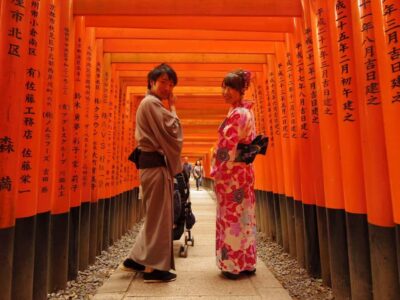
Osaka/Kyoto: Arashiyama, Nara & Fushimi Inari Shrine w/Lunch
Read our review →
Nijo Castle, Kiyomizu & Fushimi Inari Guided Tour
Read our review →
Nijo, Kinkaku-ji, Arashiyama, Kiyomizu & Fushimi Inari
Read our review →
Kyoto Early Bird English Tour: Fushimi-Inari and Arashiyama
Read our review →Browse the lists this tour appears in