Reviewed · TOURS IN TOKYO
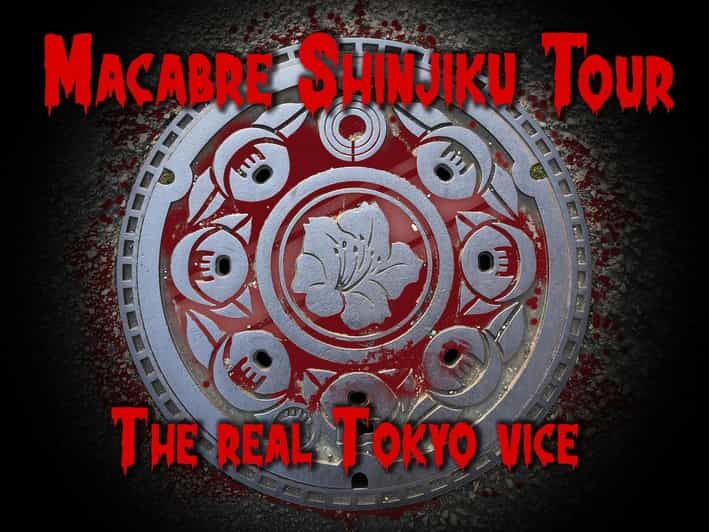
Kabukicho Macabre Tour – the Real Tokyo Vice
Kabukicho looks like neon, karaoke, and late-night fun. This tour shows you the harder stories beneath that glow: murder sites, mafia conflicts, tragic lovers, accidents, terrorist attacks, and places linked to ghost lore. Guide Vivian brings illustrations and careful research, then leads you through the actual streets where these events happened. I like the small groups of no more than four, and I like that the tour explains nightlife culture instead of treating Kabukicho as a freak show. The main caution is simple: this is true crime and adult subject matter, not a light sightseeing stroll.
I also like the final shrine visit. It gives the evening a quieter finish after two hours of grim stories and neon streets. The pace leaves room for questions about night work, nightlife, Japanese society, and the Yakuza game or Tokyo Vice locations. You should use the restroom first, wear comfortable shoes, and expect to walk and listen outdoors for the full tour.
Key points at a glance
- Real Kabukicho locations: Visit places connected with documented crimes, murders, accidents, and unresolved cases.
- Vivian’s specialist background: Ask about Japanese nightlife and night work, the subject of her graduating thesis.
- Very small groups: With a maximum of four people, you can hear clearly and ask plenty of questions.
- More than crime stories: The tour covers red-light district culture, love hotels, night work, folklore, and social issues.
- Pop culture connections: You may pass locations associated with the Yakuza games and the HBO series Tokyo Vice.
- A shrine to finish: The closing visit offers a calm cultural counterpoint to the evening’s darker material.
Why Kabukicho’s neon needs a darker explanation
Kabukicho is easy to reduce to a wall of signs, touts, bars, restaurants, and bright entertainment buildings. That quick view misses how the district developed and how many different forms of night work operate side by side.
Vivian’s tour uses the streets as its classroom. You are not simply told that Kabukicho has a complicated past. You are taken to places connected with the events and shown how the setting fits the story. That physical connection matters. A murder site or haunted corner feels different when it sits among ordinary shops, busy roads, and modern towers.
The tour covers roughly 43 years of darker incidents. The subjects include mafia murders, gang conflicts, murder-suicides, accidents, terrorist attacks, jilted lovers, and serial killings that were never solved. The point is not only shock. Vivian also explains the cultural forces around these cases, including the red-light economy, nightlife, love hotels, and the way Japanese society talks about crime and the supernatural.
That wider frame is the reason I would choose this walk over a simple ghost tour. You get stories, but you also get a lesson in how a famous entertainment district works after sunset.
Other experiences people book in Tokyo:
- Mt Fuji and Hakone 1-Day Bus Tour Return by Bullet Train
★ 5.0 · 26,383 reviews - 1-Day Tokyo Bus Tour
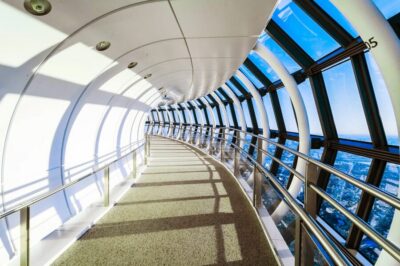
★ 5.0 · 14,250 reviews - Tokyo: TOKYO SKYTREE® Admission ticket
★ 4.5 · 11,192 reviews
Meeting Vivian at Kabukicho Tower
The meeting point is in front of the Starbucks at Kabukicho Tower, on the stairs. A Google Maps pin is provided when you book, which is useful in this crowded part of Shinjuku.
The tour is in English, and Vivian is the central reason the experience feels personal rather than rehearsed. Her academic work focused on nightlife and night work in Japan, so you can ask questions beyond the listed crime cases. If you want to understand the difference between various nightlife businesses, the pressures faced by people working at night, or how the district has changed, this is a good setting for that conversation.
Her approach also includes illustrations for some cases. These can help you follow complicated stories, especially when the incident involves several people, dates, or locations. You are not left to remember a long spoken explanation while standing under flashing signs.
A maximum of four participants is a major advantage here. Kabukicho can be noisy, and a large group would make it difficult to hear beside traffic or nightlife venues. In this format, you can ask follow-up questions without holding up twenty people.
Walking through crime scenes and haunted corners
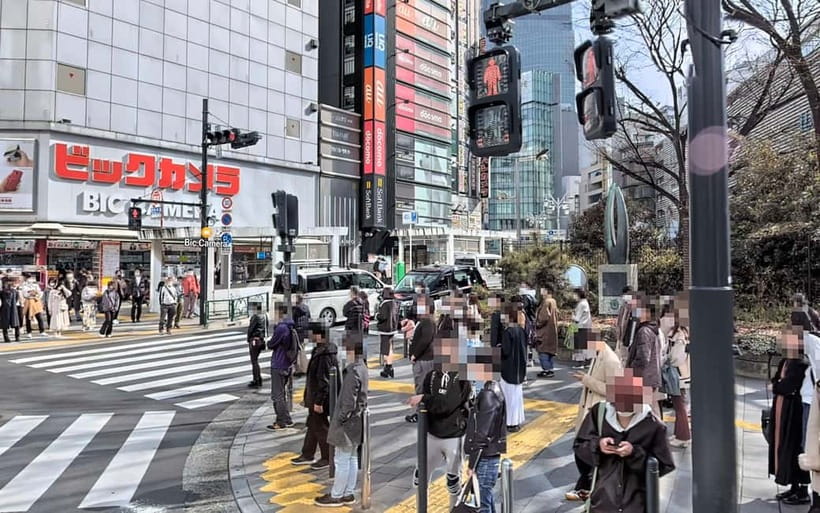
The heart of the tour is the walk through Kabukicho and nearby parts of Shinjuku. The exact order can vary, but the experience takes you past real locations tied to murders, mafia disputes, fights, shootings, tragic relationships, and other incidents.
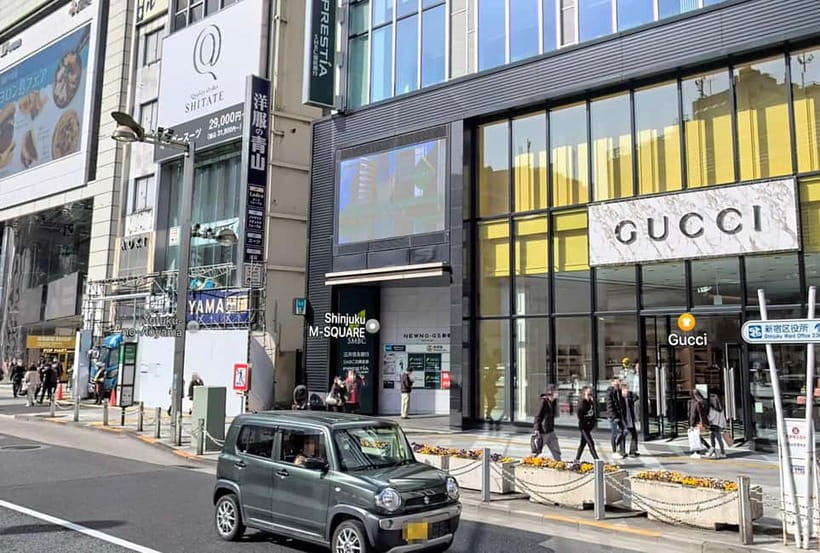
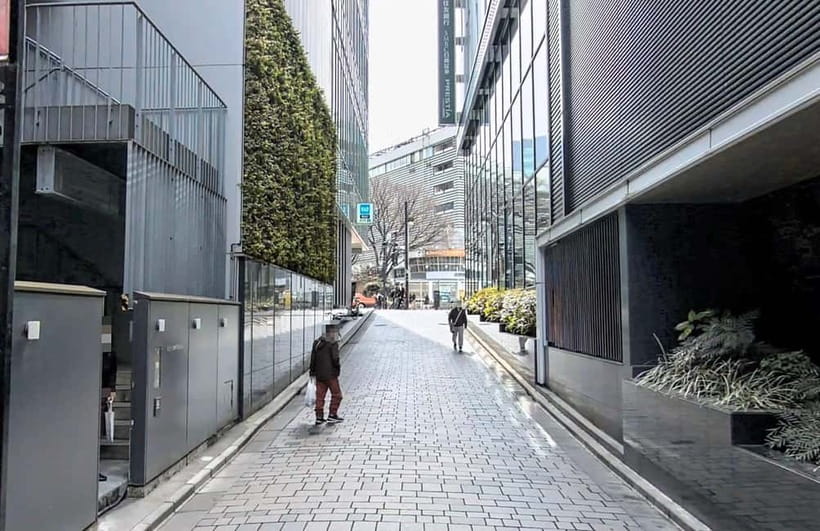
The value of seeing these places is not that the buildings look dramatic. Often, they do not. A location may now appear ordinary, rebuilt, or surrounded by newer businesses. That contrast is part of the lesson. Crime does not always leave a visible mark, and a famous case can become almost invisible as the city keeps moving.
Vivian also points out areas regarded as haunted. The supernatural material adds another layer, but it is not presented as a substitute for documented history. You get a mixture of known incidents, local beliefs, and modern lore. If you enjoy true crime but are less interested in ghosts, the factual cases remain the main attraction. If you like Japanese ghost stories, the haunted stops add atmosphere.
Expect serious material. The stories include murder-suicides, gang violence, accidents, and unresolved killings. The tour is aimed at people aged 15 and older, and that limit is sensible. It is not suitable for young children or anyone looking only for a playful night walk.
Red-light district culture beyond the headline cases
The best part of a tour like this is often the explanation between the major stories. Kabukicho is not just a place where bad things happened. It is also a working district shaped by bars, clubs, restaurants, entertainment venues, love hotels, and many kinds of night labor.
Vivian explains the cultural issues and social patterns connected with the red-light district. Her background in night work gives you a chance to ask direct questions rather than relying on movie stereotypes. That is especially useful if you have seen Tokyo Vice or played the Yakuza games and want to separate entertainment from real life.
You should not expect access inside private venues or a staged crime reenactment. This is a walk and talk experience. The value comes from context, storytelling, and the places outside you. You remain on the streets while Vivian explains what happened and why the location matters.
That format also makes the tour more respectful. Kabukicho is a real neighborhood and a workplace for many people. Treat it as a place where people live and work, not as a theme park built for outsiders. Listen, avoid photographing people without permission, and do not block entrances or sidewalks.
Same base, a different sort of day:
- Tokyo: teamLab Planets TOKYO Digital Art Museum Entry Ticket
★ 4.6 · 9,779 reviews - Mt Fuji & Hakone Cruise, Drum Show Bullet Train 1 Day from Tokyo
★ 4.0 · 7,413 reviews - Tokyo: Sumo Show Experience with Chicken Hot Pot and a Photo
★ 4.8 · 6,678 reviews - Tokyo: Shinjuku Food Tour (13 Dishes at 4 Local Eateries)
★ 5.0 · 6,603 reviews
Yakuza game and Tokyo Vice connections
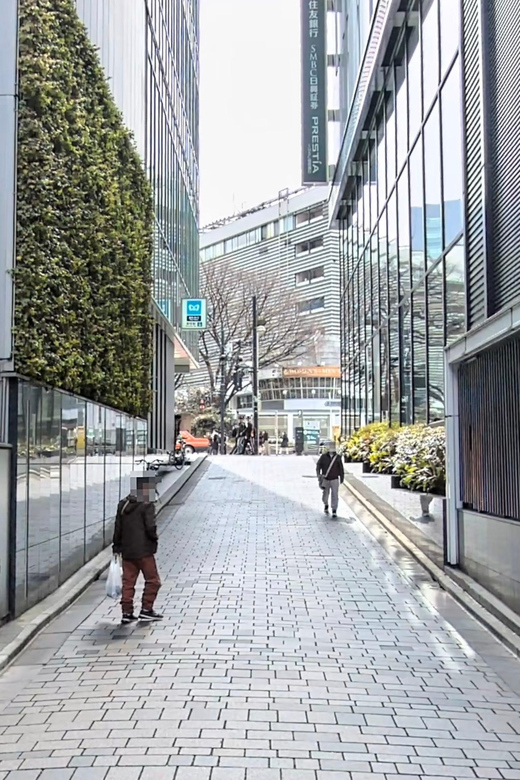
Fans of the Yakuza game series have a specific reason to book. The tour can pass locations associated with the games, giving you a real-world reference for the fictional streets and settings. You may recognize the broad feel of the area even when the game changes names or details.
The tour can also include locations used for the HBO series Tokyo Vice. Those spots help connect the screen version of Tokyo’s underworld with the physical streets of Shinjuku. Still, the pop culture material is an added feature, not the whole tour.
I would choose this experience if you enjoy seeing how films and games borrow from real places. If you are not interested in either title, you still get the crime history and cultural explanation. The tour does not require prior knowledge of the games or series.
Finishing at a shrine
After the neon, crime stories, and ghost lore, the tour ends with a shrine visit. This change of mood is welcome. It gives you a quiet place to consider the stories and see a different side of Japanese spiritual life.
The shrine is not presented as a grand sightseeing stop with a long formal ceremony. It functions as a closing point and a cultural counterweight to the evening. In a tour focused on death, fear, and bad luck, a shrine also feels thematically appropriate.
One participant received a protective charm against ghosts after the walk. That kind of small personal touch may not be guaranteed, but it shows how the guide connects the final stop with the tour’s supernatural thread. Vivian has also recommended places such as Golden Gai for a drink afterward, giving you a useful way to continue the evening if you want more nightlife.
What the two-hour format feels like
Two hours is enough time to cover several locations without turning the experience into an exhausting march. You will spend the full period walking and listening, so comfortable shoes matter. The route includes busy streets, and you may need to pause while groups or traffic pass.
The small size helps the pace. You can stop for questions, and Vivian can adjust the explanation to your interests. Several participants found the time passed quickly because the stories were varied and the guide kept the conversation moving.
There is one practical lesson worth following: use the restroom before meeting. The tour does not appear to include a scheduled restroom stop, and pausing for one can reduce the time available for the route. Bring water if you need it, and dress for the weather. The walk continues in poor conditions, including cold and snow, unless conditions make it impossible.
The tour is wheelchair accessible, but Kabukicho’s crowded streets may still require patience. Confirm any specific mobility needs when booking so the route can work comfortably for you.
Is $56 a fair price?
At $56 per person, this is not the cheapest way to see Kabukicho. You can walk through the district for free, take photographs of the signs, and visit Golden Gai without a guide. The price pays for something different: research, narration, access to the guide’s subject knowledge, and the chance to connect real places with events you would probably miss on your own.
The maximum of four changes the value calculation. You are not paying for a large group experience where questions disappear into the crowd. You are paying for a private-feeling walk with room to ask about crime, nightlife, Japanese culture, games, television, and night work.
I think the price is reasonable if you care about true crime or Japanese subcultures. It is less convincing if you mainly want broad sightseeing, architecture, food, or a general introduction to Shinjuku. The tour is specialized, and its value depends on wanting this particular subject.
Free cancellation up to 24 hours before the start and the option to reserve now and pay later also reduce the risk of fitting it into a changing Tokyo schedule.
Who should book this Kabukicho walk?
This is a strong match for adults and older teenagers who enjoy true crime, urban legends, Japanese nightlife, or the Yakuza games. It also suits repeat visitors. Even if you have stayed in Kabukicho several times, the stories and historical details can change how you read the streets.
I would especially recommend it to someone who has already seen the polished side of Japan and wants a more complicated picture. Tokyo is safe and orderly in many ways, but it also has nightlife economies, exploitation, grief, crime, and unresolved questions. This tour does not pretend those subjects are absent.
You should skip it if graphic or tragic material troubles you, if you want a relaxed food walk, or if you are traveling with children under 15. It is also not ideal for anyone hoping to enter clubs, meet nightlife workers, or see secret rooms. The guide explains the district from public streets and known locations.
Final verdict: book it for the stories, not the spectacle
Book the Kabukicho Macabre Tour if you want to understand the real places behind Tokyo’s crime lore, Yakuza fiction, and Tokyo Vice atmosphere. Vivian’s research, illustrations, English storytelling, and small groups make the information easier to follow and easier to discuss.
The tour’s strongest feature is its mix of documented incidents and cultural explanation. The shrine at the end gives the evening a thoughtful finish. Just remember that you are choosing serious material, outdoor walking, and a specialized subject. Use the restroom first, wear good shoes, and bring questions. For the right audience, $56 buys far more than a stroll under neon.
FAQ
Where does the Kabukicho Macabre Tour meet?
The meeting point is in front of the Starbucks at Kabukicho Tower, on the stairs. A Google Maps pin is provided for the location.
How long does the tour last?
The walking tour lasts two hours.
What language is the tour in?
The tour is conducted in English by a live guide.
Who guides the tour?
The guide is Vivian, also referred to as Viv or Vivienne in some tour information. Her graduating thesis focused on nightlife and night work in Japan.
What does the tour cover?
It covers Kabukicho’s history, the red-light district, crime cases, mafia murders, murder-suicides, accidents, terrorist attacks, unsolved serial killings, haunted areas, nightlife culture, and social issues linked with night work.
Does the tour visit real crime locations?
Yes. The walk passes actual locations connected with various incidents, as well as places known for ghost stories.
Is the tour suitable for children?
No. Children under 15 are not permitted.
How many people can join the tour?
The group is limited to four participants.
Is the tour wheelchair accessible?
Yes, the activity is listed as wheelchair accessible.
Can I cancel the booking?
You can cancel up to 24 hours in advance for a full refund. You can also reserve now and pay later.
Just added in Tokyo
- The 10 Tastings of Tokyo With Locals: Private Street Food Tour★ 5.0 · 48 reviews
- Small Town in the Big City: Tasting Tokyo’s Kichijoji★ 5.0 · 195 reviews
- Small Town in the Big City: Tasting Tokyo’s Kichijoji★ 5.0 · 16 reviews
- EXCLUSIVE Tokyo Secret: Kichijoji Small-Group Food & Bar Hopping★ 5.0 · 29 reviews
- Explore Kichijoji: Walk Through One of Tokyo’s Beloved Districts★ 5.0 · 21 reviews
- :Tokyo,Shibuya/ Pro Photography in Kimono / English-Friendly★ 5.0 · 26 reviews
- 【R34】Tokyo:Private Daikoku tour in Modified R34★ 4.9 · 92 reviews
- Tokyo:Calligraphy &Make your original folding fan in Asakusa★ 5.0 · 62 reviews
Tours in Tokyo, compared.
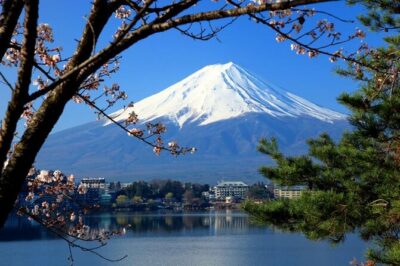
Mt Fuji and Hakone 1-Day Bus Tour Return by Bullet Train
Read our review →
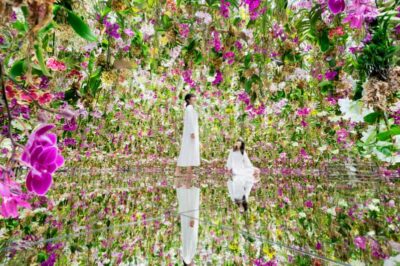
teamLab Planets TOKYO Digital Art Museum Entry Ticket
Read our review →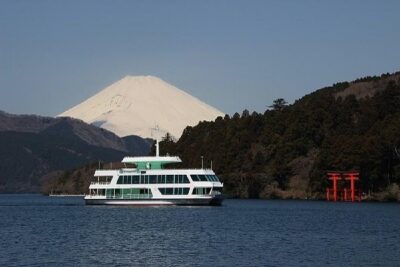
Mt Fuji & Hakone Cruise, Drum Show Bullet Train 1 Day from Tokyo
Read our review →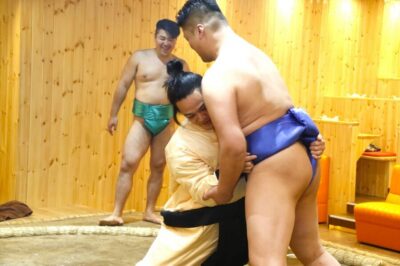
Sumo Show Experience with Chicken Hot Pot and a Photo
Read our review →
Shinjuku Food Tour (13 Dishes at 4 Local Eateries)
Read our review →