Reviewed · TOURS IN TOKYO
Kamakura Private & Customizable Tour – All-in-One Experience
Kamakura is best explored with room to change plans. This private tour lets you shape the day around temples, seaside views, nature, food, or lesser-known spiritual spots instead of forcing every visitor through the same route. Guides such as Deen, Marco, Sofia, and Lauren have adapted outings for families, solo visitors, fast walkers, and people with limited time.
I like the pre-tour planning session, which gives you a chance to explain your interests before meeting your guide. I also like the freedom to use public transport and walking at a sensible pace, with the guide helping you navigate trains, stations, and Kamakura’s spread-out sights.
The main catch is that the $51 price does not include transport or entrance tickets, and the tour requires walking, stairs, and a fair level of fitness. You need to budget extra time and cash for temple admissions, trains, and food.
Key points to know before booking
- Your itinerary is shaped before the day begins: Your guide sends start-time options, suggested sights, and a route based on your interests.
- The classic temple circuit is available: Kotoku-in, Hasedera, and Tsurugaoka Hachimangu can form a strong first visit.
- You can focus on more than temples: Ask for nature, local culture, quiet spiritual places, shopping, food, or an extension to Enoshima.
- The tour works well for families: Guides have adjusted explanations and pacing for children from toddlers to teenagers.
- Public transport is part of the practical experience: Your guide can help you manage Kamakura’s trains and stations, but fares are extra.
- The format suits short or long visits: Choose anything from a two-hour introduction to an eight-hour day.
Why Kamakura works so well as a private day trip
Kamakura gives you a concentrated look at Japan’s religious and cultural traditions, but its sights are not all in one compact block. A major Buddha, a large shrine, hillside temples, shopping streets, beaches, and nearby Enoshima can easily turn into an overstuffed day if you plan it badly.
That is where a private guide earns the fee. You can explain what matters to you, then let the route take shape around it. A family might want the Great Buddha, Hasedera, and a gentle walk. A solo visitor might prefer temple architecture and religious stories. Another person may care more about nature, food, or quiet corners away from the main crowds.
I appreciate that the tour is not locked to one fixed schedule. Your guide can suggest a route before the meeting and adjust it during the day. That matters in Kamakura, where a single interesting shrine, busy station, tired child, or appealing lunch stop can change the best plan.
The English-speaking guides bring different personalities and interests. Deen is repeatedly praised for combining history, Japanese customs, religion, and easy conversation. Marco has led temple-focused outings and helped with station connections. Sofia has adjusted the pace for a fast-moving solo visitor, while Lauren has helped a parent manage food restrictions and keep a child engaged.
You are booking a private group, not joining a large coach. That gives you more freedom to ask questions and stop when something catches your eye.
Other experiences people book in Tokyo:
- Mt Fuji and Hakone 1-Day Bus Tour Return by Bullet Train
★ 5.0 · 26,383 reviews - 1-Day Tokyo Bus Tour
★ 5.0 · 14,250 reviews - Tokyo: TOKYO SKYTREE® Admission ticket
★ 4.5 · 11,192 reviews
Building the route before you arrive
The planning process is one of the strongest parts of this experience. After booking, you receive general confirmation details, followed by a personal message from your assigned guide. That follow-up includes possible start times, a proposed itinerary, suggested destinations, and pickup information if you selected that option.
Use this stage well. Do not simply say you want to see Kamakura. Tell the guide how much time you have, who is in your group, how quickly you walk, and what you already plan to see elsewhere in Japan.
You can ask for:
- Temple and shrine history
- Nature and scenic views
- Quiet religious sites
- Family-friendly stops
- Shopping and food suggestions
- A shorter essentials route
- An extended day including Enoshima
- Help using trains and stations
The flexible planning also helps with unusual needs. A guide has assisted a visitor with a one-year-old child, helped another group work around food restrictions, and adjusted the pace for limited mobility. This does not make the outing suitable for wheelchair users, since the activity is officially not recommended for wheelchair users or people with a low level of fitness.
The actual start time is not always the 9:00 AM shown during booking. That time is a system placeholder, and your guide confirms the real start time after reviewing your request. Operating hours are 9:00 AM to 6:00 PM Japan time.
The classic Kamakura route: Great Buddha, Hasedera, and Hachimangu
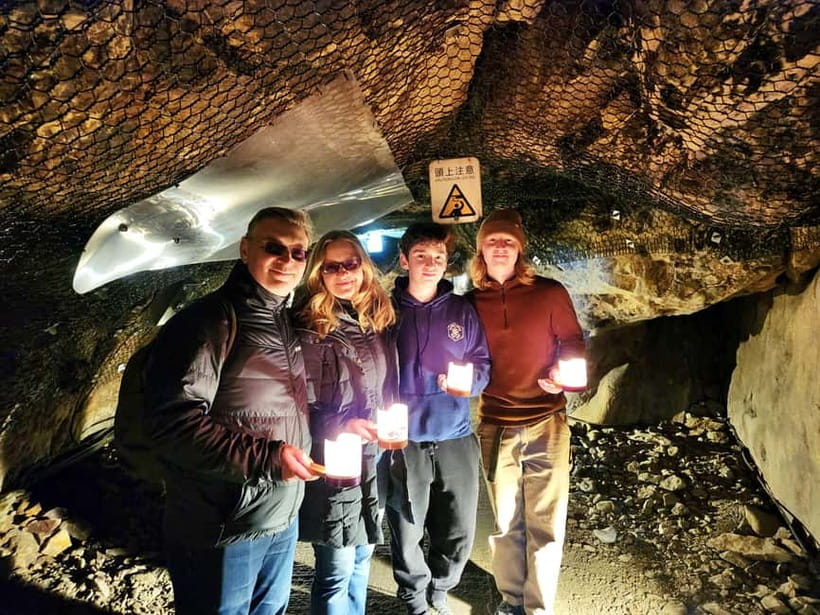
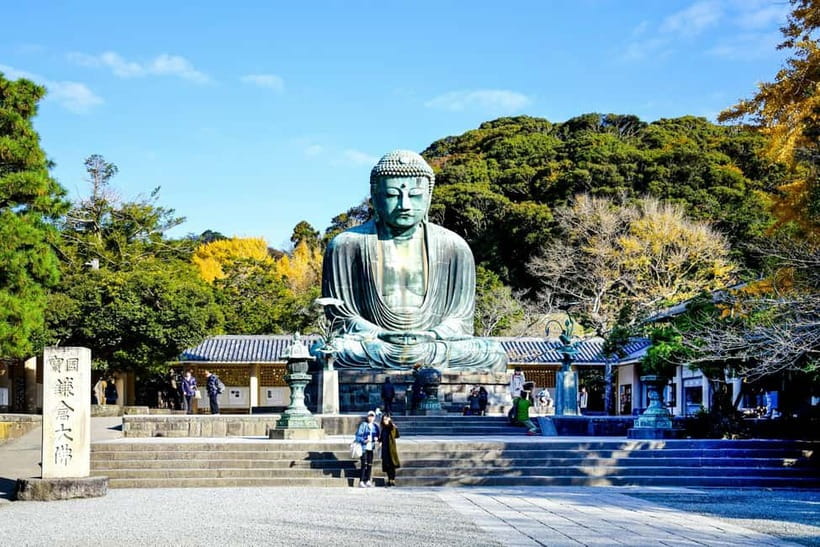
For a first visit, the best-known sights make a sensible backbone. Kotoku-in is home to Kamakura’s famous Great Buddha, a major landmark and an easy way to begin understanding the city’s religious importance. Your guide can add context to the statue and explain details you might otherwise pass without noticing.
Hasedera offers a different mood. It combines temple grounds, religious art, and scenic views, with walking that may include slopes and steps. It is a good choice if you want culture and scenery in the same stop, but you should wear proper shoes and be ready for uneven sections.
Tsurugaoka Hachimangu gives the day a broader sense of Kamakura. Its large grounds and shrine traditions contrast with the Buddhist temples. A guide who can explain both Buddhist and Shinto customs helps you understand why the buildings, rituals, and symbols differ.
This three-stop combination is not a guaranteed fixed itinerary, but it has worked well for families and first-time visitors. One family also included Enoshima, making for a full day of temples, island scenery, and movement around the area. That is a lot to pack in, so I would choose the extension only if you have eight hours and your group is comfortable staying active.
Entrance fees are not included. One visitor expected two temple tickets to be covered, so check the cost of each chosen stop and bring cash. This is a small but important point when comparing the headline tour price with your total day budget.
Choosing nature, quiet places, and local culture
You do not have to build the day around the standard sights. The planning format is especially useful if you have already seen major temples elsewhere in Japan or want a slower day.
Ask for a nature and culture route if you want a mix of outdoor time and local traditions. You might find that a temple garden, a hillside view, or a less central shrine gives you more breathing room than the most famous stops. The exact places depend on your interests and the guide’s proposed route, so request details before confirming the day.
A guide can also point out spiritual sites that are easy to miss when you move only between major attractions. The value here is not simply seeing more buildings. It is learning how the sites connect to Japanese customs, religious practice, local stories, and present-day life.
Deen has a background in the study of different religions, which is useful if you want more than dates and names. At the same time, the outing need not become a lecture. The strongest part of this format is the ability to ask for as much or as little explanation as you want.
Food can also shape the route. Guides have offered restaurant suggestions and helped fit a chosen restaurant into the schedule, including one outing where food restrictions required extra care. If lunch matters to you, raise it during planning rather than treating it as an afterthought.
Same base, a different sort of day:
- Tokyo: teamLab Planets TOKYO Digital Art Museum Entry Ticket
★ 4.6 · 9,779 reviews - Mt Fuji & Hakone Cruise, Drum Show Bullet Train 1 Day from Tokyo
★ 4.0 · 7,413 reviews - Tokyo: Sumo Show Experience with Chicken Hot Pot and a Photo
★ 4.8 · 6,678 reviews - Tokyo: Shinjuku Food Tour (13 Dishes at 4 Local Eateries)
★ 5.0 · 6,603 reviews
How transport and timing affect the day
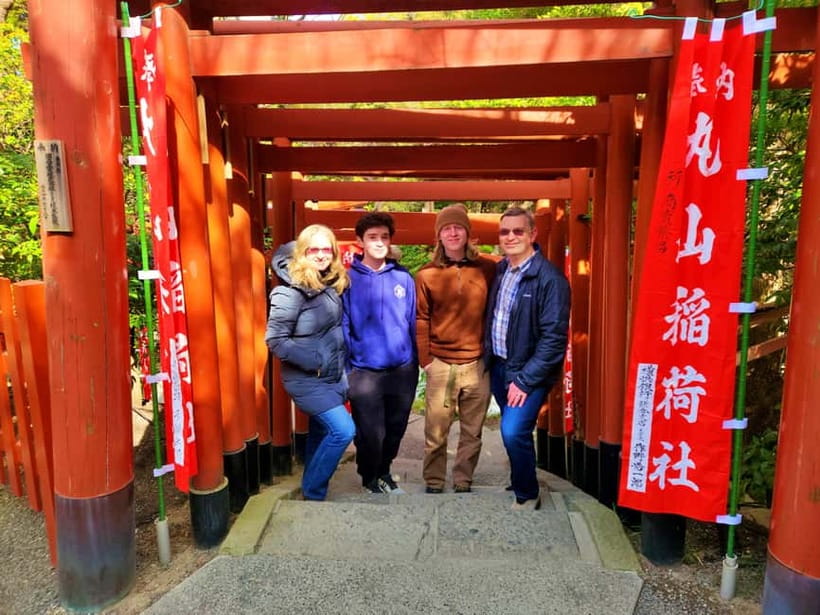
Private transport by car or bus is not included. Public transport is also not included, meaning you pay your own train and local transit fares. The tour relies on walking and public transportation, and that is both a limitation and part of the experience.
Kamakura’s stations and rail connections can be confusing when you are watching the clock. A guide can help you find the right platform, choose a workable sequence, and avoid wasting part of the day. One guide even helped a group collect luggage from storage and reach the correct platform for a train toward Haneda Airport.
Optional pickup is available on foot in Tokyo, Yokohama, and Kamakura areas. This is not a private vehicle transfer. It means your guide can meet you and walk with you from the agreed location. Confirm the exact meeting point and route in advance.
Two hours is enough for a narrow focus or a short introduction. A three-hour essentials outing can cover the main appeal of Kamakura without exhausting a family or someone fitting the city between other plans. Four to six hours gives you more room for temples, food, and a slower pace. Eight hours works best if you want several districts, nature, Enoshima, or a relaxed family day.
Do not choose the longest option simply because it is available. A temple-heavy route can involve stairs and steady walking. Your guide can adjust the pace, but the city itself still demands effort.
What makes this useful for families
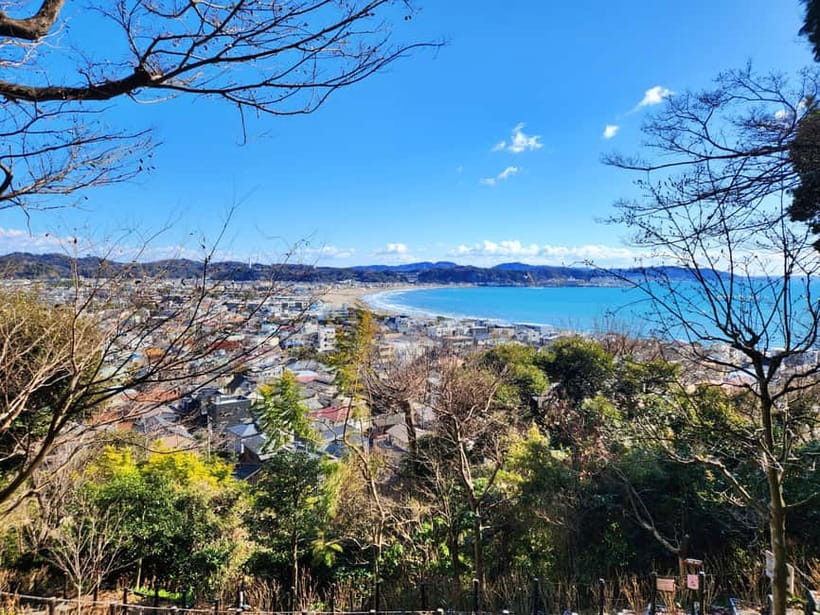
The private format is a strong match for families because the guide can change the rhythm from one hour to the next. Younger children may need shorter explanations, snack breaks, or something more active. Teenagers may respond better to stories about daily life, religion, and modern Japan than to a long list of dates.
Guides have kept children engaged while adults looked around, and they have helped parents plan routes with toddlers. Photos may also be taken by the guide if available, which is useful for a solo parent who wants pictures with a child. An optional photography session has also received praise, though you should confirm how that add-on is arranged and priced.
Children under 12 join free, but you still need to include them in the booking. This is a meaningful saving for families, especially when combined with the private format.
The tradeoff is that children who dislike walking may struggle. There is no promise of a stroller-friendly or wheelchair-accessible route, and the day includes public spaces where stairs and uneven paths may occur. Tell the guide about age, mobility, and attention span during the planning stage.
What the $51 price really gives you
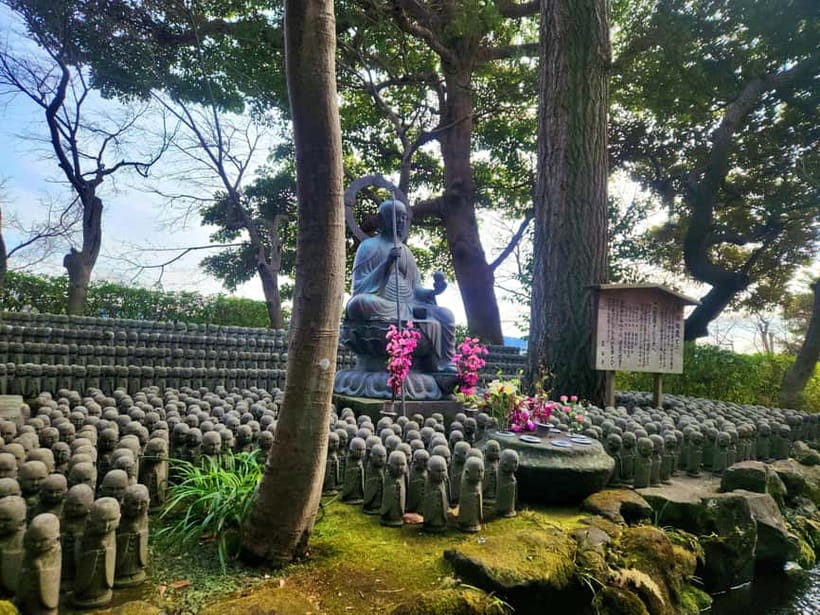
At $51 per person, the tour is priced attractively for a private experience, especially if you are splitting the cost among a couple or family. The value is not in bundled admissions or transport. It is in the guide’s time, planning help, local knowledge, navigation support, and ability to shape the day around you.
The listed price should not be treated as your final spend. Add train or bus fares, temple and shrine entrance tickets, meals, and any optional photography or pickup charges. Bring cash, since it is specifically recommended for the day.
The price makes the most sense when you value efficiency and personal attention. If you are happy to follow a guidebook, use a map, and visit only one or two central sights, you can explore Kamakura more cheaply on your own. If you want help choosing between many possible stops, understanding religious details, or making a tight schedule work, the private format earns its keep.
The reserve-now, pay-later option also helps if your Japan plans are still moving. Free cancellation is available up to 24 hours before the experience for a full refund. Read the final booking terms carefully, especially for add-ons.
Guides who add the most value
The guide matters more here than the brand name. Deen appears on many outings and is a good match if you want a relaxed companion who can move between serious history, Japanese customs, food tips, and ordinary conversation. Several outings describe him as especially good with children, families, and visitors who want the day to feel personal rather than formal.
Marco is a strong fit for temple-focused sightseeing and explanations of traditions and religion. He has also helped groups with practical station and luggage arrangements. Sofia has shown flexibility with a faster pace, while Lauren has handled food needs and kept a child involved.
These examples do not guarantee a particular guide. Your assigned guide depends on availability. I would use the pre-tour email to state your preferred style: detailed history, light conversation, photography, fast sightseeing, family pacing, or quiet nature.
Who should book this Kamakura tour
Book it if you want a private day built around your own interests, especially if you are visiting Kamakura for the first time and do not want to spend hours sorting out the route. It is also a good choice for families, solo visitors, couples, and anyone who wants help using local trains.
You will get the most from it if you can walk comfortably, wear supportive shoes, and accept that public transport and entrance fees cost extra. Bring cash, allow time for stairs, and tell the guide about food, mobility, children, and must-see sights before the day.
Skip it if you want a fully transported luxury tour, a fixed sightseeing package with tickets included, or a route requiring little physical effort. The tour’s strength is flexibility, not all-inclusive convenience.
For most visitors, I would choose three to six hours and make Kotoku-in, Hasedera, and Tsurugaoka Hachimangu the starting point. Add nature, food, or Enoshima only if your group has the time and energy. That gives you the best balance of famous Kamakura, personal interests, and a day that does not feel rushed.
FAQ
How long does the Kamakura tour last?
You can book a tour lasting from 2 to 8 hours. Available starting times are confirmed after your request is reviewed.
Is the tour private?
Yes. The experience is for a private group with a live English-speaking guide.
Which languages are available?
The tour is offered in English.
Can I customize the itinerary?
Yes. Your guide sends a proposed route and suggested destinations based on your interests. You can adjust the plan before and during the tour.
Can the tour include the Great Buddha and Hasedera?
Yes, Kotoku-in, home of the Great Buddha, and Hasedera are among the suggested Kamakura sights. The exact itinerary is arranged with your guide.
Can I visit Tsurugaoka Hachimangu?
Yes. Tsurugaoka Hachimangu is one of the destinations that can be included in a Kamakura itinerary.
Is Enoshima included?
Enoshima can be included as part of a longer customized outing, but it is not automatically included in every booking.
Are transport costs included?
No. Private transport and public transportation are not included. You pay your own train, bus, or other transit fares.
Are entrance tickets included?
No. Entrance tickets are not included, so bring extra money for paid temples or other attractions.
Can children join the tour?
Yes. Children under 12 join free, but you must include them in the booking.
Is hotel pickup available?
Optional on-foot pickup is available in Tokyo, Yokohama, and Kamakura areas. This is walking pickup rather than private vehicle transport.
Is the tour suitable for wheelchair users?
No. The activity is listed as unsuitable for wheelchair users and people with a low level of fitness.
What should I bring?
Bring comfortable shoes and cash.
Can I cancel the booking?
You can cancel up to 24 hours in advance for a full refund.
Just added in Tokyo
- The 10 Tastings of Tokyo With Locals: Private Street Food Tour★ 5.0 · 48 reviews
- Small Town in the Big City: Tasting Tokyo’s Kichijoji★ 5.0 · 195 reviews
- Small Town in the Big City: Tasting Tokyo’s Kichijoji★ 5.0 · 16 reviews
- EXCLUSIVE Tokyo Secret: Kichijoji Small-Group Food & Bar Hopping★ 5.0 · 29 reviews
- Explore Kichijoji: Walk Through One of Tokyo’s Beloved Districts★ 5.0 · 21 reviews
- :Tokyo,Shibuya/ Pro Photography in Kimono / English-Friendly★ 5.0 · 26 reviews
- 【R34】Tokyo:Private Daikoku tour in Modified R34★ 4.9 · 92 reviews
- Tokyo:Calligraphy &Make your original folding fan in Asakusa★ 5.0 · 62 reviews
Tours in Tokyo, compared.
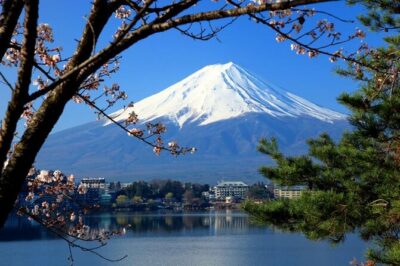
Mt Fuji and Hakone 1-Day Bus Tour Return by Bullet Train
Read our review →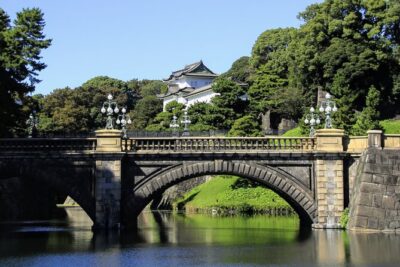
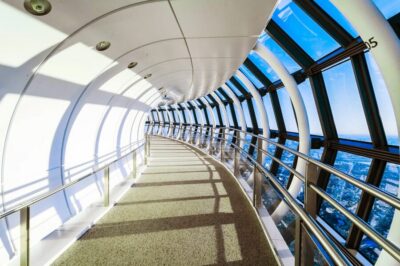
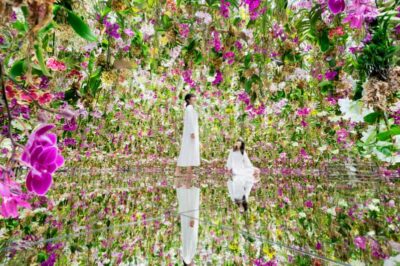
teamLab Planets TOKYO Digital Art Museum Entry Ticket
Read our review →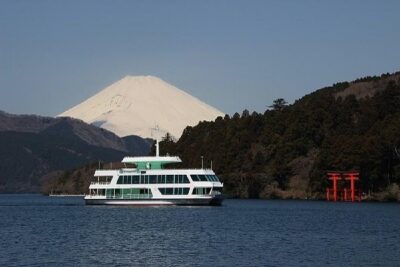
Mt Fuji & Hakone Cruise, Drum Show Bullet Train 1 Day from Tokyo
Read our review →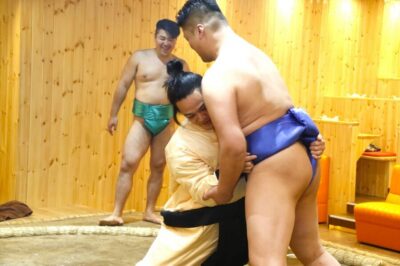
Sumo Show Experience with Chicken Hot Pot and a Photo
Read our review →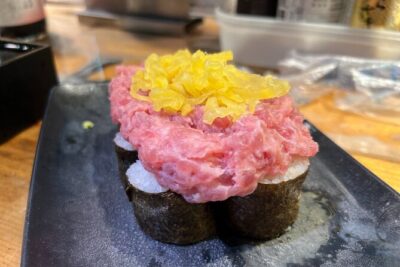
Shinjuku Food Tour (13 Dishes at 4 Local Eateries)
Read our review →