
Reviewed · SAMURAI & NINJA EXPERIENCES
Kanazawa: Samurai Residence Remains Nomura Family admission
The Nomura Family Samurai Residence gives you a rare look inside a 400-year-old samurai home, not just a museum full of labels and glass cases. I especially like the quiet Japanese garden and the way the house’s woodwork, rooms, and displays show how a loyal retainer of Maeda Toshiie lived. The chance to have tea in a private area adds a pleasant extra touch.
The main drawback is that this is a short, self-guided admission rather than a guided tour with a named expert. The building is historic, so you must remove your shoes, leave large bags outside, and accept that some areas may not work well for wheelchair users.
Key points to know before you go
- A real samurai residence: Enter the former home of Nomura Denbei Nobusada, a retainer of Maeda Toshiie.
- A calm Japanese garden: Take time to look closely at the garden from the residence rather than rushing through it.
- Historic objects on display: Samurai artifacts and household details help connect the building to daily life.
- Shoes come off at the door: Wear clean socks and footwear that is easy to remove.
- A very low admission price: At $3.55 per person, this is an easy addition to a Kanazawa sightseeing day.
- One-day validity: You receive admission for one day, with starting times subject to availability.
Entering the Nomura Family Samurai Residence
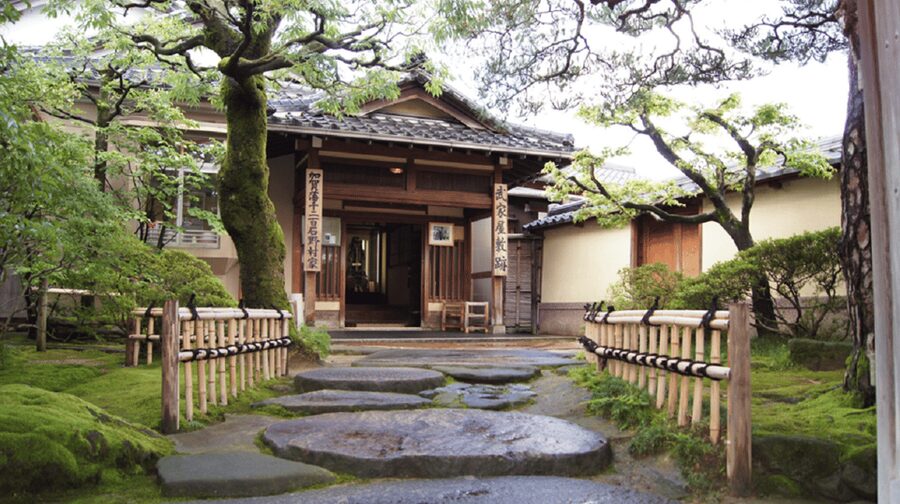
The Nomura Family Samurai Residence sits in Kanazawa’s Nagamachi Samurai District. You proceed directly to the residence for ticket redemption, at approximately 36.5642325, 136.6501985. Since no transport arrangement or meeting group is provided, you need to make your own way there.
The house belonged to Nomura Denbei Nobusada, described as a loyal retainer of Maeda Toshiie. That detail gives the visit its focus. You are not entering a generic reconstruction or a modern theme attraction. You are seeing a preserved home connected to the samurai class that once lived in this part of Kanazawa.
The residence is the only publicly accessible building and garden within the historic district. That makes the admission useful for anyone who wants to go beyond walking past old walls and streets. From outside, the neighborhood gives you a sense of place. Inside, the rooms and objects bring the story down to a human scale.
This is not a large complex with a packed schedule. You should think of it as a focused cultural stop, one that fits neatly into a day of exploring Kanazawa. The one-day admission lets you choose a suitable starting time from the available options, but it does not promise a full-day guided program.
Other samurai and ninja experiences in Japan people book:
- Kanazawa: Samurai, Matcha, Gardens and Geisha Full-Day Tour
★ 4.9 · 75 reviews - Full-Day Tour from Kanazawa: Samurai, Matcha, Gardens and Geisha
★ 5.0 · 68 reviews - Try Mindful Calligraphy Near Kanazawa’s Ninja Temple
★ 5.0 · 50 reviews
The house reveals samurai life through details
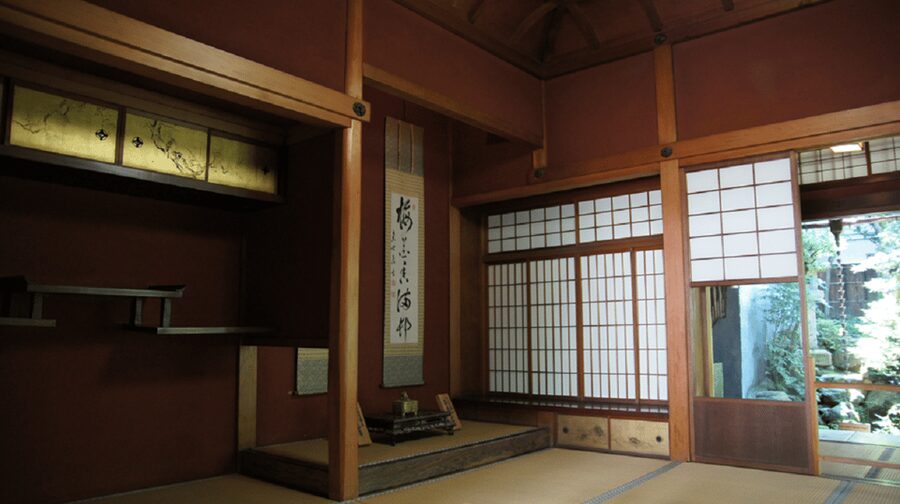
The most rewarding part of the residence is its architecture. Look at the timber, room proportions, fittings, and careful finish as you move through the building. These details are easy to miss if you hurry, but they are the clearest link between the building and the people who lived there.
The house has been preserved as a former samurai residence, so the value comes from the setting as much as from individual objects. You can picture how the rooms worked together and how a household used a traditional Japanese home. The visit is particularly useful if you have already seen castles or broad historical exhibitions and now want a more domestic view of the period.
You should not expect a large collection with extensive English explanations at every turn. The appeal is quieter. Furniture, artifacts, and architectural features work together to give you a sense of status, routine, and taste.
Samurai culture is often presented through armor, swords, and battles. Here, you get a different angle. The residence shows the setting behind the public image: a carefully maintained home, formal spaces, and objects that reflect a family’s position.
Take your time with the Japanese garden
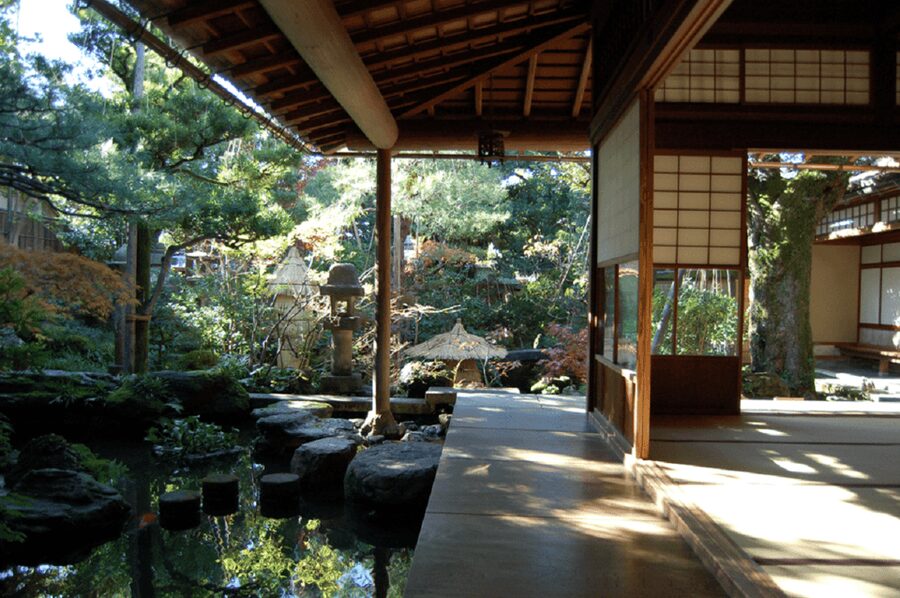
The garden is one of the strongest reasons to pay the small admission fee. From the residence, you can enjoy the garden as part of the architecture rather than as a separate outdoor attraction. The view gives the rooms a calmer feel and shows how traditional homes were designed around changing outdoor scenes.
I suggest pausing rather than treating the garden as a quick photo stop. Look at the relationship between the interior and the garden, including how the house frames the view. The garden is serene, and that calm helps balance the more formal samurai displays.
Photography is allowed, but flash and tripods are not allowed inside. That rule matters here because the garden and wooden rooms are best photographed with a light touch. You also need to avoid blocking passages or disturbing the quiet atmosphere.
A small but useful extra is the possibility of drinking tea in a private area. The details of that option are not specified, so you should treat it as something available at the site rather than part of the admission promise. If it is operating during your visit, it can add a restful pause after viewing the rooms.
Samurai artifacts and household objects
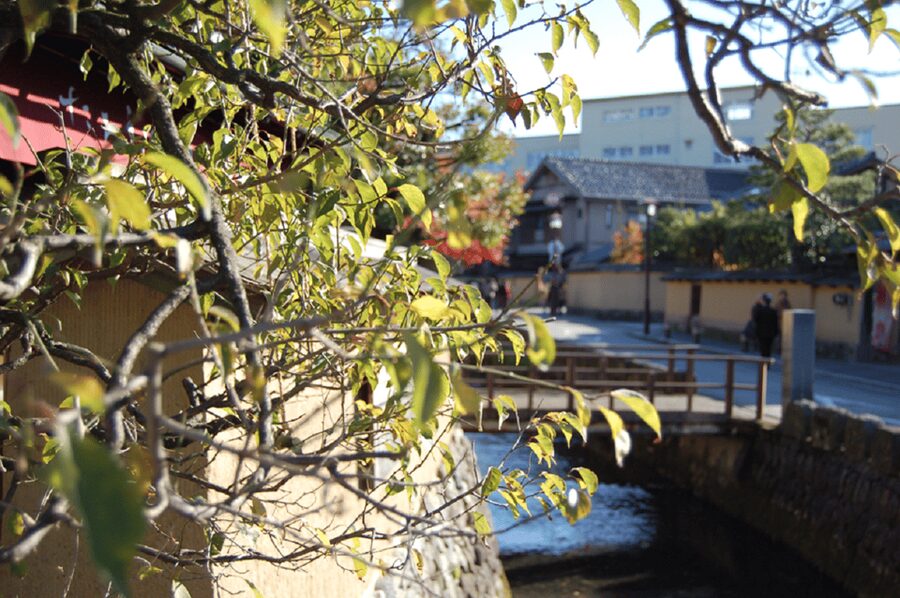
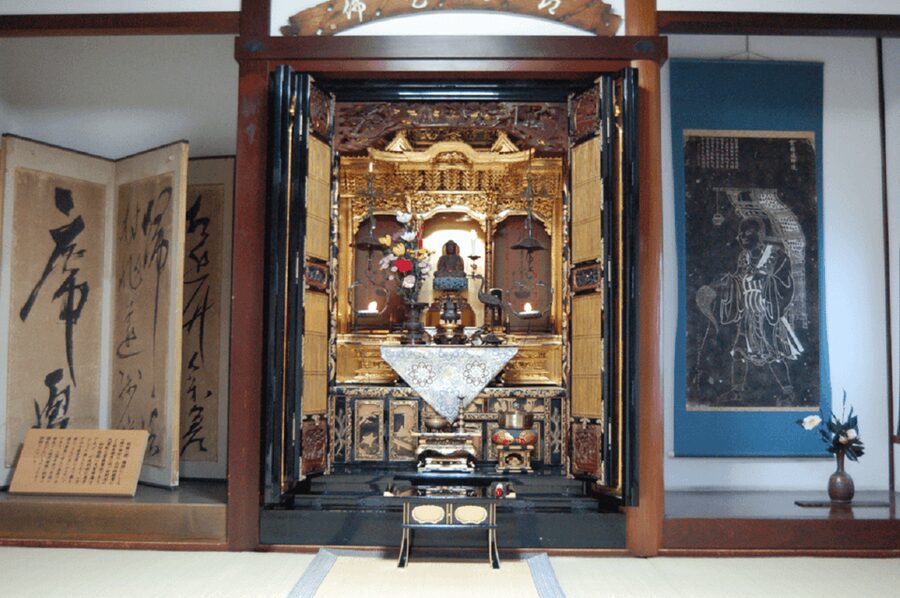
The displays include fascinating historical samurai artifacts. You may find that these objects make more sense after you have looked at the rooms themselves. Instead of viewing an artifact in isolation, you can consider how it fits into the home and the family’s position.
Please do not touch the artifacts, furniture, or displays. The rule is simple, but it matters in a building where historic materials are part of the experience. Staff instructions should be followed throughout the visit.
The residence is best for people who like to look closely. You will get more from noticing small construction details, display arrangements, and the garden view than from trying to race through every room. If you have a strong interest in Japanese architecture, samurai culture, or historic domestic life, the admission gives you a compact and affordable way to see all three together.
Families can visit, and children under six enter free. Still, the quiet setting and no-touch rules mean younger children need close supervision. It is not designed as a hands-on attraction.
Other swordplay and stealth sessions in Japan:
- Tokyo: Samurai Restaurant Show Ticket with 2 Drinks
★ 4.5 · 1,307 reviews - Kyoto Samurai Experience
★ 5.0 · 1,294 reviews - Tokyo: Samurai Ninja Museum Guided tour and Experience
★ 4.6 · 1,010 reviews - Kyoto: Kendo and Samurai Experience with Uniform and Gear
★ 4.9 · 815 reviews
What the $3.55 admission is worth
At $3.55 per person, this is one of the easiest cultural purchases to justify in Kanazawa. The ticket covers admission to the Nomura Family Samurai Residence. It does not include transport, food, drinks, a named guide, or other activities.
The value comes from the combination of access and setting. You get a preserved samurai home, a Japanese garden, historic objects, and architectural details for less than the cost of many larger attractions. If you are already visiting Nagamachi, the price makes the residence a sensible stop even if you only have limited time.
The low price does not mean you should expect an elaborate production. There is no stated guided walk, performance, or group program. You are paying for entry to a historic site and the freedom to examine it at your own pace.
The activity is valid for one day, with available starting times shown when you check. That is useful if you are building a flexible sightseeing schedule. The admission is non-refundable, so check the date and access details carefully before purchasing.
Practical rules that shape the visit
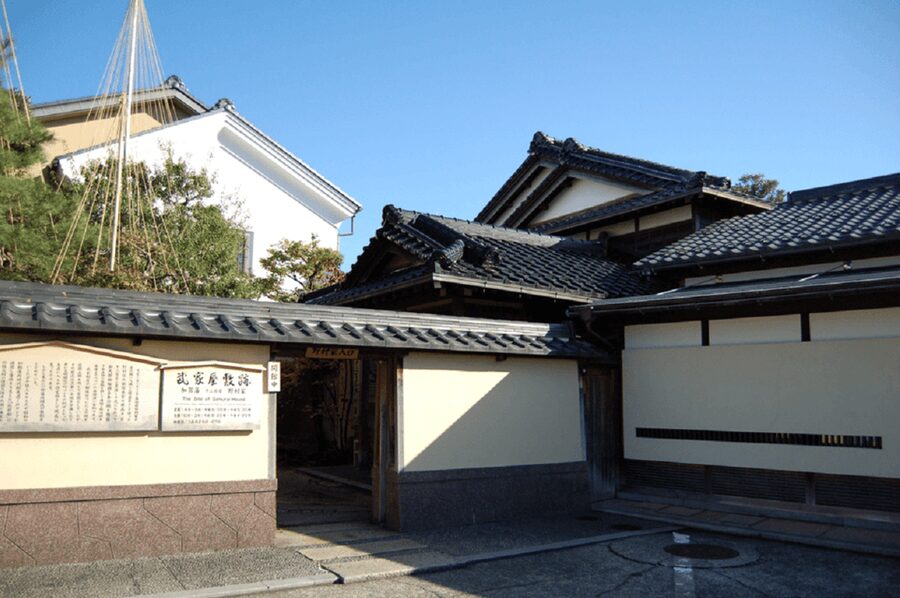
You need to remove your shoes before entering the residence. Wear socks you are comfortable walking in, and choose shoes that come off easily. This is a small point, but it can affect your comfort more than you might expect during a day of sightseeing.
Food and drinks are not allowed inside. Smoking is also not allowed. Umbrellas and luggage or large bags are prohibited, so arrive with only what you need for the visit.
Photography is permitted without flash or tripods. Commercial photography and filming require prior approval. Casual photographs are fine within the stated rules, but the quiet character of the house is more important than getting a perfect shot.
Some sections may not be wheelchair accessible because of the building’s historic design. If access is important for your visit, you should confirm the situation before going. The supplied information does not specify which areas are affected or what alternatives are available.
One practical caution is the ticket redemption process. You go directly to the residence, and the admission must be available for entry. Keep your booking details ready when you arrive. A ticketing problem can spoil an otherwise simple visit, so check that your confirmation or QR code is accessible before leaving for the site.
Who will enjoy this Kanazawa stop
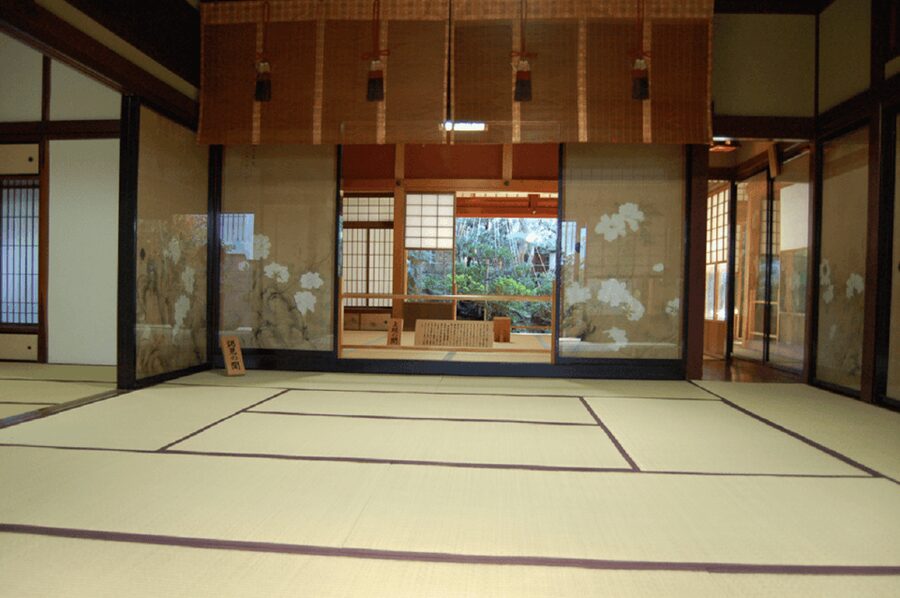
I would recommend this residence to anyone who wants a close look at samurai life beyond weapons and military stories. It suits visitors interested in Japanese homes, gardens, traditional woodwork, and the social world of a samurai retainer.
It also works well for a first visit to Kanazawa because the experience is easy to understand without a long lecture. You can take in the main idea quickly, then spend extra time on the garden or objects that catch your eye.
The residence may be less satisfying if you need a guide to explain every historical detail. No guide names or guided commentary are provided, so you should be comfortable exploring at your own pace. You may want to pair the visit with your own reading about Maeda Toshiie, Nomura Denbei Nobusada, and the Nagamachi district.
The quiet rules also make this a better fit for people who enjoy reflective historic sites. It is not a loud, interactive attraction. That is a benefit for many visitors, but a limitation if you are looking for activities for children or a highly structured tour.
How to make the most of the admission
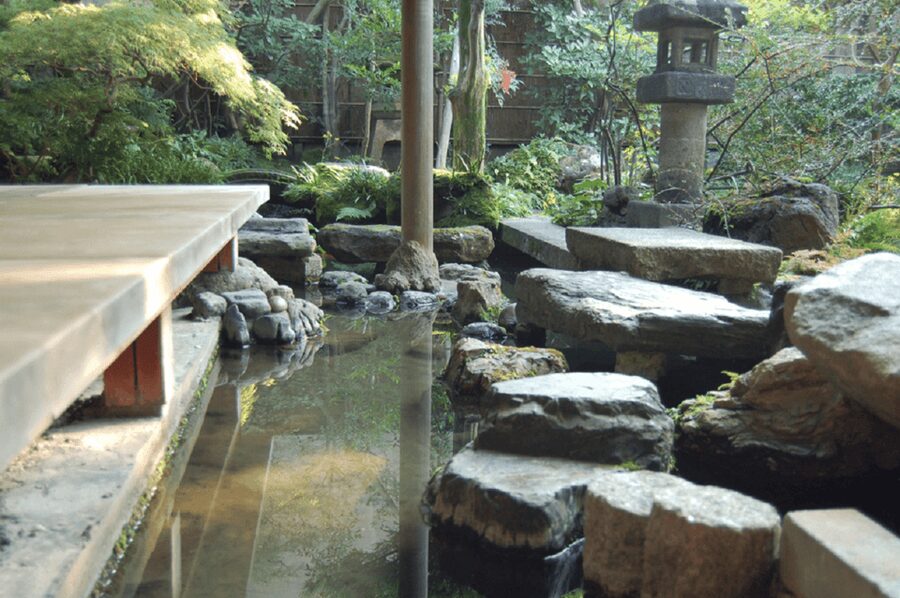
Plan your timing around the rest of your Kanazawa day, since the ticket is valid for one day rather than a stated fixed tour length. Check the available starting times before booking and avoid arriving with large bags or an umbrella.
Give yourself enough time to look at the house from different angles. First notice the overall layout and garden connection. Then return your attention to the artifacts, furniture, and architectural details. This two-stage approach helps you understand both the home as a whole and the smaller features that make it special.
Keep your phone ready for the ticket redemption, but use it quietly once inside. Flash photography and tripods are forbidden, and the site asks you to remain respectful. A calm visit will serve you better than trying to document every surface.
If you are visiting with children, explain the shoe removal and no-touch rules before arrival. Children under six enter free, but the same conduct rules apply to everyone.
Should you book the Nomura Family Samurai Residence?
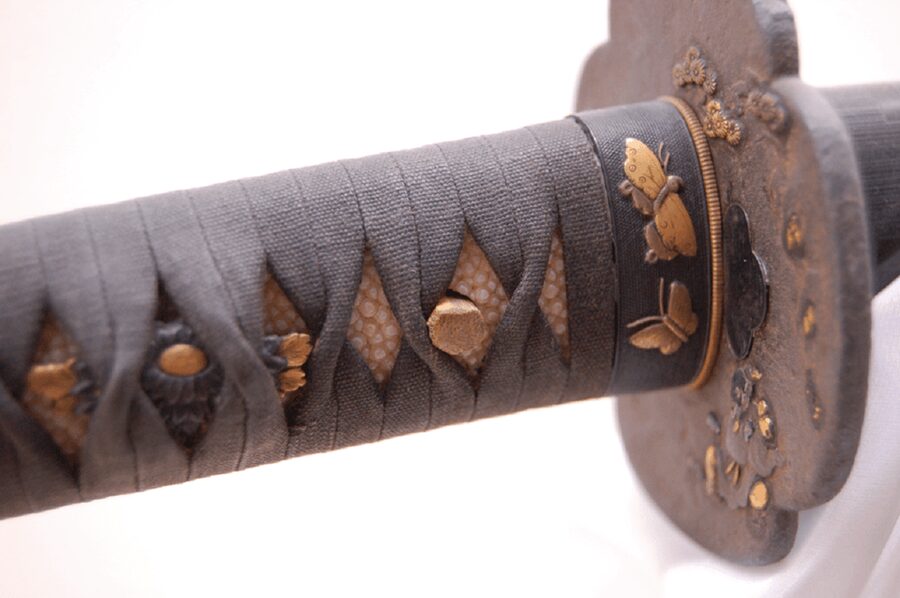
Book it if you want an affordable, focused look at a preserved samurai home with a peaceful garden. The $3.55 price is excellent for the access provided, especially if you are already spending time in Nagamachi.
Skip it if you need a guided experience, extensive accessibility, or a large interactive attraction. The visit depends on your interest in quiet observation and traditional architecture.
For most history and culture-focused itineraries, I would include it. Bring a working ticket confirmation, wear easy-off shoes, leave large bags behind, and give the garden and woodwork more than a passing glance.
FAQ
Where do I redeem the admission ticket?
Proceed directly to the Kanazawa Samurai Residence for redemption. The listed coordinates are 36.5642325, 136.6501985.
How much does admission cost?
The listed price is $3.55 per person.
How long is the ticket valid?
The admission is valid for one day. Starting times depend on availability.
Are children allowed to enter for free?
Yes. Children under six years old can enter for free.
Do I need to remove my shoes?
Yes. Shoes must be removed before entering the residence.
Can I take photographs inside?
Yes, photography is allowed, but flash and tripods are not permitted inside. Commercial photography or filming requires prior approval.
Is the residence wheelchair accessible?
Some areas may not be wheelchair accessible because of the historic design of the building.
Just added in Japan
- 1 Day Tour: Snow Monkeys & Snow Fun in Shiga Kogen★ 5.0 · 52 reviews
- Osaka: Mind & Spirit Balance Temple Reiki Healing★ 5.0 · 41 reviews
- Kobe Highlights & Hidden Gems: Private & Custom Tour with a Guide★ 4.5 · 70 reviews
- Sakurajima Century Lava Climb Journey with E-bike★ 4.9 · 27 reviews
- KOBE Sake Tasting Tour at Breweries (tasting fee included)★ 5.0 · 154 reviews
- Tokyo: Best Price Daikoku Parking Area JDM Car Meet★ 4.9 · 192 reviews
- Matsumoto Discovery – Half Day Walking Tour★ 5.0 · 43 reviews
- Fukuoka Your Way: 100% Customisable Private Tour with Local Guide★ 5.0 · 83 reviews
Samurai & Ninja Experiences, compared.

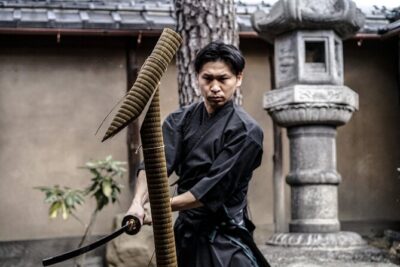
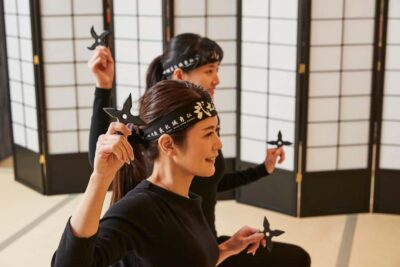
Samurai Ninja Museum Guided tour and Experience
Read our review →
Kendo and Samurai Experience with Uniform and Gear
Read our review →
Samurai Sword Class by Experts in Traditional Arts
Read our review →
Skip the lines Basic Ticket at SAMURAI NINJA MUSEUM KYOTO
Read our review →
Samurai Sword & Archery Class from Samurai Descendant
Read our review →
Browse the lists this tour appears in