
Reviewed · SAMURAI & NINJA EXPERIENCES
Kyoto: Kendo Samurai Experience Tour
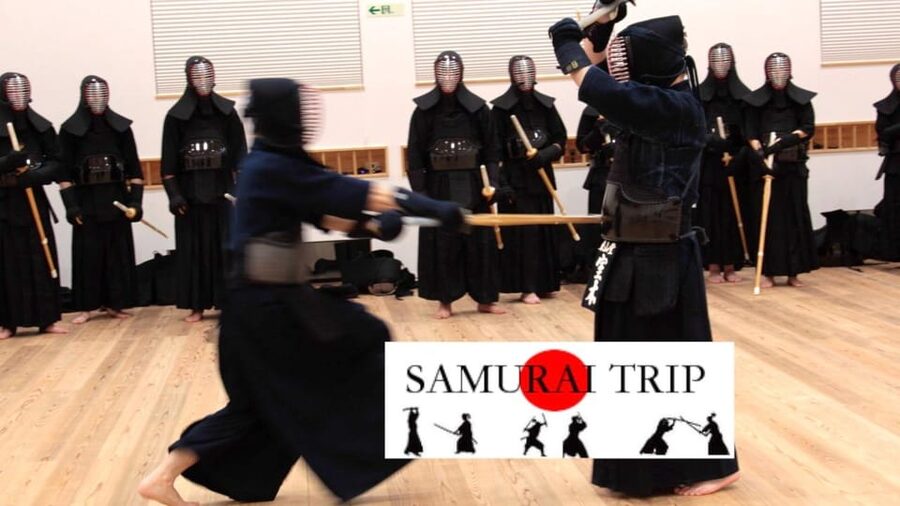
The first bamboo-sword clash comes after a lesson in dojo etiquette, footwork, and controlled strikes, so this is not a costume photo opportunity with a plastic sword. You will train in a real kendo setting, put on full armor, and finish with a supervised match.
I like the clear, serious instruction from Hayashi-sensei and the way beginners are treated as real participants. I also like the family-friendly format, since parents, children, siblings, and friends can face one another in a safe, structured bout. The main drawback is location: JR Hanazono Station is about 15 minutes from Kyoto Station, so you need to allow extra time for the trip.
Key points at a glance
- Full armor and bamboo sword practice: You do not just watch a demonstration. You learn enough technique to take part.
- 7th Dan instruction: Hayashi-sensei brings more than 40 years of kendo experience to a focused two-hour class.
- A real match at the end: The session builds toward controlled sparring, often the most memorable part for families and friends.
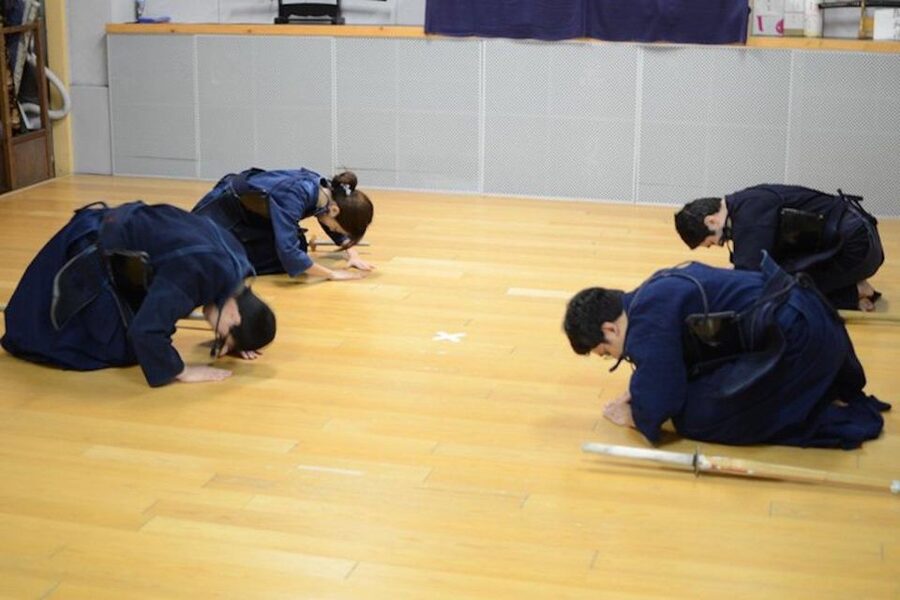
- Etiquette is part of the lesson: You learn how discipline, posture, respect, and movement shape kendo.
- Easy rail access: Meet at the north exit of JR Hanazono Station, about 15 minutes from Kyoto Station on the JR Sagano Line.
- Useful extras included: Armor, equipment, mineral water, and a kendo towel are provided.
Why this Kyoto kendo class feels different
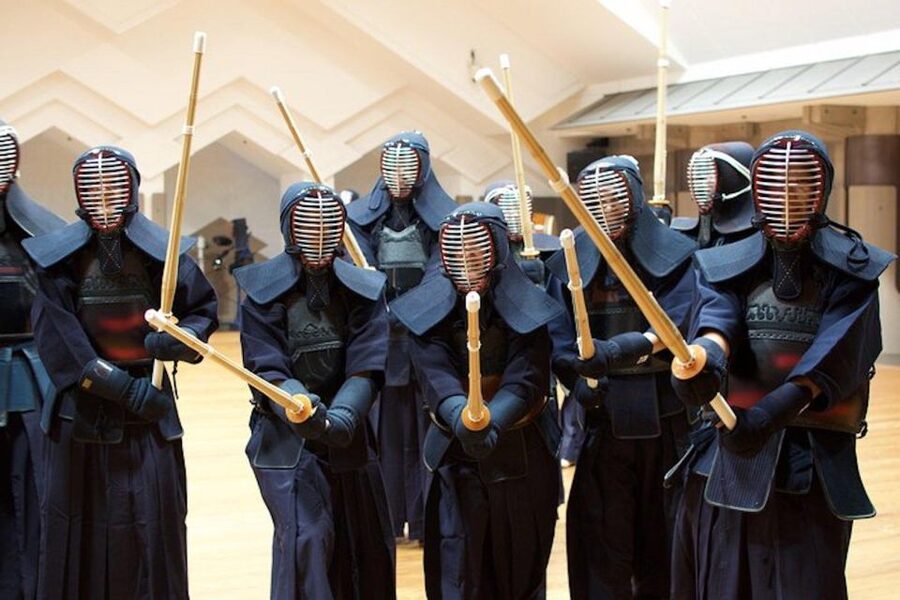
Kendo is often described as Japanese swordsmanship, but this class shows you that it is also a study of posture, timing, restraint, and respect. You use a bamboo sword rather than a sharp blade, yet the practice still involves actual attacks and defenses. Even beginners are guided toward a proper match.
That distinction matters. You are not simply standing in a robe while an instructor swings a sword nearby. You learn how to move, how to hold the bamboo sword, and how to respond to an opponent. The class has a physical side, but it also asks you to pay attention to rules and etiquette.
The atmosphere begins quietly. A dojo is a place where behavior matters. You can expect instruction to include proper conduct as well as technique. This gives the session more substance than a quick samurai-themed photo stop.
Hayashi-sensei is the named instructor connected with the class. He teaches in English and Japanese, and his demonstrations are important if you do not speak Japanese. Several participants describe his demonstrations as easy to follow, with a patient and humorous teaching style. Translation support has also been available when needed.
Other martial arts sessions in Kyoto:
- Kyoto: Kendo and Samurai Experience with Uniform and Gear
★ 4.9 · 815 reviews - Kyoto: Japanese Archery Workshop with Experienced Instructor
★ 4.9 · 132 reviews - Kyoto 2 Hours Genuine Kendo / Samurai Experience In Japan
★ 5.0 · 57 reviews
From JR Hanazono Station to the dojo
The meeting point is the north exit of JR Hanazono Station, written locally as JR 花園駅北口. From Kyoto Station, the ride takes about 15 minutes on the JR Sagano Line. Hotel pickup and drop-off are not included, so you handle the short journey yourself.
I would not treat this as a downtown Kyoto activity. Check the train route before booking, especially if you have temple visits or dinner plans close to Kyoto Station. One family found the distance greater than expected, although they were happy with the class once they arrived.
The station meeting point is useful because it is specific. Look for the north exit rather than simply arriving at Hanazono and waiting without a plan. You should also leave time to identify your meeting point and get ready before the scheduled start.
The dojo itself has been described as neat and clean. That matters more here than it might for a typical sightseeing stop, since you will be changing into protective gear and taking part in physical activity.
The first lesson: etiquette before action
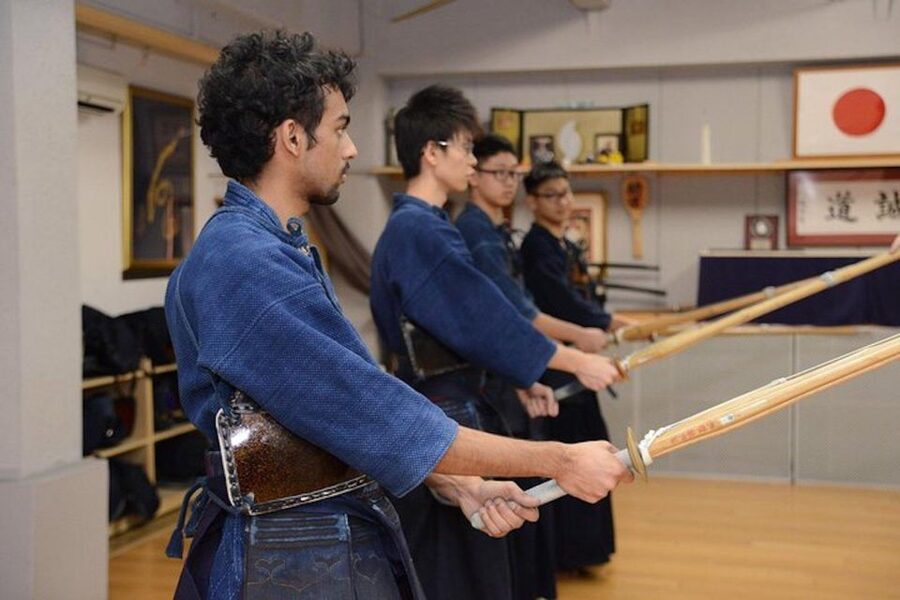
The opening section introduces you to the basic ideas behind kendo. You learn how to behave in the dojo, how to hold yourself, and how to move before worrying about speed or power.
This slower start is useful. Kendo can look simple from the outside: two people, two bamboo swords, one target. In practice, your feet, hands, posture, distance, and timing all need to work together. A good beginner lesson breaks those pieces into manageable steps.
Expect instruction in basic movements and rules. You may practice footwork, how to hold the shinai, and the form of strikes. You also learn that kendo is not a free-for-all. The controlled nature of the training is part of what makes it suitable for first-timers.
The class has been described as serious training, but not grim training. That balance is important. You will work, yet the instructor uses patience and humor to keep the room relaxed. If your Japanese is limited, watch the demonstrations closely and copy the movement rather than waiting for every word to be translated.
Putting on the kendo armor
The most exciting change in the session comes when you put on the equipment. The class provides rental kendo armor and gear, and you are asked to give the operator everyone’s gender and height in advance so the right sizes can be prepared.
Full armor changes your sense of the activity. Until this point, you are learning movements. Once the protective equipment is on, the lesson feels more like a formal martial arts practice. You are no longer picturing the match. You are preparing for it.
The gear is a major reason this class costs more than a casual cultural demonstration. You receive instruction, equipment, a proper dojo setting, and time to practice rather than just a short presentation. The armor also makes the session physically more demanding.
The class includes free mineral water, which is a small but sensible touch. Kendo practice can be a workout, particularly once you are dressed in protective equipment and repeating strikes. Wear clothing that is practical beneath the armor. The supplied information does not specify a dress code, so avoid planning an outfit that is difficult to change or move in.
Other swordplay and stealth sessions in Kyoto:
- Kyoto Samurai Experience
★ 5.0 · 1,294 reviews - Kyoto: Samurai Sword Class by Experts in Traditional Arts
★ 4.9 · 657 reviews - Skip the lines Basic Ticket at SAMURAI NINJA MUSEUM KYOTO
★ 4.5 · 632 reviews - Ninja 1-hour Hands-on Lesson by Japanese master in Kyoto -Entry
★ 5.0 · 489 reviews
Practicing strikes and match rules
Once you have the basic movements, you practice the techniques used in a kendo bout. The point is not to swing as hard as possible. You need to learn control, distance, and proper form.
This is where the class becomes active for everyone, including beginners. The instructors guide you as if you are preparing for a real game, while keeping the practice safe and controlled. The bamboo swords allow you to experience the rhythm of an exchange without using a sharp weapon.
You should expect to concentrate. Kendo is not just arm movement. The way you step, stop, face an opponent, and recover after a strike all matter. A participant described the training as challenging and enjoyable, and that is a fair expectation. You will probably leave with more respect for how much precision the art requires.
The English instruction is practical rather than guaranteed to be a long lecture. Hayashi-sensei’s demonstrations carry much of the lesson. If you need a concept repeated, ask clearly and watch the movement closely. English and Japanese are the listed languages, and translation support has been used during sessions.
The final match in full armor
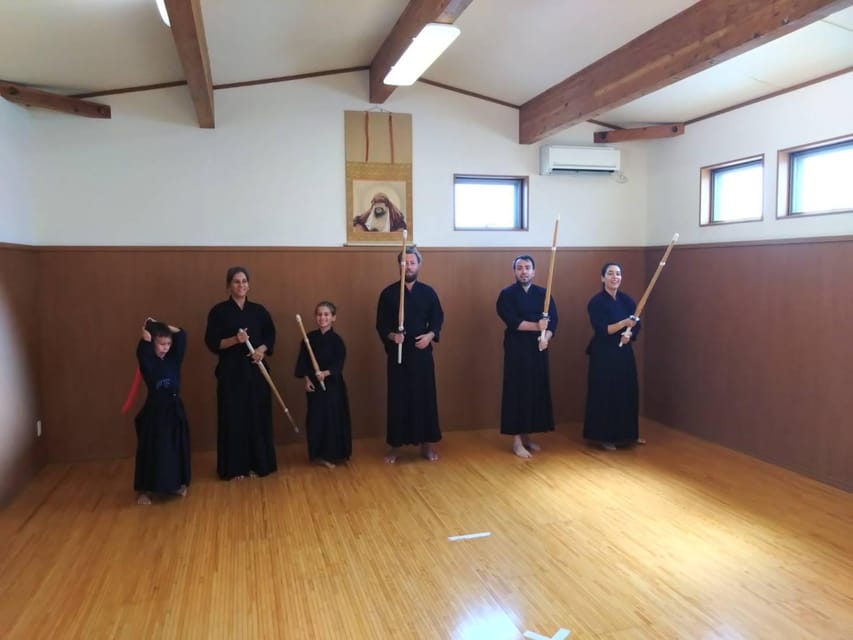
The class builds toward a controlled kendo match. This is the moment that gives the two-hour lesson its shape. You are not merely practicing isolated movements. You get a chance to use them against another person.
For families, this can be especially fun. Fathers and sons, brothers, and friends may face one another, with the instructor controlling the pace and keeping the bout safe. The match is not a rough contest, and you should not expect a tournament-level fight. It is a supervised introduction that lets you feel the focus and pressure of facing an opponent.
I like that the match comes after instruction rather than at the beginning. You have time to understand the rules and get comfortable in the equipment. That makes the final activity more rewarding and less awkward.
The match also reveals the difference between a staged samurai show and kendo training. You need to remember your form while reacting to another person. Even a short bout can make the earlier exercises click.
How demanding is the two-hour session?
This is a physical activity. You will practice footwork, repeat strikes, wear armor, and take part in controlled combat. It may be tiring, especially if you are not used to martial arts.
The class is not described as suitable for people with pre-existing medical conditions, and pregnant women should not book it. If you have concerns about exercise, ask a medical professional before choosing the activity.
The two-hour duration includes the teaching and practice period, though one account describes around 90 minutes of active cultural instruction. I would plan for the full two hours and avoid scheduling something immediately afterward. The pace can also depend on group size and how much help each participant needs.
A small group can be a real advantage. One father and son were the only participants in their session, creating what was effectively private tuition. You cannot count on having a private class, but a smaller group may allow more individual correction.
What the $116 price includes
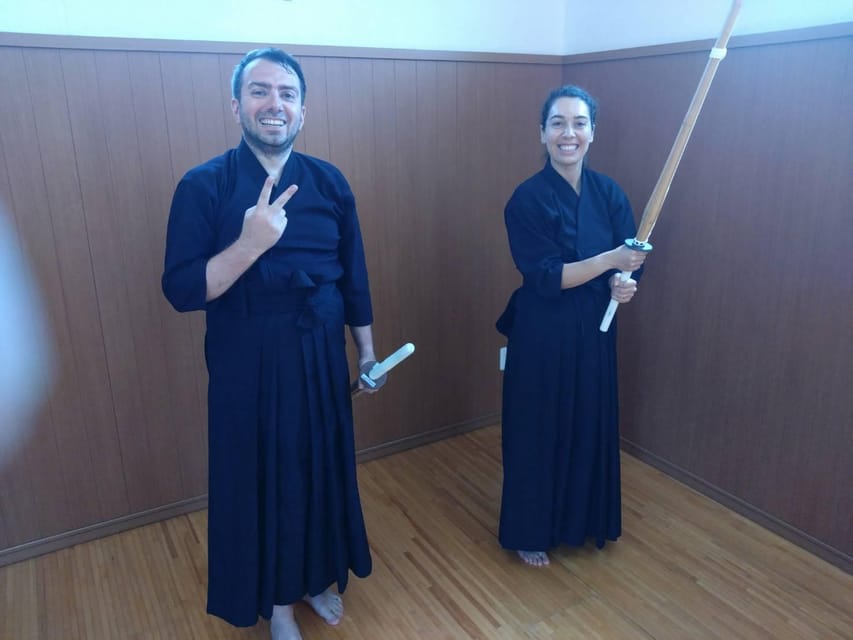
At $116 per person, this is not the cheapest cultural activity in Kyoto. Its value depends on what you want.
If you only want a quick introduction to samurai culture, this may feel expensive. If you want to train, wear full armor, use the equipment, and take part in a supervised match, the price is easier to justify. Professional instruction and equipment rental are included, along with water and a kendo towel.
The towel is a small souvenir, but the real value is the access to a proper training format. You do not need to buy or bring armor, and you are not paying separately for the instructor’s time or the final match.
I would consider it good value for someone who has always wanted to try kendo in Japan. It is also a strong choice for a parent and child or a pair of siblings who want an activity they can share. For a solo visitor, the class can still work, but the enjoyment may depend on who else attends.
The 4.7 rating from 33 reviews supports the idea that the class generally delivers what it promises. I would still read the practical details carefully: this is active, the station is outside the central Kyoto core, and English support relies partly on demonstration.
Who should book this experience?
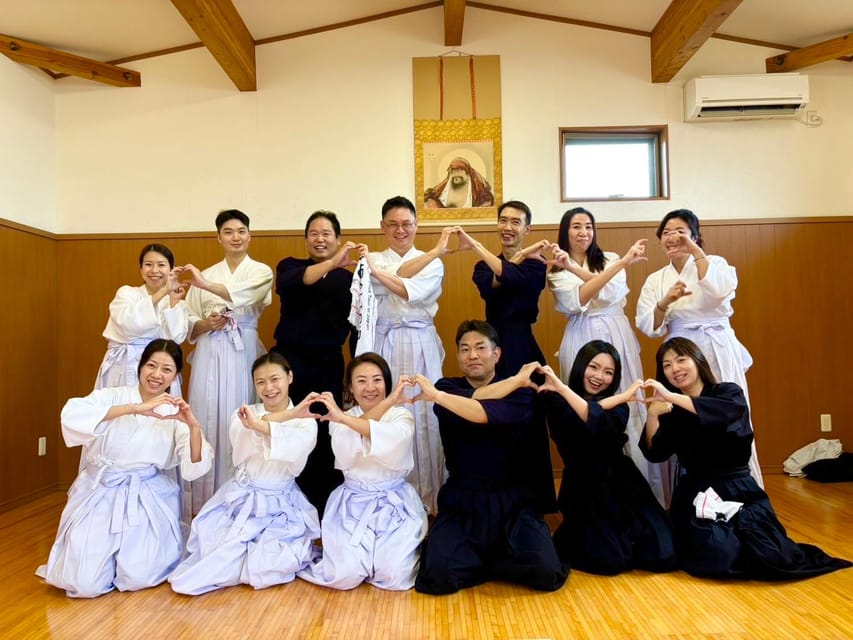
I would recommend the class to:
- First-time visitors who want a hands-on activity rather than another sightseeing stop
- Families with children who can follow instructions and take part in physical practice
- Couples, friends, or siblings who enjoy friendly competition
- People curious about Japanese martial arts and dojo etiquette
- Visitors who want to learn from a high-ranking instructor in Japan
- Anyone willing to spend part of a Kyoto day outside the main central area
I would be more cautious if you dislike structured activities or do not want to exercise. This is not a passive cultural talk. You will be expected to listen, copy movements, wear equipment, and take part.
The class also may not suit someone looking for a historical lecture about samurai. The focus is practical kendo training. You learn through movement, rules, and etiquette rather than through a long museum-style presentation.
Practical planning for a smoother visit
Before booking, provide the genders and heights of everyone in your party. This allows the operator to prepare suitable equipment and sizes.
Meet at the north exit of JR Hanazono Station. Since the ride from Kyoto Station takes about 15 minutes, add time for finding the correct platform, waiting for the train, and locating the exit. The class does not include hotel transportation or food.
Bring a flexible attitude. The instructor may explain a point in English or Japanese, and demonstrations are an important part of the teaching. You do not need to arrive with martial arts experience. The class is designed to guide beginners through the steps.
I would also keep your schedule open after the activity. The stated duration is two hours, and you may want time to change, return to the station, and travel back toward central Kyoto.
Cancellation is free up to 24 hours before the activity for a full refund. You can also reserve now and pay later, which helps if you are still adjusting your Kyoto schedule.
Should you book the Kyoto Kendo Samurai Experience?
Book it if you want to do more than look at samurai armor in a display case. You will learn basic kendo movement, practice with a bamboo sword, wear full protective equipment, and face another participant in a controlled match.
I especially recommend it for families and friends. The final bout gives the class a shared story, while the etiquette and technique provide enough substance to make the activity feel authentic rather than theatrical.
Think twice if you need a central Kyoto location, have medical concerns, or want a quiet cultural activity with little exertion. For everyone else, the combination of a 7th Dan instructor, real dojo practice, full armor, and a two-hour lesson makes the $116 price reasonable. Just plan the train ride carefully and arrive ready to work.
FAQ
Where does the kendo experience meet?
Meet at the north exit of JR Hanazono Station, written as JR 花園駅北口.
How far is JR Hanazono Station from Kyoto Station?
The station is about 15 minutes from Kyoto Station by the JR Sagano Line.
How long does the kendo activity last?
The stated duration is two hours. One session description refers to about 90 minutes of instruction, so plan your schedule around the full two-hour duration.
Is the activity suitable for beginners?
Yes. Beginners receive instruction in basic movements, etiquette, techniques, and match rules before taking part in a controlled practice bout.
Will I wear full kendo armor?
Yes. Rental kendo armor and equipment are included in the price.
Will I use a real sword?
The practice uses bamboo swords, not sharp blades. The session includes controlled fighting practice with this equipment.
Who teaches the class?
Hayashi-sensei is the named instructor. He is a 7th Dan kendo master, and the teaching team has more than 40 years of kendo experience.
What languages are available?
Instruction is available in English and Japanese.
What is included in the price?
The price includes a professional guide or instructor, rental kendo armor and equipment, free mineral water, and a free kendo towel.
Is hotel pickup included?
No. Hotel pickup and drop-off are not included, and food is also not included.
Who should not take part?
The activity is not suitable for pregnant women or people with pre-existing medical conditions.
Can I cancel for a refund?
You can cancel up to 24 hours in advance for a full refund. Reserve now and pay later is also available.
Just added in Kyoto
- Private Cooking Class Udon in Kyoto Japan★ 5.0 · 23 reviews
- Your Private Vacation Photography Session In Kyoto★ 5.0 · 110 reviews
- Kyoto: Zen Meditation at a Private Temple with a Monk★ 5.0 · 25 reviews
- Private Pewter Sake Cup Experience with a Kyoto Artisan★ 5.0 · 31 reviews
- Kyoto Wagashi(Japanese sweets) Cooking Class near Fushimiinari★ 5.0 · 60 reviews
- Kyoto:Family-Friendly Kimono & Yukata Experience at WARGO★ 5.0 · 147 reviews
- Private Guided Traditional Buddhist Cooking in Japan★ 5.0 · 16 reviews
- Kyoto: Gion Geisha District & Sake-in-Hand Walking Tour★ 5.0 · 37 reviews
Samurai & Ninja Experiences, compared.
Samurai Ninja Museum Guided tour and Experience
Read our review →
Kendo and Samurai Experience with Uniform and Gear
Read our review →
Samurai Sword Class by Experts in Traditional Arts
Read our review →
Skip the lines Basic Ticket at SAMURAI NINJA MUSEUM KYOTO
Read our review →
Samurai Sword & Archery Class from Samurai Descendant
Read our review →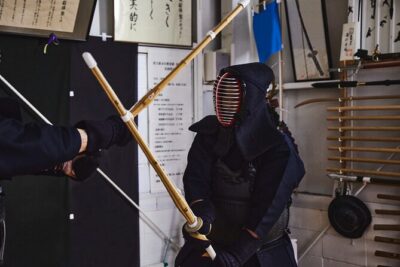
Browse the lists this tour appears in