
Reviewed · FOOD TOURS
Kyoto Private Food Tours with a Local Foodie: 100% Personalized
Kyoto’s best food tour is not always about finding one famous dish. It is about learning where to look, what to order, and how local eating fits into daily life. This private tour gives you a guide’s full attention while you sample six to eight local foods, with the route adjusted to your preferences.
I like two things right away: the private format makes it easier to ask questions, and the food can range from Nishiki Market snacks to ramen, gyoza, yakiniku, obanzai, sake, or dessert. You also get practical restaurant suggestions for later in your trip. The main consideration is the price, $245.15 per person, which is a lot for three hours if you want a formal cooking lesson or a long sit-down meal.
Key points at a glance
- Six to eight tastings are included, along with one glass of sake, wine, beer, or a soft drink.
- The route follows your tastes, so your experience may focus on ramen, sushi, grilled beef, Kyoto vegetables, sweets, or other local specialties.
- Nishiki Market is a central stop, but it is open only from 9 a.m. to 4 p.m., so timing matters.
- Gion and the Kamo River add atmosphere, especially if you choose an afternoon or evening outing.
- The private guide makes this a useful first-day activity, since you can ask for restaurant ideas near your hotel or for the rest of your Kyoto stay.
- The experience is walking based, with public transport or taxi suggestions available if needed.
What your three hours in Kyoto may look like
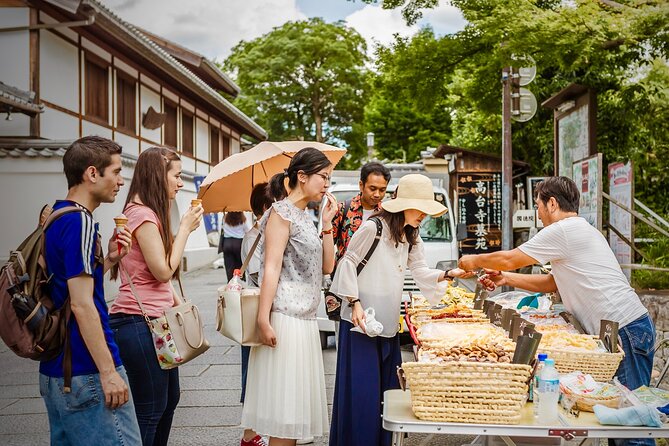
This is best understood as a flexible food walk, not a fixed restaurant crawl. You meet your host at the Matsumoto Kiyoshi Kyoto Shijo Kawaramachi location, at 103-2 Hashimotacho in Shimogyo Ward, unless a central hotel meet-up has been arranged.
The route can include several parts of central Kyoto. You may visit Nishiki Market, pass along Shijo Dori, explore Gion, stop in a local eating area, try obanzai, and finish beside the Kamo River with a drink. The exact mix depends on your food preferences and the time of day.
That flexibility is useful, but it also means you should tell your host what you want before the tour begins. If you care most about sweets, sake, coffee, vegetarian food, ramen, or a particular Kyoto dish, say so clearly. The more specific you are, the more the private format can work in your favor.
More eating your way round Kyoto:
- Kyoto Night Foodie Tour in Gion (9+ dishes + 6 Sake tastings)
★ 5.0 · 1,762 reviews - Kyoto: Gion Food Tour 13 Dishes at 4 Eateries
★ 5.0 · 408 reviews - Kyoto Foodie Night Tour
★ 5.0 · 376 reviews
Nishiki Market and Kyoto’s street food
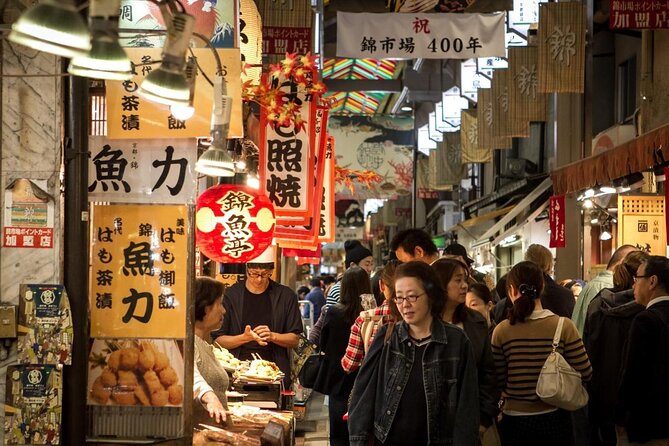
Nishiki Market is the natural starting point for a Kyoto food walk. The centuries-old market is known for small food stalls and local specialties, so it lets you taste several things without committing to a full meal at every stop.
You may try items such as tempura, yakitori, sushi, or dessert. The food selection can be broad, which is good for curious eaters and families with different tastes. It also means the six to eight tastings can feel like a proper sampling session rather than one large plate.
The market has one important limitation: it is open from 9 a.m. to 4 p.m. If your tour is later in the day, this part may not be possible. Ask about the planned route when booking, especially if Nishiki Market is your main reason for choosing the experience.
Nishiki can also be busy and highly commercial in feel. Your host’s value here is not simply pointing at stalls. You want help deciding what is worth trying, what fits your diet, and how much food to eat early in the tour. A good guide can prevent you from filling up on the first snack.
Shijo Dori and the useful middle ground
Passing along Shijo Dori connects the market area with Kyoto’s central shopping and dining streets. It is less of a food stop than a way to understand how the market, department stores, restaurants, and neighborhood streets fit together.
This part of the walk can be helpful if you want to get your bearings fast. Your host may point out places to return to later, including ramen restaurants, izakaya, dessert shops, or coffee spots. Several guides have also offered restaurant suggestions for the area around a guest’s hotel or for a later stop in Osaka.
Do not expect every minute to bring a tasting. A food tour also needs walking time, conversation, and room for your appetite to catch up. The three-hour length is enough for a broad introduction, but not enough to cover every major Kyoto food district.
Gion after dark, with lanterns and local specialties
Gion brings a different mood to the tour. Its lanes, lantern-lit izakaya, and traditional entertainment setting give the food walk a more evening-oriented feel. If you choose a later start, this is where the experience may shift from market snacks to drinks and small dishes.
You could wind down with a local specialty or a draft beer in an intimate izakaya. The included drink may instead be sake, wine, or a soft drink, depending on the arrangement and your preference.
Gion is a place where context helps. Your host can explain terms such as kaiseki, the formal multi-course style of Japanese dining, and point out how an izakaya differs from a more formal restaurant. That background is valuable because menus and dining customs can be confusing if you are new to Japan.
One caution: the tour does not promise a reserved chef’s counter, private kitchen access, or a behind-the-scenes restaurant visit. One lower-rated experience found the food stops less special than expected, with two street vendor restaurants selected on the spot. If you want a set tasting menu, chef meeting, or cooking class, this is not the safest choice.
Same base, a different sort of day:
- PERFECT KYOTO 1-Day Bus Tour
★ 5.0 · 13,518 reviews - Kyoto: Fushimi Inari, Kinkakuji, Bamboo Grove 1 Day Bus Tour
★ 4.8 · 4,316 reviews - Kyoto: Tea Ceremony in a Traditional Tea House in Kiyomizu
★ 4.9 · 3,519 reviews - Kyoto Geisha Walking Tour: Gion District & Hidden Gems
★ 4.7 · 3,273 reviews
Ramen, gyoza, yakiniku, and the local food streets
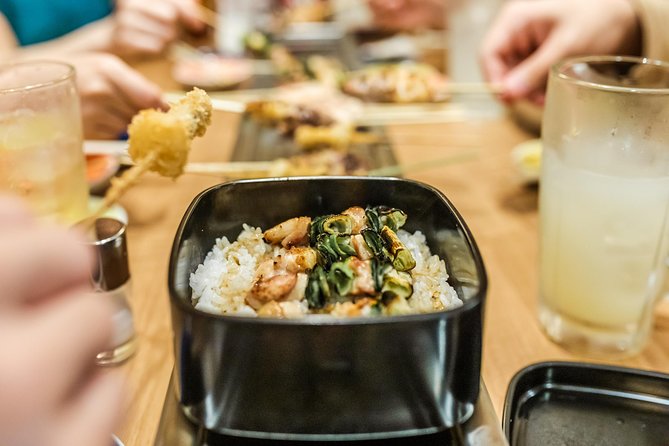
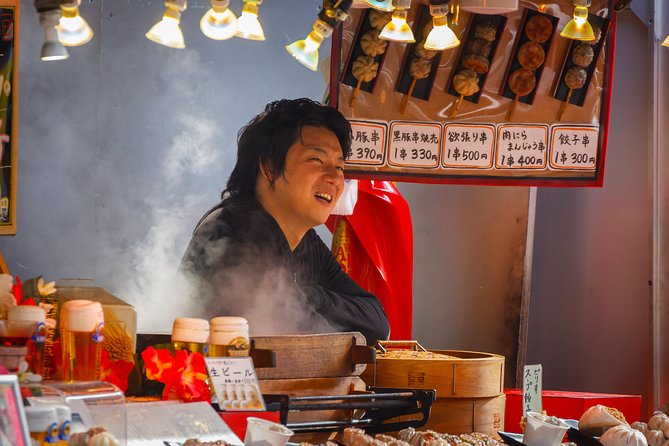
Another part of the route may focus on streets lined with casual restaurants. Here, your choices can include Kyoto ramen, gyoza, grilled beef, or a more polished izakaya.
This is where personalization matters most. A family with teenagers may prefer familiar foods and a relaxed meal. An adventurous eater may want unfamiliar snacks or several kinds of sake. Someone who has already visited Nishiki Market may want to spend more time in a neighborhood dining area instead.
The included tastings do not necessarily mean six to eight full dishes. Think of them as samples, small bites, and stops that together form a meal-sized experience. Additional food and drinks cost extra, so keep that in mind if you want to order a full ramen bowl, several rounds of drinks, or a large shared meal.
The strongest use of the tour is to treat it as both dinner and orientation. You can eat enough to understand Kyoto’s food scene, then use your host’s recommendations for later meals. Michael, Alex, and other hosts have helped people find restaurants to return to, which can be more useful than simply eating one expensive meal and leaving with no plan.
Obanzai and Kyoto’s everyday vegetable cooking
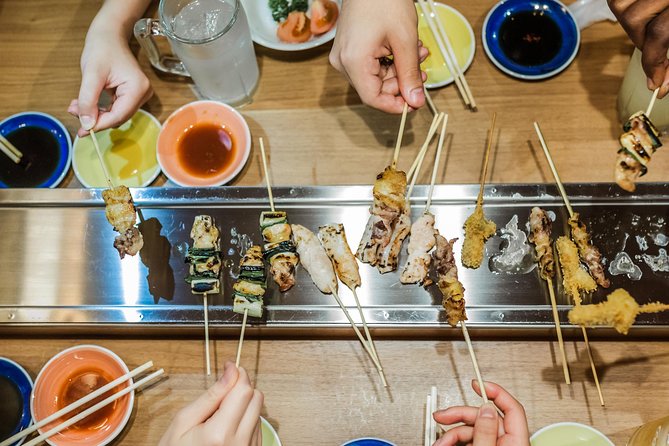
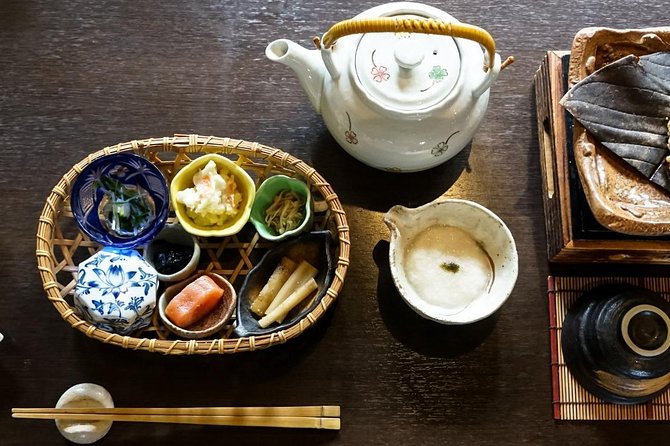
Obanzai is one of the more distinctly Kyoto-focused foods that may appear on the route. It refers to traditional home-style vegetable dishes, often served as small plates. This gives you a chance to try something different from the familiar ramen, sushi, and grilled meat found in many Japanese cities.
I like this part because it connects food with ordinary local cooking. Kyoto is not only about elaborate kaiseki meals or market snacks. A plate of prepared vegetables can show you another side of the city’s food culture, especially if your host explains the ingredients and customs behind it.
The tour cannot guarantee a specific obanzai restaurant because the route is personalized. If this is important to you, request it in advance. The same applies to vegetarian preferences, allergies, or foods you do not eat. The supplied details confirm personalization, but they do not promise that every dietary request can be met at every stop.
Ending beside the Kamo River
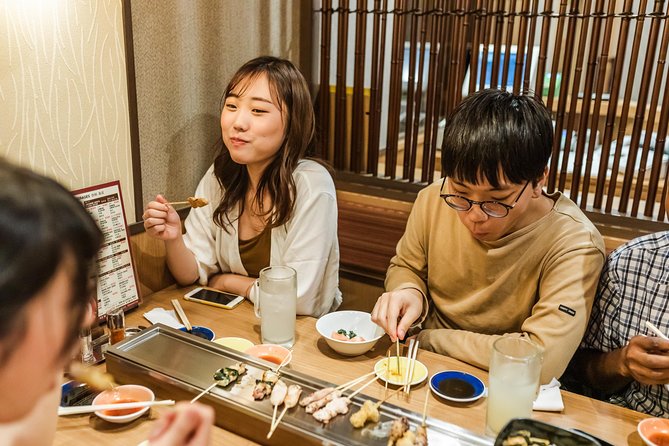
A stop by the Kamo River can provide a welcome change of pace after several food tastings. You may watch the sunset while having an ice-cold beer, or choose another included drink.
This is a pleasant ending because it gives the tour a simple local rhythm: walk, eat, talk, then sit and watch the city. It is not a major attraction with an admission ticket. The appeal is the setting and the chance to ask final questions about Kyoto restaurants.
The sunset timing is not guaranteed, so do not book this solely for a sunset view. Treat it as one possible part of the personalized route. If the market is essential to you, book earlier. If Gion and the river sound better, an afternoon or evening start may suit you more.
The private guide is the main value
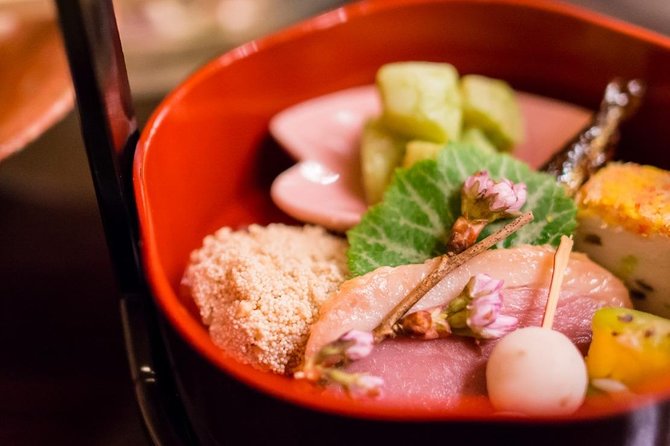
The tour’s best feature is not any single tasting. It is the one-to-one help. A private host can slow down for questions, adjust the food choices, and change the balance between sightseeing and eating.
Several hosts have received especially strong praise for their warmth and practical advice. Cici has been described as friendly, with strong English and a good grasp of Kyoto food and culture. Michael has led tastings that included tempura, yakitori, sushi, and dessert. Nisa has taken people to places they would not have found alone.
Toga has also worked well for families, including in cold rain, while Alex has combined food with a quick introduction to Kyoto’s history and later restaurant advice. Anna has led enjoyable evening outings, and Justin has been singled out as a particularly memorable host for an evening food tour.
Those names are useful when comparing availability, but you may not be able to select a particular guide. The quality of the experience will depend heavily on the person assigned to you, so send clear preferences and questions before you meet.
Is $245.15 per person fair?
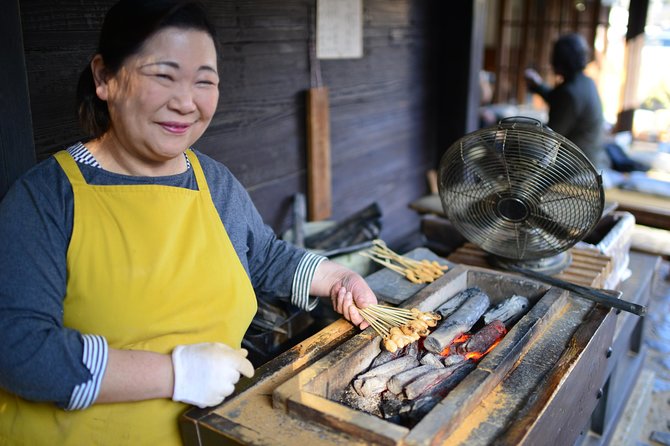
At $245.15 per person, this is a premium food walk. The price includes a private three-hour host, six to eight tastings, and one drink. It does not include extra food, extra drinks, attraction tickets, transportation, or tips.
For a couple or small family that values personal attention, the price can make sense. You are paying for planning help, flexibility, conversation, and the ability to shape the route. The restaurant recommendations may also save you time later in the trip.
For a solo visitor or budget-conscious eater, the cost is harder to justify. You could spend much less eating at Nishiki Market or a casual restaurant on your own. You also need to accept that the food may be a series of small samples rather than a grand meal.
I would book this for the first or second day in Kyoto if food is a major part of your trip. That gives you time to use the advice afterward. I would skip it if you already have a full restaurant plan or want a technical cooking class.
Timing, walking, and practical details
The experience lasts about three hours and is primarily on foot. If you need a break from walking, your host can suggest public transport or private taxi options, but those costs are not included.
The usual meeting point is near Shijo Kawaramachi, and the activity ends back at the meeting point. A hotel meet-up is available on request for a central location. Confirmation arrives at booking, and service animals are allowed.
Most people can participate, but you should plan for walking between food stops. Wear comfortable shoes and avoid eating a large meal beforehand. If you have allergies, religious food requirements, or strong dislikes, explain them before the tour rather than waiting until you reach a stall.
The tour offers free cancellation if you cancel at least 24 hours before the start time. Cancellations or changes made less than 24 hours ahead are not accepted for a refund.
Who should book this Kyoto food walk?
This experience suits you if you want a private introduction to Kyoto eating, prefer conversation over a large group, and like the idea of deciding what to taste as you go.
It is especially useful for families, couples, first-time visitors, and people who want help choosing restaurants for the rest of their stay. Teenagers may also enjoy the range of ramen, gyoza, grilled meat, sushi, and sweets.
You should think twice if you expect a formal culinary course, access to a chef, a guaranteed famous restaurant, or a fixed list of stops. The personalized format is a strength, but it also means the exact food and route are not locked in.
Should you book it?
Book this tour if you want a friendly local host, a private route, several small tastings, and practical restaurant advice. I would request Nishiki Market, obanzai, or an evening Gion route specifically, since those parts depend on timing and availability.
Skip it if $245.15 feels high for three hours or if your priority is a structured cooking lesson. For the right eater, though, this is a useful way to get oriented, taste across several food styles, and leave Kyoto with better ideas for your next meal.
FAQ
How long does the Kyoto private food tour last?
The experience lasts approximately three hours.
How many food tastings are included?
You receive six to eight tastings of local food specialties.
Is a drink included?
Yes. The experience includes one glass of sake, wine, beer, or a soft drink.
Is the tour private?
Yes. Only your group participates in the private activity.
Can the tour be customized?
Yes. The experience is personalized around your food preferences, and the places visited may differ from the suggested route.
Does the tour visit Nishiki Market?
Nishiki Market is one of the listed stops, but the exact route can vary. The market is open from 9 a.m. to 4 p.m.
Where does the tour start?
The listed meeting point is Matsumoto Kiyoshi Kyoto Shijo Kawaramachi, 103-2 Hashimotacho, Shimogyo Ward, Kyoto, 600-8011, Japan.
Where does the tour end?
The activity ends back at the meeting point.
Can the host meet me at my hotel?
A hotel meet-up is available on request for a central location.
Are transportation costs included?
No. The experience is walking based, and any public transport or private taxi costs are extra.
Can I cancel for a full refund?
Yes, if you cancel at least 24 hours before the local start time. Cancellations made less than 24 hours in advance are not refunded.
Just added in Kyoto
- Private Cooking Class Udon in Kyoto Japan★ 5.0 · 23 reviews
- Your Private Vacation Photography Session In Kyoto★ 5.0 · 110 reviews
- Kyoto: Zen Meditation at a Private Temple with a Monk★ 5.0 · 25 reviews
- Private Pewter Sake Cup Experience with a Kyoto Artisan★ 5.0 · 31 reviews
- Kyoto Wagashi(Japanese sweets) Cooking Class near Fushimiinari★ 5.0 · 60 reviews
- Kyoto:Family-Friendly Kimono & Yukata Experience at WARGO★ 5.0 · 147 reviews
- Private Guided Traditional Buddhist Cooking in Japan★ 5.0 · 16 reviews
- Kyoto: Gion Geisha District & Sake-in-Hand Walking Tour★ 5.0 · 37 reviews
Food Tours, compared.
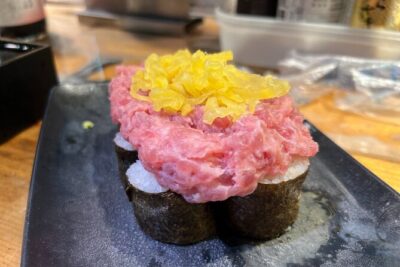
Shinjuku Food Tour (13 Dishes at 4 Local Eateries)
Read our review →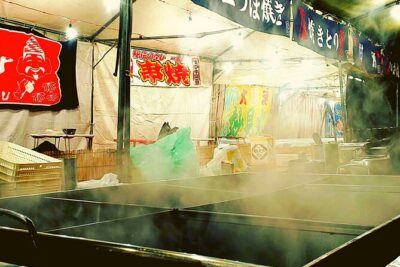
Osaka Food Tour: 13 Dishes at 5 Local Eateries
Read our review →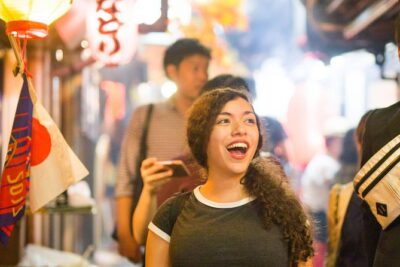
Best of Shinjuku: Izakaya Food Tour (4 Stops, 14+ Tastings)
Read our review →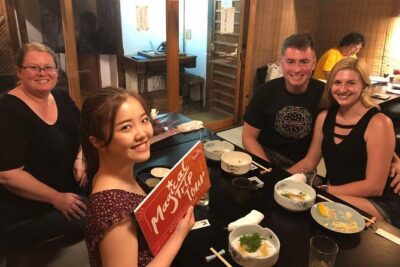
Kyoto Night Foodie Tour in Gion (9+ dishes + 6 Sake tastings)
Read our review →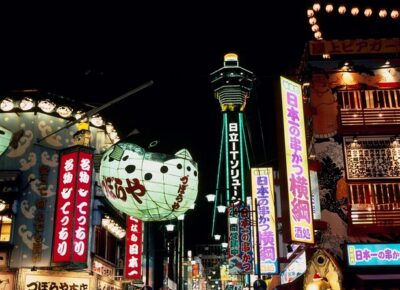
Hungry Osaka Street Food Tour:15 Tastings & 3 Drinks with a Local
Read our review →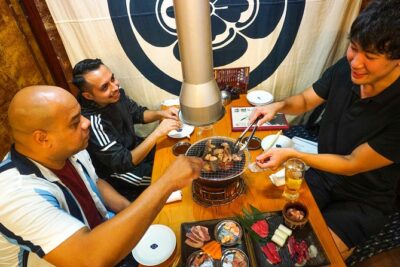
Tokyo Night Foodie Tour in Shinjuku – Seasonal Sushi, Wagyu Beef
Read our review →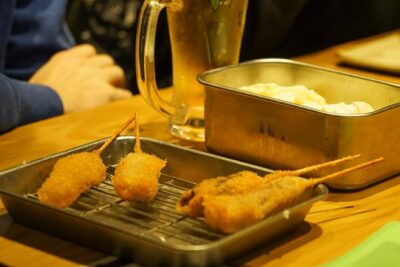
Osaka Local Foodie Walking Tour in Dotonbori and Shinsekai
Read our review →
Eat and Drink Like a Local: Tokyo Ueno Food Tour-Taverns&Ramen
Read our review →Browse the lists this tour appears in