
Reviewed · TOURS IN TOKYO
Make Sushi and Create Unforgettable Memories in Tokyo
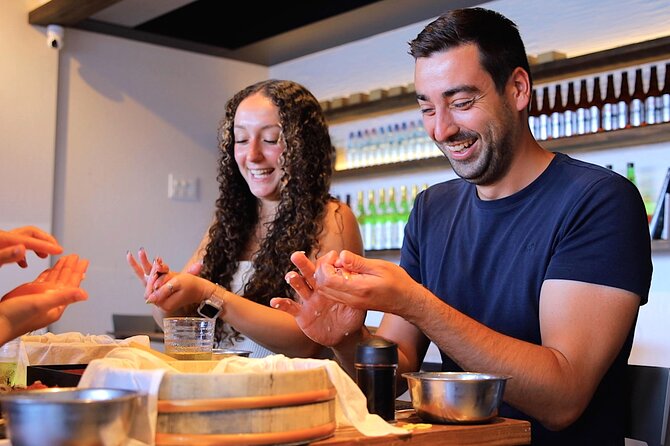
Making sushi in Asakusa gives you more than a meal. In about 1 hour and 40 minutes, you learn to shape nigiri, roll maki, and prepare other Japanese styles before eating what you made. The class is near Sensoji Temple, so it fits neatly into a day of old Tokyo sightseeing.
I like the friendly English-speaking instruction and the generous amount of food. I also like that solo visitors, families, and children can join without cooking experience. The main consideration is the group size, which can reach 30 people, so this is a lively hands-on class rather than a quiet professional workshop.
Key points to know before booking
- Near Sensoji Temple: The meeting point at 2-chōme-17-9 Kaminarimon puts you in the heart of Asakusa, close to one of Tokyo’s best-known temples.
- Several sushi styles: You may prepare maki rolls, nigiri, hand rolls, inside-out maki, and cute temari sushi.
- A full meal included: One detailed account describes eight pieces of maki and eight pieces of nigiri per person, though portions can vary.
- English instruction: Staff members including Ken, Momo, Yuto, Rino, Yui, Ayu, and others guide the class in English.
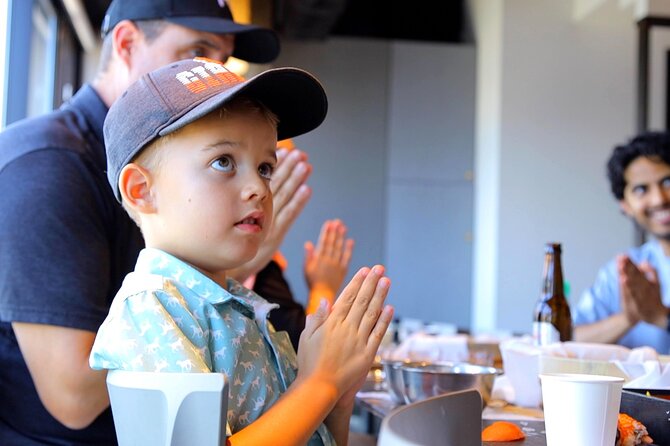
- Family-friendly pace: Children around 10 to 13 and teenagers have been able to follow the steps and enjoy the activity.
- All in one location: The class begins and ends at the same Asakusa meeting point, with no hotel pickup or drop-off.
Why sushi making works so well in Asakusa
Asakusa is one of the best parts of Tokyo for a food class because the setting gives the activity a clear sense of place. The address is just steps from Sensoji Temple, Kaminarimon Gate, and the traditional streets around the temple grounds.
You can schedule the class before or after exploring Sensoji. That matters because the cooking session lasts less than two hours, leaving plenty of time for temple visits, shopping, and a meal elsewhere. Since the activity ends where it begins, you do not need to arrange a complicated pickup.
The class is also a useful break from sightseeing. Tokyo can involve a lot of walking, station transfers, and crowded attractions. Sitting down to work with food gives you a slower, social hour in the middle of the day.
I would not book this only for a quiet taste of old Japan. The class can include up to 30 people, and one account described a group of more than 30 participants, divided into smaller subgroups. That setup keeps the mood lively, but it may feel less personal than a small cooking lesson in a private kitchen.
Other experiences people book in Tokyo:
- Mt Fuji and Hakone 1-Day Bus Tour Return by Bullet Train
★ 5.0 · 26,383 reviews - 1-Day Tokyo Bus Tour
★ 5.0 · 14,250 reviews - Tokyo: TOKYO SKYTREE® Admission ticket
★ 4.5 · 11,192 reviews
What you make during the 1-hour-40-minute class
The lesson begins with an introduction to sushi and some background on how different types developed. The explanations cover the basics in clear English, with instructors showing each step before you try it yourself.
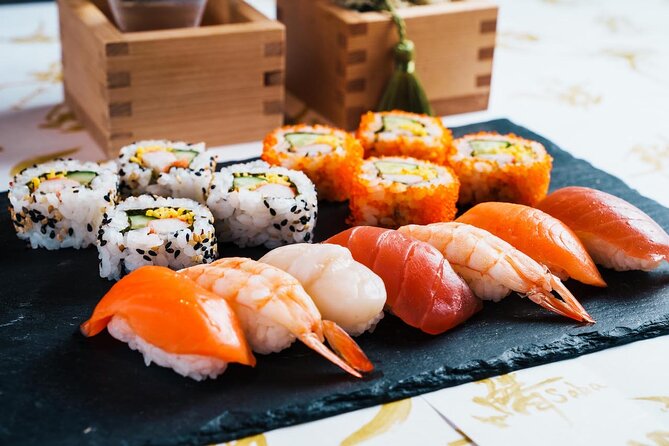
You then work through several forms of sushi. The exact order may vary, but the class commonly includes maki rolls and nigiri, with hand rolls, inside-out maki, and temari sushi also appearing in the instruction.
Maki is the familiar rolled sushi made with rice, fillings, and seaweed. It gives you a simple starting point because the rolling mat helps keep the shape together. Inside-out maki requires a little more care, since the rice is arranged on the outside.
Nigiri looks simple, but it is harder than it seems. You shape a small portion of rice and place fish or another topping on it. The instructors break the process into small movements, which is helpful when the rice sticks to your hands or the pieces lose their shape.
Temari sushi is one of the more distinctive parts of the class. These small, rounded pieces can be arranged in a cute presentation, making them popular with children and anyone who enjoys taking photos of food. They also give you a sushi style that may be less familiar than standard rolls.
You are not simply watching a demonstration. The ingredients and utensils are prepared in advance, so the class can spend its time on making and eating rather than on shopping or lengthy kitchen preparation.
The teaching style and English support
The instruction is designed for beginners. You do not need previous cooking experience or any special sushi tools at home.
Staff members named in class accounts include Ken, Sato, Momo, Kento, Yuto, Rino, Yui, Ayu, Emi, Mikoki, Madoka, Yusuke, and Yuhi. The teaching team can vary by session, but the pattern is consistent: demonstrations, simple directions, and hands-on help as you work.
The strongest part of the teaching is the patient, social tone. Instructors are described as funny, energetic, kind, and helpful. That matters when you are trying nigiri for the first time and your rice refuses to cooperate.
The English is generally strong enough for international visitors. One useful piece of feedback is that a particular instructor spoke a little quickly, so you may need to ask for a slower explanation if you miss a step. That is a small issue, but it is worth knowing in a practical class where timing and hand position matter.
The lesson includes sushi background and trivia, not just recipes. You learn some context about sushi and the different styles you are making. It is not a professional chef course, and one critical assessment found the instruction too basic for anyone expecting advanced culinary training.
That distinction is important. If you want restaurant-level knife work, fish preparation, or a formal chef qualification, this is not the right choice. If you want a clear introduction that lets you make edible sushi in a relaxed setting, the format makes more sense.
What you eat, and how much
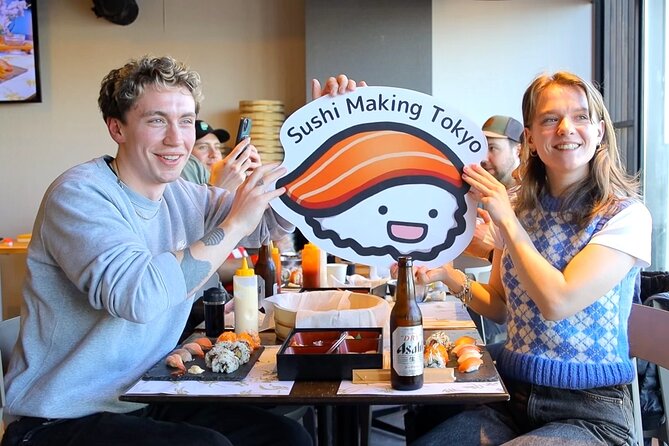
The food is included in the class price. You prepare the ingredients yourself and then eat the sushi you have made.
One detailed account describes eight pieces of maki and eight pieces of nigiri per person. Other comments describe the portion as generous and filling. You should expect a proper lunch or substantial snack rather than a tiny tasting plate.
The ingredients are described as fresh and good quality. The class also includes traditional Japanese sushi styles, rather than limiting the menu to familiar Western-style rolls.
You may have the chance to order drinks during the class, but drinks are not part of the listed inclusion. Sake costs extra. One useful language tip is that set in Japan often means a combination meal, so check the drink menu carefully before ordering a sake set.
The food setup also works for people who do not eat raw fish. Some participants used non-raw options and still made a full portion. Shellfish and gluten-free accommodations have also been handled when arranged with the class. You should state any allergy or dietary need when booking or before the lesson, since the available replacement depends on the ingredients and the session.
Same base, a different sort of day:
- Tokyo: teamLab Planets TOKYO Digital Art Museum Entry Ticket
★ 4.6 · 9,779 reviews - Mt Fuji & Hakone Cruise, Drum Show Bullet Train 1 Day from Tokyo
★ 4.0 · 7,413 reviews - Tokyo: Sumo Show Experience with Chicken Hot Pot and a Photo
★ 4.8 · 6,678 reviews - Tokyo: Shinjuku Food Tour (13 Dishes at 4 Local Eateries)
★ 5.0 · 6,603 reviews
Is the class good for families and solo visitors?
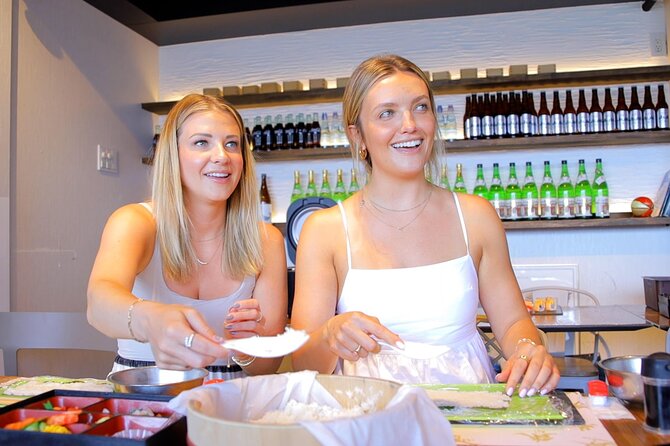
This is one of the more flexible activities in the Asakusa area. Families with children around 10 and 11 have found the directions manageable, and teenagers have enjoyed the mix of food, humor, and practical work.
Children do not need to be expert cooks. The class uses prepared ingredients and guided steps, so the main challenge is shaping and assembling rather than handling a complicated kitchen. Younger children may need help from an adult, especially with rolling and forming nigiri.
Solo visitors are also welcome. The format gives you a natural way to meet people without forcing a formal social activity. You work at a shared table, follow the same demonstration, and eat the result at the end.
Couples and small groups get a shared story to take home. You can compare crooked nigiri, unusual rolls, and the best-looking temari pieces. That shared effort is a major part of the value.
The class is less ideal for someone who wants a private lesson. Even if the working groups are divided into smaller sections, the total class may be large. You will likely receive help, but you should not expect uninterrupted one-to-one coaching.
The price and what you receive for $79.59
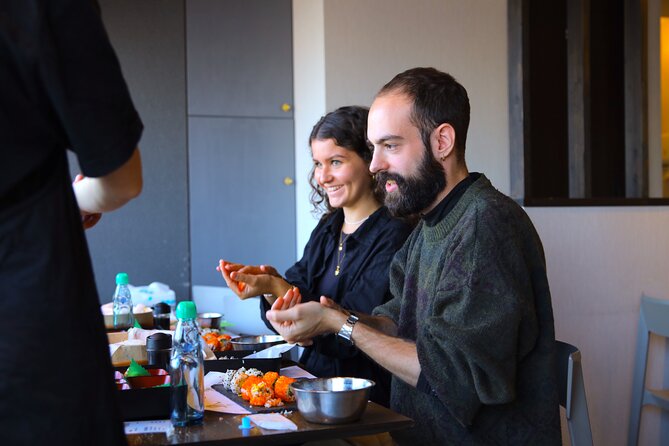
At $79.59 per person, this class costs more than buying a basic sushi meal in Tokyo. The price is easier to justify when you count the included ingredients, instruction, cultural background, and full meal.
You are also paying for an activity that occupies a clear block of your day and gives you a practical skill. A restaurant meal ends when the plate is empty. Here, you leave with a better sense of how sushi is formed and what makes nigiri, maki, and temari sushi different.
The value is strongest for families and first-time visitors who want an activity rather than another meal. If you are traveling with children, the class can replace a standard lunch while giving everyone something to do. If you are comparing it with a serious culinary course, the value is weaker because the lesson stays at a beginner level.
The two-time TripAdvisor Best of the Best recognition and 99 percent recommendation rate point to a strong record, but those figures should not hide the group-size issue. I would pay the price for a fun cultural activity near Sensoji. I would not pay it expecting a master class in professional sushi technique.
Timing, meeting point, and planning advice
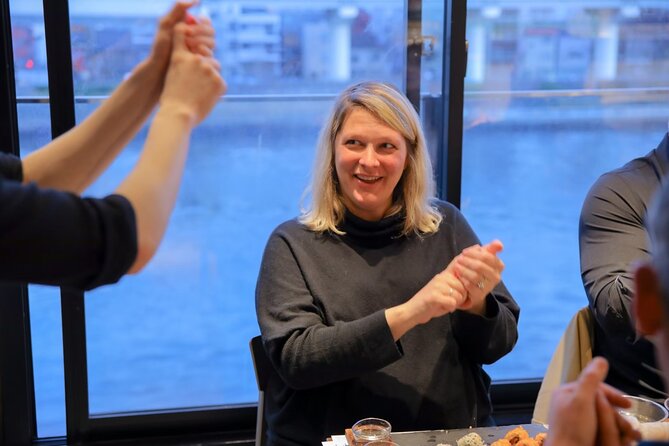
The meeting point is 2-chōme-17-9 Kaminarimon, Taito City, Tokyo 111-0034. The class returns to that same location, and hotel pickup and drop-off are not included.
Allow time to find the address, especially if you are coming through a busy part of Asakusa. Mobile tickets make it easy to keep your confirmation available, and booking confirmation is provided at the time of booking.
The activity lasts approximately 1 hour and 40 minutes. I would place it before a flexible afternoon or after your main temple visit rather than between two tightly timed attractions.
If you are running late, contact the provider as soon as possible. One group arrived a few minutes late and was still welcomed kindly, but you should not rely on that. A cooking class has a fixed sequence, and arriving after the demonstration begins can make the first steps harder to follow.
The class requires a minimum number of participants. If the provider cancels because that minimum is not met, you can receive a different date or experience, or a full refund.
Free cancellation is available up to 24 hours before the start time. Inside that window, the payment is not refunded and changes are not accepted. The cutoff uses Tokyo local time, so check the clock carefully if you are booking from another country.
A few practical limits to keep in mind
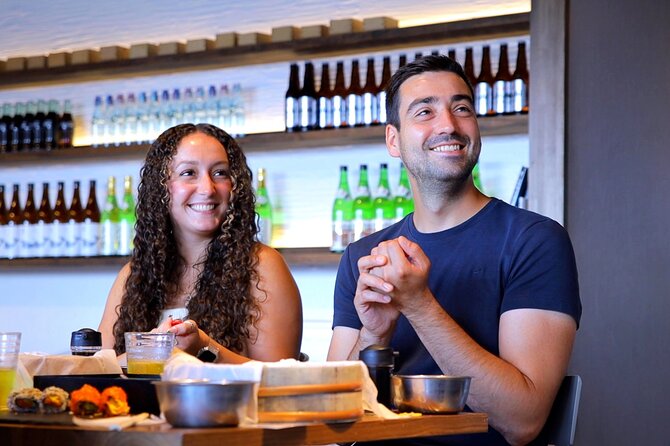
The class is accessible to a wide range of participants, and service animals are allowed. It is near public transportation, which makes it easy to connect with the rest of a Tokyo day.
The main limit is not physical access or language. It is the size and style of the class. A large group can mean more energy and more instructors, but it can also mean waiting briefly for help or hearing several voices at once.
The lesson also does not appear designed for serious sushi specialists. The explanations are professional and simple, which works well for beginners but may feel too basic if you already make sushi at home.
You should also allow for the possibility that the class format changes slightly with the instructors on duty. Several teachers lead the sessions, and the pace can vary. Most of the available feedback praises the staff, but one person wanted slower speech and another wanted clearer instructions.
Who should book this Asakusa sushi class?
I would recommend it to first-time sushi makers, families with older children, teenagers, couples, and solo visitors who want an easy social activity. It is especially useful if you are already planning to visit Sensoji and want to add something hands-on nearby.
It is also a good option for anyone nervous about raw fish. The class has offered non-raw choices, and dietary accommodations have been made for shellfish and gluten-free needs.
I would hesitate if you want a private chef lesson, advanced knife skills, or a polished professional kitchen experience. The class is about participation, food, and shared fun. It is not about mastering every technical detail of sushi preparation.
Should you book it?
Book this class if you want to make a satisfying meal, learn the basic story behind sushi, and spend an enjoyable hour and 40 minutes in Asakusa. The strongest reasons are the friendly English instruction, generous portions, family-friendly structure, and location near Sensoji Temple.
Go in with the right expectations. You will probably leave with better sushi confidence and a full stomach, but not professional-level technique. For most visitors, that is a fair trade at $79.59, especially when the class becomes part of a day exploring traditional Tokyo.
FAQ
Where does the sushi-making class meet?
It meets at 2-chōme-17-9 Kaminarimon, Taito City, Tokyo 111-0034, Japan.
Where does the activity end?
The activity ends back at the meeting point.
How long does the experience last?
The class lasts approximately 1 hour and 40 minutes.
Is the class taught in English?
Yes. An English-speaking instructor leads the class and explains the sushi-making steps.
Do I need previous cooking experience?
No. The class is designed for beginners, and no cooking experience is required.
What types of sushi can I learn to make?
The class includes sushi rolls and nigiri. Sessions may also include hand rolls, inside-out maki, and temari sushi.
Is food included in the price?
Yes. The cooking-class ingredients and the meal you make are included.
Are drinks included?
Drinks are not listed among the included items. Sake is available for an additional charge.
Can children join the class?
Yes. The activity is suitable for families, and children around 10 and 11, as well as teenagers, have been able to follow the lesson.
Can I cancel for a full refund?
Yes, if you cancel at least 24 hours before the experience start time. Cancellations or changes made less than 24 hours before the start time are not refunded.
Just added in Tokyo
- Small-Group Wagyu Beef and 7 Japanese Dishes Tokyo Cooking Class★ 5.0 · 190 reviews
- Nikko: Edo Wonderland Edomura Cultural Theme Park Ticket★ 4.3 · 205 reviews
- 《MEMBERS-ONLY-BAR-HOPPING》Discover Your Special Whiskey in Tokyo!★ 5.0 · 29 reviews
- Japanese Whisky Hunting《HIGH-QUALITY-ONLY》Rare Tasting Class★ 5.0 · 20 reviews
- Luxury Tokyo Sake, Cocktail, Whisky and Pairing Tour★ 5.0 · 18 reviews
- Wagyu & Sake Pairing in Shinjuku – Steak, Shabu-Shabu & More★ 5.0 · 112 reviews
- From Tokyo: Private Tour to Fuji/Hakone – Onsen, Art, Nature★ 5.0 · 116 reviews
- Tokyo: KABUKI Show at Kabukiza Theatre Admission Ticket★ 4.8 · 152 reviews
Tours in Tokyo, compared.
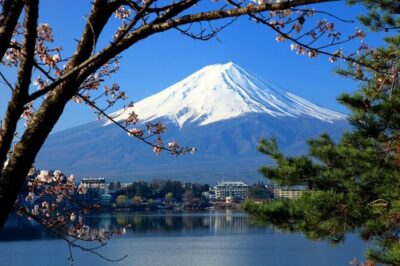
Mt Fuji and Hakone 1-Day Bus Tour Return by Bullet Train
Read our review →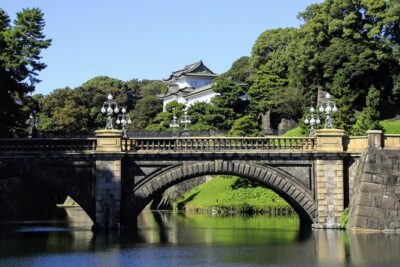


teamLab Planets TOKYO Digital Art Museum Entry Ticket
Read our review →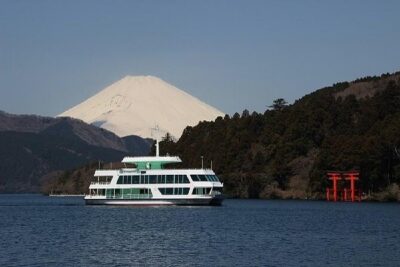
Mt Fuji & Hakone Cruise, Drum Show Bullet Train 1 Day from Tokyo
Read our review →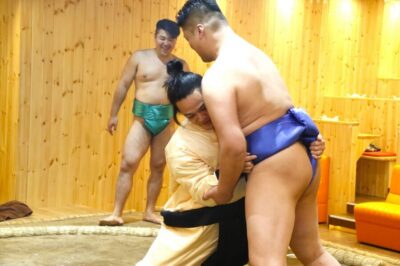
Sumo Show Experience with Chicken Hot Pot and a Photo
Read our review →
Shinjuku Food Tour (13 Dishes at 4 Local Eateries)
Read our review →
Tokyo Mt Fuji 5th St & Hakone Cruise Bus Tour w/Bullet Train
Read our review →Browse the lists this tour appears in