
Reviewed · SAMURAI & NINJA EXPERIENCES
Ninja Experience in Takayama – Basic Course
The highlight here is hands-on training with real iron shuriken, a blowgun, and a replica sword, all packed into a one-hour session in central Takayama. You change into ninja clothing, practice simple sword kata, and finish with target activities that make for memorable photos.
I like the mix of costume, movement, and history, since you are not just looking at old weapons behind glass. I also like the small group limit of 10, which should make it easier to follow the guide and take your turn. The main drawback is the short running time, so this is a brisk introduction rather than a full lesson in ninja history or martial arts.
Key points to know before you book
- Real iron shuriken: You can try throwing an authentic iron throwing star under guidance.
- Blowgun target practice: The blowgun activity includes balloon popping, one of the most playful parts of the session.
- Sword kata with a replica: You learn basic iai-style movements with an imitation sword, not a live blade.
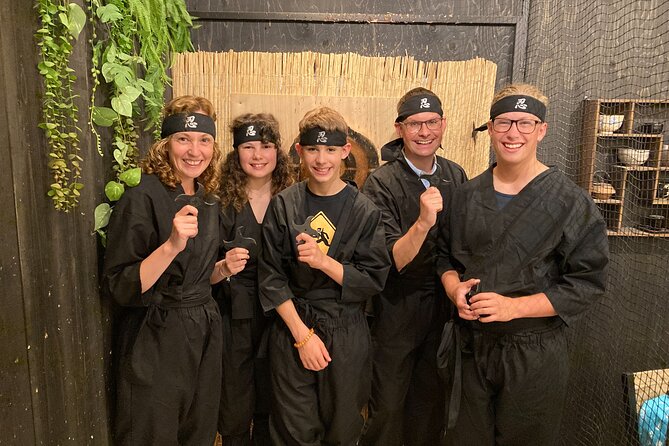
- Ninja clothing included: Costume rental is part of the price, making the photos more fun and the activity feel like an event.
- Central Takayama location: The meeting point is on Honmachi 3-chome, near public transportation, and the activity returns there.
- Good family format: Most people can take part, and the maximum group size is 10.
Why this one-hour ninja lesson works in Takayama
Takayama is famous for its old streets, morning markets, wooden houses, and mountain-town character. Those sights reward slow walking, but a compact activity can break up a day of temples, shopping, and traditional architecture. This ninja course gives you something active to do without taking half a day.
The setting also makes sense. The facility displays historical helmets, swords, and tea utensils, so you get some visual context before handling the training equipment. You are not signing up for a formal museum visit, but the objects help connect the costume and exercises to older Japanese traditions.
I especially like that the course is built around participation. You do not need previous martial arts experience. The guide explains each exercise, then gives you a chance to try it. The tone is meant to be accessible for adults and children rather than demanding or intimidating.
The session lasts about one hour. That is enough time to change, receive instruction, practice several activities, and take photographs, but it also means the pace is likely to be quick. If your family enjoys stopping for long explanations or repeated attempts, you may wish the course were longer.
Other samurai and ninja experiences in Japan people book:
- Seki: Samurai Knife Making Experience at the Knife Museum
★ 5.0 · 61 reviews - Ninja Experience in Takayama – Basic Course
★ 4.6 · 59 reviews - Knife Making Experience in Samurai Sword Town
★ 5.0 · 29 reviews
Changing into ninja clothing
The experience begins at Ninja Experience Cafe Takayama, at 3-58 Honmachi, Takayama, Gifu 506-0011. The costume rental is included, so you do not need to arrange clothing in advance.
Changing into the outfit is more than a photo opportunity. It helps set the mood before the training begins and gives children an immediate role to play. Adults can join in too, which matters because this is not designed only as a kids activity.
The costume also makes the photographs more distinctive than ordinary holiday snapshots. You can pose with the sword, shuriken, or other training equipment while wearing the outfit. Since the session is short, take a few photos as you go rather than expecting a separate, lengthy photo shoot.
The supplied information does not give a detailed changing-room layout, so you should follow the staff’s instructions on arrival. The practical point is simple: allow enough time to arrive at the meeting point before the course begins, especially if you are coordinating a family group.
Getting the story behind the weapons
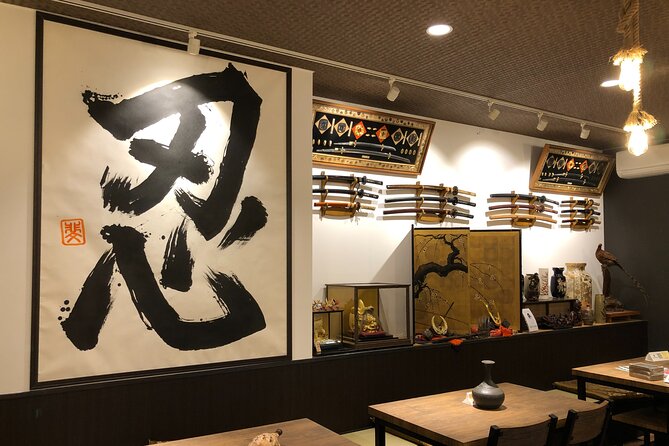
Before or during the practical exercises, the guide introduces the ninja world and the role of the ninja. The facility’s display of helmets, swords, and tea utensils provides a useful visual link to old Japan.
You should think of this as a light cultural introduction, not a full historical lecture. The one-hour format has to leave room for the activities, and the main purpose is to help you understand what you are handling. That balance works well for children and for anyone who wants an entertaining break from sightseeing.
The historical displays are valuable because they give the experience a little more substance than simply putting on a costume and posing. You can look at the equipment connected with samurai and ninja traditions, then move into supervised practice with safe training versions and selected real items.
The exact depth of the explanation may depend on the group and the guide. Still, the format gives you a clear sequence: see the historical objects, learn the basic idea, then try a few techniques yourself.
Sword kata with a replica blade
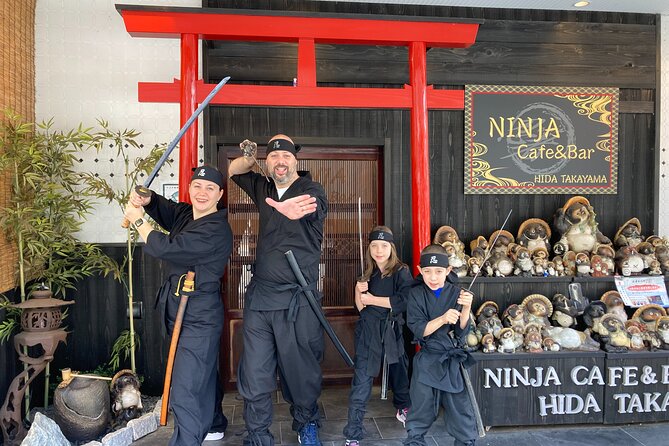
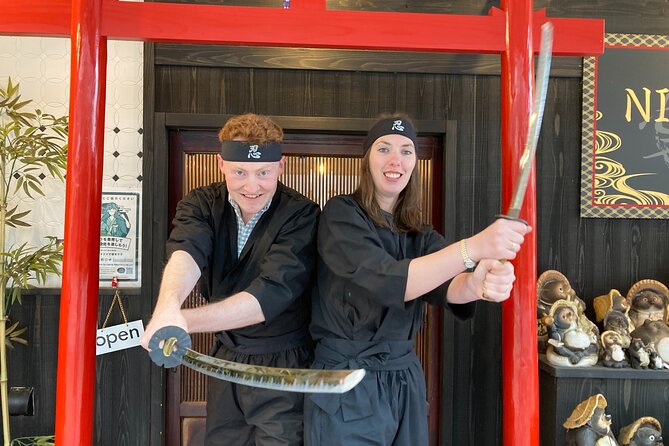
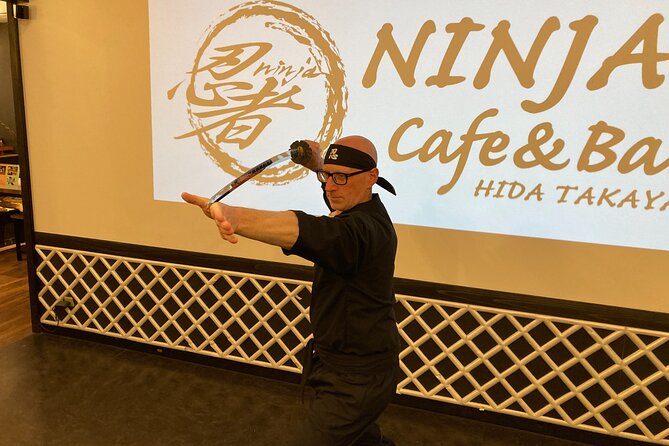
One part of the session introduces sword iai, described as kata training using blades, with imitation swords used for the activity. You learn controlled movements rather than handling a sharp weapon.
This is an important distinction. The sword practice is about posture, timing, and the shape of the movement. It is not a sword-fighting class, and you should not expect advanced martial arts instruction after a single session.
For many people, this will be the most theatrical part of the experience. Wearing ninja clothing and working through a sword sequence gives you a strong photo moment, but it also requires attention. Listen closely to the guide and copy the motions rather than rushing through them.
I like this activity because it provides a calmer contrast to the throwing and blowgun exercises. You get a chance to focus on form before moving to target practice. Children may enjoy the dramatic aspect, while adults may appreciate the connection to traditional training patterns.
The replica sword keeps the activity suitable for a broad audience, but you still need to follow directions carefully. The short session leaves little room for lengthy individual coaching, so watching the demonstration closely will help.
Other swordplay and stealth sessions in Japan:
- Tokyo: Samurai Restaurant Show Ticket with 2 Drinks
★ 4.5 · 1,307 reviews - Kyoto Samurai Experience
★ 5.0 · 1,294 reviews - Tokyo: Samurai Ninja Museum Guided tour and Experience
★ 4.6 · 1,010 reviews - Kyoto: Kendo and Samurai Experience with Uniform and Gear
★ 4.9 · 815 reviews
Throwing an iron shuriken
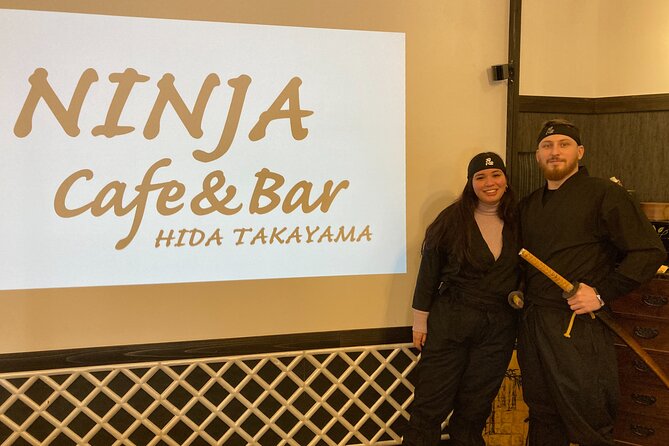
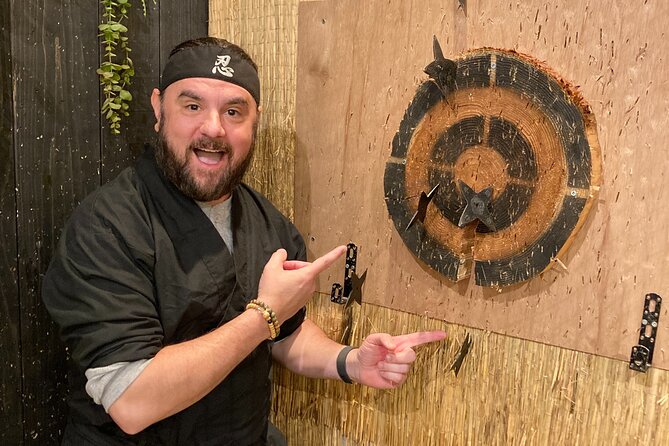
The shuriken activity is one of the strongest reasons to book this course. You get to try an authentic iron shuriken under instruction, rather than using only a soft toy or a purely decorative prop.
That detail gives the exercise more weight, both literally and as an experience. You should treat the equipment with care and follow the guide’s directions exactly. The point is controlled target practice, not trying to throw as hard as possible.
Because the course is guided, you do not need to know the technique beforehand. Expect an explanation of how to hold and throw the shuriken, followed by your own attempt. Your success will depend on timing and coordination, so do not be discouraged if the first throw misses.
This is also one of the activities that makes the experience memorable in photographs. Ask when it is safe to take pictures and keep your attention on the instructions while you are throwing. The guide controls the flow, which is especially important when children are taking turns.
The wording around the equipment matters. The shuriken is described as an authentic iron item, while the sword is a replica. That gives you a mix of historical feel and controlled training. It is a more interesting combination than a costume-only activity.
Blowgun practice and balloon popping
The blowgun exercise adds a different kind of challenge. Instead of throwing, you use breath and aim to send a small arrow toward a target. Balloon popping is part of the activity, giving you a clear result when you hit.
This was singled out as a highly enjoyable part of the experience, and it is easy to see why. A target that visibly pops makes the exercise simple to understand, even for younger children. You do not need to know much about ninja history to enjoy the satisfaction of a well-aimed shot.
The blowgun also keeps the pace varied. After the physical movement of sword kata and the throwing motion of the shuriken, this activity asks you to slow down, aim, and control your breathing.
As with the iron shuriken, the activity is supervised. Pay attention to when the guide tells you to load, aim, and fire. The course is designed for enjoyment, but the equipment still needs careful handling.
Photos that feel different from ordinary sightseeing
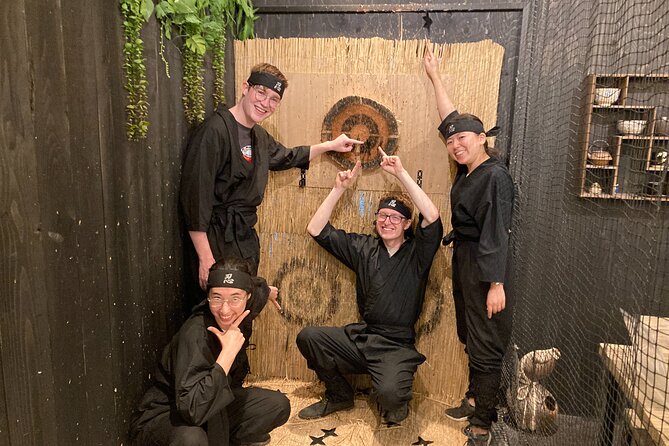
The photos are a real part of the appeal, not an afterthought. A ninja costume, sword pose, iron shuriken, and blowgun give you several ways to record the experience.
Takayama already provides plenty of traditional Japanese scenery, but these images capture a more playful side of the trip. They can be especially worthwhile for families, couples, and friends who want a shared activity rather than another set of posed street photos.
Do not expect a professional photo package based on the available information. The practical expectation is that you will take your own pictures during the session, following the guide’s directions for safety and timing.
If photographs matter to you, tell your group in advance that you want a few shots of each person. The one-hour schedule moves quickly, and it is easy to focus on the next activity and forget to take pictures.
Price, group size, and what you receive
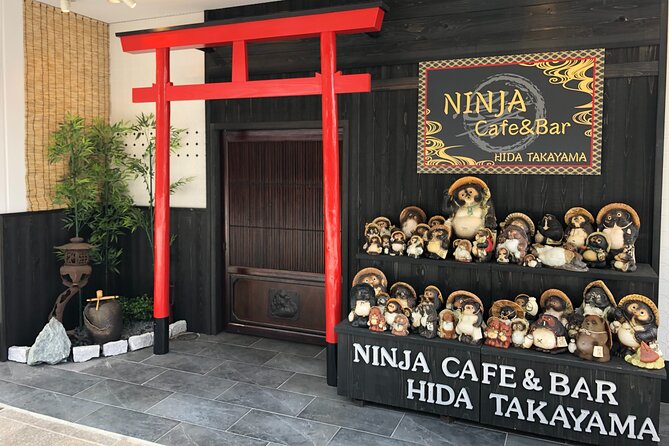
The price is $36.33 per person. That includes admission, ninja clothing rental, the guided ninja training, use of the training weapons, and one soda or other soft drink.
For a one-hour activity, the cost is not the lowest way to spend time in Takayama. You are paying for equipment, costume use, instruction, and a structured experience in a central location. The value is strongest if you plan to take part in several activities and make good use of the photo opportunities.
The drink is a small extra rather than a major part of the value. Snacks are not included, so you should eat before or after if you need more than a soft drink. Since the experience ends where it begins, you can easily continue to a meal or another sight in Takayama.
The maximum group size is 10 people. That is small enough to keep the activity manageable, though the exact amount of personal attention will depend on how many people book your time. A smaller group may allow more turns or easier questions, while a full group could make the hour feel more tightly scheduled.
The mobile ticket is useful for a simple day of sightseeing. You can keep the booking on your phone and go directly to the stated meeting point. Pickup and drop-off are not included, so you make your own way there.
Who should book this Takayama activity
I would recommend it most strongly to families with children, first-time visitors who want a hands-on cultural activity, and adults who enjoy playful experiences with a traditional theme. You do not need prior training, and most people can participate.
It also suits a rainy day or a break between outdoor stops. The indoor facility gives you a planned activity that does not depend on clear weather, although the supplied details do not describe every part of the venue.
You may want to skip it if you are looking for a serious martial arts lesson, an extended history presentation, or a full-day cultural workshop. One hour is enough for a taste of ninja training, not for detailed instruction or advanced practice.
The course is also less appealing if you dislike dressing up or prefer quiet sightseeing. The costume and playful target work are central to the experience, not optional extras.
Practical planning in central Takayama
The activity begins and ends at Ninja Experience Cafe Takayama on Honmachi 3-chome. It is near public transportation, which makes it easier to fit into a day without arranging private transport.
Hotel pickup and drop-off are not provided. Plan your route to the meeting point yourself and allow a little spare time, particularly if you are coming from another part of town.
Confirmation is provided at booking, and the experience normally sells about 21 days in advance. That does not guarantee that every date fills early, but it is a useful sign that you should reserve ahead if your Takayama schedule is fixed.
The cancellation rule is generous if you keep track of the deadline. You can receive a full refund when you cancel at least 24 hours before the local start time. Cancellations or changes made within 24 hours are not accepted for a refund.
Should you book the Basic Course?
Book it if you want a short, cheerful activity that combines costume photos with real hands-on practice. The iron shuriken, balloon-popping blowgun, and replica sword kata give the hour more substance than a simple dress-up stop.
At $36.33, the value depends on your interest in the theme. I would call it a fair price for a guided, equipment-based activity in central Takayama, especially when several people in your group will take part. Just keep your expectations focused: this is a lively introduction to ninja training, not a detailed historical course or martial arts program.
FAQ
How long does the Ninja Experience in Takayama last?
The activity lasts approximately one hour.
What is included in the ticket?
The ticket includes ninja clothing rental, admission, ninja training with the weapons, and one soda or other soft drink.
Can I use a real sword during the activity?
No. The sword training uses a replica sword. The course includes kata practice with imitation swords.
Does the course include a real shuriken?
The experience includes training with an authentic iron shuriken under guidance.
Where does the activity begin and end?
It begins at Ninja Experience Cafe Takayama, 3-58 Honmachi, Takayama, Gifu 506-0011, and ends back at the same meeting point.
What happens if I cancel?
You receive a full refund if you cancel at least 24 hours before the local start time. Cancellations or changes made less than 24 hours before the start are not refunded.
Just added in Japan
- 1 Day Tour: Snow Monkeys & Snow Fun in Shiga Kogen★ 5.0 · 52 reviews
- Nagasaki: Private Walking Tour with a Local★ 4.7 · 79 reviews
- From Tokyo: Kamakura & Enoshima 1-Day Bus Tour★ 4.5 · 189 reviews
- Wagyu & Sake Pairing in Shinjuku – Steak, Shabu-Shabu & More★ 5.0 · 112 reviews
- Osaka Temple Cool Foot Bath & Matcha Experience〈45min〉★ 4.9 · 82 reviews
- Kobe 4hr Private Tour with Government-Licensed Guide★ 5.0 · 59 reviews
- Small-Group Wagyu Beef and 7 Japanese Dishes Tokyo Cooking Class★ 5.0 · 190 reviews
- Osaka: Mind & Spirit Balance Temple Reiki Healing★ 5.0 · 41 reviews
Samurai & Ninja Experiences, compared.
Samurai Ninja Museum Guided tour and Experience
Read our review →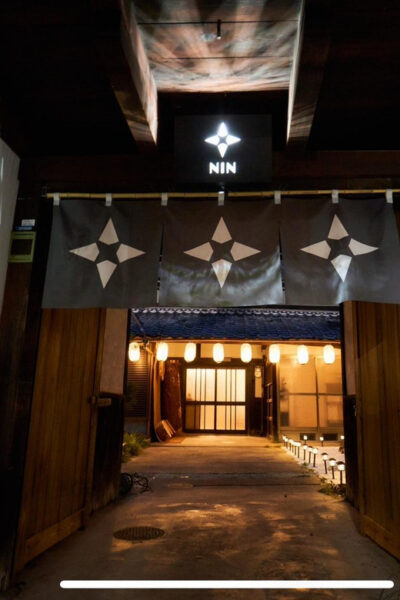
Kendo and Samurai Experience with Uniform and Gear
Read our review →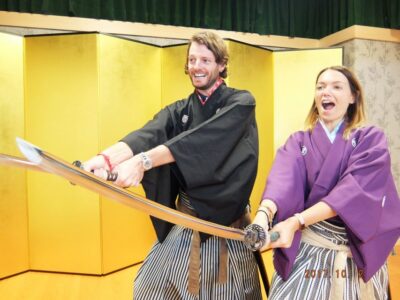
Samurai Sword Class by Experts in Traditional Arts
Read our review →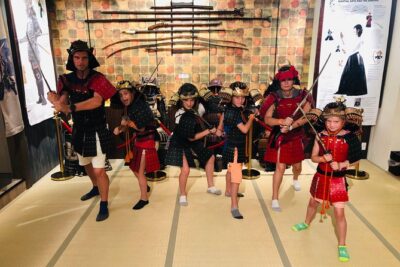
Skip the lines Basic Ticket at SAMURAI NINJA MUSEUM KYOTO
Read our review →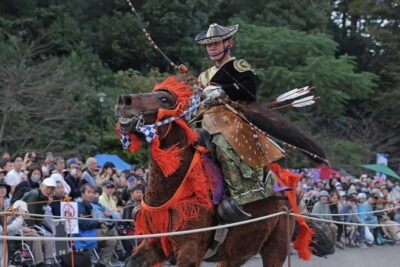
Samurai Sword & Archery Class from Samurai Descendant
Read our review →
Browse the lists this tour appears in