
Reviewed · MARTIAL ARTS EXPERIENCES
Osaka: Kendo Workshop Experience
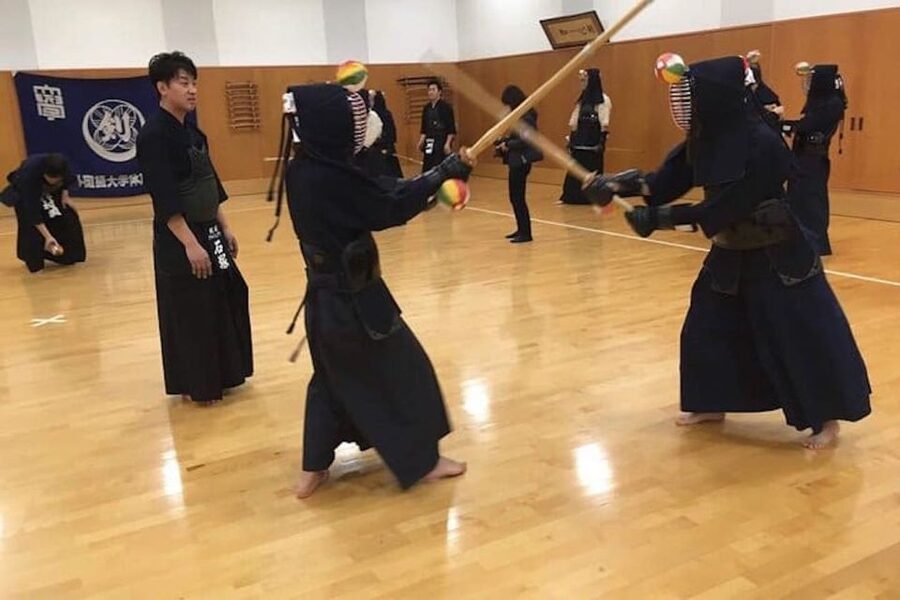
In a quiet Osaka dojo, you hear the sharp crack of bamboo swords before you fully understand what you are doing. This is not a quick costume photo. You learn the order of a kendo session, practice footwork and strikes, face an instructor, and finish with a match-style game. I especially like the real dojo setting and the careful teaching from instructors such as Yamasaki sensei. The main point to consider is that this is physical martial-arts practice, not a passive cultural show.
I also like the small format, which gives you room for close correction, and the way the session joins technique with kendo manners and history. You receive armor and equipment, water, and a Japanese hand towel, with a special kendo towel for using under the face protector. The two-hour schedule is full, so you should arrive ready to change and move.
Key points at a glance
- Train inside a real dojo: Meet at Shigino Kaikan, or 鴫野会館, for a focused kendo session rather than a staged samurai photo opportunity.
- Learn the full sequence: The class moves from changing and etiquette to basic instruction, strikes, armor, practice with the teacher, and a mini-match.
- Get close guidance: English and Japanese instructors explain the movements and watch your form, with Yamasaki sensei specifically praised for clear, friendly teaching.
- See advanced technique: National-level instructors demonstrate kendo techniques at close range near the end of the session.
- Small-group format: The activity is limited to two participants, making it a good choice if you want direct correction.
- Finish with a Japanese meal option: Food is not included, but you can continue to an izakaya afterward and order a special Samurai meal.
Why this feels like kendo, not a samurai costume stop
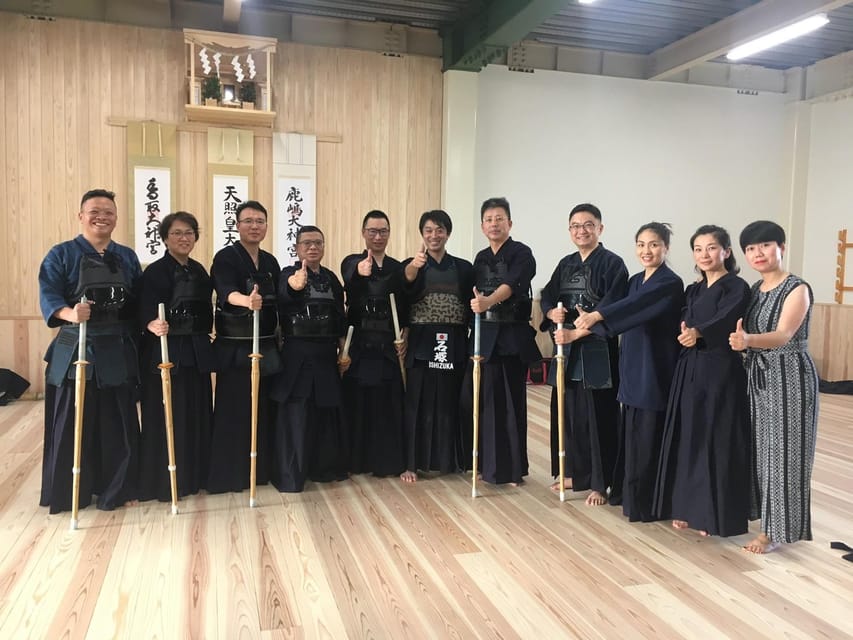
The strongest feature here is the structure. You do not simply put on armor, swing a bamboo sword a few times, and pose for a picture. You are introduced to the order and discipline of kendo, from the first bow to the final etiquette.
That order matters. Kendo is not only about hitting a target. The experience presents it as a practice built around unified spirit, manners, and lifelong learning. Even in a short class, those ideas give the physical work some meaning. You begin to see why the instructor cares about posture, timing, and the way you enter and leave the training space.
The atmosphere helps. A dojo is calmer than a typical sightseeing venue. The sound of bamboo swords meeting, the instructor’s commands, and the echo of voices create a very different kind of Osaka memory. You do not need previous martial-arts experience to appreciate it, but you do need to follow directions and take the etiquette seriously.
The session is also a better fit for someone who wants participation over explanation. You will hear about kendo culture, but the main event is moving your body and trying the techniques yourself.
Other martial arts sessions in Osaka:
- Samurai Training Experience KENDO in Osaka
★ 5.0 · 515 reviews - Osaka: Samurai Training Experience KENDO in Osaka
★ 5.0 · 111 reviews - Kyoto: Kendo and Samurai Experience with Uniform and Gear
★ 4.9 · 815 reviews
Changing clothes and learning the first rules
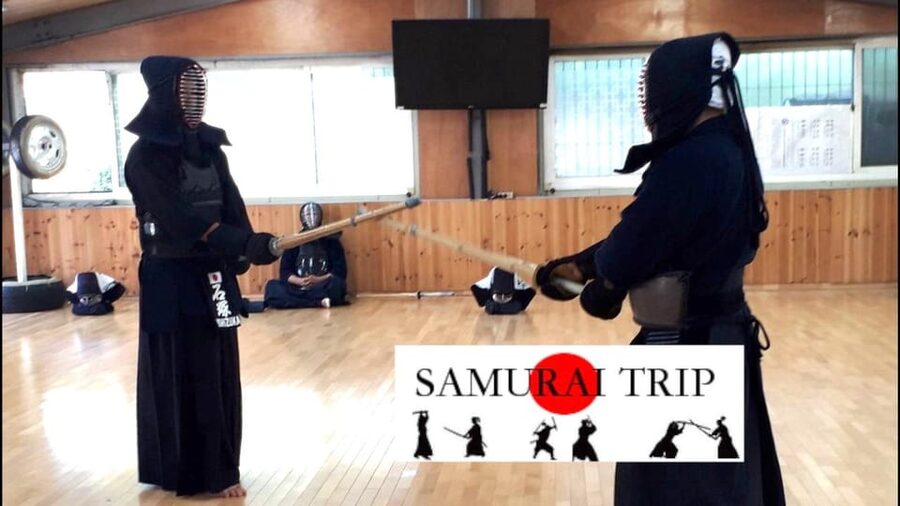
The experience begins with changing clothes and getting ready with rented kendo equipment. The practical benefit is simple: you do not need to bring armor or a bamboo sword. The instructor handles the equipment side and guides you through what happens next.
Etiquette comes early, before the striking practice. This can feel unfamiliar if you have never entered a Japanese martial-arts dojo, but it gives the class a clear rhythm. You learn that the opening rituals are part of training, not decoration added for visitors.
I appreciate this beginning because it keeps the session from becoming a noisy free-for-all. You are told how to behave in the space before you begin handling equipment. That makes the later practice feel safer and more focused.
The class is taught in English and Japanese. You should still expect physical demonstrations and repeated practice, not a long English lecture. The instructors use the actual movements to make the lesson clear. Yamasaki sensei has been singled out for combining strong technical teaching with an easy sense of humor, which can help first-time participants relax.
Basic movements before the bamboo swords meet
The first practical lesson covers the basics of kendo. You learn how to hold the bamboo sword, how to position yourself, and how to approach a strike. The point is not to hit hard right away. You first need to understand the shape and timing of the movement.
This is where close instruction earns its keep. With a group limited to two participants, you have a better chance of receiving direct corrections than you would in a large class. The instructor can watch your posture and explain what needs to change.
You may find the details surprisingly demanding. A strike that looks simple during a demonstration involves coordination between stance, hands, movement, and voice. The class is designed so beginners can do it safely, but safe does not mean effortless.
The instructors also explain the competitive side of kendo alongside its martial-arts manners. That balance is useful. You are not just copying an action without context, and you are not sitting through a history class without getting to practice.
The sound and feel of striking practice
Once you understand the basics, you use the bamboo sword in striking exercises. You practice hitting targets and then work with the teacher. The sound of the swords gives the dojo its character: crisp, sudden, and much louder than you might expect.
The most valuable part is the chance to strike toward an experienced instructor. You can test what you have learned while the teacher controls the pace. This is more useful than swinging at an empty target because you receive a sense of distance, timing, and response.
The class keeps the activity accessible to beginners, but you should not expect the instructor to treat it as a toy. Follow the directions closely. Kendo depends on control, and the whole point of the practice is to learn how to move with purpose.
This is also the point where the experience begins to feel less like a cultural demonstration and more like a first training session. You may not become skilled in two hours, but you can understand how much attention a basic strike requires.
Same base, a different sort of day:
- Osaka Go Karting Tour with Funny Costume
★ 5.0 · 2,658 reviews - Osaka Castle: Museum and Tower Entry Ticket
★ 4.5 · 2,380 reviews - Osaka: Shinsekai Food Tour with 13-15 Dishes at 5 Eateries
★ 4.8 · 2,204 reviews - Osaka Food Tour: 13 Dishes at 5 Local Eateries
★ 5.0 · 2,149 reviews
Kendo culture between the physical exercises
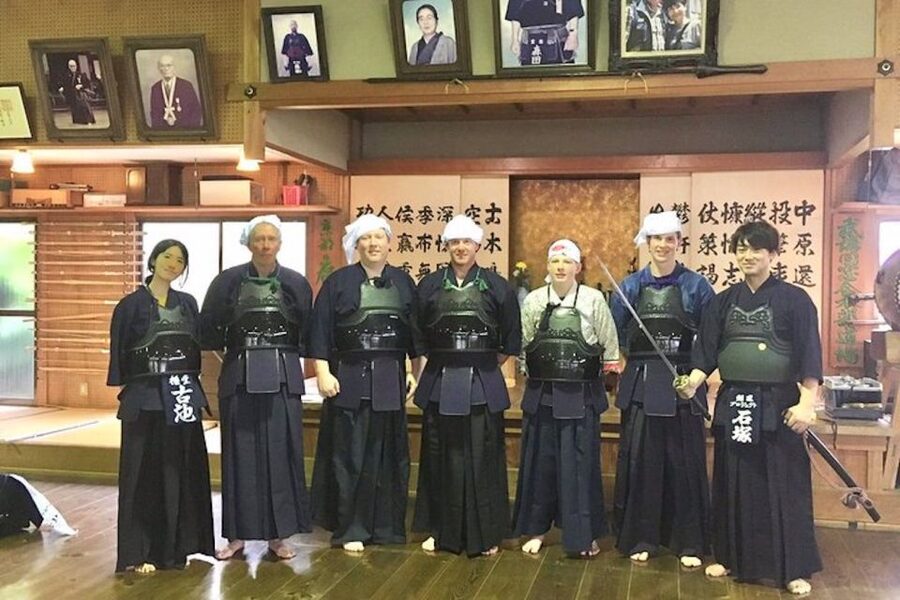
At intervals, the program includes a culture lesson. You learn about kendo’s history and its manner as a martial art, along with the ideas behind unifying your spirit, manners, and lifelong practice.
I like the pauses because they give your body a break and help explain what you are doing. Without them, the session could become a sequence of instructions that you copy and forget. The cultural sections connect the rituals, commands, and technical exercises.
The lesson also helps set fair expectations. Kendo has a competitive side, including matches and scoring techniques, but it is not presented as sport alone. The class treats discipline and respect as part of the activity.
For a first introduction, this is a sensible amount of background. You get enough context to understand the practice, but the two-hour program remains active.
Putting on the men and facing the instructor
Later, you put on the men, the protective face armor used in kendo. This is one of the moments many people anticipate, but the equipment changes the experience in practical ways. Your vision and hearing feel different, and you need to stay aware of the instructor’s directions.
The included kendo towel is used when putting on the face protector. It is a small but useful detail, and you can keep the towel afterward as a reminder of the session. Water and a Japanese hand towel are also included.
With the men in place, you practice striking the teacher again. The armor allows you to work with more of the traditional equipment and gives the class a stronger sense of progression. You have started with basic movements, learned the etiquette, and now try the action in protective gear.
You should not expect a long full-contact bout. The activity is built for beginners and runs on a controlled schedule. The goal is to let you experience the method and sensation of kendo safely.
The mini-match gives the lesson a clear finish
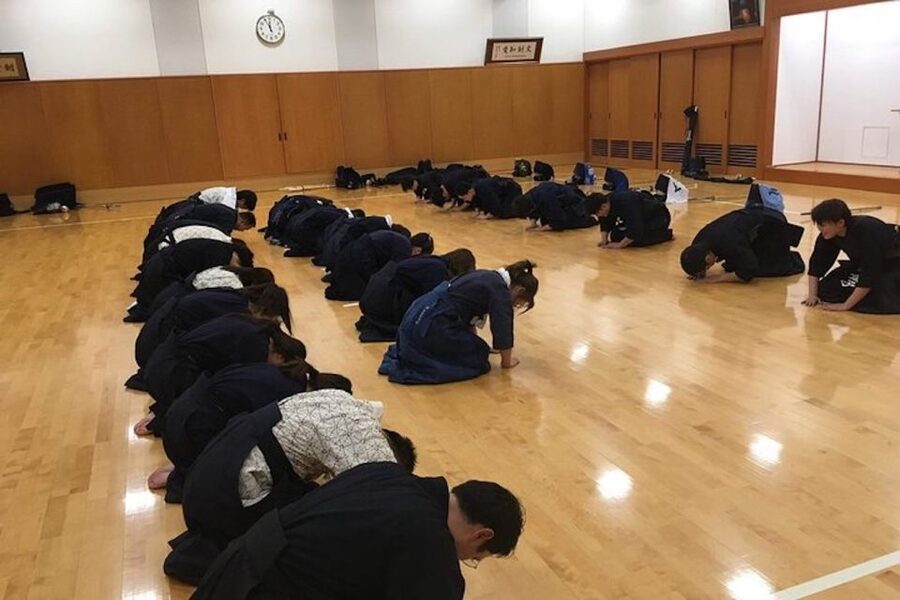
The match-style mini-game is a smart part of the program. It gives you a chance to use several elements at once: stance, movement, strikes, attention, and manners.
It is not meant to prove that you are a skilled fighter. Instead, it shows how the pieces fit together. A beginner can take part, and the teacher controls the format. If you are competitive, you may enjoy the pressure. If you are not, the small scale keeps it from feeling intimidating.
This is also where the earlier cultural explanation becomes useful. You know that the match is not only about swinging faster or harder. Timing and form matter, and the proper conduct around the match remains part of the experience.
I would book this activity for someone who wants a story to tell beyond I wore samurai armor. The mini-match gives you an actual event to remember, even though you should keep your expectations at an introductory level.
National-level demonstrations from close range
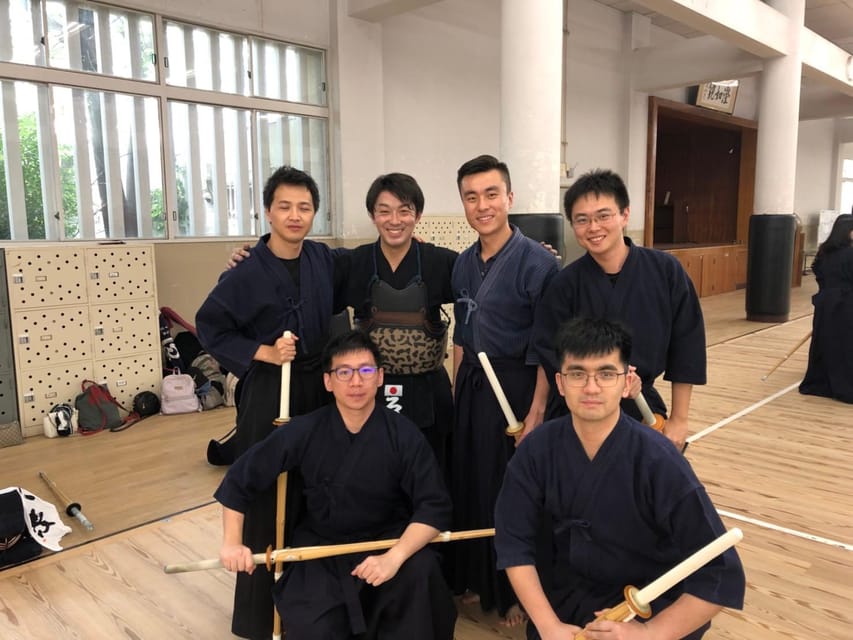
Near the end, national-level instructors perform demonstrations. This changes your view of the techniques you have just tried. Movements that felt difficult at beginner speed look fast, precise, and highly controlled when performed by experts.
The value is not just spectacle. You can watch the relationship between footwork, timing, posture, and striking technique. Seeing the complete movement gives you a better sense of what the instructors were asking you to do earlier.
Because the demonstration takes place as part of the same session, you can compare your first attempts with a much higher level of practice. That contrast is useful and humbling in the best way. Kendo suddenly looks less like a simple sword exercise and more like a discipline that takes years to refine.
This segment should appeal to both newcomers and people who already know something about martial arts. Beginners get a strong visual finish, while experienced participants may pay closer attention to the technical details.
Photos, changing clothes, and the optional Samurai meal
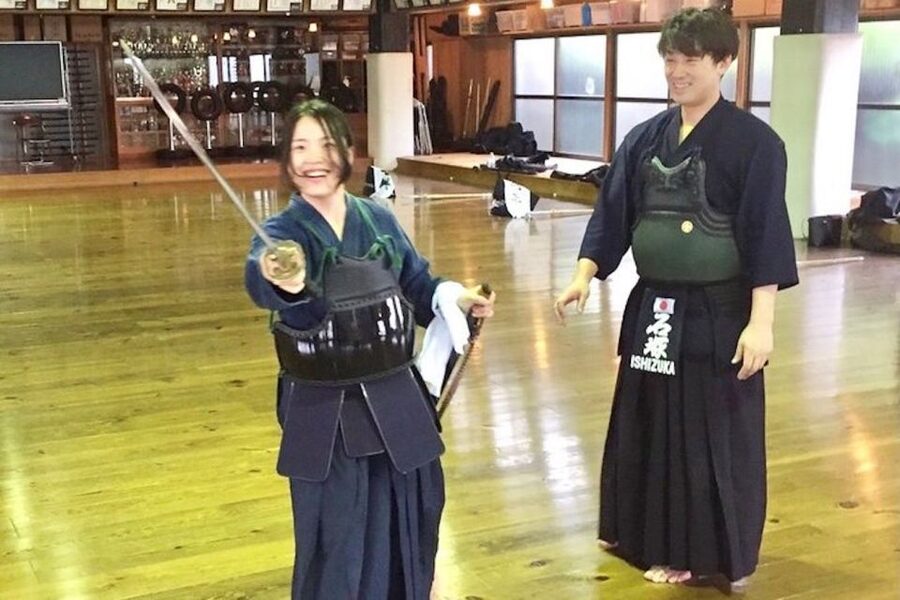
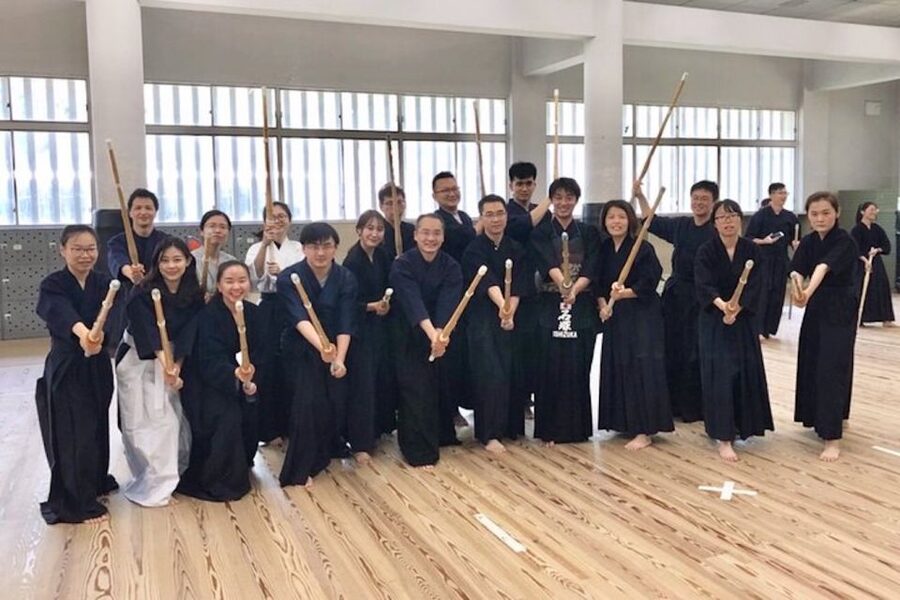
The session closes with etiquette and photographs. The pictures give you a record of the experience, but they come after the training rather than replacing it. That order is important. You earn the photo by taking part in the practice.
Afterward, you change back into your clothes and the kendo activity ends. Food is not included, and there is no hotel pickup or drop-off. The meeting point is Shigino Kaikan, so you need to arrange your own way there and onward.
You can continue the evening at a Japanese izakaya. A special Samurai meal is available on the menu, giving you an easy way to keep the theme going after leaving the dojo. Treat this as an optional add-on, not part of the $116 price.
Is $116 good value for two hours?
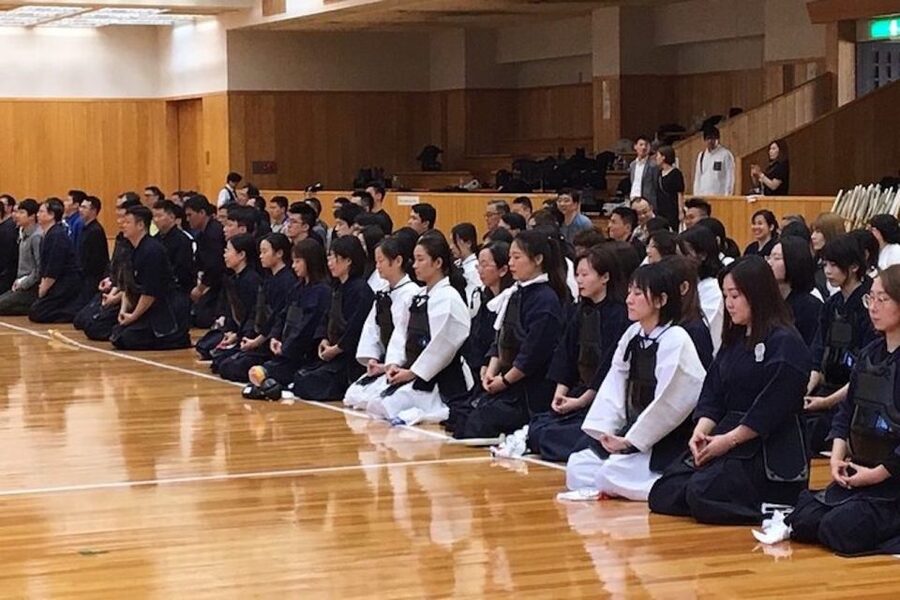
At $116 per person, this is not the cheapest cultural activity in Osaka. You are paying for a small class, professional instruction, rented armor and equipment, water, a towel, practice with the instructor, a mini-match, and demonstrations by national-level practitioners.
The value depends on what you want. If you only want a quick samurai photo, this costs more than necessary. If you want direct instruction and a real introduction to kendo, the small group and equipment make the price easier to justify.
The limited group size is especially important. A large class could offer the same outline, but you would likely spend more time waiting and less time receiving corrections. Here, the point is not simply access to a dojo. It is access to an instructor who can watch what you are doing.
You should also remember that the price does not cover food, transportation, or the optional izakaya meal. Build those costs into your Osaka plans.
Who should book this Osaka kendo class?
I would choose this for adults and older children who want an active cultural experience and are comfortable following martial-arts etiquette. It suits first-timers because the instructors teach the full sequence from the beginning, and it also works for someone who has tried kendo before and wants practice with experienced teachers.
The class is not suitable for children under nine, pregnant women, people with mobility impairments, or wheelchair users. Pets, alcohol, and drugs are not allowed. The activity is physical, so anyone with concerns should consider the movements and protective equipment before booking.
The language support is practical rather than broad: instruction is available in English and Japanese. The small-group format is basically designed for two people, so it works well for friends, siblings, or a couple who want to train together.
Practical details before you reserve
The experience lasts two hours, with starting times based on availability. You meet at 鴫野会館, or Shigino Kaikan hall, in Osaka. Hotel transportation is not included.
Wear something that allows comfortable movement under the rented equipment. The activity includes changing clothes, so allow yourself enough time to arrive without rushing. You receive the needed kendo armor and equipment, plus free mineral water and a Japanese hand towel.
The booking terms are flexible: you can reserve now and pay later, and cancellation is free up to 24 hours in advance for a full refund. Check the available start time before committing, especially if you are fitting the class between other Osaka plans.
Should you book it?
Book this kendo experience if you want to learn, move, and listen rather than simply dress up. The strongest reasons are the real dojo atmosphere, the close teaching, the chance to practice with an instructor, and the national-level demonstration at the end.
Skip it if you want a relaxed show with no physical effort, or if the $116 price feels too high for a two-hour activity. For the right person, though, the session offers something rare: a direct, respectful introduction to kendo that lets you feel the discipline as well as see it.
FAQ
Where does the kendo experience take place?
The meeting point is 鴫野会館, also called Shigino Kaikan hall, in Osaka, on Japan’s main island of Honshu.
How long does the kendo workshop last?
The scheduled duration is two hours.
What languages are available?
Instruction is available in English and Japanese.
Is kendo equipment included?
Yes. Rental kendo armor and equipment are included, along with free mineral water and a Japanese hand towel. Participants also receive a special kendo towel for use with the face protector.
What activities are included in the session?
The program includes changing clothes, dojo etiquette, a basic lecture, kendo culture, bamboo sword striking, practice with the teacher, use of the men face protector, a match-style mini-game, demonstrations by national-level instructors, etiquette, and photographs.
How many people can join?
The activity is offered as a small-group experience limited to two participants. The supplied information also notes that it is basically for two people or more.
Who cannot take part?
The activity is not suitable for children under nine, pregnant women, people with mobility impairments, or wheelchair users. Pets, alcohol, and drugs are not allowed.
Just added in Osaka
- Private arrival transfer from Kansai International airport to Kyoto City★ 5.0 · 32 reviews
- (Ticket Included) Explore Osaka Castle & Museum of History★ 4.8 · 21 reviews
- Hidden Osaka – Yukaku Red Light Tour & Culinary Adventure★ 4.8 · 96 reviews
- Osaka: Walking Tour and Top Highlights★ 4.8 · 104 reviews
- Pickleball in Osaka, Kobe & Kyoto with Locals!★ 4.7 · 80 reviews
- Osaka: Private Ceramic Painting Workshop★ 5.0 · 13 reviews
- Osaka:SUMO BEATS SHOWCASE: Taiko Drum and Wagyu burger!★ 4.2 · 37 reviews
- Eat Like a Local in Osaka – Private Custom Street Food Tour★ 4.3 · 33 reviews
Martial Arts Experiences, compared.
Kendo and Samurai Experience with Uniform and Gear
Read our review →
Samurai Sword & Archery Class from Samurai Descendant
Read our review →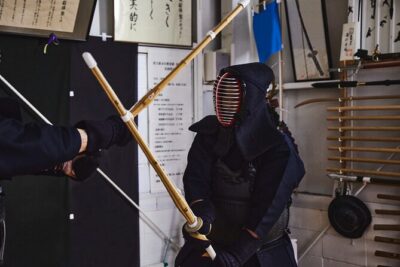
Japanesel Archery Experience HIROSHIMA CASTLE SHARAKU
Read our review →
Japanese Archery Workshop with Experienced Instructor
Read our review →
Browse the lists this tour appears in