
Reviewed · SAMURAI & NINJA EXPERIENCES
Tokyo: Samurai Kendo Practice Experience
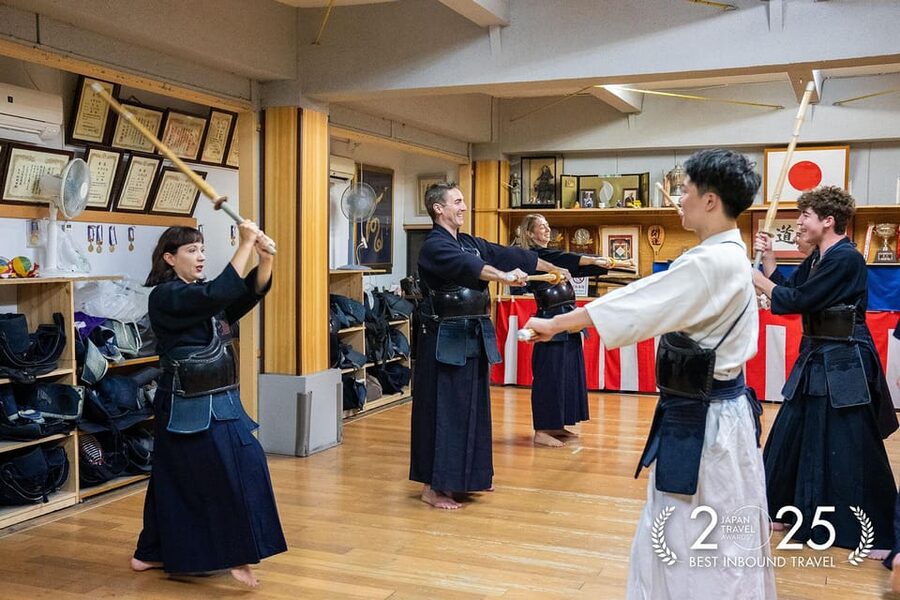
Tokyo’s Samurai Kendo Practice Experience puts you inside a real dojo, wearing protective armor and learning the basics of Japanese swordsmanship through movement, discipline, and controlled combat. You do not simply watch a demonstration. You practice strikes, footwork, and light sparring under an instructor’s eye.
I like the small group of no more than six, which gives you room to ask questions and receive corrections. I also like the blend of formal etiquette and playful practice, including balloon games and short bouts that help beginners relax. The main consideration is communication: English is available, but some explanations may come quickly or feel blunt.
Key points to know before you book
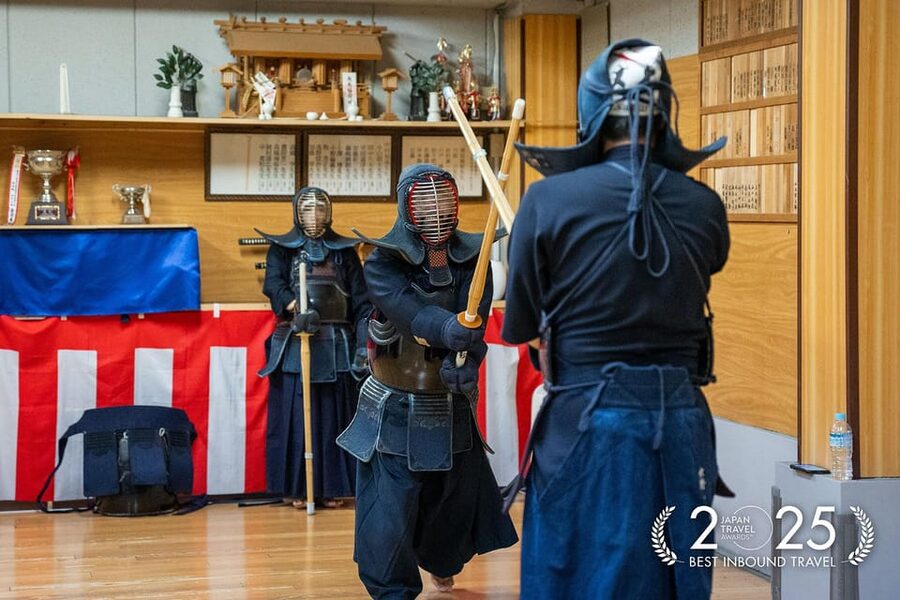
- You wear full kendo armor: Expect a helmet, body protection, gloves, and traditional training clothing, with equipment supplied.
- You practice real techniques: Lessons include the basic men, kote, and do strikes, footwork, rules, and counter techniques.
- You may spar during your first session: Beginners are guided toward light combat rather than kept on the sidelines.
- The class is small: A maximum of six participants makes this more personal than a large cultural demonstration.
- The dojo can be hard to spot: It is at Seidokan, a house-based dojo at 4-7-2 Higashinippori, about 10 to 12 minutes from JR Uguisudani Station’s North Exit.
- Bring suitable clothing: Loose exercise clothes work best, and contact lenses are advised instead of glasses when wearing the helmet.
What this Tokyo kendo class is really like
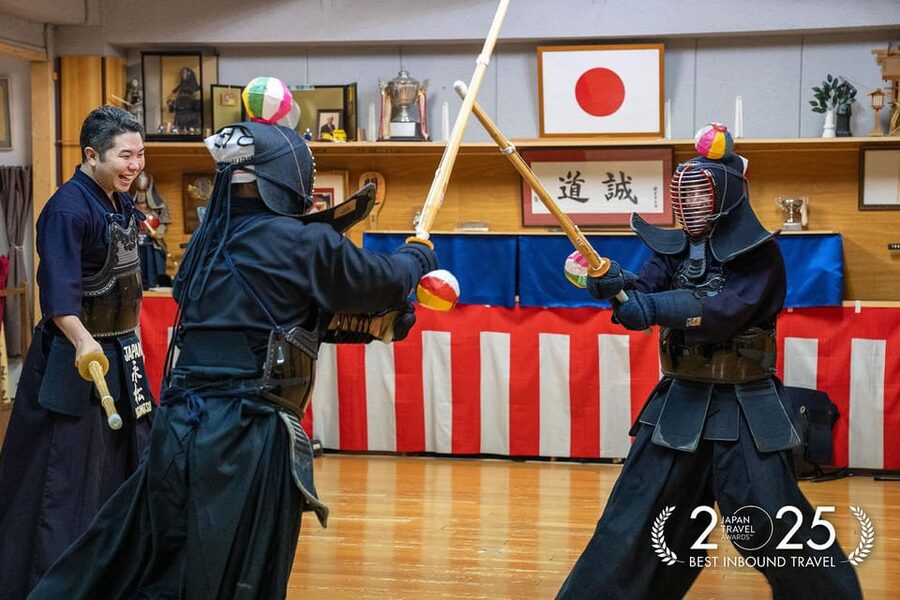
Kendo is often reduced to movie sword fights, but the real practice is more exacting. You must stand correctly, move with control, call out clearly, strike the proper target, and show the right etiquette before and after the exchange.
That makes this two-hour class more than a costume photo opportunity. You get a short introduction to the values and rules of kendo, then put them to work with a bamboo sword and protective armor. The session is active, but it is structured for first-timers.
The instructors include experienced teachers such as Nagamatsu-sensei, who has been described as training in kendo for more than 60 years. Other instruction details describe a kendo background connected with Keio University and more than 20 years of teaching experience. The available information is not perfectly consistent about each instructor’s exact role, but you can expect a senior Japanese kendo teacher supported by additional instructors.
English and Japanese are used. You should be able to follow the main instruction, though some terms and rapid explanations may require close attention. If you do not understand a movement, copy the demonstration and ask for it slowly.
Other samurai and ninja experiences in Tokyo people book:
- Tokyo: Samurai Restaurant Show Ticket with 2 Drinks
★ 4.5 · 1,307 reviews - Tokyo: Samurai Ninja Museum Guided tour and Experience
★ 4.6 · 1,010 reviews - Tokyo: Samurai Sword & Archery Class from Samurai Descendant
★ 5.0 · 603 reviews
Reaching Seidokan from JR Uguisudani
The dojo is at 4-7-2 Higashinippori in Arakawa-ku, written as 誠道館 in Japanese. It is roughly 10 to 12 minutes from the North Exit of JR Uguisudani Station.
Allow extra time. The dojo operates from a house, and the entrance can be confusing to find, especially if you are relying only on a map pin. I would save both the Japanese name, 誠道館, and the full address before leaving the station.
Uguisudani is a useful base for this activity because it is close to central Tokyo but less polished and showy than the areas around Tokyo Station or Shibuya. You are heading to a working neighborhood dojo, not a staged theme park set. That setting helps explain why the class may feel direct and practical.
The meeting point is not a hotel pickup location, so you need to make your own way there. The class may run a little longer or shorter than two hours depending on the pace of the group. Do not schedule a train, meal, or major attraction immediately afterward.
Changing clothes and putting on the armor
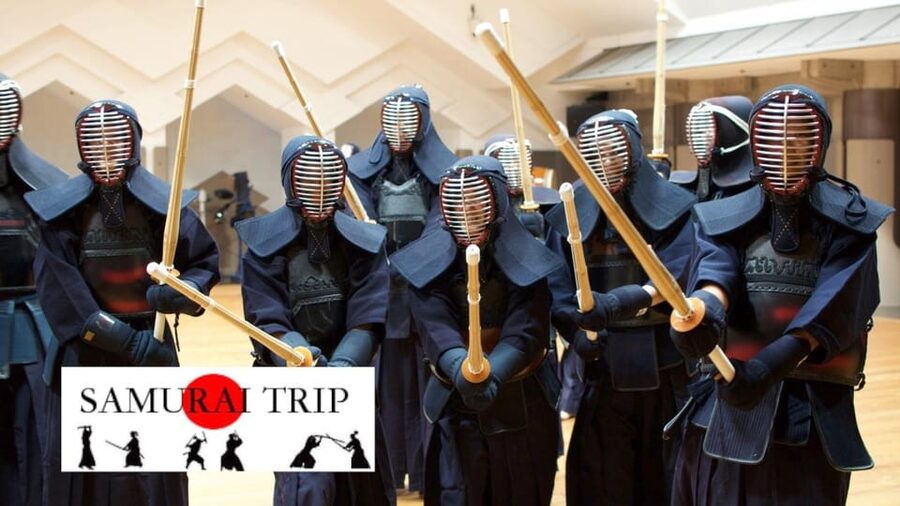
Wear loose, comfortable exercise clothing. The organizers may have a suitable kendo uniform for you, but sizes are not guaranteed. If the available clothing does not fit, you may need to practice in your own outfit.
This matters more than it might sound. Kendo armor is not light or delicate, and you will move, bend, sweat, and raise your arms repeatedly. Avoid restrictive jeans, stiff skirts, or clothing that makes footwork difficult.
The equipment rental includes the armor and kendo gear. You should expect help with the main pieces, especially the head protector, known as a men, and the body protection. Getting dressed is part of the lesson because kendo equipment has a formal order and purpose.
If you wear glasses, take the warning seriously. The head protection can be difficult to fit over spectacles, and your glasses may be damaged. Contact lenses are recommended. If you cannot use contacts, ask the instructor before putting on the helmet rather than trying to force it over your frames.
The first lesson: etiquette, posture, and footwork
The class begins with the basics. Kendo places real weight on how you enter the practice space, how you hold the sword, and how you show respect to your partner and teacher.
You will learn how to stand, how to grip the bamboo sword, and how to move without crossing or losing control of your feet. This can be harder than it looks. A beginner’s natural instinct is often to swing the arms first, while kendo asks the whole body to move as one unit.
The instructors demonstrate the correct form and then have you repeat it. Prior martial arts experience may help, particularly with stance and footwork, but it is not required. You should be ready to take corrections quickly. The pace can feel brisk, especially if the instructor explains a new technique in English and Japanese.
The strict tone is part of the setting. Some people will appreciate the discipline and directness. If you prefer a soft, highly polished tourist class, you may find the delivery a little severe. The teaching can still be playful, and the session is designed to keep beginners involved.
Other martial arts sessions in Tokyo:
- Tokyo: Japanese Archery (Kyudo) Experience
★ 5.0 · 78 reviews - Samurai Experience – Learn Bushido through Kendo, in Tokyo
★ 5.0 · 68 reviews - Tokyo: Karate Experience with Former All-Japan Champion
★ 4.9 · 46 reviews - Tokyo Samurai Experience: Kyudo (Archery) and Swordsmanship
★ 5.0 · 14 reviews
Learning men, kote, and do strikes
The central technical lesson covers three basic target areas:
- Men: a strike to the head area of the helmet
- Kote: a strike to the wrist or forearm protection
- Do: a strike to the body armor
You will not simply wave a sword at a target. The instructor shows where to aim, how to lift the bamboo sword, and how to coordinate the strike with your step and shout.
The protective gear lets you train with more freedom than you could in ordinary clothing. Still, this is controlled martial arts practice, not random hitting. The equipment protects you, but you should listen closely and strike only when instructed.
Some participants have found the helmet strikes stronger than expected. If you are bringing children or family members, explain that the class involves actual contact with protective armor. The activity is family-friendly in spirit, but it is not a no-contact demonstration.
The practice sword is a shinai, a bamboo training weapon used for kendo. One account also describes the chance to handle a real katana during the session. That is a special feature, but do not confuse it with fighting with a sharp sword. The combat practice uses training equipment under supervision.
From drills to light sparring
Once you have learned the basic strikes, the class moves toward practice bouts. This is the part many people remember most because you are asked to apply the movements against another person instead of a stationary target.
The sparring is described as light and playful, but it still follows kendo ideas. You may practice with another participant or with the instructor. Some activities use balloons to turn timing and reaction into a game, which gives the class a welcome break from strict form.
You might also learn counter techniques and a simplified version of official kendo rules. That helps you understand why a proper strike is more than contact. Timing, posture, accuracy, and spirit all matter.
Do not expect to become a competent kendo fighter in two hours. You will gain a working introduction, not a complete martial arts course. The value is in feeling how much coordination the sport demands and seeing the difference between a beginner’s swing and an expert’s controlled movement.
If other dojo members are training during your visit, you may also watch them practice. This can be one of the most useful moments because experienced kenshi move quickly and precisely. The contrast shows why kendo takes years of repetition.
The instructors and the teaching style
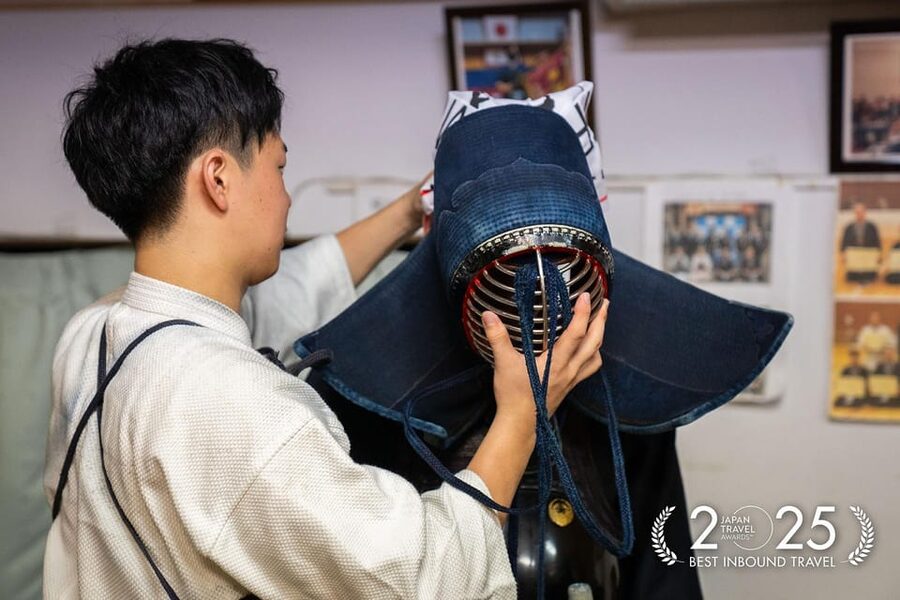
The instructor is the heart of this activity. Nagamatsu-sensei is described as patient, strict, humorous, and experienced. Those qualities can appear together in a traditional martial arts setting. He may correct you firmly, then use a joke or game to keep the mood light.
You should not expect every explanation to be delivered in fluent conversational English. The class is offered in English and Japanese, but instructions may sometimes be fast or hard to follow. Watch the demonstrations carefully, repeat the movement, and ask for a slower explanation when needed.
The teaching style is practical rather than theatrical. You are expected to participate, not simply receive a talk about samurai culture. That is a strength if you want to understand how the sword work feels in your own body.
It is also the reason this may not suit everyone. A blunt correction can sound rude if you are unfamiliar with Japanese martial arts etiquette or if the language barrier makes the intent unclear. I would approach the class with patience and a willingness to accept direct instruction.
How much value you get for $116
At $116 per person, this is not a cheap add-on activity. The price makes more sense when you consider what is included: a professional instructor, a small group capped at six, rental armor and equipment, water, and a Japanese hand towel.
The small group is important. A large class could leave you waiting while the instructor works with others. Here, you have a better chance of receiving corrections and trying the drills several times.
You are also paying for access to a working dojo and for instruction in a discipline that requires more than a short demonstration. Full armor rental would be impractical for most visitors to arrange independently, and the class gives you a supervised way to try contact practice safely.
The value depends on what you want from Tokyo. If you only want a quick photo in a samurai costume, the price is high. If you want physical activity, cultural context, and a real attempt at basic swordsmanship, it is easier to justify.
The included water is useful because you will sweat. The towel is a modest souvenir rather than a major bonus, but it is practical after training. Food is not included, so plan a meal before or after the session.
Who should book this experience
I would choose this class if you want an active cultural experience and are happy to follow instructions closely. It suits solo visitors, couples, friends, and families with older children who can handle protective equipment and controlled contact.
It is especially good for you if:
- You have wondered how kendo differs from movie sword fighting.
- You want to learn basic strikes rather than watch a staged show.
- You enjoy martial arts, exercise, or Japanese traditions.
- You prefer a small group to a large sightseeing activity.
- You are comfortable with direct instruction and a little sweat.
I would think twice if you need a fully accessible class, have difficulty with close-fitting protective gear, or dislike contact sports. One participant found the uniform sizing unsuitable for a larger body, so fit may be a concern for some people. The available information does not give a full size chart, so ask ahead if that matters to you.
Bring fresh clothes. The workout can be more demanding than expected, and the armor makes the heat more noticeable. You should also leave enough time afterward to change and cool down.
Practical details that make the session easier
The activity lasts about two hours, but treat that as an estimate. The class may take more or less time depending on the group and the instruction. Arriving rushed would make the changing and equipment process stressful.
Cancellation is free up to 24 hours before the start time, and you can reserve now and pay later. That gives you some flexibility while planning a Tokyo schedule, though you still need to check the available start times when booking.
The provider is Park for us Co., Ltd. The experience is limited to English and Japanese, and the group size is limited to six participants.
You receive mineral water and a Japanese hand towel. Food, hotel pickup, and transportation to the dojo are not included.
Should you book the Tokyo Samurai Kendo Practice Experience?
Book it if you want to do more than look at samurai armor behind glass. You will learn basic kendo movement, wear the real protective gear, practice men, kote, and do strikes, and take part in light sparring under experienced instruction.
The best part is the direct contact with the discipline. You feel the effort behind the calm bows, sharp footwork, and precise strikes. The main trade-offs are the price, a possibly difficult-to-find house dojo, fast English explanations, and a teaching style that can be strict.
Bring loose clothing, contact lenses if needed, fresh clothes, and extra time. If that sounds like a fair exchange for two hours of active practice in a Tokyo dojo, this is a strong choice for your itinerary.
FAQ
How long does the Tokyo Samurai Kendo Practice Experience last?
The scheduled duration is two hours, although the total program may take more or less time depending on the situation and the pace of the group.
Where does the kendo activity take place?
It takes place at Seidokan dojo, written as 誠道館, at 4-7-2 Higashinippori, Arakawa-ku, Tokyo. The dojo is about 10 to 12 minutes from the North Exit of JR Uguisudani Station.
What languages are used during the class?
Instruction is provided in English and Japanese only.
Is kendo armor included?
Yes. Rental kendo armor and equipment are included in the activity price.
Do beginners get to fight?
Yes. Beginners are guided through actual kendo practice and may take part in light sparring or playful combat exercises under supervision.
What should I wear?
Loose-fitting exercise clothing is recommended. If a suitable kendo uniform is not available in your size, you may need to practice in your own clothing.
Can I wear glasses during the kendo practice?
Glasses are not advised while wearing the kendo head armor because the fit can be difficult and the spectacles may be damaged. Contact lenses are recommended.
Is hotel pickup or food included?
No. You need to travel to the dojo yourself, and food is not included. Mineral water and a Japanese hand towel are provided.
More samurai and ninja experiences elsewhere in Japan
- Best Samurai Experience in Tokyo
★ 5.0 · 458 reviews - Ninja Experience (Family Friendly) at Samurai Ninja Museum TOKYO
★ 5.0 · 441 reviews - Tokyo: Samurai Entertainment Night Show in Kanda Shrine
★ 4.6 · 417 reviews - Tokyo Sword Experience – includes Museum Ticket/Ninja Experience
★ 5.0 · 314 reviews
Just added in Tokyo
- The 10 Tastings of Tokyo With Locals: Private Street Food Tour★ 5.0 · 48 reviews
- Small Town in the Big City: Tasting Tokyo’s Kichijoji★ 5.0 · 195 reviews
- Small Town in the Big City: Tasting Tokyo’s Kichijoji★ 5.0 · 16 reviews
- EXCLUSIVE Tokyo Secret: Kichijoji Small-Group Food & Bar Hopping★ 5.0 · 29 reviews
- Explore Kichijoji: Walk Through One of Tokyo’s Beloved Districts★ 5.0 · 21 reviews
- :Tokyo,Shibuya/ Pro Photography in Kimono / English-Friendly★ 5.0 · 26 reviews
- 【R34】Tokyo:Private Daikoku tour in Modified R34★ 4.9 · 92 reviews
- Tokyo:Calligraphy &Make your original folding fan in Asakusa★ 5.0 · 62 reviews
Samurai & Ninja Experiences, compared.
Samurai Ninja Museum Guided tour and Experience
Read our review →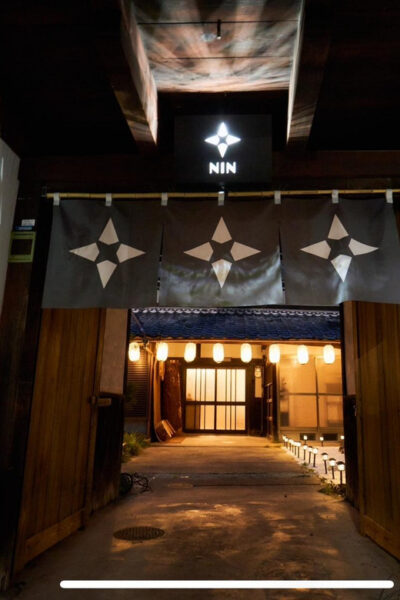
Kendo and Samurai Experience with Uniform and Gear
Read our review →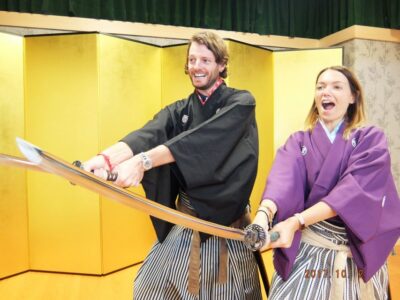
Samurai Sword Class by Experts in Traditional Arts
Read our review →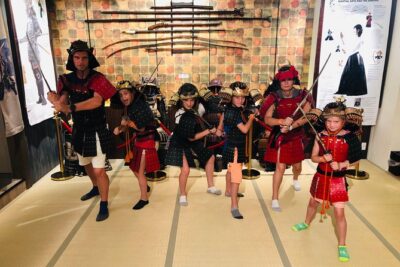
Skip the lines Basic Ticket at SAMURAI NINJA MUSEUM KYOTO
Read our review →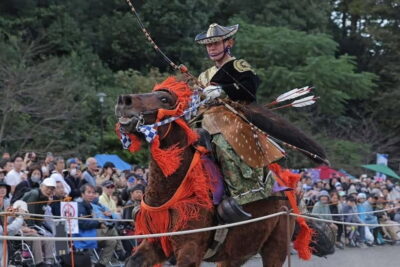
Samurai Sword & Archery Class from Samurai Descendant
Read our review →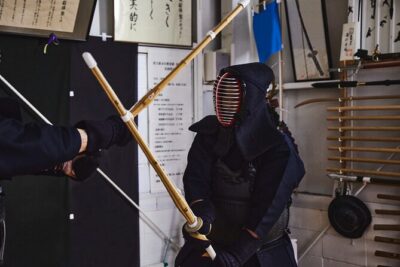
Browse the lists this tour appears in