
Reviewed · SAKE TASTING
Osaka Sake Tasting with Takoyaki Cooking
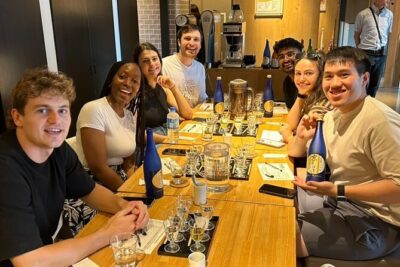
Osaka’s signature street food becomes your dinner project in this lively two-hour class. You cook takoyaki yourself, then sit down with sake selected and explained by Momo, an English-speaking sake sommelier and former brewer. The result is part cooking lesson, part guided tasting, and part friendly Osaka night out.
I like the small maximum of six people, which leaves room for real questions and hands-on cooking. I also like that the sake lesson goes beyond simply handing you glasses: Momo explains how sake is made, how styles differ, and how to choose a bottle later. The one consideration is that this is a drinking experience, not just a tasting. Come hungry, pace yourself, and remember that sake follows the cooking.
Key points at a glance
- Cook your own takoyaki: Learn the turning technique and eat the food you make.
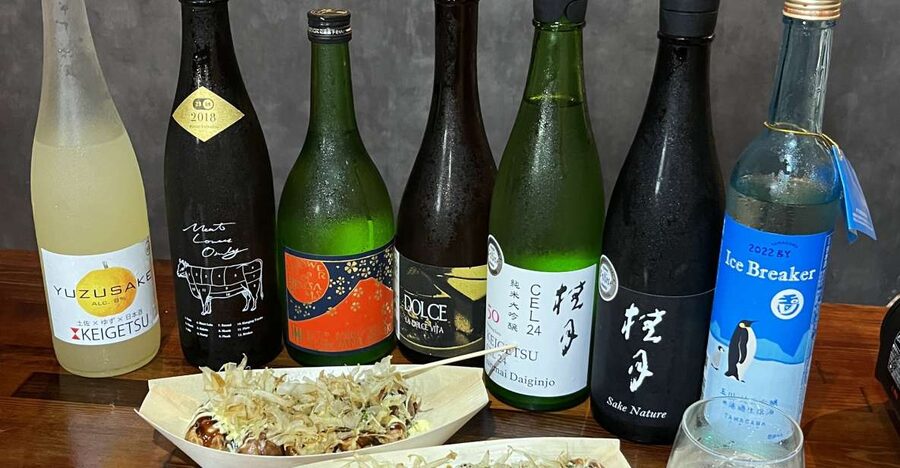
- Taste more than 10 sakes: The seasonal menu gives you a broad look at Japanese sake styles.
- Learn from Momo: Your guide is a sake sommelier and former brewer who teaches in English and Japanese.
- Try Osaka-style variations: Octopus is joined by options such as wagyu beef, cheese, kimchi, and corn.
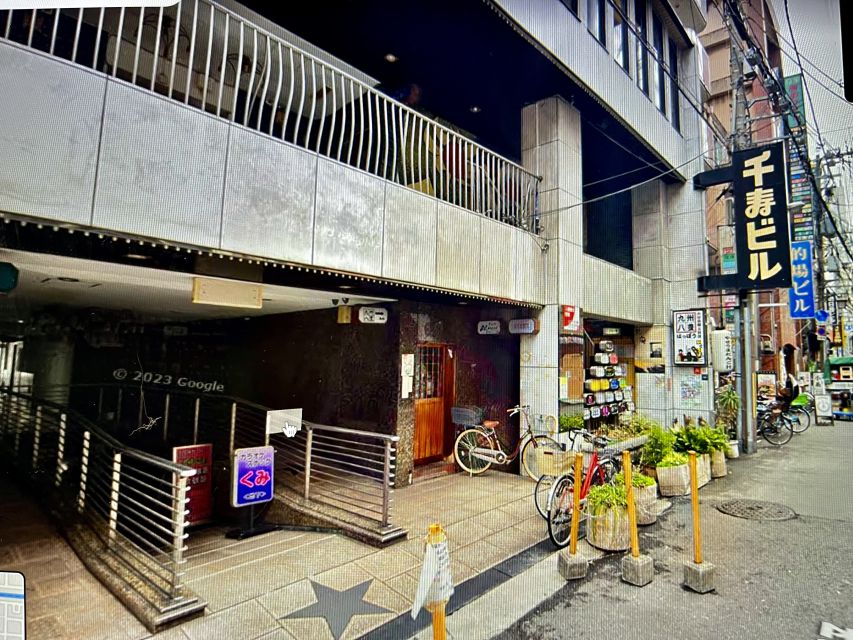
- Stay near Namba: The meeting point is MOMO to SAKE, on the second floor of its building.
- Keep the group intimate: No more than six participants makes this more personal than a large food tour.
Why this Osaka class works so well
Osaka is famous for eating, but the best food experiences do more than put a finished dish in front of you. Takoyaki is a good example. These small, round batter balls are cooked in a special molded pan, filled with octopus and other ingredients, then topped and eaten hot.
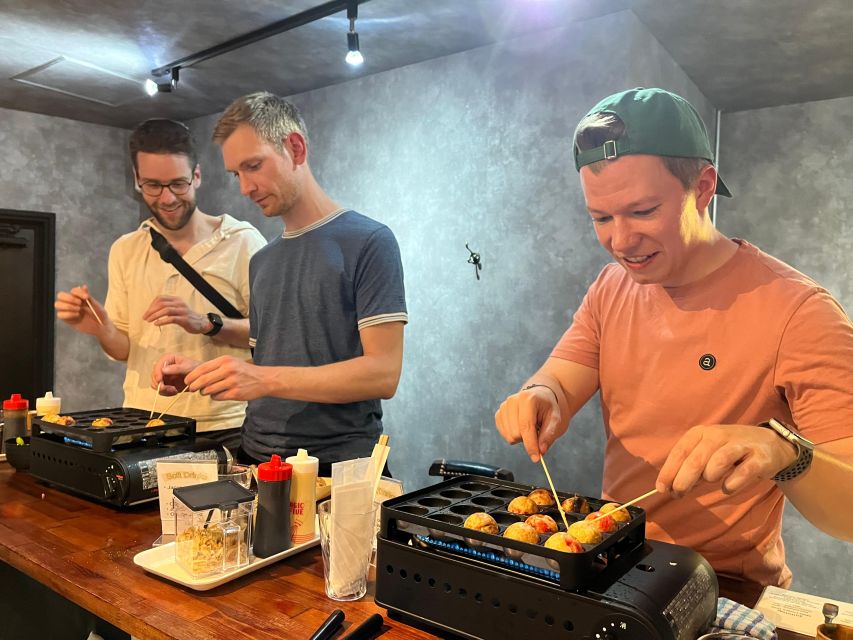
The tricky part is turning them. You begin with a loose batter in the pan, wait for the edges to firm, then use picks or similar tools to rotate each piece. The process looks easy when a street-food cook does it at speed. It feels rather different when you are trying to keep six little balls from becoming one large, scrambled pancake.
That small risk of culinary chaos is part of the fun. Momo gives instructions and helps you along, but the point is for you to do the cooking. You leave with a better sense of how takoyaki is made, not just another photograph of food prepared by someone else.
The class also makes room for personal taste. Traditional octopus is available, but the additional ingredients include wagyu beef and cheese. Other combinations mentioned in the experience include kimchi and corn. If octopus is not your favorite, or if someone in your group does not eat it, you still have ways to build a plate that suits you.
Other cooking classes in Osaka people book:
- Osaka: Ramen and Gyoza Cooking Class in Dotonbori
★ 5.0 · 378 reviews - Osaka: Sumo Stage Show with Bento or Snack + Fight & Photo
★ 4.3 · 364 reviews - Osaka Cooking Class: Okonomiyaki &Japanese cuisines experience
★ 5.0 · 261 reviews
Cooking takoyaki from batter to dinner
The food portion is hands-on from the start. Ingredients and cooking instructions are included, so you do not need to prepare anything before arriving. The class is designed around eating what you make, which is why coming hungry matters.
Expect guidance on the basic method rather than a formal chef-school lesson. You will learn how to fill the molds, add ingredients, watch the batter cook, and turn the pieces into their familiar round shape. The final plate is personalized because you decide which fillings to use.
I like this format for couples, families, and friends who want an activity with plenty of conversation. One person can focus on the pan while another asks about ingredients or Osaka food culture. It is also forgiving. Perfect circles are not the aim, and the occasional misshapen takoyaki should still taste good.
Families can take part too. Soft drinks are available, and the format has worked for groups with children while adults sampled sake. A coeliac participant was also accommodated in one session, but food requirements are best raised before booking so the provider can confirm what is possible.
The cooking comes before the alcohol. That is a sensible order. You are not trying to turn hot takoyaki while several sake samples are already affecting your concentration, and you get a proper meal to enjoy with the tasting afterward.
What Momo teaches about Japanese sake
The sake portion is led by Momo, whose background combines sake sommellerie with former brewing experience. That matters because the class is not limited to vague descriptions such as smooth or strong. You learn the basic making process, the role of rice and fermentation, the place of sake in Japanese culture, and the broad ways styles can differ.
The lesson is aimed at curious beginners, but it can also help wine drinkers who want a clearer way to assess sake. Momo explains flavor profiles in plain language and helps connect what you taste with what you may like later. That is practical knowledge for the rest of your Japan trip, particularly if you plan to visit a sake bar or buy a bottle.
One useful benefit is confidence. Sake menus can feel intimidating because labels and categories may be unfamiliar. After this class, you should have a better idea how to describe your preferences and ask for a recommendation. You may still need help with Japanese labels, but you will have a starting point beyond simply choosing the most expensive bottle.
The class uses the term sake in everyday English, while the more precise Japanese term for this drink is nihonshu. The distinction is useful, though you do not need to master vocabulary to enjoy the session. The teaching is meant to make sake less formal and more approachable.
More than 10 seasonal pours, not a fixed museum display
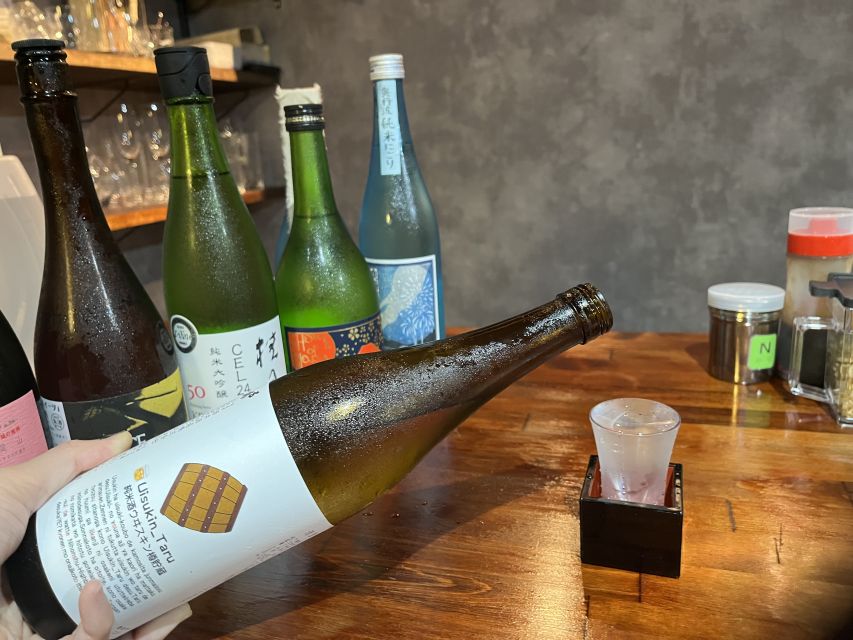
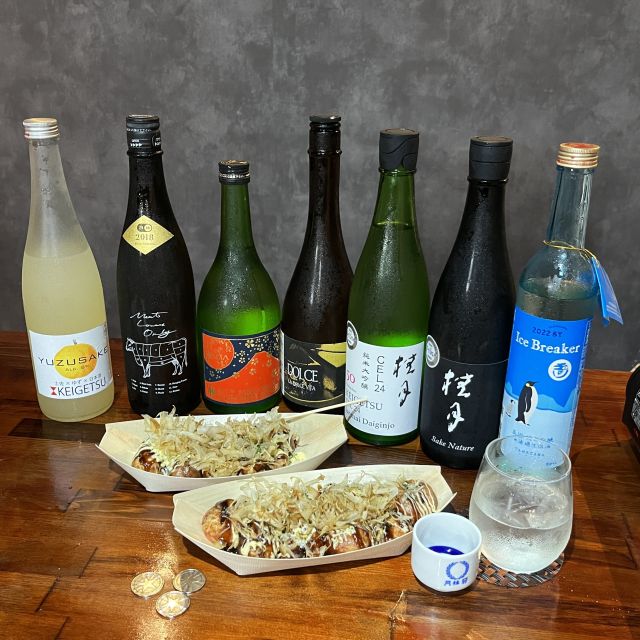
MOMO to SAKE offers more than 10 types of Japanese sake. The selection is seasonal, so the exact lineup can change. That is a good thing for a tasting because it reflects what the sake expert has chosen at the time, rather than promising a rigid list that may not suit your tastes.
You are guided through differences in flavor, texture, and style. The aim is not to rush through as many glasses as possible. It is to notice patterns: which pours feel lighter, which seem sweeter or drier, and which have the character you want with food.
The tasting follows the takoyaki, so you can match sake with your freshly cooked food. This makes the session more useful than tasting in isolation. A sake you enjoy by itself may behave differently alongside savory batter, sauce, and fillings. Trying the two together gives you a better sense of how sake works at the table.
Be aware of the wording: this is more than a tiny sip-and-spit introduction. Previous sessions have included generous servings, with some participants tasting seven different sakes. The experience provides soft drinks too, but it is not designed for someone avoiding alcohol entirely.
If you are not drinking, the cooking still has value, but you will miss one of the two central parts of the class. If you drink, pace yourself. Eat the takoyaki, drink water when offered, and do not plan an ambitious late-night schedule unless you know your limits.
Other tasting rooms and breweries in Osaka:
- Osaka: Cooking Class & Sake Tasting with Local Market Visit
★ 4.8 · 31 reviews - 3.5h Osaka Night guided Local Bar Hopping, Sake & Karaoke
★ 5.0 · 27 reviews - Kyoto Night Foodie Tour in Gion (9+ dishes + 6 Sake tastings)
★ 5.0 · 1,762 reviews - 1-Day Snow Monkeys, Zenko-ji Temple & Sake in Nagano
★ 5.0 · 1,020 reviews
A small group near Osaka Namba
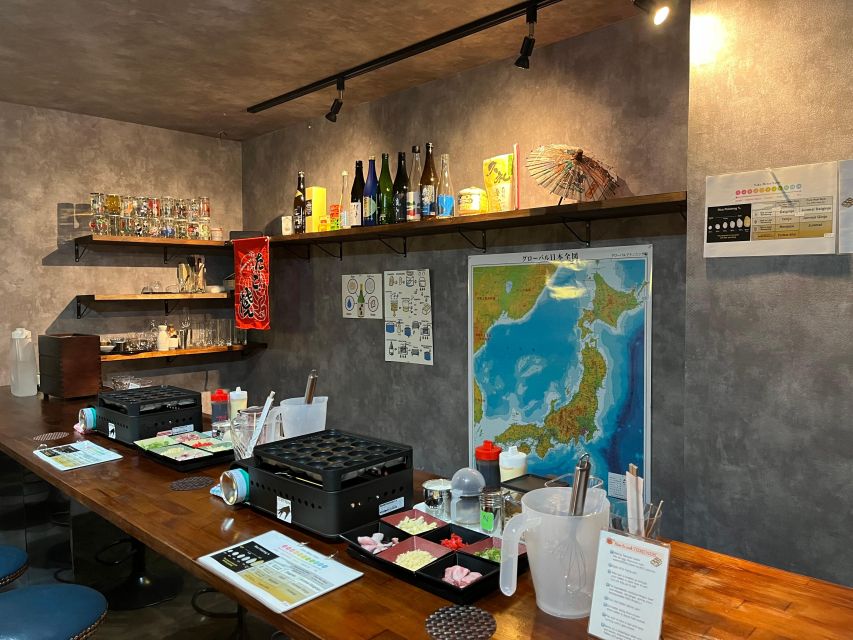
The meeting point is MOMO to SAKE, on the second floor of the building. Its location near the main Osaka Namba area is useful because you can fit the class into a day of sightseeing without making a long trip across the city.
The group is limited to six participants. That number changes the feel of the experience. You have a better chance to ask about a particular sake, get help with the takoyaki pan, and talk with Momo rather than listening from the back of a large room.
A two-hour duration is long enough for both parts to receive proper attention. It is short enough to fit before dinner, after shopping, or into an evening around Namba. Starting times vary, so check the available slot when you book.
The setting is also more personal than a standard restaurant meal. Several sessions have been private or nearly private when fewer people booked. You should not assume a private class, since the maximum is six, but a small booking can create that more relaxed feeling.
Momo’s English is a major practical advantage for international visitors. Instruction is offered in English and Japanese, and the teaching style is conversational. You can ask about sake, cooking, or everyday life in Japan without needing advanced Japanese.
What the $70 price really covers
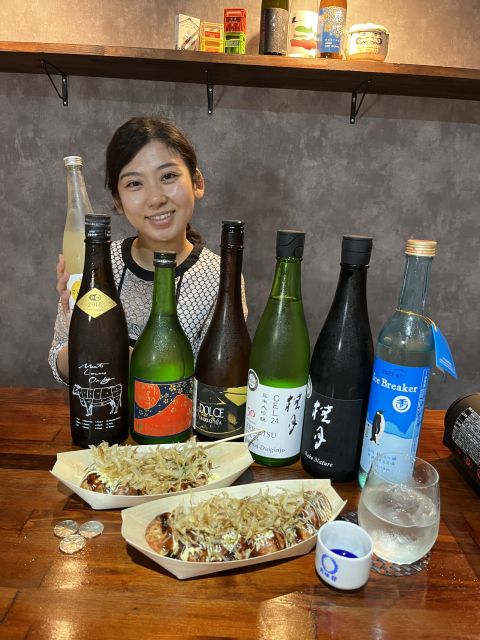
At $70 per person, this is not the cheapest way to eat takoyaki in Osaka. A street stall will cost far less, and you can buy a bottle of sake without paying for a lesson. The value comes from combining food, instruction, a guided tasting, and personal attention in one two-hour appointment.
All cooking ingredients are included, as are the cooking instructions, more than 10 available sake types, and soft drinks. You are also paying for Momo’s specialist background and for a group capped at six. That makes the price easier to justify if you want to understand what you are tasting rather than simply consume it.
I would compare it with the cost of separate activities. A cooking class alone gives you the food skill. A sake tasting alone gives you the drink lesson. Here, the two are deliberately paired, and the takoyaki gives you something substantial to eat before the pours begin.
The value is strongest for first-time visitors to Osaka, people who enjoy food culture, and anyone planning to continue drinking sake elsewhere in Japan. It is less convincing for a person who dislikes hands-on cooking, wants only a quick snack, or has no interest in alcohol.
Free cancellation is available up to 24 hours before the experience for a full refund. You can also reserve now and pay later, which helps if your Osaka schedule is still changing.
Who should book this experience
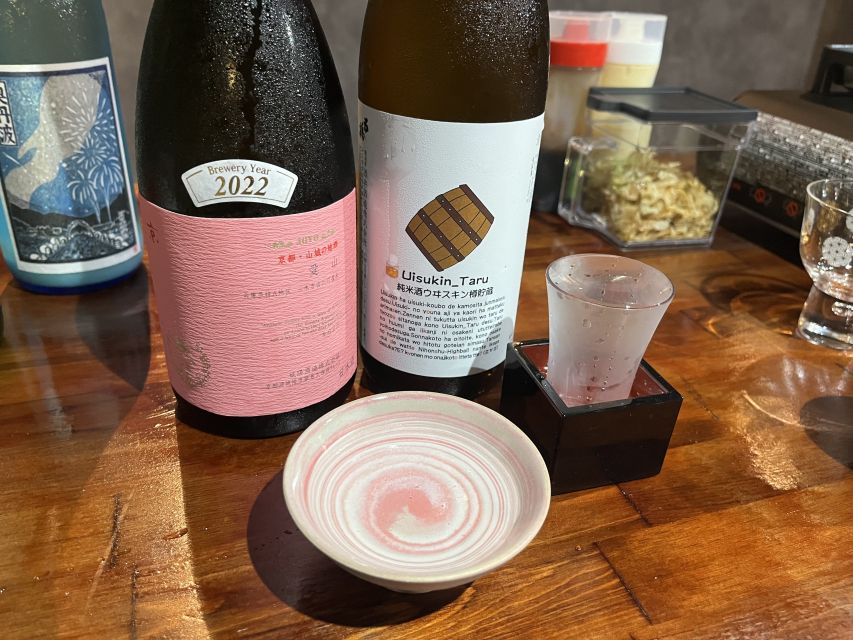
I would choose this class early in an Osaka stay. The sake tips can help you order with more confidence during the rest of your trip, and the takoyaki lesson gives you a new appreciation for the street food you will see around the city.
It suits:
- Couples who want an interactive evening rather than a restaurant reservation
- Families, since soft drinks are available and children can join the cooking
- Solo visitors who prefer a small group with a built-in social setting
- Food lovers who want to make, not only eat, an Osaka specialty
- Sake beginners who want an easy introduction without a stiff lecture
- Experienced drinkers who enjoy comparing styles and asking detailed questions
The class is especially good for anyone who likes a host who can adapt the pace. Momo’s teaching includes simple explanations, room for questions, and help choosing sake based on your own taste.
You should think twice if you want a quiet, alcohol-free cooking class, if you need a fully fixed menu, or if you are hoping to spend the whole evening sightseeing. Two hours is not a huge commitment, but the experience is focused and social.
Practical tips before you arrive
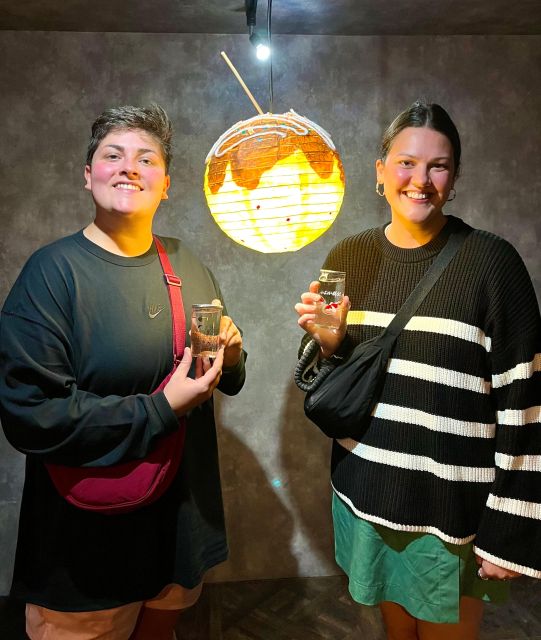
Come hungry, but do not arrive so late that you feel rushed. The food is cooked during the session, then enjoyed with the sake, so you will want room for a proper serving.
Wear something comfortable for a hands-on class. The supplied information does not list a dress code or detailed facility information, so contact MOMO to SAKE directly if you have specific mobility, allergy, or dietary questions.
If you are visiting with children, remember that the adults’ sake tasting remains a central part of the experience. Soft drinks are available, but the class is not presented as a children-only activity.
The menu is seasonal. That means you should not book expecting one exact sake brand or a fixed set of labels. The benefit is that Momo can select from what is available and guide you toward the styles that fit your palate.
Finally, leave space after the class. The combination of food and several sake pours can make a longer walk or a second drinking stop less appealing. If you want to continue your evening, Momo may be able to suggest nearby bars, but no particular bar is included in the booking.
Should you book Osaka Sake Tasting with Takoyaki Cooking?
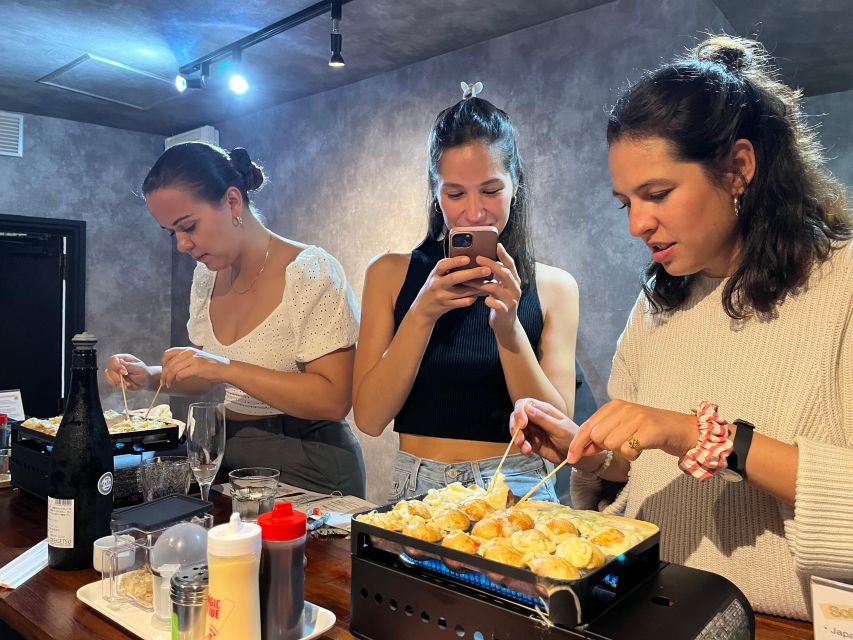
Yes, if you want a small, friendly activity that teaches two things Osaka does especially well: takoyaki and casual food-centered hospitality. The strongest reason to book is the combination of hands-on cooking and useful sake guidance from Momo, rather than either activity alone.
At $70, it asks more than a street-food snack, but it gives you ingredients, instruction, a meal, a seasonal tasting, and a specialist guide. Book it if you want to leave Osaka with more than a full stomach. You will also have a takoyaki method to try at home and a better idea of what to order when you see a sake menu later.
FAQ
Where does the Osaka Sake Tasting with Takoyaki Cooking meet?
It meets at MOMO to SAKE, located on the second floor of the building near the main Osaka Namba area.
How long does the experience last?
The experience lasts two hours. Starting times vary, so check availability for the date you want.
How much does it cost?
The listed price is $70 per person.
How many people can join the group?
The group is limited to six participants.
Which languages are available?
Instruction is available in English and Japanese.
How many types of sake can I taste?
More than 10 types of Japanese sake are available. The selection is seasonal, so the exact choices can change.
Are soft drinks included?
Yes. Soft drinks are included alongside the sake selection.
Can I cancel for a full refund?
Yes. You can cancel up to 24 hours in advance for a full refund. You can also reserve now and pay later.
More cooking classes elsewhere in Japan
- Ramen and Gyoza Cooking Class in Osaka
★ 5.0 · 202 reviews - Osaka: Cooking Class Ramen & Gyoza Course in Nanba
★ 4.9 · 86 reviews - Osaka: Gluten-Free Ramen and Gyoza Cooking Class
★ 5.0 · 42 reviews - Ramen Cooking Class at Ramen Factory in Kyoto
★ 5.0 · 1,937 reviews
Just added in Osaka
- Private arrival transfer from Kansai International airport to Kyoto City★ 5.0 · 32 reviews
- (Ticket Included) Explore Osaka Castle & Museum of History★ 4.8 · 21 reviews
- Hidden Osaka – Yukaku Red Light Tour & Culinary Adventure★ 4.8 · 96 reviews
- Osaka: Walking Tour and Top Highlights★ 4.8 · 104 reviews
- Pickleball in Osaka, Kobe & Kyoto with Locals!★ 4.7 · 80 reviews
- Osaka: Private Ceramic Painting Workshop★ 5.0 · 13 reviews
- Osaka:SUMO BEATS SHOWCASE: Taiko Drum and Wagyu burger!★ 4.2 · 37 reviews
- Eat Like a Local in Osaka – Private Custom Street Food Tour★ 4.3 · 33 reviews
Sake Tasting, compared.
Kyoto Night Foodie Tour in Gion (9+ dishes + 6 Sake tastings)
Read our review →
1-Day Snow Monkeys, Zenko-ji Temple & Sake in Nagano
Read our review →
3-Hour Kyoto Insider Sake Brewery Tour with Tastings & Pairings
Read our review →
Arashiyama Bamboo, Temple, Monkeys, or Secret Sake Brewery
Read our review →
Insider Sake Brewery Tour with Sake and Food Pairing
Read our review →
1.5-Hour Kyoto Insider Sake Experience with 7 Tastings & Pairings
Read our review →Browse the lists this tour appears in