
Reviewed · SUMO EXPERIENCES
Osaka: Sumo Stage Show with Bento or Snack + Fight & Photo
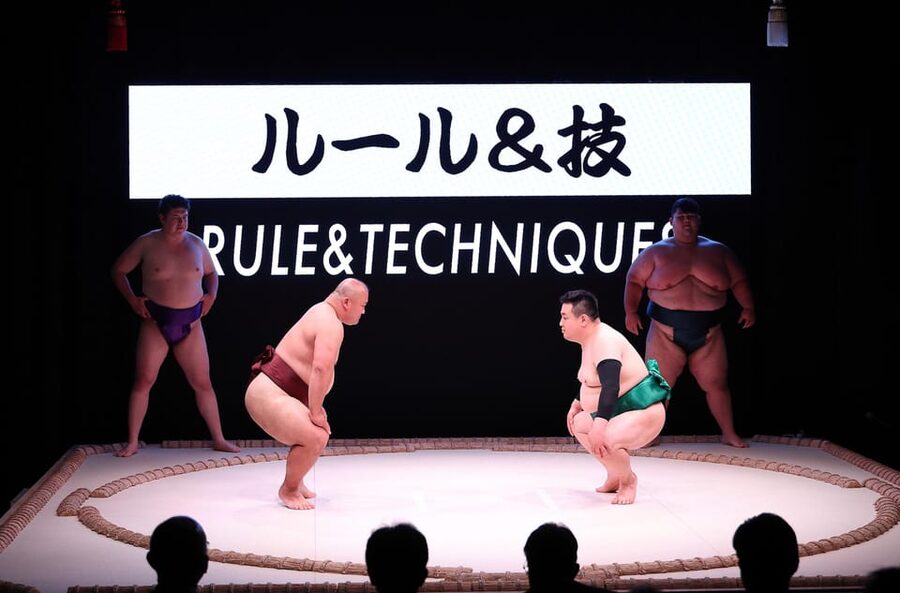
Former professional wrestlers face off on a raised stage while a rakugo storyteller warms up the room, an MC explains the rules, and lights and sound turn sumo into a compact theater show. This is an entertainment performance, not a tournament, but it gives you a friendly introduction to a sport many first-time visitors find hard to understand.
I like the clear explanations and the chance to see sumo techniques up close. I also like the audience participation, especially the comic challenges between wrestlers and volunteers. The main drawback is value: at about $93 per person for one hour, the experience feels expensive if you expect serious competitive sumo or a substantial meal.
Key points to know before you book
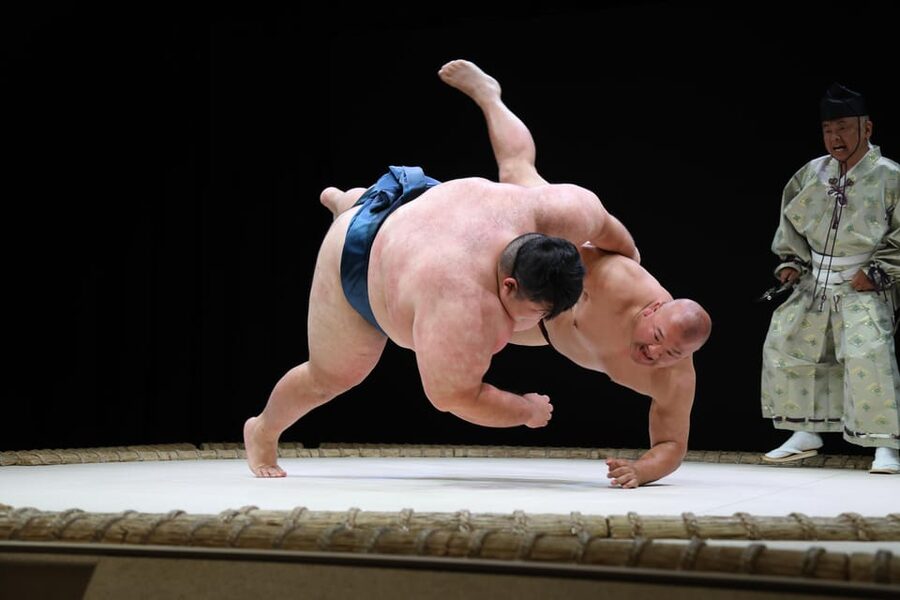
- Former professional wrestlers perform the bouts: You see trained wrestlers demonstrate strength, balance, throws, footwork, and ritual.
- The first part teaches you how sumo works: Commentary covers the sport’s long tradition, basic rules, techniques, and training movements.
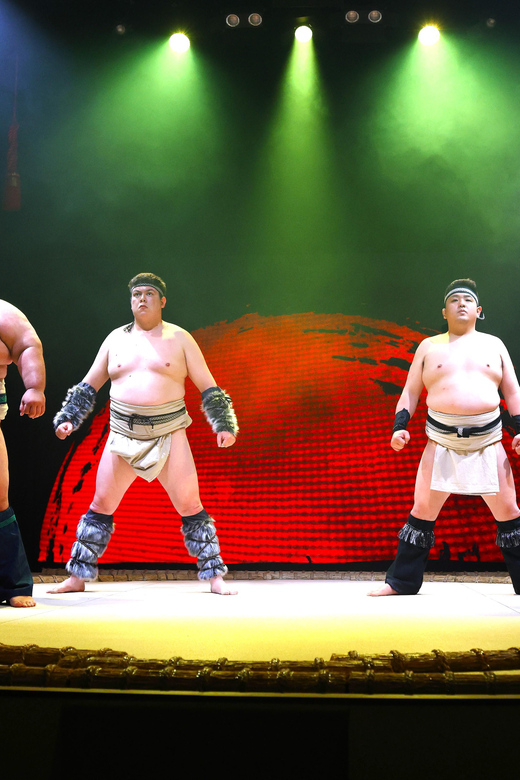
- The tone is playful and theatrical: Lighting, sound, visual effects, rakugo, and comedy make this a stage show rather than a formal tournament.
- Food depends on the option you choose: The Sumo Show includes either a room-temperature bento or snack bag, plus one drink.
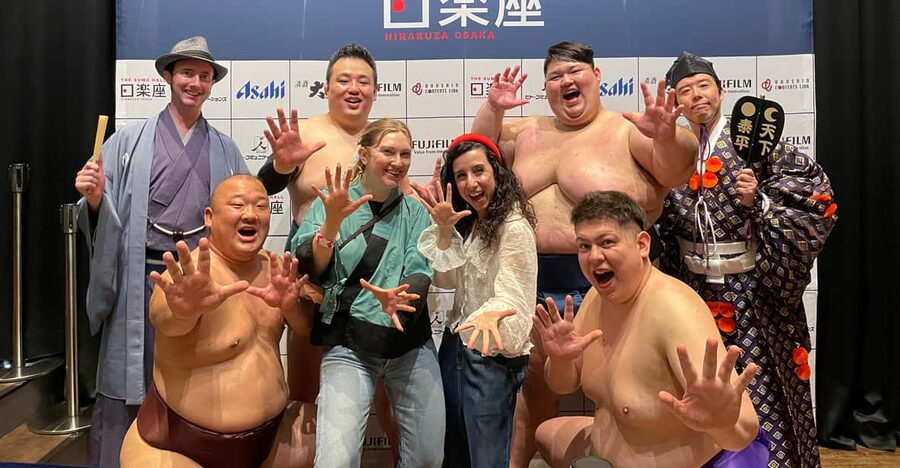
- The photo comes after the performance: You can meet the wrestlers and take home a commemorative picture.
- Finding the venue takes attention: THE SUMO HALL HIRAKUZA OSAKA is on the 8th floor of Namba Parks Shopping Center in Namba.
Sumo in a theater, not a tournament
The key thing to understand is the format. This is a staged cultural show built around sumo, with former professional wrestlers presenting short demonstration matches. You will see real athletic ability, but you should not expect the structure, tension, or unpredictability of a live tournament.
That distinction matters. If you want to study competitive sumo, this is not a replacement for attending a tournament. If you want an easy, lively way to understand the basics without knowing Japanese, it works much better.
The show uses sound, lighting, and visual effects to give the old sport a modern setting. That can feel commercial, and the production includes promotional material that some people find excessive. Still, the format helps keep the hour moving and gives the event a clear shape.
I see the performance as a cultural introduction with comic timing, not a sports ticket. It gives you enough context to recognize the purpose of the ring, understand why wrestlers stamp and throw salt, and follow the action when the demonstrations begin.
Other cooking classes in Osaka people book:
- Osaka: Ramen and Gyoza Cooking Class in Dotonbori
★ 5.0 · 378 reviews - Osaka Cooking Class: Okonomiyaki &Japanese cuisines experience
★ 5.0 · 261 reviews - Ramen and Gyoza Cooking Class in Osaka
★ 5.0 · 202 reviews
Arriving at Namba Parks and finding the hall
The venue sits inside Namba Parks Shopping Center, a large shopping and dining complex in Osaka. THE SUMO HALL HIRAKUZA OSAKA is on the 8th floor, so allow time to get through the building and find the correct lifts or escalators.
You are asked to arrive at least 30 minutes before the performance begins. That is sensible advice. The hall can be harder to locate than a street-level theater, and one past attendee found the 8th-floor location a little confusing.
Namba is a useful setting for an evening activity. You can eat before or after the show, browse the shops, or continue into the surrounding entertainment district. The venue itself is convenient if you already plan to spend time around Namba Parks.
The Sumo Show has listed evening start times of 6:00 pm and 8:00 pm. Check your selected time carefully, and do not rely on arriving just before the bell. The professional rakugo storyteller performs for about 10 minutes before the main show, so early arrival lets you catch part of the program rather than missing the opening.
The rakugo opening and first lessons
Before the wrestlers begin their demonstrations, a professional rakugo storyteller acts as the MC. Rakugo is a Japanese comic storytelling tradition, usually performed by one person using voice, timing, and small gestures rather than a large set.
Here, the MC helps bridge the gap between traditional Japanese culture and an international audience. The opening is designed to be light and accessible, with humor setting the tone before the sumo instruction starts.
The first half explains the sport. You learn about its 1,500-year tradition, basic rules, and the physical ideas behind the moves. The commentary also introduces training exercises and the manners that surround a bout.
This section can feel slow if you have come mainly for the action. One useful way to approach it is to treat it as the part that makes the later demonstrations easier to follow. Without the explanations, a sumo bout can look like two huge bodies colliding for a few seconds. With some context, you can watch for balance, foot placement, pushing, pulling, and the moment one wrestler loses control.
Demonstration matches with former professionals
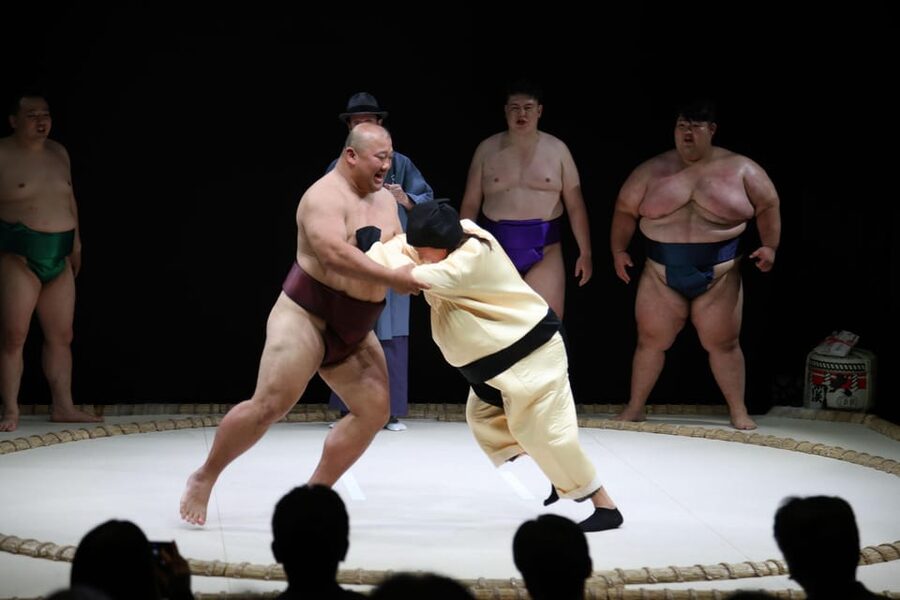
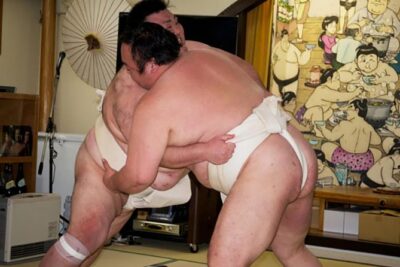
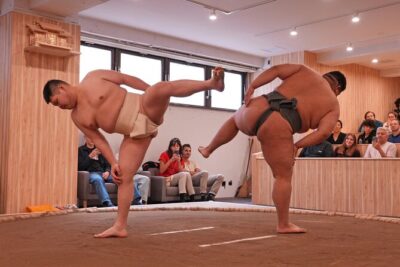
The wrestling is the heart of the show. Former professional wrestlers demonstrate sumo techniques and face one another in short bouts. The scale is intimate, so you are not watching distant figures in a huge arena. You can see the physical effort and the sudden changes in balance.
These are demonstrations, not a formal tournament. The matches are presented for education and entertainment, and the tone stays friendly. Some people may find the action milder than expected, especially if they arrive hoping for a hard-fought professional contest.
Even so, the wrestlers bring genuine training and experience to the ring. The show explains sumo as a martial art as well as a cultural tradition, which gives the movements more meaning than simple stage wrestling.
The second half tends to be more energetic. Once the audience understands the basic moves, the show shifts toward bouts, jokes, and direct interaction. That change in pace is important because it gives the hour a satisfying finish after the instructional opening.
Other ways to see sumo in Osaka:
- Osaka: Sumo Show & Experience w/ Optional Kimono & Hot Pot
★ 4.5 · 609 reviews - Tokyo: Sumo Show Experience with Chicken Hot Pot and a Photo
★ 4.8 · 6,678 reviews - Tokyo: Sumo Show and Dining Experience
★ 4.8 · 2,742 reviews - the SUMO show
★ 5.0 · 1,960 reviews
Audience participation and the comic fight
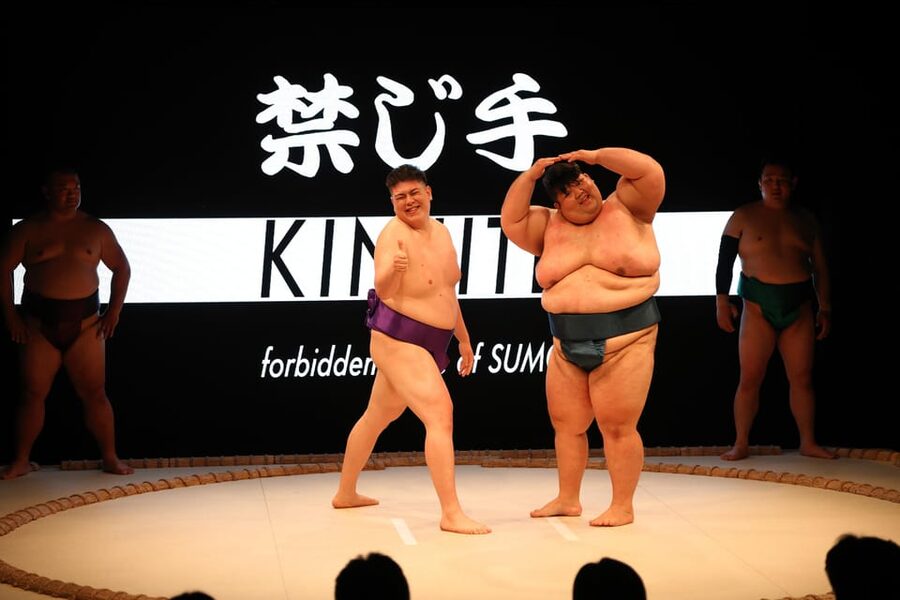
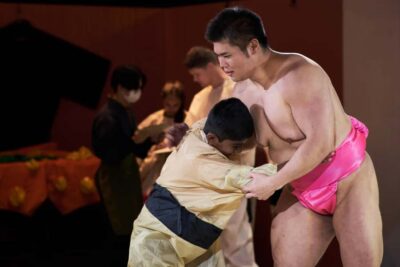
Audience participation is one of the most memorable parts. Volunteers may learn simple sumo movements, take part in training exercises, or challenge one of the wrestlers. A lottery can determine who gets the chance to face a wrestler in full gear during the separate Sumo Workshop Experience, while the show itself also includes humorous audience challenges.
You should not assume you will wrestle. Participation depends on the format, selection, and what happens during your performance. You can still enjoy the show without stepping into the ring, and the audience involvement works best when you are happy to watch someone else take the risk.
The comic matches are intentionally playful. They are designed to make the rules easier to remember and to give children and adults a way into the sport. The jokes also soften the formality of sumo, making the evening less intimidating for people who have never seen it before.
Parents should note that unaccompanied minors are not allowed. The activity is wheelchair accessible, and a small-group option is available.
The bento or snack option
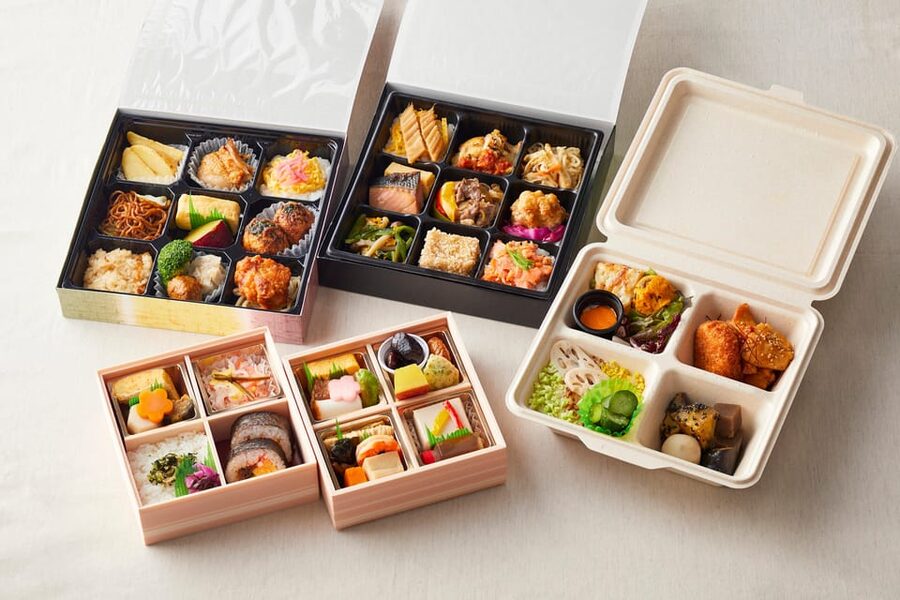
For the Sumo Show, your ticket may include a standard food box or snack bag and one drink, depending on the option selected. The bento is served at room temperature, which is normal for some Japanese event meals and helps the venue serve food during a performance without a kitchen break.
The contents can be a mixed experience. Some diners enjoy the assortment of traditional foods, while others find the bento average, cold, or not especially appealing. If you are selective about food, check whether your booking includes the bento or the snack option, and do not treat the meal as the main reason to pay the admission price.
I would think of the food as part of the setting rather than a full dinner. Eating a room-temperature bento while watching a performance reflects a familiar Japanese event custom, but the meal may not satisfy a large appetite.
One drink is included with the relevant Sumo Show option. Additional drinks are available at extra cost, so budget accordingly if you plan to make an entire evening of it.
The photo and the final few minutes
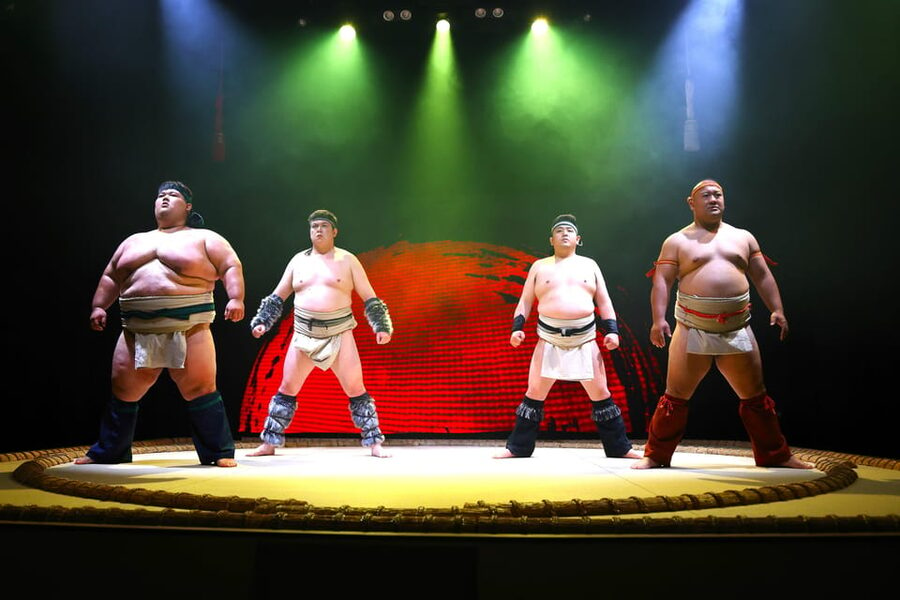
After the approximately 60-minute show, you have the chance to meet the wrestlers and take a commemorative picture. This gives the experience a clear ending and lets you bring home something more personal than a souvenir from a shop.
The photo is especially useful for families and first-time visitors who want a simple record of the evening. The wrestlers are presented as friendly and approachable, and the meeting follows the same relaxed tone as the performance.
Do not confuse this with a private meet-and-greet or extended conversation. The photo is a short closing activity, but it adds value to a show that otherwise ends when the last demonstration finishes.
Souvenirs may also be available at the venue. If you enjoy collecting small reminders of a trip, allow a few minutes after the photo before heading back into Namba Parks.
What the $93 price really buys you
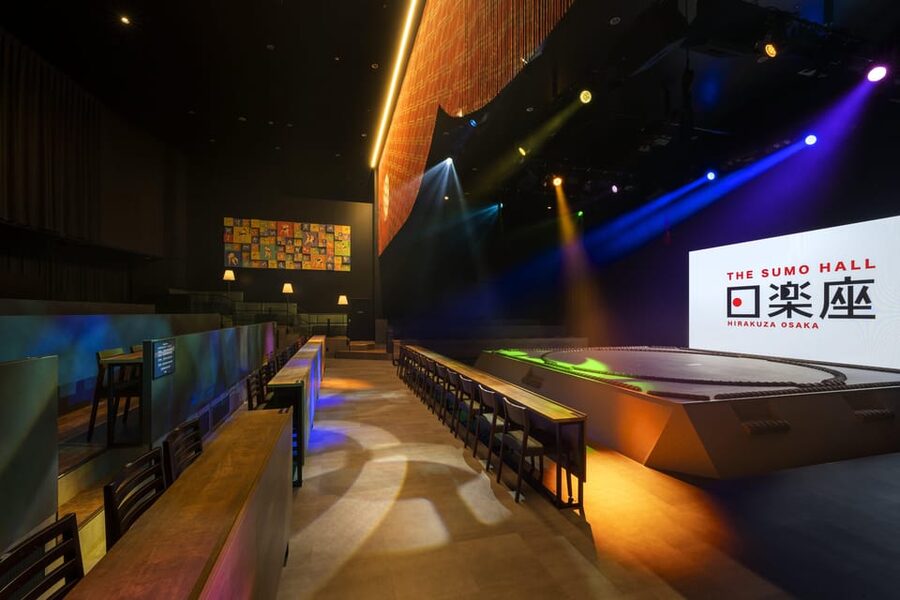
At $93 per person, this is not a cheap one-hour activity. The price covers the performance, commentary, food or snack when selected, one drink, and the commemorative picture. It also pays for a specialized venue, former professional wrestlers, the MC, stage production, and staff.
The value depends on your expectations. For a visitor who wants a polished introduction to sumo without planning around a tournament schedule, the package can make sense. You get culture, comedy, live athletic demonstration, and a photo in one compact evening.
For someone mainly interested in food or serious sport, the price is harder to justify. The bento is not consistently described as a highlight, and the wrestling is staged for explanation and fun. You may leave feeling that the show was enjoyable but overpriced, especially if you compare it with longer cultural activities in Osaka.
I would book it for the access and convenience, not for the meal. The chance to see former professionals in a close setting and ask questions has more value than the food box.
How this compares with the Sumo Workshop Experience
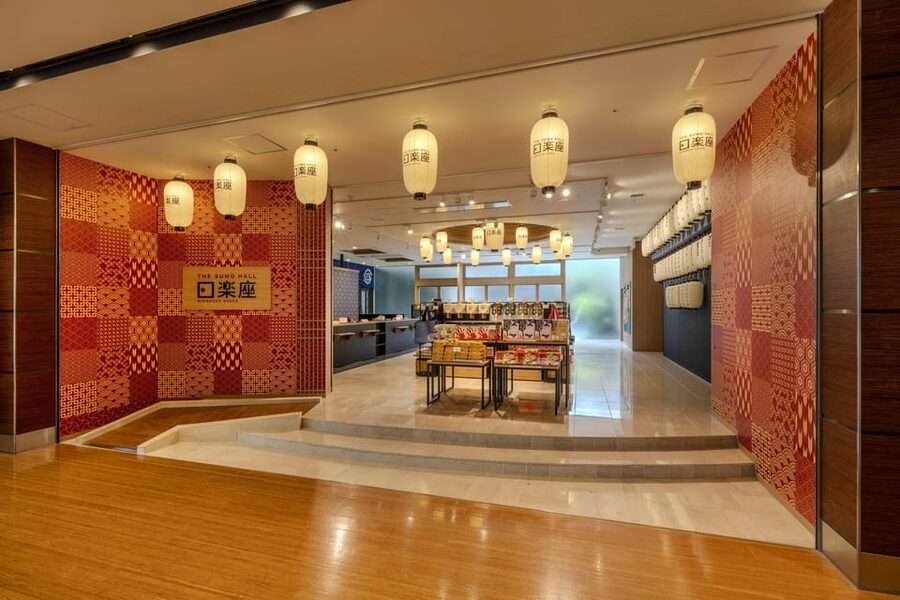
The venue also offers a separate Sumo Workshop Experience at about 1:30 pm. Do not book it by mistake if you want the evening Sumo Show.
The workshop includes an introduction to sumo, a live match, hands-on training, a drink, and a bowl of chanko nabe, the hearty stew associated with sumo wrestlers. Participants may also be selected by lottery to challenge a wrestler in full gear.
The evening Sumo Show is the better choice if you want a stage production with lighting, sound, rakugo, a bento or snack, and a commemorative photo. The workshop is more suitable if you want physical participation and chanko nabe.
Both programs use former professional wrestlers, but they serve different purposes. Check the name and start time before booking.
Who will enjoy this most
I would recommend the show to families, first-time visitors to Japan, and anyone who wants a light cultural evening in Namba. It is also a good fit for people who enjoy comedy and audience participation more than formal museum-style instruction.
You will probably enjoy it if you want to learn the basics of sumo in English-friendly surroundings, see the techniques at close range, and finish with a photograph. The explanations make the sport easier to appreciate, while the jokes keep the hour from feeling like a lecture.
I would be cautious if you are a serious sumo fan looking for competitive bouts. You may also feel the price is high if you care little about the food, stage effects, or photo.
The show is designed for a broad international audience. That is its strength, but also its limit. It offers an approachable version of sumo rather than a quiet, formal presentation of the sport.
My practical verdict
Book this if you want a lively introduction to sumo and understand that you are attending a theatrical cultural show. Arrive 30 minutes early, head to the 8th floor of Namba Parks, and keep your expectations focused on explanation, comedy, demonstrations, and audience interaction.
Skip it if your main goal is a real tournament or a substantial dinner. At $93, the cost deserves careful thought, but the combination of former professional wrestlers, a rakugo MC, clear lessons, playful bouts, and a final photo gives the experience a distinct place in Osaka’s evening scene.
FAQ
Where is THE SUMO HALL HIRAKUZA OSAKA?
It is on the 8th floor of Namba Parks Shopping Center in Osaka. You can search for THE SUMO HALL HIRAKUZA OSAKA on Google Maps.
How long does the Sumo Show last?
The main performance lasts approximately one hour from the stated start time. A professional rakugo storyteller performs for about 10 minutes before the show begins.
What time does the Sumo Show start?
The listed evening performance times are 6:00 pm and 8:00 pm. Check availability for the exact time offered on your chosen date.
How early should I arrive?
You should enter at least 30 minutes before the performance starts. This gives you time to find the hall inside Namba Parks and settle in before the program begins.
Is this a real sumo tournament?
No. The activity features former professional wrestlers in demonstration matches and is presented as an entertainment show rather than a formal tournament.
Is food included?
Food is included only with the relevant Sumo Show option. That option provides either a standard room-temperature bento or a snack bag, plus one drink.
Is the food served hot?
The standard bento is served at room temperature. The separate workshop includes one bowl of chanko nabe.
Do I get to wrestle a sumo wrestler?
Audience participation is part of the entertainment, but individual participation is not guaranteed. The separate workshop includes a lottery for the chance to challenge a wrestler in full gear.
Is a photo included?
Yes. The Sumo Show includes a commemorative picture opportunity with the wrestlers after the performance.
Is the activity wheelchair accessible?
Yes, the activity is listed as wheelchair accessible. A small-group option is also available.
More cooking classes elsewhere in Japan
- Ramen Cooking Class at Ramen Factory in Kyoto
★ 5.0 · 1,937 reviews - Ramen & Gyoza Cooking Class in Tokyo with Local Supermarket Visit
★ 5.0 · 823 reviews - Kyoto: Ramen Cooking Class at a Ramen Factory with Souvenir
★ 4.9 · 532 reviews - Kyoto: Ramen, Gyoza, and Onigiri Cooking Class
★ 5.0 · 445 reviews
Just added in Osaka
- Osaka Temple Cool Foot Bath & Matcha Experience〈45min〉★ 4.9 · 82 reviews
- Osaka: Mind & Spirit Balance Temple Reiki Healing★ 5.0 · 41 reviews
- Full Day Kyoto Tour : Bamboo Forest, Golden Temple, Fushimi Inari★ 5.0 · 84 reviews
- Osaka: Minoh, Katsuoji Temple, & Minoh Falls Full-day Tour★ 4.9 · 172 reviews
- OSAKA NIGHT FUSION Japanese Taiko Kabuki Samurai Dance Show★ 4.8 · 155 reviews
- Ramen and Gyoza Cooking Class in Osaka★ 5.0 · 202 reviews
- Osaka: A Modern Samurai, Kabuki, Taiko, & Dance Show★ 4.5 · 66 reviews
- Osaka: Samurai Training Experience KENDO in Osaka★ 5.0 · 111 reviews
Sumo Experiences, compared.
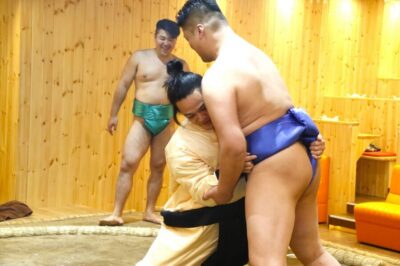
Sumo Show Experience with Chicken Hot Pot and a Photo
Read our review →
Tokyo Shinjuku Sumo Show & Experience with Photo
Read our review →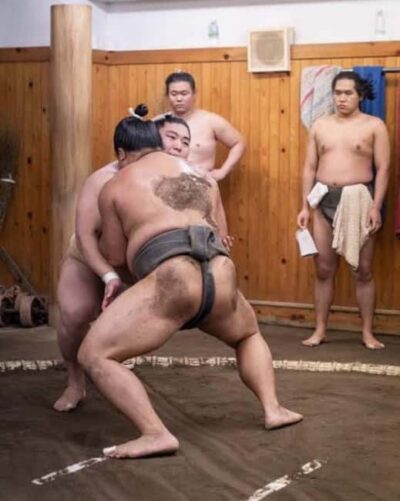
Sumo Show & Experience w/ Optional Kimono & Hot Pot
Read our review →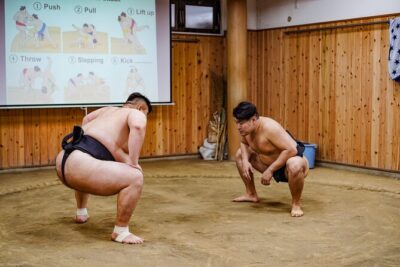
Authentic Sumo Experience in Tokyo: Enter the Sanctuary
Read our review →Browse the lists this tour appears in