
Reviewed · RAMEN TOURS & WORKSHOPS
Ramen and Gyoza Cooking Class in Osaka
Making noodles by hand changes the way you understand ramen. In this Osaka-area class, you work through the noodles, soup, toppings, and two different gyoza styles, then sit down to eat the meal you made. Fresh ramen from scratch is the main draw, but the dumpling work gives the class a nice second act.
I like the small-group format, which gives you room to ask questions and get help with folding, seasoning, and timing. I also like that the recipe goes home with you, so the class has value after your holiday. The main thing to consider is the location and group-size wording: the experience is described as a maximum-six class, while the additional booking information allows up to 12 participants.
What makes this Osaka cooking class worth your time
- You make three Japanese staples: Fresh ramen, classic round pork gyoza, and crispy rectangular vegetable gyoza.
- The full process is hands-on: You work with noodles, soup, toppings, fillings, shaping, and cooking.
- Chef-led instruction: Keigo is named as an English-speaking instructor in several sessions, with helpers such as Tomiko assisting with directions and setup.
- You eat what you prepare: The class includes a meal, green tea, and a seasonal dessert.
- Useful take-home value: A printed recipe helps you repeat the dishes at home.
- Good for mixed skill levels: Clear demonstrations and patient guidance make it suitable for beginners, while home cooks can still pick up technique tips.
What you actually make in 2.5 hours
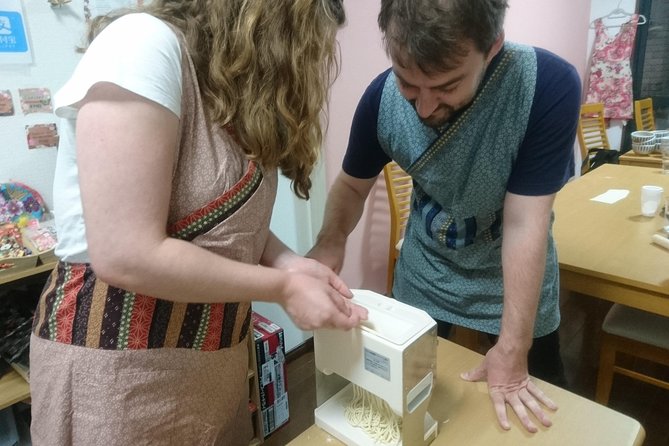
This is not a quick demonstration followed by a tasting. You are expected to work. The class takes you through ramen and two forms of gyoza, with the instructor explaining not just what to do but why each step matters.
The ramen covers the parts many people usually receive as a finished bowl: noodles, soup, and toppings. That makes the class more useful than a lesson focused only on assembling ingredients. You get a look at how texture, seasoning, and timing come together.
The gyoza portion adds variety. You make classic round pork dumplings and a rectangular vegetable version designed to become crisp. The shapes are different enough to keep your hands busy and give you two techniques to repeat at home.
The schedule is listed at about two hours and 30 minutes. That is enough time to include preparation, cooking, eating, and dessert without turning the session into an all-day commitment. You should still arrive ready to focus. Making noodles and dumplings by hand takes patience, especially if you want to follow each stage rather than rush to the meal.
Other cooking classes in Osaka people book:
- Osaka: Ramen and Gyoza Cooking Class in Dotonbori
★ 5.0 · 378 reviews - Osaka: Sumo Stage Show with Bento or Snack + Fight & Photo
★ 4.3 · 364 reviews - Osaka Cooking Class: Okonomiyaki &Japanese cuisines experience
★ 5.0 · 261 reviews
Fresh noodles are the best part
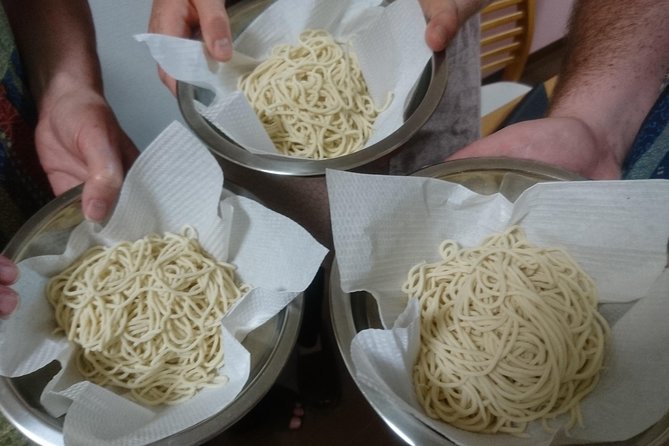
For many people, the most useful lesson is the ramen noodle work. You are not simply pouring broth over packaged noodles. You learn the basic process behind fresh noodles, then see how they fit with soup and toppings.
That hands-on work gives the meal more meaning. Once you have handled the dough and seen the steps involved, a bowl of ramen no longer feels like a single food item. You begin to notice the relationship between noodle texture, soup, and toppings.
The class is also designed for home use. The recipes are described as plain and easy to follow, and participants receive written instructions to take away. You will not leave with a restaurant kitchen or specialized equipment, but you will have a basic method and the confidence to try the dishes again.
A few people who cook regularly at home may find the class especially worthwhile. The focus is not only on recipes. The instructor explains ingredients, best practices, and the reason behind certain steps. That sort of guidance can help you avoid the common problem of copying a recipe without understanding the technique.
Two gyoza styles keep the lesson lively
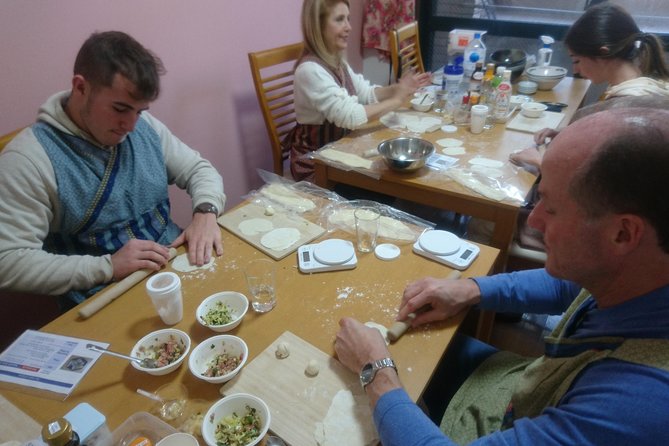
Gyoza are familiar to many visitors, but folding them well is a practical skill. The class gives you two versions rather than repeating one shape. The round pork gyoza offers the classic approach, while the rectangular vegetable gyoza changes the look and texture.
The vegetable dumpling is also useful for anyone seeking a meat-free option. Vegetarian choices are available if you tell the provider ahead of time, and dietary restrictions should be shared before the class so the ingredients can be adjusted.
You will likely spend a fair amount of time shaping and sealing the dumplings. That is where the class feels most social, since everyone can compare shapes and ask for help. A patient instructor matters here. Keigo is repeatedly described as clear, funny, and encouraging, with the ability to keep an eye on each person’s progress.
The final cooking stage is where the work pays off. Crisp edges and properly sealed dumplings depend on small choices, and the instructor can correct those choices as you go. You are not left to guess whether your technique is right.
Chef Keigo and the teaching style
The named instructor most often associated with this experience is Keigo. He is described as speaking excellent English and explaining both the method and the reasons behind it. That is important in a cooking class, since a fast demonstration can be hard to follow if you cannot ask questions.
The teaching style appears structured but relaxed. You receive written steps, then work through the dishes with the instructor checking progress. That arrangement suits beginners who need guidance, but it also gives capable home cooks something to pay attention to beyond basic chopping and mixing.
Assistants may also be present. Tomiko is noted for helping people find the building and supporting the class, while other sessions identify instructors or helpers named Fumi and Sakura. Staff names may vary by date, so you should not assume Keigo will lead every single session, but the experience is provided by Sakura Cook.
The people-focused side of the class is one of its strengths. The setup is described as clean, organized, and homey, with ingredients and tools prepared before the lesson begins. Photographs may be taken during the cooking, and some participants received group photos afterward. That is a pleasant extra, though the core value remains the food and instruction.
Other bowls worth queuing for in Osaka:
- Osaka: Five Must-See Highlights Walking Tour & Ramen Lunch
★ 4.7 · 411 reviews - Ramen Cooking Class at Ramen Factory in Kyoto
★ 5.0 · 1,937 reviews - Eat and Drink Like a Local: Tokyo Ueno Food Tour-Taverns&Ramen
★ 5.0 · 957 reviews - Ramen & Gyoza Cooking Class in Tokyo with Local Supermarket Visit
★ 5.0 · 823 reviews
Eating the meal you made
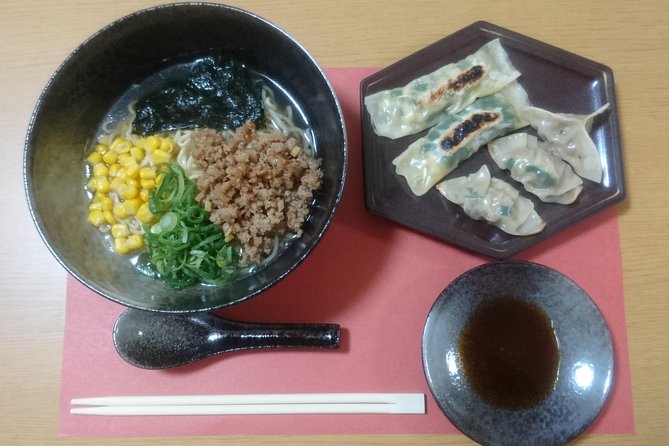
After the cooking, you sit down with the group and eat the ramen and gyoza. This is more satisfying than a standard tasting because you know exactly how much work went into the bowl and dumplings.
Green tea is included, along with a seasonal dessert. Ingredients may change with the season, so the dessert and some components of the meal are not fixed. That is worth keeping in mind if you are looking for a specific menu.
The meal is included in the $79.59 price, as are the ingredients, kitchen equipment, utensils, printed recipe, and dessert. Additional drinks and personal purchases are not included.
The food is the obvious reward, but the shared meal also gives the class a natural finish. You can compare results, ask a last question, and enjoy the room without having to hurry off immediately. For couples and families, this shared ending may be one of the nicest parts of the activity.
Is $79.59 a fair price?
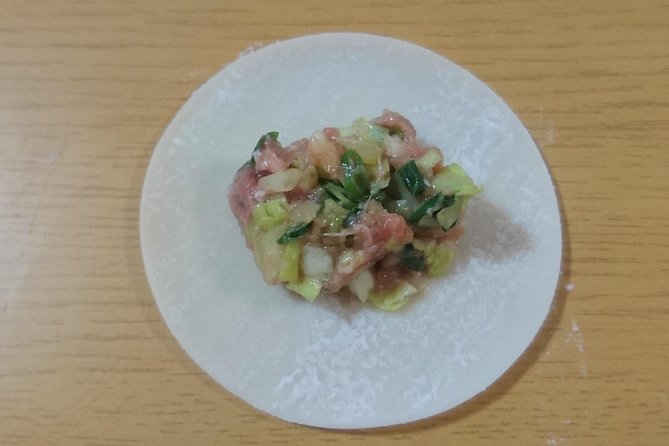
At $79.59 per person, this is not the cheapest meal you can order in Osaka. It can still be good value if you want a practical activity rather than simply another restaurant stop.
Your fee covers about two and a half hours of instruction, all ingredients, use of the kitchen, the meal, green tea, dessert, and a printed recipe. You also get the chance to repeat the dishes at home. That last point matters: the value does not end when you leave the kitchen.
The price makes the most sense for people who enjoy cooking or want a food experience with more substance than a tasting. If you only want to eat ramen, you can do that for much less. If you want to understand how ramen and gyoza are made, take part in the process, and enjoy a full meal afterward, the cost is easier to justify.
The small-group promise also affects the value. A maximum of six would give the session a personal feel, with more chances to receive individual help. The booking information also states that the activity may have up to 12 participants, so check the confirmed group size if close instruction is important to you.
Location, timing, and practical planning
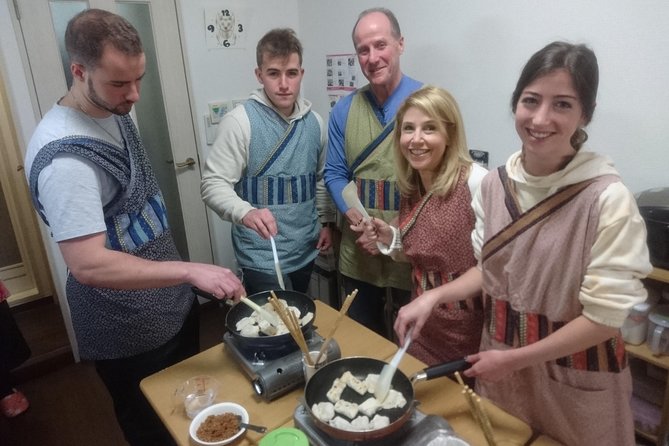
The meeting point is listed at Banix Kitahorie, at 3-chōme 6-2 Kitahorie in Osaka’s Nishi Ward, postal code 550-0014. The class is described in the wider information as a Nishinomiya cooking class, so pay close attention to the exact meeting address on your confirmation. Do not assume the class begins at a restaurant or at your hotel.
The venue is near public transportation, but hotel pickup and drop-off are not included. You need to make your own way there and return afterward. The experience ends back at the meeting point.
A mobile ticket is provided, which is handy for a phone-based itinerary. Confirmation is sent within 48 hours of booking, subject to availability. Since the activity was booked more than 10 times in the previous week, reserving ahead is sensible, especially for a preferred date.
The class can accommodate luggage according to one account, but this is not listed as a formal inclusion. If you need to bring bags, contact the provider before booking rather than relying on spare space.
Free cancellation is available if you cancel at least 24 hours before the start time. Changes or cancellations inside that window are not accepted for a refund. The cutoff uses local Osaka time.
Who will enjoy this class most?
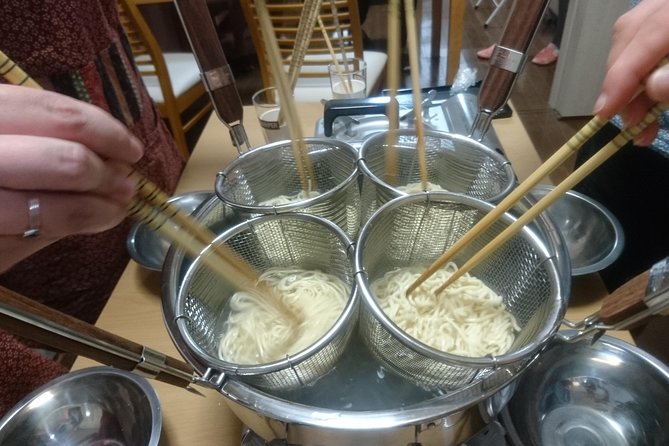
I would choose this for a couple, family, or small group that wants an activity with a clear result. You are not just watching a chef work. You are making food, eating it, and leaving with a recipe.
It is also a strong pick for people who like Japanese food but want something more active than a restaurant meal. Ramen fans get the noodle and soup lesson, while dumpling fans get two folding styles in the same session.
Beginners should be comfortable here. The instructions are designed to be clear, and the instructor and assistants guide each step. You do not need advanced cooking skills, though you do need to be willing to work with your hands and accept that your first dumplings may not look perfect.
Experienced home cooks can enjoy it too, particularly if they want practical tips on noodles, filling, folding, and seasoning. The lesson is not presented as a professional culinary course, so chefs seeking advanced restaurant training should look elsewhere.
Vegetarians can request an adjusted version in advance. The supplied information specifically confirms vegetarian options, but you should provide full dietary details before the class rather than waiting until you arrive.
What could be better
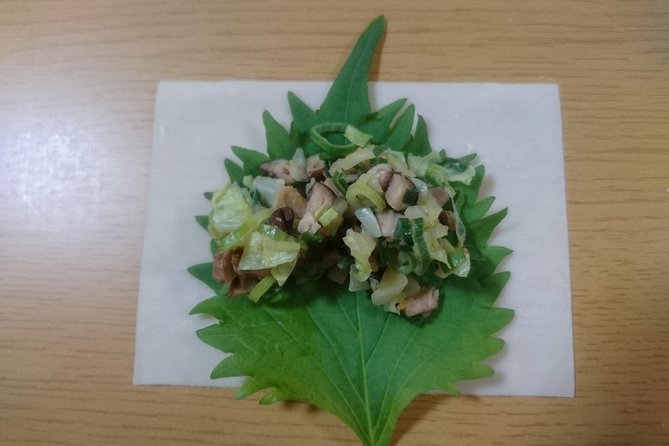
The biggest point to clarify is the group size. The class is promoted as intimate with a maximum of six, yet the additional information allows up to 12 participants. Those numbers describe very different experiences. A group of six should feel more personal, while 12 may mean less one-on-one attention.
The location also deserves care. The title connects the experience with Osaka, while the description refers to Nishinomiya and the meeting point gives a Kitahorie address. Use the confirmed address, not only the broad location label, when planning your day.
Finally, the menu is partly seasonal. That is usually a plus for freshness, but it means the dessert and some ingredients may change. Personal drinks are extra, and there is no hotel transfer.
None of these points ruins the experience. They simply affect how you plan and what you expect from the price.
Should you book the ramen and gyoza class?
Book it if you want to learn by doing, enjoy Japanese food, and like the idea of repeating the meal at home. The combination of fresh ramen, two gyoza styles, a full meal, dessert, and a printed recipe gives the 2.5-hour session a clear purpose.
I would especially recommend it for first-time cooks, couples, families, and home cooks who want useful technique rather than a passive food tour. Keigo’s clear English instruction, the organized kitchen, and the chance to ask questions are strong reasons to choose this class.
Skip it if your main goal is a cheap bowl of ramen, a short activity, or a fixed menu with no seasonal changes. Also confirm the meeting address and expected group size before paying.
For the right kind of food lover, this is a good Osaka activity because you leave with more than a full stomach. You leave knowing how the meal came together and with a recipe you can put to work in your own kitchen.
FAQ
How long does the ramen and gyoza cooking class last?
The class lasts approximately two hours and 30 minutes, including cooking, the meal, and dessert.
What dishes will I make?
You will make ramen from scratch, including noodles, soup, and toppings. You will also make two kinds of gyoza: classic round pork gyoza and crispy rectangular vegetable gyoza.
Is the meal included in the price?
Yes. The price includes the ingredients for the class and the meal you prepare. Green tea and a seasonal dessert are also included.
Are vegetarian options available?
Yes. Vegetarian options are available, but you should inform the provider in advance about vegetarian needs or other dietary restrictions.
Do I receive recipes after the class?
Yes. A printed recipe is included so you can try making the ramen and gyoza at home.
Who teaches the class?
The experience is provided by Sakura Cook. Keigo is named as an instructor for several sessions, and assistants such as Tomiko may also help with the class. Other sessions may involve instructors or helpers named Fumi or Sakura.
Where does the class begin and end?
The meeting point is Banix Kitahorie, 3-chōme 6-2 Kitahorie, Nishi Ward, Osaka, 550-0014. The activity ends back at the meeting point.
Is transportation included?
No. Hotel pickup and drop-off are not included. The meeting point is near public transportation, and you must arrange your own transport.
Can I cancel for a full refund?
Yes, if you cancel at least 24 hours before the experience start time. Cancellations or changes made less than 24 hours before the start time are not accepted for a refund.
More cooking classes elsewhere in Japan
- Kyoto: Ramen Cooking Class at a Ramen Factory with Souvenir
★ 4.9 · 532 reviews - Kyoto: Ramen, Gyoza, and Onigiri Cooking Class
★ 5.0 · 445 reviews - Kyoto: Japanese Washoku Bento Small Group Cooking Class
★ 5.0 · 380 reviews - Ramen and Sushi Cooking Class with Sake Pairing Set in Tokyo
★ 5.0 · 291 reviews
Just added in Osaka
- Osaka Temple Cool Foot Bath & Matcha Experience〈45min〉★ 4.9 · 82 reviews
- Osaka: Mind & Spirit Balance Temple Reiki Healing★ 5.0 · 41 reviews
- Full Day Kyoto Tour : Bamboo Forest, Golden Temple, Fushimi Inari★ 5.0 · 84 reviews
- Osaka: Minoh, Katsuoji Temple, & Minoh Falls Full-day Tour★ 4.9 · 172 reviews
- OSAKA NIGHT FUSION Japanese Taiko Kabuki Samurai Dance Show★ 4.8 · 155 reviews
- Osaka: A Modern Samurai, Kabuki, Taiko, & Dance Show★ 4.5 · 66 reviews
- Osaka: Samurai Training Experience KENDO in Osaka★ 5.0 · 111 reviews
- Osaka E-Bike Tour with a Local Guide★ 5.0 · 219 reviews
Ramen Tours & Workshops, compared.
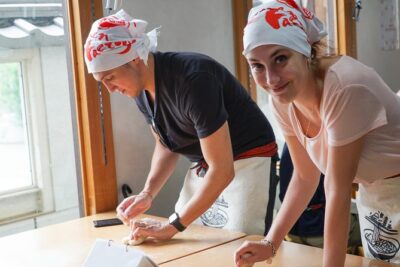
Ramen Cooking Class at Ramen Factory in Kyoto
Read our review →
Eat and Drink Like a Local: Tokyo Ueno Food Tour-Taverns&Ramen
Read our review →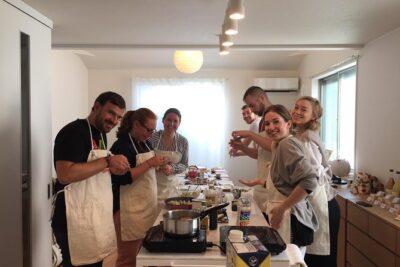
Ramen & Gyoza Cooking Class in Tokyo with Local Supermarket Visit
Read our review →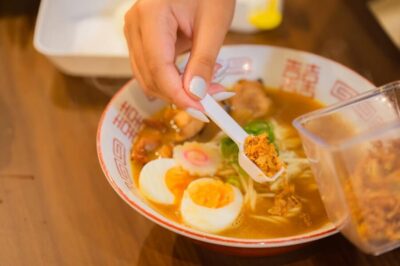
Ramen Cooking Class at a Ramen Factory with Souvenir
Read our review →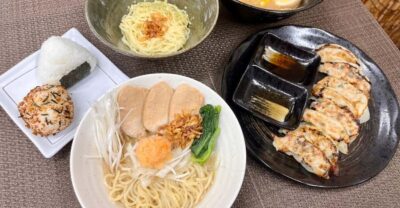
Five Must-See Highlights Walking Tour & Ramen Lunch
Read our review →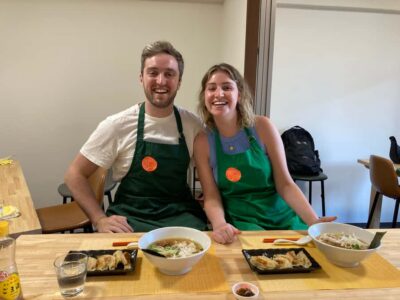
Browse the lists this tour appears in