
Reviewed · MUSEUMS
Private Edo-Tokyo Open Air Architectural Museum Tour
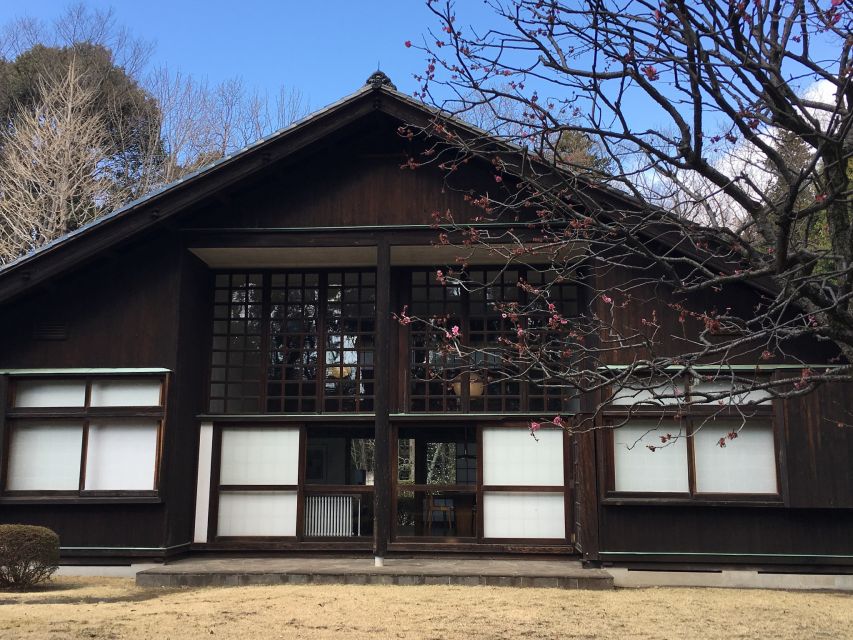
Tokyo’s architectural story comes into focus at the Edo-Tokyo Open Air Architectural Museum, where homes from the samurai era’s aftermath, the Meiji period, and the Showa era sit in one calm setting. You’ll move from refined Japanese rooms to European-inspired design, then into a Shitamachi area that feels like a real-world setting from a Studio Ghibli film.
I like the private format, since your guide can spend more time on tea rooms, gardens, modern architecture, or the social history of Tokyo, depending on what catches your eye. I also like the trip to the museum by train and bus. It is not a chauffeured transfer, but it gives you a useful look at how Tokyo works beyond the central districts.
The main drawback is the price, $193 per person before your local transportation costs. You should also expect to remove your shoes often, and the Ghibli Museum is not part of the tour despite the animation-like setting in the second half.
Key points to know before booking
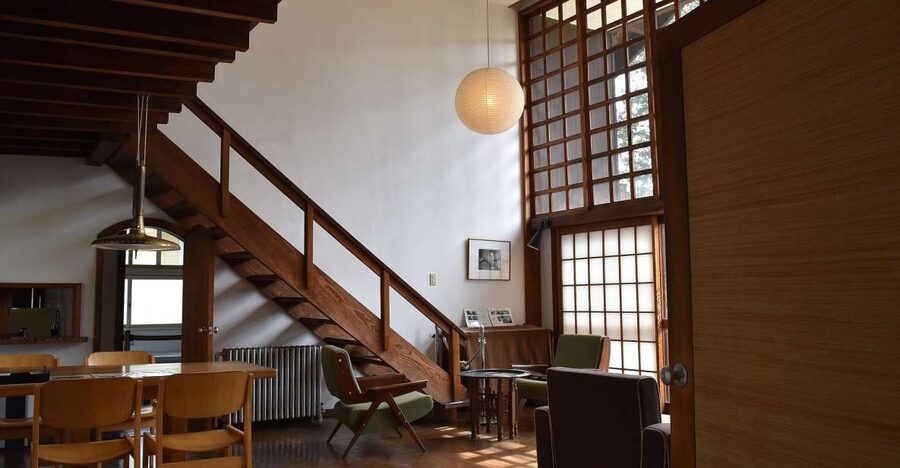
- Kunio Maekawa’s wartime home shows how a Japanese architect shaped modern design after working with Le Corbusier and Antonin Raymond.
- Sutemi Horiguchi’s 1925 house blends Japanese rooms with Dutch, Art Deco, and De Stijl ideas.
- The Mitsui residence offers a look at the luxury associated with one of Japan’s wealthiest families.
- Shitamachi streets, a bathhouse, and an old train give the latter half a strong old-Tokyo and Studio Ghibli atmosphere.
- Yuichi and Yuki are named guides associated with this experience, and the private format allows the discussion to follow your interests.
- Train and bus fares cost about 700 yen each way, and you should wear shoes that slip on and off easily.
Why this museum tells Tokyo’s story so well
The Edo-Tokyo Open Air Architectural Museum is useful because it brings together buildings from different periods instead of asking you to picture change from a written timeline. You can walk from traditional Japanese design to imported European ideas, then on to modern architecture shaped by international training.
That sequence matters. Tokyo did not simply replace old houses with new ones overnight. Its architecture reflects shifts in government, trade, education, wealth, technology, and daily life. A private guide can point out those links as you move through the buildings, rather than leaving you to guess why one home feels so different from the next.
The five-hour length gives you time to look at details. You can pay attention to room layouts, decorative choices, gardens, and the way each building handles movement from one space to another. This is not a quick photo stop. It is better suited to you if you enjoy understanding why a building looks the way it does.
The museum setting also gives the day a slower rhythm than central Tokyo sightseeing. The grounds are described as calm and beautiful, and that peaceful mood is part of the appeal. You get a break from the city without losing contact with Tokyo’s past.
A few more things to do in Tokyo worth a look
- Tokyo: teamLab Planets TOKYO Digital Art Museum Entry Ticket
★ 4.6 · 9,779 reviews - Tokyo: Samurai Ninja Museum Guided tour and Experience
★ 4.6 · 1,010 reviews - Ninja Experience (Family Friendly) at Samurai Ninja Museum TOKYO
★ 5.0 · 441 reviews
Starting with Kunio Maekawa’s modern Japanese house
The tour begins with a house designed by Kunio Maekawa, an important figure in modern Japanese architecture. Maekawa worked under Le Corbusier and Antonin Raymond, two major influences on modern design, and later helped shape the development of modern architecture in Japan.
The house was built during the Second World War, which makes its design especially interesting. It was created during a difficult period, yet it shows a polished approach influenced by architects working on a global scale. Your guide can help you notice how an architect trained in international ideas adapted those ideas to a Japanese setting.
This stop works well as an introduction because it challenges a simple division between traditional Japan and modern Japan. You are not looking at a foreign building dropped into Tokyo. You are seeing how outside design principles could be adjusted to local needs, customs, and materials.
If your main interest is modern architecture, tell your guide early. Yuichi has been praised for his ability to explain architectural ideas in clear English and to adjust the tour to a person’s interests. The private setting should make it easier to spend a little more time on Maekawa’s work if that is your priority.
Sutemi Horiguchi and Japan’s European design experiment
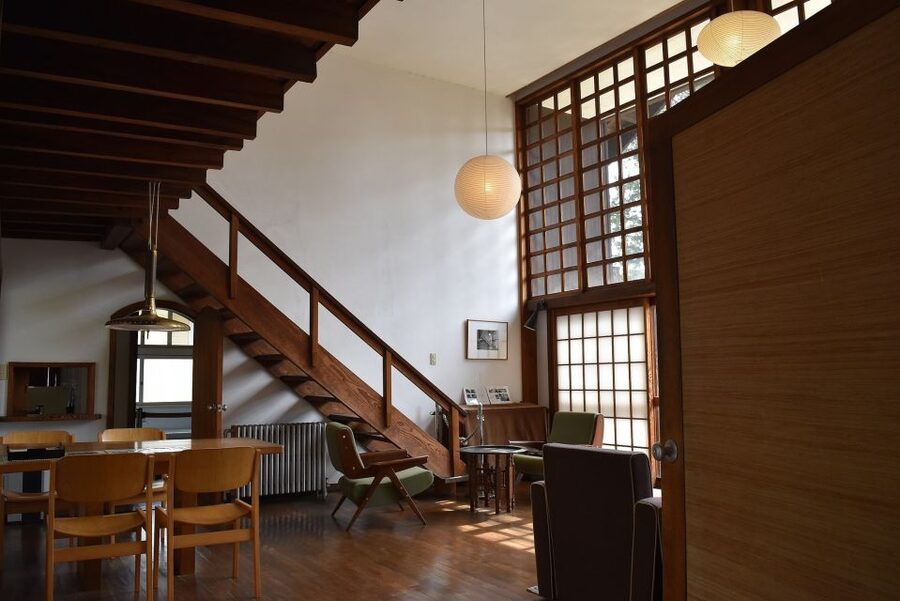
The next major stop is a 1925 house by Sutemi Horiguchi. Horiguchi introduced Dutch architecture to Japan, and the house reflects his contact with Europe after returning from a European trip.
What makes this building worth your time is the mix. You will see Japanese-style rooms alongside Art Deco decoration and De Stijl compositions, a movement known for strong geometry and carefully arranged blocks of color and form. These elements do not erase the Japanese character of the home. Instead, they show how new design ideas entered an existing architectural culture.
This is one of the clearest places to see Western European design being adapted rather than copied. Horiguchi’s work makes the exchange visible in the rooms themselves. A guide can explain why a traditional room might sit beside a modern composition, and how that combination reflects the period.
I would give this house more than a quick glance. Look at the relationship between formal decoration and ordinary domestic space. The building is valuable not only as a work by one architect, but also as evidence of Japan’s growing contact with Europe in the early twentieth century.
The Mitsui residence and the meaning of luxury
The Mitsui family residence changes the mood again. The Mitsui family is said to have been one of the richest families in Japan, and the house reflects that status through its luxurious interior decoration.
This is not simply a chance to admire expensive-looking rooms. The residence helps you think about who had access to space, materials, craftsmanship, and comfort in different periods of Japanese history. A large and carefully finished home says something about family power and social position.
You may find the contrast with the other buildings especially useful. Maekawa’s home represents modern design under wartime conditions. Horiguchi’s residence shows European influences entering Japanese domestic architecture. The Mitsui house shows how wealth could shape the private interior.
The best way to approach it is to notice the details your guide draws out: decoration, room use, the sense of formality, and the difference between a home designed for a wealthy family and a more typical dwelling. Since the tour is private, you can ask for more context instead of moving along with a large group.
Same base, a different sort of day:
- Mt Fuji and Hakone 1-Day Bus Tour Return by Bullet Train
★ 5.0 · 26,383 reviews - 1-Day Tokyo Bus Tour
★ 5.0 · 14,250 reviews - Tokyo: TOKYO SKYTREE® Admission ticket
★ 4.5 · 11,192 reviews - Mt Fuji & Hakone Cruise, Drum Show Bullet Train 1 Day from Tokyo
★ 4.0 · 7,413 reviews
Walking through old Tokyo in the Shitamachi section
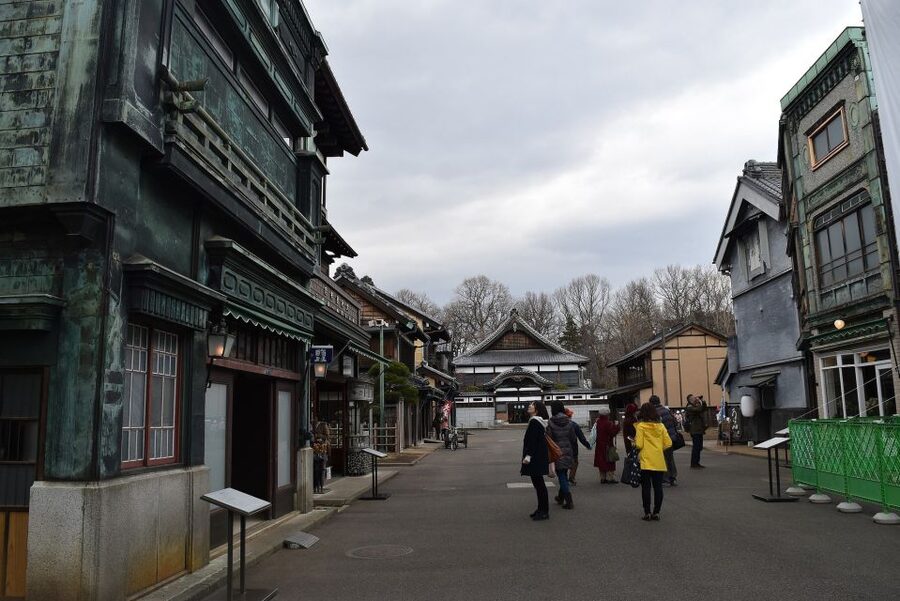
The latter part of the tour moves into Shitamachi, an East Tokyo area lined with buildings that recall the atmosphere of classic animation. This is where the experience becomes especially appealing if you enjoy Studio Ghibli films.
The connection is about mood and appearance, not a visit to a film location. You may recognize the feeling of an older neighborhood, with traditional buildings and everyday details that seem ready for an animated story. The setting offers a more informal look at Tokyo than the grander residences earlier in the day.
This part also gives the tour a welcome change of scale. Instead of focusing mainly on individual architects and wealthy homes, you get a sense of streets and ordinary urban life. The old buildings help you picture how parts of Tokyo once looked before modern redevelopment changed the city.
Do not book this experience expecting a ticket to the Ghibli Museum. The tour does not go there, and admission is not included. Book it for the architecture museum and the old-Tokyo atmosphere, with the animation connection as an enjoyable extra.
A traditional bathhouse and an old train
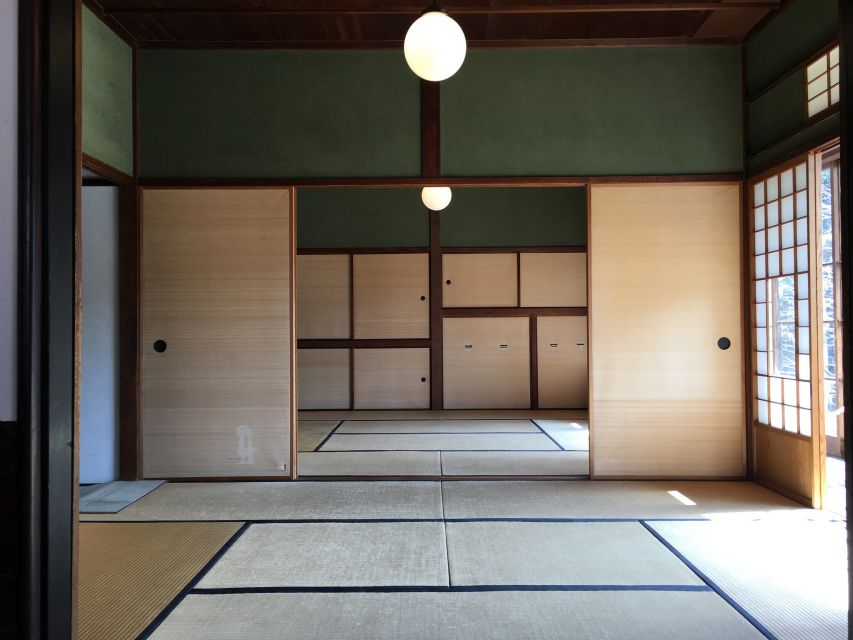
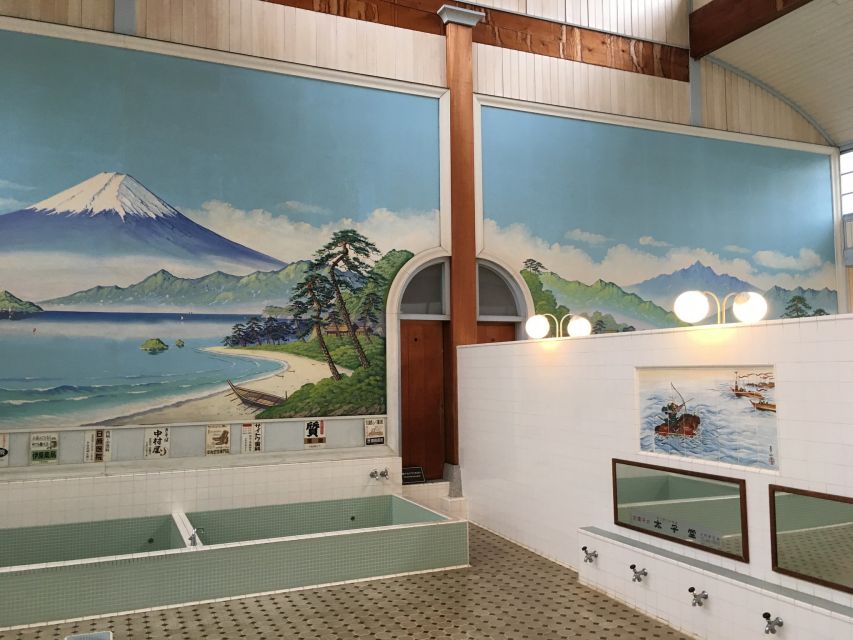
The traditional bathhouse is one of the most atmospheric stops. Bathhouses played an important role in neighborhood life, and the building offers a different kind of architectural lesson from the private residences.
Here, think about shared space rather than family space. A bathhouse was designed around communal use, movement, and routine. Its appearance can also help explain why old Tokyo neighborhoods have such a strong visual identity in films and photographs.
The old train adds another practical piece of the city’s past. It once ran through Tokyo, and seeing it alongside the buildings helps connect architecture with transportation. Tokyo’s homes, shops, and public places developed around the ways people moved through the city.
These final stops are also likely to be the most visually appealing part of the tour for people who enjoy animation. They have a sense of place that does not need much explanation, though a good guide can add the social and historical context that a photograph cannot provide.
What makes the private guide valuable
The strongest part of this experience is the guide. Names associated with the tour include Yuichi and Yuki, and both have been praised for clear English, patience, and the ability to explain buildings in human terms rather than reciting dry facts.
Yuichi is especially suited to you if you want to focus on Japanese architecture, tea rooms, or gardens. He has also helped with the practical side of the day, including guiding people through Tokyo’s subway and bus system. Yuki has been described as explaining the transport process while adding stories about the houses and their designers.
That matters because the museum is outside the most familiar central sightseeing areas. Tokyo transit can feel confusing at first, particularly when you are dealing with a train connection, a bus, and a meeting time. Having an English-speaking guide with you reduces that burden.
The private group format also changes the pace. You can ask why a room is arranged in a certain way, spend longer at a favorite house, or shift the focus from traditional buildings to modern design. That kind of flexibility is hard to get on a large group tour.
One point needs clarification. The stated meeting point is Tokyo Station’s Marunouchi Front Plaza, by the Marunouchi Central Gates and the carriage porch with Japanese flags. The tour includes pickup at either JR Shinjuku Station or JR Tokyo Station, but you should confirm your exact meeting arrangement. Do not assume you will be collected from your hotel by car. The transport to the museum uses trains and buses.
The cost and what you receive
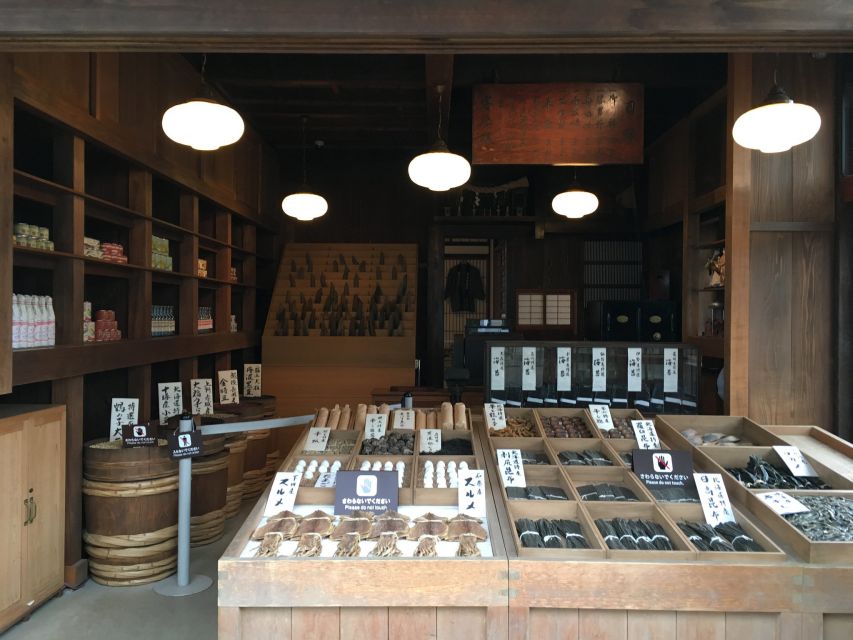
At $193 per person, this is a premium half-day experience. You receive museum admission, an English-speaking licensed guide, and a private group rather than a shared tour. The local transportation is extra, at about 700 yen each way.
The price makes more sense if you value interpretation and easy navigation. Admission alone would not explain the connection between Maekawa, Horiguchi, European design, wealthy Japanese residences, and the Shitamachi buildings. A guide also helps you use the five hours well instead of spending the day trying to work out the museum’s significance on your own.
It is less convincing value if you only want to wander through the grounds quickly or take photographs. You could find the cost hard to justify if architecture is not a real interest. The tour’s strength is explanation, not simply access.
The reserve-now, pay-later option and free cancellation up to 24 hours before the start give you some planning flexibility. Still, the main decision is about how much value you place on a private specialist guide. For architecture fans, history-minded visitors, and first-time Tokyo visitors who dislike managing unfamiliar transit, the added cost has a clear purpose.
Practical advice for a smoother five hours
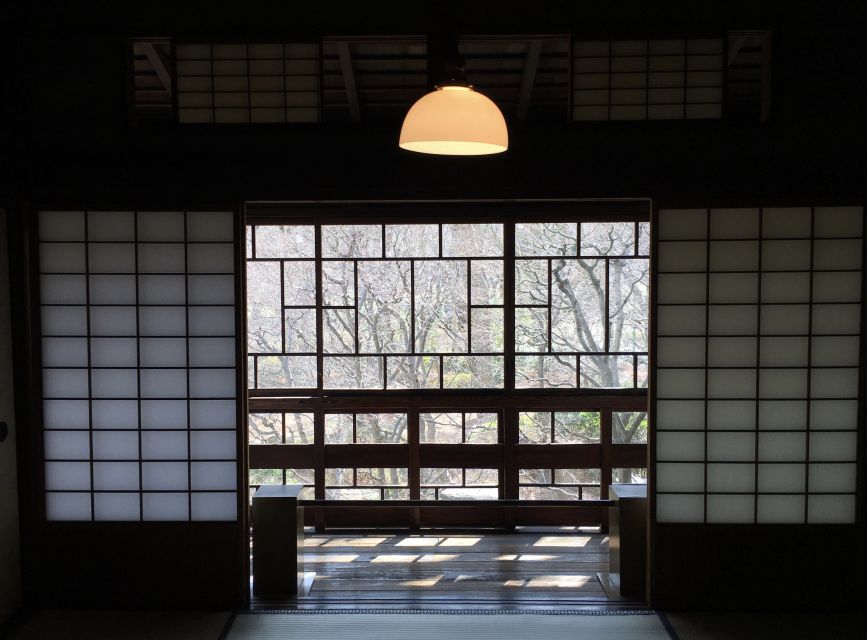
Wear shoes that are easy to slip off and put back on. Many historic buildings require you to remove your shoes, and lace-up footwear will become tiresome as the day goes on.
Tell the guide what interests you at the start. You might want to focus on modernism, traditional Japanese rooms, gardens, tea spaces, European influence, or the social history of Tokyo. The more specific you are, the more useful the private format becomes.
Allow for the full five hours. The museum is not a quick central-Tokyo attraction, and the train and bus journey forms part of the experience. You will get more from the day if you treat the trip to the museum as part of the tour rather than an unavoidable delay.
If you feel unwell, tell your guide promptly. One guide, Yuichi, has helped a participant reach a hospital after illness interrupted the tour. That does not change the physical demands of the day, but it shows the practical value of having a considerate guide nearby.
Should you book this architectural tour?
Book it if you want to understand how Tokyo’s buildings reflect the move from traditional Japanese design toward modern and European-influenced architecture. It is also a good choice if you like Studio Ghibli’s visual mood but want a real architectural site rather than a film attraction.
I would especially recommend it for anyone who wants a private guide, needs help with Tokyo transport, or prefers a thoughtful half-day outing over a checklist of famous sights. Yuichi and Yuki are strong names to request if available, particularly if you have a clear interest in architecture or Japanese cultural history.
Skip it if you mainly want the Ghibli Museum, a car transfer, or a short photo stop. The best reason to pay $193 is the combination of expert explanation, varied historic buildings, and a calm look at Tokyo’s architectural change.
FAQ
How long does the tour last?
The tour lasts five hours.
Where does the tour meet?
The stated meeting point is Tokyo Station Marunouchi Front Plaza. After leaving the JR Tokyo Station Marunouchi Central Gates, go to the center of the station building and look for the carriage porch with a Japanese national flag on each side. The guide will be holding a bag with an illustration of the Nakagin Capsule Tower.
Can I start from Shinjuku Station?
Pickup is available at either JR Shinjuku Station or JR Tokyo Station. Confirm the selected meeting point when booking.
Is transportation to the museum included?
Your transportation fee is not included. The tour uses trains and buses, and the cost is about 700 yen each way.
Is the tour private?
Yes. It is offered as a private group with an English-speaking licensed guide.
Is the Ghibli Museum part of the tour?
No. The tour does not visit the Ghibli Museum. The Ghibli connection comes from the old-Tokyo buildings and atmosphere in the Shitamachi section.
What languages are available?
The tour is offered in English.
Should I wear special shoes?
Wear comfortable shoes that are easy to slip on and off because many historic buildings require you to remove your shoes.
Can I cancel for a full refund?
You can cancel up to 24 hours in advance for a full refund. You can also reserve now and pay later.
Just added in Tokyo
- The 10 Tastings of Tokyo With Locals: Private Street Food Tour★ 5.0 · 48 reviews
- Small Town in the Big City: Tasting Tokyo’s Kichijoji★ 5.0 · 195 reviews
- Small Town in the Big City: Tasting Tokyo’s Kichijoji★ 5.0 · 16 reviews
- EXCLUSIVE Tokyo Secret: Kichijoji Small-Group Food & Bar Hopping★ 5.0 · 29 reviews
- Explore Kichijoji: Walk Through One of Tokyo’s Beloved Districts★ 5.0 · 21 reviews
- :Tokyo,Shibuya/ Pro Photography in Kimono / English-Friendly★ 5.0 · 26 reviews
- 【R34】Tokyo:Private Daikoku tour in Modified R34★ 4.9 · 92 reviews
- Tokyo:Calligraphy &Make your original folding fan in Asakusa★ 5.0 · 62 reviews
Museums, compared.
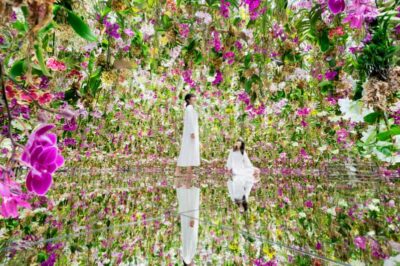
teamLab Planets TOKYO Digital Art Museum Entry Ticket
Read our review →
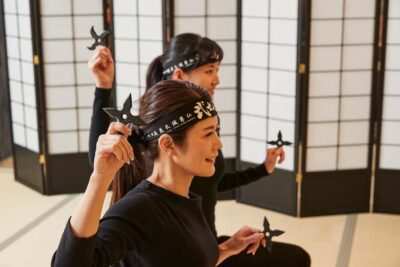
Samurai Ninja Museum Guided tour and Experience
Read our review →
Tea Museum Tickets and Matcha Grinding Experience
Read our review →
Skip the lines Basic Ticket at SAMURAI NINJA MUSEUM KYOTO
Read our review →
Ninja Experience (Family Friendly) at Samurai Ninja Museum TOKYO
Read our review →
Tokyo Studio Ghibli Museum and Ghibli Film Appreciation Tour
Read our review →
Geiko Maiko Dance of Kyoto & Visits of Gion Museum
Read our review →Browse the lists this tour appears in