Reviewed · TOURS IN TOKYO
Private Harajuku Omotesando Architecture Tour
Harajuku and Omotesando are far more than cute shops and luxury labels. This private walking tour shows you how bold buildings, quiet residential lanes, fashion, and daily Japanese life fit together in one compact part of Tokyo. The architecture is the main event, but the street life gives the tour its soul.
I like two things here. First, you see famous works by major architects without spending a day crossing Tokyo. Second, the private format lets you shape the walk, whether your interest leans toward Japanese architects, designer storefronts, photography, or the back streets. The one drawback is simple: three and a half hours still cannot cover everything in this visually packed district.
Key points
- Begin beside Meiji Shrine at Café Mori no Terrace, a clear meeting point near JR Harajuku Station.
- See landmark buildings including Yoyogi Gymnasium, Prada, Dior, Louis Vuitton, The Iceberg, and SunnyHills.
- Compare Omotesando with Ginza and learn why architects and fashion brands favor this avenue.
- Leave the polished main street for quieter lanes, where ordinary Japanese homes and local life come into view.
- Use the private guide to set the emphasis, with past guides including Taka, Fuki, Yoshi, Hal, and Sakai Mari.
- Consider an evening start if you want the buildings lit from a different angle.
Why Harajuku and Omotesando make a fine architecture walk
At first glance, Harajuku and Omotesando seem to offer a familiar Tokyo mix: youth fashion, global brands, coffee shops, and crowds moving between train stations. Look up, though, and the area becomes an open-air design lesson. Storefronts are not merely containers for merchandise. Many are carefully made statements by major architects.
That is what makes this tour different from a standard shopping walk. You are not simply being led from Dior to Louis Vuitton. You are learning how the building, the street, the brand, and the surrounding neighborhood work together.
Omotesando is often compared with Ginza because both areas attract luxury labels. The comparison is useful, but the mood is not the same. Ginza is known for grand department stores and a more formal shopping setting. Omotesando has a younger, more experimental architectural character, with striking individual buildings placed along a tree-lined avenue and its nearby side streets.
Your guide explains this difference as you walk. That context matters because many of the buildings make more sense when you know why a brand chose a particular shape, facade, or setting.
Other experiences people book in Tokyo:
- Mt Fuji and Hakone 1-Day Bus Tour Return by Bullet Train
★ 5.0 · 26,383 reviews - 1-Day Tokyo Bus Tour
★ 5.0 · 14,250 reviews - Tokyo: TOKYO SKYTREE® Admission ticket
★ 4.5 · 11,192 reviews
Starting at Meiji Shrine and Café Mori no Terrace
The meeting point is in front of Café Mori no Terrace, in the large open area by the wooden entrance gate of Meiji Shrine. This is an important detail, since there is another café with a similar name inside the shrine grounds. You do not need to pass through a Shinto gate from JR Harajuku Station to reach the correct café.
From the station, leave through the Omotesando exit and walk toward the forest. The café is at 1 Yoyogikamizonocho, Shibuya City. Give yourself enough time to find it, especially if Harajuku is new to you. The open space and shrine gate make the location easier to identify than a small shopfront on a busy street.
Beginning here gives the walk a useful contrast. Meiji Shrine is associated with forest, ritual, and spacious grounds. Omotesando soon shifts you toward polished stone, glass, metal, and fashion. The change is not accidental. It helps you see how sharply Tokyo can change from one block to the next.
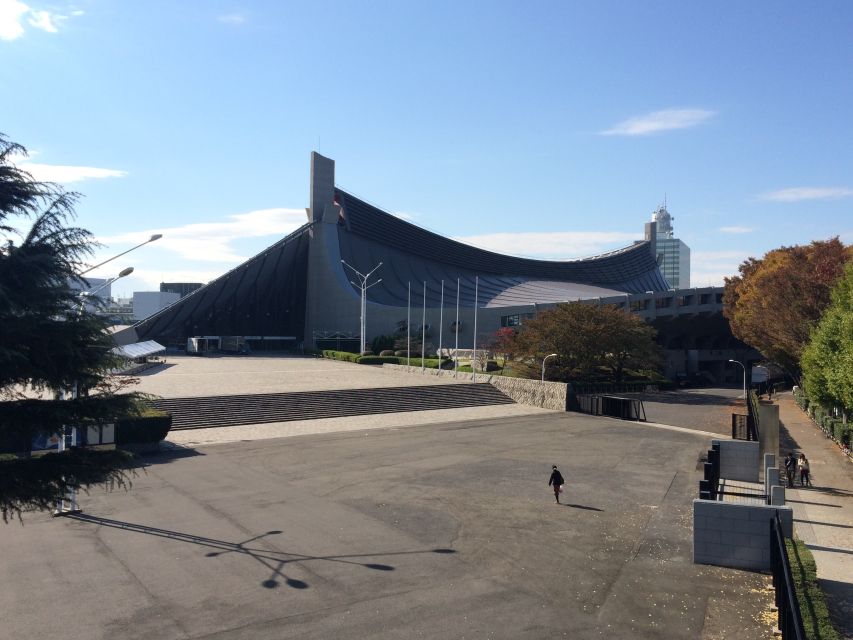
Seeing Yoyogi Gymnasium from the distance
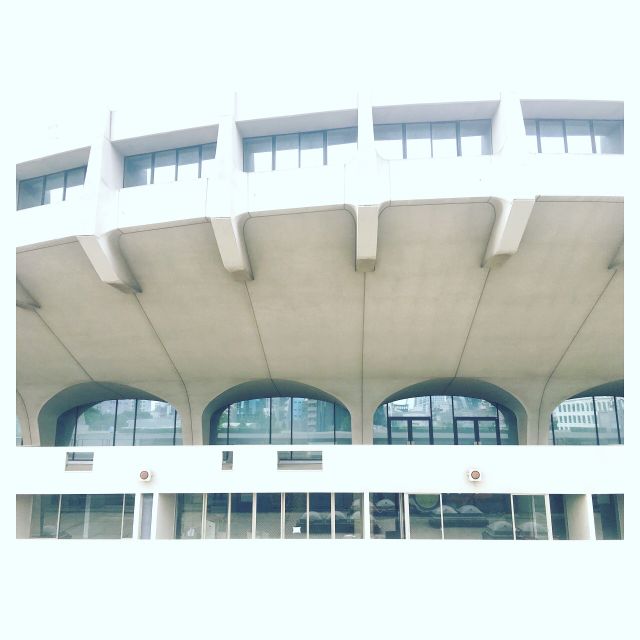
One of the first major sights is Yoyogi Gymnasium, viewed from a distance. You do not simply walk into a sports venue and move on. The guide uses it as a chance to discuss one of Tokyo’s important architectural works and its place in the city.
The distant view is also practical. The tour is built around a sequence of buildings and streets, not a long interior visit at every stop. You get the shape and setting of Yoyogi Gymnasium, then continue toward the contemporary work concentrated around Omotesando.
For anyone interested in Japanese architecture, this early stop adds useful background before the designer stores appear. Several past participants specifically valued learning about Japanese architects, including architects who received the Pritzker Prize. If architecture is your main reason for booking, tell the guide at the start so the conversation can give this subject enough time.
Omotesando’s designer buildings, from Dior to Prada
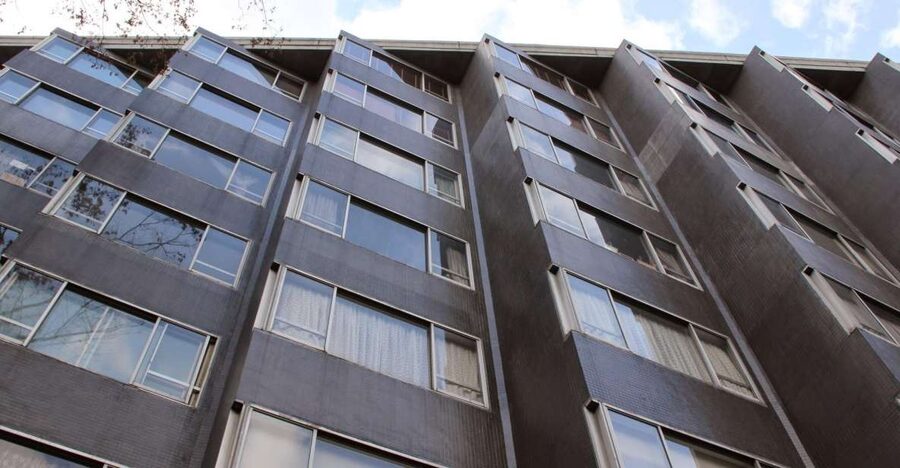
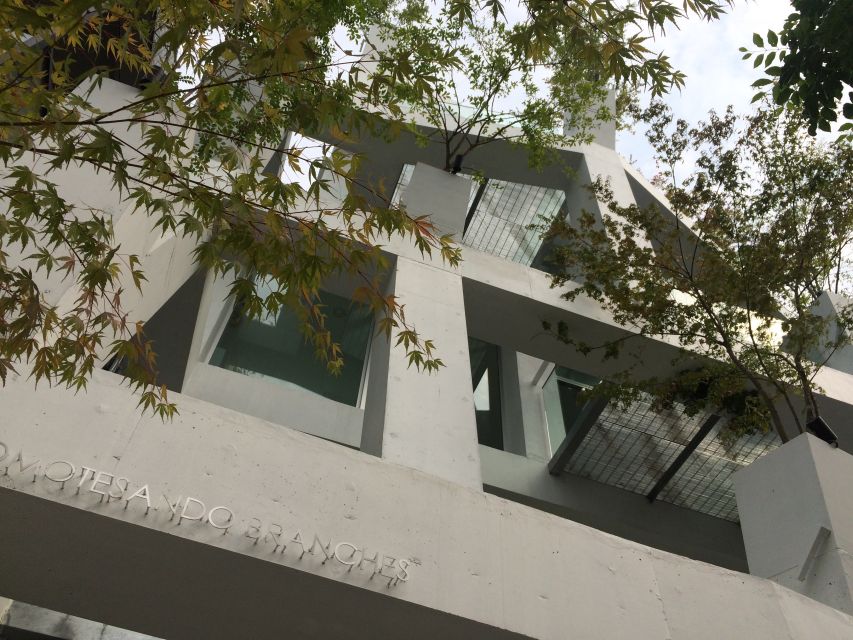
The central portion of the walk brings you to some of the area’s best-known buildings. The route includes The Iceberg, Dior, Louis Vuitton, SunnyHills, and Prada, among other contemporary works.
These stops are especially good for photography. You can study how each building handles its corner, frontage, windows, and materials. You may also notice how a luxury label uses architecture to create an identity before you ever enter the shop.
The point is not to admire expensive stores from the pavement and move along. A good guide helps you read the buildings as design objects. The walk can also show you why famous architects and international brands are drawn to Omotesando. The avenue gives them a visible stage, but the nearby streets provide a more intimate setting.
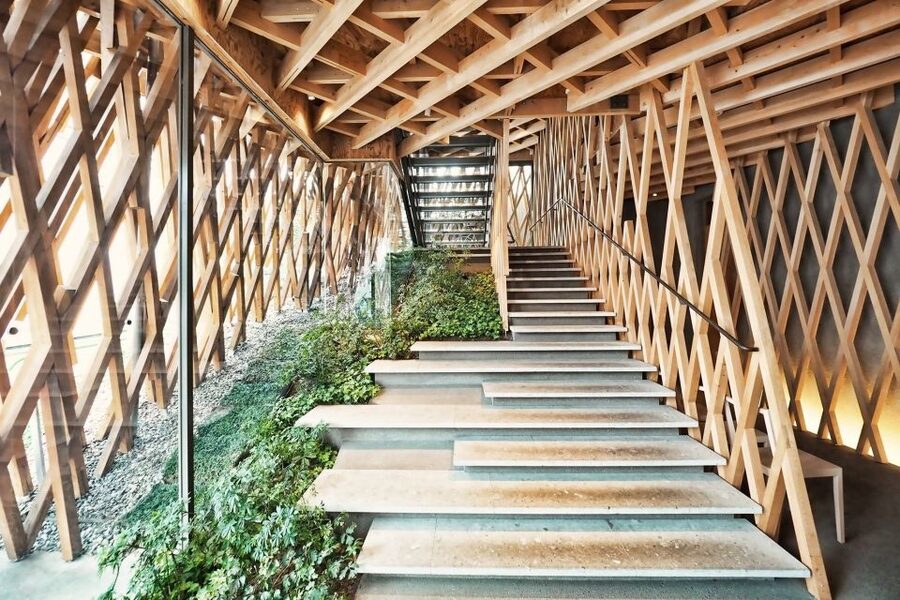
SunnyHills is a useful example of the area’s range. It is not simply another version of a large luxury storefront. Its design gives the tour a different architectural note, helping you compare several approaches rather than seeing one repeated style.
Prada offers another strong photo stop, and the buildings by Dior and Louis Vuitton add further contrast. Your guide can explain the ideas behind the structures, but the private format also gives you room to ask practical questions about details you notice yourself.
Same base, a different sort of day:
- Tokyo: teamLab Planets TOKYO Digital Art Museum Entry Ticket
★ 4.6 · 9,779 reviews - Mt Fuji & Hakone Cruise, Drum Show Bullet Train 1 Day from Tokyo
★ 4.0 · 7,413 reviews - Tokyo: Sumo Show Experience with Chicken Hot Pot and a Photo
★ 4.8 · 6,678 reviews - Tokyo: Shinjuku Food Tour (13 Dishes at 4 Local Eateries)
★ 5.0 · 6,603 reviews
The back streets reveal a different Harajuku
The main avenue is only half the story. The tour takes a side trip into the backstreet neighborhood, where you can see a wider range of Japanese lifestyles. This is where the walk moves beyond brand architecture and becomes a neighborhood tour.
You may find the contrast striking. Along Omotesando, the buildings are polished and highly intentional. A few turns away, the scale changes. You see ordinary streets and residential life alongside independent shops and smaller urban details.
That detour is one of the strongest reasons to choose the private version. A large group would have a harder time pausing in narrow lanes or adjusting the route to suit your interests. A private guide can explain what you are seeing without forcing the whole outing into a fixed lecture.
The route may also include Cat Street, a lively neighborhood that several past participants found worth returning to on their own. I would pay attention here even if your main goal is architecture. The street gives you a feel for how Harajuku works as a place to spend time, not just a collection of famous facades.
What the private guide adds
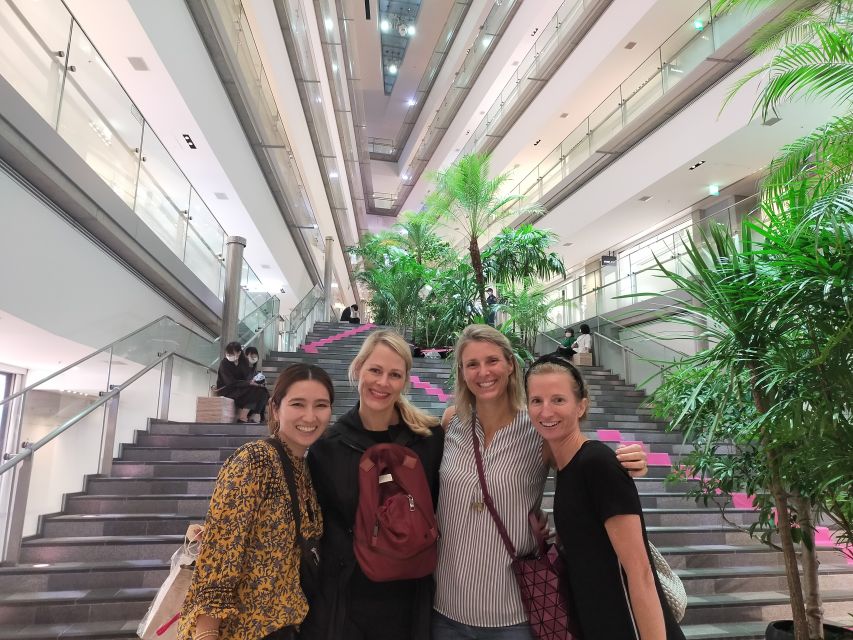
The guide is the difference between a pleasant walk and a useful architecture tour. You receive a licensed English-speaking guide, and past tours have been led by people including Sakai Mari, Taka, Fuki, Yoshi, and Hal.
The strongest guide profiles in the available feedback are tied to architecture and urban planning. Taka, for example, was described as a retired urban planner with an MIT background. Fuki was praised for a personal passion for architecture and for adapting the walk to specific buildings requested in advance.
That suggests a good strategy: send your interests before the tour if you can. Ask for more Japanese architects, more designer buildings, more photography time, or more attention to the residential lanes. One solo participant found the route easy to shape around personal questions, while a group of four appreciated the guide’s preparation and enthusiasm.
The tour is conducted in English. The guide can also help you connect individual buildings with the wider development of Tokyo architecture. That is valuable if you have seen famous structures elsewhere in the city but found it difficult to place them in context.
Taking photographs without rushing the experience
This area rewards a camera, but it can also tempt you to stop every few steps. The tour description promises photo opportunities around nearly every corner, and that is a fair expectation in a district filled with unusual facades and sharp urban compositions.
The private format helps here. You can ask for a moment to frame a building or return your attention to a detail after the explanation. Still, the tour lasts 210 minutes, so you should not expect a long photo session at every stop.
Comfortable shoes are essential. The route is a walking tour that combines a major avenue with back streets, and the pace needs to cover a lot of ground. Wear shoes you can use for several hours and keep your camera or phone easy to reach.
A short café break with drinks is included. This is useful not only for tired feet. It gives you a chance to sit, watch people move along Omotesando, and discuss which buildings or neighborhoods you want to examine next.
Why an evening tour can change the mood
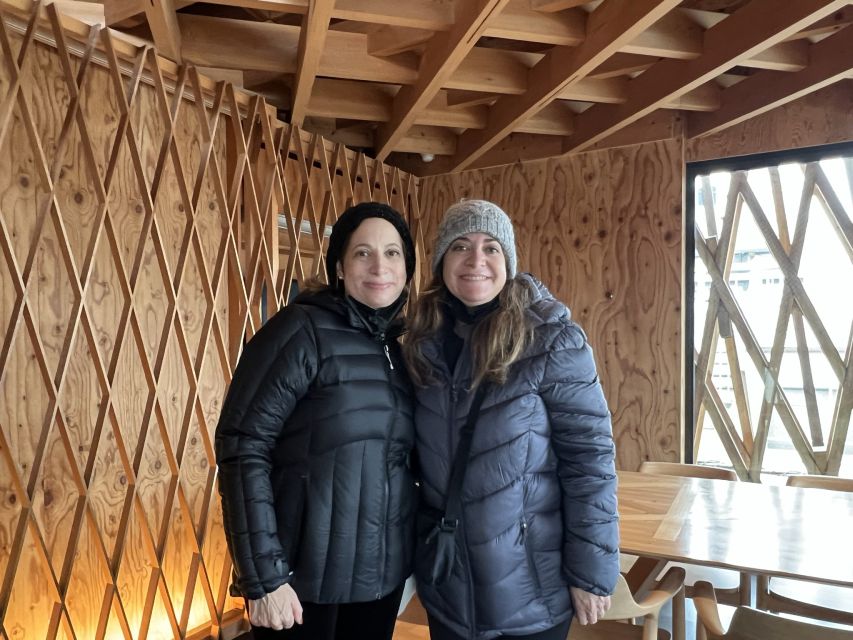
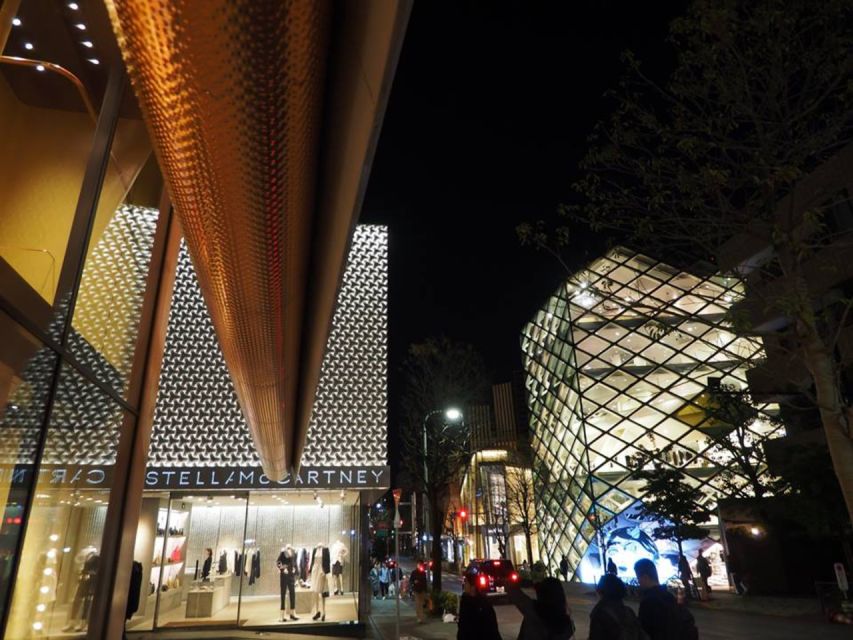
You can also consider taking the tour at night. The buildings look different after dark, especially when lighting changes the way glass, metal, and geometric facades are read.
An evening walk may suit you if photography and visual atmosphere are high on your list. Storefront lighting can make the route feel less like a daytime design survey and more like a study in Tokyo’s nighttime presentation.
Starting times depend on availability, so an evening schedule is not guaranteed for every date. Check the available options when booking. If the main appeal is seeing architecture in changing light, ask about a nighttime start rather than assuming one will be offered.
Is $129 a fair price for 210 minutes?
The price is $129 per person. That is not the cheapest way to see Harajuku, since you can walk Omotesando without a guide and photograph several buildings for free.
The value comes from the explanation and the private arrangement. You are paying for 210 minutes with a licensed English-speaking guide who can connect buildings, architects, brands, and neighborhood change. You also avoid spending your own time researching which works to find and what makes them important.
The price makes more sense for two kinds of visitors. First, it suits architecture fans who want more than a quick look at famous storefronts. Second, it works for anyone who wants a flexible route and a chance to ask questions rather than follow a fixed group script.
For a solo visitor, $129 is a larger personal expense, but it buys a rare private experience. For a small group, the cost may feel easier to justify because the guide’s attention is shared only among your party. Meals and transportation to and from the Harajuku Omotesando area are not included, so add those costs to your planning.
Who will enjoy this walk most?
You should consider this tour if you like architecture, urban design, photography, fashion, or the way city neighborhoods change. It also suits you if you want to understand Tokyo through buildings rather than simply checking off monuments.
The tour is not limited to professional architects. The route includes enough famous names and visual detail to interest a general visitor, while the guide can provide more depth if you already know the basics.
Families and groups with mixed interests may find the private setup helpful. One person can ask about architects, another can focus on shops, and everyone can enjoy the side streets and café break.
You may want to skip it if you dislike walking, have no interest in buildings, or prefer a fast shopping trip with little explanation. Three and a half hours is a long time to spend on architectural details if that subject does not hold your attention.
The activity is listed as wheelchair accessible, but the route includes back streets and urban sidewalks. If you use a wheelchair, discuss the route with the provider before setting out so the guide can account for your needs.
Booking details worth knowing before you go
The meeting point is near JR Harajuku Station, at Café Mori no Terrace by the large wooden entrance gate of Meiji Shrine. Do not confuse it with the similarly named café inside the shrine grounds.
The tour is private, conducted in English, and includes a live guide plus drinks during the break. You pay separately for meals and transportation to the area.
You can cancel up to 24 hours in advance for a full refund, and the reserve-now, pay-later option lets you keep your plans flexible. Check the starting times for your date, especially if you hope to take the route at night.
Should you book the Harajuku Omotesando architecture tour?
Book it if you want Tokyo explained through its buildings and prefer a private walk to a standard sightseeing route. The strongest reasons are the mix of major works, backstreet life, and a guide who can adjust the conversation to your interests.
I would especially recommend it to architecture fans, design students, photographers, and first-time visitors who want to understand why Omotesando feels different from Ginza. Tell the guide what you want to see, wear good shoes, and allow time to look up.
Skip it if your plan is simply to shop or stroll without commentary. For everyone else, $129 buys a focused introduction to one of Tokyo’s most rewarding urban districts, with enough flexibility to make the walk feel personal.
FAQ
How long does the tour last?
The tour lasts 210 minutes, or three and a half hours.
What language is the tour conducted in?
The tour is conducted in English with a live English-speaking guide.
Is this a private tour?
Yes. It is offered as a private group experience.
Where is the meeting point?
Meet in front of Café Mori no Terrace, in the large open space by the wooden entrance gate of Meiji Shrine. The address is 1 Yoyogikamizonocho, Shibuya City, Tokyo 151-0052.
How do I reach the meeting point from Harajuku Station?
Leave JR Harajuku Station through the Omotesando exit and walk toward the forest. You do not go through a Shinto gate to reach the café.
What buildings are included on the route?
The route includes a distant view of Yoyogi Gymnasium and contemporary works such as The Iceberg, Dior, Louis Vuitton, SunnyHills, and Prada. It also includes a backstreet neighborhood and may include Cat Street.
Is a café break included?
Yes. Break time with drinks is included.
Are meals and transportation included?
No. Meals and transportation to and from the Harajuku Omotesando area are not included.
Can I cancel the booking or pay later?
You can cancel up to 24 hours in advance for a full refund. A reserve-now, pay-later option is also available, subject to the booking terms.
Just added in Tokyo
- The 10 Tastings of Tokyo With Locals: Private Street Food Tour★ 5.0 · 48 reviews
- Small Town in the Big City: Tasting Tokyo’s Kichijoji★ 5.0 · 195 reviews
- Small Town in the Big City: Tasting Tokyo’s Kichijoji★ 5.0 · 16 reviews
- EXCLUSIVE Tokyo Secret: Kichijoji Small-Group Food & Bar Hopping★ 5.0 · 29 reviews
- Explore Kichijoji: Walk Through One of Tokyo’s Beloved Districts★ 5.0 · 21 reviews
- :Tokyo,Shibuya/ Pro Photography in Kimono / English-Friendly★ 5.0 · 26 reviews
- 【R34】Tokyo:Private Daikoku tour in Modified R34★ 4.9 · 92 reviews
- Tokyo:Calligraphy &Make your original folding fan in Asakusa★ 5.0 · 62 reviews
Tours in Tokyo, compared.
Mt Fuji and Hakone 1-Day Bus Tour Return by Bullet Train
Read our review →
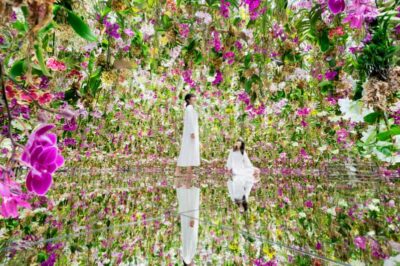
teamLab Planets TOKYO Digital Art Museum Entry Ticket
Read our review →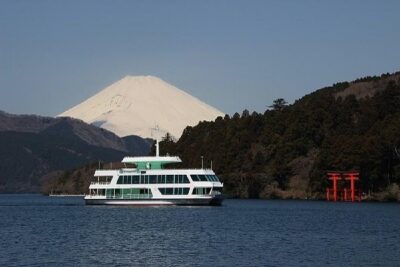
Mt Fuji & Hakone Cruise, Drum Show Bullet Train 1 Day from Tokyo
Read our review →
Sumo Show Experience with Chicken Hot Pot and a Photo
Read our review →
Shinjuku Food Tour (13 Dishes at 4 Local Eateries)
Read our review →