
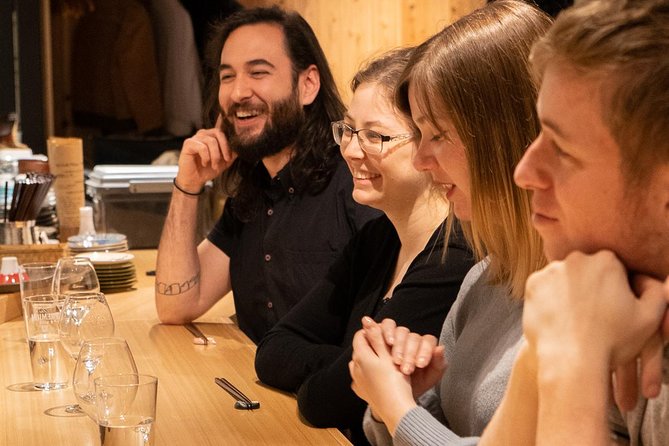
Reviewed · SAKE TASTING
Sake Tasting Masterclass in Shinjuku (8+ Varieties with a Pro)
The best part of this Shinjuku class is that it turns sake from a mystery into something you can actually choose. Over about two hours, you taste at least six varieties, study labels and brewing methods, and build your own tasting chart with help from a sake specialist.
I like the small group limit of eight, which gives you room to ask questions. I also like the practical focus: you learn what to order in a restaurant, what to look for in a shop, and how sake works with food. The main caution is simple: this can be a generous pour of alcohol, not a token sip. Eat first, drink water, and pace yourself.
Key points to know before booking
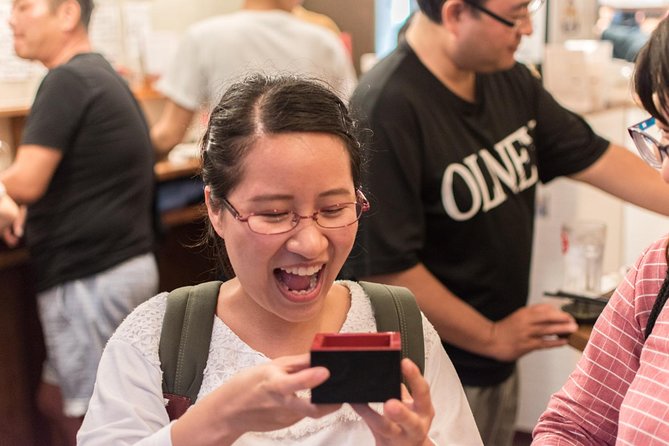
- Eight or more sake styles: The class includes at least six tastings, while several sessions sampled nine or ten.
- A useful Sake 101 lesson: Expect brewing basics, history, labels, flavor profiles, and tasting technique.
- Guides with distinct personalities: Max, Joe, Tadashi, Megan, Cassy, Andrea, and Hawaii Joe have all led sessions.
- Snacks are included, but not a meal: The food is selected to show how sake pairs with what you eat.
- Maximum group size of eight: A smaller setting makes questions and personal guidance easier.
- Shinjuku meeting point: Start at Ushinobi Shinjuku in the Wagyu & Sake NSK Building at 1:00 pm.
What this Shinjuku sake class actually teaches you
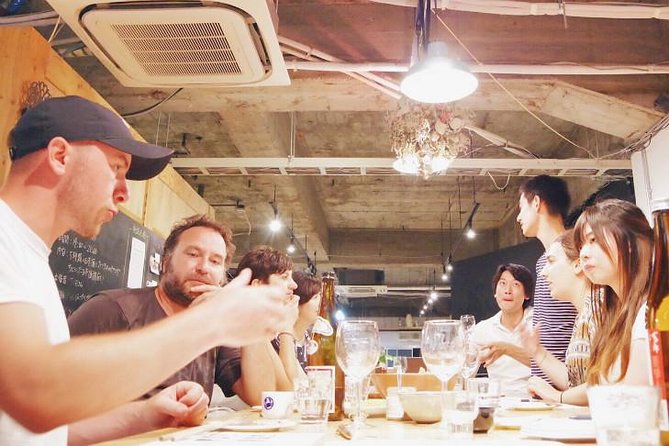
Many visitors first meet sake as a drink with an unfamiliar name and a label packed with Japanese terms. This class gives you a way through that confusion. You learn how sake is brewed, how styles differ, and which label details can help you choose a bottle.
The lesson covers the basics of rice, water, fermentation, and polishing, along with the difference between more traditional and more modern styles. You also learn words used to describe body, aroma, sweetness, and dryness. The aim is not to turn you into a brewer in two hours. It is to help you notice why one sake tastes light and crisp while another feels fuller, softer, or more fragrant.
That practical angle matters. By the end, you should have a clearer idea of what to ask for at a restaurant or what to pick up from a bottle shop. You are not simply sampling alcohol. You are learning a short vocabulary that makes later choices easier.
Other tasting rooms and breweries in Tokyo:
- Ramen and Sushi Cooking Class with Sake Pairing Set in Tokyo
★ 5.0 · 291 reviews - Sake Omakase in Tokyo: Guided Tasting by Certified Sommeliers
★ 5.0 · 239 reviews - Wagyu & Sake Pairing in Shinjuku – Steak, Shabu-Shabu & More
★ 5.0 · 112 reviews
A tasting flight that can reach ten pours
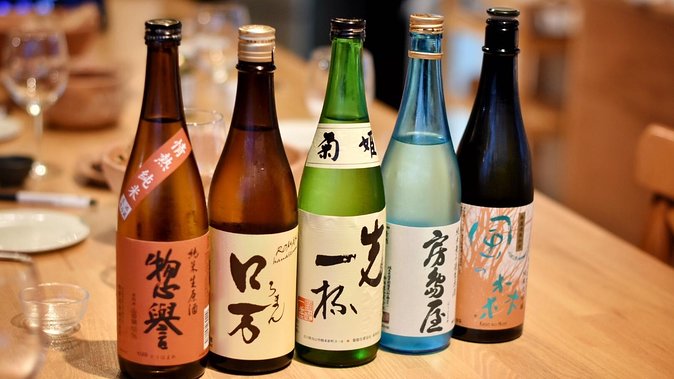
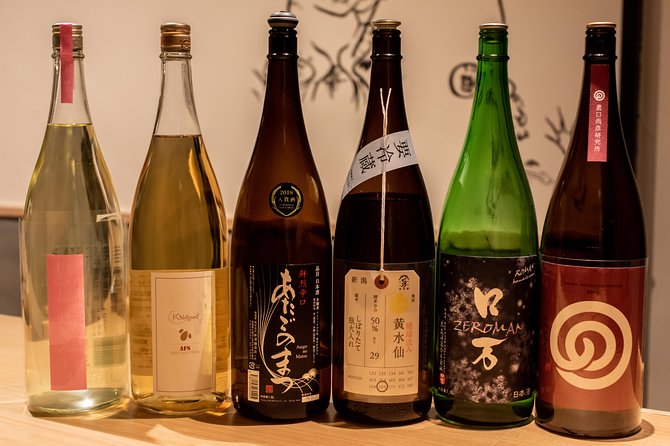
The advertised experience includes eight or more varieties, with at least six sake samples promised. In practice, the number can vary by session, and several descriptions report nine or ten different types. That range is generous for a two-hour class.
The tasting is designed to show contrast. You might move between lighter and fuller styles, traditional and modern approaches, or different flavor profiles. The value comes from trying the sake side by side rather than tasting one bottle in isolation. A style that seems ordinary at first can make more sense after you compare it with something drier, sweeter, more aromatic, or more substantial.
You create a personal tasting chart as you go. This is a smart feature for beginners because memory gets fuzzy after several pours, especially when the sake starts to add up. Write down what you like, not just what sounds impressive. Your favorite may not be the most expensive or most polished option.
Some sessions have included rare sake, and guides may bring personal favorites into the selection. The exact bottles are not fixed, so you should not book this expecting a particular brand or vintage. Book it for variety and instruction.
Snacks that explain sake and food pairing
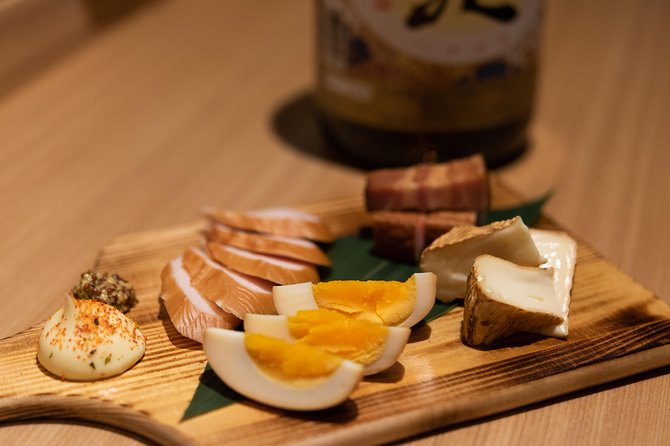
The included snacks are locally sourced and chosen to work with the sake. They are not a full-size meal, but they serve an important purpose. Sake changes when you taste it with food, and the class lets you notice that for yourself.
A drink that seems sharp on its own may feel rounder with a savory bite. A fuller sake can hold up better beside richer food. This is the sort of lesson that helps later in Japan, where sake is often ordered with a meal rather than treated as a separate tasting course.
You should still eat before arriving. Several people found that the number of samples made the alcohol hit quickly, particularly when they came in without a proper meal. The snacks help, but they do not replace lunch. Start the afternoon hydrated, and do not assume that a tasting means tiny sips only.
The guides make the difference
The format is consistent, but the guide shapes the mood. Max is repeatedly described as engaging, entertaining, and passionate about sake. His sessions have covered the history, brewing process, tasting methods, and practical terms without losing the social side of the class.
Joe is another frequently praised guide. He has a relaxed, lively way of teaching and gives useful food and restaurant suggestions for the rest of your time in Japan. One session became a private tasting because only one person had booked, which shows that a small booking may still go ahead rather than being automatically abandoned. That depends on the operator, so do not treat it as a guarantee.
Tadashi is known for careful preparation, broad Tokyo recommendations, and an ability to make first-time drinkers feel comfortable. Megan has been warm and patient with questions. Cassy brings an upbeat style, while Andrea has led tastings with a clear explanation of how sake is brewed and how modern, traditional, light-bodied, and full-bodied examples differ. Hawaii Joe has been praised for his energy and for helping people feel more confident buying and ordering sake.
You cannot select a guide from the information provided, and the host may depend on the date. That is worth keeping in mind if one particular personality is the main reason you want to book. The common thread is an approachable teaching style rather than a stiff lecture.
Same base, a different sort of day:
- Mt Fuji and Hakone 1-Day Bus Tour Return by Bullet Train
★ 5.0 · 26,383 reviews - 1-Day Tokyo Bus Tour
★ 5.0 · 14,250 reviews - Tokyo: TOKYO SKYTREE® Admission ticket
★ 4.5 · 11,192 reviews - Tokyo: teamLab Planets TOKYO Digital Art Museum Entry Ticket
★ 4.6 · 9,779 reviews
Nishishinjuku is a practical setting
The class begins at Ushinobi Shinjuku, located in the Wagyu & Sake NSK Building at 201, 1-chome-22-1 Hyakuninchō, Shinjuku City, Tokyo 169-0073. The listed start time is 1:00 pm, and the activity finishes back at the same meeting point.
The location is near public transportation, but you are responsible for getting there and returning afterward. Hotel pickup, drop-off, and transport to other attractions are not included. Give yourself time to find the building, since one person went to the wrong location before finding the correct meeting point.
Starting at 1:00 pm makes this easy to fit into a Tokyo day. You can visit another part of the city in the morning, attend the class, then use your new sake vocabulary at dinner. You can also book it near the start of your Japan trip, which is useful if you want the advice to guide later meals and shopping.
The tradeoff is that the session is not a walking tour of Shinjuku. You spend the time in one tasting setting, with the emphasis on conversation, samples, and instruction.
Why the small group matters
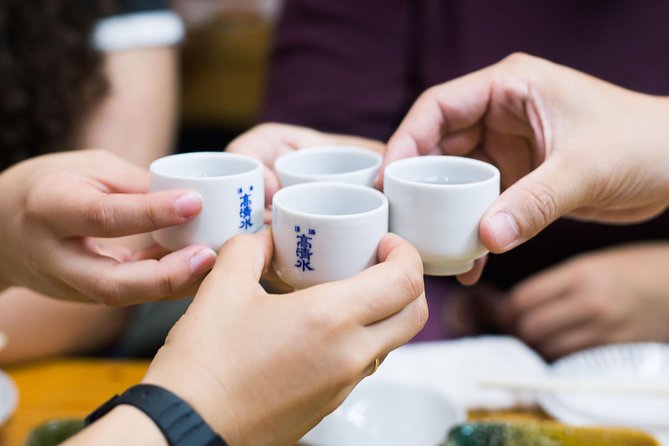
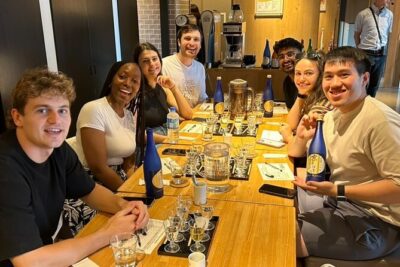
The maximum group size is eight. That number is large enough to create a social atmosphere but small enough for direct help from the guide. If you are unsure how to describe what you taste, you can ask without having to interrupt a large lecture.
A small group also suits people who want more than a basic introduction. You can ask about labels, food matches, buying sake in Tokyo, or the differences between styles. Beginners get room to ask simple questions, while experienced drinkers can push into more detailed topics.
The pace may feel fast to a complete newcomer. One first-time participant found the information more advanced than expected, especially alongside ten tastings. That is a fair warning. You do not need prior sake experience, but you may retain more if you take notes, ask the guide to repeat unfamiliar terms, and focus on a few useful ideas rather than trying to remember every detail.
Is $72.29 a fair price?
At $72.29 per person, this is not the cheapest way to drink sake in Tokyo. You could buy a bottle or order several glasses for less. That comparison misses the point, though. The fee includes a guided lesson, at least six samples, often more, paired snacks, tasting instruction, and personal advice about buying and ordering.
The price makes the most sense if you are curious but unsure where to start, or if you already like sake and want a clearer way to compare styles. It is less compelling if you only want a quick drink or if you dislike structured tastings.
The group size strengthens the value. You are paying for access to an expert and the chance to ask questions, not just for the liquid in the glasses. The take-home references mentioned by some participants are also useful because they give you something to consult after the alcohol haze has faded.
Think of the class as both a tasting and a two-hour orientation. If it helps you avoid ordering blindly for the rest of your trip, the cost can pay off in better meals and smarter bottle purchases.
Who will get the most from this experience?
This class suits first-time sake drinkers who want a friendly introduction without having to study beforehand. You can arrive knowing nothing and still learn how to identify a style you enjoy.
It also works for people who already drink sake but struggle with Japanese terms. The tasting format helps connect words on a label with real flavor. Food lovers should especially appreciate the pairing section, since it places sake in the context of a meal.
I would recommend it early in your Japan visit if you plan to eat well and try local drinks. The tips can shape your choices in Tokyo and in later stops such as Kyoto or Osaka. It can also be a good afternoon activity for couples or friends, since the relaxed format encourages conversation and shared comparisons.
You should think twice if you are sensitive to alcohol, do not want several pours in one sitting, or expect a full meal. The minimum drinking age is 20, and all participants should be prepared for a genuine alcohol tasting rather than a symbolic sample flight.
Practical advice for a better afternoon
Eat a proper meal before the 1:00 pm start. The included snacks are helpful, but they are not designed to fill you up. Drink water during the class, and plan the rest of your day at a comfortable pace.
Bring a phone or small notebook for tasting notes. The class includes a tasting chart, and writing down the styles you prefer will help when you reach a restaurant or shop later. Record simple impressions such as dry, fruity, light, full, or good with food.
Do not worry about knowing technical terms in advance. The guide will explain the basics, and the small group gives you room to ask for clarification. At the same time, do not expect every detail to stick. Ten samples plus a history lesson is a lot for one afternoon.
Use the class to identify your preferences. The useful question is not which sake is supposed to be best. It is which one you would happily order again.
The booking uses a mobile ticket, and confirmation is provided at the time of booking. Food restrictions should be sent at least a week before the date. Free cancellation is available until 24 hours before the start time. Inside that window, the payment is not refunded and changes are not accepted.
Should you book the Shinjuku sake masterclass?
Book it if you want more than a drink and less than a formal certification course. The combination of six or more tastings, paired snacks, label guidance, and an eight-person limit gives you a useful introduction with plenty of chances to ask questions.
I would make it an early-trip activity, eat beforehand, and keep your afternoon open rather than stacking it between demanding sightseeing stops. Max, Joe, Tadashi, Megan, Cassy, Andrea, and Hawaii Joe each bring a different style, but the format consistently focuses on making sake easier to understand and order.
Skip it if you want a full meal, a brewery visit, or a quiet tasting with only tiny samples. For everyone else, especially curious beginners and food-minded drinkers, the $72.29 fee buys a practical skill you can use throughout Japan.
FAQ
How long does the sake tasting class last?
The experience lasts approximately two hours.
Where does the class begin?
It begins at Ushinobi Shinjuku in the Wagyu & Sake NSK Building, 201, 1-chome-22-1 Hyakuninchō, Shinjuku City, Tokyo 169-0073, Japan.
What time does the experience start?
The listed start time is 1:00 pm.
How many types of sake will I taste?
At least six different types are included. The experience is promoted as eight or more varieties, and some sessions have included nine or ten.
Is food included?
Yes. Snacks and beverages are provided, with snacks selected to pair with the sake. The snacks are not a full-size meal.
What is the minimum age for this experience?
The minimum drinking age is 20.
Can I cancel for a refund?
You can cancel at least 24 hours before the start time for a full refund. Cancellations or changes made less than 24 hours before the experience are not accepted and are not refunded.
Just added in Tokyo
- Luxury Tokyo Sake, Cocktail, Whisky and Pairing Tour★ 5.0 · 18 reviews
- Wagyu & Sake Pairing in Shinjuku – Steak, Shabu-Shabu & More★ 5.0 · 112 reviews
- Small-Group Wagyu Beef and 7 Japanese Dishes Tokyo Cooking Class★ 5.0 · 190 reviews
- Nikko: Edo Wonderland Edomura Cultural Theme Park Ticket★ 4.3 · 205 reviews
- 《MEMBERS-ONLY-BAR-HOPPING》Discover Your Special Whiskey in Tokyo!★ 5.0 · 29 reviews
- Japanese Whisky Hunting《HIGH-QUALITY-ONLY》Rare Tasting Class★ 5.0 · 20 reviews
- From Tokyo: Private Tour to Fuji/Hakone – Onsen, Art, Nature★ 5.0 · 116 reviews
- Tokyo: KABUKI Show at Kabukiza Theatre Admission Ticket★ 4.8 · 152 reviews
Sake Tasting, compared.
Kyoto Night Foodie Tour in Gion (9+ dishes + 6 Sake tastings)
Read our review →
1-Day Snow Monkeys, Zenko-ji Temple & Sake in Nagano
Read our review →
3-Hour Kyoto Insider Sake Brewery Tour with Tastings & Pairings
Read our review →
Arashiyama Bamboo, Temple, Monkeys, or Secret Sake Brewery
Read our review →
Insider Sake Brewery Tour with Sake and Food Pairing
Read our review →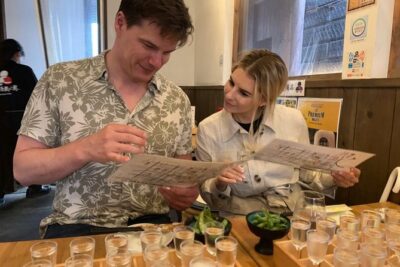
1.5-Hour Kyoto Insider Sake Experience with 7 Tastings & Pairings
Read our review →Browse the lists this tour appears in