
Reviewed · SHIRAKAWA-GO & GOKAYAMA TOURS
SHIRAKAWA Japanese Culture Experiences with private English staff
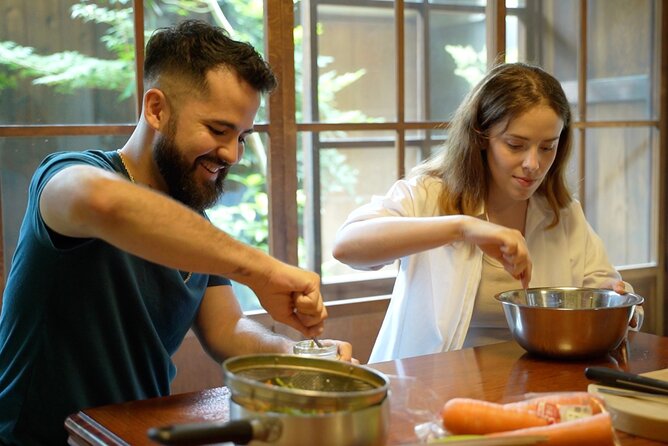
Kyoto’s Furukawacho Shopping Arcade offers something the city’s big sights cannot: a hands-on look at ordinary local life. You choose two workshops, then work with a knife-sharpening artisan, prepare Kyoto home cooking, or practice calligraphy with a brush, ink, and suzuri.
I like the local setting, where lanterns hang above the arcade and neighborhood shops still serve as the kitchen of daily life. I also like the private English support, which lets you ask questions without losing the small details that make each craft useful.
The main drawback is choice and availability. You can select only two of the three workshops, and your preferred combination is not guaranteed. The activity also accepts groups of two to six people, so solo visitors cannot book it as described.
Key points to know before booking
- Choose two hands-on workshops: Pick from knife sharpening, obanzai cooking, and calligraphy.
- Meet local specialists: A 26-year knife-sharpening artisan leads one session, while chef-owner Nishimura shares a family obanzai recipe.
- Stay in a working neighborhood arcade: Furukawacho is both a shopping street and part of the local food culture.
- Private English support: An English-speaking staff member attends each workshop with your group.
- Plan for about three hours: The activity takes place at one main location and ends where it begins.
- Best for small groups: Booking is limited to two to six people, and the price is $98.53 per person.
A local Kyoto experience beneath the arcade lanterns
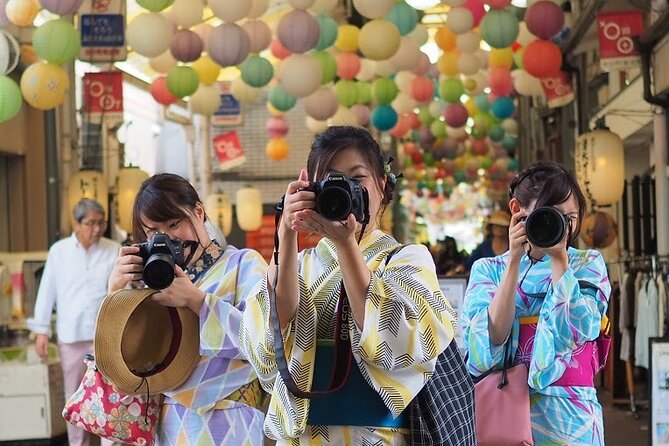
Furukawacho Shopping Arcade is in Kyoto’s Shirakawa area, at 546-1 Furukawacho in Higashiyama Ward. Its design brings together two moods: retro and modern. Lanterns hang from the arcade roof, and the covered passage has a practical neighborhood feel rather than the polished presentation of a major sightseeing attraction.
That setting matters. You are not simply placed in a classroom with Japanese decorations around the walls. The arcade is described as a kitchen and base for local life. Ingredients may be bought from shops along the street, and the activities connect directly to food, household skills, and writing.
You meet at Furukawashuzo, written in Japanese as 古川趣蔵. The activity stays in the arcade area, and private transportation is not included, so you will need to reach the meeting point on your own. The location is near public transportation, which makes this a practical stop during a day in eastern Kyoto.
An English-speaking staff member attends your group throughout the workshops. That is especially useful when an artisan is explaining a careful hand movement or when a cooking instruction depends on a Japanese term. You still get the local instructor’s teaching, but you have someone present to help keep the session clear.
Other village days out of Kyoto:
- World Heritage Shirakawa-go and Experience Tours from Kanazawa
★ 5.0 · 4,049 reviews - Kanazawa: World Heritage Shirakawa-go Morning Guided Tour
★ 4.9 · 988 reviews - From Nagoya: Gujo, Hida Takayama, and Shirakawa-go Day Tour
★ 4.4 · 398 reviews
Choosing two workshops from three very different skills
The three options are not minor variations on the same theme. Knife sharpening is a practical craft. Obanzai cooking is a food and market experience. Calligraphy is a quiet artistic lesson. Your best choice depends on how you like to spend time.
The session lengths also vary:
- Knife sharpening takes about 90 minutes.
- Obanzai making takes about 70 minutes.
- Calligraphy takes about 90 minutes.
Since you select two, the workshop time totals between about 140 and 180 minutes, with the overall activity described as approximately three hours. The exact pace can depend on the combination available and the time needed to move between parts of the arcade.
You should send your workshop preferences by message after booking. Availability is not guaranteed, and if your chosen workshop cannot be arranged, the prepaid fee is refunded to the credit card used for payment. That policy is helpful, but it also means you should not book while assuming that one particular pairing is certain.
Knife sharpening with a 26-year artisan
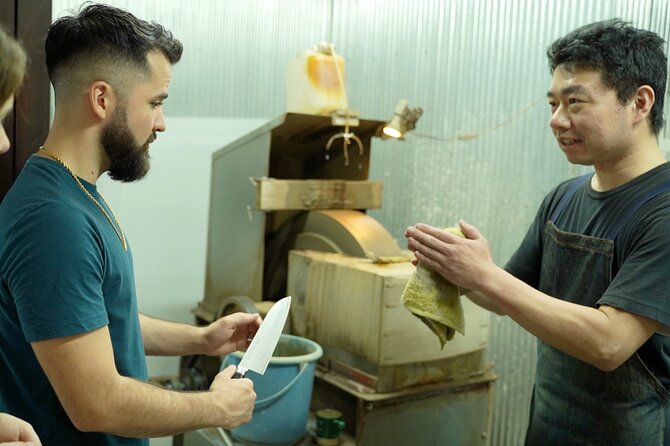
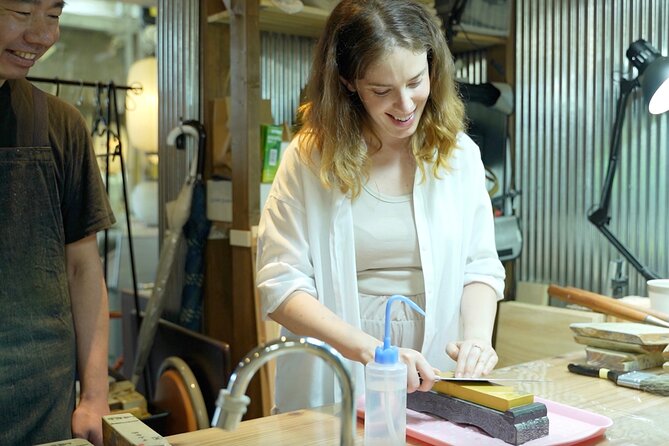
The knife-sharpening session lasts about 90 minutes and takes place at a shop specializing in sharpening cutting tools on a whetstone. An artisan with 26 years of experience provides the instruction.
This is the most practical option. You are not just watching someone sharpen a blade from a distance. The point is to learn how to sharpen knives properly, a skill you can use long after your Kyoto visit. The workshop connects an old craft to an everyday task: preparing food at home.
A whetstone requires patience and control. The angle, pressure, and movement all matter, so the English-speaking staff member can be useful when the instructions become precise. This is the workshop I would favor if you enjoy learning by doing and want a skill with a clear use in your own kitchen.
There is one thing to keep in mind. Knife sharpening is a focused activity, not a general sightseeing stop. If you want constant movement, shopping, and food tasting, calligraphy or obanzai may suit you better. But if you like tools, craft, and the satisfaction of getting a difficult motion right, this is a strong choice.
The setting also gives the session more meaning. You are learning inside a shopping arcade that serves the daily needs of local people, not in an isolated tourist center. The craft fits the place.
Obanzai cooking with chef-owner Nishimura
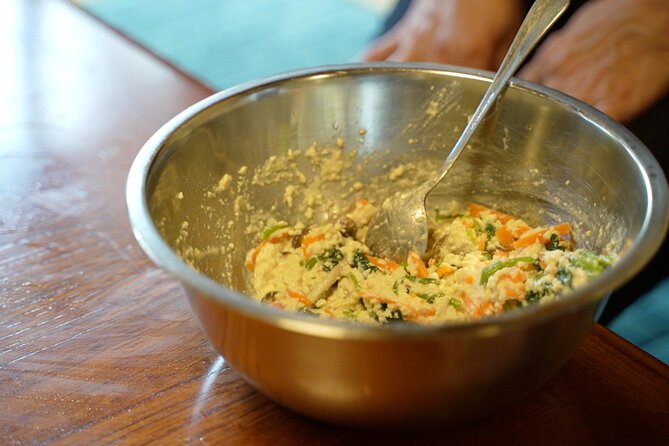
Obanzai is a Kyoto term for home-cooked dishes made from recipes passed down through families. The session lasts about 70 minutes and is led by Nishimura, the chef-owner of the obanzai shop Kyo-gohan Nishimura.
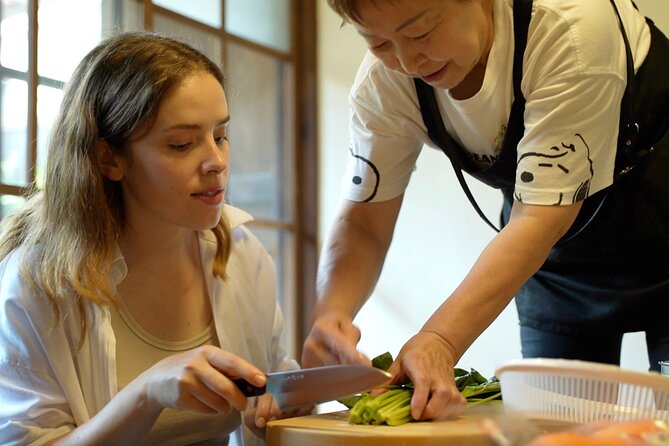
This workshop offers the clearest connection to Kyoto food culture. You buy ingredients at shops in the arcade, then cook obanzai dishes with the chef-owner. That small shopping step is important. It shows how the arcade works as a source of everyday food, rather than treating the meal as a performance prepared entirely in advance.
The family recipe element also gives the class a personal focus. Instead of learning a generic Japanese dish with no connection to the neighborhood, you are introduced to a home-style cooking tradition associated with Kyoto families. The activity description does not specify the exact dishes, so you should book this for the process and local context rather than for a promised menu.
At 70 minutes, this is the shortest of the three workshops. That makes it a good fit if you want food culture but do not want a long cooking class. Pair it with knife sharpening for a strongly food-centered visit, or with calligraphy for a wider mix of Kyoto traditions.
Cooking can also be the easiest choice for a group with different interests. People who are less comfortable with a brush or a whetstone may find ingredients and simple kitchen tasks more familiar. The private English support helps you follow along, ask about the recipe, and understand the role of the ingredients.
Same base, a different sort of day:
- PERFECT KYOTO 1-Day Bus Tour
★ 5.0 · 13,518 reviews - Kyoto: Fushimi Inari, Kinkakuji, Bamboo Grove 1 Day Bus Tour
★ 4.8 · 4,316 reviews - Kyoto: Tea Ceremony in a Traditional Tea House in Kiyomizu
★ 4.9 · 3,519 reviews - Kyoto Geisha Walking Tour: Gion District & Hidden Gems
★ 4.7 · 3,273 reviews
Calligraphy, kanji, and a scroll to take home
The calligraphy workshop lasts about 90 minutes. You learn the shape of kanji and how to use a brush, ink, and suzuri, the traditional inkstone used to prepare ink.
The session then moves from demonstration to practice. You try writing kanji with a brush and can ask the instructor how to write the kanji for your name. The activity ends with a one-of-a-kind hanging scroll featuring your work.
This option gives you a clear keepsake, but the value is not only the finished scroll. Japanese calligraphy asks you to slow down and pay attention to line, balance, and brush movement. You get a short lesson in a writing tradition that is difficult to appreciate from a shop display alone.
The English-speaking staff member can help explain the shapes and process, especially if you have no experience with kanji. You should not expect to produce perfect calligraphy immediately. The appeal is trying the brush yourself and seeing how small changes in pressure and direction affect the result.
Calligraphy is a good pick for couples, families, and small groups who want a quieter workshop. It also pairs well with obanzai, giving you one food-based activity and one art-based activity. If you are choosing between calligraphy and knife sharpening, think about your preferred souvenir: a practical household skill or a personal hanging scroll.
Why the private English support matters
The English support is one of the strongest features here. Each group has a private English-speaking staff member attending the workshops, rather than joining a large mixed group with limited time for questions.
That format can make a real difference in a craft class. A knife-sharpening lesson may depend on details of angle and pressure. Calligraphy requires an explanation of character shape and brush use. Cooking involves ingredients, steps, and family cooking terms. In each case, a language gap could turn a hands-on lesson into a demonstration you only partly understand.
The staff member is not presented as the artisan or chef. Instead, you receive the local instruction and have English assistance alongside it. That division is useful because it keeps the workshop tied to the people who practice the craft.
The experience is private, meaning only your group participates. That gives you more room to ask questions and work at your own pace than a large public class would. It also makes the two-to-six-person limit important. If you are traveling with a larger party, this activity will not accept the whole group together as described.
What the $98.53 price includes
The price is $98.53 per person. It includes two workshops and a private English-speaking staff member. Private transportation is not included.
I consider the value strongest for people who will actively take part in both sessions. You are paying for access to two local workshops, instruction from specialists, language support, and a private group format. The price is less attractive if you mainly want to watch or if you would be satisfied with a quick cultural demonstration.
The choice of two workshops also lets you shape the visit. Knife sharpening and calligraphy each run about 90 minutes, while obanzai takes about 70 minutes. That means you can select based on your interests instead of paying for a fixed package that includes activities you do not want.
The local setting adds value in a different way. You are spending time in a working shopping arcade, buying ingredients for the cooking class and seeing a part of Kyoto connected to neighborhood routines. This is a better match for someone looking past the major sights and wanting a more personal activity.
Still, the price should be judged against your group size and plans. It is designed for two to six people, not a solo booking. Since the activity is non-refundable and cannot be changed for any reason after booking, you should be sure your schedule is firm before paying.
Timing, meeting point, and the shape of the visit
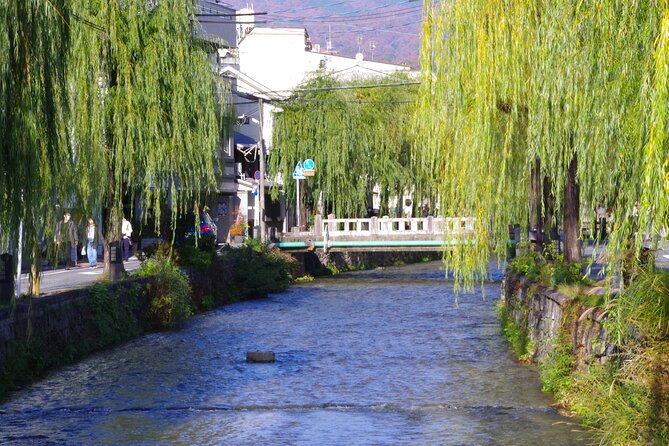
The activity lasts approximately three hours and starts and ends at Furukawacho Shopping Arcade. The meeting point is Furukawashozo, at 546-1 Furukawacho, Higashiyama Ward, Kyoto, postal code 605-0026.
Because the activity does not include private transportation, allow enough time to reach the meeting point using public transportation. The area is near public transportation, but the information provided does not specify a particular station or travel time. Check your route before the day of the activity rather than relying on a last-minute search.
The meeting-point format makes this easy to combine with other plans in the Shirakawa and Higashiyama area. Still, I would avoid placing a major timed attraction immediately afterward. Workshop timing can feel more relaxed when you are not watching the clock, and the cooking or craft session is the reason to come.
You receive confirmation within 48 hours of booking, subject to availability. You should also expect contact by email or message within three business days after applying and paying. Send your preferred workshop choices in that exchange.
Who will get the most from this experience
I would choose this activity if you want to learn a skill rather than simply photograph a cultural setting. The strongest match is a small group of two to six people with enough time for a three-hour visit.
It suits:
- Couples who want a private activity with a local focus.
- Families with older children interested in making or doing something.
- Food-minded visitors who want to shop for ingredients and cook obanzai.
- Home cooks who would use knife-sharpening skills.
- People who want a personal calligraphy scroll rather than a generic souvenir.
- Visitors who prefer neighborhood life to a packed schedule of major sights.
It may not suit you if you are traveling alone, need private transportation, or want certainty about one specific workshop. The activity accepts groups of two to six, workshop availability can change, and the cancellation terms are strict.
Should you book the Shirakawa workshops?
Book it if you want a small, practical cultural experience rooted in Kyoto daily life. The best reasons are the private English support, the local arcade setting, and the chance to learn from people connected to each craft.
Choose obanzai for food and neighborhood life, knife sharpening for a useful skill, and calligraphy for a calm lesson with a finished scroll. If your first choice is unavailable, decide in advance which alternative would still make the visit worthwhile.
I would skip it only if your schedule is uncertain or you want a single guaranteed activity. For everyone else, the combination of local instruction, two workshops, and a private group format makes this a thoughtful way to spend three hours in Kyoto.
FAQ
How long does the experience last?
The experience lasts approximately three hours.
Where does the activity take place?
It takes place at Furukawacho Shopping Arcade in Kyoto’s Shirakawa area.
Where is the meeting point?
The meeting point is Furukawashozo, also written as 古川趣蔵, at 546-1 Furukawacho, Higashiyama Ward, Kyoto, 605-0026, Japan.
How many workshops do I take?
You choose two workshops from knife sharpening, obanzai making, and calligraphy.
Can I choose my preferred workshops?
You can state your preferences by message, but participation in a particular workshop depends on reservation availability. If your chosen workshop is unavailable, the prepaid fee is refunded to the original credit card.
Is the activity conducted in English?
A private English-speaking staff member attends your group at all of the workshops.
How many people can join?
The activity accepts groups of two to six people.
Is transportation included?
Private transportation is not included. The meeting point is near public transportation, and the activity ends back at the meeting point.
Just added in Kyoto
- Private Cooking Class Udon in Kyoto Japan★ 5.0 · 23 reviews
- Your Private Vacation Photography Session In Kyoto★ 5.0 · 110 reviews
- Kyoto: Zen Meditation at a Private Temple with a Monk★ 5.0 · 25 reviews
- Private Pewter Sake Cup Experience with a Kyoto Artisan★ 5.0 · 31 reviews
- Kyoto Wagashi(Japanese sweets) Cooking Class near Fushimiinari★ 5.0 · 60 reviews
- Kyoto:Family-Friendly Kimono & Yukata Experience at WARGO★ 5.0 · 147 reviews
- Private Guided Traditional Buddhist Cooking in Japan★ 5.0 · 16 reviews
- Kyoto: Gion Geisha District & Sake-in-Hand Walking Tour★ 5.0 · 37 reviews
Shirakawa-go & Gokayama Tours, compared.
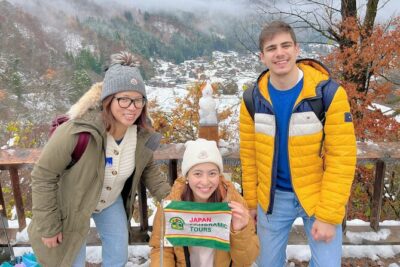
World Heritage Shirakawa-go and Experience Tours from Kanazawa
Read our review →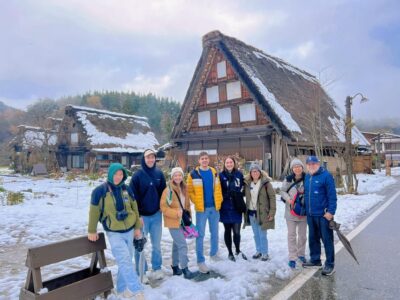
World Heritage Shirakawa-go Morning Guided Tour
Read our review →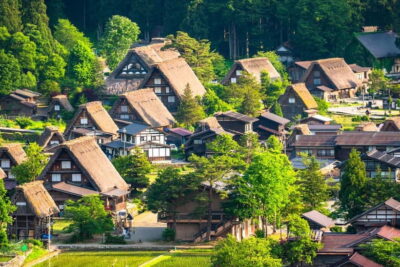
World Heritage Shirakawa-go & Two Local Experience
Read our review →
[One-day bus tour departing from Kanazawa Station] Shirakawa-go and Gokayama – Two World Heritage Villages Enjoyable Bus Tour
Read our review →
World Heritage Shirakawa-go Perfect Guided Tour from Kanazawa
Read our review →Browse the lists this tour appears in