Reviewed · TOURS IN TOKYO
Tameike: Exploring the Heart of Japanese Politics Tour
The most unusual part of this tour is its setting: you move from Japan’s seat of government to a Shinto shrine famous for career success and matchmaking, then finish with matcha and sweets. The National Diet Building gives you a close look at how Japan’s government works, not just another grand facade.
I like the small-group format, limited to five people, and the chance to ask real questions about voting, public life, and Japanese customs. I also like the gentle change of pace at Hie Shrine and Dobashi-en, where guardian monkeys, red torii gates, tea, and a small gift turn a political tour into a rounded afternoon.
The main consideration is walking. You cover the route on foot, and the Diet Building has stairs, so comfortable shoes matter. At $129 per person, this is not a bargain sightseeing walk, but the English guidance, government access, tea experience, and intimate group help explain the price.
Key points at a glance
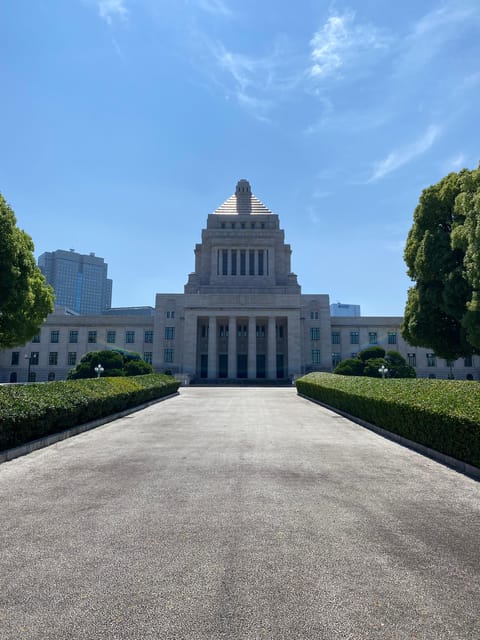
- Japan’s political center: Spend about an hour inside the National Diet Building with an English-speaking guide.
- A useful small-group format: Groups are limited to five, and some departures may become nearly private.
- Hie Shrine’s monkey symbols: Look for monkey statues, monkey-themed charms, votive tablets, and the Thousand Torii Gates.
- A traditional finish: Enjoy matcha and local sweets at long-established Dobashi-en.
- A guide-led conversation: Megumi, also called Meg, is praised for explaining politics, shrine customs, and daily Japanese life.
- Practical planning: Meet at Kokkai-gijidōmae Station Exit 1, wear walking shoes, and carry cash.
Why this Tokyo tour feels different
Tokyo offers endless temples, shopping streets, observation decks, and food stops. This three-hour experience takes a narrower route, but it answers a useful question: how does Japan work?
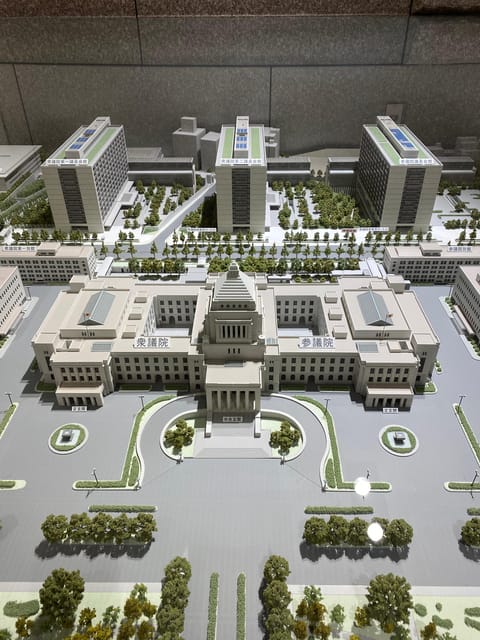
You begin at the National Diet Building, Japan’s center of national politics. From there, the tour shifts to Hie Shrine, where religious practice and popular beliefs come into view. The final stop, Dobashi-en, gives you time to sit with a cup of matcha and traditional sweets.
I like that progression. It moves from public power to personal hopes, then to an everyday pleasure. You are not simply collecting sights. You are seeing three parts of Japanese life in one compact outing: government, religion, and tea culture.
The tour is conducted in English, and the guide can explain more than the prepared route. Megumi, often called Meg, has been praised for answering questions about Japan’s political system, voting procedures, customs, and daily life. That matters here because the National Diet Building can be impressive without being easy to understand.
Other experiences people book in Tokyo:
- Mt Fuji and Hakone 1-Day Bus Tour Return by Bullet Train
★ 5.0 · 26,383 reviews - 1-Day Tokyo Bus Tour
★ 5.0 · 14,250 reviews - Tokyo: TOKYO SKYTREE® Admission ticket
★ 4.5 · 11,192 reviews
Starting at Kokkai-gijidōmae Station
The meeting point is Kokkai-gijidōmae Station, Exit 1. Look for a guide wearing a navy blue happi, the traditional Japanese coat used here as a clear sign of recognition.
This is a sensible place to start because the station puts you close to the government district. Arrive ready to walk rather than expecting a coach or long transfer. The first route takes about five minutes on foot.
The group limit of five is one of the strongest features. A tiny group makes it easier to hear explanations inside a formal building and to ask questions without holding up a crowd. On some dates, you might even find yourself in a one-to-one setting, which allows the conversation to follow your interests more closely.
That personal format also brings a small uncertainty. The exact feel of the tour depends on the guide and the people booked that day. If you enjoy asking questions, this is a plus. If you prefer to quietly follow a large sightseeing group, the intimate format may feel more conversational than expected.
Inside the National Diet Building for one hour
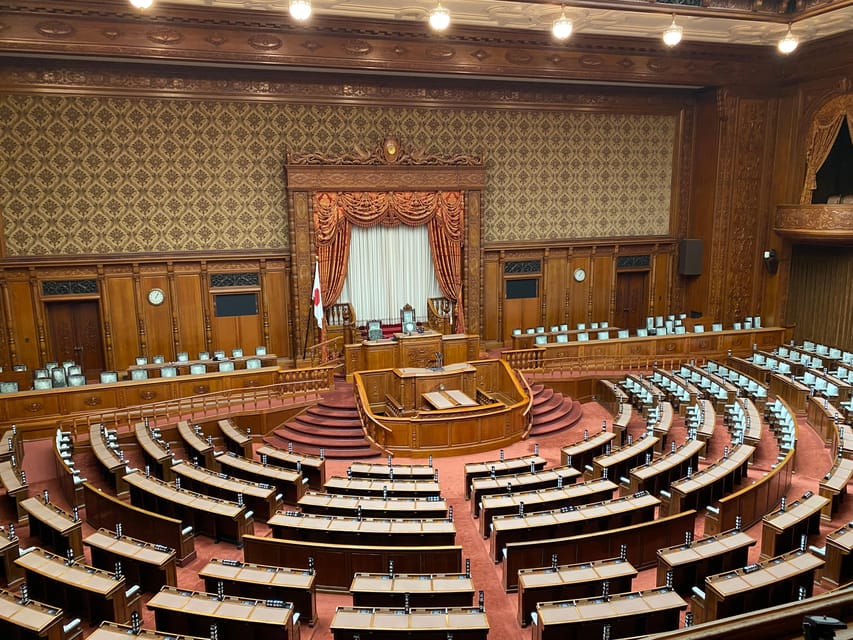
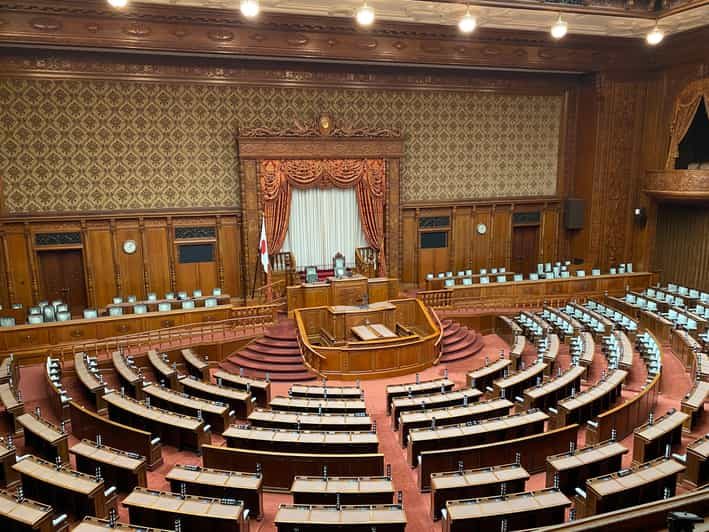
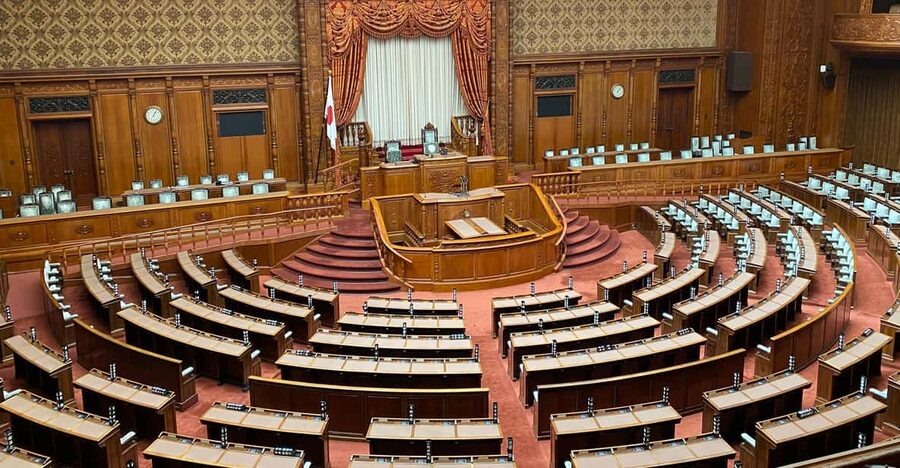
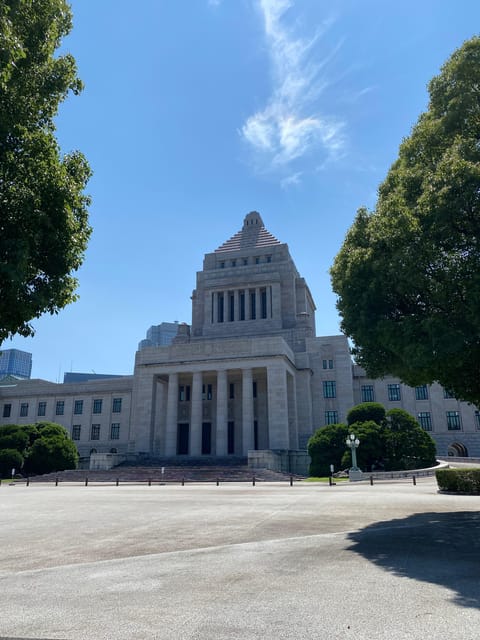
The National Diet Building is the main reason to book this experience. You receive entry and spend about an hour on a guided visit through a place tied to Japan’s national decisions and political events.
The building’s formal architecture provides the visual hook, but the guide’s explanation gives the stop its value. You can learn how the government works, how voting procedures fit into the system, and what takes place inside the chambers. This is the kind of information that is difficult to pick up from a photograph or a quick independent visit.
I would treat this portion as an orientation to Japanese politics rather than a full civics course. The tour is only three hours in total, and the Diet Building visit lasts about an hour. Still, an English-speaking guide can turn unfamiliar rooms and procedures into something you can place in context.
The tour is especially useful if you have wondered how Japan’s political process compares with your own country’s system. Several tour participants used their time with Megumi to ask about domestic and global political questions, as well as ordinary life in Japan. You should feel free to bring your own questions, since the strongest part of this experience may be the conversation around the prepared explanation.
There are stairs inside the building, so comfortable walking shoes are more than a polite suggestion. The visit is not the best match for someone hoping to avoid steps or walking. The supplied information does not describe accessibility arrangements, so ask the provider directly if stairs could be a problem for you.
Hie Shrine and its monkey guardians
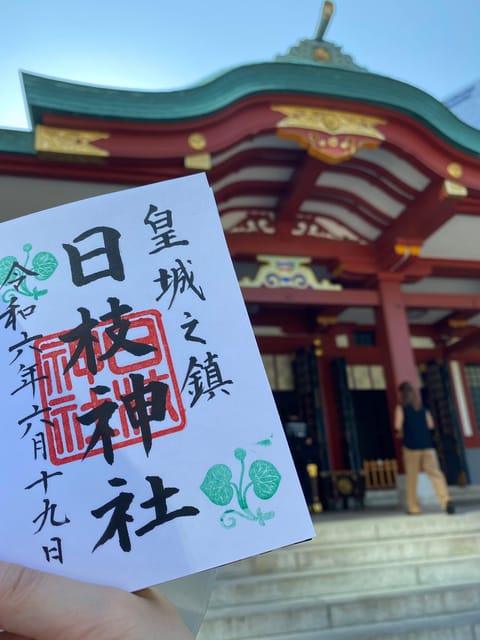
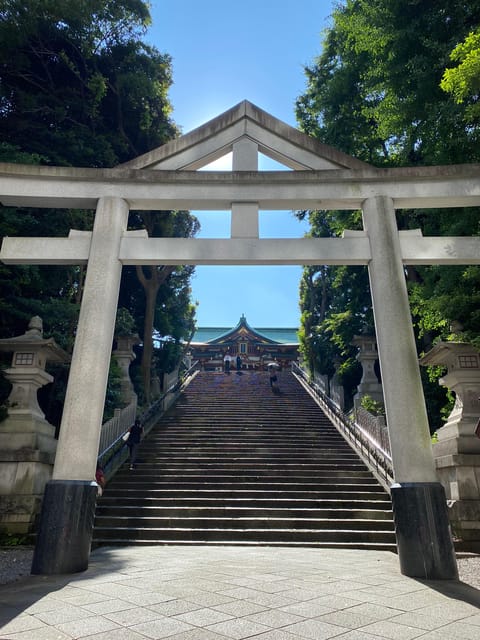
After the Diet Building, you walk for about 15 minutes to Hie Shrine. The route is short, but it gives the tour a needed change of mood. You leave the formal world of government and enter a Shinto setting tied to prayers for career success and matchmaking.
Hie Shrine is known here for its monkey imagery. You can see guardian monkey statues at the gate and main hall, while monkey designs appear on votive tablets and charms. That detail gives you something specific to look for rather than asking you to admire the shrine in general terms.
Your guide also explains how to worship at a Shinto shrine. That practical instruction is valuable because many people know they should show respect but are unsure about the order of actions. A guide can help you observe the setting with confidence and avoid treating it like a photo stop only.
The shrine’s connection with career success makes sense beside the Diet Building. You have just seen where national politics is conducted, then visit a religious site where people bring personal hopes about work and relationships. That link between public ambition and private wishes gives the middle part of the tour a clear purpose.
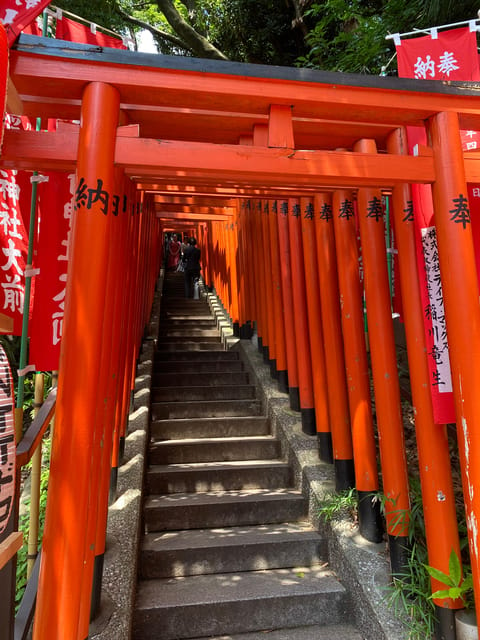
Do not miss the Thousand Torii Gates. Their repeated red gateways recall the better-known Fushimi Inari Shrine in Kyoto. This smaller Tokyo setting offers a chance to see the same visual idea without turning the entire afternoon into a long shrine excursion.
The shrine visit lasts about 45 minutes, including guided explanation and sightseeing. That is enough time to notice the monkey motifs, learn the basic customs, and enjoy the gates without making the tour feel like a full religious studies lesson.
Same base, a different sort of day:
- Tokyo: teamLab Planets TOKYO Digital Art Museum Entry Ticket
★ 4.6 · 9,779 reviews - Mt Fuji & Hakone Cruise, Drum Show Bullet Train 1 Day from Tokyo
★ 4.0 · 7,413 reviews - Tokyo: Sumo Show Experience with Chicken Hot Pot and a Photo
★ 4.8 · 6,678 reviews - Tokyo: Shinjuku Food Tour (13 Dishes at 4 Local Eateries)
★ 5.0 · 6,603 reviews
Matcha and sweets at Dobashi-en
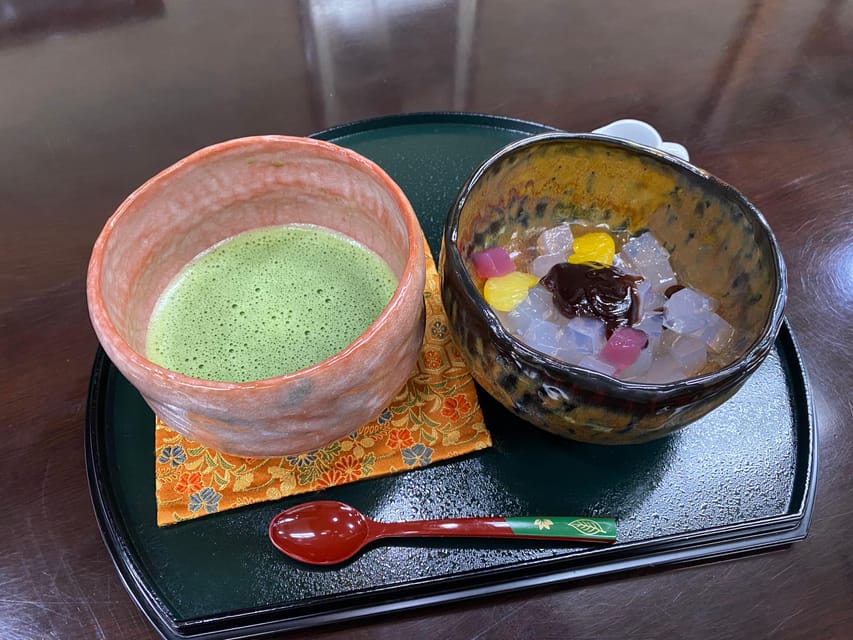
The final walk takes about 15 minutes and ends at Dobashi-en, a long-established green tea shop. Here you receive traditional matcha and sweets, along with a souvenir tea gift.
This stop is more than a snack break. Matcha gives the tour a quiet ending after the formal Diet Building and the walking around Hie Shrine. The sweets add a local flavor, while the tea shop offers a look at a long-running Japanese food tradition.
I like ending here because it gives you time to talk. Questions that arise during the government or shrine visits can continue over tea, and the small group makes that exchange easier. The guide can also discuss Japanese customs beyond the sights themselves. One useful example from the tour conversation is why public parks and similar places may have few trash cans, a small detail that opens up a wider discussion of daily life.
You should not expect a full tea ceremony unless the provider specifically confirms one. The information promises matcha, sweets, and a tea gift at Dobashi-en. Think of it as a traditional tea-shop experience, not a formal ceremonial performance.
The 45-minute stop also helps balance the walking. You have time to rest, enjoy the flavors, and finish without rushing straight back into the station system.
What $129 buys you
At $129 per person, this tour costs more than a self-guided walk between the same neighborhoods. You could visit Hie Shrine independently and read about the Diet Building, but that would leave you to connect the political, religious, and cultural pieces on your own.
The price includes entry to the National Diet Building, the guided experience in English, matcha and a snack at Dobashi-en, and a souvenir tea gift. It also buys a small group, capped at five people. Those inclusions make the fee easier to justify for someone who values explanation and conversation over simply covering more sights.
I would not book this tour for the cheapest possible introduction to Tokyo. I would book it if you want a focused look at Japanese government and culture, especially if you have already seen the city’s more familiar temples and shopping districts.
The value improves if you are curious about politics. The guide can explain voting procedures and the way government operates, then answer questions about domestic issues, global affairs, and Japanese daily life. If you have little interest in politics, the shrine and tea stops may not fully make up for the higher price.
Also plan for a little spending flexibility. Some shops in Japan may not accept cards, so carrying cash is wise. The provided tea and sweets are included, but cash can help with any extra purchase or small personal expense.
Timing, walking, and the shape of the afternoon
The full experience lasts three hours:
- Five-minute walk from the station to the National Diet Building
- One-hour guided Diet Building visit
- Fifteen-minute walk to Hie Shrine
- Forty-five minutes at Hie Shrine
- Fifteen-minute walk to Dobashi-en
- Forty-five minutes for tea and sweets
The schedule is compact but not crammed. The walking sections are short, and the longer stops give each location a clear role.
You should wear comfortable shoes. The route includes outdoor walking, and the Diet Building has stairs. On a hot, rainy, or tiring day, the 15-minute walks may feel longer than they look on paper, so dress for the weather and arrive ready to move.
The meeting time can vary. You need to check availability for the starting time that suits your plans. The finish is at Akasaka-mitsuke Station, which makes the tour easy to connect with the rest of your day, though the experience itself does not include transportation between stops.
Free cancellation is available up to 24 hours before the tour for a full refund, and you can reserve now and pay later. Those terms are helpful if your Tokyo plans are still shifting.
Who will get the most from this experience
I would recommend this tour to first-time visitors who want more context than a photo stop provides. It also suits repeat visitors who have already seen major tourist sights and now want a closer look at how Tokyo and Japan function.
It is a strong choice for:
- People curious about Japanese government and voting
- English-speaking visitors who want a chance to ask questions
- Solo visitors who value a small, social format
- Couples interested in culture, shrines, and tea
- Anyone who wants a compact afternoon rather than a full-day excursion
The tour may be less suitable if you want a fast-paced list of major landmarks, dislike stairs, or prefer to explore without a guide. It is also not a tour to attend if you feel unwell on the day. The activity asks anyone who is not feeling well to refrain from joining.
Guide Megumi, also called Meg, receives especially strong praise for her clear explanations, kindness, and ability to discuss topics beyond the planned material. You cannot assume she will lead every departure, but the experience is designed around live English guidance, and that conversational element is central to its appeal.
Should you book the Tameike tour?
Book it if you want to understand what you are seeing, not just photograph it. The National Diet Building gives you the political setting, Hie Shrine adds ritual and popular belief, and Dobashi-en finishes with tea, sweets, and a souvenir.
At $129, the tour asks you to pay for access, interpretation, and a very small group rather than for a long list of stops. That is fair value if Japanese politics interests you and you appreciate a guide who can answer questions about everyday life.
Skip it if your priority is low-cost sightseeing or if you want a tour built around food, shopping, or famous views. But if you want a thoughtful three hours in central Tokyo, with a real chance to talk and learn, this is an unusual and well-balanced choice.
FAQ
How long is the Tameike tour?
The tour lasts three hours.
Where does the tour begin?
It begins at Kokkai-gijidōmae Station, Exit 1. A guide wearing a navy blue happi waits there.
Where does the tour finish?
The tour finishes at Akasaka-mitsuke Station.
Is the tour conducted in English?
Yes. It includes a live English-speaking tour guide.
How large is the group?
The group is limited to five participants.
What is included in the price?
The price includes entry to the National Diet Building, tea and a snack at Dobashi-en, and a souvenir tea gift.
What should I bring or wear?
Wear comfortable walking shoes because the route includes walking and stairs at the National Diet Building. Carry cash because some shops may not accept cards.
Just added in Tokyo
- The 10 Tastings of Tokyo With Locals: Private Street Food Tour★ 5.0 · 48 reviews
- Small Town in the Big City: Tasting Tokyo’s Kichijoji★ 5.0 · 195 reviews
- Small Town in the Big City: Tasting Tokyo’s Kichijoji★ 5.0 · 16 reviews
- EXCLUSIVE Tokyo Secret: Kichijoji Small-Group Food & Bar Hopping★ 5.0 · 29 reviews
- Explore Kichijoji: Walk Through One of Tokyo’s Beloved Districts★ 5.0 · 21 reviews
- :Tokyo,Shibuya/ Pro Photography in Kimono / English-Friendly★ 5.0 · 26 reviews
- 【R34】Tokyo:Private Daikoku tour in Modified R34★ 4.9 · 92 reviews
- Tokyo:Calligraphy &Make your original folding fan in Asakusa★ 5.0 · 62 reviews
Tours in Tokyo, compared.
Mt Fuji and Hakone 1-Day Bus Tour Return by Bullet Train
Read our review →
teamLab Planets TOKYO Digital Art Museum Entry Ticket
Read our review →
Mt Fuji & Hakone Cruise, Drum Show Bullet Train 1 Day from Tokyo
Read our review →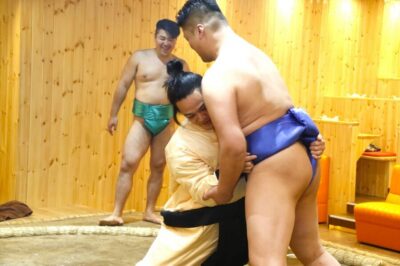
Sumo Show Experience with Chicken Hot Pot and a Photo
Read our review →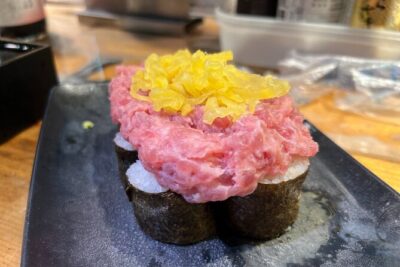
Shinjuku Food Tour (13 Dishes at 4 Local Eateries)
Read our review →