
Reviewed · FOOD TOURS
Taste of Nishiki Market Walking Food Tour with Local guide
Kyoto’s food culture makes more sense when you walk through it one small bite at a time. This three-hour tour links Rokkakudo Temple, Yaoyaichi market, Daimaru’s basement food hall, and Nishiki Market, with 6 to 10 tastings along the way. You get both the famous sights and the everyday shopping habits that shape local meals.
I like the small group of no more than six, since an English-speaking guide can answer questions and adjust the stops to your interests. I also like the mix of food and culture: guides such as Kaoru and Rikka have added personal shop recommendations, local history, photos, and even a quiet temple stop that is easy to miss alone. The main drawback is that this is a walking and standing tour through crowded food areas, and the tasting menu can change with shop availability or dietary needs.
Key points at a glance
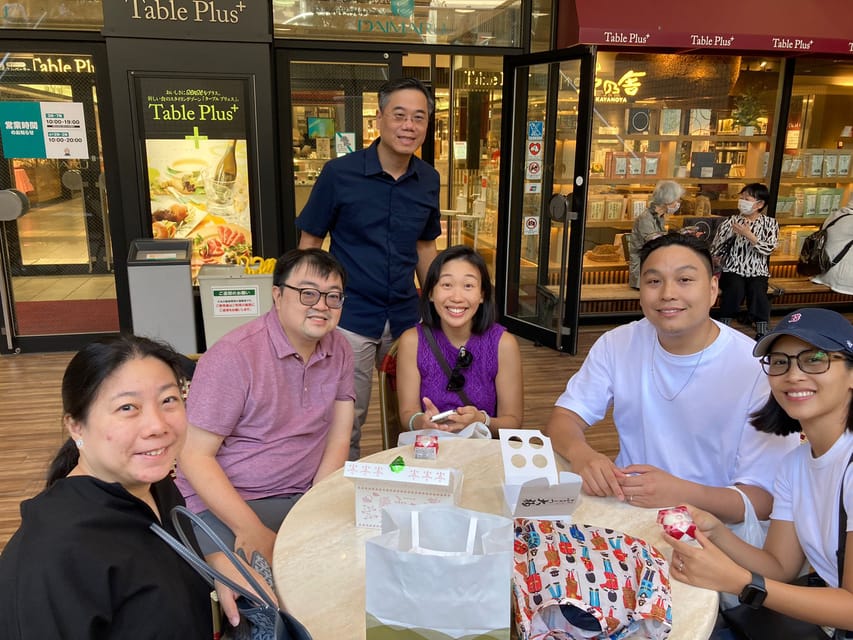
- Six to 10 tastings: Try items such as local bread, nikuman, wagashi, sashimi, and skewered wagyu beef.
- Four distinct Kyoto stops: Visit Rokkakudo Temple, Yaoyaichi, Daimaru’s basement, and Nishiki Market.
- Small-group format: The tour is limited to six participants, allowing for questions and some personal attention.
- Useful shopping advice: Your guide points out food shops, cafes, restaurants, and souvenirs worth considering later.
- A practical central route: The tour begins at Starbucks Kyoto Sanjo Karasuma Building and ends at Nishiki Tenmangu Shrine.
- Important food limits: Tastings may include meat, seafood, wheat, and dairy, so contact the provider before booking if you have allergies or dietary restrictions.
Why this Kyoto food walk works
Many food tours rush straight into Nishiki Market, where it is easy to feel lost among signs, smells, and tightly packed stalls. This route takes a slower approach. You begin with a temple, move through a local market and department store food hall, then reach Nishiki Market with some context already in place.
That order matters. Yaoyaichi gives you a look at seasonal produce and less tourist-focused ingredients. Daimaru shows how polished and varied Japanese department-store food shopping can be. Nishiki then brings the experience to its busiest and most famous stretch.
I see this as a good first food activity in Kyoto because you are not only eating. You are learning where local people shop, how certain foods are made, and which places might be worth returning to. You also get a list of shops and cafes to explore on your own after the tour.
The guide is a major part of the experience. Kaoru has been praised for making the route personal and adapting it to individual interests. Rikka has been noted for explaining food and Kyoto customs, suggesting shops and restaurants, and taking photos for the group. These names reflect guides who have led the experience, but you should not assume a particular guide will be assigned to your date.
More eating your way round Kyoto:
- Kyoto Night Foodie Tour in Gion (9+ dishes + 6 Sake tastings)
★ 5.0 · 1,762 reviews - Kyoto: Gion Food Tour 13 Dishes at 4 Eateries
★ 5.0 · 408 reviews - Kyoto Foodie Night Tour
★ 5.0 · 376 reviews
Meeting at Sanjo Karasuma
The meeting point is the Starbucks Coffee Kyoto Sanjo Karasuma Building Store at 85-1 Mikura-cho, Nakagyo Ward. The tour begins at 10:00 AM, so plan enough time to reach central Kyoto without hurrying.
This is a useful starting area for a walking tour because the route quickly moves toward several major food and cultural stops. Transportation to the meeting point is not included, and neither is transportation after the tour. You will need to make your own way there and arrange your return from Nishiki Tenmangu Shrine.
Wear comfortable shoes. Three hours on foot, with time spent standing at counters and market stalls, can feel longer in thin or uncomfortable footwear. Large bags and luggage are not allowed, so this is not a suitable activity to schedule while carrying suitcases between hotels.
The tour is offered in English and is limited to six people. That small size is valuable in Nishiki Market, where a large group would be harder to keep together and less practical at narrow food counters. It also gives you a better chance to ask about unfamiliar ingredients instead of simply following the guide from one stop to the next.
Rokkakudo Temple gives the food route a calm start
The first stop is Rokkakudo Temple, reached after the 10:00 AM meeting. This peaceful pause helps set the tone for the day. Kyoto’s food traditions are tied to its temples, seasons, ceremonies, and neighborhood life, so beginning with a quiet cultural site keeps the tour from becoming a simple snack crawl.
You should expect a short visit rather than a full temple tour. The value here is the contrast. After seeing a calm religious site, you move into places where food is bought, prepared, displayed, and eaten.
A guide can also give you useful local context at this point. Some participants have especially appreciated learning about Kyoto beyond the food itself, including customs and neighborhood history. If you enjoy knowing why a place matters before taking photos or moving on, this opening stop adds substance.
Yaoyaichi shows Kyoto’s everyday ingredients
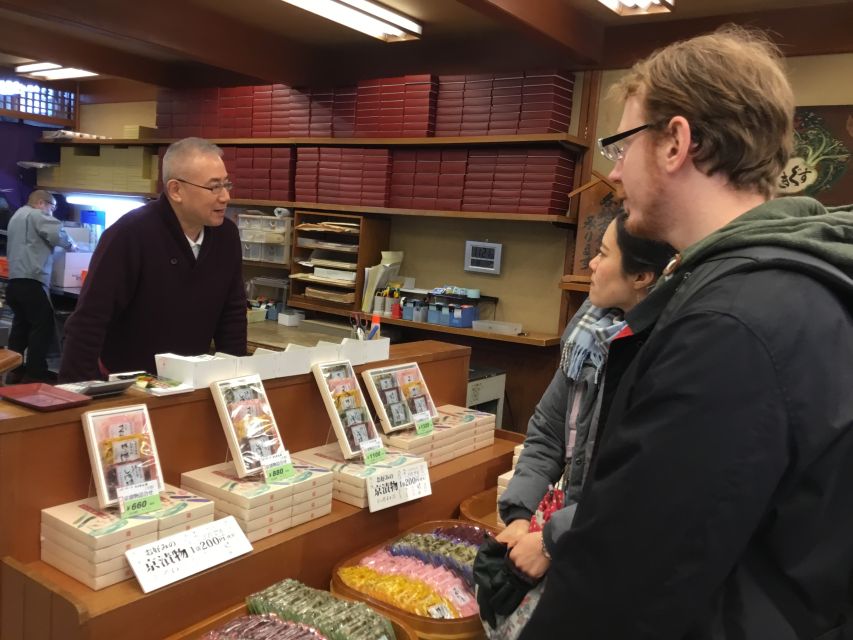
At about 10:30 AM, the group stops at Yaoyaichi, a local market known for seasonal produce and distinctive ingredients. This is one of the more useful parts of the route for anyone who wants to understand Japanese cooking beyond sushi and ramen.
The selection changes, so you should not expect a fixed menu. One example tasting is bread popular with Japanese locals. That may sound modest beside wagyu or sashimi, but it is exactly the kind of detail that makes a food walk feel connected to daily life. Popular local food is not always the most dramatic food.
Your guide explains how local foods are made and points out ingredients you may later see in restaurants or markets. You might also find items suitable for gifts, though the best souvenir depends on what is available that day and how well it will travel.
Yaoyaichi is likely to appeal most to curious eaters who want to ask questions. If you prefer a guaranteed list of famous dishes, the changing selection may feel less predictable. If you like seeing what is in season and trying something you would not have chosen alone, the flexibility is a strength.
Same base, a different sort of day:
- PERFECT KYOTO 1-Day Bus Tour
★ 5.0 · 13,518 reviews - Kyoto: Fushimi Inari, Kinkakuji, Bamboo Grove 1 Day Bus Tour
★ 4.8 · 4,316 reviews - Kyoto: Tea Ceremony in a Traditional Tea House in Kiyomizu
★ 4.9 · 3,519 reviews - Kyoto Geisha Walking Tour: Gion District & Hidden Gems
★ 4.7 · 3,273 reviews
Daimaru’s basement is Kyoto’s food theater
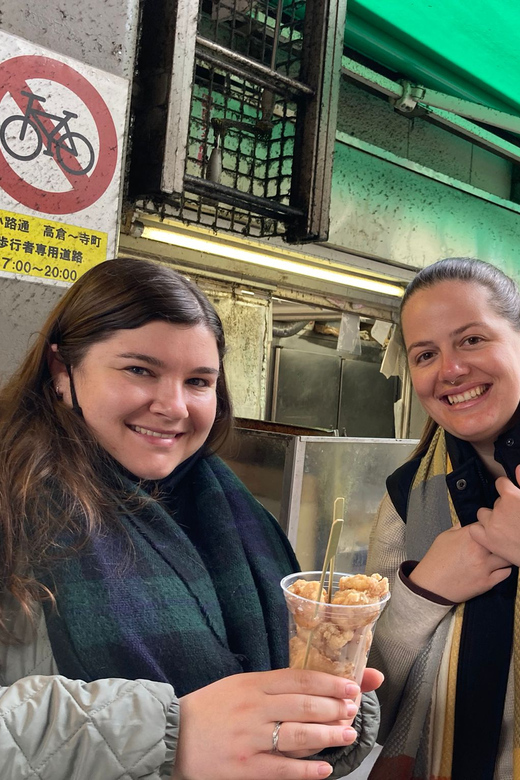
Around 11:30 AM, the tour moves to the basement of Daimaru Department Store. Japanese department-store food halls are a useful part of the country’s food culture, and this stop gives you a polished counterpoint to the smaller market shops.
Here, you might taste nikuman, or steamed meat buns, along with wagashi from a wagashi shop with centuries of tradition. The combination shows two sides of Japanese food. Nikuman is warm, casual, and easy to eat. Wagashi is more delicate and closely connected to presentation, season, and tea culture.
Daimaru is also a practical place to study presentation. Food is often arranged with care, and gift packaging can be as important as the item itself. Your guide can help you understand which sweets or packaged foods make sensible gifts for friends and family.
Do not expect the department store stop to feel like a restaurant meal. Tastings are small, and the tour is designed to give you a range of samples rather than one large serving. That is a good trade for a food walk, since it leaves room for more discoveries later.
Nishiki Market brings the flavors together
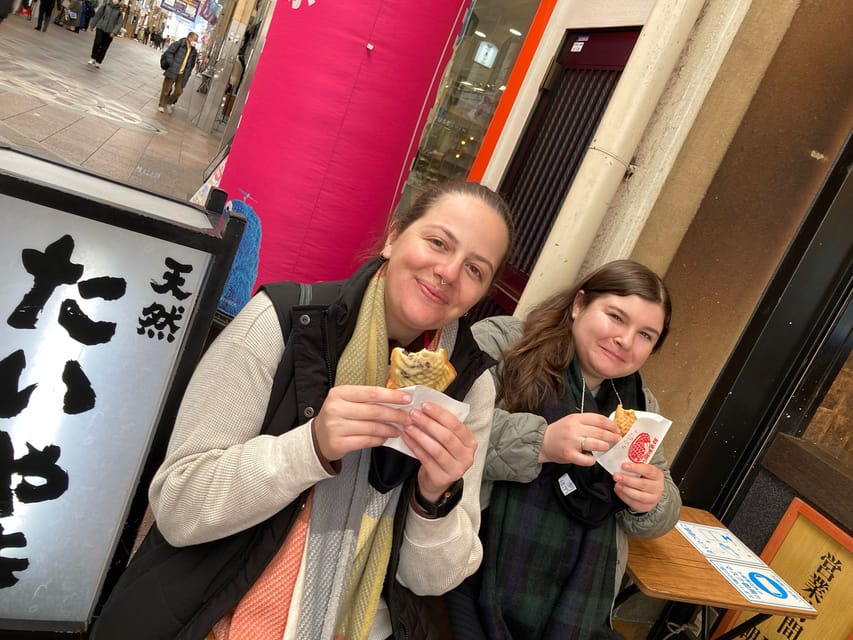
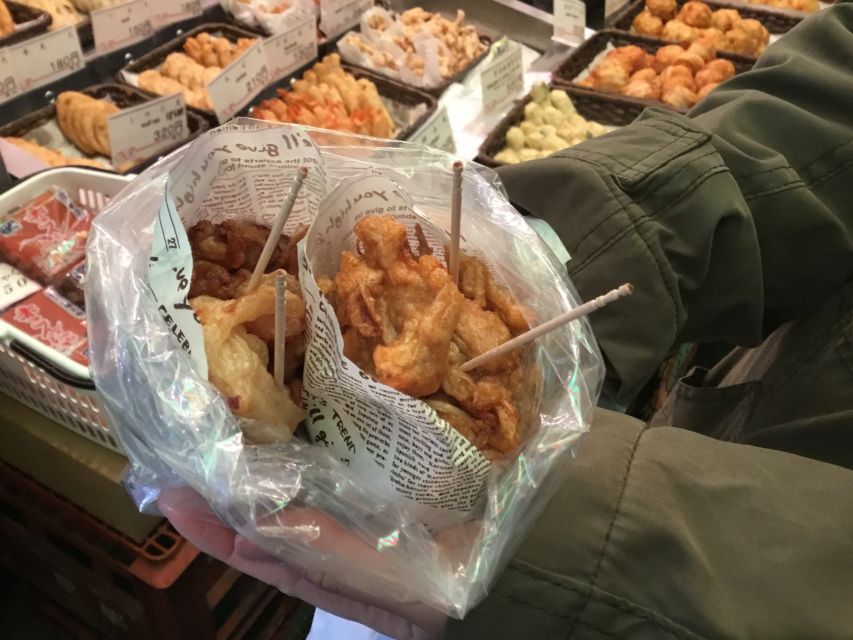
At about 12:30 PM, the route reaches Nishiki Market, often called Kyoto’s Kitchen. The market is the best-known part of the tour and also the place where patience matters most.
Nishiki is narrow and can be crowded. You will be walking through a busy public market, not sitting at a private table. Keep your group close, listen for the guide, and avoid stopping in the middle of the walkway when you want to take a photo.
This is where the tastings may include fresh sashimi and skewered wagyu beef. These foods offer a sharper contrast to the bread, meat bun, and wagashi sampled earlier. The exact choices can change according to shop availability and the preferences of the group.
The guide’s role is especially useful here. A first-time visitor can easily spend too much money on a random snack or miss the small shop that suits their taste. A local guide can point out favorite restaurants, cafes, food sellers, and culinary souvenirs, giving you options for the rest of your Kyoto stay.
You should also expect recommendations rather than a complete meal. The included food is limited to the stated tastings. If you want extra skewers, sweets, drinks, or a full lunch, you pay for those yourself.
Finishing at Nishiki Tenmangu Shrine
The tour ends at Nishiki Tenmangu Shrine at about 2:00 PM. This is a thoughtful finish after the noise and movement of the market. You get a final quiet place to pause before deciding where to eat next or how to continue exploring central Kyoto.
The ending also gives the route a clear shape. It begins with Rokkakudo Temple, moves through food-shopping areas, and finishes at another religious site. That balance makes the experience feel like a neighborhood walk with food at its center, not only a series of commercial stops.
Since the tour ends in the Nishiki area, you can continue exploring nearby on your own. The provider does not include onward transportation, so check your next destination before the tour starts. The guide’s restaurant and cafe suggestions can be useful at this point, especially if you still want a proper meal after the samples.
What you may actually eat
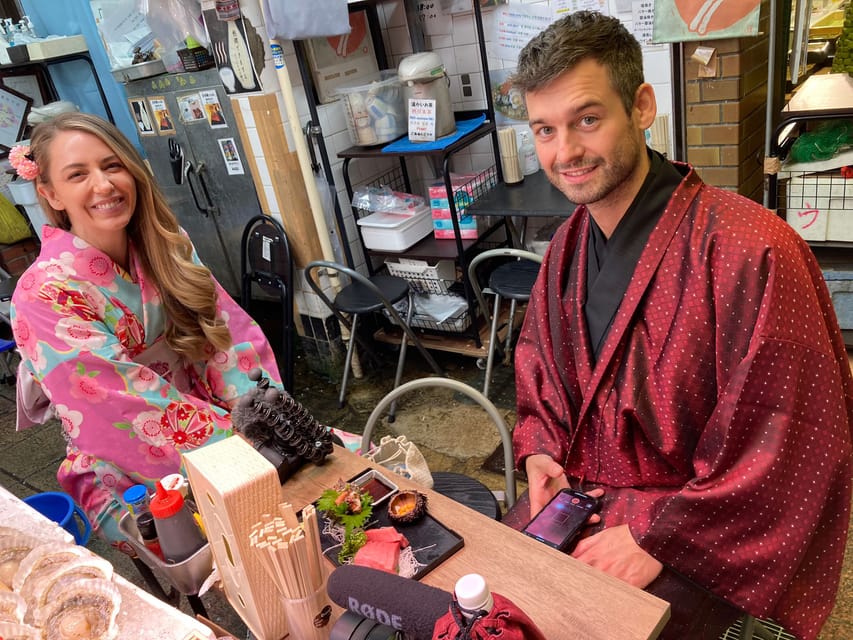
The food is not fixed, and that is important to understand before booking. The listed examples include:
- Bread popular with Japanese locals at Yaoyaichi
- Nikuman, or meat buns, at Daimaru
- Wagashi from a long-established Japanese sweets shop
- Fresh sashimi at Nishiki Market
- Skewered wagyu beef at Nishiki Market
The group’s preferences and the day’s availability can affect the final selection. You may taste six to 10 items, but the tour does not promise every example above.
This format suits people who like variety. You may try sweet and savory foods, hot and cold items, casual snacks and carefully presented sweets. It is less suited to anyone who wants one specific dish guaranteed.
You should also plan around the food restrictions. Ingredients may include meat, seafood, wheat, and dairy. If you have an allergy or a strict diet, contact Cooking Sun before reserving. Do not assume that a substitution will be available on the day.
Is $77 a fair price?
At $77 per person, the tour is not the cheapest way to walk through Nishiki Market. You could enter the market for free and buy snacks one by one. The price makes more sense if you value a guide who explains what you are tasting, takes you to several types of food shops, and helps you avoid guesswork.
You are paying for three hours, an English-speaking guide, a small group limited to six, and six to 10 included foods. You also receive local recommendations that may help you find later meals and gifts. For a first visit to Kyoto, that guidance can save time and prevent expensive trial and error.
The value depends on how independently you like to travel. Confident food explorers who enjoy reading signs, comparing stalls, and making spontaneous purchases may prefer to explore Nishiki alone. If you want context, translation help, and a route through several food settings, $77 is reasonable.
Remember that extra food is not included. The included tastings are samples, not lunch, so bring a little spending money if you expect to buy more.
Who should book this experience?
I would recommend it to first-time Kyoto visitors, small families with older children, couples, and solo travelers who want an easy introduction to local food. It is also useful early in a trip, since the shop and restaurant suggestions can shape where you eat afterward.
Food-curious visitors will get the most from it. You do not need to be an expert in Japanese cuisine. In fact, the route works best if you are willing to ask simple questions and try unfamiliar items.
The tour is less suitable for people with mobility impairments because it involves walking and standing. It is also a poor fit if you are carrying luggage, need a fully fixed menu, or have serious allergies that have not been discussed with the provider in advance.
The small group is a real advantage. A group of six can move through the market with less fuss and gives you more access to the guide than a large coach tour. The tradeoff is that food choices may reflect the group rather than your preferences alone.
Booking and practical details
You can cancel up to 24 hours before the tour for a full refund, and the reserve-now, pay-later option keeps your plans flexible. Starting times vary, so check the available time when you book.
The published route runs from 10:00 AM to 2:00 PM, with the main food stops between late morning and early afternoon. The detailed schedule lists the Daimaru visit at 11:30 AM and Nishiki Market at 12:30 PM.
Bring comfortable shoes and avoid large bags. Transportation to the starting point and from the final shrine is your responsibility. The tour is conducted in English.
Should you book the Nishiki Market food tour?
Book it if you want more than a quick pass through Kyoto’s most famous food street. The combination of Rokkakudo Temple, Yaoyaichi, Daimaru, Nishiki Market, and Nishiki Tenmangu Shrine gives you a broader picture of how food fits into Kyoto life.
The strongest reasons to go are the small group, the chance to try six to 10 changing samples, and the personal advice from guides such as Kaoru and Rikka. The main cautions are the crowded market, walking requirements, uncertain tasting menu, and possible meat, seafood, wheat, and dairy ingredients.
If those conditions suit you, $77 buys a useful first look at Kyoto’s food culture, plus a map in your head of places worth returning to. If you want a quiet sit-down lunch or a guaranteed menu, choose a restaurant-based food experience instead.
FAQ
Where does the tour meet?
The meeting point is Starbucks Coffee Kyoto Sanjo Karasuma Building Store at 85-1 Mikura-cho, Nakagyo Ward, Kyoto City, on the first floor of the Karasuma Building KDX Kyoto.
Where does the tour end?
The tour ends at Nishiki Tenmangu Shrine.
How long does the tour last?
The activity lasts three hours, with the published schedule running from 10:00 AM to 2:00 PM.
How many people are in the group?
The group is limited to six participants.
What language is the tour conducted in?
The tour is conducted in English with a live guide.
How many foods are included?
Six to 10 local foods are included.
What foods might be served?
Examples include local bread, nikuman, wagashi, sashimi, and skewered wagyu beef. The exact foods can change depending on availability and participant preferences.
Is transportation included?
No. Transportation to the meeting point and from the departure point is not included.
Can I bring luggage or a large bag?
No. Luggage and large bags are not allowed. Comfortable shoes are recommended.
Is the tour suitable for people with mobility impairments?
No. The tour is not suitable for people with mobility impairments because it involves walking through several food and cultural stops.
What if I have a food allergy or dietary restriction?
The tastings may contain meat, seafood, wheat, and dairy. Contact the tour provider before booking to discuss your restrictions and possible options.
Just added in Kyoto
- Private Cooking Class Udon in Kyoto Japan★ 5.0 · 23 reviews
- Your Private Vacation Photography Session In Kyoto★ 5.0 · 110 reviews
- Kyoto: Zen Meditation at a Private Temple with a Monk★ 5.0 · 25 reviews
- Private Pewter Sake Cup Experience with a Kyoto Artisan★ 5.0 · 31 reviews
- Kyoto Wagashi(Japanese sweets) Cooking Class near Fushimiinari★ 5.0 · 60 reviews
- Kyoto: Gion Geisha District & Sake-in-Hand Walking Tour★ 5.0 · 37 reviews
- Kyoto:Family-Friendly Kimono & Yukata Experience at WARGO★ 5.0 · 147 reviews
- Private Guided Traditional Buddhist Cooking in Japan★ 5.0 · 16 reviews
Food Tours, compared.
Shinjuku Food Tour (13 Dishes at 4 Local Eateries)
Read our review →
Osaka Food Tour: 13 Dishes at 5 Local Eateries
Read our review →
Best of Shinjuku: Izakaya Food Tour (4 Stops, 14+ Tastings)
Read our review →
Kyoto Night Foodie Tour in Gion (9+ dishes + 6 Sake tastings)
Read our review →
Hungry Osaka Street Food Tour:15 Tastings & 3 Drinks with a Local
Read our review →
Tokyo Night Foodie Tour in Shinjuku – Seasonal Sushi, Wagyu Beef
Read our review →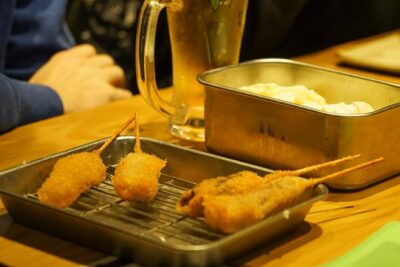
Osaka Local Foodie Walking Tour in Dotonbori and Shinsekai
Read our review →
Eat and Drink Like a Local: Tokyo Ueno Food Tour-Taverns&Ramen
Read our review →Browse the lists this tour appears in