
Reviewed · TSUKIJI & TOYOSU FISH MARKET TOURS
Tsukiji Fish Market: Street Food & Culture Walking Tour
Tsukiji is best understood one bite at a time, and this two-hour walking tour gives you a guide to the market’s food stalls, cooking customs, and working fish trade. You’ll watch a whole fish being filleted, eat a fresh seafood bowl, and step inside Tsukiji Hongwanji Temple.
I like the mix of street food and cultural context, along with the chance to see traditional knife work rather than simply wander past stalls. The small-group format can also give you more time with your guide. The catch is that crowded walkways, waiting between stops, and uneven guide quality can make the tour feel rushed or unorganized.
Key points at a glance
- A fish-cutting demonstration is the tour’s clearest special moment, followed by a fresh seafood bowl.
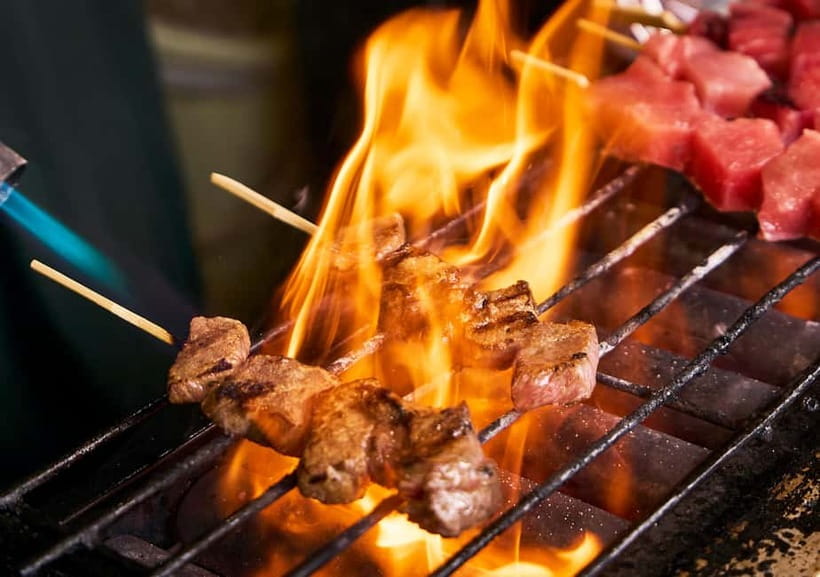
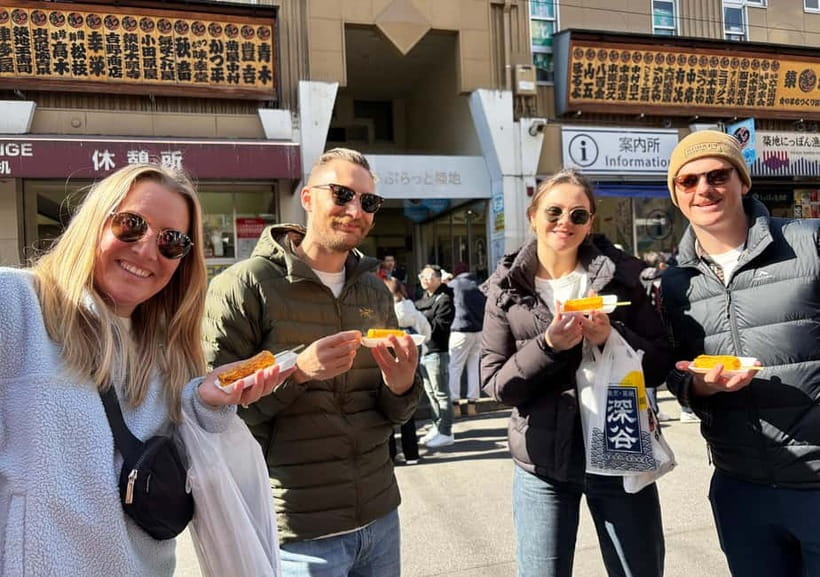
- Street food comes first, with a local guide helping you choose among Tsukiji’s many food stands.
- The tour includes Tsukiji Hongwanji Temple, adding Buddhist culture to the market visit.
- The price is $33.16 per person for about two hours, but meals are not included.
- The group can include up to 30 people, so the small-group label does not always mean an intimate private walk.
- Crowds and guide volume matter, especially during busy periods such as the days around New Year.
Why Tsukiji works better with a guide
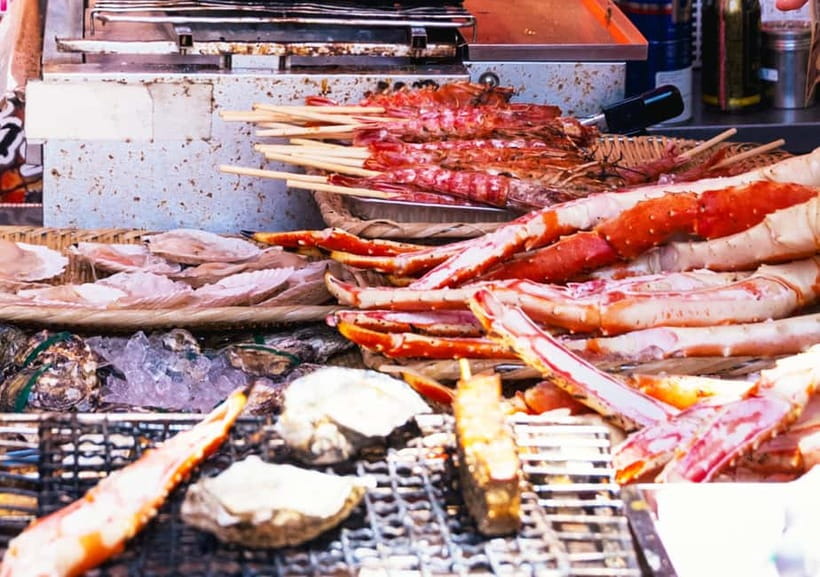
Tsukiji’s outer market, called Tsukiji Jogai Market, is not one single hall with a clear entrance and exit. It is a network of food shops, counters, narrow lanes, professional traders, and stalls selling ingredients used in Japanese cooking.
You can walk through it alone, but a guide helps answer the questions that signs and menus may not. What is that cut of fish? How is it prepared? Which foods are meant to be eaten on the spot? How does a market stall fit into Japanese food culture?
This tour is built around those small explanations. You spend about 45 minutes sampling street food and learning about Japanese ingredients. The food is not just fuel here. It is the way the guide introduces cooking habits, local customs, and Tokyo’s past.
I would choose this tour if you want structure during your first visit to Tsukiji. You do not need to plan which stalls to find or work out how to order at every counter. You can focus on tasting and listening.
The trade-off is control. You are following the guide’s route, so you may pass stalls you would have explored on your own. If you already know Tsukiji well, or prefer a slow wander, the tour may feel restrictive.
Other food tours in Tokyo people book:
- Tokyo: Shinjuku Food Tour (13 Dishes at 4 Local Eateries)
★ 5.0 · 6,603 reviews - Tokyo: Shinjuku Food Tour (15 Dishes and 4 Eateries)
★ 4.9 · 2,033 reviews - Best of Shinjuku: Izakaya Food Tour (4 Stops, 14+ Tastings)
★ 5.0 · 1,863 reviews
Meeting at Tsukiji Hongwanji Temple
The tour starts at Tsukiji Hongwanji Temple, at 3-chome-15-1 Tsukiji. This is a useful meeting point because the temple provides a clear landmark near the market and is close to public transportation.
The temple visit comes at the end of the planned route, but starting at the temple gives the walk a cultural frame. You learn about Buddhism and the temple’s place in Tokyo before moving into the food market. The visit itself lasts about 15 minutes.
Do not expect a long religious tour. This is a short introduction to the building, its appeal, and Japanese Buddhist culture. That may be enough if you want a little context before eating, but it may feel like a minor add-on if your main reason for booking is food.
The temple stop also gives the morning a change of pace. Tsukiji can be noisy and crowded, while the temple offers a more reflective setting. I like that contrast, though the value depends on how much you want from the cultural side of the tour.
Street food in Tsukiji Jogai Market
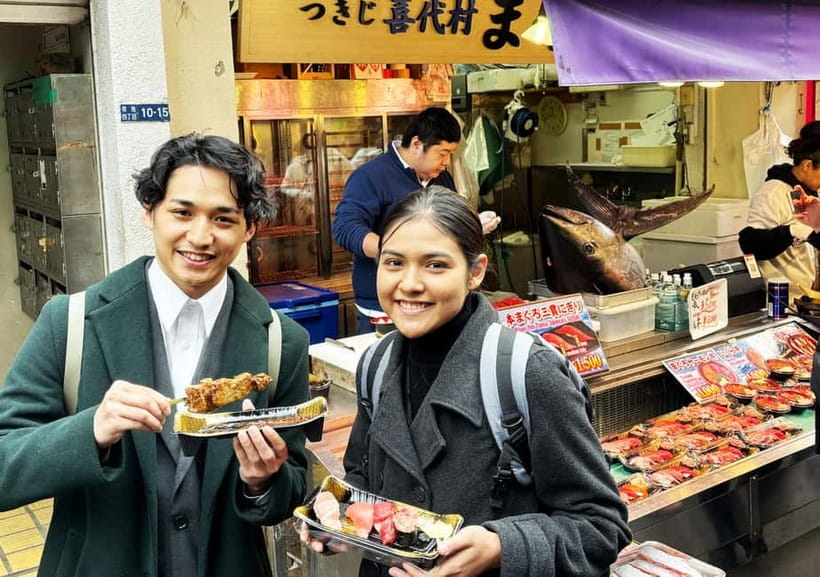
The first main part of the walk takes about 45 minutes in Tsukiji Jogai Market. Your guide leads you through food stalls and helps you explore Japanese street food without having to make every choice alone.
This is where the tour’s local angle matters most. Tsukiji has plenty of tempting counters, but a first-time visitor may not know what is fresh, typical, easy to eat while walking, or worth the price. A guide can point out ingredients and explain how they are used in Japanese cooking.
The food itself is not included in the $33.16 tour price, so bring extra money for anything you want to try. The experience is therefore part guided walk and part pay-as-you-go tasting. That arrangement keeps the tour price low, but it means your final cost depends on how much you eat.
You should also expect stops at food stands rather than a seated meal. This suits you if you like sampling several small items. It is less suitable if you want a full breakfast or a fixed menu with everything covered.
The market’s narrow lanes can slow the group. People stop to buy food, photograph displays, and move around one another. Keep close to the guide, especially if the group is near its maximum size of 30 people.
The fish-cutting demonstration and seafood bowl
The fish-cutting show is the most distinctive part of the tour. A skilled chef fillets a whole fish using traditional techniques, giving you a look at the precision behind Japanese seafood preparation.
This is more than a quick demonstration with a knife. It shows how much care goes into turning a whole fish into usable portions. For anyone interested in sushi, sashimi, Japanese kitchens, or market work, this is the part that gives the tour its strongest sense of place.
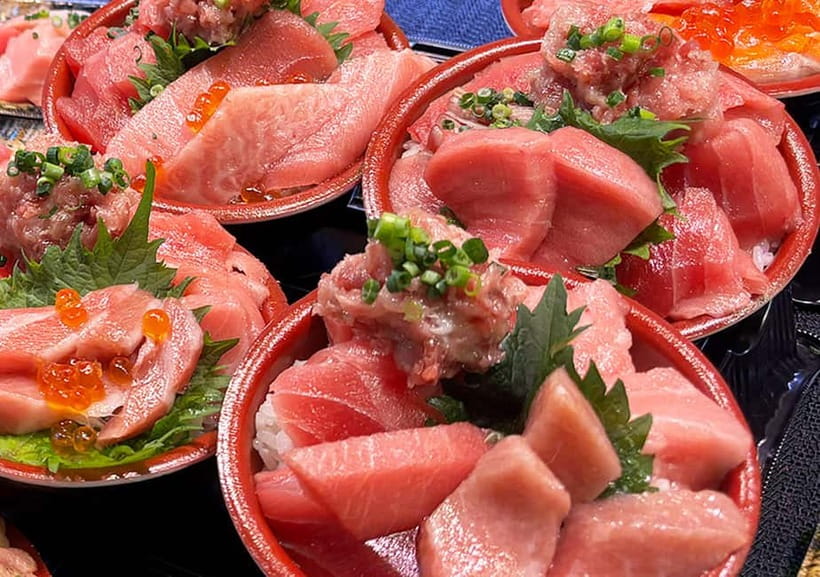
Afterward, you enjoy a fresh seafood bowl. The itinerary allows about 30 minutes for the demonstration and meal. Since meals are listed as not included, confirm the payment arrangement with your guide on the day and budget separately for food.
The seafood bowl helps connect the demonstration to the plate. You see the technique, then eat seafood prepared in the same broad food tradition. That connection is valuable, even if you are not a serious food expert.
There is one practical limitation. The supplied details do not specify the exact fish, toppings, portion size, or substitutions. If you have dietary restrictions, ask before eating rather than assuming the bowl will suit you.
Other walking tours in Tokyo people book:
- Tokyo Tsukiji Fish Market Food and Culture Walking Tour
★ 5.0 · 3,184 reviews - Tokyo: Imperial Palace and Shogun Historical Walking Tour
★ 5.0 · 2,251 reviews - Tokyo: Shinjuku Local Bar and Izakaya Guided Walking Tour
★ 4.9 · 1,794 reviews - Tokyo: Tsukiji Fish Market Food and Walking tour
★ 5.0 · 1,724 reviews
Seeing the working side of Tsukiji
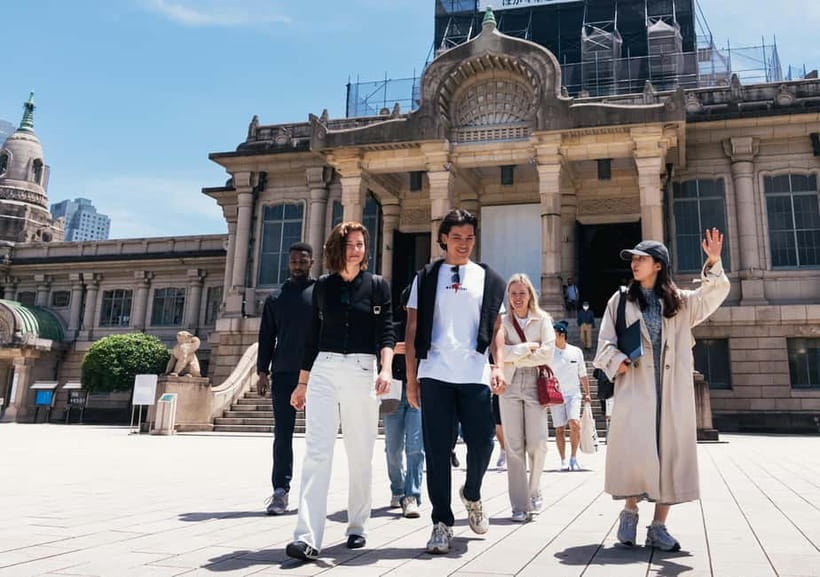
The next 30-minute section returns you to Tsukiji Fish Market, where professional traders work. This part is different from the food-stall experience. You are not only browsing snacks and prepared dishes. You are also seeing the commercial side of the market.
That distinction matters. Tsukiji is famous as a food destination, but it remains connected to people who buy, sell, cut, and distribute seafood. The guide can help explain that working environment and show you how the market functions beyond its tourist appeal.
You should keep your expectations realistic. This is not described as an early-morning wholesale auction or a behind-the-scenes access program. It is a guided look at the market where professional traders operate.
The pace may also be affected by the time of day and crowd levels. A stop that feels easy on a quiet morning can become hard to follow when lanes fill up. One poor experience involved a guide who did not always wait for the group, so stay alert and make sure you can hear where the group is heading.
What the two-hour timing means
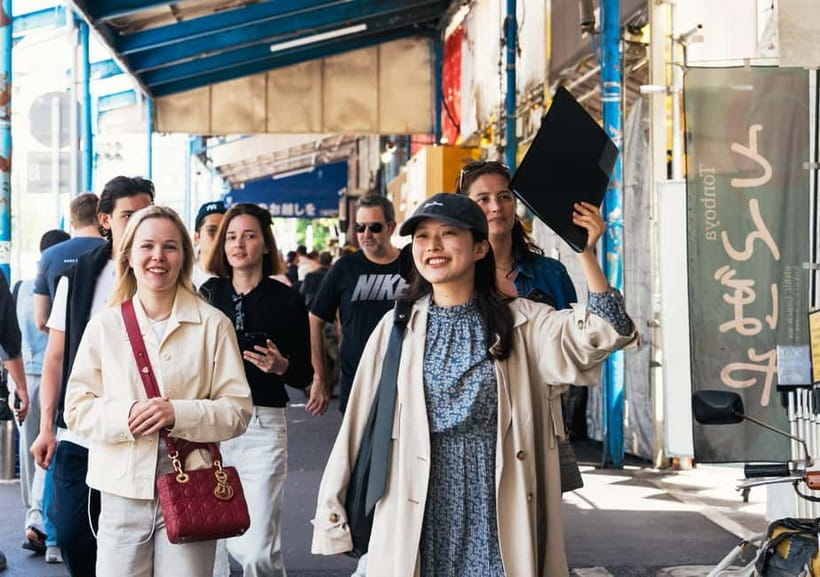
The tour lasts about two hours, divided among the market food walk, fish-cutting demonstration and bowl, working market area, and temple.
That is a good length for a first introduction. You get a clear sample of Tsukiji without giving up half a day in Tokyo. It also works well early in a trip, when you want orientation before returning to the market on your own.
The schedule is fairly full. About 45 minutes goes to street food, 30 minutes to the demonstration and bowl, 30 minutes to the working market, and 15 minutes to the temple. That leaves little spare time for long questions, independent shopping, or lingering at a favorite stall.
Some people may find the stopping and waiting frustrating. Market tours naturally pause while the guide gathers the group or waits for food service. If you want a smooth, continuous walk, the format may feel choppy.
I would think of the two hours as an introduction, not a complete study of Tsukiji. You are getting a guided sampler. Plan to return alone if you discover a shop or food that deserves more time.
Group size, access, and guide quality
The tour is described as small-group, with a maximum of 30 participants. That number can be manageable, but it is not necessarily intimate. A group of 30 needs clear instructions and a guide who speaks loudly enough for everyone to hear.
Guide quality appears especially important here. Guides named George and Tomo are associated with particularly strong experiences, including clear explanations of food, history, and culture. Your assigned guide may differ, so treat those names as examples rather than a guarantee.
The tour is wheelchair and stroller accessible, which is a useful feature for families and visitors with mobility needs. Still, a market with narrow lanes and crowds can require patience. Accessibility does not mean every moment will feel spacious or effortless.
Most people can participate, and the tour is near public transportation. The meeting and return point are both at Tsukiji Hongwanji Temple, which simplifies the day’s planning.
The experience requires good weather. If poor weather cancels the tour, you are offered another date or a full refund. For a market walk, this matters because much of the route takes place outside.
Is $33.16 good value?
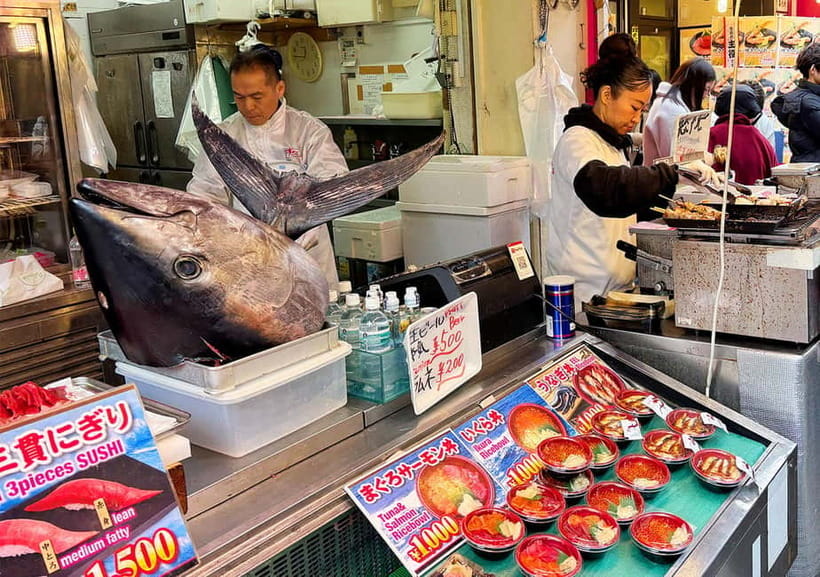
At $33.16 per person, the price is reasonable if you use the guide for orientation, food advice, and cultural explanation. The fish-cutting demonstration adds something you would not necessarily get from simply walking through the market. The temple stop gives the outing a broader Tokyo context.
The value is less clear if you mainly want to browse stalls. Tsukiji’s outer market is free to enter, and meals are not included. A confident visitor who enjoys researching food and navigating markets alone may prefer to spend the $33.16 on food.
Your real cost is the tour price plus whatever you eat. That is not a problem, but plan for it. The tour is not an all-inclusive tasting package.
I see the strongest value for first-time visitors, solo visitors who want help choosing food, and anyone curious about Japanese ingredients but unsure how the market works. Families may also appreciate the structure, provided everyone can manage the walking and crowds.
Handling crowds and making the morning easier
Tsukiji can become hectic, particularly around major holiday periods. One difficult experience came during the busy days near New Year, when the group had trouble staying together and some stalls were skipped.
You can improve your chances by staying close to the guide, keeping questions brief while moving, and letting the guide know early if you cannot hear. Wear comfortable shoes and keep your belongings compact. The supplied information does not specify a dress code or storage facilities, so avoid relying on either.
If direct sun is a concern, raise it before the walk begins and ask how the route will handle it. One poor experience involved too much time in the sun despite a request for shade. The guide may be able to adjust, but you should not wait until you are uncomfortable.
Bring a phone with the mobile ticket ready. Confirmation is provided at booking, and the tour accepts mobile tickets. The starting point is easy to identify because it is the main hall of Tsukiji Hongwanji Temple.
Who should book this Tsukiji tour?
I would book it for a first visit to Tokyo when you want food, a little history, and a guided introduction without spending a full day. It is especially useful if Japanese food stalls feel confusing or if you want to learn what you are eating rather than simply point at a menu.
You may also like it if the fish-cutting demonstration sounds appealing. That is the tour’s most unusual feature, and the seafood bowl gives it a satisfying follow-up.
I would skip it if you prefer independent exploration, dislike group pacing, or expect a full meal and extensive historical commentary. Some people found the temple portion modest and the market stops more focused on eating than on detailed history.
The 99 percent recommendation rate and 5 out of 5 rating from 669 reviews suggest that the format works very well for many visitors. Still, the lower-rated experiences point to real concerns: crowded conditions, quiet guides, waiting, and limited depth in the history. At $33.16, the risk is fairly modest, but your enjoyment will depend heavily on the guide and the market conditions that day.
Book it if you want an easy, food-centered introduction. Skip it if you already know Tsukiji and would rather spend the morning choosing your own stalls.
FAQ
How long is the Tsukiji Fish Market tour?
The tour lasts approximately two hours.
How much does the tour cost?
The listed price is $33.16 per person.
Are meals included in the tour price?
No. Meals are not included, so you should budget separately for street food and the seafood bowl.
Where does the tour start?
It starts at Tsukiji Hongwanji Temple, at 3-chome-15-1 Tsukiji, Chuo City, Tokyo 104-0045, Japan.
Where does the tour finish?
The activity ends back at the meeting point.
Is the tour wheelchair and stroller accessible?
Yes. The tour is described as wheelchair and stroller accessible.
How large can the group be?
The tour can have a maximum of 30 participants.
What does the fish-cutting portion include?
You watch a skilled chef fillet a whole fish using traditional techniques, followed by a fresh seafood bowl.
Does the tour include Tsukiji Hongwanji Temple?
Yes. The tour includes about 15 minutes inside the temple with an explanation of Japanese culture and Buddhism.
Can I cancel for a full refund?
Yes, if you cancel at least 24 hours before the experience start time. Cancellations made less than 24 hours before the start time are not refunded, and changes within that period are not accepted. If poor weather cancels the tour, you are offered another date or a full refund.
More food tours elsewhere in Japan
- Tokyo Night Foodie Tour in Shinjuku – Seasonal Sushi, Wagyu Beef
★ 5.0 · 1,161 reviews - Eat and Drink Like a Local: Tokyo Ueno Food Tour-Taverns&Ramen
★ 5.0 · 957 reviews - Tokyo: Shibuya Food Tour (13 dishes and 4 Eateries)
★ 5.0 · 770 reviews - Best of Shibuya Food Tour
★ 5.0 · 612 reviews
More fish market tours in Tokyo
- Tokyo: Tsukiji Fish Market Guided Walking Tour
★ 4.9 · 1,397 reviews - Tokyo Sushi Making Class in Tsukiji with Professional Chef
★ 5.0 · 1,177 reviews - Tsukiji Fish Market Guided Tour and Sushi Making with Pro Chef
★ 5.0 · 775 reviews - Tokyo: Tsukiji Fish Market Food and Culture Walking Tour
★ 4.7 · 757 reviews
Just added in Tokyo
- Japanese Whisky Hunting《HIGH-QUALITY-ONLY》Rare Tasting Class★ 5.0 · 20 reviews
- Luxury Tokyo Sake, Cocktail, Whisky and Pairing Tour★ 5.0 · 18 reviews
- Wagyu & Sake Pairing in Shinjuku – Steak, Shabu-Shabu & More★ 5.0 · 112 reviews
- Small-Group Wagyu Beef and 7 Japanese Dishes Tokyo Cooking Class★ 5.0 · 190 reviews
- Nikko: Edo Wonderland Edomura Cultural Theme Park Ticket★ 4.3 · 205 reviews
- 《MEMBERS-ONLY-BAR-HOPPING》Discover Your Special Whiskey in Tokyo!★ 5.0 · 29 reviews
- From Tokyo: Private Tour to Fuji/Hakone – Onsen, Art, Nature★ 5.0 · 116 reviews
- Tokyo: KABUKI Show at Kabukiza Theatre Admission Ticket★ 4.8 · 152 reviews
Tsukiji & Toyosu Fish Market Tours, compared.
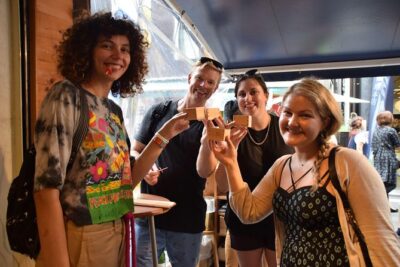
Tokyo Tsukiji Fish Market Food and Culture Walking Tour
Read our review →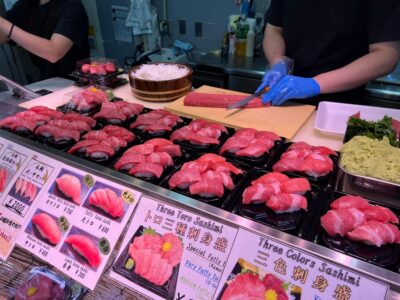
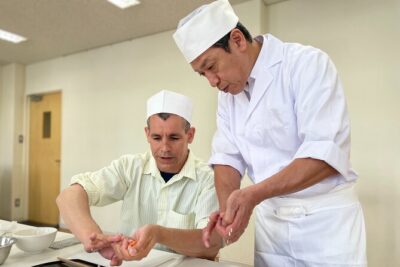
Tokyo Sushi Making Class in Tsukiji with Professional Chef
Read our review →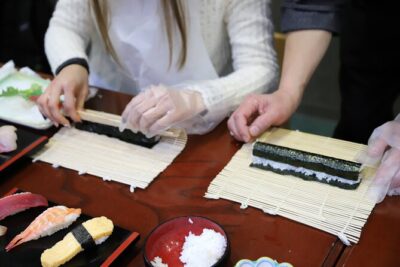
Tsukiji Fish Market Guided Tour and Sushi Making with Pro Chef
Read our review →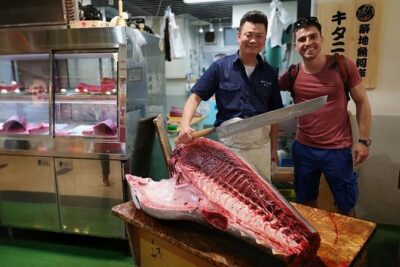
Tsukiji Fish Market Small-Group Food Walking Tour
Read our review →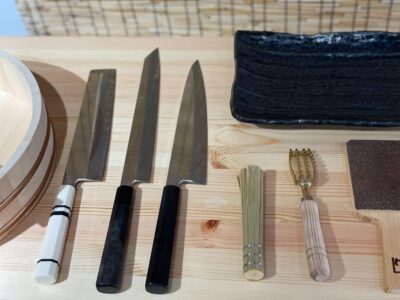
Tsukiji Fish Market Sushi Making Class with Pro Chef
Read our review →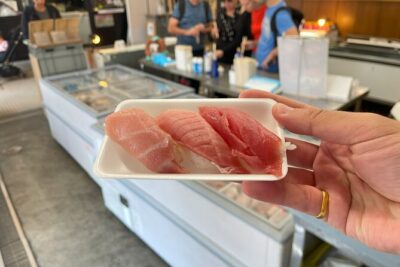
Tokyo Food Tour Taste Fresh Delights at Tsukiji Market
Read our review →
Tokyo Tsukiji Fish Market Tour and Sushi Making Lesson
Read our review →Browse the lists this tour appears in