Reviewed · TOURS IN TOKYO
Tokio A: Tour de la ciudad en Español – Spanish
Tokyo shows its best trick on this eight-hour route: it moves from ancient Sensō-ji to neon-lit Kabukichō in one long, well-planned day. I like the Spanish-speaking format and the practical advice from guides such as Nikita, Camila, and Emi. I also like the mix of temple, park, market, viewpoint, and nightlife district.
The main drawback is the pace. You cover several neighborhoods, use trains and subways, and spend much of the day on your feet. Transportation costs about 400 yen, while lunch and drinks are extra.
Key points at a glance
- Sensō-ji begins the day with Tokyo’s traditional side, including a two-hour guided visit in Asakusa.
- Ameyoko adds everyday Tokyo, with an open-air market atmosphere after your time in Ueno Park.
- Shinjuku supplies the city views, although the planned viewpoint may change to Ebisu if needed.
- Kabukichō finishes the route in neon, with karaoke bars, restaurants, gaming stores, and the Golden Gai area.
- Spanish guidance is the main advantage, with personal tips for continuing your trip after the tour.
- Public transport keeps the route local, but you should be comfortable changing neighborhoods by train and walking.
From Sensō-ji’s gate to Tokyo’s neon
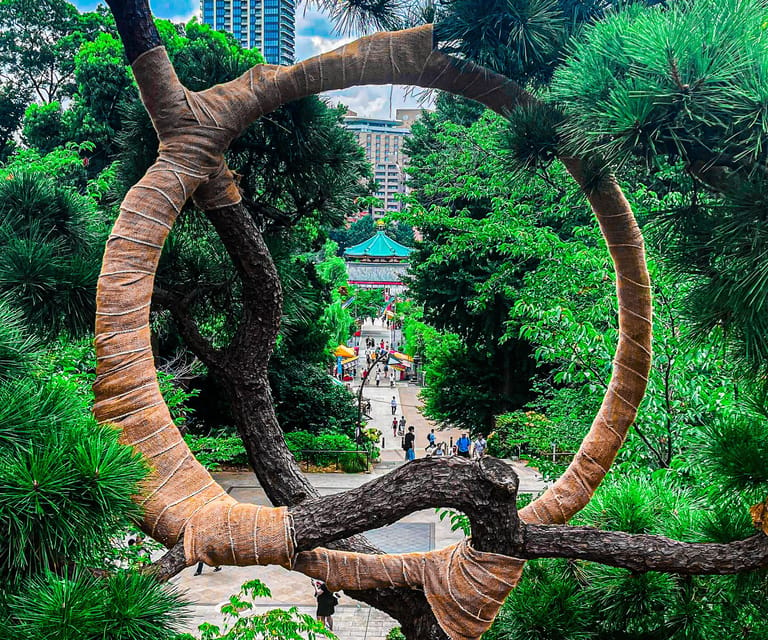
The route starts in Asakusa, one of the best places in Tokyo to see old and new Japan close together. You meet in front of the Asakusa Tourist and Cultural Information Center, where your guide carries identification marked NIPONEANDO.
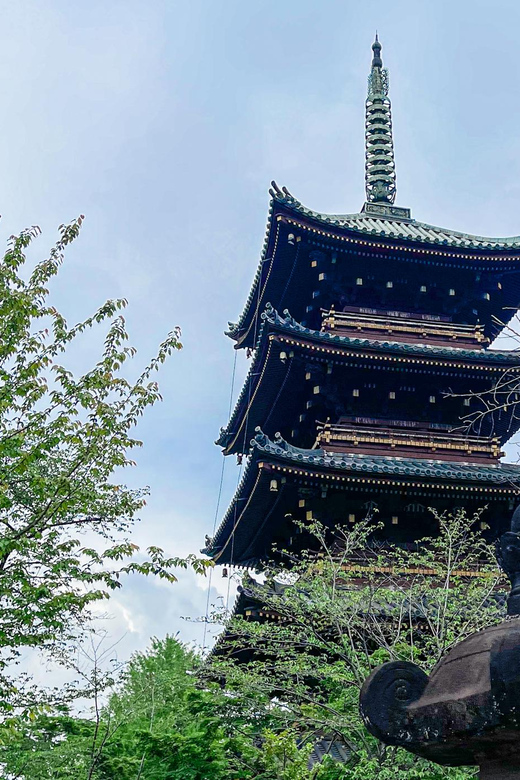
The first stop is Sensō-ji, one of Tokyo’s most famous temples. You have about two hours here with your guide, enough time for more than a quick photograph at the entrance. A Spanish explanation can make a real difference at a temple complex, especially if you want to understand what you are seeing rather than simply pass through it.
Asakusa is a sensible starting point because it gives the day a clear cultural anchor. The tour then shifts toward parks, markets, high-rise views, and nightlife. You get a useful sense of Tokyo as a city of contrasts, instead of seeing only the polished modern center.
The meeting point is easy to identify, but you need to arrive there yourself unless you have selected an option with hotel pickup. Even hotel pickup uses public transportation, so it is not a private car service.
Other experiences people book in Tokyo:
- Mt Fuji and Hakone 1-Day Bus Tour Return by Bullet Train
★ 5.0 · 26,383 reviews - 1-Day Tokyo Bus Tour
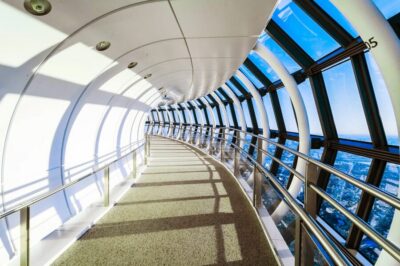
★ 5.0 · 14,250 reviews - Tokyo: TOKYO SKYTREE® Admission ticket
★ 4.5 · 11,192 reviews
Ueno Park and the city’s public side
From Asakusa, the group takes the subway for about 10 minutes to Ueno. This is a short transfer, but it is still part of the experience. You are not sealed inside a tour vehicle all day. You see how Tokyo’s transport system connects its older districts with major public spaces.
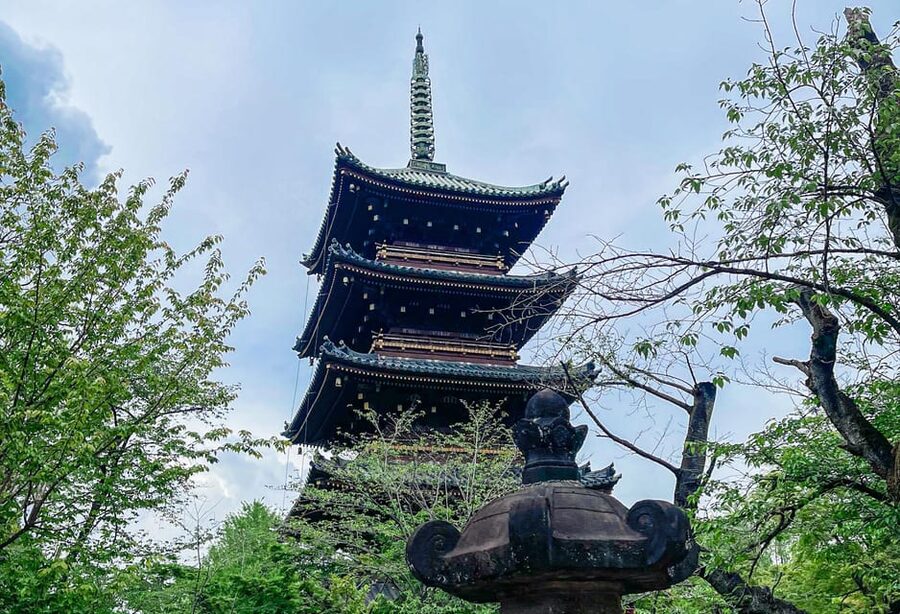
Ueno Park receives about 90 minutes of guided time. The park is one of Tokyo’s best-known open spaces, and its role in the tour is different from Sensō-ji. The temple presents formal tradition and religious spaces. Ueno gives you a broader look at how people use a central city park.
The schedule allows enough time to walk and listen without turning Ueno into a rushed photo stop. Still, this is a full-day route, so you should not expect an unhurried afternoon in every district. If you enjoy careful exploration of one neighborhood, a private or shorter tour may suit you better.
Lunch and Ameyoko’s everyday Tokyo
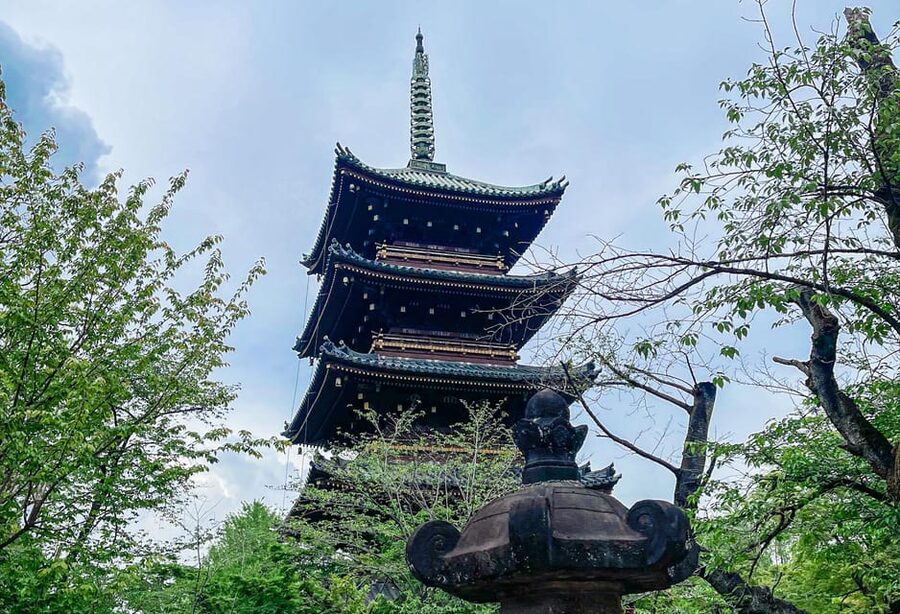
Lunch lasts about 80 minutes in Ueno. Food is not included, which gives you control over what and how much you eat, but you should budget separately for the meal and drinks.
After lunch, the tour visits Ameyoko market. This is one of the more useful stops for seeing Tokyo outside its major temples and observation decks. The market has an atypical, energetic character, and it brings a more ordinary commercial side of the city into the day.
I like this part of the route because it breaks up the large landmarks. You move from a temple and park into a market district, where the appeal comes from street life and browsing rather than one famous monument. Your guide can help explain what you are seeing and point out useful ideas for the rest of your trip.
Keep your bags small. Large bags and luggage are not allowed on the tour, a sensible rule when you are moving through public transport and crowded city areas. A compact day bag is the practical choice.
Shinjuku and the changing viewpoint plan
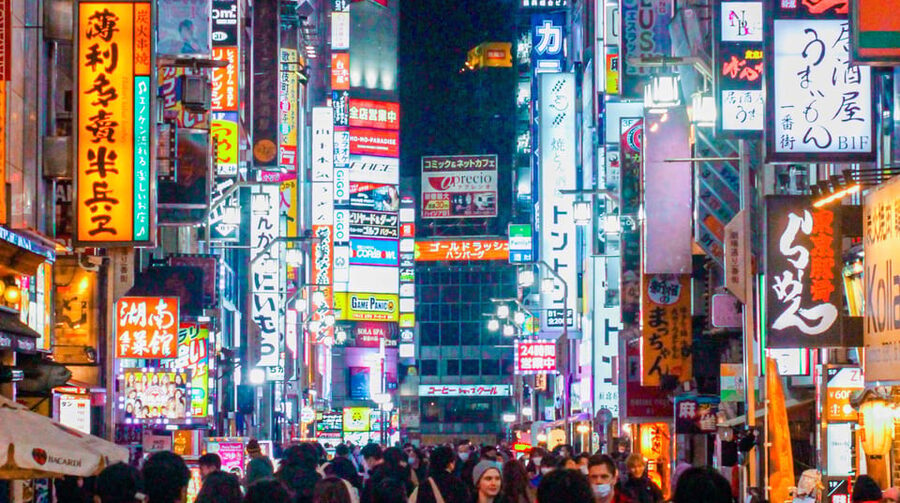
After Ueno, you take a train for about 25 minutes to Shinjuku. This is the longest listed transfer of the day, and it gives you a clear change of mood. Shinjuku is one of Tokyo’s major modern districts, known for tall buildings, bright signs, and a constant flow of city life.
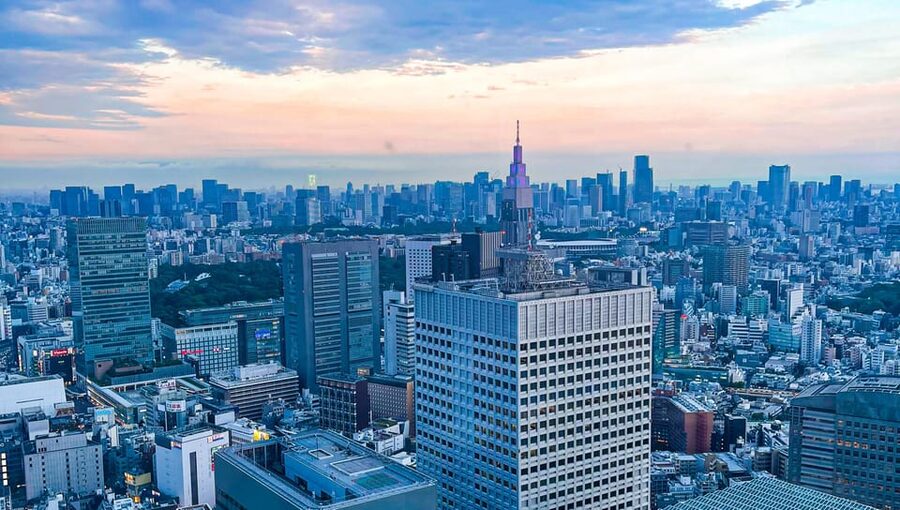
The guided visit here lasts around 90 minutes. A major goal is reaching one of the city’s best viewpoints. The original plan is a Shinjuku viewpoint, but the tour may switch to the Ebisu viewpoint if the planned location is closed.
That flexibility is useful, but you should not book this expecting one guaranteed observation deck. The appeal is the chance to see Tokyo from above, while the exact location depends on access on the day. Ebisu is not a like-for-like promise of the original viewpoint, so this is worth noting if the view is your top reason for booking.
The guide’s Spanish commentary can also help put the size of Tokyo into context. After visiting temples, parks, and markets at street level, a high viewpoint gives you a different sense of the city’s scale.
Same base, a different sort of day:
- Tokyo: teamLab Planets TOKYO Digital Art Museum Entry Ticket
★ 4.6 · 9,779 reviews - Mt Fuji & Hakone Cruise, Drum Show Bullet Train 1 Day from Tokyo
★ 4.0 · 7,413 reviews - Tokyo: Sumo Show Experience with Chicken Hot Pot and a Photo
★ 4.8 · 6,678 reviews - Tokyo: Shinjuku Food Tour (13 Dishes at 4 Local Eateries)
★ 5.0 · 6,603 reviews
Kabukichō after dark, even in a daytime schedule
The final neighborhood is Kabukichō, reached on foot in about 10 minutes from the Shinjuku portion of the route. The guided visit lasts about 50 minutes and ends at Kabukichō Theater.
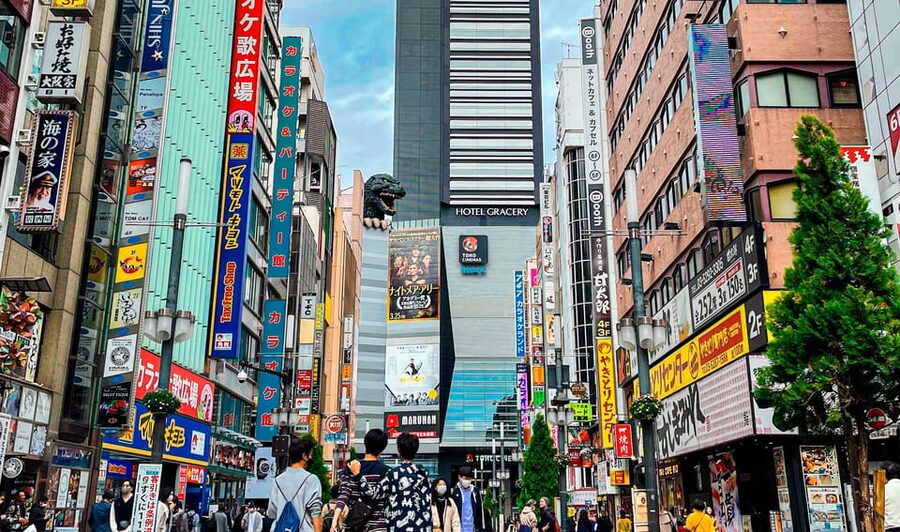
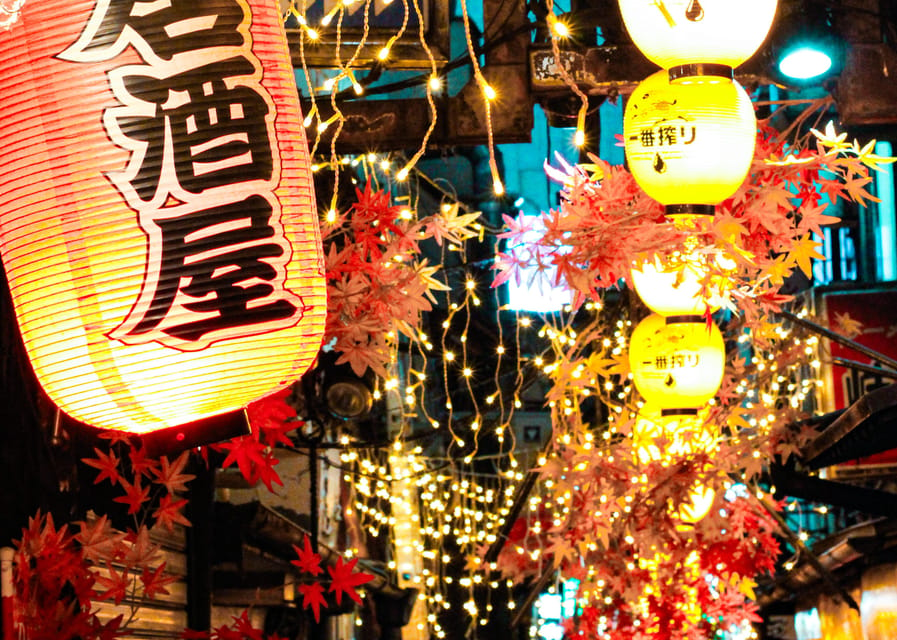
Kabukichō is known as Tokyo’s red-light district, but the area also includes karaoke bars, ordinary bars, restaurants, gaming stores, and the famous Golden Gai area. Its bright facades and dense nightlife atmosphere provide a strong finish to a day that began at a temple.
This stop is less about entering every venue and more about understanding the district’s public face. You can see how Tokyo’s entertainment quarters use signs, narrow lanes, and intense lighting to create a very different setting from Asakusa.
The tour ends here rather than returning you to the starting point. That is convenient if you plan to continue your evening in Shinjuku. It also means you should think about your next move before the day begins. You will finish in a busy district, not at your hotel.
What the Spanish guide adds
The biggest reason to choose this tour is the language. The guide leads the full day in Spanish, from Sensō-ji through Kabukichō, so you can ask questions and receive explanations without switching languages.
The guide also gives recommendations for the rest of your Japan trip. That can be especially helpful early in a Tokyo visit, when you still need practical ideas about what to see, where to eat, and how to use the city’s public transport.
The guides named in the feedback include Nikita, Camila, and Emi. Nikita was praised for being kind, attentive, polite, and helpful throughout the day. Camila was singled out for giving useful tips and covering temples, parks, markets, and other distinctly Japanese places. Emi was praised for communicating well, meeting a group at its hotel, and adjusting the route with flexibility.
Those details point to an important benefit: the tour is not only a fixed sequence of stops. The quality of your day will depend partly on your guide and group, but the service is designed to feel close and friendly rather than formal and distant.
A private group is available if you want more control. The private option can also include hotel pickup when selected, although the pickup still takes place by public transport. If you add the earlier 9:00 start to the private tour, the day ends one hour earlier, at 17:00.
Eight hours on foot and by public transport
The schedule is clear:
- Sensō-ji: about two hours
- Subway to Ueno: about 10 minutes
- Ueno guided visit: about 90 minutes
- Lunch in Ueno: about 80 minutes
- Train to Shinjuku: about 25 minutes
- Shinjuku guided visit: about 90 minutes
- Walk to Kabukichō: about 10 minutes
- Kabukichō guided visit: about 50 minutes
This adds up to a demanding but varied day. You should expect regular walking, station transfers, and time on your feet. The tour is wheelchair accessible, but the public transport format means you should still consider how comfortable you are with moving between different parts of Tokyo.
The route makes good use of your time. You see four major areas without spending the whole day inside a bus. The tradeoff is that each district receives only a set amount of time. You will get an introduction to many parts of Tokyo, not a slow study of one neighborhood.
The separate entrance and skip-the-line arrangement can also help keep the day moving, although the exact value depends on conditions at each stop. The tour’s strength is its structure and local guidance, not simply avoiding every wait.
Is $96 a fair price?
At $96 per person, the value depends on what you want from a city tour. You are paying for eight hours of Spanish-speaking guidance, a broad route across Tokyo, local advice, and help connecting several districts in one day.
You still pay about 400 yen for transportation, and lunch and drinks are not included. That makes the true day cost higher than the advertised tour price. On the other hand, you are not paying for a private vehicle, and public transport is part of the way Tokyo works.
I consider the price reasonable for someone who wants Spanish explanations and does not want to plan the route alone. It is less compelling if you are already comfortable using Tokyo trains, reading maps, and researching each stop yourself.
The private option changes the calculation. You pay more if you add the supplement, but you gain a more personal format and possible hotel pickup. That may be worthwhile for a family, a first-time visitor, or anyone who wants the guide to adjust the rhythm.
Who will enjoy this Tokyo day?
This tour fits you best if you want a first broad look at Tokyo with a Spanish-speaking guide. It is particularly useful if you want tradition, public spaces, markets, high-rise views, and nightlife in one day.
It also suits people who appreciate practical help. The guides are expected to offer recommendations for the rest of your trip, and the route shows you several districts that can help you decide where to return later.
The tour may be less suitable if you want a quiet day, dislike public transportation, or prefer spending several hours in one temple or museum. It is also not suitable for unaccompanied minors, and people with hearing impairments should note that the activity is not recommended for them.
Families should pay attention to the walking and transfer demands. The tour is wheelchair accessible, but the full day still involves movement through stations and busy city neighborhoods.
Small details that make the day easier
Arrive at the Asakusa Tourist and Cultural Information Center meeting point with enough time to find the guide. Look for the NIPONEANDO identification hanging from the guide.
Bring a small bag only. Large luggage is not allowed, and the route works better when you can move easily through stations and markets.
Plan to buy lunch in Ueno. The 80-minute break gives you time to eat, but the food is your responsibility. Keep extra money available for drinks and the 400 yen transport cost.
Wear shoes suited to walking. The tour description does not promise a slow pace, and the day includes several neighborhoods, public transport transfers, and a final walk to Kabukichō.
If the Shinjuku viewpoint is closed, expect the guide to use the Ebisu viewpoint instead. This is a practical change, not a guarantee of the original view.
Cancellation is free up to 24 hours before the start, and you can reserve now and pay later. Those terms help if your Tokyo schedule is still changing.
Should you book Tokio A?
Book it if you want a Spanish-speaking introduction to Tokyo that connects old Asakusa with modern Shinjuku and nightlife-focused Kabukichō. The route is varied, the guides provide useful trip advice, and the feedback is especially strong for kindness, communication, flexibility, and personal help.
Skip it if you want a slow, specialist visit to one district or if public transport and a full day of walking sound tiring. Also remember that the viewpoint can change, lunch and drinks cost extra, and the tour ends in Kabukichō rather than returning you to your hotel.
For many Spanish-speaking visitors, the real value is simple: you can spend one organized day learning how Tokyo fits together, then use the guide’s recommendations to explore the city on your own.
FAQ
Is the tour conducted in Spanish?
Yes. The live guide conducts the tour in Spanish.
How long does the tour last?
The tour lasts eight hours. Check the available start times when booking.
Where does the tour meet?
The meeting point is in front of the entrance to the Asakusa Tourist and Cultural Information Center. The guide carries identification marked NIPONEANDO.
Does the tour include hotel pickup?
Hotel pickup is available when you add the supplement or select the private tour option. Pickup takes place using public transportation.
Is transportation included?
Transportation is not included. The listed transportation cost is about 400 yen.
Is lunch included?
No. Food and drinks are not included. The schedule allows about 80 minutes for lunch in Ueno.
What happens if the Shinjuku viewpoint is closed?
The viewpoint may be changed to the Ebisu viewpoint if the planned Shinjuku viewpoint is closed.
Is the tour wheelchair accessible?
Yes, the activity is listed as wheelchair accessible. It is not suitable for people with hearing impairments, and unaccompanied minors are not allowed.
Just added in Tokyo
- The 10 Tastings of Tokyo With Locals: Private Street Food Tour★ 5.0 · 48 reviews
- Small Town in the Big City: Tasting Tokyo’s Kichijoji★ 5.0 · 195 reviews
- Small Town in the Big City: Tasting Tokyo’s Kichijoji★ 5.0 · 16 reviews
- EXCLUSIVE Tokyo Secret: Kichijoji Small-Group Food & Bar Hopping★ 5.0 · 29 reviews
- Explore Kichijoji: Walk Through One of Tokyo’s Beloved Districts★ 5.0 · 21 reviews
- :Tokyo,Shibuya/ Pro Photography in Kimono / English-Friendly★ 5.0 · 26 reviews
- 【R34】Tokyo:Private Daikoku tour in Modified R34★ 4.9 · 92 reviews
- Tokyo:Calligraphy &Make your original folding fan in Asakusa★ 5.0 · 62 reviews
Tours in Tokyo, compared.
Mt Fuji and Hakone 1-Day Bus Tour Return by Bullet Train
Read our review →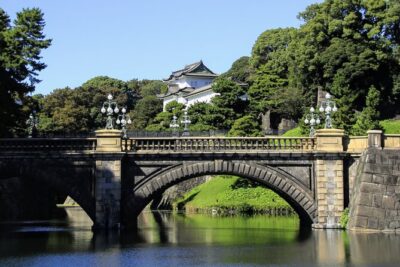
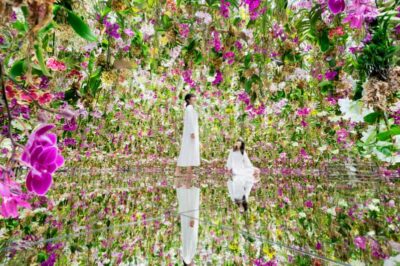
teamLab Planets TOKYO Digital Art Museum Entry Ticket
Read our review →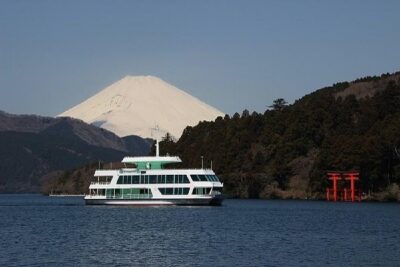
Mt Fuji & Hakone Cruise, Drum Show Bullet Train 1 Day from Tokyo
Read our review →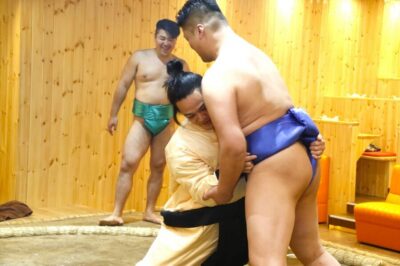
Sumo Show Experience with Chicken Hot Pot and a Photo
Read our review →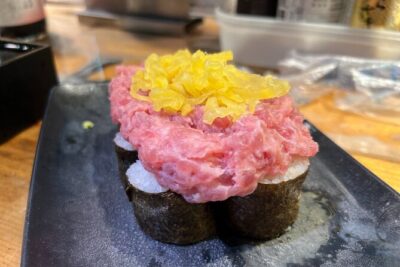
Shinjuku Food Tour (13 Dishes at 4 Local Eateries)
Read our review →