
Reviewed · TOURS IN TOKYO
Tokyo Customized Private Tour (Must See Places in 1 Day)
Tokyo is easier to enjoy when someone helps you choose, connect, and move between its very different districts. This private tour can pair Senso-ji and Meiji Jingu with Akihabara, Shibuya, a garden, or a local meal, then adjust the pace as your day unfolds. Guides including Akari, Lax, Yosuke, Ken, and others have helped guests shape the experience around food, anime, temples, children, or train travel.
I especially like the hotel meeting option and the practical transport help. A guide can show you how to use Tokyo’s rail system, point out small details at shrines, and suggest places to return to later. The main consideration is that transportation, food, drinks, and some admissions cost extra, and a full list of Tokyo sights cannot be seen properly in only a few hours.
Key points to know before booking
- Your day is built around your interests: Select temples, gardens, shopping, anime, food, modern Tokyo, or a mix.
- The guide can teach you the trains: Several guides have helped guests learn stations, lines, and routes for the rest of their trip.
- Hotel pickup is available: You can meet at your accommodation instead of finding a starting point across town.
- The tour works for different ages and needs: Guides have adjusted days for children, vegan diets, and celiac-safe food requests.
- Expect walking plus public transport: A private vehicle is optional, but train fares for you and your guide are not included.
- The price buys flexibility, not attraction tickets: At $145.91 per person, the value depends heavily on group size, hours, and how much planning help you need.
Why a private Tokyo day can work so well
Tokyo is not one sightseeing zone. It is a collection of districts, each with a different mood and purpose. A temple morning in Asakusa, an anime stop in Akihabara, a garden near Ginza, and an evening around Shibuya are all possible, but they do not naturally fit into one neat walking route.
That is where this experience earns its keep. You are not tied to a fixed group schedule or a single subject. You can ask for old Tokyo, modern Tokyo, family-friendly stops, shopping, food, photography, or a first lesson in the railway system. The guide then helps shape a sensible day from those requests.
The advertised duration ranges from two to eight hours, so you need to be clear about the time you want. A two-hour outing is best for one compact area and an introduction. Four hours can cover a few connected stops. An eight-hour day gives you more room for cross-city travel, lunch, and a proper mix of sights, though Tokyo’s distances and crowds still require choices.
The strongest use of this tour is often at the beginning of a visit. After one day with a guide, you can know which neighborhoods deserve a return visit, how to read the train system, and where to look for food. One guest booked the tour soon after arriving for exactly this reason, using the day to get oriented before exploring independently.
Other experiences people book in Tokyo:
- Mt Fuji and Hakone 1-Day Bus Tour Return by Bullet Train
★ 5.0 · 26,383 reviews - 1-Day Tokyo Bus Tour
★ 5.0 · 14,250 reviews - Tokyo: TOKYO SKYTREE® Admission ticket
★ 4.5 · 11,192 reviews
Building the right itinerary from Tokyo’s many choices
The tour menu includes 14 possible stops, but you should not treat that as a promise to visit every one. Fifteen minutes at each place would give you only a quick photograph, not a meaningful visit, and travel time between districts takes a large part of the day.
Instead, choose two or three themes. A first visit might combine Asakusa, Meiji Jingu, and Shibuya. A family interested in Japanese pop culture could focus on Akihabara, Takeshita Street, and Shibuya. A slower day might pair Senso-ji with Hamarikyu Gardens and a traditional meal.
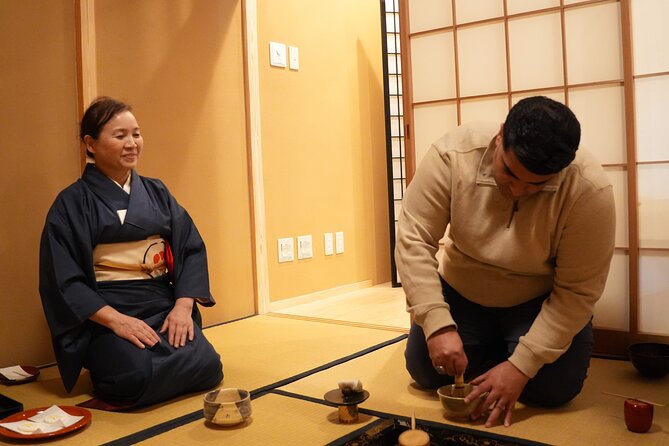
Tell the company what matters before the tour. Dietary needs are worth mentioning early. Guides have helped arrange vegan ramen and locate food suitable for a person with celiac disease. If you want a tea experience, a shrine visit, or instruction on trains, say so rather than hoping it appears by chance.
The private format also makes it easier to change direction. Guides such as Akari, Lax, Yosuke, and Ken have been praised for adjusting the route, answering questions, and adapting explanations for children. That flexibility is far more useful than a long list of stops you barely have time to see.
Senso-ji and Asakusa: the best starting point for old Tokyo
Senso-ji is one of Tokyo’s essential temple visits, and Asakusa gives you a traditional setting around it. You can expect a walk through the temple area and the surrounding old-style town streets, with your guide explaining customs and pointing out details that are easy to miss when you are on your own.
This is a good choice for first-time visitors who want an immediate sense of Japanese religious culture. It also works well for families because the area offers a clear visual introduction to Tokyo without requiring a long museum visit.
The itinerary lists Senso-ji and Asakusa separately, but they are really one natural cluster. Do not spend time treating them as two far-apart attractions. Ask your guide to explain the temple visit, the district, and any customs you want to understand.
The drawback is crowding. Senso-ji is famous, and the approach can feel busy. A short stop may cover the main impression but not leave much time for a quiet look or extended shopping. If the temple is a priority, give it more than the suggested 15-minute listing.
Akihabara: electronics, anime, manga, and games
Akihabara, known as Electric Town, is the place to choose if Tokyo’s technology and pop culture interest you more than its formal monuments. The district is associated with electronics, anime, manga, and video games, so it can be a strong contrast to Asakusa or Meiji Jingu.
A guide is useful here because the area can seem like a wall of signs and shops if you do not already know what you want. Tell your guide whether you are interested in electronics, anime, manga, games, or simply seeing the district’s atmosphere.
Akihabara is not the best fit for every visitor. If your time is short and your priority is Japanese history, use those hours for a shrine, temple, or garden instead. If you are traveling with children or enthusiasts, though, this may be the stop that gives the day its most personal character.
Same base, a different sort of day:
- Tokyo: teamLab Planets TOKYO Digital Art Museum Entry Ticket
★ 4.6 · 9,779 reviews - Mt Fuji & Hakone Cruise, Drum Show Bullet Train 1 Day from Tokyo
★ 4.0 · 7,413 reviews - Tokyo: Sumo Show Experience with Chicken Hot Pot and a Photo
★ 4.8 · 6,678 reviews - Tokyo: Shinjuku Food Tour (13 Dishes at 4 Local Eateries)
★ 5.0 · 6,603 reviews
Tsukiji Jogai Market: food advice with extra costs
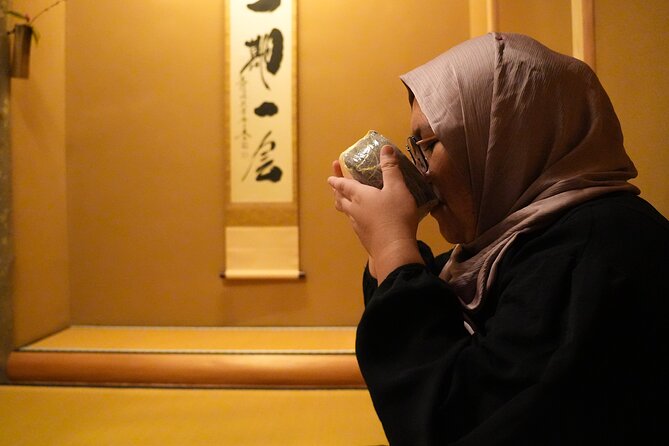
Tsukiji’s outer market remains a popular place for fresh seafood and Japanese cooking. The former wholesale fish market moved in 2018, but the outer market area continues to attract people looking for food and market atmosphere.
This stop makes sense if eating is a major part of your Tokyo plans. A guide can help you understand what you are seeing and make the visit feel less random, particularly if you have dietary restrictions or want local cuisine suggestions.
Food is not included, and you pay for your own meal as well as the guide’s food if you choose to eat together. That is worth planning for in your budget. The listed 15-minute stop is also too brief for a proper market visit and meal, so ask for more time if Tsukiji is one of your main goals.
Shibuya Crossing and Harajuku’s Takeshita Street
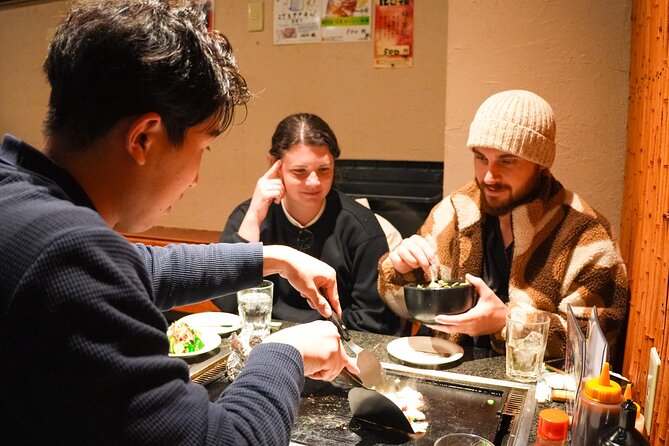
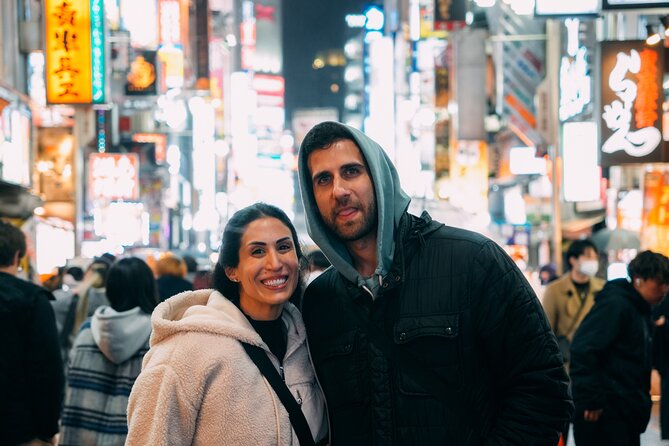
Shibuya brings neon, shopping, nightlife, and the famous crossing. It is one of the clearest places to see Tokyo’s modern city energy, and it pairs naturally with Harajuku and Takeshita Street if you want youth culture and shopping in the same part of the day.
Takeshita Street has a strong young pop-culture identity. You may find it more fun if you approach it as a people-watching and style stop rather than simply another shopping street. Your guide can help you connect the area to wider modern Japanese culture.
This section can become crowded and tiring. The crossing itself is quick, while shopping and walking can consume much more time than expected. You should decide in advance if you want photos, stores, food, or an explanation of the district, because you will not do all of those thoroughly in 15 minutes.
Meiji Jingu: a calmer pause beside Harajuku
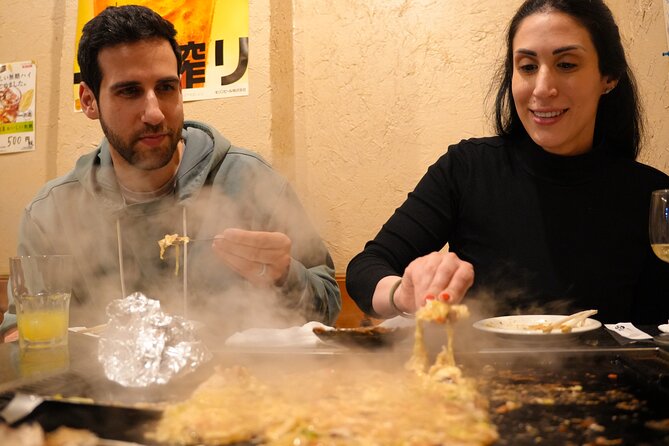
Meiji Jingu is dedicated to Emperor Meiji and Empress Shoken. The shrine gives you a chance to see a major Shinto site and step away from the commercial feel of Harajuku.
I like this pairing because it shows two sides of Tokyo in one outing. Takeshita Street offers youth culture and shops; Meiji Jingu offers ritual, trees, and a quieter setting. Guides can explain shrine customs and help you understand what to do during the visit, rather than leaving you to copy the nearest crowd.
Allow enough time to walk through the shrine grounds. A 15-minute listing should be read as a short orientation, not a complete visit. If you want a slower cultural experience, make Meiji Jingu one of the day’s main stops and cut the number of other districts.
Imperial Palace and Hamarikyu Gardens: room to slow down
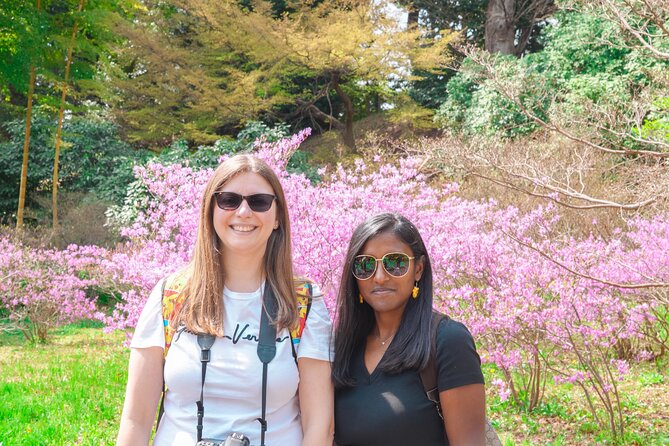
The Imperial Palace option centers on the beautiful East Gardens. It is a useful choice for visitors who want open space, formal grounds, and a break from Tokyo’s dense streets.
Hamarikyu Gardens offers another traditional garden setting in Minato. It is particularly useful as a slower counterpoint to shopping districts and railway stations. Admission is not included here, so check the extra cost when planning your day.
You probably do not need both gardens unless gardens are a top priority. Choose one, then use the saved time for a neighborhood that offers something different. Hamarikyu may also work well with Tsukiji because the two can fit into a food-and-garden theme, depending on the final route.
Tokyo Skytree, Ginza, and Ueno Park
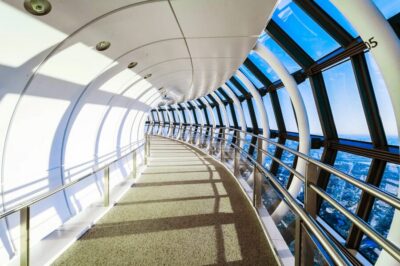
Tokyo Skytree is Japan’s tallest structure and includes observation areas, restaurants, and broadcasting facilities. It is the obvious choice if you want height and a broad view of the city. The tower itself is free to see from outside, but any observation admission would need to be checked and budgeted separately.
Ginza is one of Tokyo’s major shopping areas. Add it if you want department stores, luxury shopping, or a polished central district rather than a temple or market.
Uenokoen offers a garden setting that is especially attractive during cherry-blossom season. This is a seasonal choice, and the appeal changes outside spring. It can suit you if you want a park break, but it is less essential for a short first-day orientation than Senso-ji or Meiji Jingu.
Shinjuku, Golden Gai, and Shinjuku Gyoen
Shinjuku is a major commercial and entertainment district, with the Tokyo Metropolitan Government Building offering city views. Shinjuku Golden Gai is known for its compact nightlife area and tiny bars, making it a very different experience from the broad open grounds of Shinjuku Gyoen National Garden.
Shinjuku Gyoen is one of the city’s large parks, with lawns, paths, and a quieter atmosphere close to Shinjuku Station. The itinerary allows 30 minutes here, which is more realistic than the 15-minute suggestions for many other stops, but you may still want longer if the garden is a priority.
Do not assume Golden Gai is a daytime sightseeing stop in the same way as a shrine or garden. It is better treated as a specific evening-interest option. Also remember that gardens and nightlife create different rhythms, so ask your guide to place them sensibly rather than squeezing both into a rushed sequence.
What the guide adds beyond directions
The most useful part of this experience may not be the sightseeing list. It is the human help between stops. Guides have shown people how to use train lines and stations, helped families keep children interested, suggested local food, and answered questions about Japanese customs.
The strongest personal accounts describe guides as warm, flexible, and easy to talk with. Akari is noted for a relaxed pace and careful attention to how long people wanted at each stop. Lax has led days mixing temples, anime, Harajuku, and even a tea experience requested by the group. Yosuke has helped both families and solo visitors build confidence with public transport.
English ability and guide assignment can vary, so do not assume you will receive a particular person. If a guide name matters to you, ask about availability before booking, but understand that the supplied experience does not promise a named guide.
The photo benefit is also worth noting. Unlimited edited photos are included, which may appeal to couples, families, and solo visitors who want more than self-timer snapshots. The exact style and delivery details are not stated, so ask how and when the images will be provided.
Price, transport, and the real value at $145.91
At $145.91 per person, this is not a low-cost sightseeing walk. You are paying for a private guide, planning flexibility, local orientation, and the ability to shape the day around your group. The value improves when several people share the private experience, when you are new to Tokyo, or when navigating trains feels stressful.
You still pay transportation for yourself and your guide. Food and drinks are also separate, and a private vehicle is optional rather than included. Those extras can change the final cost, so budget for them before comparing this tour with a group bus outing.
The private format is particularly useful for families, solo visitors, older travelers who need a slower rhythm, and anyone with food restrictions. It is less compelling if you already know Tokyo well, are comfortable with trains, and only want a simple visit to one attraction.
A full-day group can also cover a lot of ground. One reported 10-hour day involved around 12 miles of walking, so do not confuse flexibility with an easy pace. Tell your guide if you want fewer stops, longer breaks, or less walking.
Who should book this Tokyo tour
Book it if you want to get your bearings quickly, learn the train system, and see a mixture of traditional and modern Tokyo without planning every transfer yourself. It is also a smart first-day choice for families, solo visitors, and people who want food advice tailored to vegan or celiac needs.
It is a good fit for a short stay because the guide can help you decide what deserves a return visit. It is also useful if your group members have different interests and you want the route adjusted as you go.
You may want another option if you prefer a fixed historical tour, need attraction admissions bundled into the price, or dislike paying separately for transport and meals. You should also avoid overloading the itinerary. Choose a few meaningful stops and let the guide give them enough time.
Free cancellation is available up to 24 hours before the start time. Changes or cancellations within that final 24-hour period are not accepted for a refund.
FAQ
How long does the private Tokyo tour last?
The experience can last approximately two to eight hours, depending on the option and itinerary you arrange.
Is the tour private?
Yes. Only your group participates in the activity.
Can the itinerary be customized?
Yes. The experience is private and personalized, and you can request interests such as temples, gardens, anime, shopping, food, or modern Tokyo districts.
Is hotel pickup available?
Yes. You can request a meeting at your accommodation.
Is transportation included?
Walking and public transport are part of the touring style, but transportation fees for you and your guide are not included.
Is a private vehicle available?
Yes. A private vehicle is available as an optional feature.
Are food and drinks included?
No. Food and drinks for you and the guide are not included.
Are attraction admission fees included?
Most listed stops show free admission, but Hamarikyu Gardens specifically lists admission as not included. Any other paid activities or admissions should be checked when planning.
Can most people participate?
The supplied information says most travelers can participate, and the meeting points are near public transportation.
What is the cancellation policy?
You can cancel at least 24 hours before the start time for a full refund. Cancellations or changes made less than 24 hours before the start time are not accepted for a refund.
Just added in Tokyo
- Nikko: Edo Wonderland Edomura Cultural Theme Park Ticket★ 4.3 · 205 reviews
- 《MEMBERS-ONLY-BAR-HOPPING》Discover Your Special Whiskey in Tokyo!★ 5.0 · 29 reviews
- Japanese Whisky Hunting《HIGH-QUALITY-ONLY》Rare Tasting Class★ 5.0 · 20 reviews
- Luxury Tokyo Sake, Cocktail, Whisky and Pairing Tour★ 5.0 · 18 reviews
- Wagyu & Sake Pairing in Shinjuku – Steak, Shabu-Shabu & More★ 5.0 · 112 reviews
- Small-Group Wagyu Beef and 7 Japanese Dishes Tokyo Cooking Class★ 5.0 · 190 reviews
- From Tokyo: Private Tour to Fuji/Hakone – Onsen, Art, Nature★ 5.0 · 116 reviews
- Tokyo: KABUKI Show at Kabukiza Theatre Admission Ticket★ 4.8 · 152 reviews
Tours in Tokyo, compared.
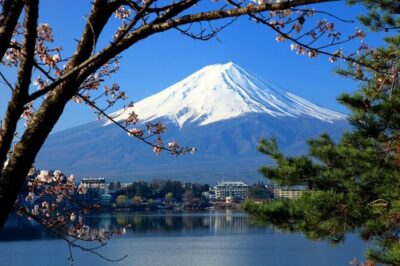
Mt Fuji and Hakone 1-Day Bus Tour Return by Bullet Train
Read our review →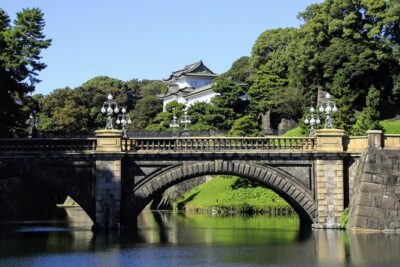
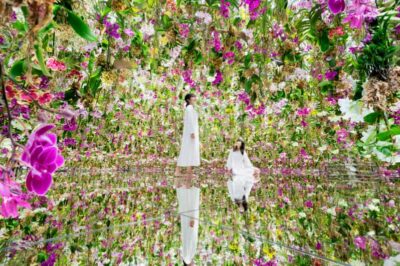
teamLab Planets TOKYO Digital Art Museum Entry Ticket
Read our review →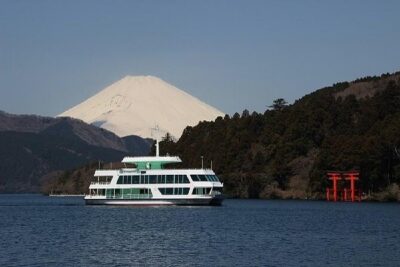
Mt Fuji & Hakone Cruise, Drum Show Bullet Train 1 Day from Tokyo
Read our review →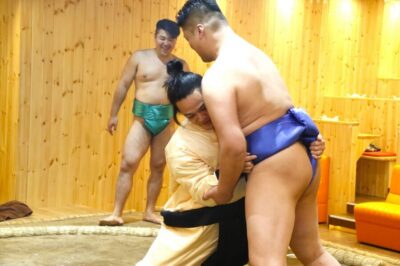
Sumo Show Experience with Chicken Hot Pot and a Photo
Read our review →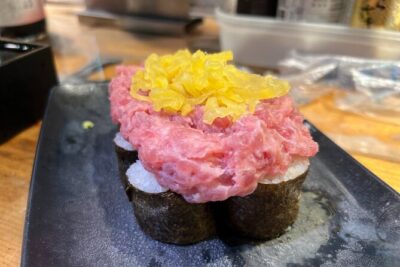
Shinjuku Food Tour (13 Dishes at 4 Local Eateries)
Read our review →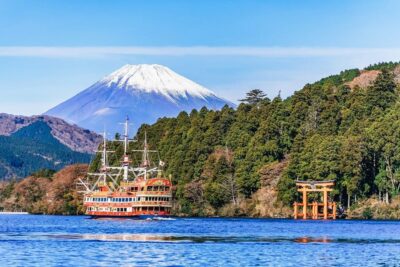
Tokyo Mt Fuji 5th St & Hakone Cruise Bus Tour w/Bullet Train
Read our review →Browse the lists this tour appears in