
Reviewed · TOURS IN TOKYO
Tokyo Customized Private Tour: See Top Attractions in 1 Day
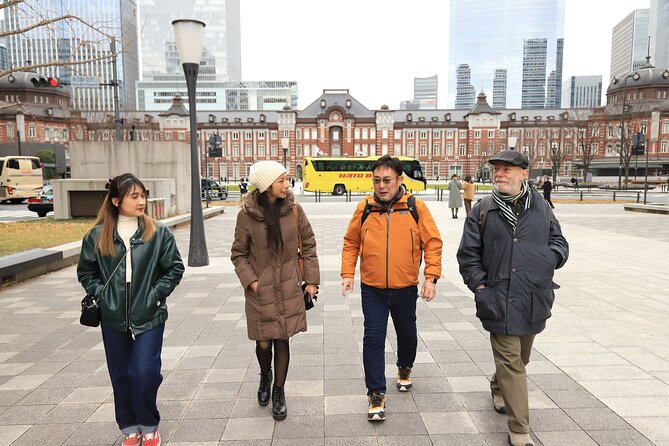
Tokyo is too large for a one-size-fits-all tour, and this experience takes the sensible route: you choose the districts that matter most, then explore them with a private guide. In one day, you might move from the food stalls of Tsukiji to the temple lanes of Asakusa, then cross into Harajuku’s youth culture and the calm forest of Meiji Jingu.
I like the personal planning and the chance to learn Tokyo’s metro system while you use it. I also like the human touches reported by guests, such as Ike checking food allergies, Fumi teaching shrine etiquette, and Yoko helping first-time visitors understand trains and local customs.
The main drawback is that the tour is only as good as the plan you make together. Four hours allows roughly two or three places, while even eight hours usually covers only four or five. Entrance fees, meals, and public transport are extra, and one disappointing experience ended early with too little structure.
Key Points Before You Book
- Choose your own Tokyo: Select from Asakusa, Tsukiji, Meiji Shrine, Harajuku, Shibuya, Yanaka, Ginza, Ueno, Odaiba, and more.
- Use the metro with a local: Your guide can help with Tokyo’s complex train system, fare cards, station transfers, and local customs.
- Plan by time, not wish list: A 4-hour tour covers two or three areas, 6 hours covers three or four, and 8 hours covers four or five.
- Expect a walking day: Comfortable shoes matter, and the tour operates in rain or shine.
- Private means flexible: Only your group participates, so guides such as Tak, Yoko, Ike, Fumi, and Keiko can adjust the day.
- Budget for extras: Public transport, food, guide expenses, and admission fees are not included. A private vehicle costs more.
The Real Strength: A Tokyo Day Built Around You
At $145.91 per person, this is not a cheap orientation walk. You are paying for a private guide, hotel pickup, planning help, and the freedom to shape the day around your group.
That price can make sense for a first visit, especially if Tokyo’s train network feels intimidating. A guide can turn a confusing station transfer into a practical lesson you can use for the rest of your trip. Several guides, including Yoko, Mieko, and Fumi, have helped families understand tickets, children’s passes, routes, and train etiquette.
The value is strongest when you arrive with a clear short list. Tell the guide if you want food, temples, gardens, shopping, history, pop culture, or a family-friendly mix. The tour is not designed to cover every major sight in Tokyo. It is designed to help you choose the right four or five.
You can select a 4-hour, 6-hour, or 8-hour option. The shorter visit is best for a focused introduction, such as Tsukiji and Asakusa. Six hours gives you room for three or four districts. Eight hours is the most useful choice if you want to connect traditional Tokyo with modern neighborhoods, but even then you should avoid an overpacked wish list.
Other experiences people book in Tokyo:
- Mt Fuji and Hakone 1-Day Bus Tour Return by Bullet Train
★ 5.0 · 26,383 reviews - 1-Day Tokyo Bus Tour
★ 5.0 · 14,250 reviews - Tokyo: TOKYO SKYTREE® Admission ticket
★ 4.5 · 11,192 reviews
Tsukiji: Start With Tokyo’s Appetite
Tsukiji’s outer market is one of the strongest choices for a short tour. It is a place to walk, look, ask questions, and taste your way through Tokyo. The outer market remains separate from the wholesale market’s relocated operations, so think of it as a food-focused shopping district rather than a behind-the-scenes fish auction visit.
The tour allows about 30 minutes here in its sample plan, though your actual time depends on the rest of the day. That is enough for an introduction, but not much time for a leisurely food crawl. If you want to sample several things, tell your guide at the start and consider making Tsukiji the main focus of a 4-hour tour.
One especially practical tip comes from a family who advised arriving hungry. Meals and drinks are not included, but the market gives you a chance to choose your own food rather than sit through a fixed restaurant stop. Guides have also suggested ramen and sushi places during longer outings.
Tsukiji works well for curious eaters and first-time visitors who want a quick sense of daily Tokyo life. It is less useful if you dislike crowds, food stalls, or walking on busy streets.
Asakusa and Sensoji: Tokyo’s Traditional Side
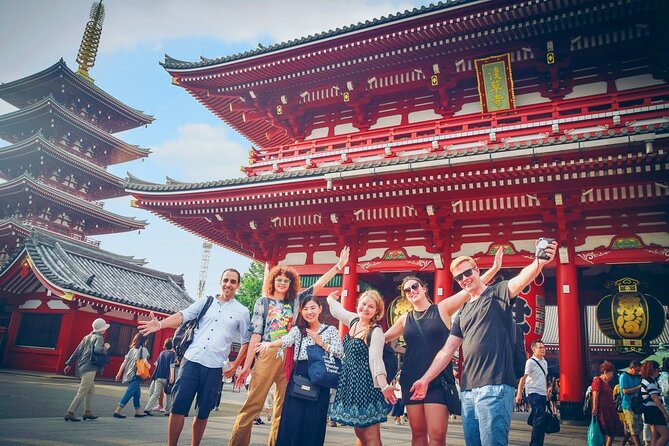
Asakusa gives the tour its clearest connection to old Tokyo. Sensoji Temple, with its famous approach and nearby shopping streets, is a natural anchor for the area. Your guide can explain how to behave at a Buddhist temple, including the small details of offering and prayer.
The sample schedule gives Sensoji about 15 minutes, which is enough to see the main temple area but too short for a slow visit. In practice, Asakusa can fill a half day when you add the surrounding streets, the Asakusa Culture Tourist Information Center, and time for lunch.
The information center is listed as a separate possible stop because its upper levels offer a broad view over Asakusa. It can help you understand the layout before walking through it. The listing includes Sensoji twice, so do not read that as two separate temple visits. It simply reflects the range of possible planning choices.
Asakusa is a good match for families, photographers, and anyone who wants cultural context rather than a quick photo stop. It also pairs naturally with Tsukiji, although both areas involve a fair amount of walking.
Meiji Jingu and Harajuku: Forest, Fashion, and Youth Culture
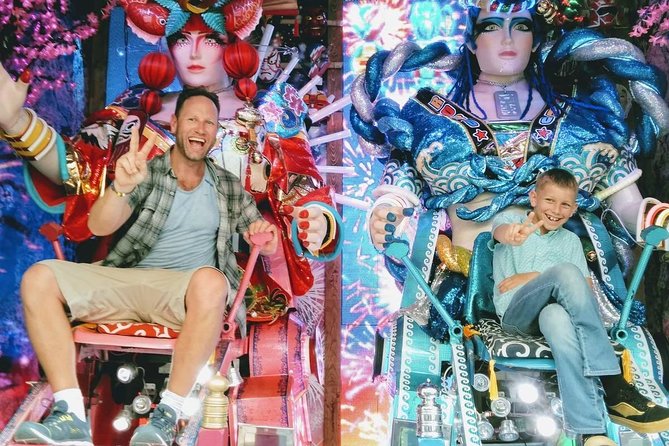
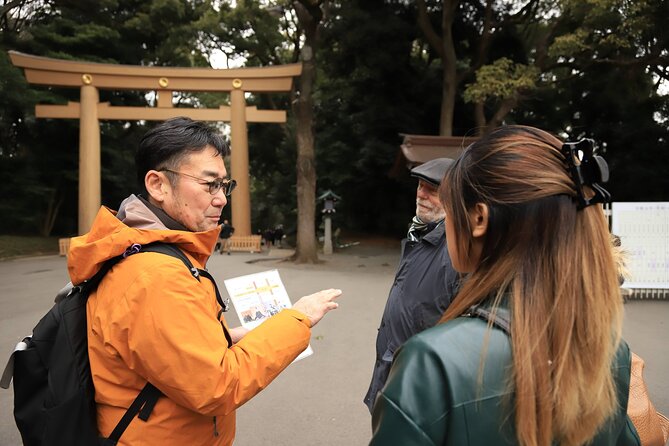
The move from Asakusa to Harajuku gives you one of Tokyo’s best contrasts. Meiji Jingu is a large Shinto shrine set within a peaceful wooded approach. Takeshita Street, nearby, brings you into a younger part of the city, with fashion, pop culture, and shops aimed at Tokyo’s youth.
This combination works because the two places are close but feel entirely different. Guides such as Osamu have explained how Harajuku’s fashion culture developed, then shifted the mood by discussing shrine customs and quiet behavior at Meiji Jingu.
If you choose both, allow enough time for the walk between the station, Takeshita Street, and the shrine grounds. The sample itinerary lists only 15 minutes at each location, which is more of a brief orientation than a full visit.
This pairing suits families with teenagers and first-time visitors who want a quick introduction to modern Tokyo. It may feel rushed in a 4-hour tour, especially if you also want Tsukiji or the Imperial Palace.
Same base, a different sort of day:
- Tokyo: teamLab Planets TOKYO Digital Art Museum Entry Ticket
★ 4.6 · 9,779 reviews - Mt Fuji & Hakone Cruise, Drum Show Bullet Train 1 Day from Tokyo
★ 4.0 · 7,413 reviews - Tokyo: Sumo Show Experience with Chicken Hot Pot and a Photo
★ 4.8 · 6,678 reviews - Tokyo: Shinjuku Food Tour (13 Dishes at 4 Local Eateries)
★ 5.0 · 6,603 reviews
Shibuya, Shinjuku, and Ginza: Three Different Modern Tokyos
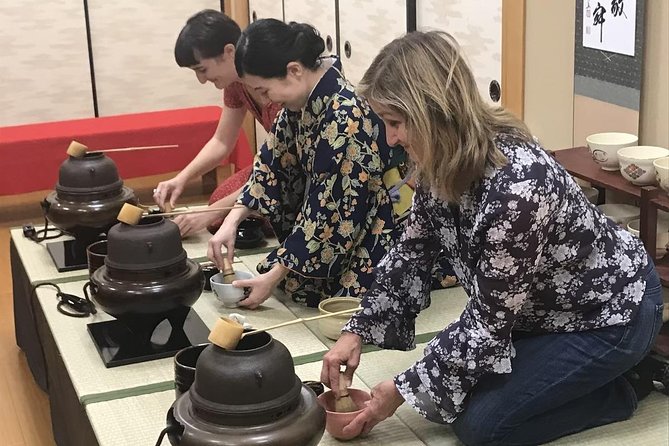
Shibuya Crossing is the obvious choice if you want one of Tokyo’s most recognizable city scenes. The suggested stop lasts around 20 minutes, enough to view the crossing and take photographs before moving on. It is a symbolic stop rather than a full neighborhood visit.
Shinjuku offers a different kind of city experience. You can include Shinjuku Gyoen National Garden if you want open space and formal gardens, but an entrance fee may apply. The garden needs more than a quick glance if you want it to feel worthwhile, so it is better suited to a longer day.
Ginza is the polished shopping district option. It makes sense for visitors interested in department stores, luxury retail, architecture, and a more refined commercial side of Tokyo. It is not the best choice if your priority is local neighborhoods, food markets, or temple culture.
Guides can help you choose among these districts instead of trying to squeeze in all three. On an 8-hour outing, you might combine Shibuya with Meiji Shrine and Harajuku. Ginza works better with Tsukiji or Hama Rikyu Gardens, which are nearby in the broader city area.
Imperial Palace, Ueno, and Yanaka for History and Local Streets
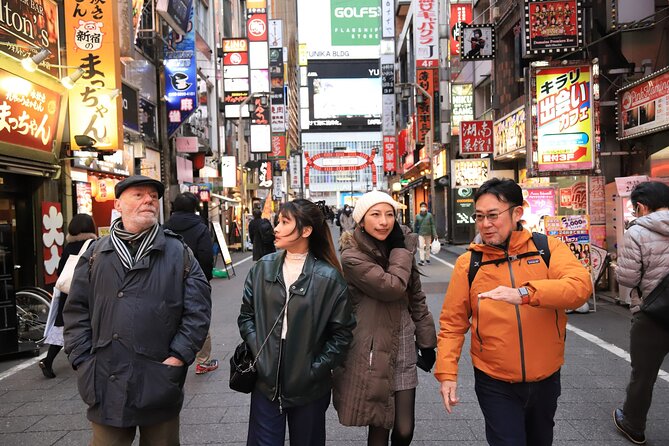
The Imperial Palace’s East Gardens offer a calmer change from Tokyo’s commercial districts. The sample visit is only 15 minutes, so ask for more time if gardens and historical settings are high on your list.
Ueno Park is another good choice for a slower day. It is known for cherry blossoms and includes access to cultural attractions such as the Tokyo National Museum, though museum admission is extra. The museum is one of the most important choices on the menu for anyone interested in Japanese art and history, but it cannot be treated as a quick stop.
Yanaka Ginza Shopping Street gives you a more local neighborhood feel. It is a useful alternative to Ginza if you want small shops and an older street atmosphere rather than major brands. An excellent 6-hour combination would be Yanaka, Ueno, and Asakusa, especially for a group interested in history and everyday city life.
I would not combine all three with Tsukiji and Shibuya. Tokyo’s distances and station changes eat into the day, even when the metro is efficient.
Odaiba, Hama Rikyu, and Tokyo Skytree
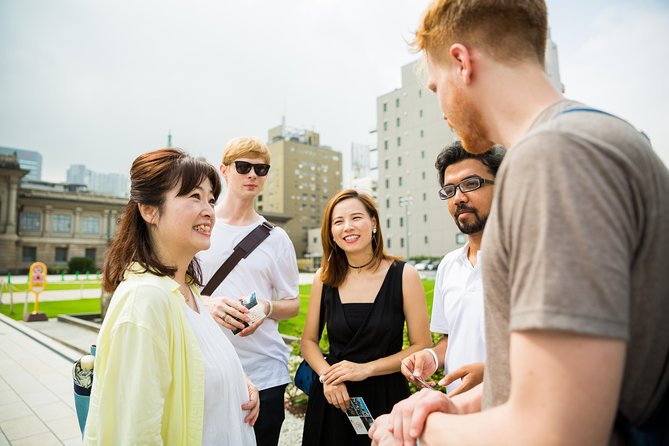
Odaiba is the waterfront option. It changes the pace with broad open areas and modern city views, but it is not an obvious partner for Asakusa, Yanaka, or Meiji Shrine if your time is short.
Hama Rikyu Gardens offer a more traditional garden setting. They pair well with Ginza or Tsukiji and can provide a quiet break from shopping and food stops. Admission may apply.
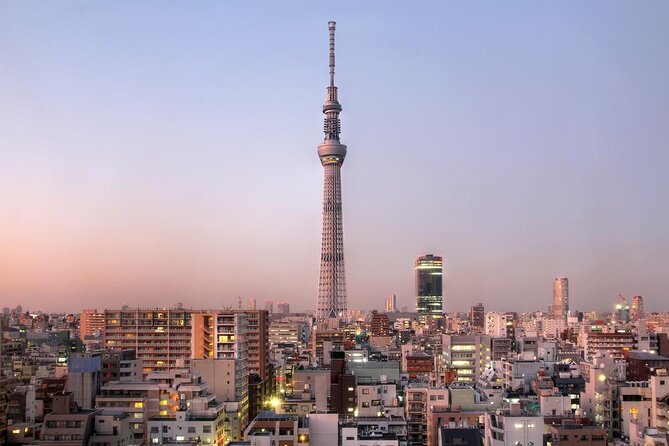
Tokyo Skytree is the big-view choice and requires an admission fee if you go inside. The tour description lists it as an optional stop, so confirm whether you want the observation experience or simply a view of the tower from elsewhere. A reviewer used an 8-hour day for Ginza and dinner near Tokyo Skytree, showing how this option can work as part of a longer custom plan.
These three places are best reserved for an 8-hour outing or a day built around one area. They are poor choices if your main goal is to learn traditional customs in Asakusa and Meiji Jingu.
What Your Guide Adds to the Day
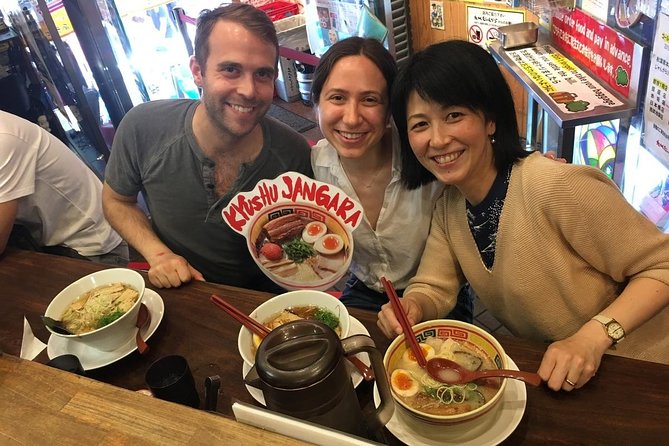
The strongest part of this experience is not the list of sights. It is the guide’s ability to make Tokyo easier to read.
Tak has been praised for clear English, local knowledge, and useful suggestions at Tsukiji and Sensoji. Hiro began by asking about a group’s interest in history, then built a 4-hour route around the Imperial Palace, Asakusa, and the Asakusa Culture Tourist Information Center.
Mieko helped a family get a children’s pass and use the metro. Ike has handled food allergies, found a ramen place, helped with a soccer jersey search, and explained history during routes through Shibuya, Meiji Shrine, Takeshita Street, and Shinjuku.
Fumi combined major sights with local areas, taught train use and shrine etiquette, and even took photographs for the group. Keiko has been especially attentive with mixed-age families, while Naoko entertained children with origami at lunch.
These details matter because private tours can feel either personal or oddly passive. Tell your guide in advance what you want to learn, and ask for a clear plan at the beginning. One poor match came from an itinerary that felt too loose, visited only one temple, and ended sooner than expected.
Walking, Metro Travel, and the Optional Vehicle
The standard experience uses your feet and Tokyo’s public transportation. That is a major benefit if you want to learn how to move around independently after the tour. It also means you should expect stairs, station corridors, platforms, and a moderate amount of walking.
Wear comfortable shoes. The tour runs in rain or shine, so bring suitable clothing and do not build the day around outdoor gardens if poor weather is likely.
Hotel pickup is included, but public transportation fares are not. You also pay for your guide’s transport and meals when applicable. The private vehicle option costs extra and can make the day easier for families, older adults, or groups carrying luggage, but it changes the economics of the tour.
The vehicle option is limited to the Tokyo metropolitan area and does not include pickup or drop-off at hotels in Urayasu, including those near Tokyo Disney Resort. If you select a vehicle, check that your hotel qualifies before booking.
Who Gets the Best Value From This Tour
I would recommend this tour most strongly to first-time visitors who want a friendly introduction without joining a large group. It is also a good fit for families, since the guide can adjust the pace, help with children’s transport passes, suggest food, and adapt stops to different ages.
It suits people who are interested in a particular theme, such as temples, food, shopping, gardens, history, or pop culture. It is less suitable for someone who wants a fixed, tightly scripted sightseeing route with every major landmark guaranteed.
The experience also works for returning visitors. A local guide can take you beyond the standard highlights to Yanaka, Hama Rikyu, Ueno, or neighborhood streets. One Japanese participant even used the tour for visiting colleagues and found new things to notice, which says something about how much Tokyo can hide in plain sight.
Should You Book This Private Tokyo Tour?
Book it if you value flexibility, want help with the metro, and are willing to decide your priorities before the day begins. I would choose 6 hours for a balanced first look, or 8 hours if you want traditional sights, modern neighborhoods, and time for lunch.
Choose the 4-hour option for a focused plan, such as Tsukiji and Asakusa or Meiji Shrine and Harajuku. Ask for a written outline, confirm how many places you can realistically visit, and clarify which admission fees and transport costs you will pay.
At $145.91 per person, the tour is worth considering when the guide’s planning and local help will save you stress. It is not the right buy if you want a low-cost walking tour or expect to see all of Tokyo in one day. Plan carefully, keep the route realistic, and this can give you both a memorable introduction and the confidence to explore the city on your own.
FAQ
How long does the private Tokyo tour last?
You can choose a tour lasting approximately 4 to 8 hours. A 4-hour tour usually covers two or three places, a 6-hour tour covers three or four, and an 8-hour tour covers four or five.
Which attractions can I include?
Possible stops include Tsukiji Fish Market, Sensoji Temple, Asakusa, Meiji Jingu Shrine, Takeshita Street, Shibuya Crossing, the Imperial Palace, Yanaka Ginza, Ginza, Ueno Park, Tokyo National Museum, Tokyo Skytree, Odaiba, Hama Rikyu Gardens, and Shinjuku Gyoen National Garden.
Is hotel pickup included?
Yes, hotel pickup is included. Private vehicle pickup and drop-off are not available for hotels in the Urayasu area, including hotels near Tokyo Disney Resort.
Are transportation and admission fees included?
No. Public transportation fares for you and your guide are not included. Entrance and admission fees for you and your guide are also extra. Private transportation is optional and costs more.
Is this a group tour?
No. This is a private activity for your group only, so the guide can adjust the itinerary to your interests.
What happens if it rains?
The tour operates rain or shine. A moderate amount of walking is included, so you should wear comfortable walking shoes and prepare for the weather.
Just added in Tokyo
- Small-Group Wagyu Beef and 7 Japanese Dishes Tokyo Cooking Class★ 5.0 · 190 reviews
- Nikko: Edo Wonderland Edomura Cultural Theme Park Ticket★ 4.3 · 205 reviews
- 《MEMBERS-ONLY-BAR-HOPPING》Discover Your Special Whiskey in Tokyo!★ 5.0 · 29 reviews
- Japanese Whisky Hunting《HIGH-QUALITY-ONLY》Rare Tasting Class★ 5.0 · 20 reviews
- Luxury Tokyo Sake, Cocktail, Whisky and Pairing Tour★ 5.0 · 18 reviews
- Wagyu & Sake Pairing in Shinjuku – Steak, Shabu-Shabu & More★ 5.0 · 112 reviews
- From Tokyo: Private Tour to Fuji/Hakone – Onsen, Art, Nature★ 5.0 · 116 reviews
- Tokyo: KABUKI Show at Kabukiza Theatre Admission Ticket★ 4.8 · 152 reviews
Tours in Tokyo, compared.
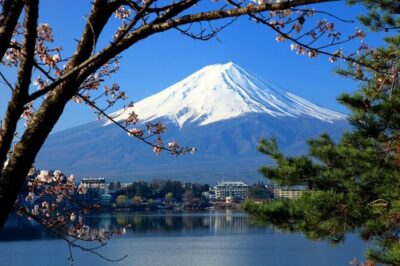
Mt Fuji and Hakone 1-Day Bus Tour Return by Bullet Train
Read our review →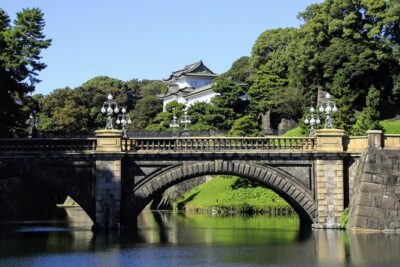
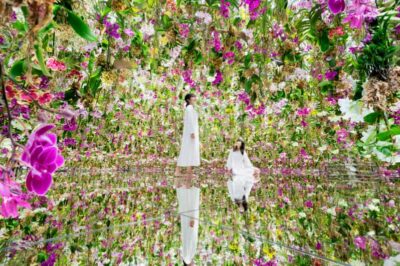
teamLab Planets TOKYO Digital Art Museum Entry Ticket
Read our review →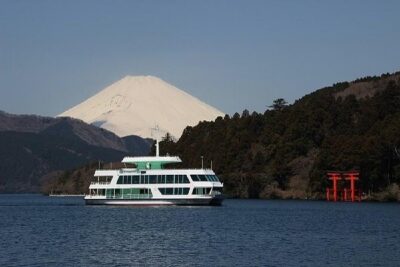
Mt Fuji & Hakone Cruise, Drum Show Bullet Train 1 Day from Tokyo
Read our review →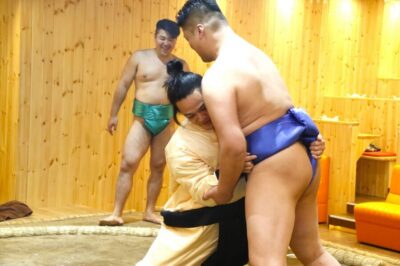
Sumo Show Experience with Chicken Hot Pot and a Photo
Read our review →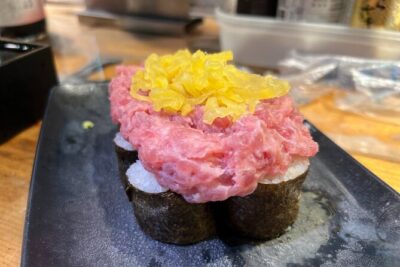
Shinjuku Food Tour (13 Dishes at 4 Local Eateries)
Read our review →
Tokyo Mt Fuji 5th St & Hakone Cruise Bus Tour w/Bullet Train
Read our review →Browse the lists this tour appears in