
Reviewed · ANIME & MANGA TOURS
Tokyo: Gameboy Mod Workshop at Akihabara
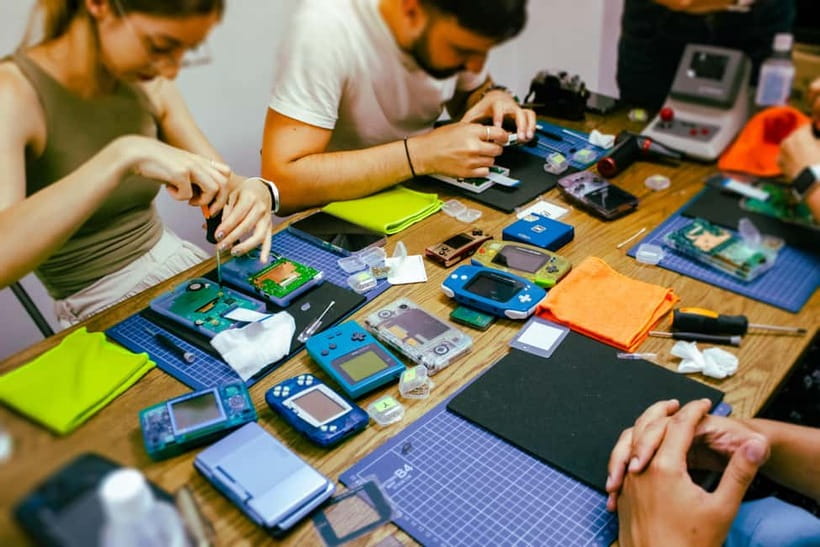
The best part of this Akihabara workshop is that you do not simply buy a retro console. You take apart and rebuild a classic Game Boy, choosing its shell, buttons, screen, and other parts as you go. The result is a working souvenir with your fingerprints all over it.
I like the small four-person group, which gives you time with the instructors, and I like the mix of Nintendo history and hands-on work. The staff, including Gabi, Franz, Shio san, and Ro, guide beginners patiently while still giving experienced gamers plenty to talk about. The main drawback is the $360 price, which is high for a two-hour activity, even though it includes the console, parts, instruction, and a game.
Key points to know before booking
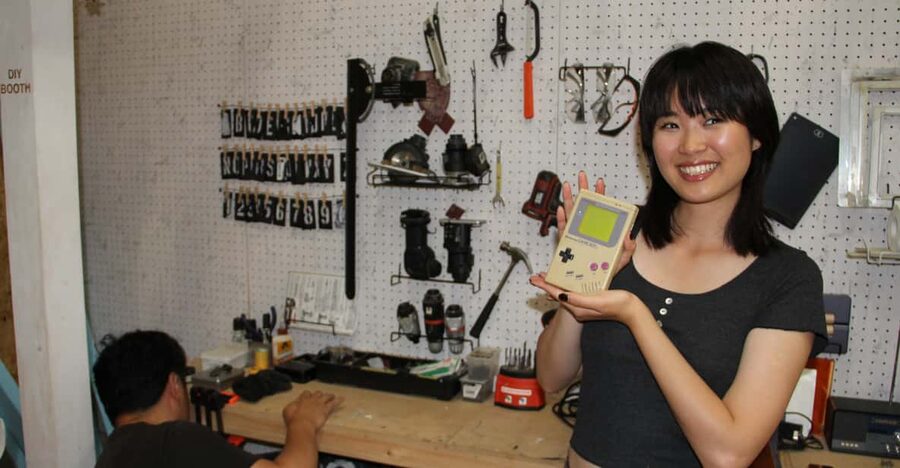
- Choose nearly every visible detail: Pick the shell colour, buttons, power switch, screen surround, and other available parts.
- Build a DMG-01 Game Boy: The workshop focuses on the original, chunky Game Boy model rather than a later Game Boy Advance.
- Expect a short Nintendo history lesson: You handle examples of different handheld consoles and learn how the Game Boy changed portable gaming.
- The group is limited to four people: That matters when you need help with small parts or want time to compare design choices.
- Your finished console is tested before you leave: You go home with a working Game Boy and a game, with more titles available to buy.
- Plan for stairs: The workshop is on the second floor of the Wakita Building, with no elevator or escalator.
Why this Akihabara workshop feels different from buying a Game Boy
Akihabara has no shortage of shops selling old Nintendo hardware. You can browse shelves of used consoles, compare colours, and hunt for games. That is fun, but a shop purchase remains a purchase. This workshop turns the souvenir into an activity and gives you a story to tell when you get home.
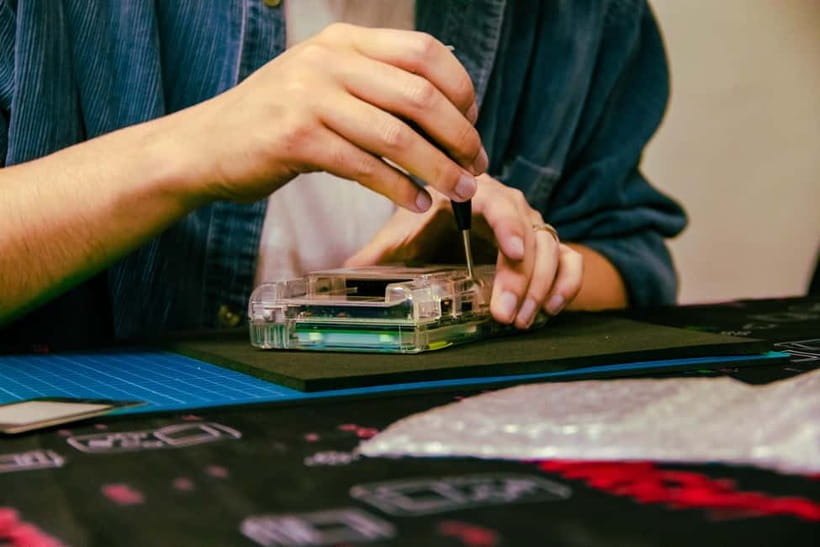
You start by choosing the Game Boy you will build. The focus is the original DMG-01, the large grey handheld that introduced many people to portable Nintendo gaming. You then select a new look from the available shells, buttons, screen parts, power switch options, and other components.
That choice is more important than it sounds. A standard Game Boy is familiar, but a custom one can reflect your taste. You might choose a single colour for a clean look, mix several colours for something playful, or build a design based on a favourite game. One participant created a special colour combination rather than using a matching set.
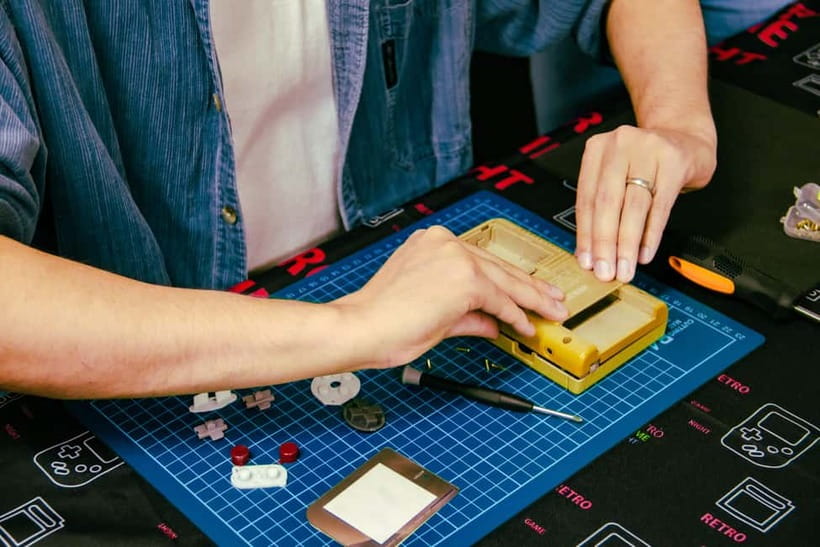
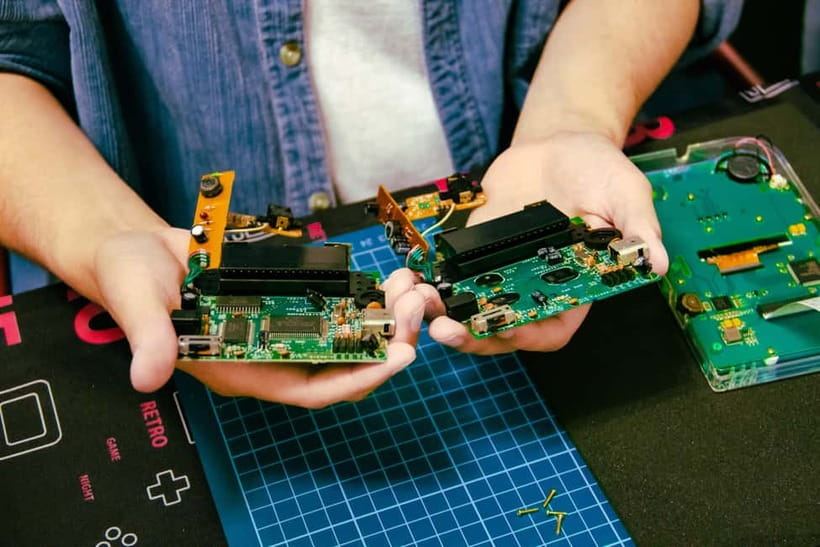
The workshop also gives you a better feel for the hardware. You do not just press buttons and admire a finished console. You see the parts inside, remove components, and put the system back together with guidance. For a first-time electronics project, that makes the old machine less mysterious.
Other anime and game stops in Tokyo:
- Official Street Go-Kart Tour – Akihabara
★ 5.0 · 1,578 reviews - Tokyo Go Kart: Asakusa, Skytree, and Akihabara **IDP MUST**
★ 5.0 · 988 reviews - Tokyo Studio Ghibli Museum and Ghibli Film Appreciation Tour
★ 4.5 · 421 reviews
The opening lesson: handheld gaming before the tools come out
The session begins with background on the Game Boy and portable gaming. The instructors use different handheld consoles to explain how Nintendo’s systems changed over time, and you get the chance to see or handle examples during the presentation.
This opening matters because it gives the build some context. The Game Boy was not simply an inexpensive version of a home console. Its design, battery life, games, and simple screen helped define what portable gaming could be. The workshop connects the object on your table with that larger story.
The presentation is also a good fit for mixed groups. You do not need to know the difference between every Nintendo model before arriving. The instructors explain the basics clearly, but they can also discuss technical and gaming details with people who already know their way around retro hardware.
English and Japanese are offered, and the workshop uses multilingual staff. The people leading the session are clearly enthusiastic about old consoles, which helps keep the history lesson from feeling like a lecture. You can ask questions as you go instead of saving everything for the end.
Choosing the shell, buttons, and screen
After the introduction, you move to the creative part. You decide how your Game Boy will look from the outside, selecting from the available shells and button colours. You can also choose the screen surround and power rocker, giving you more control than a simple case swap.
This is where I would allow extra time mentally, even though the full session lasts two hours. The range of options can make the decision harder, especially if you are building two consoles with a partner or family member and want each one to look different.
The activity is not only for people who want a loud custom design. You can choose a restrained colour scheme, match the console to a favourite era, or create a deliberately unusual combination. The point is not to copy a display model. It is to make a Game Boy you will recognize immediately.
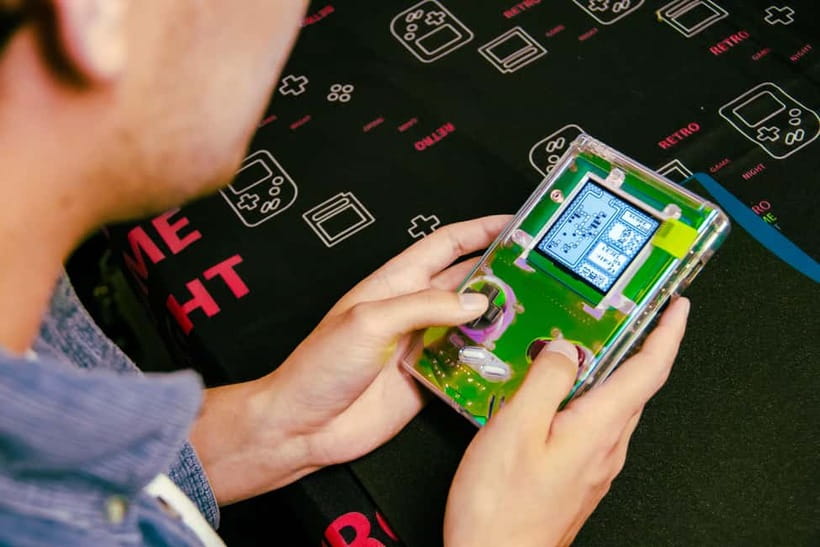
The screen is another important choice. The workshop includes screen changes and modern upgrades, and several finished consoles have an improved backlit display. That makes the final system more useful for playing than an untouched original unit, especially in low light.
The exact parts available can change, so you should treat the selection as a set of workshop options rather than a guaranteed catalogue. Still, the activity gives you far more personal choice than buying a standard grey Game Boy from a shop.
Taking apart the original hardware
Once you have made your choices, the instructors guide you through disassembly. You work with the old Game Boy and remove the parts needed for the rebuild. This is the stage where a little patience helps.
Small electronics can be fiddly. You should not rush a screw, button, or connector simply because the clock is moving. The group size helps here. With no more than four participants, an instructor can stop, demonstrate a step again, and check your work before you continue.
The workshop is designed for beginners, so you are not expected to arrive with repair skills. The team walks you through each stage and checks the work as it progresses. That makes the activity suitable for a parent and child, a couple, or a solo visitor who wants a practical project in Akihabara.
Children can take part, too. One 13-year-old built a console with close help from an instructor, while younger participants enjoyed the gaming and presentation around the build. The activity still involves small parts, so adults should think about how comfortable their child is with careful hands-on work.
You also get a useful lesson in the difference between nostalgia and restoration. The workshop is not simply trying to preserve every part in its original state. It combines the familiar Game Boy body and games with updated components, including a modernized board or screen options depending on the build.
Same base, a different sort of day:
- Mt Fuji and Hakone 1-Day Bus Tour Return by Bullet Train
★ 5.0 · 26,383 reviews - 1-Day Tokyo Bus Tour
★ 5.0 · 14,250 reviews - Tokyo: TOKYO SKYTREE® Admission ticket
★ 4.5 · 11,192 reviews - Tokyo: teamLab Planets TOKYO Digital Art Museum Entry Ticket
★ 4.6 · 9,779 reviews
Rebuilding and testing your custom Game Boy
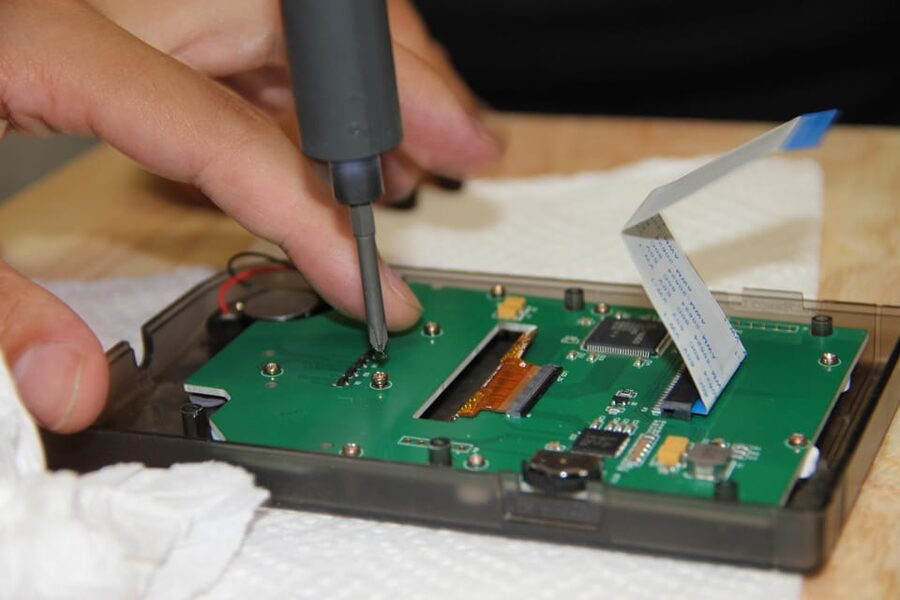
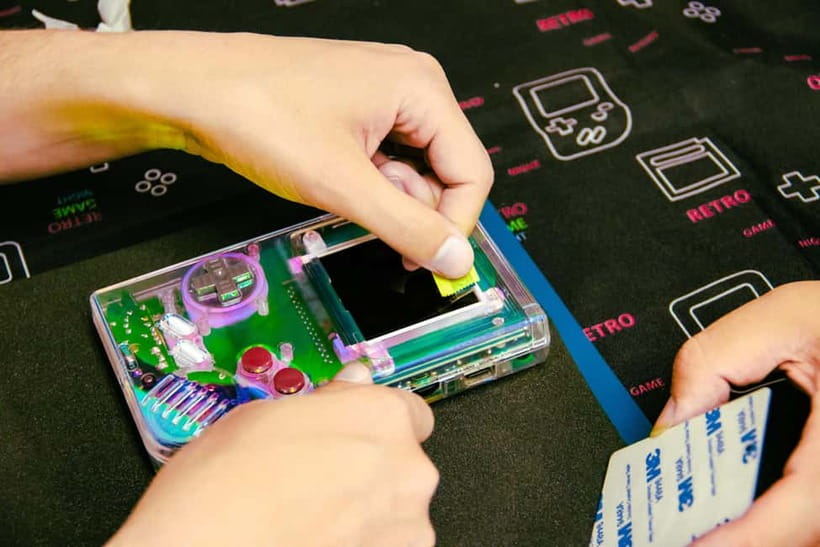
The second half of the activity is the rebuild. You place the chosen parts into the new configuration, install the buttons and screen components, and follow the instructor through the final checks.
This is the satisfying point of the session. You have moved from a tray of parts to something that looks like a personal console. The staff double-check the work and make sure the Game Boy functions before you leave, so you are not carrying home an attractive but unusable souvenir.
That testing step adds real value. A used console from a shop may need its own inspection, and a self-guided modification project can go wrong if a connection is loose. Here, the team has built the workshop around guidance and checking. You still do the work, but you have help when a step becomes uncertain.
The finished unit may include a backlit screen and other updated features, depending on the available build. You should ask the staff about the precise upgrade choices when you arrive. The important point is that the result is intended for play, not just display.
Some participants leave eager to buy more games immediately. The workshop has a selection of Japanese and international Game Boy titles, including familiar choices such as Tetris, Mario, Kirby, and Dr. Mario. A game is included as part of the activity, and additional cartridges are available to purchase.
Why the small group makes a difference
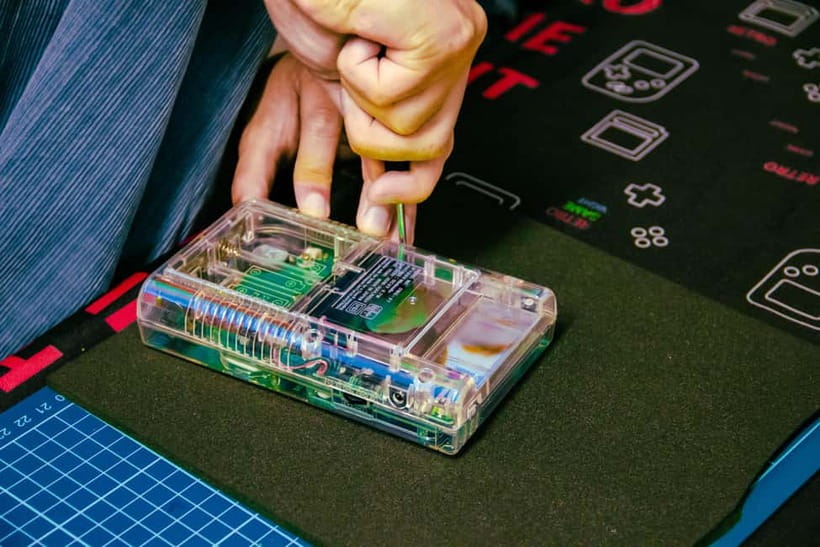
A group of four is a strong format for this activity. It keeps the room social without turning the build into a conveyor belt. You can compare colour choices, see how other people approach the same machine, and ask questions without waiting behind a large class.
The small size also suits solo visitors. You will not need to bring a friend to make the session worthwhile. The format gives you contact with the instructors and the other participants, while the shared interest in gaming makes conversation easy.
For couples or families, check the booking arrangement carefully if more than one person wants to build a console. The activity is priced per person, and the person doing the build is the participant receiving the hands-on instruction. Non-building companions have sometimes joined the atmosphere, played games, and followed the presentation, but the listed price is for the person taking part.
The multilingual staff are another plus. English and Japanese are available, and the instructors explain the process in clear stages. You should still ask whenever a technical term is unclear. There is no prize for pretending you understand a tiny part when a simple question can prevent a mistake.
Is $360 fair for two hours?
At $360 per person, this is not a cheap way to acquire a Game Boy. If your only goal is to own a retro handheld, Akihabara shops may offer less expensive choices, and you can spend as little or as much as you like on a used console.
The price makes more sense when you count what is included. You get the original DMG-01 platform, modification parts, the activity itself, instruction, access to the workshop’s equipment, a functioning finished console, and a game. You also get the time spent choosing the design and assembling it yourself.
There is a second value that is harder to put on a receipt. You avoid the uncertainty of doing a first modification alone. The instructors help with the delicate steps, explain what you are looking at, and test the result. For someone who wants the finished console but does not want to learn through trial and error, that support is useful.
The price will feel fairer if you are a serious Game Boy fan, enjoy making things, or want a major souvenir tied to a specific day in Tokyo. It will feel steep if you are travelling with several people who only have a passing interest in Nintendo.
One practical saving comes after the build. The workshop sells additional games, and some familiar titles have been priced lower than similar copies in other Akihabara stores. That is not a reason by itself to book the class, but it can save you a separate shopping stop if you already planned to hunt for cartridges.
Getting there and planning your visit
The meeting point is on the second floor of the Wakita Building in Akihabara. Follow the address carefully, and allow a little time to identify the building before the session starts.
There is no elevator or escalator, so the workshop is not wheelchair accessible. This is an important planning detail for anyone with mobility limits, and you should contact the provider before booking if you need to discuss access.
The activity lasts two hours. That is long enough for the introduction, design choices, disassembly, rebuild, testing, and time with the games, but it is not an all-day event. You can pair it with Akihabara’s shops, arcades, and electronics streets before or after the session.
Because places are limited to four participants, booking ahead makes sense if this is a priority. You can reserve without paying immediately, and free cancellation is available up to 24 hours before the start time. Check the available starting times when choosing your date.
Who will enjoy building a Game Boy in Tokyo?
I would put this near the top of the list for:
- People who grew up with the original Game Boy
- Nintendo and retro gaming fans
- Visitors who prefer making a souvenir to buying one
- Families with older children who can handle small parts carefully
- Couples or friends who want a shared project
- Beginners curious about electronics but nervous about working alone
You do not need detailed Game Boy knowledge. The staff explain the process from the start, and the activity works for newcomers as well as serious fans.
I would think twice if you dislike hands-on work, have very little interest in Nintendo, or want the lowest possible price for a used console. The two-hour format is active, and some of your time goes into choosing colours and handling small components. That is the appeal, but it will not suit someone who would rather spend the afternoon browsing shops.
Should you book this Akihabara Game Boy workshop?
Book it if you want a souvenir with a personal story attached to it. You will choose the look, take part in the rebuild, learn how the Game Boy fits into Nintendo’s handheld history, and leave with a machine you can actually play.
I especially like the combination of a four-person group, patient instruction, and a finished console with modern screen options. The price is the clear warning sign, but the cost covers much more than a shell and a used machine.
For a nostalgic Nintendo fan, this can be one of the most memorable things to do in Akihabara. For everyone else, compare the price with your interest level before committing. If you would happily spend an afternoon discussing Game Boy games and choosing between button colours, you are likely to find the workshop worth it.
FAQ
Where does the Game Boy workshop take place?
It takes place on the second floor of the Wakita Building in Akihabara, Tokyo. Follow the provided address to find the workshop.
How long does the activity last?
The workshop lasts two hours. Starting times vary, so check availability for your chosen date.
How much does the workshop cost?
The listed price is $360 per person.
How many people are in each group?
The workshop is a small-group activity limited to four participants.
Which Game Boy model do I build?
The workshop focuses on the original DMG-01 Game Boy.
What can I customize?
You can choose the colour, shell, buttons, screen parts, and other available components. The activity also includes screen changes and upgraded options.
Do I need previous electronics or Game Boy experience?
No. The instructors guide you through taking apart and rebuilding the console, and the activity is designed for beginners as well as experienced gamers.
Which languages are available?
Instruction is available in English and Japanese.
Is the workshop wheelchair accessible?
No. It is on the second floor, and the building has no elevator or escalator.
Just added in Tokyo
- Nikko: Edo Wonderland Edomura Cultural Theme Park Ticket★ 4.3 · 205 reviews
- 《MEMBERS-ONLY-BAR-HOPPING》Discover Your Special Whiskey in Tokyo!★ 5.0 · 29 reviews
- Japanese Whisky Hunting《HIGH-QUALITY-ONLY》Rare Tasting Class★ 5.0 · 20 reviews
- Luxury Tokyo Sake, Cocktail, Whisky and Pairing Tour★ 5.0 · 18 reviews
- Wagyu & Sake Pairing in Shinjuku – Steak, Shabu-Shabu & More★ 5.0 · 112 reviews
- Small-Group Wagyu Beef and 7 Japanese Dishes Tokyo Cooking Class★ 5.0 · 190 reviews
- From Tokyo: Private Tour to Fuji/Hakone – Onsen, Art, Nature★ 5.0 · 116 reviews
- Tokyo: KABUKI Show at Kabukiza Theatre Admission Ticket★ 4.8 · 152 reviews
Anime & Manga Tours, compared.
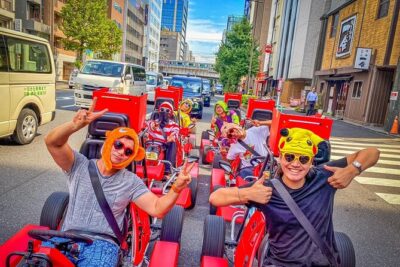

Tokyo Go Kart: Asakusa, Skytree, and Akihabara **IDP MUST**
Read our review →
Tokyo Studio Ghibli Museum and Ghibli Film Appreciation Tour
Read our review →
Akihabara Anime & Game Adventure Walking Tour (Group or Private)
Read our review →
Browse the lists this tour appears in