
Reviewed · ANIME & MANGA TOURS
Tokyo: Manga Drawing Workshop Guided by Pro Manga Artist
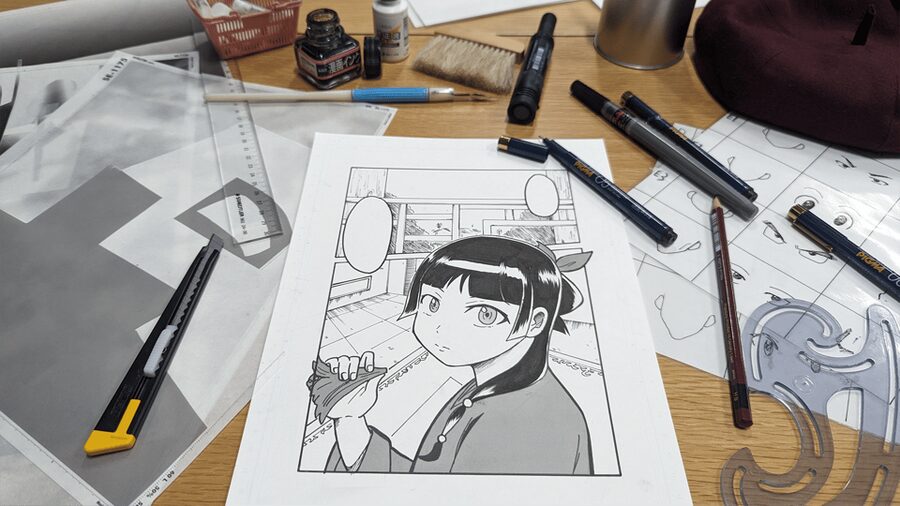
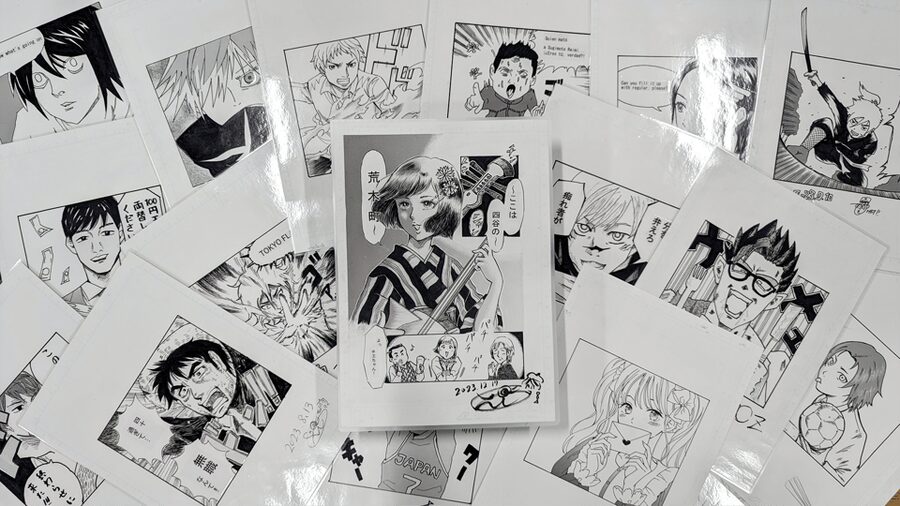
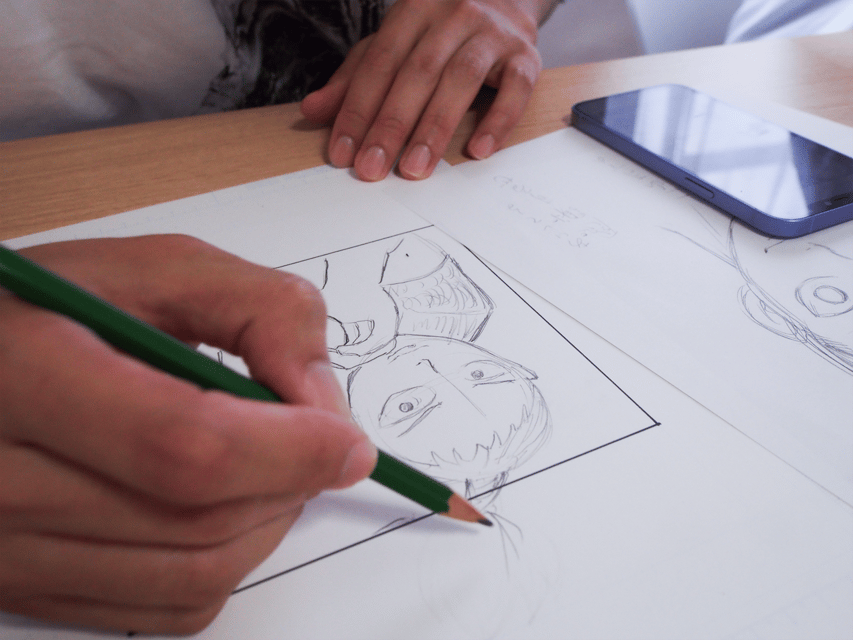
Tokyo’s manga workshop lets you follow the same basic chain used by working artists: idea, rough sketch, pencil draft, ink, black fills, screen tones, and speech bubbles. With an artist at your elbow and an interpreter nearby, you can turn a favorite character, personal idea, or even a pet into a finished manga panel.
I especially like two things here: no drawing background is required, and you take home a physical piece of art rather than another souvenir bought from a shop. The small group, capped at eight, also gives the artist time to help with poses, faces, and tricky details.
The main consideration is that the experience may be more guided than fully independent. Some participants create their own work with light advice, while others follow an artist’s draft and trace or refine it. That makes it friendly for beginners, but experienced artists seeking a completely open studio may want to ask how much freedom is available.
Key points at a glance
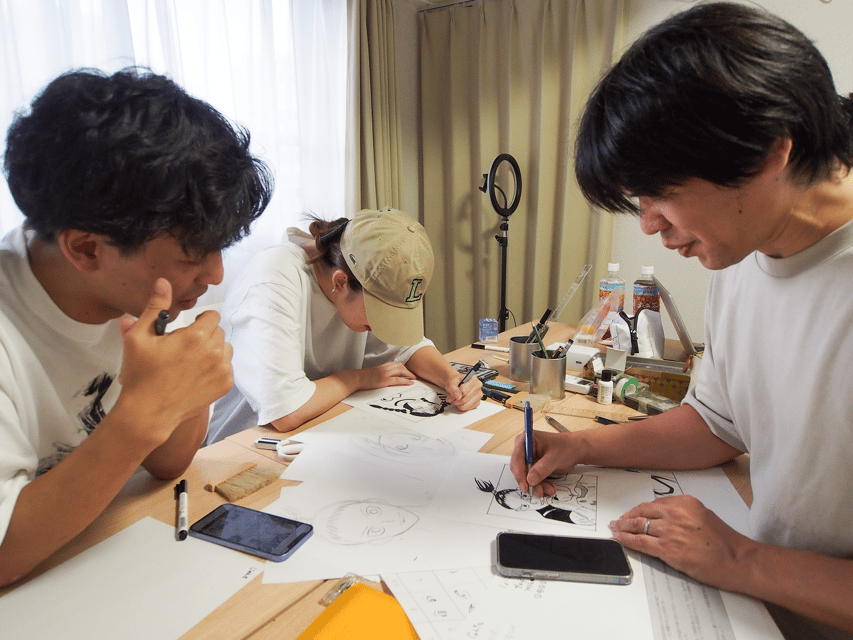
- A real manga production process: Work through sketching, inking, black areas, screen tones, and speech bubbles.
- Professional guidance: The instructors have decades of manga experience, with artists such as Shige Matsumori, Rokkaku-sensei, Kousei-sensei, and others leading different sessions.
- English support included: An interpreter helps explain techniques and translate questions about manga work and Japanese comic culture.
- Small groups matter: With no more than eight participants, the artist can give individual help.
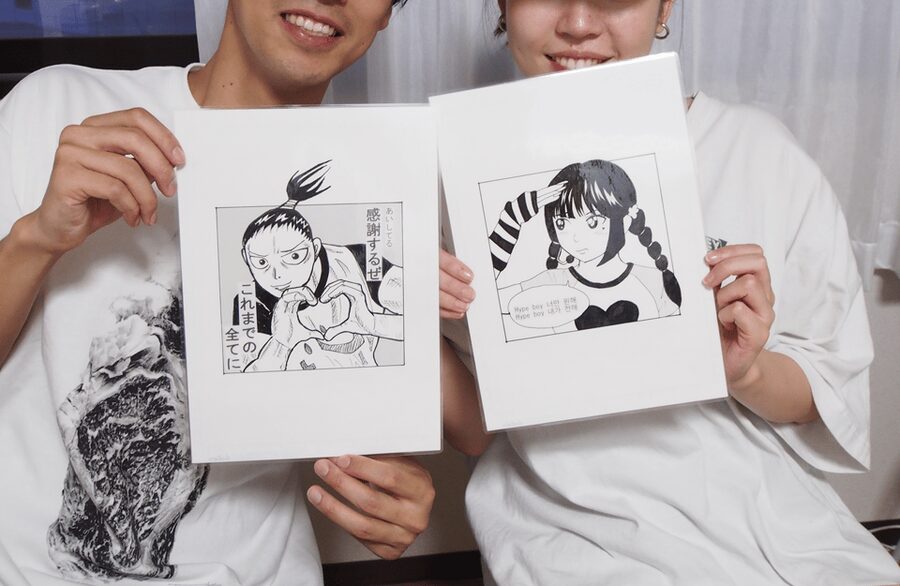
- A useful Tokyo keepsake: Your finished panel is laminated for the trip home.
- Good for mixed skill levels: Children, complete beginners, digital artists, and experienced illustrators can all take part.
From blank paper to finished manga panel
The most valuable part of this activity is its clear sequence. You are not simply handed a sheet and told to copy a character. The workshop shows how a manga image is built in layers, and each stage changes the feel of the final page.
You begin with an idea. You may choose from supplied images, use a favorite manga character as a starting point, or bring your own concept. Some people use a photo or create a version of themselves. Others ask for a familiar character, a personal design, or a pet.
The artist then helps shape the idea into a workable composition. This is important for beginners because a good manga panel is not only about drawing a face. The pose, expression, framing, and placement on the page all affect how the image reads.
Next comes the rough sketch. In some sessions, the artist creates an initial outline for you to refine. In others, you make more of the drawing yourself with step-by-step advice. This is one of the points where the experience can differ depending on your skill and the instructor’s approach.
You then work over the pencil lines and begin inking. The change is striking. A loose sketch starts to look like a finished illustration once the lines become firm and selective. The artist can show you where to press harder, where to leave a line light, and how small changes alter the expression.
After the ink dries, you erase the remaining pencil marks. Solid black areas are added with a brush, helping hair, clothing, shadows, and backgrounds gain weight. This stage feels more like traditional studio work than casual sketching, and you quickly see why the right tools matter.
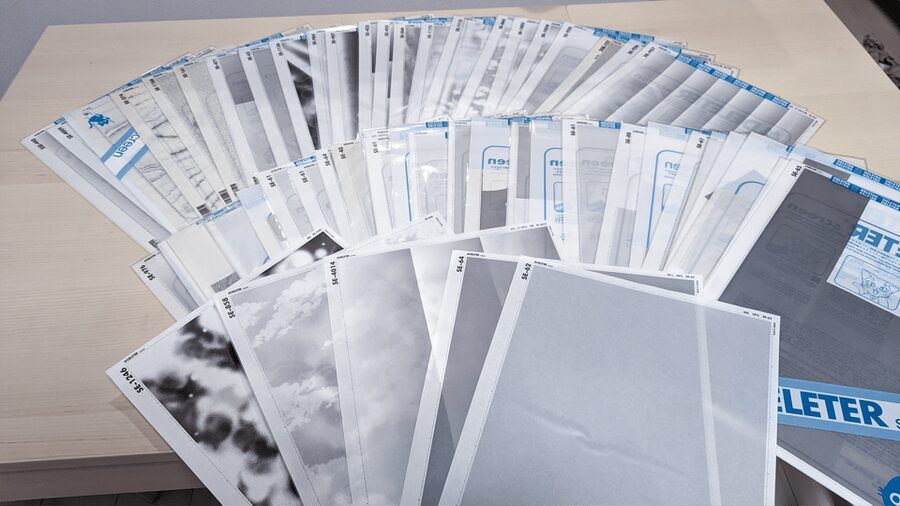
The final technical step is screen tone. These sheets add grey patterns and shading without painting every shadow by hand. You cut and apply the tone with care, creating the visual texture associated with printed manga.
Speech bubbles and comic effects complete the panel. At the end, the artwork is laminated so you can carry it home without worrying too much about bends or smudges. You leave with a finished object and a better sense of how much craft sits behind a single manga page.
Other anime and game stops in Tokyo:
- Official Street Go-Kart Tour – Akihabara
★ 5.0 · 1,578 reviews - Tokyo Go Kart: Asakusa, Skytree, and Akihabara **IDP MUST**
★ 5.0 · 988 reviews - Tokyo Studio Ghibli Museum and Ghibli Film Appreciation Tour
★ 4.5 · 421 reviews
Meeting a professional artist in Shibuya
The instructors are the heart of the session. The teaching team has more than 20 years of manga experience, and different dates may feature different artists. Past sessions have included artists identified as Shige Matsumori, Rokkaku-sensei, Kousei-sensei, Kamaya Katsuki, and Hiroshi.
That variety matters because each artist may have a different way of helping. One participant worked with Rokkaku-sensei on custom characters and received guidance on traditional tools. Another asked Kousei-sensei about careers, inspiration, and the manga business. A child can get patient help with a simple pose, while an experienced artist may ask more technical questions about line work or screen tones.
The artist may also demonstrate a drawing directly. Seeing a professional sketch quickly is part of the fun, especially if you bring a complicated idea. One participant was impressed by how fast the instructor drew two dogs. Another received a rough outline that made a difficult character design manageable.
You should not expect a formal lecture about the entire manga industry. The teaching is practical and hands-on. You learn by making your own panel, asking questions, and watching the artist solve problems in front of you.
Why the interpreter makes a difference
English and Japanese are both supported, and an interpreter is included. Names have varied by session, with Madoka, Machi, Ai, and Hanae helping participants communicate with the artist.
This is more than a basic language service. Manga drawing involves small instructions about pressure, direction, cutting, shading, and proportion. A good interpreter helps you ask a precise question at the moment you need the answer.
The interpreter also helps with the cultural side of the experience. You can ask about the artist’s career, working methods, and the manga business. Several sessions included relaxed conversation between the artist and participants, which adds context that a short demonstration alone would miss.
The quality of the language support can vary slightly. One past participant needed Google Translate briefly, but the included interpreter generally made the class easy to follow. You should still bring your phone if you want an extra backup, especially if you have a detailed question about a character or technical term.
Small groups, different ages, and mixed skill levels
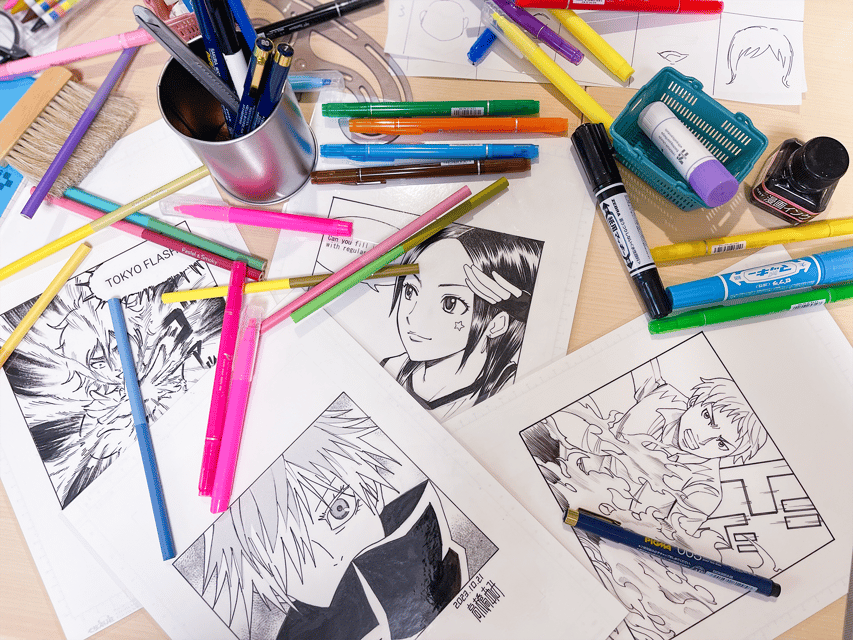
The group limit is eight people, although some sessions have been much smaller. One person attended alone, while other classes included couples, families, honeymooners, and children around age 10 or 11.
A small class is useful here because manga drawing is not a one-size-fits-all lesson. A beginner may need help placing the eyes, while an experienced artist may want advice on screen tone or traditional materials. The instructor can move between levels instead of forcing everyone through the same pace.
Families should find the format approachable. Children can work with an adult and receive encouragement without needing to produce a perfect drawing. Adults who think they cannot draw are also welcome. The artist’s rough outline and clear stages give you a solid structure.
The class can feel a little slow at first, especially while ideas are being chosen and the first sketch is prepared. Stick with the process. The later stages, particularly inking and screen tone, are where the panel begins to look polished.
For experienced artists, the small group has both a benefit and a limit. You get closer access to the instructor, but you may not receive a fully open-ended studio session. If your main goal is to make an entirely original piece without tracing or following a draft, confirm the expected format before booking.
Same base, a different sort of day:
- Mt Fuji and Hakone 1-Day Bus Tour Return by Bullet Train
★ 5.0 · 26,383 reviews - 1-Day Tokyo Bus Tour
★ 5.0 · 14,250 reviews - Tokyo: TOKYO SKYTREE® Admission ticket
★ 4.5 · 11,192 reviews - Tokyo: teamLab Planets TOKYO Digital Art Museum Entry Ticket
★ 4.6 · 9,779 reviews
What you can draw and how much freedom you get
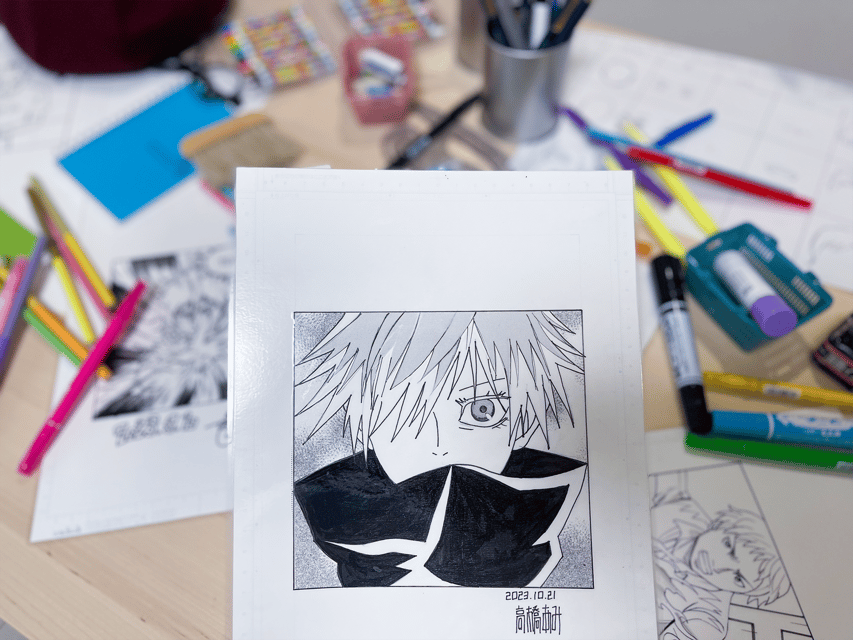
You can choose from provided samples or use your own image. The activity works especially well for fans of series such as One Piece and Naruto, but you do not have to copy a famous character.
You might create a manga-style self-portrait, adapt a pet, or work from an original character. A participant who normally drew digitally used the class to return to traditional tools and learn about screen tones. Another asked to draw a complex virtual avatar and found that the design was harder to adapt than a standard manga character.
This is where preparation can improve your result. If you want a custom panel, bring a clear reference image on your phone. Think about the pose and expression before class. A simple, readable idea usually works better in 150 minutes than a design packed with tiny costume details.
The artist will help, but the final result is not magic. You still need to make choices, handle the tools, and spend time refining the panel. The instructor’s support gives you a strong framework, not a replacement for your own effort.
Traditional tools are part of the lesson
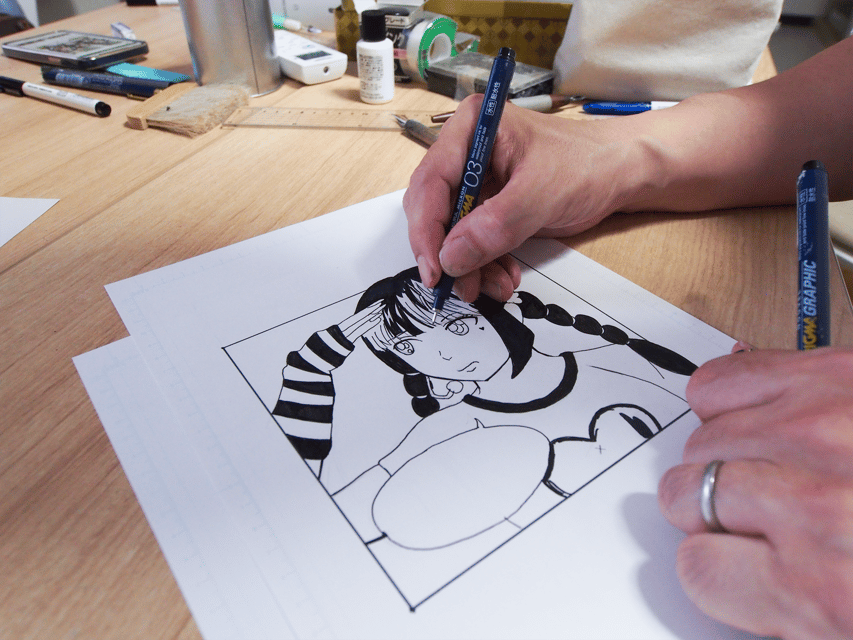
All drawing materials are provided, so you can arrive without an art kit. The tools themselves are part of the experience.
You use pencils for the early stage, ink for the final lines, a brush for solid black sections, and screen tone sheets for grey shading. You also work with a cutter when applying tone. These methods show the manual side of manga production, especially for anyone accustomed to drawing on a tablet.
The materials can change how you think about an image. Digital software makes correction easy, but traditional manga requires more planning. A line has weight, a black area changes balance, and a cut screen tone must be placed carefully.
If you enjoy the materials, ask the interpreter about them. One participant went art-supply shopping afterward because screen tones were not available at home. The workshop may give you ideas for continuing traditional drawing after your holiday.
Location, timing, and practical details
The meeting point is on the sixth floor of the Shibuya 3-chome TR Building, at 3-8-11 Shibuya, Shibuya-ku. The building is black and relatively thin, which is useful to know because the street entrance may not look like a large studio or tourist attraction.
Give yourself extra time to find it. A few people found the building tricky to locate, and crowded events around Shibuya Crossing can add confusion. The staff have helped participants who were nearby but could not identify the entrance.
The workshop lasts 150 minutes, or two and a half hours. That is long enough to complete a panel without making the session feel like a full-day art course. You will spend much of the time seated and concentrating, so plan it as a focused activity rather than a quick stop between major sights.
No food or drinks are included, and there is no pickup service. You arrange your own way to the building. The activity is listed as wheelchair accessible, and live guidance is available in English and Japanese.
Cancellation is free up to 24 hours before the start time, and you can reserve while paying later. Those policies are useful if your Tokyo schedule is still shifting, but the main practical point is to protect enough time for the full session.
Is $129 a fair price?
At $129 per person, this is not a cheap souvenir activity. It becomes better value if you care about manga, want direct instruction from a working artist, or would otherwise spend money on a generic character item.
Your fee covers the professional instructor, interpreter, materials, and the finished laminated panel. It also buys access to tools and methods that are not always easy to try casually, especially screen tones and traditional inking.
The value is weaker if you only want a quick drawing made for you. The point is to take part in the process. You may receive help with the sketch, but you still spend the session working on the art.
For a family, the price can add up quickly. For a committed manga fan, the personal souvenir and direct contact with an artist may justify it. Couples and solo visitors can also get good value because the small format leaves room for questions and individual help.
Who should book this workshop?
I would point this activity toward:
- First-time manga drawers who want a friendly structure
- Anime and manga fans looking for something more personal than shopping
- Families with children who enjoy drawing
- Couples seeking a shared keepsake from Japan
- Digital artists curious about traditional materials
- Solo visitors who like focused creative activities
- Experienced artists who want to test manga tools and screen tones
You do not need to be a devoted fan. The step-by-step process can be enjoyable even if you know little about Japanese comics. Still, the activity makes the most sense if you like illustration, character design, or hands-on cultural activities.
If you are a confident artist, ask for as much personal freedom as possible at the start. Some sessions have allowed participants to create their own work with feedback. Others have relied more heavily on an artist’s draft, tracing, and comic-style stickers. That difference is the one point worth clarifying before you pay.
Should you book the Manga Do experience?
Book it if you want to understand manga by making a panel yourself. The strongest reasons are the patient professional instruction, helpful interpretation, traditional materials, and the finished artwork you can carry home.
I would be more cautious if your only goal is a completely independent illustration. The class is designed to help you succeed within a short session, so the artist may guide your composition closely. That is a plus for beginners and a possible restriction for advanced artists.
For most people, especially first-time drawers and manga fans, the balance is good. You arrive with no materials and no need for polished skills. Two and a half hours later, you have a handmade souvenir and a clearer idea of how those dramatic black lines, grey tones, and expressive faces come together.
FAQ
How long does the manga drawing workshop last?
The activity lasts 150 minutes, or two and a half hours.
Where does the workshop take place?
It takes place on the sixth floor of the Shibuya 3-chome TR Building at 3-8-11 Shibuya, Shibuya-ku, Tokyo. The building is black and relatively thin.
Are drawing materials included?
Yes. Manga drawing materials are included, so you do not need to bring your own supplies.
Is an English interpreter provided?
Yes. The activity supports English and Japanese, and an interpreter is included to help you follow the instruction and speak with the manga artist.
Do I need previous drawing experience?
No. The workshop is designed for beginners, and the artist guides you through each stage. People with more drawing experience can also use the session to practice traditional tools and screen tones.
Can I cancel for a refund?
You can cancel up to 24 hours before the activity for a full refund.
Just added in Tokyo
- The 10 Tastings of Tokyo With Locals: Private Street Food Tour★ 5.0 · 48 reviews
- Small Town in the Big City: Tasting Tokyo’s Kichijoji★ 5.0 · 195 reviews
- Small Town in the Big City: Tasting Tokyo’s Kichijoji★ 5.0 · 16 reviews
- EXCLUSIVE Tokyo Secret: Kichijoji Small-Group Food & Bar Hopping★ 5.0 · 29 reviews
- Explore Kichijoji: Walk Through One of Tokyo’s Beloved Districts★ 5.0 · 21 reviews
- :Tokyo,Shibuya/ Pro Photography in Kimono / English-Friendly★ 5.0 · 26 reviews
- 【R34】Tokyo:Private Daikoku tour in Modified R34★ 4.9 · 92 reviews
- Tokyo:Calligraphy &Make your original folding fan in Asakusa★ 5.0 · 62 reviews
Anime & Manga Tours, compared.
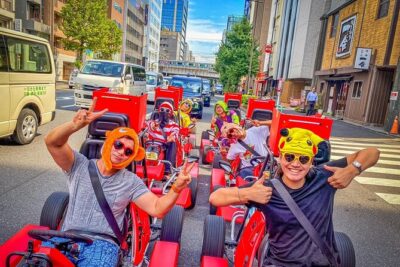

Tokyo Go Kart: Asakusa, Skytree, and Akihabara **IDP MUST**
Read our review →
Tokyo Studio Ghibli Museum and Ghibli Film Appreciation Tour
Read our review →
Akihabara Anime & Game Adventure Walking Tour (Group or Private)
Read our review →

Tokyo Akihabara, Anime, Manga, Video Games & Maid Cafe Tour
Read our review →Browse the lists this tour appears in