
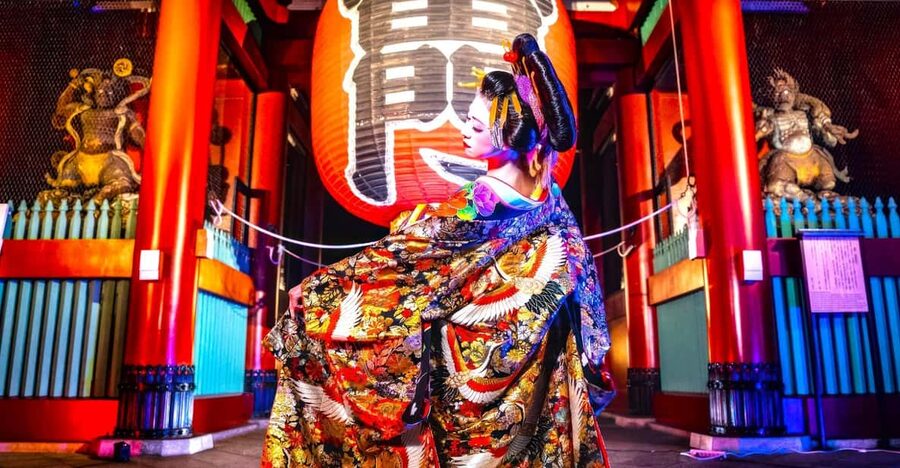
Reviewed · TOURS IN TOKYO
Tokyo: Japanese Dance Cabaret Theater Asakusa-Kaguwa Ticket
Asakusa-Kaguwa turns Japanese dance into a compact stage show of costumes, drama, music, and laser-lit spectacle. The one-hour performance moves between traditional Japanese styles and modern theatrical numbers, with enough acting and visual storytelling to follow even if you do not speak Japanese. I especially like the intimate theater and the friendly introductions from the dancers before the curtain rises. The included drink is another nice touch.
I also like how easy this is to pair with an evening in Asakusa. The main drawback is that the $49 standard ticket covers only one drink and a regular seat, while food, extra drinks, photos, and better seating cost more. The steep stairs and lack of an elevator also matter if you have mobility concerns.
Key points to know before you book
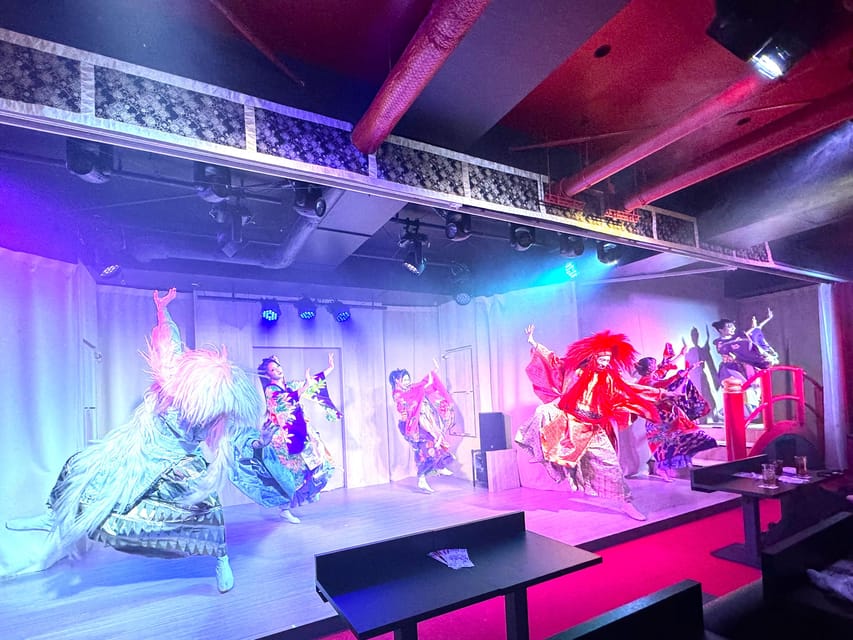
- A one-hour story show, not just a dance recital: Expect acting, choreography, music, lights, and changing Japanese garments.
- A personal pre-show welcome: The performers introduce themselves, mingle with the audience, and may pose for photos depending on your ticket.
- Two evening performances: Doors open at 4pm for the 5pm show and at 7pm for the 8pm show. An extra 2pm performance is listed for April 2026.
- Standard and premium choices: Every ticket includes one drink and a standard seat. Premium options can add front-row or sofa seating, pre-show drinks, dancer photos, or sparkling wine.
- Food is available but separate: You can order pizza, fried chicken, or vegetarian soy-meat snacks before the performance.
- A small theater with steep stairs: The intimate room helps you feel close to the action, but there is no elevator.
What the Asakusa-Kaguwa show is really like
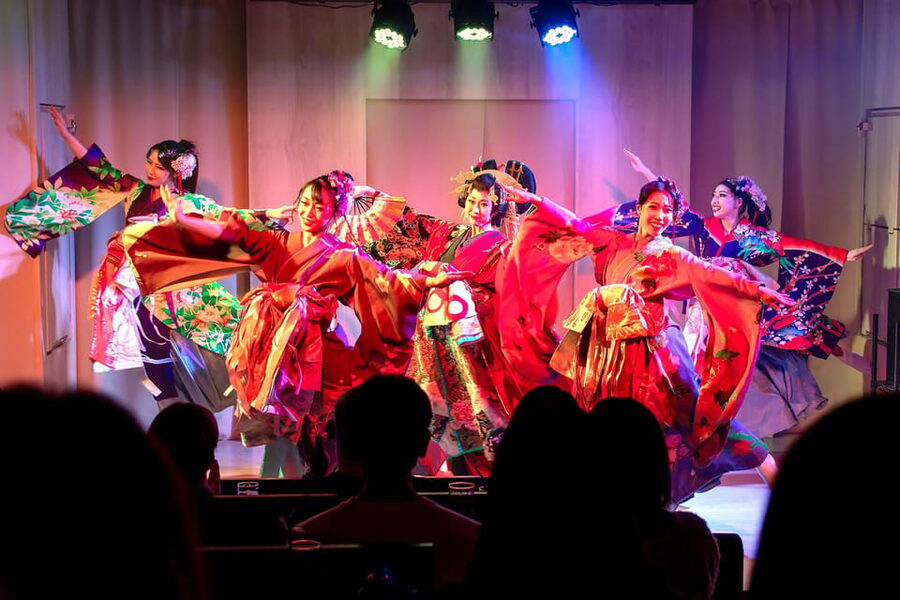
You are not going to Asakusa-Kaguwa for a quiet, formal recital. This is cabaret with a Japanese accent, and it mixes old and new in a way that can be touching, funny, theatrical, and a little wild.
The show lasts about one hour. Within that time, you see dancers in several kinds of gorgeous Japanese clothing, along with dramatic scenes, expressive acting, modern music, colored lights, and energetic choreography. Some sections lean toward traditional dance. Others feel closer to a contemporary stage musical or a fast-moving television drama with dance breaks.
That blend is the key to the experience. If you want a carefully explained lesson in Japanese performing arts, this is not the right ticket. If you want a lively introduction to Japanese stage culture that works across a language barrier, it makes much more sense.
The story is designed to be understood through movement, facial expression, music, and action. You may not catch every detail, but you should be able to follow the broad emotional direction. Several scenes are powerful enough to bring tears, while others are playful and highly energetic.
Other experiences people book in Tokyo:
- Mt Fuji and Hakone 1-Day Bus Tour Return by Bullet Train
★ 5.0 · 26,383 reviews - 1-Day Tokyo Bus Tour
★ 5.0 · 14,250 reviews - Tokyo: TOKYO SKYTREE® Admission ticket
★ 4.5 · 11,192 reviews
Your first hour at the theater
The performance itself lasts one hour, but you can stay at the venue for up to two hours. That extra time is important. It is not just dead time before the curtain.
As you enter, you pick up your included drink and settle into a red-toned Japanese interior. The theater’s design helps set the mood before anything happens onstage. It is stylish without feeling like a giant production hall, and the small scale gives the room a close, personal quality.
Use the pre-show period to order food, take photographs in the booth, and get comfortable. The dancers may come around to introduce themselves and speak with you before the show. This is one of the most appealing parts of the evening because it puts faces to the performers before you see them in costume and under stage lights.
Some visitors have particularly enjoyed receiving the performers’ cards or taking photos in kimono. Those details make the night feel more personal than simply taking a seat in a dark theater.
You should arrive at least 15 minutes before the performance begins, even if you are not interested in photographs. The theater advises that the show begins one hour after the time shown on the voucher, so read your booking details carefully. For the regular evening schedule, doors open at 4pm for the 5pm show and at 7pm for the 8pm show. Do not arrive before the time stated on your voucher.
From traditional garments to modern stage lights
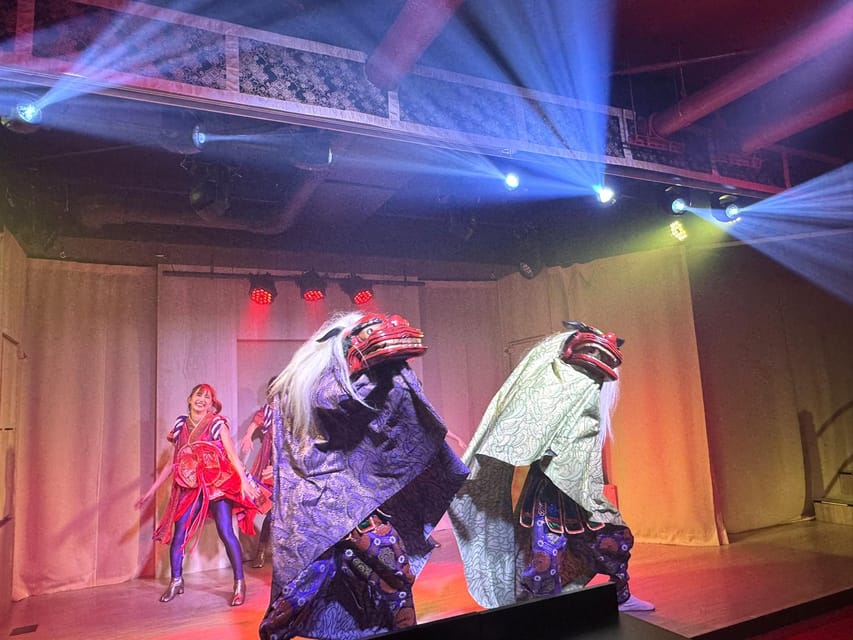
Once the music starts, the show shifts quickly. The costumes are one of the main attractions, but they are not presented as museum pieces. They are part of a moving stage production, paired with choreography, acting, sound, and lighting.
You will see Japanese cultural ideas presented beside contemporary music and modern theatrical effects. One section may feel graceful and traditional, while the next uses stronger beats, dramatic lighting, and a more current performance style. The contrast keeps the hour moving.
I like this format for first-time visitors because it avoids the barrier that can come with a highly formal cultural performance. You do not need to know the rules of a particular dance form or understand Japanese theater vocabulary. The cast communicates with movement and emotion.
The production also gives the performers room to act. That matters because this is not only about technical dancing. The cast uses expression and character to create small stories, and the emotional scenes give the show more weight than a series of unrelated numbers.
The pacing is brisk. If you prefer slow, meditative traditional arts, some of the modern sections may feel loud or overly dramatic. The theater intentionally goes for contrast and spectacle. That is part of its charm, but it will not suit every taste.
Seats, drinks, photos, and food
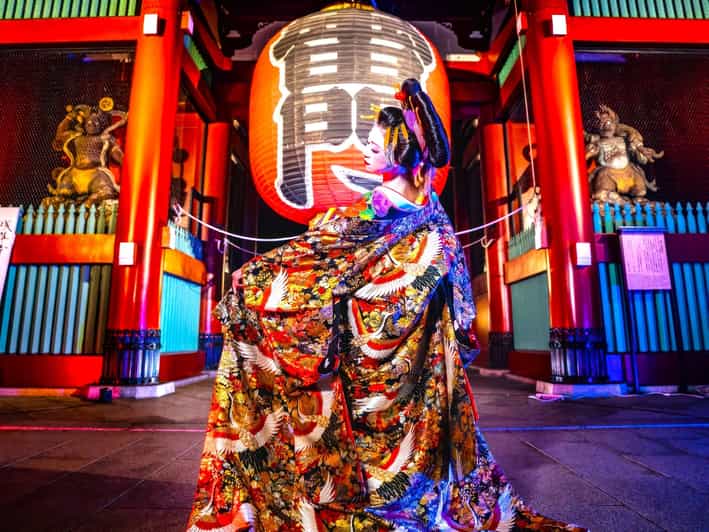
The standard ticket costs $49 per person and includes one drink and a regular seat. For an hour-long show plus the pre-show atmosphere, that is a reasonable price in Tokyo if you value live entertainment and want something different from a standard sightseeing stop.
The value becomes less clear if you expect a full meal, a long performance, or premium seating at that price. Food is ordered separately, with pizza, fried chicken, and vegetarian snacks made from soy meat available at the restaurant. Think of these as convenient theater food rather than the reason to book the experience.
Premium options change the calculation. Depending on what you select, you may receive a front-row seat or VIP sofa table, unlimited drinks until the show begins, a photo opportunity with the dancers, or original sparkling wine. A front-row seat can be worthwhile if you care about expressions, costumes, and close-up choreography.
The all-you-can-drink option only applies until the performance starts. That window is useful for having more than one drink, but it is not an open bar throughout the show. If you arrive late, you lose part of that benefit.
The photo option is also worth checking carefully when you book. Some ticket choices include a photo with all the dancers onstage, while others do not. If meeting the cast is a major reason for your visit, do not assume it comes with every ticket.
Tipping can also come up at the end. The performers may invite you to tip a favorite dancer. This is not included in the ticket price, and you should not feel pressured to add money if you did not plan for it. If you like to participate, bring a little extra cash. If choosing one favorite feels awkward, you can simply enjoy the show and decline.
Same base, a different sort of day:
- Tokyo: teamLab Planets TOKYO Digital Art Museum Entry Ticket
★ 4.6 · 9,779 reviews - Mt Fuji & Hakone Cruise, Drum Show Bullet Train 1 Day from Tokyo
★ 4.0 · 7,413 reviews - Tokyo: Sumo Show Experience with Chicken Hot Pot and a Photo
★ 4.8 · 6,678 reviews - Tokyo: Shinjuku Food Tour (13 Dishes at 4 Local Eateries)
★ 5.0 · 6,603 reviews
Why the small theater works
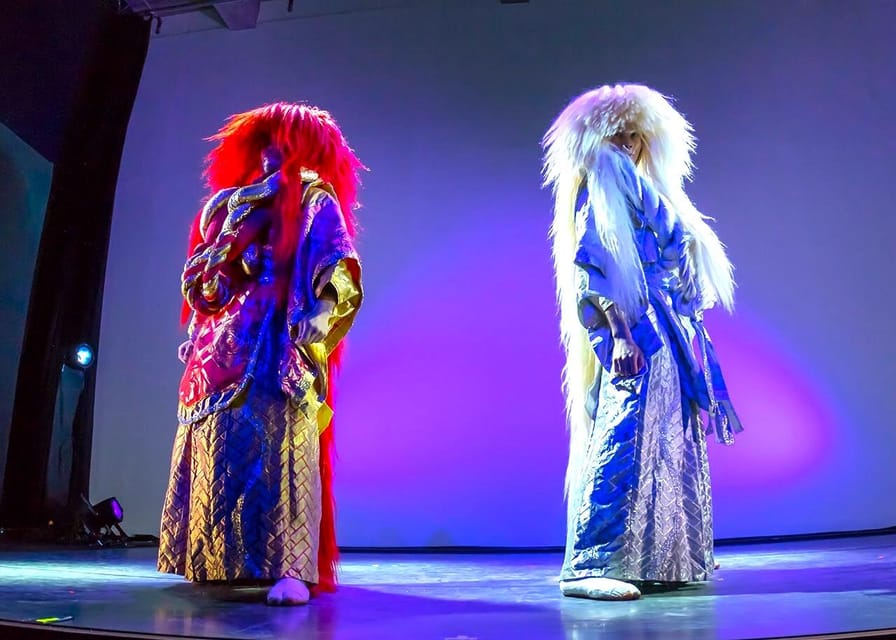
The intimate room is one of the strongest features here. You are close enough to see expressions and costume details, and the dancers can interact with the audience before and after the show.
That closeness creates a friendly atmosphere. Solo visitors can still feel included because the performers make an effort to welcome people individually. Families and teenagers can also enjoy the performance, provided they are comfortable with a theatrical show that includes loud music, dramatic lighting, and fast changes in mood.
The room does have a practical limitation. The stairs leading to the venue are steep, and there is no elevator. Staff can assist people who need help, but you should consider this before booking if stairs are difficult for you.
Seats are assigned by the theater in reservation order. You cannot count on choosing a specific seat unless your selected option clearly promises a front-row or VIP location. Book early if sitting near the stage matters to you.
Fitting it into an Asakusa evening
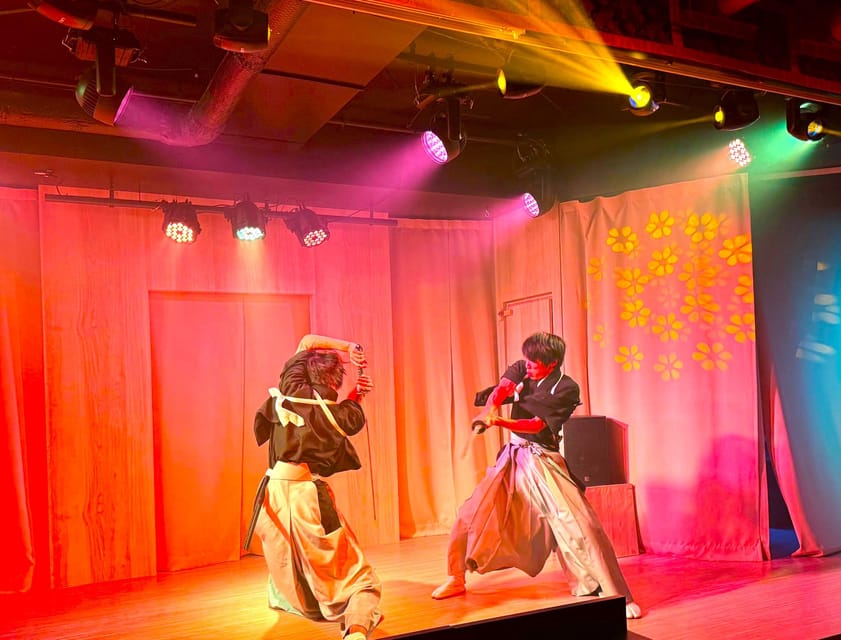
Asakusa is one of Tokyo’s best areas for combining old Tokyo atmosphere with a fun night out. You can spend the afternoon around the district’s traditional sights, browse the lanes, eat nearby, and then attend the evening performance.
The 5pm show works well if you want dinner afterward. The 8pm show leaves you more time to explore Asakusa first, but it also makes the performance the main event of your night. Allow time to find the theater and climb the stairs without rushing.
The early show listed for April 2026 begins at 2pm, with doors at 1pm. That option is useful for families, visitors with an early dinner plan, or anyone who does not want to finish an evening activity late. Check the schedule for your date because the early performance is specifically listed for April 2026.
You do not need to book a separate guide or arrange transportation as part of this experience. The theater is your destination in Asakusa, and the booking options provide the performance access and selected extras. Plan the rest of your day around the show rather than expecting a sightseeing tour of the neighborhood.
Who will enjoy this most
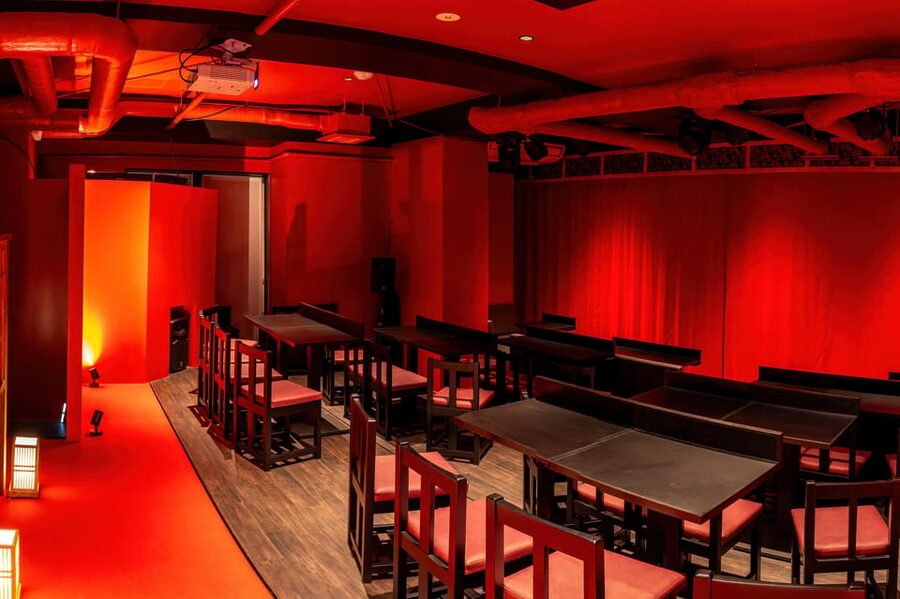
I would recommend Asakusa-Kaguwa to you if you want a cultural experience with plenty of stage energy. It is particularly good for:
- First-time visitors who want to see Japanese performance culture without needing Japanese language skills.
- Couples looking for an unusual evening show.
- Families with older children or teenagers.
- Solo visitors who appreciate a friendly, social welcome.
- People who enjoy dance, costumes, music, drama, and visual effects.
- Anyone already spending time in Asakusa.
It is less suitable if you want a quiet, strictly traditional performance or a large-scale theater production with spacious seating. The show is deliberately theatrical and sometimes extravagant. The story may be easy to follow in broad terms, but it is not presented as a detailed historical explanation.
The price may also feel high if you only want a short dance performance and do not care about the pre-show interaction. On the other hand, if you take advantage of the drink, photo opportunities, cast introductions, and intimate setting, the evening feels like more than a one-hour show.
Practical details that affect your decision
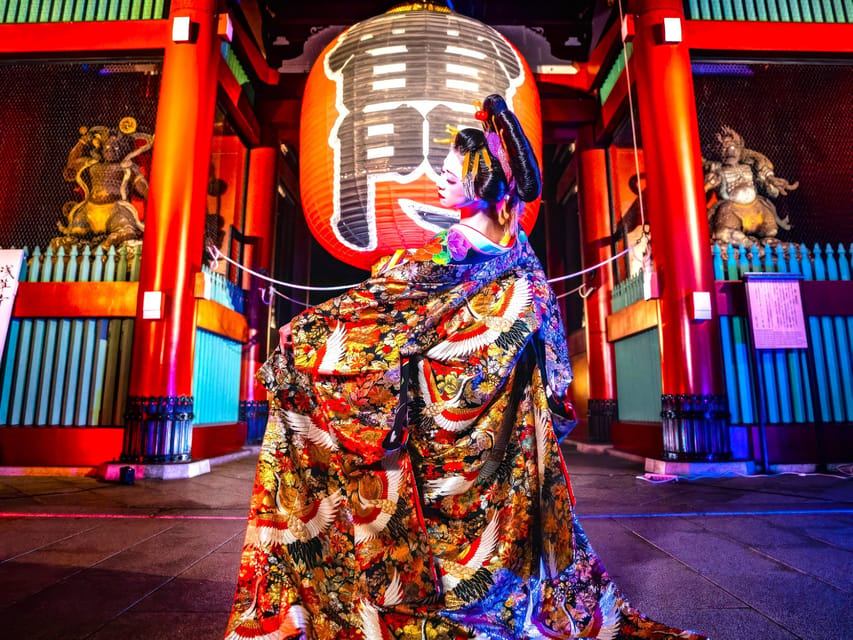
The experience is rated 4.8 from more than 2,000 bookings, with especially strong praise for the dancers’ skill, costumes, choreography, music, lighting, and emotional storytelling. Those are the areas I would use to judge the show, rather than expecting a conventional cultural lecture.
One useful point is that the cast’s work is not limited to dance technique. The acting and facial expressions help carry the story, and the mix of modern and traditional elements makes the production accessible to people with different tastes.
Book with the cancellation rule in mind: you can cancel up to 24 hours in advance for a full refund. You can also reserve now and pay later, which is helpful when you are arranging several Tokyo activities before your dates are fixed.
Infants require their own reservation so the theater can keep an accurate count. Children up to age five are free, but you still need to include an infant reservation when applicable.
Check the meeting point listed for your selected option, since it may vary by ticket type. Also confirm which extras you are buying. Standard seating includes one drink, while premium tickets can include different combinations of seating, drinks, photos, and sparkling wine.
Should you book Asakusa-Kaguwa?
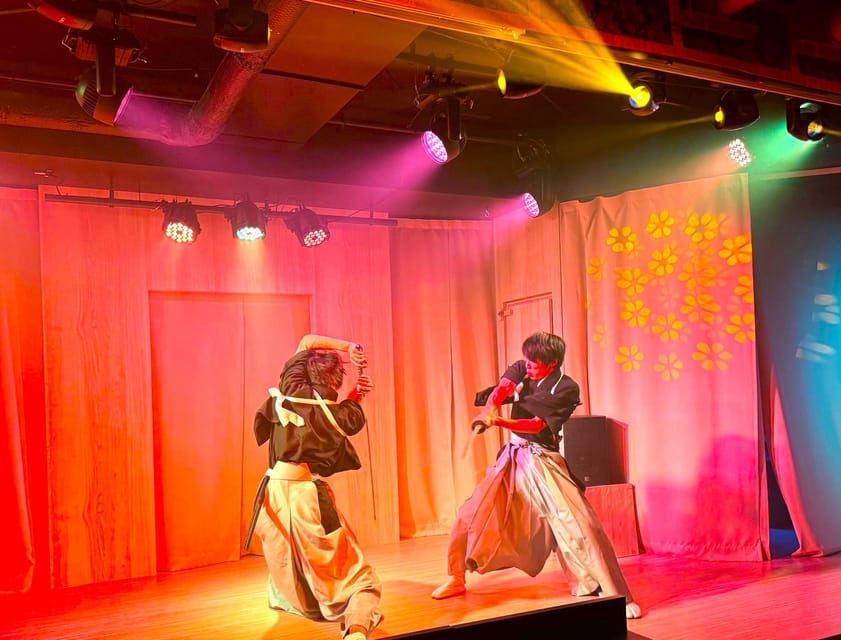
Yes, I would book it if you want a lively, personal, and visually rich night in Asakusa. The strongest reasons are the excellent dancing, the emotional stories, the variety of costumes, and the chance to meet the performers before and after the show.
Choose the standard ticket if you mainly want to see the performance and have one drink. Choose a premium option if front-row seating, pre-show drinks, or photos with the cast are central to your plans.
I would skip it only if steep stairs are a serious problem, if you dislike loud theatrical effects, or if you want a purely traditional Japanese arts performance. For most visitors who want something memorable and different from temples, markets, and observation decks, this is a smart two-hour addition to an Asakusa day.
FAQ
How long does the Asakusa-Kaguwa experience last?
You can stay at the theater for up to two hours. The performance itself lasts one hour.
What time do the regular shows begin?
The first regular show has doors opening at 4pm and runs from 5pm to 6pm. The second has doors opening at 7pm and runs from 8pm to 9pm.
Is there an afternoon performance?
An early performance is listed for April 2026. Doors open at 1pm and the show runs from 2pm to 3pm.
What does the standard ticket include?
The standard ticket includes admission to one one-hour performance, one drink, and a standard seat.
What can premium ticket options include?
Depending on the option selected, premium tickets can include a front-row seat or VIP sofa table, unlimited drinks until the show begins, a photo opportunity with all the dancers, or original sparkling wine.
Can I order food at the theater?
Yes. Pizza, fried chicken, and vegetarian snacks made with soy meat are available separately. Additional food and drinks are not included in the standard ticket.
Can children attend the show?
Yes. Families and children can attend. Children up to age five are free, but an infant reservation is required so the theater can track attendance.
Is the theater accessible for people with mobility issues?
The stairs to the venue are steep, and there is no elevator. Staff can assist people who need help, but you should take this limitation into account before booking.
Just added in Tokyo
- Small-Group Wagyu Beef and 7 Japanese Dishes Tokyo Cooking Class★ 5.0 · 190 reviews
- Nikko: Edo Wonderland Edomura Cultural Theme Park Ticket★ 4.3 · 205 reviews
- 《MEMBERS-ONLY-BAR-HOPPING》Discover Your Special Whiskey in Tokyo!★ 5.0 · 29 reviews
- Japanese Whisky Hunting《HIGH-QUALITY-ONLY》Rare Tasting Class★ 5.0 · 20 reviews
- Luxury Tokyo Sake, Cocktail, Whisky and Pairing Tour★ 5.0 · 18 reviews
- Wagyu & Sake Pairing in Shinjuku – Steak, Shabu-Shabu & More★ 5.0 · 112 reviews
- From Tokyo: Private Tour to Fuji/Hakone – Onsen, Art, Nature★ 5.0 · 116 reviews
- Tokyo: KABUKI Show at Kabukiza Theatre Admission Ticket★ 4.8 · 152 reviews
Tours in Tokyo, compared.

Mt Fuji and Hakone 1-Day Bus Tour Return by Bullet Train
Read our review →
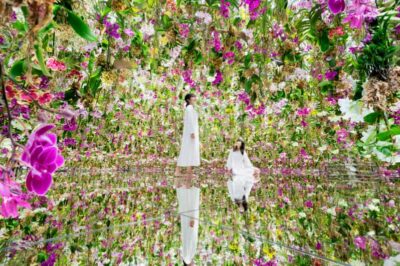
teamLab Planets TOKYO Digital Art Museum Entry Ticket
Read our review →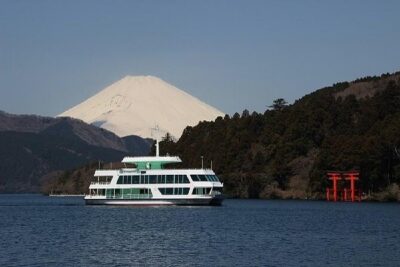
Mt Fuji & Hakone Cruise, Drum Show Bullet Train 1 Day from Tokyo
Read our review →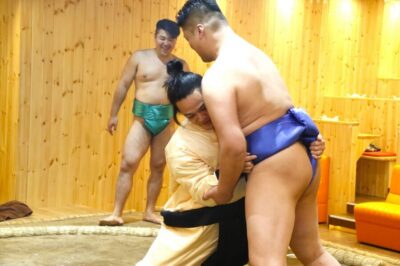
Sumo Show Experience with Chicken Hot Pot and a Photo
Read our review →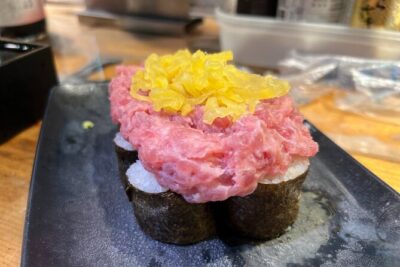
Shinjuku Food Tour (13 Dishes at 4 Local Eateries)
Read our review →
Tokyo Mt Fuji 5th St & Hakone Cruise Bus Tour w/Bullet Train
Read our review →Browse the lists this tour appears in