Reviewed · TOURS IN TOKYO
Tokyo: Pre Japan Planning Kit: Itineraries, Food & Survival
Tokyo can swallow your planning time before you even arrive. This $20 digital kit gives you one to four days of ready-made routes, restaurant ideas, and basic Japanese phrases from Nikolai and Kaho, a Norwegian-Japanese couple who live in the city.
I like the practical food recommendations, especially for budget-minded visitors, and the freedom to save the PDFs offline and set your own pace. The main drawback is simple: this is a planning product, not a guided tour, so you must handle transport, timing, and daily decisions yourself.
Key points at a glance
- Four possible Tokyo days: Use one day or follow the full four-day plan.
- Starts with Shinjuku: The routes use Shinjuku Station as the stated starting point.
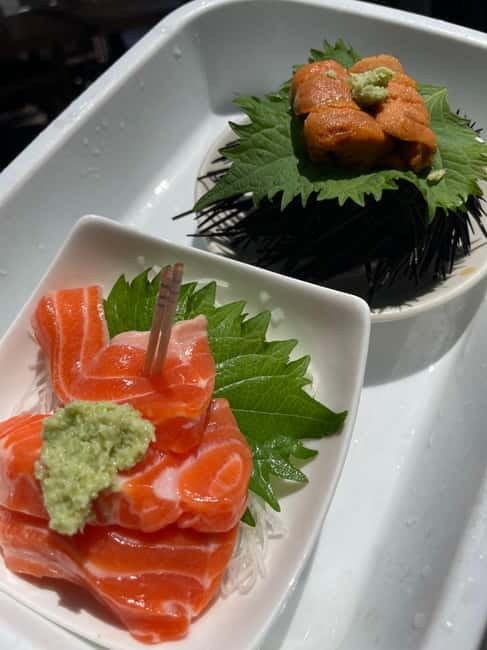
- Personal food advice: Restaurant suggestions cover several Tokyo areas, with many affordable choices.
- Small Japanese survival card: Print it as a pocket-sized card or keep it on your phone.
- Digital and self-guided: Save the PDFs offline and adjust each day to fit your interests.
- Low group price: One $20 booking covers a group of up to 15 people.
What You Actually Get for $20
This is best understood as a compact Tokyo planning file, not an activity you attend at a set time. After booking, you receive a private Google Drive link by email, with downloadable PDFs for use before and during your trip.
The price is unusually easy to justify if you are traveling with family or friends. At $20 for up to 15 people, the cost per person becomes very small for a group. Even for one or two people, it can save hours of sorting through restaurants, neighborhoods, and possible daily routes.
The value depends on how much help you need. If you enjoy building your own Tokyo plan from scratch, you may find the kit too basic. If you want a clear starting point without paying for a private guide, it offers a useful middle ground.
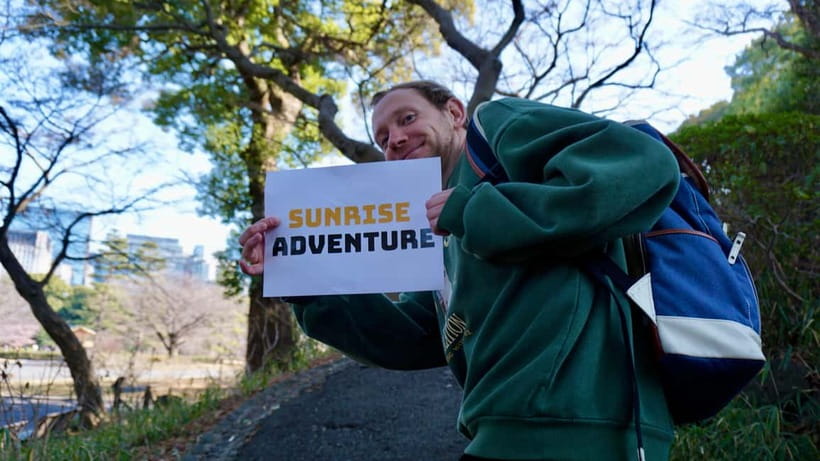
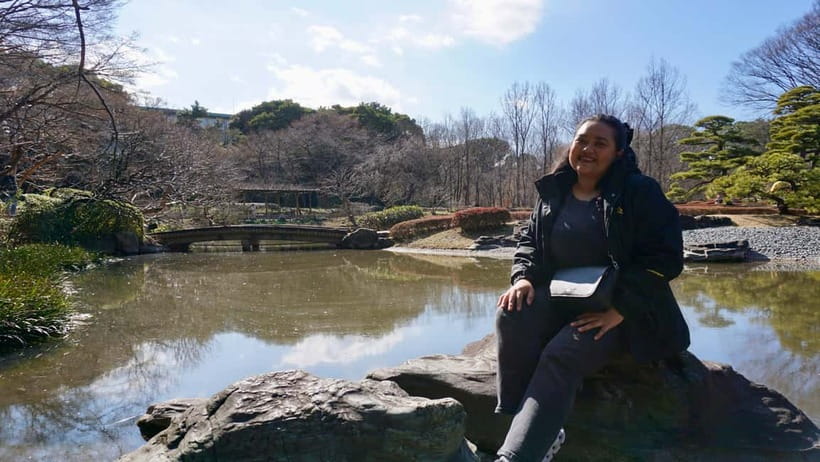
The creators are Nikolai and Kaho. They are a Norwegian and Japanese married couple who have lived together in Japan for many years and have worked as guides for other companies. Their aim is personal rather than encyclopedic: they share places they like taking friends, family, and visitors.
That distinction matters. You are not buying a giant reference book covering every Tokyo district. You are getting their selected places, food suggestions, and practical help for a first visit.
Other experiences people book in Tokyo:
- Mt Fuji and Hakone 1-Day Bus Tour Return by Bullet Train
★ 5.0 · 26,383 reviews - 1-Day Tokyo Bus Tour
★ 5.0 · 14,250 reviews - Tokyo: TOKYO SKYTREE® Admission ticket
★ 4.5 · 11,192 reviews
How the One to Four Day Plan Works
The material covers one to four full days in Tokyo. The supplied route outline begins in Shinjuku City and includes breakfast, lunch, dinner, street food, sightseeing, shopping, free time, photo stops, walks, local snacks, and scenic views along the way.
The description does not provide a full public list of every stop. That means you should think of the itinerary as a daily framework rather than a guarantee of particular attractions. The strength is structure: you have a route to follow instead of facing a blank page each morning.
Day one: A useful first taste of Tokyo
A first day built around Shinjuku is practical because Shinjuku Station is the named starting point. You can begin with breakfast, move through sightseeing and photo stops, pause for local snacks, and finish with dinner or shopping.
The kit may be especially useful on day one, when you are still learning Tokyo’s scale and rhythm. Having food ideas and a suggested sequence can reduce the number of decisions you need to make after a long flight.
The limitation is that the experience does not include someone meeting you at the station. You need to reach Shinjuku from your accommodation and manage the route independently. The meeting-point coordinates are 35.6938253, 139.7033559, but the material is intended for self-guided use rather than an arranged meetup.
Day two: More room for food and neighborhood time
A second day lets you use the restaurant guide more fully. The food section covers different areas of Tokyo and focuses mostly on affordable places, so you can plan meals without turning every lunch or dinner into a major expense.
I like this practical approach. Tokyo has plenty of famous dining options, but a first-time visitor often needs simple answers: where can I eat nearby, what kind of food might I find, and how can I keep the budget sensible? The guide is designed to address those everyday questions.
Because no detailed stop-by-stop route is supplied in the activity information, you should read the PDF before setting out. Check how the food stops fit with the day’s sightseeing and decide which suggestions match your own tastes.
Same base, a different sort of day:
- Tokyo: teamLab Planets TOKYO Digital Art Museum Entry Ticket
★ 4.6 · 9,779 reviews - Mt Fuji & Hakone Cruise, Drum Show Bullet Train 1 Day from Tokyo
★ 4.0 · 7,413 reviews - Tokyo: Sumo Show Experience with Chicken Hot Pot and a Photo
★ 4.8 · 6,678 reviews - Tokyo: Shinjuku Food Tour (13 Dishes at 4 Local Eateries)
★ 5.0 · 6,603 reviews
Day three: Add shopping, snacks, and free time
The third day appears designed to leave room for a less rigid pace. Shopping, street food, local snacks, and free time are part of the stated itinerary features, giving you permission to pause instead of racing from one sight to another.
That flexibility is a real advantage in Tokyo. You may find a shop, food counter, or side street that deserves extra time. A self-guided plan lets you linger, skip a meal suggestion, or change the order without holding up a group.
The tradeoff is that you need to make those calls yourself. There is no live guide to explain why a place is worth visiting or to suggest a replacement if you are tired. The kit gives direction, but you remain responsible for the final plan.
Day four: Finish with your own priorities
The fourth day can serve as a final chance to use recommendations you skipped earlier. You might choose another restaurant, repeat a favorite type of food, spend more time shopping, or use the route as a loose outline for your last full day.
This is one reason the kit works best for first-time visitors who want a flexible base. You can follow all four days, use only the first two, or mix the suggested food stops with your own plans.
Do not expect a live commentary program or a fixed tour schedule. The four-day label refers to the amount of planning content, not four days of hosted activities.
The Food Guide Is Likely the Most Useful Part
Food planning can be one of the hardest parts of a Tokyo visit. You may want local dishes, affordable prices, and places that fit your route, but searching one restaurant at a time can eat up an evening.
Nikolai and Kaho provide personal restaurant recommendations in several Tokyo areas. The emphasis is mostly on affordable places, with options intended to suit different preferences rather than one narrow style of dining.
I like that the food advice is presented as personal favorites, not as a claim that these are the only places worth visiting. Food taste is personal. You can use the suggestions as reliable starting points and still make your own choices.
The guide also includes street food and local snacks within the wider itinerary. That helps you plan beyond formal meals. In Tokyo, a quick snack can be as important to your day as a reserved dinner, especially when you are walking and sightseeing.
The details available do not specify menus, reservation rules, opening hours, or dietary coverage. You should check those practical points in the PDFs and confirm current information before going. Restaurants can change hours, prices, or policies.
The Japanese Survival Card Has Everyday Value
The printable Japanese survival card is a small feature, but it may be the most reassuring one for a first visit. It contains useful phrases and words for everyday situations and can be printed down to a business-card size.
You can also keep it on your phone. That gives you two options: carry a physical card for quick access, or save the digital file with the rest of your trip information.
The card is not presented as a language course. It is a quick aid for moments when you need basic help and do not want to search through a long translation app. I would print it before leaving home and keep a phone copy as backup.
The information provided does not list the exact phrases, so you should not assume it covers every possible situation. Its purpose is practical support, not full communication. For more complex questions, you will still need a translation tool or another method of assistance.
A Digital Plan You Can Use Offline
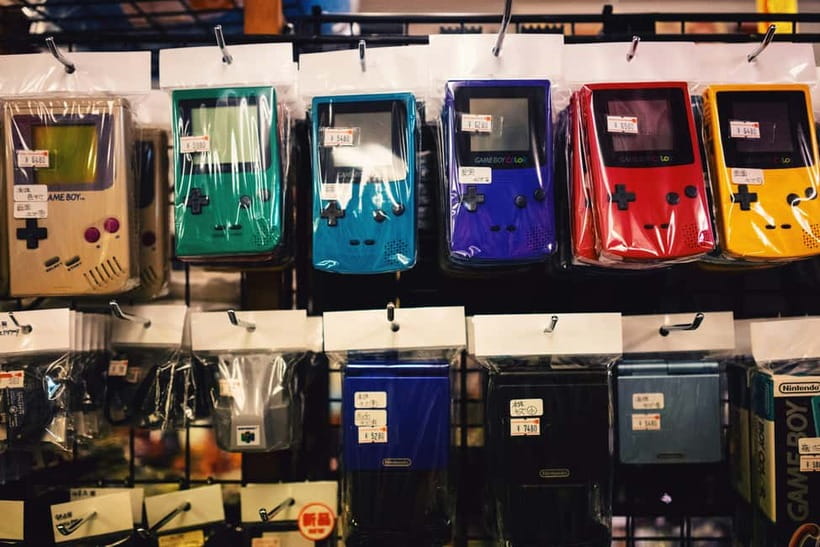
The kit is delivered through a private Google Drive folder. The PDFs can be downloaded to your phone or another device, which is important when you are moving around a large city and do not want to depend on a constant connection.
I recommend saving everything before you leave home. Put the itinerary, restaurant guide, and survival card in an easy-to-find folder. If you print the survival card, you have a backup in case your phone battery runs low.
Delivery is expected within one to three business days, with the general information also stating that it may arrive within three days. If you are booking close to departure, email the provider and explain that you are in a hurry. The provider says they will try to send it as soon as possible.
That delivery window is the main planning concern. This is not an instant download you can count on receiving the moment you pay. Leave some time before your trip, especially if you want to study the routes or print the card.
Self-Guided Means Real Freedom, With Real Responsibility
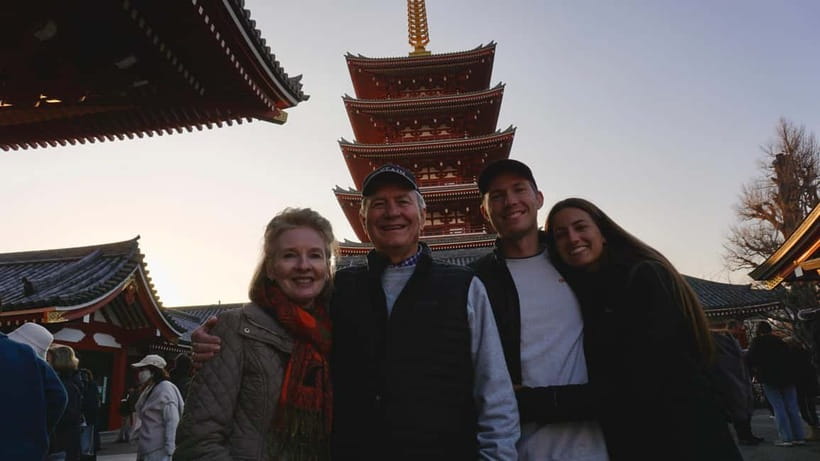
There is no meeting point for a live activity, no guide walking beside you, and no in-person support. Shinjuku Station is listed as the starting location only because the creators do not know where you will be staying.
For many visitors, this is a benefit. You can start when you want, stop for coffee, change your meal plans, or shorten a day if you are tired. You also avoid the fixed pace of a group tour.
For others, the lack of a guide will be a clear weakness. You will need to find your way to Shinjuku, read the PDFs, manage your time, and adapt if a restaurant or attraction does not work out. If you want background stories, local explanations, or help with unexpected problems, book a live tour instead.
I would describe the kit as guidance rather than hand-holding. That is a good fit for independent visitors who want help with the first layer of planning.
Who Will Get the Most From This Kit
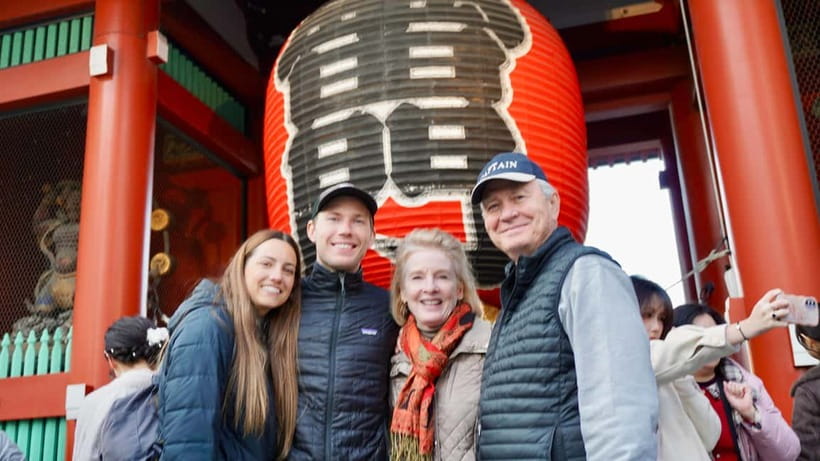
This package fits first-time Japan visitors who feel unsure about how to organize Tokyo. It is also useful if you prefer to prepare before arrival but do not want to build a day-by-day plan from scattered websites and social media posts.
It suits:
- Couples who want a flexible plan without joining a group
- Families or friends who can share one booking among up to 15 people
- Budget-minded visitors looking for affordable food ideas
- Independent people who are comfortable using PDFs and phone maps
- Short-stay visitors who need to make one to four Tokyo days count
It is less suitable if you want a private guide, a detailed history lesson, or an activity with a fixed start time. The English-language material is designed for independent use.
What the 4.9 Rating Tells You
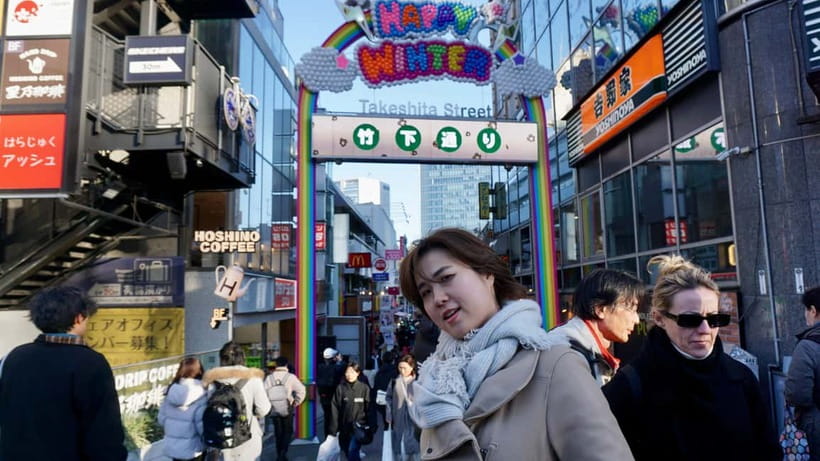
The experience carries a 4.9 rating from 18 reviews. The most useful praise focuses on the things this product promises to do well: the itinerary is helpful, the delivery was quick, and the food addresses were considered useful.
One recent American buyer specifically found the itinerary helpful for a Japan stay. Sonia from Switzerland highlighted the fast delivery and the selection of good addresses. Those comments point to the kit’s practical side rather than to any grand promise.
The sample is still small, so I would not treat the rating as proof that every food suggestion will suit you. The strongest reason to buy is the combination of low cost, clear planning material, and personal local recommendations.
Booking, Cancellation, and Timing
You can cancel up to 24 hours in advance for a full refund, according to the booking terms. There is also a reserve-now, pay-later option, which can help if your Tokyo plans are not fully settled.
The stated duration is four days, but the content covers one to four days. Check the available start-time information when booking, even though this is a digital product rather than a live event.
Most important, allow one to three business days for delivery. If your departure is soon, contact the provider directly rather than assuming the files will arrive instantly.
Should You Buy the Tokyo Planning Kit?
I would buy it if you want a low-cost, flexible plan and you are happy to guide yourself. The combination of four daily route options, affordable food suggestions, and a pocket-sized Japanese phrase card gives a first visit some useful structure.
I would skip it if you want a detailed attraction guide, a live local companion, or instant access to a finished download. The kit is personal and practical, but it is not an all-purpose Tokyo encyclopedia.
For a group of up to 15, the $20 price is especially strong. For a solo visitor, the decision comes down to convenience: if a few good food leads and a ready-made daily outline save you planning time, the kit earns its keep.
FAQ
Is this a live guided tour?
No. This is a digital, self-guided planning kit. It does not include a personal guide, a meeting with Nikolai and Kaho, or an in-person activity.
How many days of Tokyo planning are included?
The kit includes itinerary PDFs for one to four days in Tokyo. You can follow the suggested days exactly or adjust them to your own interests and pace.
Where does the itinerary start?
Shinjuku Station is the stated starting point. The listed coordinates are 35.6938253, 139.7033559.
What food information is included?
You receive restaurant recommendations for different areas of Tokyo, with an emphasis on affordable places. The itinerary also includes food categories such as breakfast, dinner, lunch, street food, and local snacks.
How do I receive the materials?
After booking, you receive a private Google Drive link by email. The materials are downloadable PDFs, and you can save them to your phone or another device for offline use.
Is the Japanese survival card printable?
Yes. The card is designed to work on a phone and can also be printed in a small business-card format. It contains useful Japanese words and phrases for everyday travel situations.
Just added in Tokyo
- The 10 Tastings of Tokyo With Locals: Private Street Food Tour★ 5.0 · 48 reviews
- Small Town in the Big City: Tasting Tokyo’s Kichijoji★ 5.0 · 195 reviews
- Small Town in the Big City: Tasting Tokyo’s Kichijoji★ 5.0 · 16 reviews
- EXCLUSIVE Tokyo Secret: Kichijoji Small-Group Food & Bar Hopping★ 5.0 · 29 reviews
- Explore Kichijoji: Walk Through One of Tokyo’s Beloved Districts★ 5.0 · 21 reviews
- :Tokyo,Shibuya/ Pro Photography in Kimono / English-Friendly★ 5.0 · 26 reviews
- 【R34】Tokyo:Private Daikoku tour in Modified R34★ 4.9 · 92 reviews
- Tokyo:Calligraphy &Make your original folding fan in Asakusa★ 5.0 · 62 reviews
Tours in Tokyo, compared.

Mt Fuji and Hakone 1-Day Bus Tour Return by Bullet Train
Read our review →


teamLab Planets TOKYO Digital Art Museum Entry Ticket
Read our review →
Mt Fuji & Hakone Cruise, Drum Show Bullet Train 1 Day from Tokyo
Read our review →
Sumo Show Experience with Chicken Hot Pot and a Photo
Read our review →
Shinjuku Food Tour (13 Dishes at 4 Local Eateries)
Read our review →