Reviewed · TOURS IN TOKYO
Tokyo: Private Customizable Tour with a Local Guide
Tokyo is too large for a one-size-fits-all sightseeing day, and this private tour gives you room to choose. You can spend the morning around Tsukiji and Asakusa, chase anime and electronics in Akihabara, or build a day around Harajuku, Shibuya, and Shinjuku.
I like the private format, since your guide can slow down for photos, shopping, or food. I also like the useful local touch: guides such as Joe, Maruf, Abu, Zia, and Amir have helped guests find shortcuts, local markets, and less obvious places. The catch is simple: Tokyo traffic, crowds, and train transfers mean you cannot do every listed district properly in four hours.
Key points at a glance
- Choose four or eight hours: The shorter option works for a focused neighborhood visit, while eight hours gives you a better chance of seeing several parts of Tokyo.
- Set your own priorities: Pick temples, food markets, shopping streets, anime culture, nightlife, or a mix of all five.
- See classic Tokyo landmarks: Senso-ji Temple, Meiji Shrine, Tsukiji Outer Market, Shibuya, and Shinjuku are all possible stops.
- Expect plenty of walking: Comfortable shoes, water, sun protection, and weather-appropriate clothing matter.
- Make the guide earn the fee: Ask for help with local food, shortcuts, shopping areas, and the best order for your chosen stops.
- Check the mobility details: The tour is marked wheelchair accessible in one section, but another note says it is not suitable for wheelchair users or people with mobility impairments.
A private Tokyo day built around your interests
This experience works best as a flexible introduction to Tokyo rather than a fixed sightseeing checklist. You tell the guide what matters to you, then shape the day around your schedule and energy.
That distinction matters in Tokyo. Senso-ji, Meiji Shrine, Tsukiji, Akihabara, Shibuya, and Shinjuku are spread across different parts of the city. A rushed attempt to cover all of them can turn into a day of station platforms and quick photographs. A good private guide helps you choose what fits, then adjusts the pace when you find something worth lingering over.
The tour lasts four to eight hours and costs $120 per person. For a private group, that can be fair value if you want personal help with Tokyo’s enormous choice of sights, food, shopping, and neighborhoods. It is less attractive if you already know the city well and are happy to use public transport and explore alone.
The English-speaking guides named in the tour information include Joe, Maruf, Abu, Zia, and Amir. Their roles are especially useful when you want more than directions. A guide can explain customs at a shrine, point out suitable food stops, help you use your time wisely, and adjust the plan around your interests.
Other experiences people book in Tokyo:
- Mt Fuji and Hakone 1-Day Bus Tour Return by Bullet Train
★ 5.0 · 26,383 reviews - 1-Day Tokyo Bus Tour
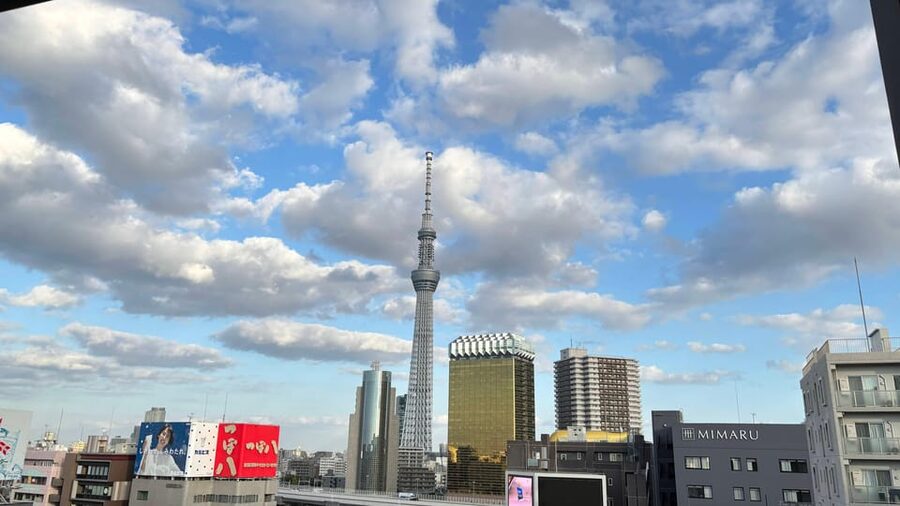
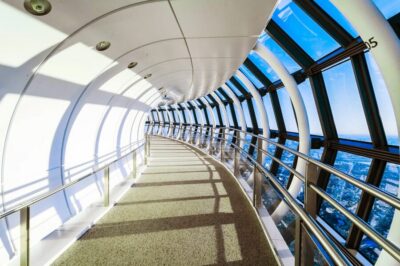
★ 5.0 · 14,250 reviews - Tokyo: TOKYO SKYTREE® Admission ticket
★ 4.5 · 11,192 reviews
Tsukiji Outer Market for food and a lively start
Tsukiji Outer Market is a strong choice if food is high on your list. The planned stop allows about an hour for a guided visit, photos, free time, and a break.
I would use this hour for orientation rather than trying to inspect every stall. Your guide can help you understand what the market offers and suggest places for a snack or lunch. The tour includes lunch recommendations, but meals and drinks are not included, so budget separately for anything you eat.
Tsukiji also gives you a quick introduction to Tokyo’s food culture before the day moves on to temples and shopping. If you prefer a quieter cultural start, ask to replace it with a shrine or palace visit. If food is your main reason for booking, keep Tsukiji and allow enough time to stop and eat instead of treating it as a photo stop.
Senso-ji and Asakusa: Tokyo’s best first taste
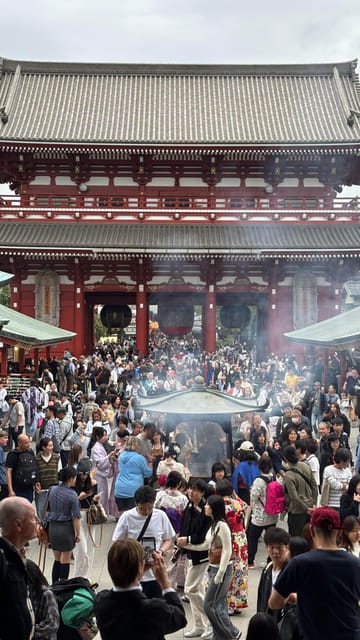
Senso-ji Temple in Asakusa is one of the tour’s most rewarding classic stops. You get about an hour for a guided visit, photos, a break, and free time.
The temple gives you a clear sense of old Tokyo, with a strong contrast to the glass towers and neon found elsewhere in the city. The surrounding Asakusa district adds room for shopping and casual exploration. One guest who worked with Amir spent time around Senso-ji and Asakusa, picking up food and souvenirs while shaping the visit around Japanese culture.
That is a good way to approach this area. Do not treat Senso-ji as a quick box to tick. Ask your guide to explain what you are seeing, then leave time for Asakusa’s shops and small food stops.
The drawback is crowding. Senso-ji is famous, so the approach can feel busy, especially when several groups arrive together. A private guide cannot remove the crowds, but can help you use the hour well and may show you a less hurried route through the area.
Akihabara for anime, electronics, and otaku culture
Akihabara changes the tone of the day completely. The planned hour includes sightseeing, guided time, photographs, and free time.
This is the stop to choose if you care about anime, manga, games, electronics, or Japan’s otaku culture. It is also a good place for first-time visitors who want to see a side of Tokyo that temples and gardens cannot provide.
One hour is enough for an introduction, but not enough for serious shopping across the district. If you have a specific interest, tell your guide early. You may want to focus on anime shops, electronics, or general street scenes rather than trying to cover everything.
Akihabara can also be a poor fit for someone who prefers traditional culture, local food, or quiet streets. In that case, use your private format to choose Meiji Shrine, the Imperial Palace area, or more time in Asakusa instead.
Same base, a different sort of day:
- Tokyo: teamLab Planets TOKYO Digital Art Museum Entry Ticket
★ 4.6 · 9,779 reviews - Mt Fuji & Hakone Cruise, Drum Show Bullet Train 1 Day from Tokyo
★ 4.0 · 7,413 reviews - Tokyo: Sumo Show Experience with Chicken Hot Pot and a Photo
★ 4.8 · 6,678 reviews - Tokyo: Shinjuku Food Tour (13 Dishes at 4 Local Eateries)
★ 5.0 · 6,603 reviews
Meiji Shrine and Harajuku’s two different moods
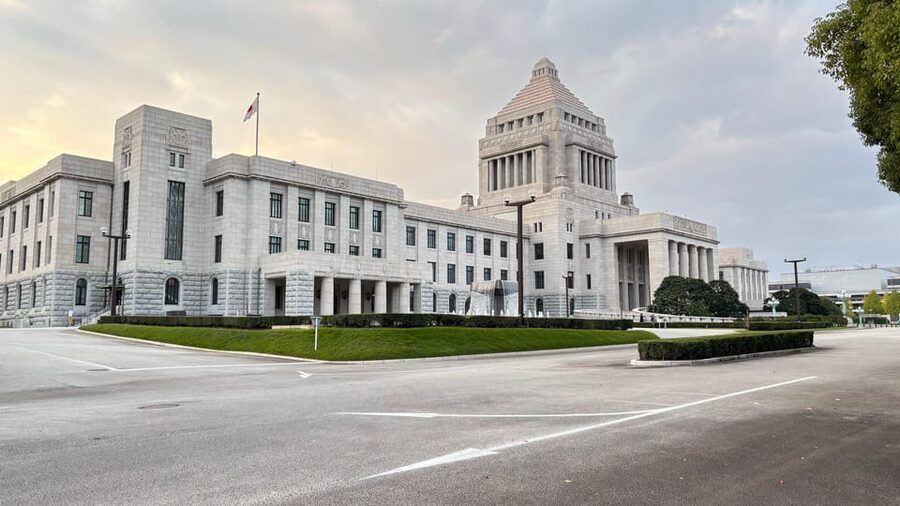
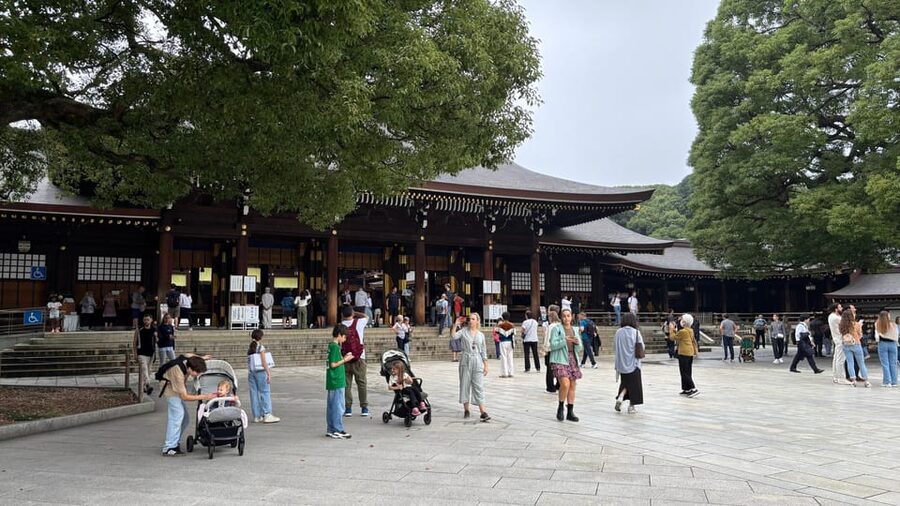
Meiji Shrine offers a calmer break from Tokyo’s commercial districts. It sits in a large wooded setting and gives you time to see a major Shinto shrine without the same shopping focus as Harajuku.
The suggested visit lasts about an hour, including a guided walk, photos, free time, and shopping nearby. Your guide can explain basic shrine etiquette and help you understand the setting. Keep your clothing practical, especially in warm weather, since the tour includes a moderate amount of walking.
After the shrine, Harajuku can add a sharp change of pace. Takeshita Street is known for colorful shops and an unusual mix of fashion, snacks, and youth culture. It is a useful stop if you want to see how different Tokyo neighborhoods can feel within a short journey.
The tradeoff is focus. Meiji Shrine and Takeshita Street are close enough to pair, but they offer very different experiences. If you want a quiet cultural visit, give the shrine enough time. If shopping and street style matter more, ask your guide to shift time toward Harajuku.
Shibuya for Tokyo’s famous city energy
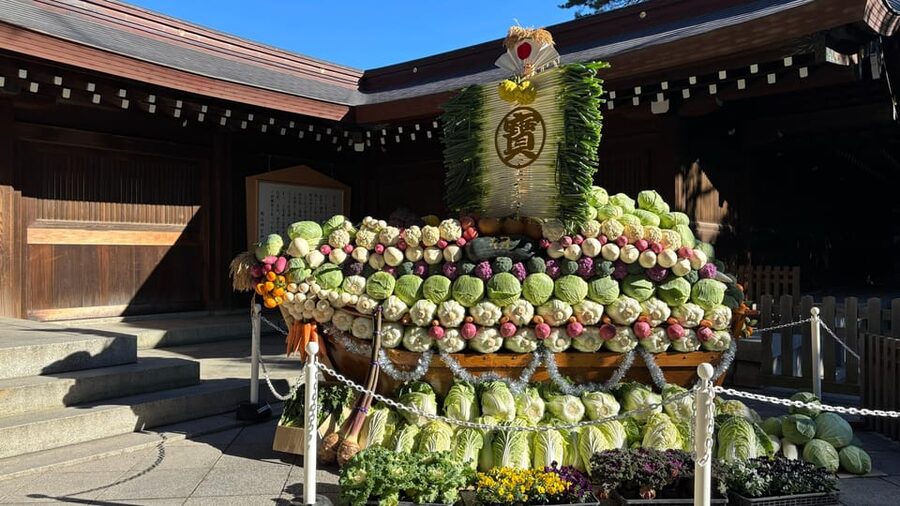
Shibuya is listed as a one-hour stop with sightseeing, shopping, photos, and free time. It is a good choice for a first visit because it gives you one of Tokyo’s most recognizable urban scenes.
You can use the hour for a quick look at the major crossing area, then ask your guide where to shop or pause. The private setup helps here because you do not have to follow a rigid group schedule. If the crowds become tiring, your guide can move you along rather than keeping you in place.
Still, one hour goes quickly. Shibuya is not the place to combine serious shopping, a long meal, and sightseeing in the same short stop. Tell your guide what matters most before you arrive.
Shinjuku after dark, from Golden Gai to Kabukicho
Shinjuku is the tour’s best evening option. The suggested stop includes guided sightseeing, shopping, photos, and free time, with possible time in Golden Gai and Kabukicho.
Golden Gai is known for its narrow lanes and tiny bars. Kabukicho offers a larger entertainment district with more lights, restaurants, and evening activity. Your guide can help you understand the area and suggest where to spend your limited time.
This section is better suited to an eight-hour day than a four-hour booking. It also works best when your interests match the setting. If you want nightlife and city lights, Shinjuku adds a memorable finish. If you are traveling with young children or prefer temples and markets, use the time elsewhere.
Meals and drinks are not included, so treat any evening stop as a chance to choose and pay for your own food. Ask for recommendations if you want local options rather than simply eating at the first convenient place.
How to choose between four and eight hours
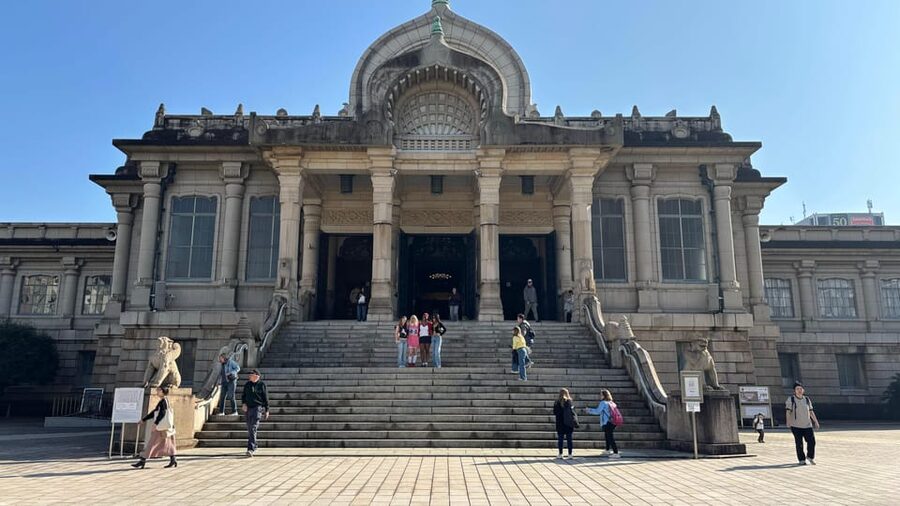
The four-hour option is best for a focused plan. Choose one main area, or perhaps two nearby priorities, such as Asakusa and Senso-ji or Meiji Shrine and Harajuku. You can also use four hours for a compact introduction to Tokyo with a guide who helps you avoid wasting time.
The eight-hour option makes more sense if you want several districts. It gives you room for Tsukiji, Asakusa, one modern neighborhood, and a longer food or shopping break. Even then, do not expect a relaxed visit to every listed stop. Tokyo’s size and the time needed to move between districts limit what fits comfortably.
A useful approach is to name your top two priorities and your optional third choice. For example:
- Traditional Tokyo, with Tsukiji, Senso-ji, and Asakusa
- Japanese culture, with Meiji Shrine, Harajuku, and a food stop
- Modern Tokyo, with Akihabara, Shibuya, and Shinjuku
- A broad first look, with one food market, one shrine, and one major shopping district
That gives your guide a practical framework instead of an impossible wish list.
What the $120 price means in practice
At $120 per person, this is not the cheapest way to see Tokyo. You can visit many districts on your own using trains and public transport. The price earns its value through personal planning, local explanation, and the chance to change the day around your interests.
For a first visit, the cost may be worthwhile if you feel unsure about Tokyo’s scale or want help connecting several neighborhoods. It is also useful for families, couples, or friends who want a private pace rather than a large group schedule.
The value is weaker if you only want a simple transfer between famous sights. It is also weaker for confident repeat visitors who already know where they want to go. The more you use the guide for food choices, cultural context, shortcuts, and timing, the more useful the fee becomes.
Entrance fees to the mentioned sites are included, but meals, drinks, and personal spending are not. Bring local currency for those extras, and keep your food and shopping budget separate from the tour price.
Walking, weather, and practical limits
Plan for a moderate amount of walking. Wear comfortable shoes, carry water, and bring a hat and sunscreen in sunny weather. Check the forecast before you leave and dress for the conditions.
A camera is useful, but do not let photographs take over the day. The best part of a private tour is the ability to pause, ask questions, and change direction when a neighborhood interests you.
Smoking is not allowed during the activity. The listed language is English, and the experience is for a private group rather than a shared coach tour.
The mobility information needs clarification. One part of the tour description says it is wheelchair accessible, while another says it is not suitable for wheelchair users or people with mobility impairments. If this affects your booking, confirm the actual route and transport arrangements before paying.
Who will get the most from this tour
I would recommend it most strongly to first-time Tokyo visitors who want help making sense of a huge city. It also suits travelers with a short stay, since a guide can help connect several high-interest areas without leaving all the planning to you.
Food-focused visitors should request Tsukiji and local market or restaurant suggestions. Fans of Japanese pop culture should prioritize Akihabara and Harajuku. Guests who want traditional sights should focus on Senso-ji, Asakusa, Meiji Shrine, and perhaps the Imperial Palace area.
The tour is less suitable for anyone hoping to see every major Tokyo district in a calm, detailed way within four hours. It may also disappoint travelers who prefer a completely independent day with no planned structure.
Should you book this private Tokyo tour?
Book it if you want a flexible day, personal guidance, and help choosing between Tokyo’s very different neighborhoods. Ask for a clear plan before the tour begins, and tell your guide your top priorities, food interests, shopping goals, and preferred pace.
Choose eight hours if this is your main Tokyo sightseeing day. Choose four hours if you want a focused visit around Asakusa, Harajuku, Akihabara, or another specific area.
The strongest reason to book is not the number of stops. It is the chance to have the day shaped around you, with guides such as Joe, Maruf, Abu, Zia, or Amir helping you spend less time guessing and more time enjoying Tokyo. Just keep the plan realistic, prepare for walking, and confirm the mobility arrangements if needed.
FAQ
How long does the private Tokyo tour last?
You can choose a tour lasting four to eight hours. Check the available starting times when booking.
What places can I visit?
Possible stops include Tsukiji Outer Market, Senso-ji Temple, Asakusa, Akihabara, Meiji Shrine, Shibuya, Shinjuku, Takeshita Street, and the Imperial Palace area.
Is the itinerary customizable?
Yes. The itinerary is designed around your interests and schedule, with a private guide who can help choose between major attractions, shopping areas, food markets, and quieter cultural stops.
Is lunch included?
No. Meals and beverages are not included, but the guide provides lunch recommendations.
What language does the guide speak?
The listed tour language is English.
Is this a private group activity?
Yes. The tour is offered for a private group.
Can I cancel for a full refund?
Yes. You can cancel up to 24 hours in advance for a full refund.
Just added in Tokyo
- The 10 Tastings of Tokyo With Locals: Private Street Food Tour★ 5.0 · 48 reviews
- Small Town in the Big City: Tasting Tokyo’s Kichijoji★ 5.0 · 195 reviews
- Small Town in the Big City: Tasting Tokyo’s Kichijoji★ 5.0 · 16 reviews
- EXCLUSIVE Tokyo Secret: Kichijoji Small-Group Food & Bar Hopping★ 5.0 · 29 reviews
- Explore Kichijoji: Walk Through One of Tokyo’s Beloved Districts★ 5.0 · 21 reviews
- :Tokyo,Shibuya/ Pro Photography in Kimono / English-Friendly★ 5.0 · 26 reviews
- 【R34】Tokyo:Private Daikoku tour in Modified R34★ 4.9 · 92 reviews
- Tokyo:Calligraphy &Make your original folding fan in Asakusa★ 5.0 · 62 reviews
Tours in Tokyo, compared.
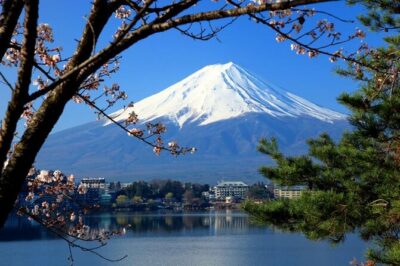
Mt Fuji and Hakone 1-Day Bus Tour Return by Bullet Train
Read our review →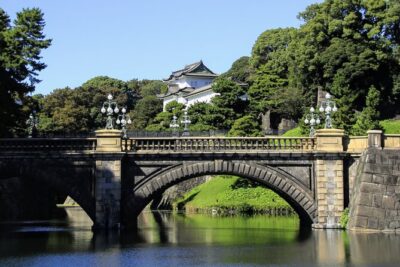
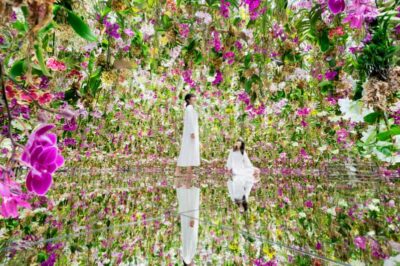
teamLab Planets TOKYO Digital Art Museum Entry Ticket
Read our review →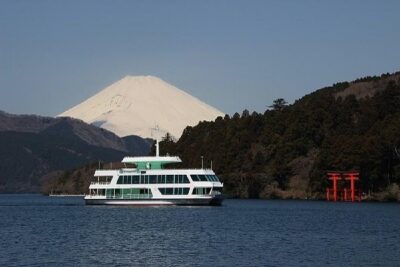
Mt Fuji & Hakone Cruise, Drum Show Bullet Train 1 Day from Tokyo
Read our review →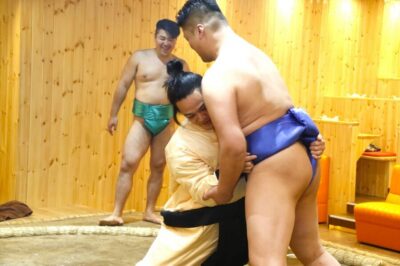
Sumo Show Experience with Chicken Hot Pot and a Photo
Read our review →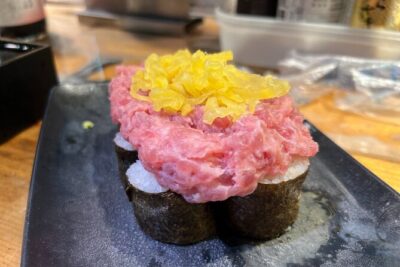
Shinjuku Food Tour (13 Dishes at 4 Local Eateries)
Read our review →