Reviewed · TOURS IN TOKYO
Tokyo Professional Sushi Chef Experience
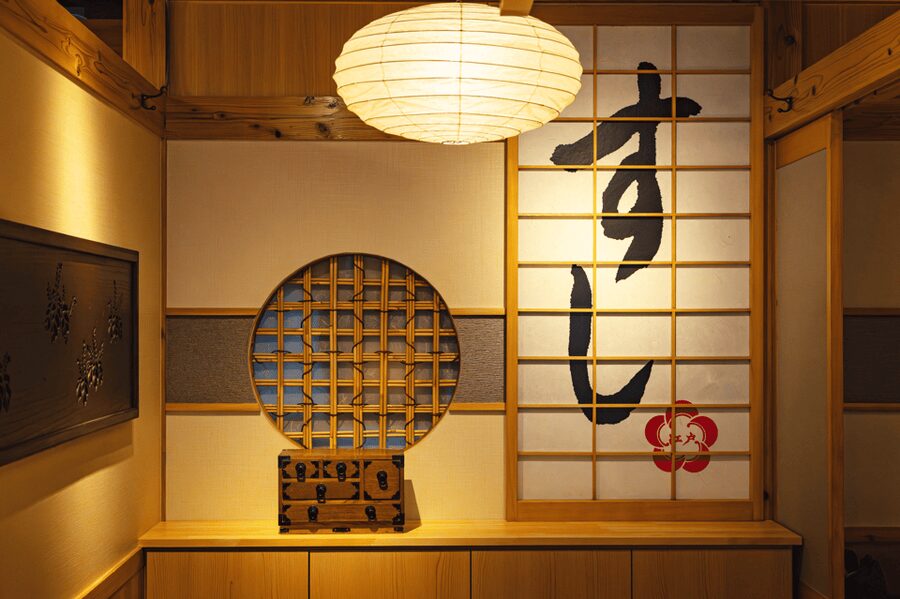
The most interesting part of this class is that you are not making sushi in a generic cooking studio. You work in a real Tokyo sushi restaurant, guided by an itamae with 30 years behind the knife. You will grate fresh wasabi, prepare shari, handle fish, and shape sushi instead of simply watching a chef do it.
I like the small groups, capped at eight, and the mix of hands-on work and professional demonstrations. I also like the range of ingredients, from uni and negitoro to hirame, kuruma-ebi, chutoro, and akami. The main consideration is the price: at $161 per person for two hours, this is a special food lesson, not a cheap meal.
Key points to know before booking
- You work with an itamae: The English-speaking sushi chef has 30 years of experience and explains both technique and sushi culture.
- Fresh wasabi is part of the lesson: You grate real wasabi and taste its sharper, more fragrant flavor.
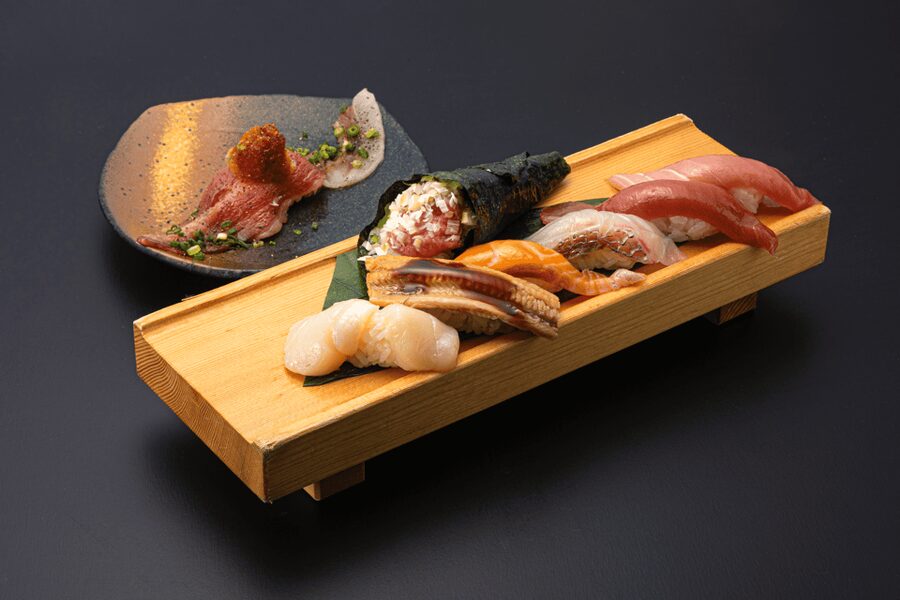
- The fish selection is broad: You may prepare and eat uni, negitoro, hirame, kuruma-ebi, chutoro, and akami.
- The group stays small: A maximum of eight people gives you more room to follow demonstrations and ask questions.
- Dietary needs can be discussed: Vegetarian and allergy-friendly options are available.
- The class is family-friendly for older children: It is open to elementary school students, but children under 10 are not suitable.
Learning sushi inside a working Tokyo restaurant
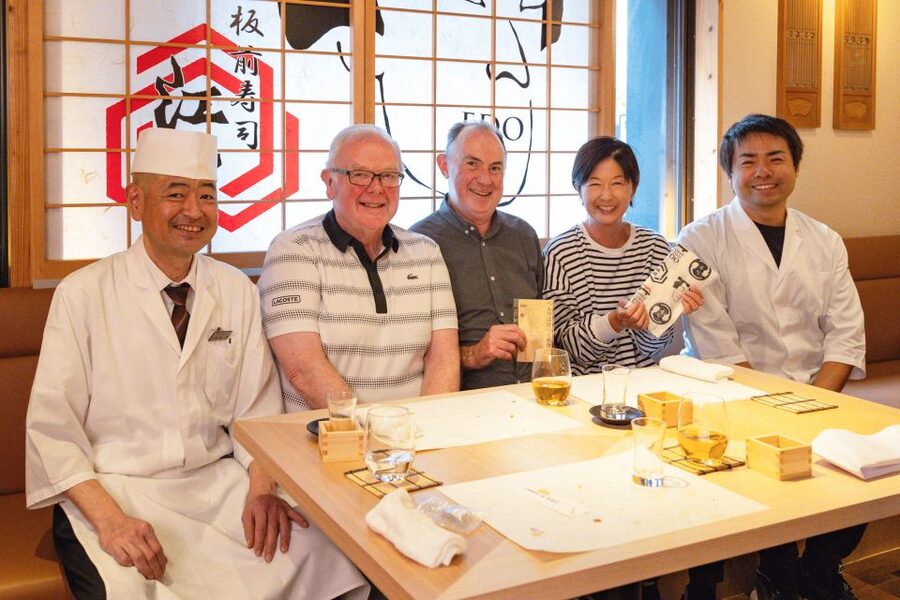
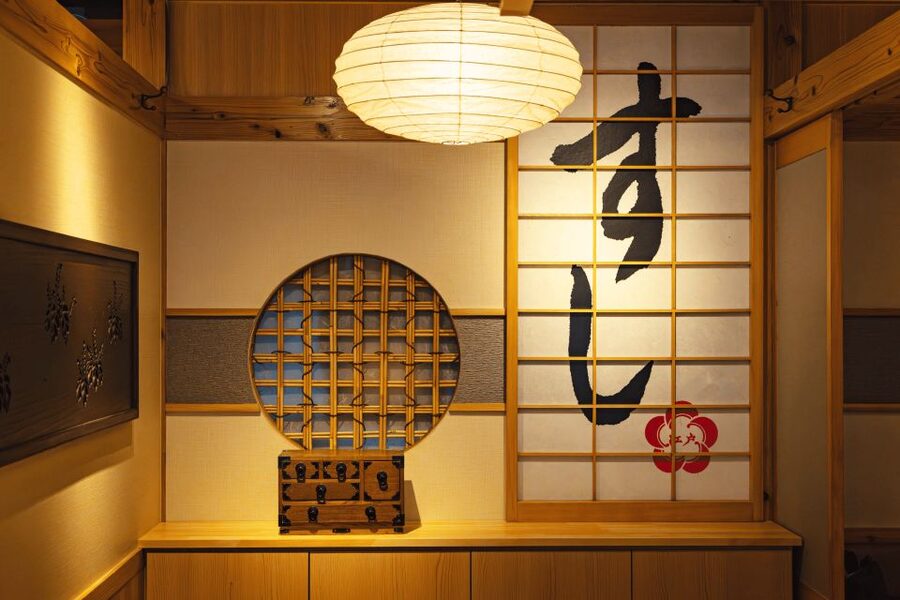
Many sushi lessons are built around a tidy classroom and a fixed recipe. This one puts you in a real restaurant setting, which gives the session a more useful sense of place. You are learning a food craft in the kind of environment where that craft is practiced, not just being shown a tourist version of it.
The English-speaking instructor is an itamae, the Japanese term for a professional sushi chef. With three decades of experience, the chef can explain why sushi depends on more than fresh fish. Rice temperature, seasoning, knife work, hand pressure, and proportion all affect the finished piece.
You will not need prior cooking experience. The class is designed for beginners, and the teaching includes basic steps such as tying a chef’s apron. That small detail matters. It helps set the tone: you are being introduced to the working habits and manners around sushi, not rushed straight into a complicated recipe.
The group limit of eight is another real advantage. Sushi making requires close attention, particularly when the chef demonstrates fish preparation or shows how to shape nigiri. With a large group, you could spend much of the lesson trying to see over shoulders. Here, you have a better chance to watch the hands, copy the movement, and ask for a correction.
Other experiences people book in Tokyo:
- Mt Fuji and Hakone 1-Day Bus Tour Return by Bullet Train
★ 5.0 · 26,383 reviews - 1-Day Tokyo Bus Tour
★ 5.0 · 14,250 reviews - Tokyo: TOKYO SKYTREE® Admission ticket
★ 4.5 · 11,192 reviews
Fresh wasabi and the first lesson in flavor
Fresh wasabi is one of the class’s most memorable details. You grate real wasabi rather than relying only on the familiar green paste served with inexpensive sushi. The flavor is usually more delicate and aromatic, with heat that does not simply dominate the mouth.
The point is not just novelty. Grating wasabi gives you a quick lesson in how Japanese food treats ingredients. Texture and freshness matter. The amount placed with a piece of fish also matters, since too much can bury the flavor you are supposed to notice.
You will also learn to prepare sushi rice, or shari. This is the base of every piece of nigiri, and it is easy to underestimate. Rice that is too wet, too cold, too warm, or poorly seasoned can throw off the whole bite. The chef explains the details behind good shari so you can understand why restaurant sushi feels different from a home-made rice ball with fish on top.
I like this part because it gives you something practical to take home. You may not reproduce restaurant-level sushi immediately, but you will better understand the rice, wasabi, and fish balance when you eat sushi elsewhere in Japan.
From chef demonstration to your own nigiri
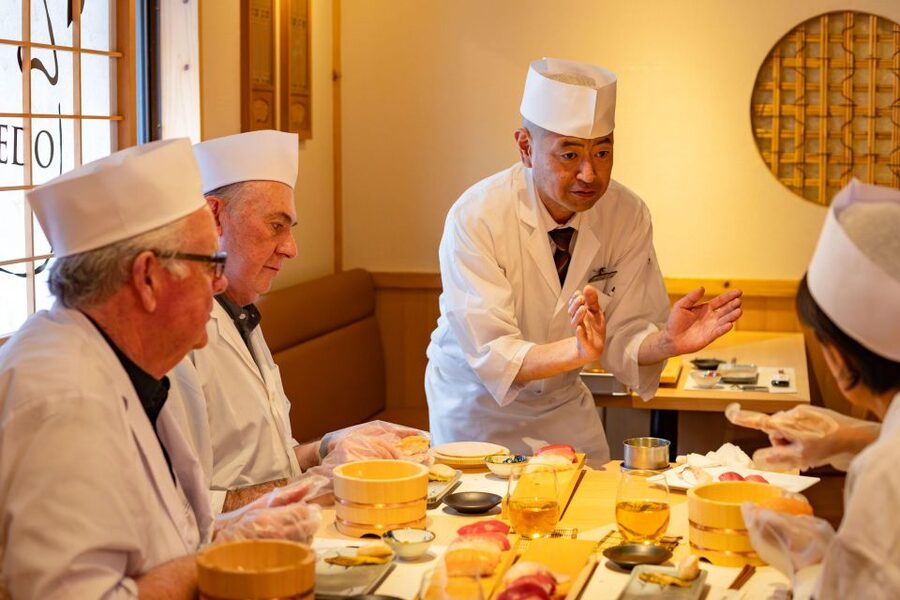
A central part of the session is watching the chef prepare fish and shape sushi. The demonstration lets you see the clean, controlled movements that are hard to understand from a recipe alone. The chef shows how ingredients are handled, then gives you the chance to try the process yourself.
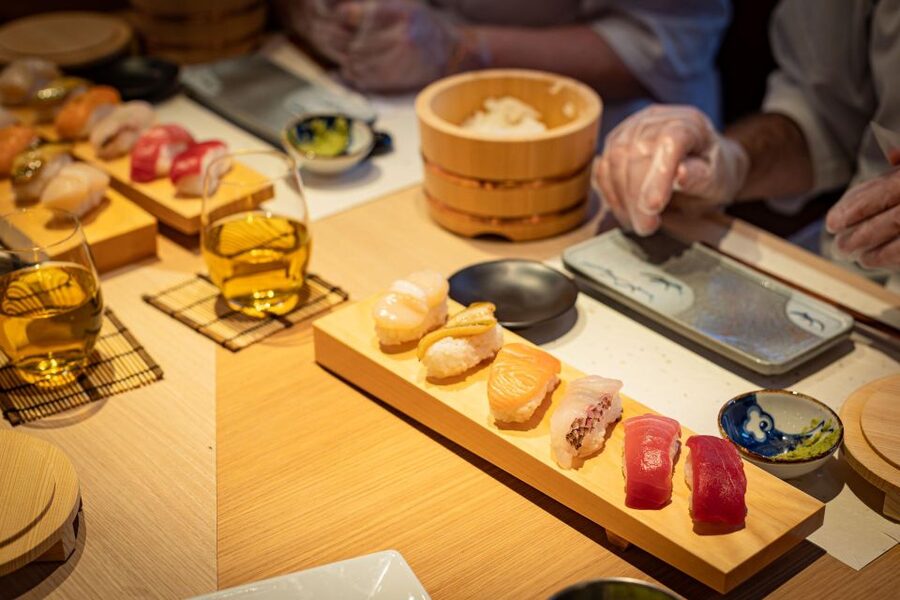
You will make hand-rolled sushi with premium nori and form nigiri. Hand-rolled sushi is approachable and forgiving, while nigiri demands more control. The rice must hold together without being packed too tightly, and the topping needs to sit neatly on top.
The difference between these two styles makes the class more useful than a single-recipe workshop. You learn a format you can try at home with friends, then practice the more delicate form associated with a sushi counter.
The lesson includes several types of seafood and toppings. You may work with:
- Uni, or sea urchin
- Negitoro, a minced tuna preparation with green onion
- Hirame, or flounder
- Kuruma-ebi, Japanese tiger prawn
- Chutoro, medium-fatty tuna
- Akami, lean tuna
This is a good selection because it exposes you to different textures and levels of richness. Chutoro gives you a fattier tuna experience, while akami is leaner and more direct. Hirame has a different texture from tuna, and uni brings a soft, creamy quality that can be unfamiliar if you have only eaten common sushi varieties.
Because the ingredients are premium, this part also helps justify some of the cost. You are not paying only for a meal. You are paying to handle the ingredients, learn how they are treated, and taste the result of your own work.
What the two-hour schedule feels like
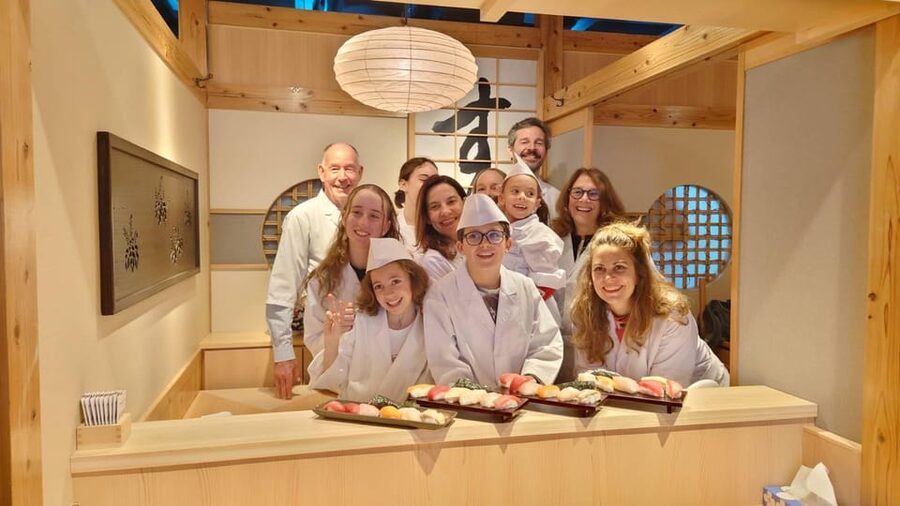
Two hours is a sensible length for this kind of activity. It gives the chef time to explain the basics, demonstrate fish preparation, guide you through rice and wasabi, and let you make several pieces without turning the session into an all-day commitment.
You should expect the class to move through several connected stages rather than separate cooking stations. First comes orientation and preparation, including the apron and an introduction to the tools. The chef then explains the ingredients and demonstrates key movements.
Next, you prepare the sushi rice and grate fresh wasabi. These early steps may seem less dramatic than shaping fish, but they establish the flavors and textures that make the final sushi work.
The class then shifts to hand-rolled sushi and nigiri. The chef demonstrates, you copy the technique, and the instructor or interpretation support helps clarify the process. Since the instructor is listed as English-speaking, you should be able to follow the main explanations directly.
The final part is eating what you have made, along with the special wakame udon listed as part of the experience. That extra bowl gives you a warm, savory dish alongside the sushi and helps make the session feel like a complete meal rather than a short tasting.
A drink is also described as part of the experience, with beer, sake, cola, or green tea among the choices. At the same time, the booking information says beverages are not included and that a drink menu is available separately. I would confirm the drink arrangement for your selected option before paying, since the details are not perfectly consistent.
Same base, a different sort of day:
- Tokyo: teamLab Planets TOKYO Digital Art Museum Entry Ticket
★ 4.6 · 9,779 reviews - Mt Fuji & Hakone Cruise, Drum Show Bullet Train 1 Day from Tokyo
★ 4.0 · 7,413 reviews - Tokyo: Sumo Show Experience with Chicken Hot Pot and a Photo
★ 4.8 · 6,678 reviews - Tokyo: Shinjuku Food Tour (13 Dishes at 4 Local Eateries)
★ 5.0 · 6,603 reviews
Why the restaurant setting matters
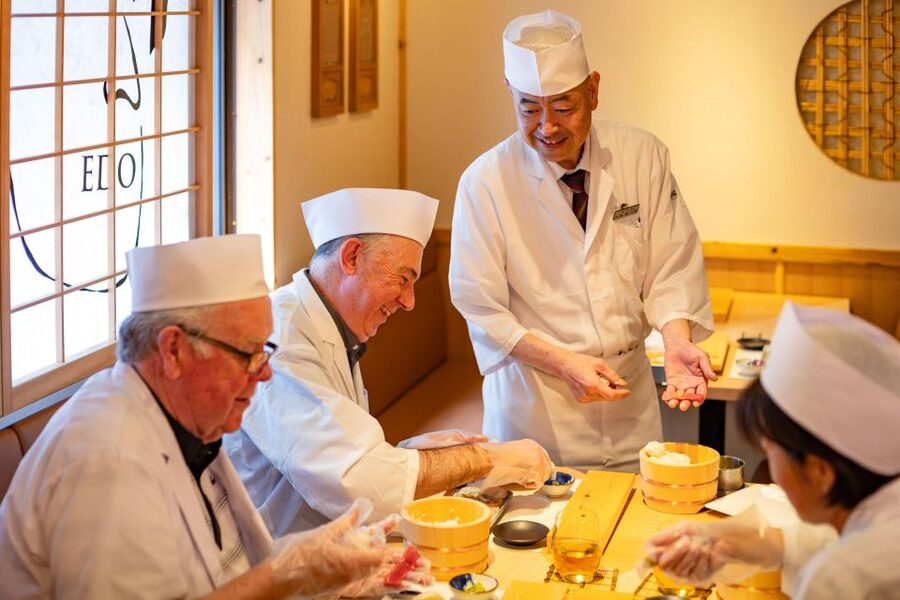
A restaurant setting gives the lesson a stronger connection to Tokyo’s food culture. You can see the tools, layout, and pace associated with professional sushi preparation, even though the class itself is designed for beginners.
That setting also makes the chef’s demonstrations more meaningful. Knife work is not an abstract skill here. It is part of the daily craft of preparing fish for customers. The same applies to the rice, nori, wasabi, and shaping techniques.
Do not expect a theatrical show built around a famous chef’s personal story. The appeal is more direct. You receive instruction, handle ingredients, make sushi, and eat the results in a working restaurant environment.
The program also includes interpretation support. That matters because sushi technique can be difficult to explain with gestures alone. Terms such as shari, nigiri, and different cuts of tuna carry specific meaning, and interpretation helps connect the movement with the reason behind it.
The seafood selection and what you can learn from it
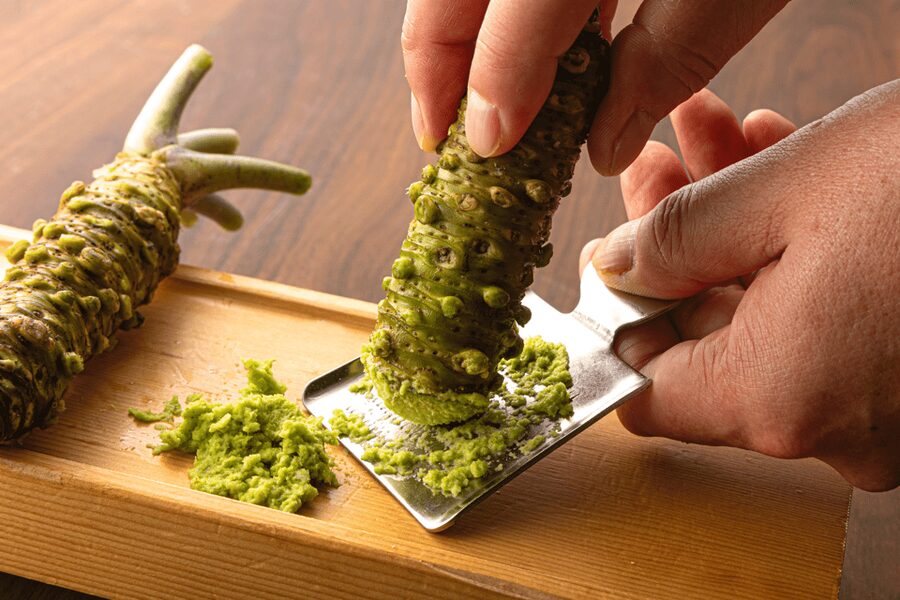
The fish list makes this class more than a basic introduction to California rolls. You get a chance to compare lean and fatty tuna, delicate white fish, shrimp, sea urchin, and minced tuna.
Akami and chutoro are especially useful together. They come from the same general family of fish but offer different eating experiences. Tasting them in the same class can help you notice texture and richness instead of treating all tuna as one category.
Negitoro gives you another lesson in texture. Since it is minced rather than served as a smooth slice, it works well in a hand-rolled preparation. Kuruma-ebi adds a cooked shrimp element, while uni introduces a soft seafood flavor that some people love and others may find strong.
You should also expect the chef to explain fish preparation rather than handing you preassembled ingredients with no context. The demonstrations show how much care goes into the shape and finish of sushi. That is a useful reminder when you later see a neatly formed piece at a restaurant and wonder why it costs more than a supermarket tray.
A strong choice for families and food-focused couples
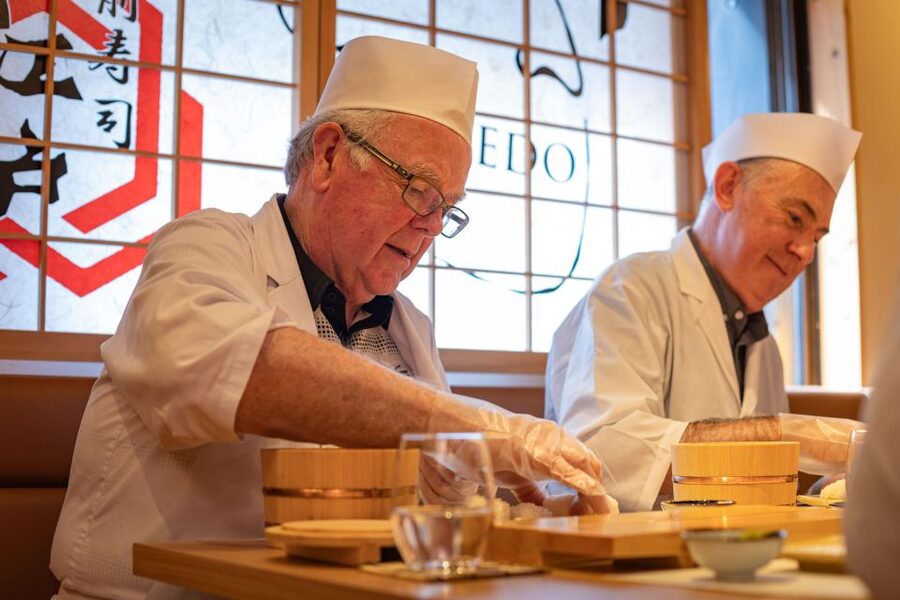
The minimum age is listed as elementary school and up, with children under 10 not suitable. That makes this a better family activity for older children who can listen carefully, handle tools responsibly, and stay engaged during demonstrations.
It also works well for couples, friends, and solo food lovers who want a structured activity. The small group size keeps the experience social without making it feel like a crowded party.
The class should suit you if you want to learn a skill you can repeat at home. You will not leave with only photographs and a full stomach. You will have a better grasp of rice preparation, wasabi, nori, fish varieties, and the hand movements used to form sushi.
Vegetarian and allergy-friendly options are available, which widens the appeal. Still, you should state your needs when booking or before the class begins. The ingredients and substitutions are not specified, so the exact menu may vary for dietary reasons.
Strong fragrances are not allowed, and smoking indoors is prohibited. The fragrance rule is worth noting because scent can affect how you taste delicate foods, and it is a practical courtesy in a small restaurant setting.
Is $161 a fair price for two hours?
At $161 per person, this is not a bargain activity. You can eat sushi in Tokyo for far less, and you can buy ingredients for a simple home lesson at a lower cost.
The value comes from the combination of instruction, restaurant access, premium ingredients, tools, equipment, and prepared food. You are paying for a professional chef’s time, not just the amount of fish on the plate.
I think the price makes sense for a food-focused trip, especially if you value close instruction and want an activity that gives you a real skill. It is less convincing if your main goal is simply to eat as much sushi as possible. A sushi restaurant meal would be a better fit for that.
The group limit strengthens the value. A class of up to eight is easier to follow than a large demonstration, and the chef has more opportunity to guide individual attempts. The reported perfect five-star rating across 17 reviews also supports the idea that the teaching and organization have been reliable, though a small review sample cannot guarantee every future session will feel identical.
Practical details before you reserve
The activity lasts two hours, and starting times depend on availability. The meeting point may vary by the option you book, so check the exact location rather than assuming every session begins at the same restaurant entrance.
The instructor language is English, with interpretation support included. The minimum number of participants is two, so you should not count on the class running as a private solo lesson.
Food, tuition, tools, equipment, and the other items needed for the experience are included. Drink information needs a quick check because one section lists a complimentary drink while another says beverages are separate.
You can cancel up to three days in advance for a full refund. That gives you some flexibility, but Tokyo schedules can change quickly, so I would still book only after checking the date, meeting point, age requirement, and dietary arrangements.
Avoid wearing strong fragrance, and remember that indoor smoking is not allowed. These are simple rules, but they matter in a close food-preparation setting.
Should you book this sushi class?
Book it if you want to understand sushi rather than just order it. The combination of a real Tokyo restaurant, an itamae with 30 years of experience, fresh wasabi, professional fish preparation, and a small group gives the two-hour session real substance.
I would especially recommend it to first-time sushi makers, food-loving couples, families with children over 10, and anyone who wants a hands-on memory from Tokyo. The class is also a good fit if you like returning home with a practical skill.
Skip it if $161 feels too high for a short activity, if you only want a meal, or if you prefer a completely spontaneous food experience. Also confirm the beverage details and dietary arrangements before booking.
For the right audience, this is a polished and focused introduction to the craft behind sushi. You leave with more than a full plate: you understand why rice, fish, wasabi, and the chef’s hands all matter.
FAQ
Where does the sushi-making experience take place?
It takes place in a real sushi restaurant in Tokyo, on Honshu. The exact meeting point may vary depending on the option you book.
How long does the class last?
The experience lasts two hours. Starting times depend on availability.
Who teaches the class?
An English-speaking itamae, or master sushi chef, leads the class. The chef has 30 years of experience, and interpretation support is available.
How many people can join the class?
The group is limited to eight participants. At least two participants are required.
What types of sushi can I make?
The class includes hand-rolled sushi and nigiri. You may work with uni, negitoro, hirame, kuruma-ebi, chutoro, and akami.
Is fresh wasabi included?
Yes. You will grate real wasabi and learn about its flavor as part of the experience.
Are vegetarian or allergy-friendly options available?
Yes. Vegetarian and allergy-friendly options are available. You should communicate your dietary needs when booking or before the class.
Are children allowed to participate?
The experience is available for elementary school students and older, but it is not suitable for children under 10.
What is included in the price?
Tuition, food, tools, equipment, and other items needed for the experience are included. The activity information also mentions a complimentary drink, while another section says beverages are separate, so confirm the drink arrangement for your chosen option.
Just added in Tokyo
- The 10 Tastings of Tokyo With Locals: Private Street Food Tour★ 5.0 · 48 reviews
- Small Town in the Big City: Tasting Tokyo’s Kichijoji★ 5.0 · 195 reviews
- Small Town in the Big City: Tasting Tokyo’s Kichijoji★ 5.0 · 16 reviews
- EXCLUSIVE Tokyo Secret: Kichijoji Small-Group Food & Bar Hopping★ 5.0 · 29 reviews
- Explore Kichijoji: Walk Through One of Tokyo’s Beloved Districts★ 5.0 · 21 reviews
- :Tokyo,Shibuya/ Pro Photography in Kimono / English-Friendly★ 5.0 · 26 reviews
- 【R34】Tokyo:Private Daikoku tour in Modified R34★ 4.9 · 92 reviews
- Tokyo:Calligraphy &Make your original folding fan in Asakusa★ 5.0 · 62 reviews
Tours in Tokyo, compared.

Mt Fuji and Hakone 1-Day Bus Tour Return by Bullet Train
Read our review →


teamLab Planets TOKYO Digital Art Museum Entry Ticket
Read our review →
Mt Fuji & Hakone Cruise, Drum Show Bullet Train 1 Day from Tokyo
Read our review →
Sumo Show Experience with Chicken Hot Pot and a Photo
Read our review →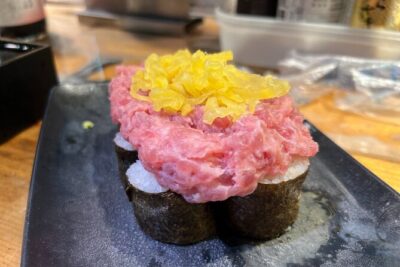
Shinjuku Food Tour (13 Dishes at 4 Local Eateries)
Read our review →