Reviewed · TOURS IN TOKYO
Tokyo’s Authentic and Finest Taiko Drumming Experience
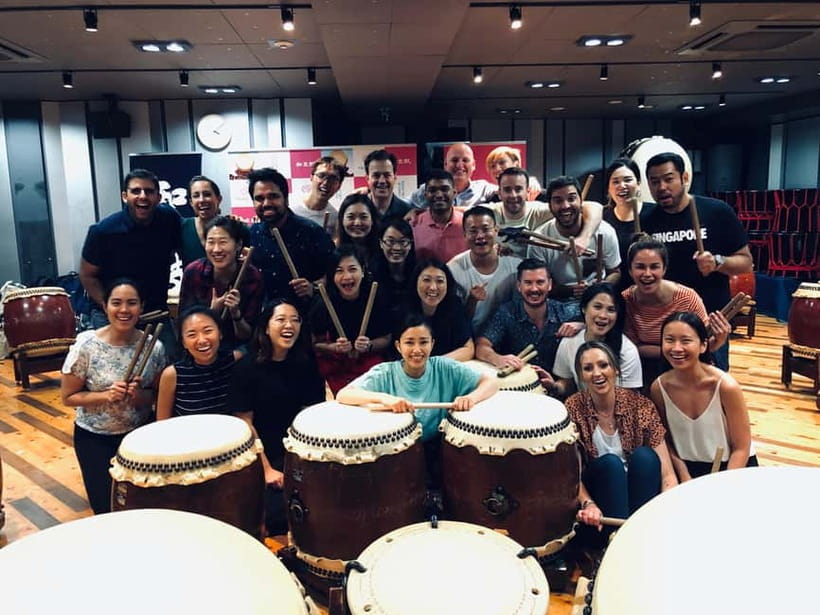
The loudest surprise here is how physical taiko drumming can be. In 90 minutes, Eva Kestner takes you from holding the sticks and learning basic form to playing a traditional piece, with plenty of movement, posture, and rhythmic work along the way. It is a real lesson, not just a quick hit-the-drum photo stop.
I especially like the personalized video, which gives you a useful record of your playing and a way to practice later. I also like the blend of culture and action: you learn where taiko fits in Japanese tradition, then put that knowledge to work in a group performance. The main caution is simple: this can be tiring. Several participants found it closer to a workout than expected, so wear cool, comfortable clothing.
Key Points
- A genuine lesson with Eva Kestner: Learn from a professional performer with experience as a university taiko group founder and musical director.
- Traditional and contemporary music: The workshop covers basic technique, rhythm patterns, and two different styles of taiko playing.
- A Miyake-style traditional piece: Depending on the session, you may learn music connected with Miyake Island, one of the islands near Tokyo.
- A personal recording to take home: Receive a video of yourself playing, useful for remembering the class and practicing your form.
- A 90-minute physical activity: Expect movement, strong arm work, and a warm studio rather than a quiet seated demonstration.
- English-language instruction in Tokyo: Eva teaches in English and Japanese, with no prior drumming experience required.
Why This Taiko Class Feels Like More Than a Tourist Stop
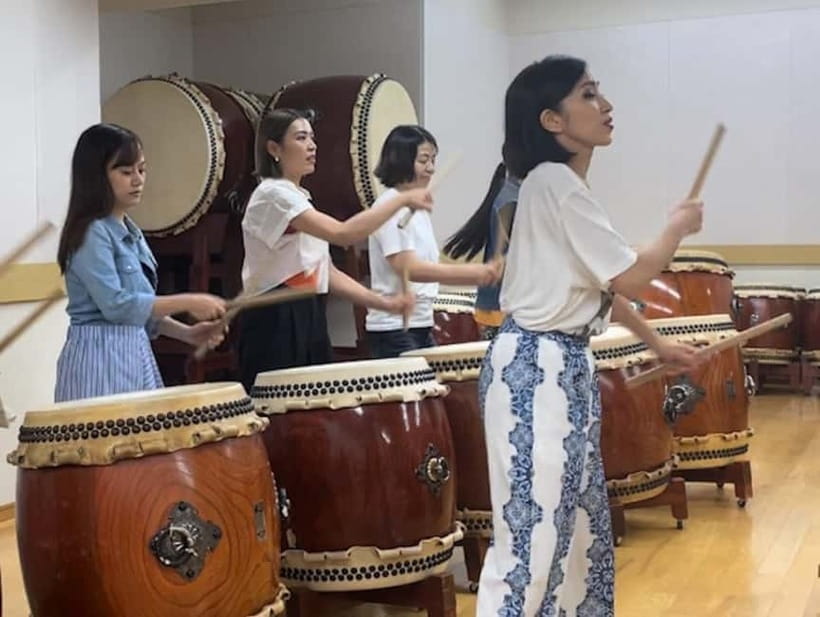
Taiko is often presented from a distance, as booming drums in a festival or stage performance. This workshop lets you see how that sound is made. You learn the stance, the stick position, the rhythm, and the body movement behind each beat.
That difference matters. Taiko is not only about striking a drum as hard as possible. Form and timing are central. Your posture, arm position, facial focus, and coordinated movement all help create the performance. The workshop gives you an early sense of that discipline without asking you to commit to a long course.
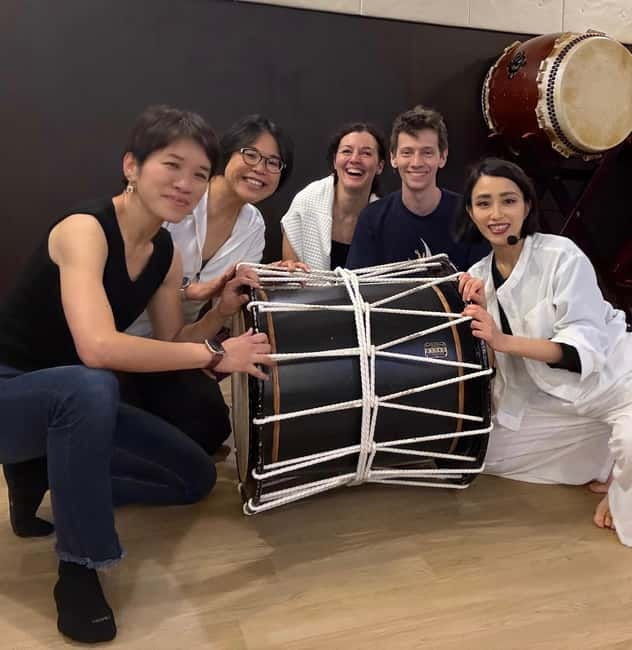
Eva’s background adds weight to the session. She founded and served as the first musical director of Cornell University’s taiko group. She has also received an excellence award from the Tokyo University of the Arts New Artists Competition, and her original music has been published by HarperCollins and the Cambridge International Curriculum.
You do not need to know these details to enjoy the class, but they help explain why the teaching goes beyond a basic tourist activity. Eva is both a performer and an instructor. Her job is not simply to demonstrate a beat, but to break it into parts you can follow.
The experience currently carries a 5 out of 5 rating from 28 reviews. That is a small sample, but the praise is notably consistent: participants highlight Eva’s energy, clear instruction, patience, and ability to keep the class moving.
Other experiences people book in Tokyo:
- Mt Fuji and Hakone 1-Day Bus Tour Return by Bullet Train
★ 5.0 · 26,383 reviews - 1-Day Tokyo Bus Tour
★ 5.0 · 14,250 reviews - Tokyo: TOKYO SKYTREE® Admission ticket
★ 4.5 · 11,192 reviews
The First Minutes: Sticks, Stance, and Taiko Basics
The workshop begins with foundation training. You learn how to hold the taiko sticks, how to position your body, and how to approach the drum. These early details may seem basic, but they shape everything that comes later.
Expect Eva to correct more than the sound. Taiko uses visible movement, and the style of the player is part of the performance. You may be asked to pay attention to how you stand, how you raise the sticks, and how you finish each movement.
This is good news for beginners. You are not expected to arrive with musical training or previous taiko experience. The class starts at the beginning and builds from there.
It is also worth arriving ready to move. The class is not a seated talk with a short demonstration attached. You will be standing and using your arms for much of the 90 minutes. Several people found their arms and shoulders sore afterward, while one participant described the session as exhausting but fun.
Bring water. Wear comfortable clothing that allows free movement. If you tend to get warm easily, choose light clothes or shorts. One person specifically found the studio warm, and the physical pace can make that noticeable.
Rhythm Training That Quickly Gets Your Attention
Once you have the basic form, Eva introduces rhythm training. This is where the activity becomes a proper group class rather than a simple introduction.
You work through different beat patterns and learn to keep time with the people around you. The rhythms can change quickly, so you need to listen as well as play. That makes this a good activity for families and friends, since the fun comes partly from making one coordinated sound together.
The class also includes paired work. One exercise uses different beats and poses for each person in a pair, creating a short performance that combines rhythm with movement. Another piece involves switching on and off the drum, which gives the group a clear sense of structure and timing.
I like this part because it shows the social side of taiko. You are not just learning a private technique. You are learning how individual actions fit into a larger performance. If one person loses the rhythm, the effect is easy to hear. That creates a little pressure, but Eva’s step-by-step teaching keeps the challenge manageable.
There is no need to worry about being perfect. The point is to learn how the pattern works and improve as you repeat it. The physical movements also help you remember the rhythm. You are using your ears, eyes, arms, and feet at the same time.
Learning a Traditional Piece From Japan
The main musical section moves beyond exercises and into a real taiko composition. The exact piece can depend on the session, but the class may include a traditional work from Miyake Island, near Tokyo.
This is one of the most valuable parts of the experience. You are not simply copying a random rhythm designed for tourists. You are learning a piece connected with a specific regional tradition and seeing how taiko music is shaped by place and performance style.
The composition is more difficult than the opening drills. That is intentional. The class gives you a small taste of the concentration required in a full taiko performance, while Eva guides you through the parts in a clear order.
You may need to remember several things at once: the beat, the stick movement, your stance, the timing of your entrance, and the larger shape of the piece. It can feel challenging, especially near the end of the session, but that challenge is part of the reward. By the time you perform the piece, you have moved well beyond simply hitting a drum.
The traditional section also gives the short cultural explanation more meaning. Eva discusses the history of taiko and its place in Japanese culture, then shows you a practical example. You hear the context and immediately experience the technique.
Same base, a different sort of day:
- Tokyo: teamLab Planets TOKYO Digital Art Museum Entry Ticket
★ 4.6 · 9,779 reviews - Mt Fuji & Hakone Cruise, Drum Show Bullet Train 1 Day from Tokyo
★ 4.0 · 7,413 reviews - Tokyo: Sumo Show Experience with Chicken Hot Pot and a Photo
★ 4.8 · 6,678 reviews - Tokyo: Shinjuku Food Tour (13 Dishes at 4 Local Eateries)
★ 5.0 · 6,603 reviews
A Contemporary Piece and a Final Group Performance
The workshop also teaches a contemporary taiko piece. This gives you a useful contrast with the traditional material.
Traditional taiko can emphasize established patterns, posture, and regional form. Contemporary taiko can use those foundations in newer arrangements and performance settings. Learning both helps you understand that taiko is not frozen in the past. It remains an active art form with room for new music and new presentation.
The final performance brings the lesson together. You may perform in pairs or as part of the group, using contrasting beats, poses, and changes in who plays. It is a small performance rather than a full concert, but it gives the session a clear finish.
The class is carefully paced. You move from foundation work to rhythm drills, then to pieces that require more memory and coordination. That progression is why the 90-minute duration works well. A shorter activity would probably feel rushed, while a much longer session could be demanding for first-time players.
Still, you should not book this expecting a gentle cultural talk. The class has energy. You will be moving constantly at times, and the final piece can leave your arms feeling it.
Eva’s Demonstration Adds a Professional View
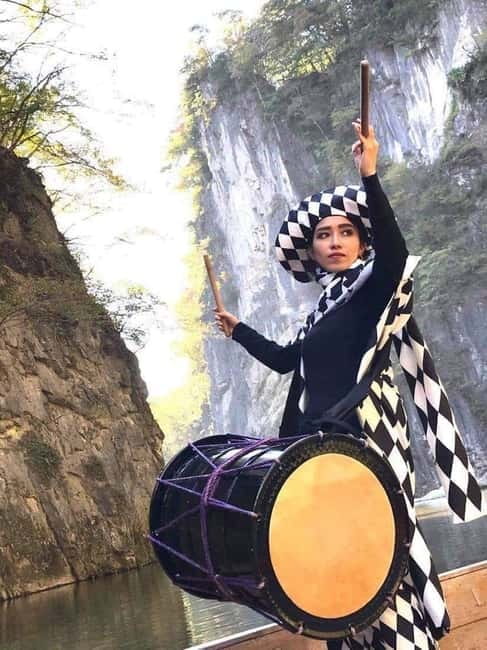
At some point during the workshop, Eva performs a demonstration. This is not just a break while you watch someone else do the interesting part. It gives you a chance to hear the difference between beginner-level practice and polished taiko playing.
After you have worked on basic rhythms, you can listen more closely. Notice the control of tempo, the force of each strike, the clean stick movement, and the physical confidence behind the performance.
Her demonstration also gives the class a lift. You have been concentrating on individual movements, and then you hear what the instrument can do in the hands of a professional. It provides a useful goal without requiring you to match her ability.
The teaching style is one of the experience’s strongest features. Eva is described as energetic, patient, and clear, with a strong sense of enthusiasm for taiko. That combination matters in a class where the rhythm can become complicated and the physical work can wear you down.
The Personal Video Is a Useful Souvenir
After the session, you receive a personalized video of yourself playing taiko. This is a better souvenir than a standard photograph because it captures the activity itself.
The video can help you remember the rhythm and check your form later. It also lets you share a short performance with family and friends. If you enjoyed the class and want to keep practicing, the recording gives you something concrete to work from.
Do not expect it to turn you into a taiko performer overnight. The value is in having a record of what you learned, including the movement and group timing that are difficult to remember from a few still photographs.
For families, this is especially useful. A child or teenager can take home a record of participating rather than simply watching adults enjoy an activity. For couples and friends, it becomes a shared performance memory.
Price, Location, and What You Get for $120
The cost is $120 per person for 90 minutes. That is not a bargain activity, but the price includes more than access to a drum.
You receive instruction from a professional performer, use of the taiko drums and sticks, foundation and rhythm training, a traditional piece, a contemporary piece, a demonstration, a short cultural explanation, and a personal video. The workshop also has a private-group option, which can improve the value for families or friends who want the session to themselves.
The meeting point can vary depending on the option you book, so check the exact location before setting out. For large groups, the studio is about 20 minutes from Shibuya by train. Groups of more than 20 people should contact Eva directly to coordinate arrangements.
For a solo visitor, $120 is best justified if you care about active cultural experiences and personal instruction. If you only want to hear taiko, a performance may suit you better. If you want to understand the basics by playing them yourself, this workshop offers much more than a short stage show.
The pay-later option can help if your Tokyo schedule is still changing. Free cancellation is available up to 24 hours before the activity for a full refund. These are useful booking terms, but the more important planning point is the physical demand and the meeting point.
Who Will Enjoy This Workshop Most?
This is a strong choice for first-time visitors who want a hands-on connection with Japanese culture. You do not need musical experience, and the instruction is available in English and Japanese.
It also suits families. The class is active, social, and easy to understand, and the final video gives everyone a shared memory. Children should be comfortable following instructions and taking part in a physical class, but no prior taiko skill is required.
Couples and friends can enjoy the paired rhythms and performance work. The activity has enough structure to keep you busy and enough humor and movement to avoid feeling like a formal music lesson.
I would be more cautious about booking it if you have limited stamina, arm or shoulder problems, or if you are looking for a quiet indoor activity. The class can be tiring, and the studio may feel warm. It is also not the best fit if you want a long lecture on Japanese music history. The cultural explanation is brief and tied to the practical work.
Should You Book Eva’s Taiko Workshop?
Book it if you want to play Japanese taiko rather than only watch it. Eva’s professional background, clear teaching, traditional and contemporary material, and personal video make this a substantial 90-minute experience.
The strongest reason to choose it is the balance. You get cultural context, technique, rhythm practice, a professional demonstration, and a final performance without needing any previous experience. The main tradeoff is physical effort, so bring water and dress for movement.
At $120, it is best for someone who values instruction and a lasting personal record. If that sounds like your kind of Tokyo activity, this is a well-focused choice. If you want something restful, save your arms for another day.
FAQ
Do I need previous taiko drumming experience?
No. The workshop is designed for beginners and includes foundation training before moving into rhythm exercises and musical pieces.
How long does the taiko workshop last?
The workshop lasts 90 minutes.
What languages does Eva teach in?
Instruction is available in English and Japanese.
What is included in the price?
The experience includes the 90-minute workshop, foundation and rhythm training, traditional and contemporary taiko pieces, a demonstration by Eva, a brief history of taiko, use of the drums and sticks, and a personalized video of you playing.
What should I bring and wear?
Bring a water bottle and wear comfortable clothing. Because the class can be physically demanding and the room may feel warm, light clothing is a practical choice.
Is a private group option available?
Yes. Private groups are available. Groups larger than 20 people should contact Eva directly to coordinate the session.
Just added in Tokyo
- The 10 Tastings of Tokyo With Locals: Private Street Food Tour★ 5.0 · 48 reviews
- Small Town in the Big City: Tasting Tokyo’s Kichijoji★ 5.0 · 195 reviews
- Small Town in the Big City: Tasting Tokyo’s Kichijoji★ 5.0 · 16 reviews
- EXCLUSIVE Tokyo Secret: Kichijoji Small-Group Food & Bar Hopping★ 5.0 · 29 reviews
- Explore Kichijoji: Walk Through One of Tokyo’s Beloved Districts★ 5.0 · 21 reviews
- :Tokyo,Shibuya/ Pro Photography in Kimono / English-Friendly★ 5.0 · 26 reviews
- 【R34】Tokyo:Private Daikoku tour in Modified R34★ 4.9 · 92 reviews
- Tokyo:Calligraphy &Make your original folding fan in Asakusa★ 5.0 · 62 reviews
Tours in Tokyo, compared.

Mt Fuji and Hakone 1-Day Bus Tour Return by Bullet Train
Read our review →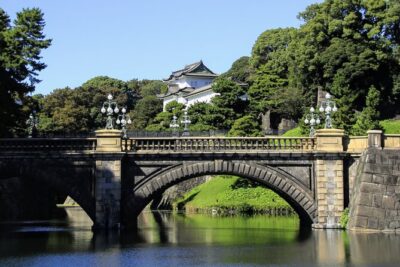

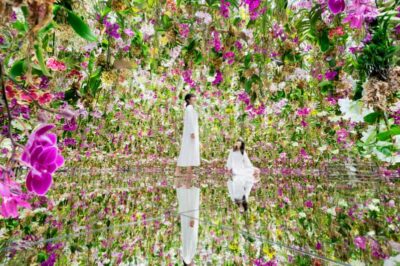
teamLab Planets TOKYO Digital Art Museum Entry Ticket
Read our review →
Mt Fuji & Hakone Cruise, Drum Show Bullet Train 1 Day from Tokyo
Read our review →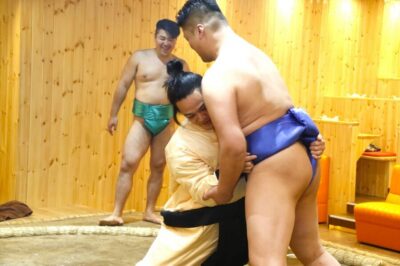
Sumo Show Experience with Chicken Hot Pot and a Photo
Read our review →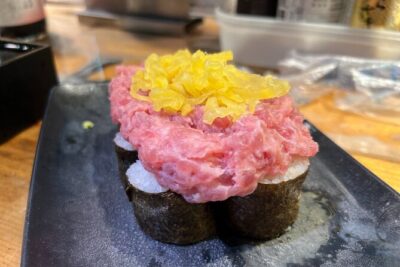
Shinjuku Food Tour (13 Dishes at 4 Local Eateries)
Read our review →