Reviewed · TOURS IN TOKYO
Tokyo’s Upmarket District: Explore Ginza with a Local Guide
Ginza works best when you move beyond its polished storefronts. This private tour pairs you with a local host who can lead you from Wako’s famous clock tower and Kabukiza’s traditional theater to the tiny eateries beneath the Yamanote railway line. The route is built around what you want to see, not a fixed checklist.
I like the personal itinerary, especially if you care more about shopping, food, architecture, or local life than checking off famous sights. I also like the useful city advice you can get along the way, including lower-cost shopping and vegetarian food help. The catch is that the quality depends heavily on your guide, and food, tickets, and transport cost extra.
Key points to know before you book
- Your interests shape the route: Focus on luxury shopping, Japanese theater, food, family stops, or quieter local corners.
- Ginza has two faces: You can visit Wako and designer stores, then eat cheaply under the railway at Yurakucho Gado-shita.
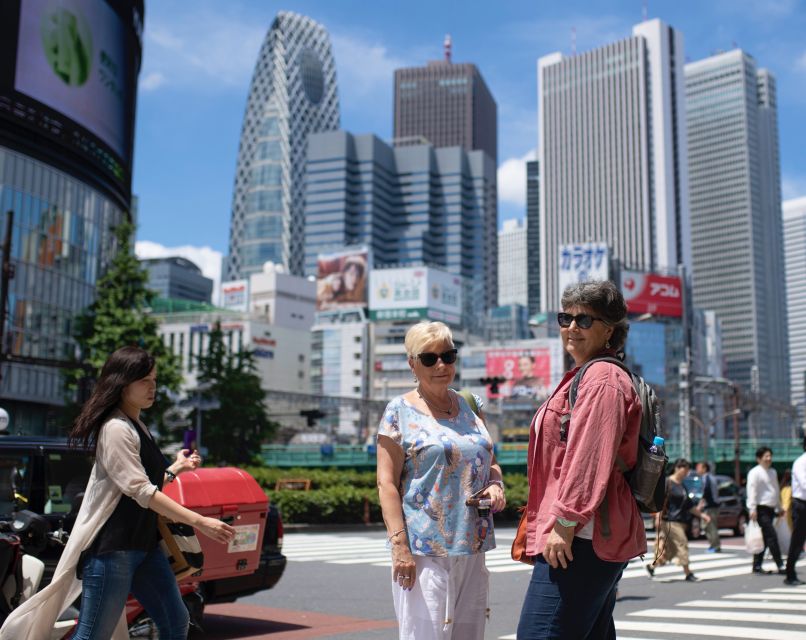
- The tour is private: Groups are normally no larger than six, making conversation and changes of plan easy.
- The guide match matters: Alberto, Shoko, and Noriko are among the hosts named in past bookings, but your assigned host may be different.
- The $64 price covers guidance, not spending: Meals, attraction tickets, and transportation during the tour are additional.
- Book at least 72 hours ahead: The operator uses that time to match you with a host and shape the experience.
Starting at Ginza’s Lion Sculpture
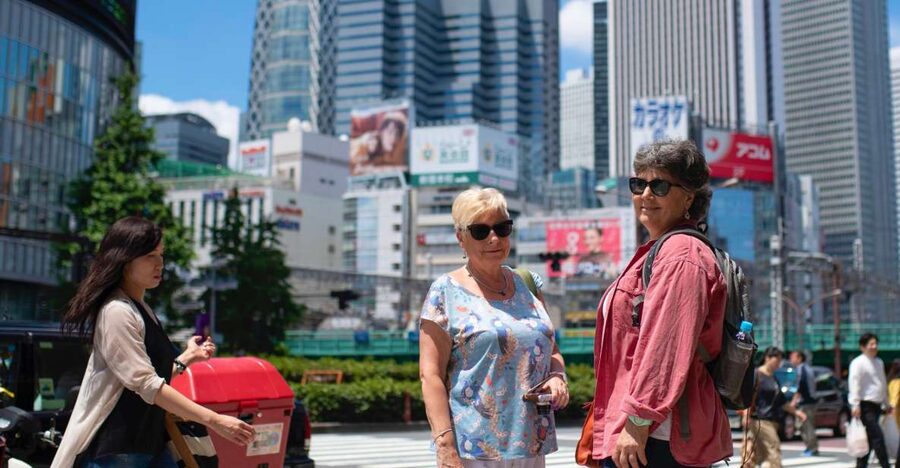
Your meeting point is next to the Lion Sculpture by the main entrance to Mitsukoshi Ginza. This is a practical place to begin because it puts you right in the middle of Ginza’s department-store district, with major shopping streets and subway access nearby.
If your accommodation is within a reasonable distance, pickup may be arranged. Confirm that ahead of time rather than assuming it is included. The standard experience is a walking tour, and any public or private transport used during the outing costs extra.
The host will contact you within 24 hours after booking to discuss your interests and requests. That conversation matters. Tell the operator if you want food, budget shopping, children’s activities, architecture, Japanese culture, or luxury brands. Also mention mobility needs, dietary concerns, and the pace you prefer.
You should book at least 72 hours ahead. This is not a tour to reserve at the last minute and expect a fixed route. The extra planning time gives the operator a chance to pair you with a suitable host and build a more useful day.
Other experiences people book in Tokyo:
- Mt Fuji and Hakone 1-Day Bus Tour Return by Bullet Train
★ 5.0 · 26,383 reviews - 1-Day Tokyo Bus Tour
★ 5.0 · 14,250 reviews - Tokyo: TOKYO SKYTREE® Admission ticket
★ 4.5 · 11,192 reviews
Why a private Ginza walk can be worth $64
The price is $64 per person for two to four hours. That is more than a basic group walk, but the comparison is not quite fair. You are paying for a private experience, a host matched around your interests, and the freedom to change direction during the tour.
The value is strongest for two or more people who want help making sense of Ginza. A first-time visitor may not know which department stores suit a luxury budget, where to look for less expensive shops, or how to fit Kabukiza into a short visit. A local host can save you time and point out choices you might otherwise miss.
The value is weaker if you want a fully guided sightseeing tour with admission included. Food, drinks, attraction tickets, and transportation are not part of the $64. You may also spend more once the tour leads you toward shopping, dining, or theater.
I would treat the fee as payment for local planning and company rather than a bundled sightseeing ticket. Ask yourself if you need help choosing where to go. If you already have a detailed Ginza plan and only want entrance to a show or meal, this may not be the best use of your money.
Wako, Mitsukoshi, and the polished side of Ginza
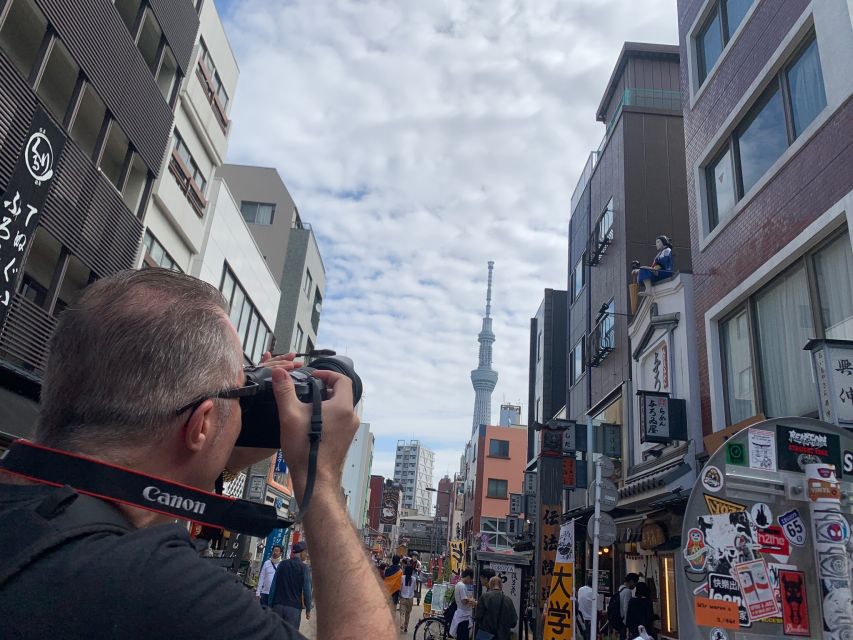
Ginza is Tokyo’s upmarket district, and your host can give you a close look at its most polished side. Wako is an obvious stop. Its clock tower is one of Ginza’s familiar landmarks, while the store itself focuses on luxury goods and a more formal shopping experience.
Mitsukoshi Ginza, beside the meeting point, offers another large department-store experience. Department stores in Japan can be useful even if you are not buying expensive items. They let you compare Japanese food, gifts, fashion, cosmetics, and household goods in one place. Your host can help you decide where to spend time based on your budget.
That budget conversation is important. Ginza can make even a short walk feel expensive. A local host can point you toward designer stores if you want the full luxury experience, or suggest less costly shops when you would rather keep your yen.
Do not expect a shopping tour to include purchases. The guide can offer advice and take you to stores, but anything you buy is yours to pay for. The flexible setup means you can spend longer in one shop or move on if the prices are not for you.
Kabukiza and Ginza’s traditional culture
Kabukiza gives the district a cultural counterpoint to its modern stores. It is a playhouse devoted to kabuki, the traditional Japanese theater form, and your host can explain why it matters to Ginza’s identity.
The tour does not include attraction tickets, so you should not assume a performance is part of the walk. You may visit the theater from outside, discuss its role, or arrange a ticket separately at an additional cost. If seeing kabuki is a major goal, make that clear when you are contacted.
I like the way this stop can add context to a district often reduced to shopping. Ginza is not only a row of luxury brands. Kabukiza connects the area with an older Japanese performance tradition, giving you something to think about after the storefronts begin to look alike.
Still, the depth of the explanation depends on your host. One guide may spend more time on theater and culture, while another may focus on food or shopping. State your priorities before the tour so you are not hoping for a full kabuki lesson from a host assigned mainly for a dining-oriented walk.
Same base, a different sort of day:
- Tokyo: teamLab Planets TOKYO Digital Art Museum Entry Ticket
★ 4.6 · 9,779 reviews - Mt Fuji & Hakone Cruise, Drum Show Bullet Train 1 Day from Tokyo
★ 4.0 · 7,413 reviews - Tokyo: Sumo Show Experience with Chicken Hot Pot and a Photo
★ 4.8 · 6,678 reviews - Tokyo: Shinjuku Food Tour (13 Dishes at 4 Local Eateries)
★ 5.0 · 6,603 reviews
Yurakucho Gado-shita beneath the railway
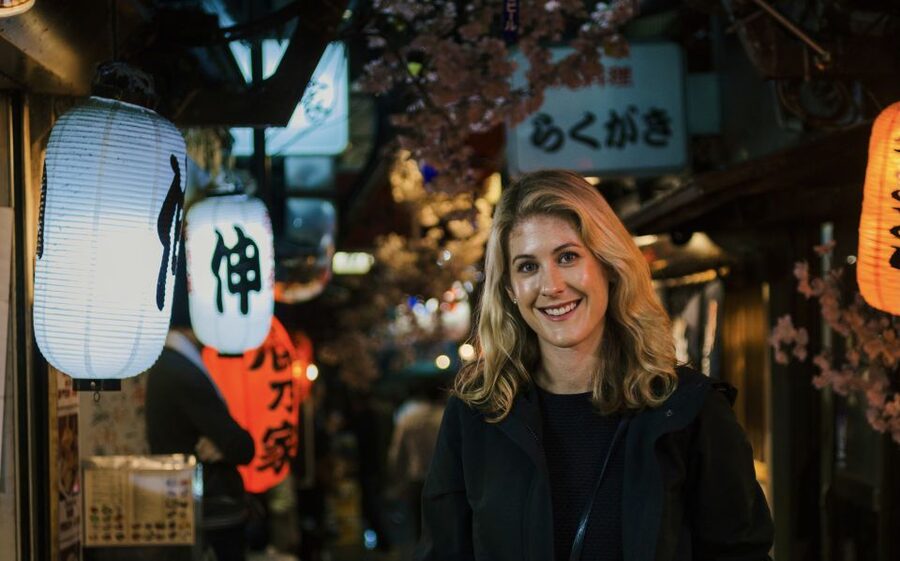
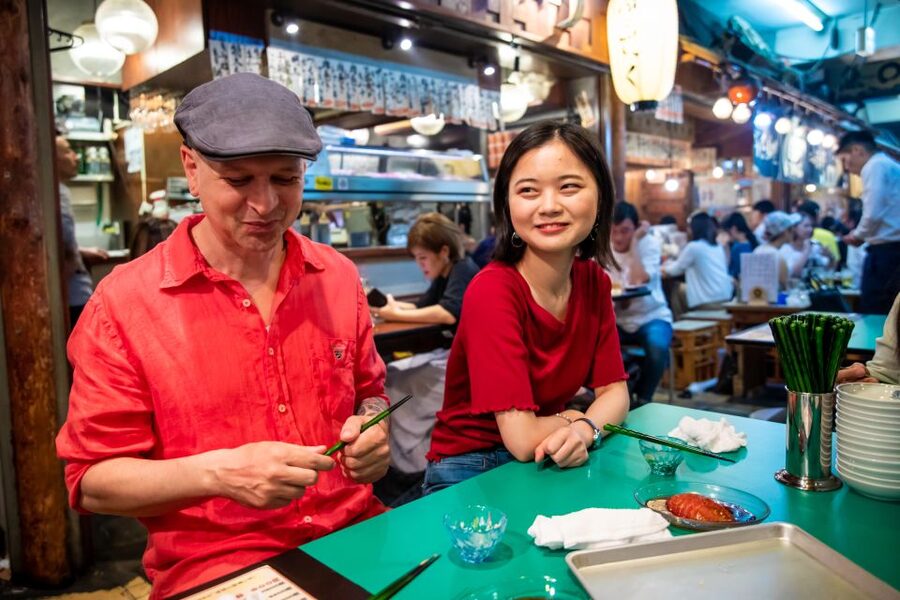
For a sharper change of mood, ask to visit Yurakucho Gado-shita. This group of small restaurants sits beneath the Yamanote railway line, and it offers a very different picture of central Tokyo from the polished department stores.
The area serves a wide range of food and drink. You might find French wine alongside inexpensive local street food, giving you a chance to compare two sides of Tokyo’s dining culture in a compact area. It is the kind of place where a guide’s local advice can be more useful than a standard sightseeing script.
Food is not included, and the tour does not promise a meal. If you want to eat here, budget separately and tell your host in advance. You can also ask for a vegetarian option. One past tour included help finding a good vegetarian lunch, so this is a useful request to make clearly during the planning call.
Your host may be able to explain what you are looking at and help you choose among the small restaurants. That does not mean every venue will suit every diet or budget, so be specific about allergies, restrictions, and how much you want to spend.
Hakuhinkan Toy Park for families
Ginza is not an obvious family destination, but Hakuhinkan Toy Park gives the district a playful stop. It is one of Japan’s well-known toy stores, with large stuffed toys and many other products for children and the young at heart.
This works best when you tell your host that you are traveling with kids. The guide can build the walk around a stop that gives children something concrete to enjoy, rather than asking them to endure a long stretch of luxury windows and department-store floors.
It can also suit adults who like Japanese toys and character goods. The experience is still a shopping stop, not a ticketed attraction, and purchases cost extra. Give yourself time to browse if the store is a key reason for booking the tour.
Families should also discuss pace and breaks before the walk begins. The standard experience lasts two to four hours, and the difference between those lengths matters when children are involved. You can request a shorter outing or change direction during the tour.
What the flexible itinerary really means
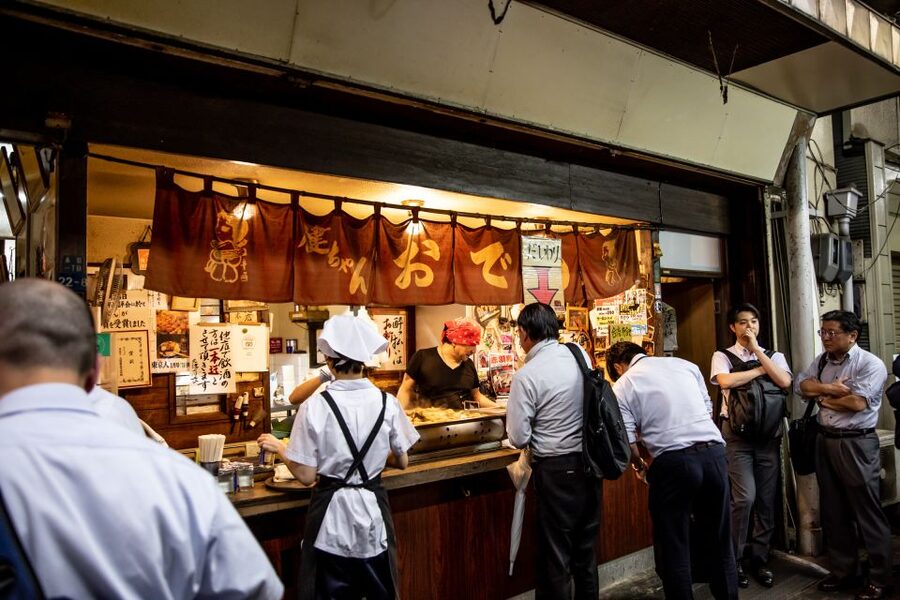
The tour has no single route that every group follows. Your host may create a food-focused walk, a shopping afternoon, a culture visit, or a mix of several interests. You can also change direction during the tour.
That flexibility is useful, but it requires some input from you. Do not simply say you want to see Ginza. Tell the host what kind of Ginza interests you.
You might ask for:
- Luxury stores and department stores
- Lower-cost shopping suggestions
- Japanese theater and cultural sights
- Local restaurants and vegetarian food
- A family-friendly route with Hakuhinkan Toy Park
- Railway-side dining at Yurakucho Gado-shita
- General advice for the rest of your Tokyo visit
The host can also offer suggestions for things to do elsewhere in the city. I see this as one of the better reasons to book early in a Tokyo trip. A useful conversation about restaurants, neighborhoods, and shopping can help shape the rest of your stay.
The tour is not a substitute for a detailed museum visit or a formal food tour. Its strength is choosing what fits you on the day. You gain more when you arrive with a few clear questions.
The guide match makes or breaks the experience
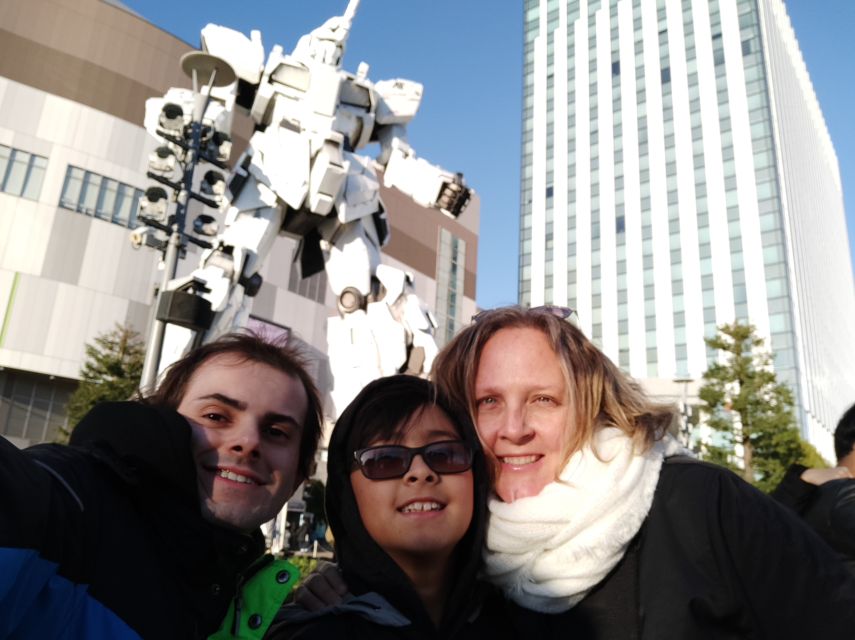
City Unscripted matches you with a local host based on your interests and personality. The stated languages are English and Japanese. Past hosts have included Alberto, Shoko, and Noriko, though you should not assume you will be assigned one of them.
A successful match can make the walk feel like an easy conversation rather than a lecture. Alberto, for example, was praised for explaining unusual and historic areas, while Shoko was described as kind and talkative. Noriko was credited with going beyond what the group expected. Those details suggest that some hosts bring strong personal warmth and a willingness to help.
There is also a warning here. One poor experience described a guide who explained very little and offered weak value for the price. That is why your pre-tour message matters. Be direct about wanting historical context, shopping help, food advice, or simple companionship.
I would also ask how much walking is expected and how much time will be spent indoors. The tour is wheelchair accessible, but the exact route and transport arrangements should be discussed before you meet. The standard format is walking, and extra transportation must be arranged and paid for separately.
Group size, timing, and practical costs
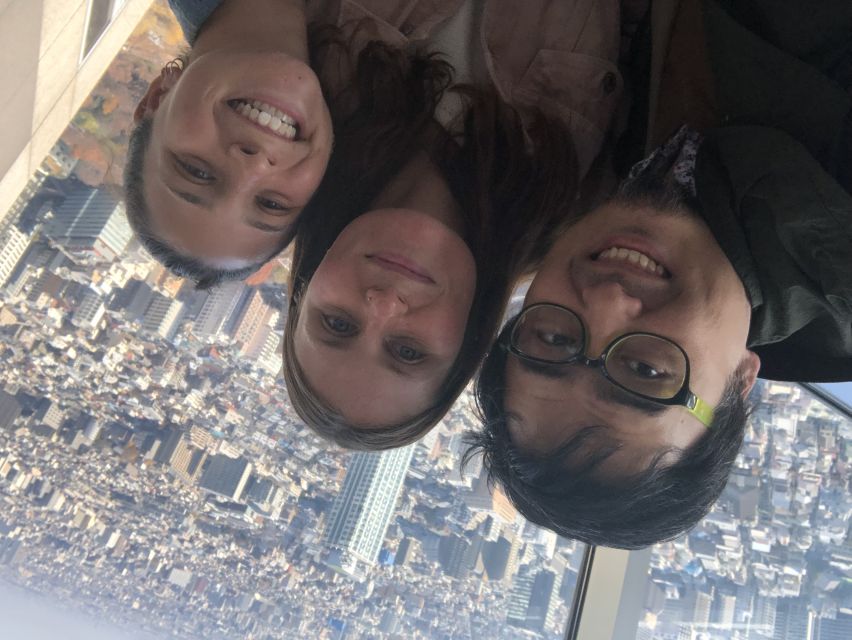
Private groups are normally no larger than six people. That is a comfortable size for asking questions and changing plans. If your group is larger, tell the operator when booking so arrangements can be made.
The tour lasts between two and four hours. Two hours can work well for a focused introduction to Ginza, perhaps with one shopping area and one cultural or food stop. Four hours gives you more room to combine Wako, Kabukiza, Yurakucho, and a family stop, though your route will still depend on your interests and walking pace.
The $64 fee does not cover:
- Food or drinks
- Tickets to attractions
- Public or private transportation during the tour
- Travel to and from the meeting point
A pickup from your accommodation may be possible if it is within a reasonable distance, but clarify this before the day. If you are trying to control costs, stay with the walking format and ask for free or low-cost stops. If you want meals, tickets, and transportation arranged, expect the final expense to rise.
You can reserve now and pay later, which helps if your Tokyo plans are still shifting. Cancellation is free up to 24 hours in advance for a full refund.
Who should book this Ginza experience
I would recommend this tour to first-time visitors who want help choosing among Ginza’s many options. It is also a good fit for couples or small families with very different interests, since the route can balance shopping, food, culture, and children’s stops.
It suits you particularly well if you want:
- Advice from a local rather than a fixed group script
- A private walk for up to six people
- Help finding less expensive shops
- Vegetarian food guidance
- A flexible route that can change during the outing
- Practical suggestions for the rest of Tokyo
I would be more cautious if you want guaranteed access to a particular restaurant, show, or store. The tour does not include tickets or meals, and the host you receive may not specialize in every subject.
Should you book the Ginza local guide tour?
Book it if you want a personal introduction to Ginza and are willing to help shape the day. The strongest reasons are the flexible route, private format, shopping advice, and chance to move from Wako and Kabukiza to the railway-side restaurants of Yurakucho.
At $64 per person, it offers fair value when the host gives you useful context and saves you time. It is less compelling if you expect admission tickets, meals, or a guaranteed expert lecture. Send clear requests at least 72 hours ahead, ask about dietary needs and mobility, and decide how much extra you want to spend.
For a first Ginza visit, I like the idea of starting at the Lion Sculpture, seeing the district’s polished face, then asking your host to show you a more ordinary place to eat. That contrast is the point. Ginza is most interesting when the luxury storefronts are only part of your walk.
FAQ
How long does the Ginza tour last?
The tour lasts between two and four hours. You can check available starting times when booking.
Where does the tour meet?
The host waits next to the Lion Sculpture by the main entrance to Mitsukoshi Ginza.
Is hotel pickup available?
Pickup from your accommodation may be arranged if it is within a reasonable distance. Confirm this with the operator before the tour.
What languages are offered?
The tour is available with a live guide in English or Japanese.
Are food, drinks, and attraction tickets included?
No. Food, drinks, attraction tickets, and transportation during the tour are not included. These can be arranged at an additional cost.
Is the tour wheelchair accessible?
Yes, the experience is listed as wheelchair accessible. Discuss your needs and the planned route with the operator in advance.
Just added in Tokyo
- The 10 Tastings of Tokyo With Locals: Private Street Food Tour★ 5.0 · 48 reviews
- Small Town in the Big City: Tasting Tokyo’s Kichijoji★ 5.0 · 195 reviews
- Small Town in the Big City: Tasting Tokyo’s Kichijoji★ 5.0 · 16 reviews
- EXCLUSIVE Tokyo Secret: Kichijoji Small-Group Food & Bar Hopping★ 5.0 · 29 reviews
- Explore Kichijoji: Walk Through One of Tokyo’s Beloved Districts★ 5.0 · 21 reviews
- :Tokyo,Shibuya/ Pro Photography in Kimono / English-Friendly★ 5.0 · 26 reviews
- 【R34】Tokyo:Private Daikoku tour in Modified R34★ 4.9 · 92 reviews
- Tokyo:Calligraphy &Make your original folding fan in Asakusa★ 5.0 · 62 reviews
Tours in Tokyo, compared.
Mt Fuji and Hakone 1-Day Bus Tour Return by Bullet Train
Read our review →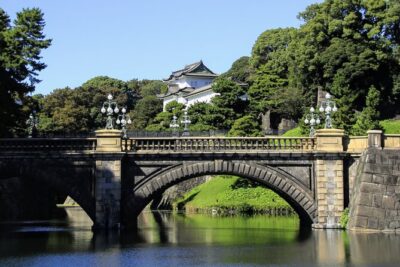
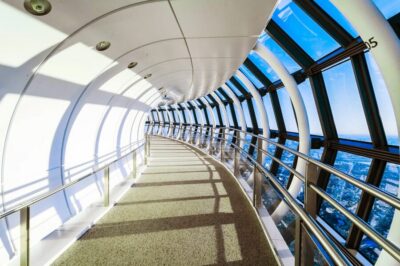
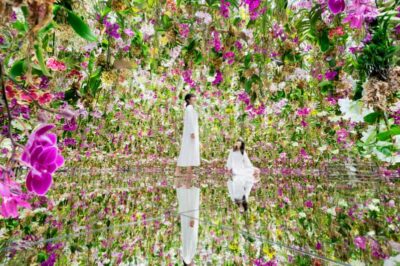
teamLab Planets TOKYO Digital Art Museum Entry Ticket
Read our review →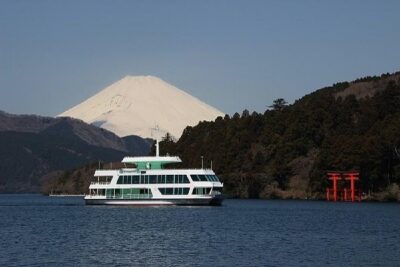
Mt Fuji & Hakone Cruise, Drum Show Bullet Train 1 Day from Tokyo
Read our review →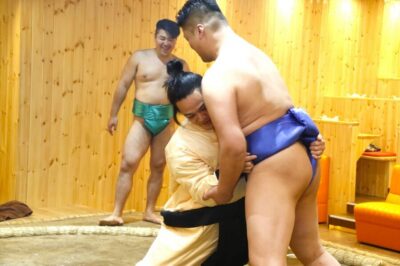
Sumo Show Experience with Chicken Hot Pot and a Photo
Read our review →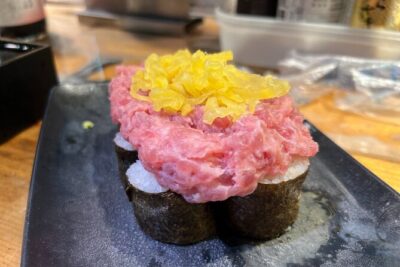
Shinjuku Food Tour (13 Dishes at 4 Local Eateries)
Read our review →