
Reviewed · SUMO EXPERIENCES
Nagoya: Grand Sumo Tournament Tour
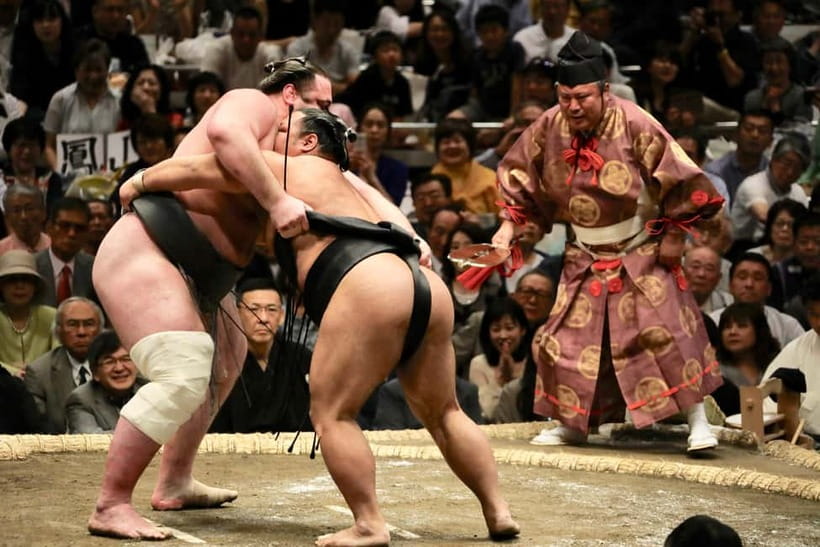
The best part of this Nagoya tour is not simply getting into the sumo arena. It is having an expert explain the rituals, wrestlers, rankings, and strategy while the action unfolds. You watch the top division from 3 p.m. for three hours, when the tournament reaches its most exciting stretch.
I like the English wrestler profiles and the cheering towel for a particular wrestler. I also like the headset system, which lets you hear the guide clearly without needing to stand beside her. The main consideration is price: at $225 per person, this costs far more than a basic admission ticket, so you need to value the expert help, reserved seating, and added materials.
Key points to know before booking
- Top-division sumo from 3 p.m.: You skip the slower early bouts and focus on the matches most visitors want to see.
- Real-time English commentary: Your guide explains rules, rituals, rankings, and wrestlers through an earphone system.
- Three useful sumo extras: You receive a wrestler-profile pamphlet, a general sumo booklet, and a cheering towel.
- Nagoya Castle option: The walking tour covers Tokugawa history, castle design, military purpose, and the beautiful Honmaru Palace.
- Easy access from Osaka and Kyoto: Nagoya is about 50 minutes from Osaka and 34 minutes from Kyoto by train, though hotel transport is not included.
- Chair S or Chair A seating: You receive a reserved seat rather than trying to sort out arena seating on your own.
Why the 3 p.m. start works so well
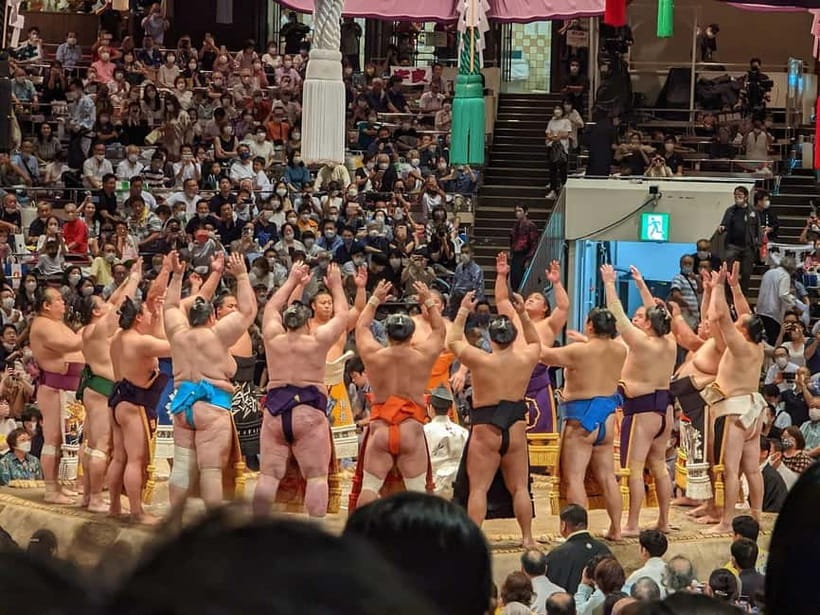
A full day at a sumo tournament sounds tempting, but the schedule is not equally exciting from morning to night. Earlier bouts involve lower-ranked wrestlers and can feel slow if you do not yet understand the sport. By the time the top division begins, the arena has more energy, the wrestlers are better known, and the stakes are easier to follow.
This tour focuses on roughly three hours of top-division matches from 3 p.m. That is a smart choice for a first visit. You get the main event without spending the entire day in the arena or losing interest before the best bouts begin.
The guide keeps the action moving with short explanations during the matches. You learn why a wrestler receives a particular ranking, what the pre-bout movements mean, and how a bout can turn on balance, grip, or timing. Sumo bouts are often brief, so the commentary matters. There may be only a few seconds of action, but the buildup and ritual give each match its shape.
I also like that the tour encourages you to choose a wrestler to support. The cheering towel gives you something practical to do when that wrestler enters the ring. It turns passive watching into a small shared ritual with the group.
Other ways to see sumo in Nagoya:
- Tokyo: Sumo Show Experience with Chicken Hot Pot and a Photo
★ 4.8 · 6,678 reviews - Tokyo: Sumo Show and Dining Experience
★ 4.8 · 2,742 reviews - the SUMO show
★ 5.0 · 1,960 reviews
Entering the tournament with the right context
Sumo can look confusing at first. The wrestlers perform a series of movements before the actual contest, and a first-time viewer may not know which parts are ceremony, preparation, or competition. Your guide fills in those gaps as you watch.
You receive a pamphlet with photographs and English profiles of the wrestlers. This is especially useful during the top-division bouts, when several wrestlers may appear unfamiliar. The guide walks you through the profiles as the matches unfold, helping you connect a face and name with a style of wrestling.
The separate sumo booklet provides broader background. It is intended to explain the sport as a whole, so you can use it to review terms and customs during the day. Along with the profile pamphlet, it gives you something to keep and refer to after the tournament.
The headset is one of the tour’s most practical touches. You do not have to remain shoulder-to-shoulder with the guide, strain to hear across the arena, or miss an explanation while watching the ring. You can follow the bout and listen at the same time.
The system also lets the guide comment during the action, not just give a speech before it starts. That difference matters. You learn about the wrestler in front of you, rather than hearing a general lecture that feels disconnected from the match.
Choosing a wrestler and joining the cheering
The cheering towel adds a light, social side to the afternoon. Your guide shows you when and how to use it for a particular wrestler. You do not need to know the chants or understand every custom in advance.
This is a small detail, but it can change the feel of the event. Instead of watching every wrestler as an unknown figure, you have someone to follow. You pay attention to that wrestler’s entrance, technique, and result. The group also gets a shared reason to react together.
Guides named Keiko, Yuki, Yummi, Mari, and Sunny Yoko have been praised for their enthusiasm and clear explanations. The individual guide may vary, but the tour is designed around an English-speaking sumo specialist who enjoys the sport and helps you support a favorite.
Yuki has been especially praised for explaining both the castle and the wrestlers, while Mari is noted for getting the group involved in cheering. Keiko’s energetic approach helped make a first sumo visit easier to follow. These details suggest that the personality of your guide can shape the afternoon, so expect an active host rather than a silent escort.
Nagoya Castle before the matches
The optional Nagoya Castle walking tour gives the day a second theme. The castle was built in the early 17th century by the Tokugawa clan, the family that ruled Japan for nearly three centuries. Nagoya later grew into one of Japan’s largest cities and became strongly associated with Toyota, but the castle is the place where the city’s story begins.
The guide explains the political setting behind the construction. The Tokugawa rulers had to manage feudal lords who had once opposed them, and the castle helped display and enforce that new order. This makes the visit more useful than a quick walk around a picturesque fortress.
You also learn about the castle’s architecture and military purpose. The tour covers how it was built, how it worked as a fortress, and how its defensive design would have helped protect the ruling family. You get the historical reason for the walls, gates, and layout rather than just a list of dates.
The Honmaru Palace is a major highlight. Its interiors use valuable hinoki cypress wood, decorative metal fittings, and detailed artwork on walls, ceilings, and sliding doors. Take your time with these surfaces. The fine details can be easy to miss if you hurry toward the sumo arena.
The castle portion is optional, which helps if your schedule is tight or you have already visited Nagoya Castle. If you do choose it, wear comfortable shoes. The day combines walking outside and time inside the arena, so this is not a good occasion for footwear chosen only for appearance.
Same base, a different sort of day:
- From Nagoya: Gujo, Hida Takayama, and Shirakawa-go Day Tour
★ 4.4 · 398 reviews - Ghibli Park 1-Day Bus Tour from Nagoya
★ 4.5 · 277 reviews - From Nagoya: Hida Takayama & Shirakawa-go Tour w/Opt. Lunch
★ 4.5 · 256 reviews - Hiking the Historic Nakasendo Trail [1 Day Tour from Nagoya]
★ 5.0 · 104 reviews
The route from Osaka or Kyoto
Nagoya is a practical side trip from the Kansai area. The stated train times are about 50 minutes from Osaka and 34 minutes from Kyoto. Those times make the tournament possible even if you are based in one of those cities, but you still need to plan your own train journey and arrive at the meeting point on time.
The tour begins at Meijo Line Nagoyajo Station, station M07, Exit 7, on the ground level. Look for the guide holding a recognizable signboard. The activity ends back at the same meeting point.
Hotel pickup and drop-off are not included. That is important if you are staying outside central Nagoya or planning to return to Osaka or Kyoto after the event. You handle your own transport to and from the station, so check the train schedule before booking the tour.
The meeting point is tied to Nagoya Castle, which fits the optional walking tour. It also keeps the day organized: you meet at the station, see the castle if selected, and then attend the tournament with the group.
What the $225 price includes
At $225, this is a premium way to attend sumo. You are paying for more than admission. The package includes a Chair S or Chair A seat, headset commentary, the wrestler-profile pamphlet, the sumo booklet, the cheering towel, and the guide’s time.
The value is strongest for a first-time visitor who wants to understand what is happening. A regular sumo fan who already knows the wrestlers, rankings, and rules may find the guide and printed materials less important. For that person, buying a ticket independently could make more financial sense, though this tour handles the seating and commentary in one package.
The Chair S or Chair A designation also matters. You are not being sent into an unspecified section, though the exact view can depend on the assigned seat. The listing does not provide a precise row or distance from the ring, so do not book expecting a guaranteed ringside position.
You can reserve now and pay later, which helps if your Japan schedule is still changing. Cancellation is allowed up to 24 hours before the activity for a full refund. Those terms make the high price a little easier to manage, but they do not change the basic question: do you want guided interpretation, or only arena admission?
Who will enjoy this sumo afternoon most
I would recommend this tour to you if sumo is new and you want the customs explained as they happen. It also fits visitors who enjoy Japanese history, since the castle adds political and architectural context before the matches.
Families and mixed-interest groups may find the three-hour top-division window easier than a full tournament day. Even someone who is not already a sumo fan can follow the action with the profiles, headset, and guide’s explanations.
It is also a good fit if you are staying in Osaka or Kyoto and want a focused Nagoya day trip. The train access is quick, but you need to arrange your own transportation and allow enough time to reach Exit 7.
I would hesitate if you are watching your budget closely, have strong sumo expertise, or want to spend the entire day at the arena. The tour’s design favors clarity and convenience over the lowest possible cost.
Practical details that affect your day
The tour is conducted in English and uses a small-group format. Group size is not specified, so do not assume a private experience. The headset helps regardless, since you can hear the guide even when she is at a distance.
Bring comfortable shoes. You may walk around Nagoya Castle and spend several hours seated at the tournament. The day is easier if you keep your plans before and after the tour fairly simple.
The guide will provide the sumo materials and towel, so you do not need to find English wrestler information on your own. Keep the pamphlet close during the bouts. You will get more from the commentary if you can quickly match the guide’s explanation with the wrestler’s photograph.
The tour ends where it begins, at Meijo Line Nagoyajo Station. That makes it easy to continue your own Nagoya plans, return to your hotel, or head back toward Osaka or Kyoto after the activity.
Should you book the Nagoya sumo tour?
Book it if you want the tournament explained in real time and like the idea of cheering a specific wrestler with a towel. The guide, headset, profiles, and three hours of top-division action give you a clear path into a sport that can otherwise feel mysterious.
The optional Nagoya Castle tour adds real value if you have not seen the castle before. You get history, architecture, and sumo in one organized afternoon.
Skip it if $225 is more than you want to spend for a sporting event, or if you already understand sumo well enough to manage the arena alone. For a first visit, though, the combination of strong seats, practical English materials, and an enthusiastic guide makes this one of the easier ways to appreciate what is happening in the ring.
FAQ
Where does the Nagoya sumo tour begin?
The meeting point is Meijo Line Nagoyajo Station, station M07, Exit 7, on the ground level. The guide will hold a recognizable signboard.
Where does the tour end?
The activity ends back at the starting meeting point, Meijo Line Nagoyajo Station.
How long do I watch the sumo tournament?
You watch the top-division bouts for about three hours, beginning at 3 p.m.
Is the Nagoya Castle tour included?
The Nagoya Castle walking tour is listed as optional. The guide covers the castle’s history, construction, defensive design, and Honmaru Palace.
What kind of sumo seat is included?
The tour includes a Chair S or Chair A seat at the sumo tournament.
Is the tour conducted in English?
Yes. The tour language is English, and the guide provides real-time commentary through an earphone guide system.
What materials do I receive?
You receive a pamphlet with photographs and English profiles of the wrestlers, a sumo booklet, and a cheering towel for a particular wrestler.
Is transportation from my hotel included?
No. Hotel pickup and drop-off are not included. You need to arrange your own transportation to and from the meeting point.
What should I bring?
Bring comfortable shoes, especially if you take part in the Nagoya Castle walking tour.
Can I cancel the tour?
You can cancel up to 24 hours in advance for a full refund. You can also reserve and pay later, keeping your plans flexible.
Just added in Nagoya
- Kimono Rental and Tea Ceremony Experience in Inuyama★ 5.0 · 15 reviews
- Nagoya Full-day Private Custom Tour with National Licensed Guide★ 5.0 · 61 reviews
- Nagoya Half-day Private Custom Tour with National Licensed Guide★ 5.0 · 40 reviews
- Nagoya: Traditional Japanese Sweets-Making Workshop★ 4.6 · 14 reviews
- Nagoya: Toyota Commemorative Museum Guided Tour★ 4.7 · 22 reviews
- Nagoya Private Custom Tour with Local Guide★ 5.0 · 15 reviews
- Nagoya: Japanese Traditional Sweets making and Tea Ceremony★ 4.9 · 76 reviews
- Nagoya: Customized Private Tour★ 4.6 · 15 reviews
Sumo Experiences, compared.
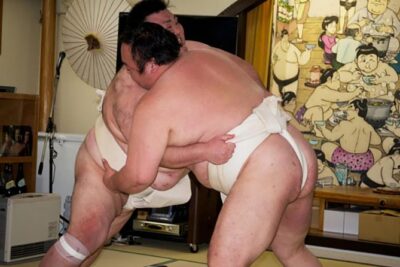
Sumo Show Experience with Chicken Hot Pot and a Photo
Read our review →
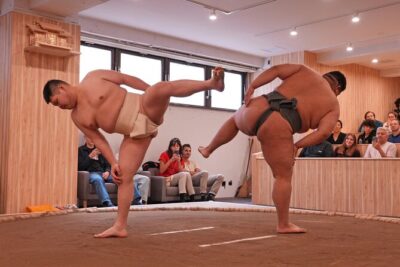
Tokyo Shinjuku Sumo Show & Experience with Photo
Read our review →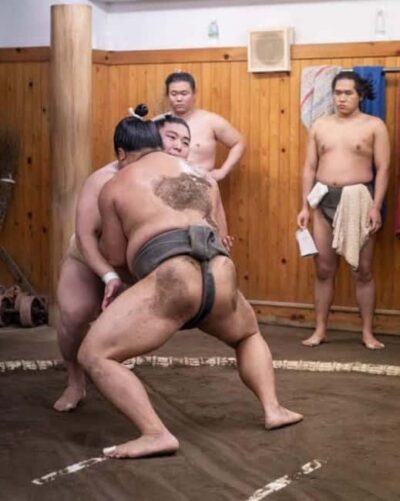
Sumo Show & Experience w/ Optional Kimono & Hot Pot
Read our review →
Authentic Sumo Experience in Tokyo: Enter the Sanctuary
Read our review →Browse the lists this tour appears in