
Reviewed · NARA & THE DEER PARK
Nara: Private Tour with Private Guide
Nara’s best sights are spread across temple grounds, park paths, and old streets, so a good guide can turn a long day of wandering into a clear, meaningful route. This private six-hour tour covers the big names, yet leaves room for your interests, from Buddhist art and shrine rituals to deer, gardens, food, or family-friendly pacing.
I like the one-to-one attention and the chance to meet at your hotel or another agreed spot. I also like the guide flexibility: Ken adjusted plans for a family, Shuji added rest and water breaks on a hot day, and Haru helped a couple with final train arrangements. The main consideration is cost: at $151 per person, this is far more expensive than exploring Nara alone, and entrance fees, food, and transport are extra.
Key points at a glance
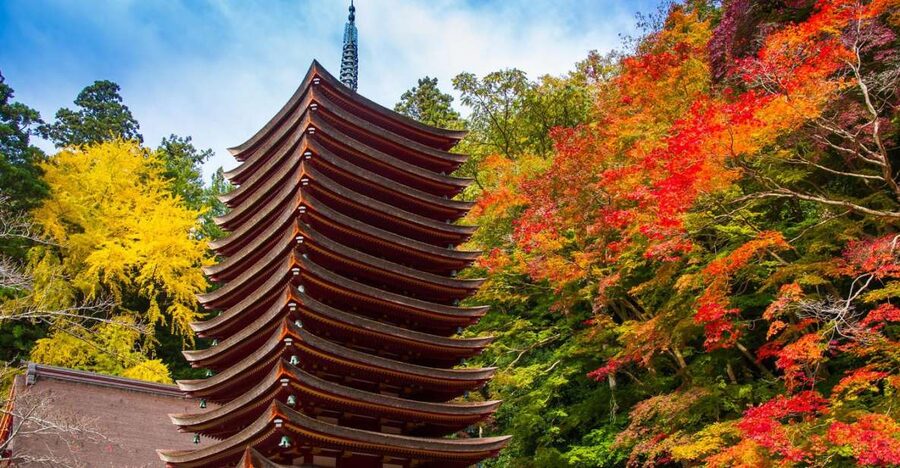
- A private route through Nara’s essential sights: Kofuku-ji, Todai-ji, Nara Park, and Kasuga Taisha can all fit into the six-hour example itinerary.
- Personal guides make the difference: Junichi, Ken, Rie, Haru, Shuji, and others have been praised for patience, clear explanations, careful planning, and warm conversation.
- Walking is the default: Hotel pickup is on foot when your accommodation is within a reasonable distance, while trains, buses, or taxis can be arranged at extra cost.
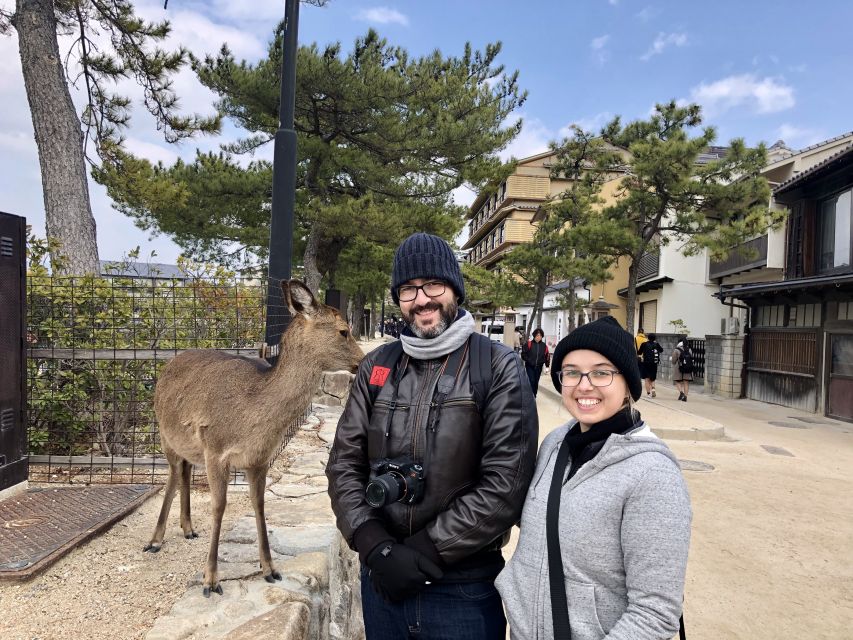
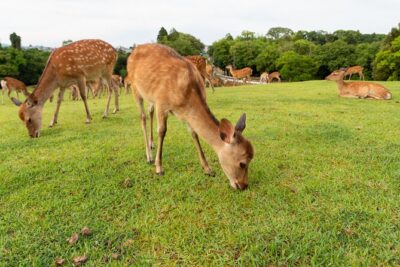
- The deer are part of the setting, not a theme-park show: You can feed them with deer crackers, while your guide explains how to behave around them.
- You can adjust the day: Families, food-focused visitors, people interested in temples, and those needing a slower pace can request a different plan.
- Plan for added costs: Admission tickets, meals, and transportation during the tour are not included.
Why a private Nara day can be worth the price
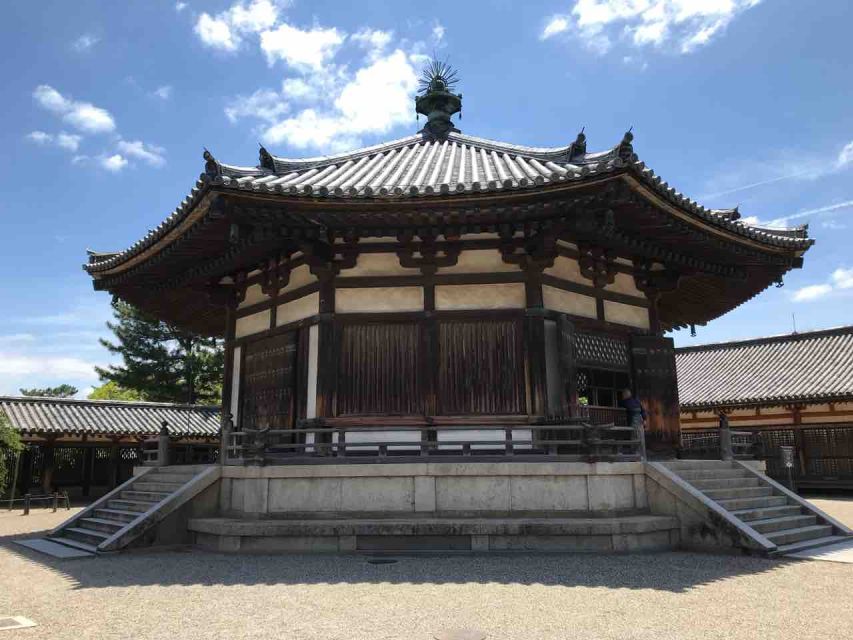
Nara is easy to reach from Kyoto and Osaka, but it is not simply one temple beside one station. The major sites are connected by broad park paths and city streets, and the day can involve quite a bit of walking. You can certainly visit on your own, but a private guide gives you a person who can explain what you are seeing and adjust the route as the day unfolds.
The strongest reason to book is context. At Todai-ji, you do not just see an enormous bronze Buddha. You can learn why the temple mattered to Japan’s early capital, how the wooden hall was built, and what the guardians at the gate represent. At Kasuga Taisha, the lanterns and red buildings make a fine photograph, but a guide can also explain the difference between a Buddhist temple and a Shinto shrine.
The $151 price is easiest to justify for a small group that values time and conversation. For one person or a couple, it is a serious splurge. For a family or group sharing the same guide, the cost may feel more reasonable, particularly if you want help with public transportation, food choices, language, or a route that is not rushed.
Other day trips out of Nara:
- World Heritage Kyoto & Nara Uji Authentic Matcha Experience
★ 5.0 · 1,573 reviews - Nara Half Day Trip Walking Tour (Private Option Available)
★ 5.0 · 937 reviews - Nara Early Morning Tour (Kyoto or Osaka Departure Available)
★ 5.0 · 676 reviews
Starting with a route made for you
Your day begins at a chosen meeting point, often your hotel lobby if it is close enough for the guide to reach on foot. The guide is scheduled to wait about 10 minutes before pickup. Since the provider confirms the guide and final arrangements before the tour, keep an eye on your messages in the days before departure.
The standard six-hour plan is a useful framework rather than a rigid script. You can request the major temples and deer park, or ask for a slower day with more gardens and fewer buildings. Past guides have also added places such as an imperial palace site, World Heritage gardens, less crowded temples, and a favorite mochi shop or tea merchant when time allowed.
This is where the private format earns its keep. Rie built a route around a family’s requests, beginning in beautiful gardens before moving to the main sights. Ken shaped an itinerary for children and explained the deer along the way. Shuji added breaks during very hot weather instead of forcing the group to maintain an uncomfortable pace.
You should still be realistic. Six hours is enough for the main circuit, but not for every worthwhile corner of Nara. Asking for too many distant stops can turn a pleasant walk into a timetable exercise. Tell your guide your priorities before the day, then let that person order them sensibly.
Kofuku-ji and the Ashura statue
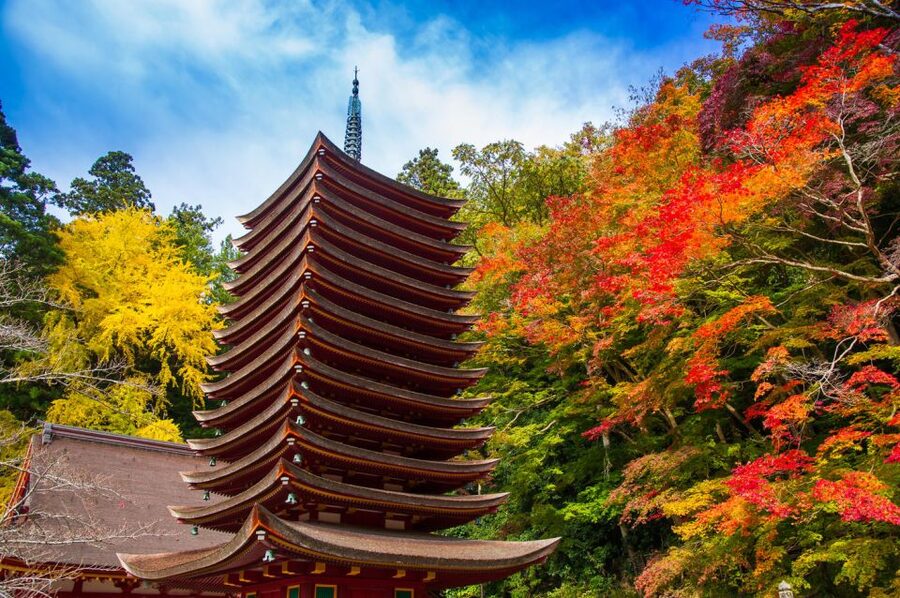
Kofuku-ji is a strong opening stop because it introduces Nara’s importance without immediately overwhelming you with the scale of Todai-ji. The temple is part of the UNESCO-listed Historic Monuments of Ancient Nara, and its grounds include important buildings and Buddhist works.
The highlight for many art lovers is the statue of Ashura, a three-faced, six-armed figure known for its fine expression and unusual form. If Buddhist sculpture is new to you, this is exactly the kind of place where a guide helps. The details can otherwise blur into a parade of statues, names, and dates.
Ask your guide which areas are open and which admission tickets apply. Entrance fees are not part of the tour price, and the route may change depending on opening conditions and your interests. If you prefer architecture, your guide can spend more time outdoors. If you care about sculpture, allow time for the collection rather than rushing onward.
Todai-ji, the Great Buddha, and Nandaimon Gate
Todai-ji is the day’s main event. Its great wooden hall houses the Daibutsu, Japan’s famous Great Buddha, and the approach makes clear why this is Nara’s most recognized sight. The scale is hard to grasp in a photograph. Inside, the bronze figure dominates the hall, while the surrounding details reward a slower look.
Before reaching the hall, you pass through Nandaimon Gate. Pause here for the Kongo Rikishi guardians, powerful figures placed on either side of the entrance. Their dramatic poses and muscular forms provide a useful contrast to the calm Buddha inside.
A guide is particularly helpful at Todai-ji because the complex can feel crowded and visually busy. You can get a quick explanation of the Buddha, the gate guardians, and the temple’s place in Japanese religious history, then decide where to linger. The private setup also lets you ask basic questions without worrying that you are holding up a larger group.
The drawback is that Todai-ji is the stop most likely to consume time. If you want the Great Buddha, deer, Kasuga Taisha, lunch, and quieter temples in six hours, your guide will need to keep the route moving. That is not a flaw in the tour, but it is a reason to state your priorities clearly at the start.
Same base, a different sort of day:
- Osaka: Nara and Uji Day Trip with Deer Park and Hot Spring
★ 4.4 · 302 reviews - Kyoto/Osaka: Kinkakuji, Bamboo Forest, and Nara Deer Park
★ 4.4 · 265 reviews - Nara 6hr Private Tour with Government-Licensed Guide
★ 5.0 · 219 reviews - E-Bike Nara Highlights – Todaiji, Knives, Deer, Shrine
★ 4.8 · 186 reviews
Walking through Nara Park with the deer
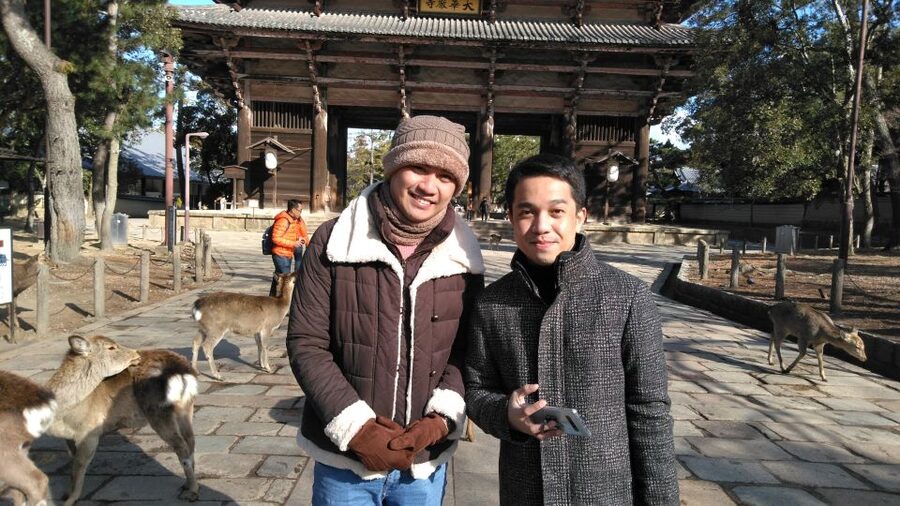
Nara Park connects several of the main sights, and the deer give the walk its distinctive character. They are wild animals living in a public park, not trained performers, so treat them with care and follow your guide’s instructions.
Feeding the deer with crackers is a popular activity. It is fun, especially for children, but the animals can become persistent when they know you have food. Keep the crackers together, show empty hands when you are finished, and avoid teasing the deer. Your guide can help you read their behavior and choose a calmer moment for photos.
The park also provides a welcome change from temple interiors. You get open paths, trees, and views across the grounds while moving between major sites. On hot or humid days, though, the walking can be tiring. Shuji’s approach of adding water, shade, and rest time is worth requesting if your visit falls in midsummer.
The deer are not the whole point of Nara. I would be wary of a route that treats the park as a quick photo stop and skips the temples. Here, the park works best as the link between them, giving the day breathing room while keeping you close to the city’s cultural heart.
Kasuga Taisha and its lanterns
Kasuga Taisha brings a different mood. Its red main shrine and forest setting contrast with Todai-ji’s massive wooden hall and Kofuku-ji’s Buddhist art. This is a Shinto site, so your guide can explain the customs and visual signs that distinguish a shrine from a temple.
The Kasuga-Taisha National Treasure Hall contains valuable Buddhist works. Admission is separate, but art-minded visitors may find it a worthwhile addition to the outdoor shrine visit. If you are more interested in architecture, rituals, or the approach through the grounds, tell your guide so the stop can be balanced around what matters to you.
Kasuga Taisha is also a good place to slow down. The route may include more walking than the central Todai-ji area, and the combination of shrine buildings, lanterns, and trees feels less monumental and more atmospheric. Exact timing depends on your starting point, pace, and any changes you request.
Food, gardens, and useful local help
Food is not included, but lunch can become part of the personalized plan if you arrange it with your guide. Kiyoshi found an udon restaurant for a visitor who had not yet tried the dish. Another guide arranged a four-course meal that met gluten-free, dairy-free, and nut-free needs.
Do not assume a special meal is automatically included or guaranteed. State dietary requirements before the tour, and confirm whether the restaurant bill is yours to pay. The same applies to snacks and drinks. A stop at a favorite mochi shop or tea merchant can add local flavor, but it may mean less time at a temple.
Guides can also help with practical tasks beyond sightseeing. Haru assisted with final travel arrangements, while Ken made sure a group got back to its train with the correct tickets and platform details. That kind of help can be valuable on the last full day of a Japan trip, when you are carrying luggage, watching the clock, or trying to fit one more experience into the schedule.
Still, keep the boundaries clear. The advertised experience is a private walking tour, not a private car service or an all-inclusive day trip. Public transport or a taxi can be used if you wish, but those fares are extra, as is transport to or from the meeting point.
The guides and the private-group advantage
The guide is the heart of this experience, and the individual you receive matters. Junichi has been especially praised for clear communication, organization, and an ability to answer questions throughout a busy afternoon. Ken has worked well with families and teenagers, while Rie has been valued for careful preparation and a warm manner.
Other named guides include Haru, Shuji, Shoji, Ichiro, Tue, Kaeko, Yuka, Noriko, Kiyoshi, and Hideo. The guide assigned to you may be someone else, so you should not book solely on the hope of getting a particular person. If a specific guide is important, ask the provider before relying on that request.
The shared pattern is personal attention. Guides have adjusted start and finish times, slowed the pace in difficult weather, switched languages for different family members, and answered questions ranging from religion to history and modern Japan. That is more useful than a guide who simply recites dates.
The tour is available in English or Japanese, and it is wheelchair accessible. Accessibility in practice depends on the route, surfaces, crowds, and transport choices, so discuss your needs before the day and request an itinerary suited to your group.
Timing, costs, and what to bring
The listed price is $151 per person for the six-hour experience. A four-hour option is also available, though starting times and availability need to be checked when booking. The private group format means you are not sharing the guide with strangers.
Budget separately for:
- Temple and museum entrance fees
- Food and drinks
- Train, bus, or taxi fares during the tour
- Transportation to and from the meeting point
Wear comfortable shoes. Even with public transport, the core route involves walking through temple grounds and the park. Bring water, sun protection in warm weather, and a rain layer because the tour runs rain or shine.
The activity offers free cancellation up to 24 hours before the start time, and you can reserve now while paying later. Your booking is not final until the guide contacts you, usually within seven days. The provider will contact you if a guide is unavailable.
Who should book this Nara tour?
I would choose this tour if you want Nara’s main sights explained in plain English, need help organizing a day from Kyoto or Osaka, or have a family with mixed interests. It is also a good fit if you want to add food, gardens, quieter temples, or a slower pace without building the whole plan yourself.
It is less attractive if you are happy navigating trains and temple grounds alone, want the lowest possible cost, or prefer an unstructured day. Nara is quite manageable independently, and the extra guide fee does not include admissions or transport.
For families, older visitors, first-time visitors to Japan, and anyone who values conversation, the private format can make a full day feel easier. For experienced independent visitors, book only if the custom route and local explanation are worth the premium.
FAQ
How long is the Nara private tour?
The experience is available as a private four-hour or six-hour tour. The detailed example itinerary uses six hours.
Which languages are available?
The tour is offered with a live guide in English or Japanese.
Can the tour be customized?
Yes. You can request particular sites, interests, food stops, a different pace, or a route planned by the guide.
Where does the tour begin?
The guide can meet you at your accommodation on foot if it is within a reasonable distance, or at another location you request. The guide waits in the hotel lobby or agreed location about 10 minutes before pickup.
Is transportation included?
No. The tour is mainly a walking experience. Public transportation or a taxi can be used, but transport costs during the tour are extra. Transportation to and from the meeting point is also not included.
Are entrance fees and meals included?
No. Food, drinks, and entrance fees are paid separately.
Can I cancel the booking?
You can cancel up to 24 hours before the tour begins for a full refund. The experience runs rain or shine.
Just added in Nara
- Nara:5 Type of Tea Tasting & Mindful Tea Ceremony★ 5.0 · 28 reviews
- Nara:Authentic Tea Ceremony(Max 5 ppl) -Master Matcha Making★ 5.0 · 119 reviews
- Nara: Todai-ji y parque de Nara (Spanish Guide)★ 5.0 · 16 reviews
- Nara: Essential Private Tour with Deer Park and Temples★ 5.0 · 24 reviews
- Nara: Private Walking Tour with a Local★ 4.3 · 36 reviews
- Nara: Bike Tour in Ancient Capital UNESCO World Heritage★ 5.0 · 43 reviews
- Nara Early Bird Tour (Kyoto Departure Option Available)★ 4.9 · 142 reviews
- Nara: City Highlights Shared Group or Private Bike Tour★ 4.9 · 34 reviews
Nara & the Deer Park, compared.
World Heritage Kyoto & Nara Uji Authentic Matcha Experience
Read our review →
Kyoto/Osaka: Nara, Fushimi Inari Taisha, Arashiyama Bus Tour
Read our review →
Nara Half Day Trip Walking Tour (Private Option Available)
Read our review →
Osaka/Kyoto: Arashiyama, Nara & Fushimi Inari Shrine w/Lunch
Read our review →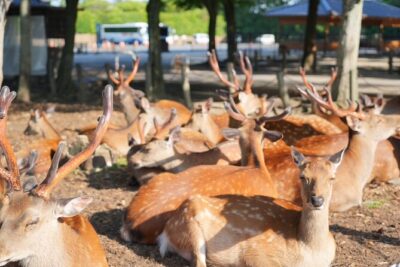
Nara Early Morning Tour (Kyoto or Osaka Departure Available)
Read our review →
Full Day Guided Tour to Kyoto and Nara from Osaka by Van
Read our review →
Browse the lists this tour appears in