
Reviewed · TEA CEREMONY EXPERIENCES
Kyoto: Mindful Tea Ceremony in 100-Year-Old Teahouse
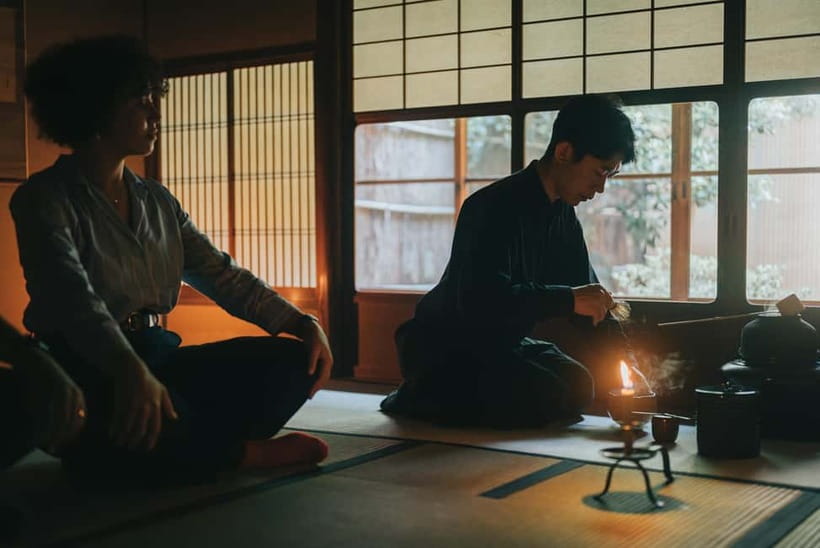
Kyoto’s Oboro tea ceremony is less about performing perfect Japanese etiquette and more about learning to notice small things: the sound of simmering water, the scent of matcha, the warmth of the bowl, and the pause before your first sip. In a 100-year-old teahouse, candlelight replaces bright modern lighting and gives the 45-minute session a calm, almost private feeling.
I like the relaxed teaching style and the small group, limited to eight people. I also like the thoughtful structure, with a welcome tea, seasonal sweet, main matcha preparation, and a small handmade candle to take home. The main consideration is time: 45 minutes passes quickly, so this suits you if you want a focused introduction rather than a long formal ceremony.
Key Points to Know Before You Book
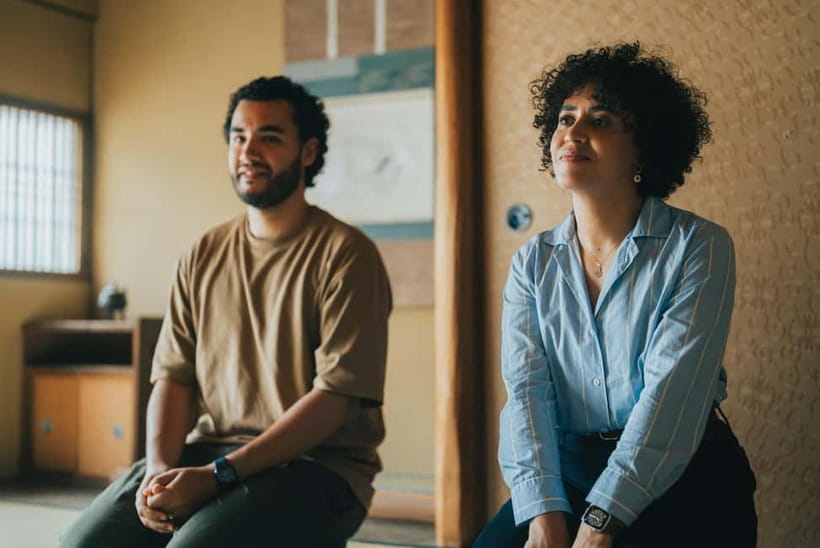
- Candlelit 100-year-old teahouse: A traditional Kyoto setting, garden view, minimal décor, and soft light keep your attention on the ceremony.
- English guidance without rigid rules: You can quietly observe, ask questions, or take part without worrying about getting every gesture right.
- Small groups of up to eight: The limited size makes it easier to hear explanations and follow the host’s movements.
- A gentle three-part rhythm: Welcome tea and sweets lead into the main tearoom, matcha preparation, and a final candle gift.
- Bring socks and arrive early: Shoes come off, and anyone more than 10 minutes late cannot enter the session.
- Best for adults and older children: Children under six, wheelchair users, and people with back problems should choose another activity.
Entering Oboro, a Quiet Corner of Kyoto
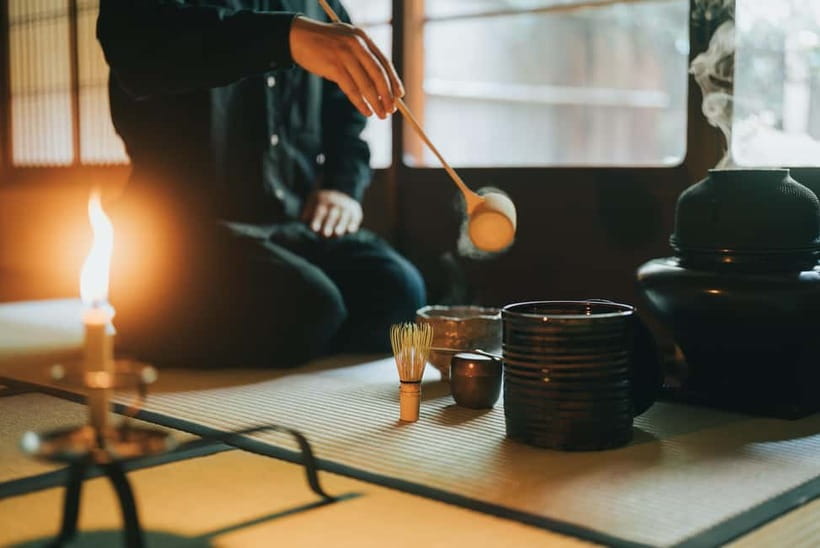
The first change you notice is the light. Oboro uses candles rather than harsh overhead lighting, so the room feels softer from the moment you arrive. This is not just decoration. It helps you switch gears after a day of trains, crowds, temple visits, and city noise.
You’ll be greeted by your English-speaking host and can store your belongings if needed. Arrive about 10 minutes early. Shoes must be removed, so wear socks, and avoid arriving in a rush. The room is quiet by design, and you are asked to maintain silence during the ceremony.
The building itself is part of the experience. The traditional interior gives you a sense of how a Japanese tea space can frame attention through simple materials, limited furnishings, and careful placement. A garden visible through the tea room window adds another quiet point of focus.
I would not book this as a noisy social activity. The atmosphere rewards people who can sit still and let the pace slow down. If you want a lively guide-led tour with constant conversation, Oboro may feel too restrained. If your Kyoto schedule has been packed, that restraint is exactly the point.
Other tea ceremonies in Kyoto people book:
- Kyoto: Tea Ceremony in a Traditional Tea House in Kiyomizu
★ 4.9 · 3,519 reviews - Kyoto: Tea Ceremony Ju-An at Jotokuji Temple
★ 4.9 · 3,207 reviews - Kyoto: 45-Minute Tea Ceremony Lesson Experience
★ 4.3 · 2,378 reviews
The Welcome Tea and Seasonal Sweet
The session begins with a welcome tea and a small sweet. This gives you time to settle into the space before the formal matcha preparation begins.
The sweet is not just a snack on the side. In Japanese tea practice, a sweet helps prepare your palate for the slightly bitter, grassy taste of matcha. The contrast makes the tea taste smoother and gives you a simple lesson in how the ceremony considers the full sensory experience.
You may receive a chilled tea in summer. Oboro uses chilled water and ice for the summer version of the ceremony, which offers a refreshing change from the hotter preparation used at other times of year. This seasonal adjustment is a useful reminder that tea ceremony is not a single fixed performance. Temperature and timing matter.
The welcome course is also where you can begin asking questions. Hosts explain the flow, the role of the utensils, and the meaning behind the gestures. The instruction is in English, and the approach is gentle rather than strict. You are not expected to arrive with prior knowledge of matcha or Japanese etiquette.
Moving Into the Main Tearoom
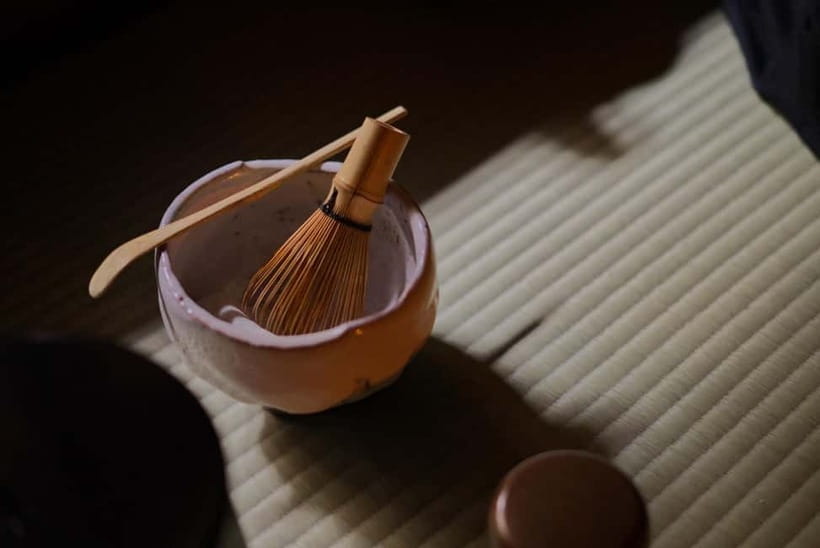
After the welcome tea, you move into the main tearoom. The change of room helps mark a new phase of the experience. One part of the building introduces you to the setting and flavors, while the main room places your attention on the preparation itself.
The décor is intentionally modest. There are fewer visual distractions, and the candlelight makes small details easier to notice. You might find yourself listening to water warming, watching the movement of the whisk, or noticing the faint aroma of fresh matcha.
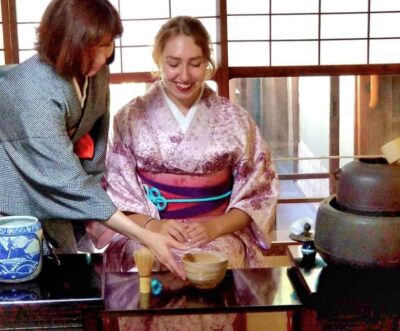
This is where the activity differs from a quick cultural demonstration. The host does not simply make a bowl and send you on your way. Each step is explained as it happens. Utensils are purified, matcha is measured and whisked, and the bowl is presented with a graceful bow.
You can observe quietly, ask questions, or simply share the silence with the other people in your group. The ceremony has traditional roots, but the teaching leaves room for newcomers. You are shown how to lift the bowl, appreciate the tea, and drink it with care. The emphasis is on awareness, not anxiety.
Watching Matcha Become the Main Event
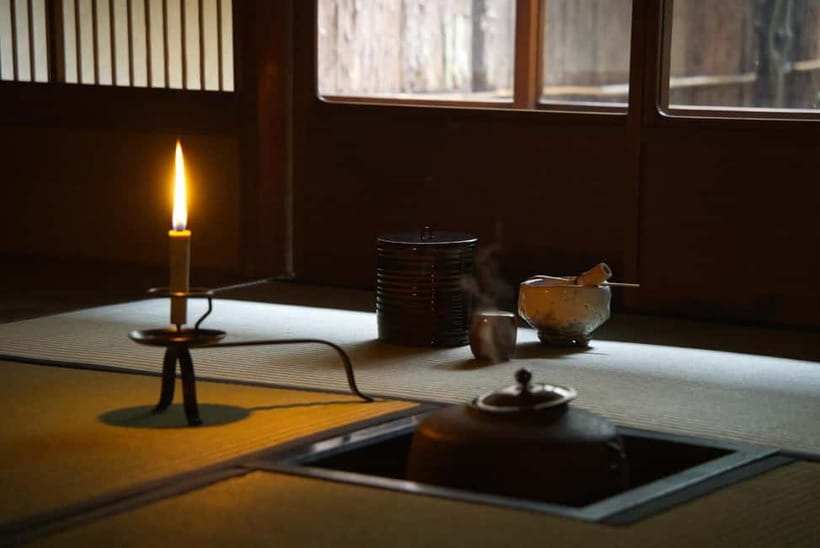
Matcha is the center of the ceremony, but the preparation makes you pay attention before you taste it. The host’s movements are measured and economical. Nothing is hurried, and nothing feels added just to fill time.
The bowl is handled with care. The whisk creates the tea’s smooth texture, and the presentation gives you a moment to pause before drinking. You’ll be guided through the basic etiquette, but you do not need to master every movement or memorize a long list of rules.
That relaxed approach matters. Formal tea ceremonies can feel intimidating if you worry about making a mistake. Here, the host explains the purpose of each step, so the ritual becomes easier to understand. Taku has been praised for explaining the process clearly, while Naoki has been singled out for creating a calm, personal atmosphere. Depending on the session, you may meet one of these hosts or another member of the Oboro team.
You’ll lift the bowl gently and taste the matcha. Expect a distinct green tea flavor with some bitterness, though the quality of the tea, the preparation, and the accompanying sweet help soften the experience. If you normally avoid matcha, you may still enjoy this introduction because the ceremony gives you time to notice the flavor rather than gulp it down.
The tea is served as part of a complete moment. You see it prepared, smell it, feel the warmth of the bowl, taste it, and then sit with the aftertaste. That is why the activity feels more substantial than simply ordering a matcha drink in a café.
Other tea rooms and ceremonies in Kyoto:
- Kyoto: Table-Style Tea Ceremony at a Kyo-Machiya
★ 4.9 · 1,211 reviews - Kimono Tea Ceremony at Kyoto Maikoya, NISHIKI
★ 5.0 · 911 reviews - Kyoto: Arashiyama Bamboo Forest, Monkeys, Matcha & Temple Tour
★ 5.0 · 759 reviews - Kyoto: Tea Museum Tickets and Matcha Grinding Experience
★ 4.9 · 739 reviews
Why the Candlelight Changes the Experience
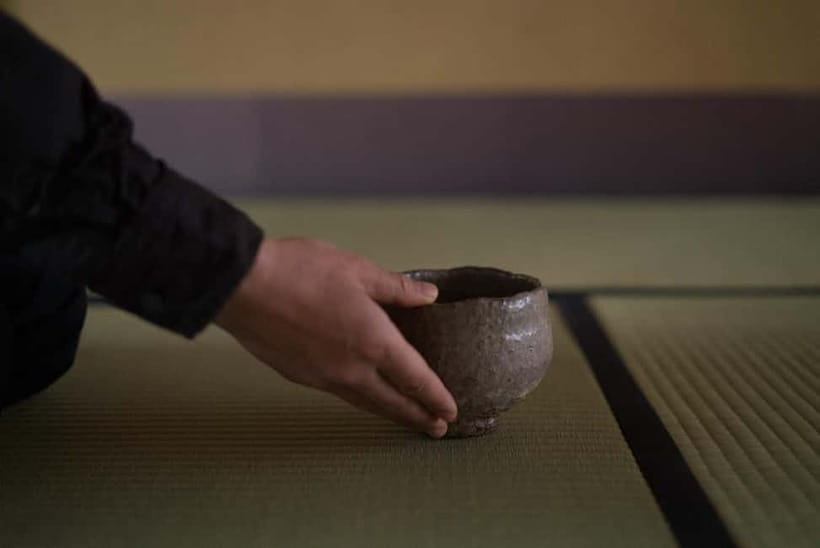
The candlelight does practical work. It dims the room, reduces visual clutter, and makes the ceremony feel separate from the busy streets outside. Oboro’s setting is especially useful if you have spent the day moving between major Kyoto sights.
The garden view adds another layer. You are not staring at a blank wall, but the setting does not compete with the tea. The small view, faint aromas, quiet water, and low light work together without turning the ceremony into a stage show.
Several parts of the experience are designed around mindful attention. You pause before drinking. You observe the host’s hands. You listen instead of filling every gap with conversation. Even the handmade candle at the end extends the idea beyond the teahouse. You can bring it home as a small reminder to create a quieter moment later in your trip or after returning home.
I would keep your expectations realistic. This is not a religious service, a meditation retreat, or a full day of cultural study. It is a short, carefully paced introduction to tea ceremony that uses the setting and the ritual to encourage calm.
What You Learn About Japanese Tea Ceremony
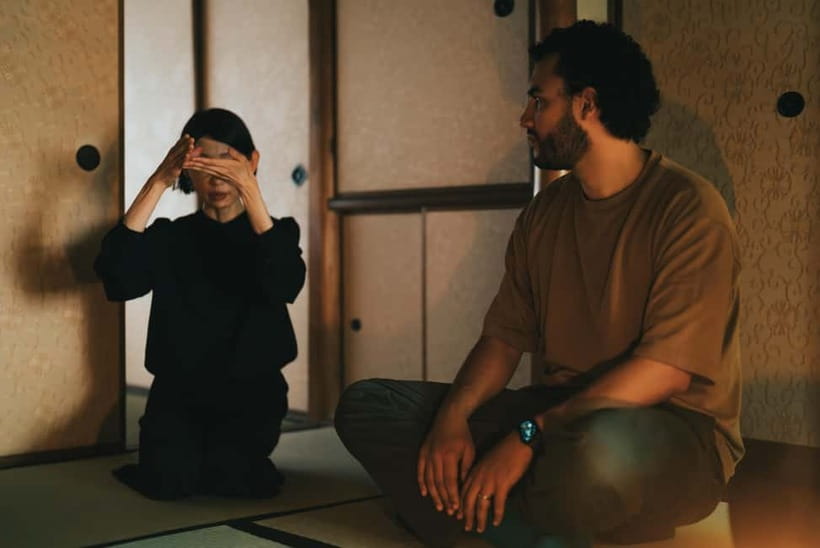
The English instruction covers more than the mechanics of whisking. You’ll hear about the purpose of the gestures, the history of tea ceremonies, the tea itself, and the etiquette connected with receiving a bowl.
The hosts also explain how to recognize better matcha and how to enjoy it. That information is useful if you plan to buy matcha during your time in Japan, though the session is primarily about the ceremony rather than shopping or tea production.
One appealing detail is the balance between explanation and silence. You receive enough context to understand what you are seeing, but the host does not talk over every second. The quiet parts are allowed to remain quiet.
That balance also makes the activity work for couples, solo visitors, and parent-child pairs with older children. A mother and daughter, for example, can attend together without needing prior experience. The small group means you can follow along without feeling lost, while the relaxed tone keeps the event from becoming a test of etiquette.
Is 45 Minutes Long Enough?
For a first introduction, 45 minutes is a sensible length. It fits into a busy Kyoto day and does not require you to give up an entire afternoon. You can schedule it between sightseeing stops, though you should allow extra time to find the address and arrive early.
The short duration also keeps the ceremony focused. You receive a welcome drink and sweet, hear an introduction, watch the utensils being prepared, taste matcha, and have time for questions. The structure gives you a clear beginning, middle, and end.
The tradeoff is that you will not receive a long lesson in tea history or multiple rounds of tea. If you already study Japanese tea ceremony, you may want something more advanced or formal. For most first-time visitors, the length gives you a meaningful taste without making the ritual feel demanding.
Do not arrive more than 10 minutes late. Late entry is not allowed, which makes sense in a quiet ceremony where opening the door would interrupt everyone else. Build in time for navigation, especially if you are coming from another part of Kyoto.
The Practical Details That Matter
The price is $45 per person. I consider that fair for a small-group cultural activity in Kyoto, especially since it includes English instruction, all tea equipment, seasonal sweets, the candlelight setting, and a handmade candle to take home.
You are paying for more than the drink. The value comes from the traditional building, the host’s explanations, the controlled pace, and the chance to ask questions in a group capped at eight. A cheaper café matcha will give you tea, but not the setting or the explanation of why each movement matters.
Wear comfortable clothing. You do not need formal dress, but avoid anything that makes sitting or moving on and off the floor difficult. The activity is not suitable for people with back problems, and wheelchair users cannot participate. Children under six are not admitted.
Photography is allowed without flash. Use restraint. A bright flash would work against the room’s quiet mood and disturb the ceremony. Smoking is not allowed.
The activity includes no hotel pickup, drop-off, or meal. Search Google Maps for Oboro: Mindful Tea Ceremony if the address is difficult to locate. Free cancellation is available up to 24 hours before the start time, and you can reserve now and pay later if you want to keep your schedule flexible.
Who Will Enjoy Oboro Most?
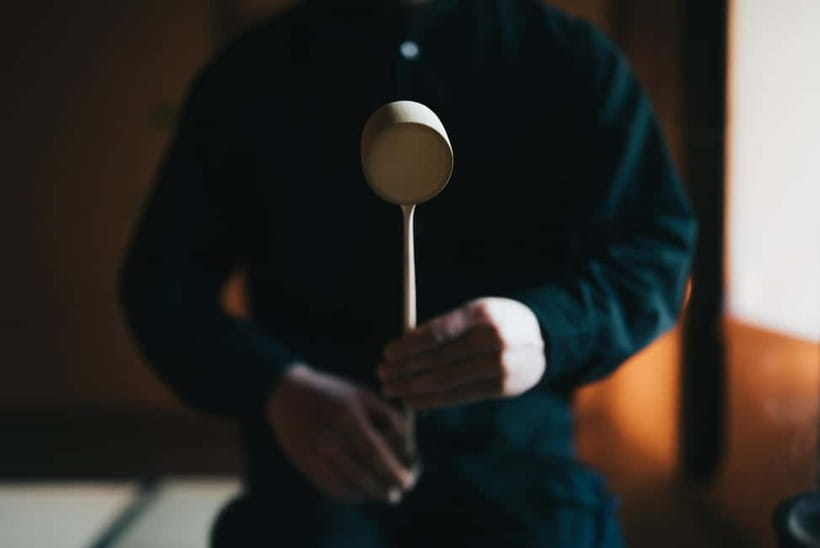
I would recommend this experience if you want a quiet cultural activity that explains what you are seeing without demanding formal knowledge. It is especially well suited to a first visit to Japan, a couple looking for a peaceful shared experience, or anyone who wants a break from Kyoto’s crowded sights.
It also works well near the end of a busy day. Several parts of the ceremony encourage you to stop thinking about schedules and simply notice the moment. You leave with a better understanding of matcha, a clearer sense of tea ceremony etiquette, and a candle that carries a little of the atmosphere home.
You may want to skip it if you dislike silence, have trouble sitting comfortably, or prefer a broad historical tour with many locations. The activity stays in the teahouse and lasts less than an hour. Its strength is focus, not variety.
The host’s personality can shape the session. Taku and Naoki have both been praised for warmth, clear explanations, and care with the ceremony. The strongest part of the experience is not a big visual attraction. It is the combination of a sincere host, a traditional room, and enough quiet for the details to register.
Should You Book This Kyoto Tea Ceremony?
Book it if you want to understand matcha through all five senses and have 45 minutes to slow down. The candlelit teahouse, small group, English guidance, seasonal sweet, and final handmade candle give the experience more substance than a simple tea tasting.
I would place Oboro high on your list if your Kyoto plans already include temples and markets but lack a calm, inward-looking activity. Just arrive early, wear socks, keep your phone quiet, and accept that the best part may be doing less.
FAQ
How long does the Oboro tea ceremony last?
The experience lasts 45 minutes. Starting times vary, so check availability when booking.
What is included in the price?
The $45 price includes English instruction, tea ceremony equipment, seasonal sweets, and the candlelight matcha experience. A small handmade candle is also provided to take home.
Do I need to know Japanese tea ceremony etiquette?
No. The host explains the ceremony’s flow, gestures, utensils, and basic etiquette in English. The activity is designed to welcome newcomers without strict rules.
What should I wear?
Wear comfortable clothes and socks. Shoes must be removed before entering the tea space.
Can I take photographs?
Yes, photography is allowed without flash. Smoking is not allowed, and you should maintain silence during the ceremony.
Is the activity suitable for everyone?
Children under six, wheelchair users, and people with back problems should not book this activity. Anyone arriving more than 10 minutes late will not be allowed to enter the session.
Just added in Kyoto
- Private Cooking Class Udon in Kyoto Japan★ 5.0 · 23 reviews
- Your Private Vacation Photography Session In Kyoto★ 5.0 · 110 reviews
- Kyoto: Zen Meditation at a Private Temple with a Monk★ 5.0 · 25 reviews
- Private Pewter Sake Cup Experience with a Kyoto Artisan★ 5.0 · 31 reviews
- Kyoto Wagashi(Japanese sweets) Cooking Class near Fushimiinari★ 5.0 · 60 reviews
- Kyoto:Family-Friendly Kimono & Yukata Experience at WARGO★ 5.0 · 147 reviews
- Private Guided Traditional Buddhist Cooking in Japan★ 5.0 · 16 reviews
- Kyoto: Gion Geisha District & Sake-in-Hand Walking Tour★ 5.0 · 37 reviews
Tea Ceremony Experiences, compared.
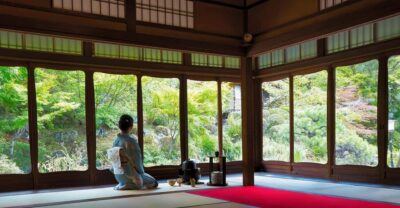
Tea Ceremony in a Traditional Tea House in Kiyomizu
Read our review →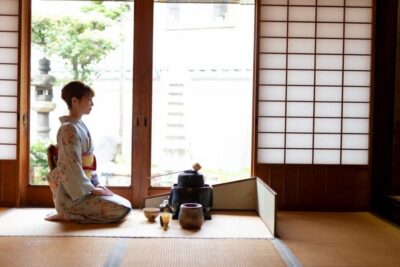
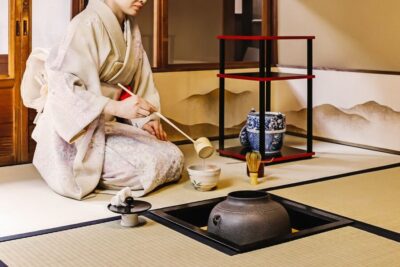
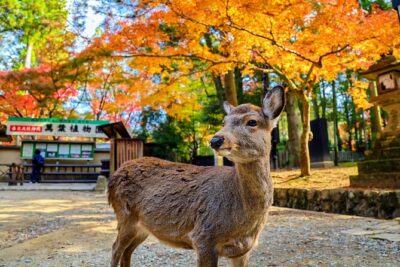
World Heritage Kyoto & Nara Uji Authentic Matcha Experience
Read our review →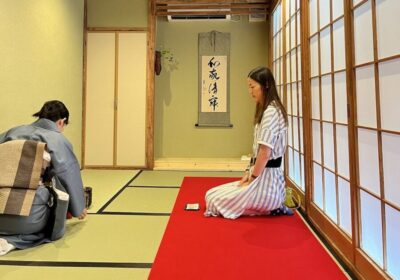
Arashiyama Bamboo Forest, Monkeys, Matcha & Temple Tour
Read our review →Browse the lists this tour appears in