
Reviewed · SAKE TASTING
Osaka: Cooking Class & Sake Tasting with Local Market Visit
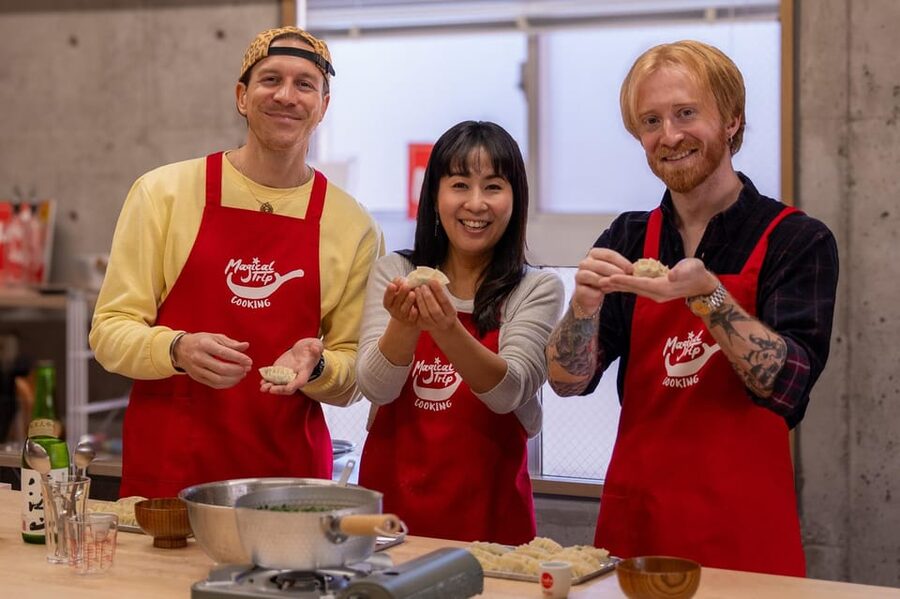
Osaka’s food culture makes the most sense when you cook it yourself. This four-hour class takes you first to a local supermarket, then into a small studio to prepare niku-sui, okonomiyaki, and gyoza with an English-speaking host. It is hands-on, social, and far more useful than simply taking another food photo.
I like the supermarket visit because it gives you a quick look at ordinary Osaka life, not just restaurant menus. I also like the simple recipes, the three included drinks, and the chance to ask hosts such as Chie, Eri, Emi, or Akko about Japanese food and daily life. The main drawback is that gluten-free meals are not available, and the class may be difficult if you have mobility problems.
Key points to know before booking
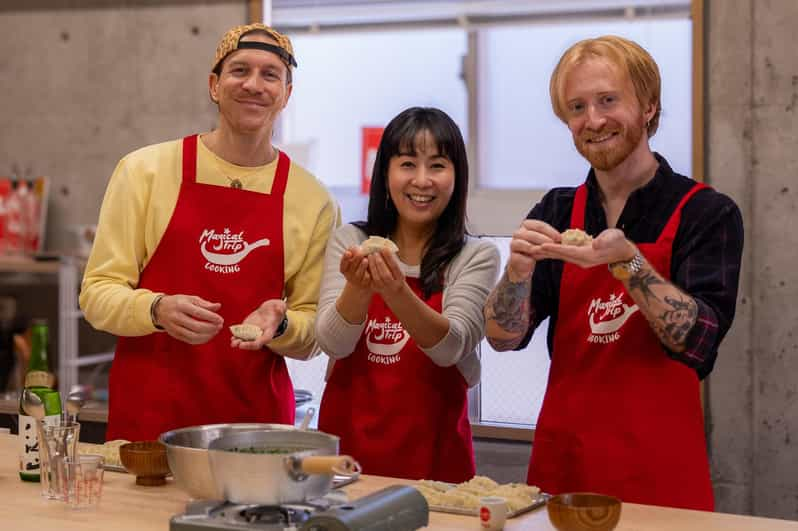
- Three Osaka dishes in one class: Prepare beef soup, savory okonomiyaki, and folding gyoza.
- A local supermarket comes first: Shop for the ingredients and see the products people buy for everyday meals.
- Small group, personal instruction: The class is limited to seven people and includes four hours with an English-speaking host.
- Drinks are part of the meal: Three canned alcoholic or non-alcoholic drinks, plus tea, are included.
- Useful take-home extras: You receive recipes and tour photos by email after the experience.
- Check dietary and mobility needs early: Vegetarian and vegan participants are welcome, but gluten-free cooking is not offered.
Why this cooking class fits Osaka so well
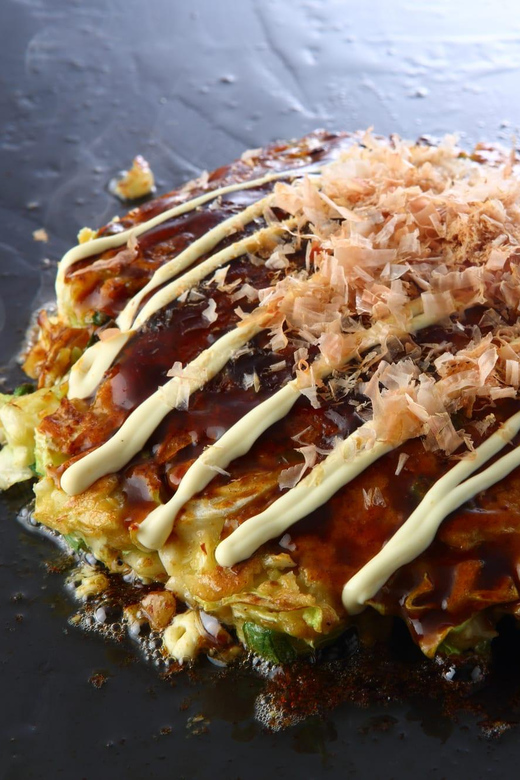
Osaka is famous for casual, filling food. Okonomiyaki is the best-known example, but this class wisely adds two dishes that give you a broader taste of local home cooking. You do not just make the city’s signature savory pancake. You also prepare niku-sui, a beef soup with a loyal local following, and gyoza, the crisp-bottomed dumplings that turn cooking into a group activity.
That mix matters. Okonomiyaki gives you the recognizable Osaka experience, while niku-sui shows a quieter side of the city’s food culture. Gyoza adds the fun, slightly fiddly part of the class. Folding dumplings together gives couples, families, and solo participants something to do with their hands while conversation gets going.
I also appreciate that the recipes use straightforward ingredients. You are not being trained for a restaurant kitchen. You are learning dishes you can reasonably make in your own home, then downloading the recipes after the class so the meal does not end when you leave Osaka.
Other cooking classes in Osaka people book:
- Osaka: Ramen and Gyoza Cooking Class in Dotonbori
★ 5.0 · 378 reviews - Osaka: Sumo Stage Show with Bento or Snack + Fight & Photo
★ 4.3 · 364 reviews - Osaka Cooking Class: Okonomiyaki &Japanese cuisines experience
★ 5.0 · 261 reviews
Starting at Minami Morimachi with a supermarket stop
The meeting point is in front of FamilyMart, about a one-minute walk from Exit 4B of Minami Morimachi Station. Be precise here. The class starts on time, and a late arrival cannot join, reschedule, or receive a refund.
From the meeting point, your host takes you to a local supermarket to buy the ingredients. This is a short but worthwhile part of the experience. Instead of seeing food only after it has been prepared, you get to look at the raw materials, packaging, and everyday shopping habits that shape Japanese home meals.
The supermarket stop also gives the host a natural chance to explain products and answer questions. Chie, who has led several classes, has explained Japanese food and regional traditions during the cooking session. Eri has also helped participants with questions about Osaka and Japanese culture while guiding them through the recipes.
Do not expect a formal market tour with a long series of tastings. The purpose here is practical: gather the food you will cook and get a glimpse of normal shopping in Osaka. That keeps the class grounded in daily life rather than turning it into a staged food show.
Cooking niku-sui, Osaka’s lesser-known soup
Niku-sui is a beef soup loved by local residents, and it makes a good first dish for understanding the appeal of Osaka cooking. It is warm, savory, and built around simple ingredients rather than complicated technique.
The class presents it as a local specialty that many visitors may not know before arriving. That is one of the strongest reasons to choose this experience over a class focused only on okonomiyaki. You leave with a dish that carries a more personal connection to Osaka and is practical for a home kitchen.
Your host takes you through the steps clearly, so you do not need prior cooking experience. The class involves cutting and heating, which is why participants must be at least 12 years old. You should expect to work rather than simply watch, but the instruction is designed for beginners.
The soup also helps balance the meal. Okonomiyaki and gyoza are substantial, while niku-sui brings a lighter, brothy element to the table. By the end, you have made three different styles of Japanese food rather than repeating the same cooking method.
Making okonomiyaki the Osaka way
Okonomiyaki is Osaka’s signature savory pancake, and this is the dish most people will already recognize. The name is often explained as cooking something according to your preference, which fits the dish well. Personal variations are part of its appeal.
In this class, you prepare the ingredients yourself and follow the host’s instructions step by step. The value is not just eating the finished pancake. You learn how the components come together and see why this is such a common part of Osaka’s food identity.
The hands-on approach works especially well for small groups. You can ask questions as you cook, compare your progress with the people beside you, and adjust your understanding before the meal is finished. Hosts have also used the cooking time to explain differences among areas of Japan, including Osaka and Kobe.
Do not expect a restaurant-level performance or a theatrical display. This is closer to being welcomed into a relaxed cooking studio and shown how to make a familiar local dish. That is a strength if you want practical skills, though someone seeking a polished chef demonstration may find the format less formal.
Other tasting rooms and breweries in Osaka:
- Osaka Sake Tasting with Takoyaki Cooking
★ 5.0 · 156 reviews - 3.5h Osaka Night guided Local Bar Hopping, Sake & Karaoke
★ 5.0 · 27 reviews - Kyoto Night Foodie Tour in Gion (9+ dishes + 6 Sake tastings)
★ 5.0 · 1,762 reviews - 1-Day Snow Monkeys, Zenko-ji Temple & Sake in Nagano
★ 5.0 · 1,020 reviews
Folding gyoza with a little room for creativity
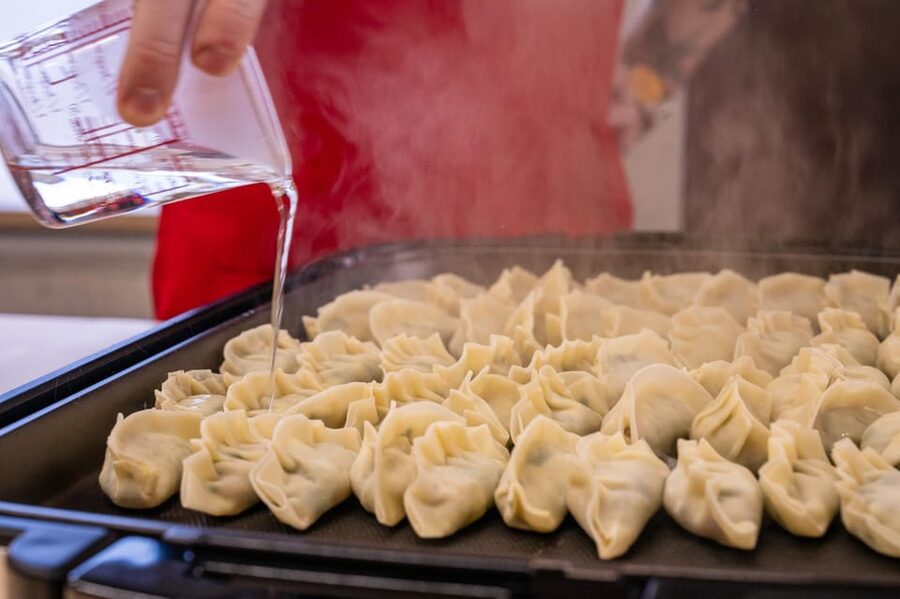
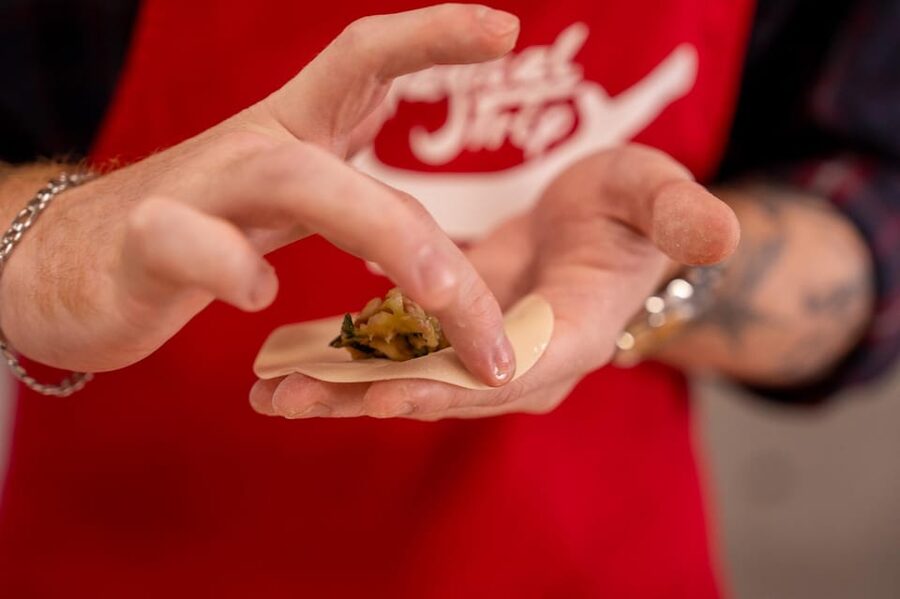
Gyoza is the most interactive part of the menu. Folding each dumpling takes some practice, and the different shapes can become a source of conversation and laughter. You get a small task that keeps everyone involved, even if you are new to cooking.
The contrast between the crisp exterior and juicy filling is part of what makes gyoza satisfying. More important for this class, the dumplings are a useful recipe to take home. Once you understand the folding method, you can repeat it with friends or family and turn dinner preparation into a shared activity.
This is also where the group size matters most. With no more than seven participants, the host can watch your technique and help when the wrapper or filling gives you trouble. The class is not designed around individual private instruction, but it is small enough to feel social rather than crowded.
Families with children under 12 should note the age rule. The cutting and heating involved in the class make this activity suitable for older children and adults only.
A relaxed lunch with sake, beer, or soft drinks
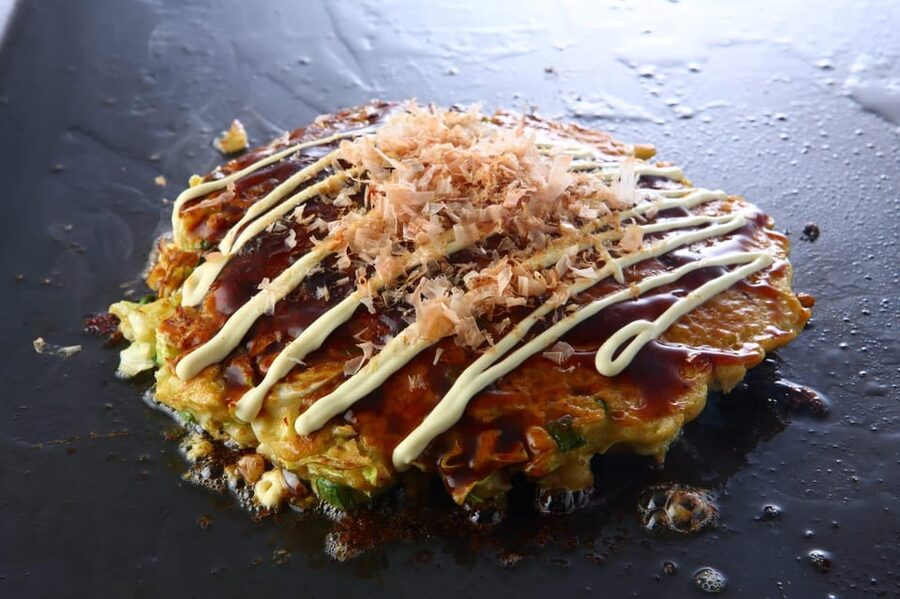
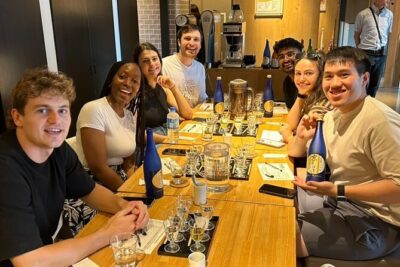
After cooking, you eat the food you prepared as lunch. Three canned drinks are included, and you can choose alcoholic or non-alcoholic options. Depending on the selection available, that may include local sake, beer, or soft drinks. Tea is also served during the experience.
The drinks are not a separate tasting lecture with a long list of pours. Instead, they support the meal and the conversation. That makes the class a good choice if you enjoy learning about food while chatting with people, rather than sitting through a technical seminar about sake.
The alcohol option may add to the Osaka feel, but you do not need to drink to enjoy the class. The included non-alcoholic choices make it workable for people who do not drink, and the meal remains the main event.
Plan to arrive hungry. Three dishes, plus drinks, create a generous four-hour experience. The activity includes cooking and lunch, so it is best treated as a main meal rather than a quick snack between sightseeing stops.
The hosts make the difference
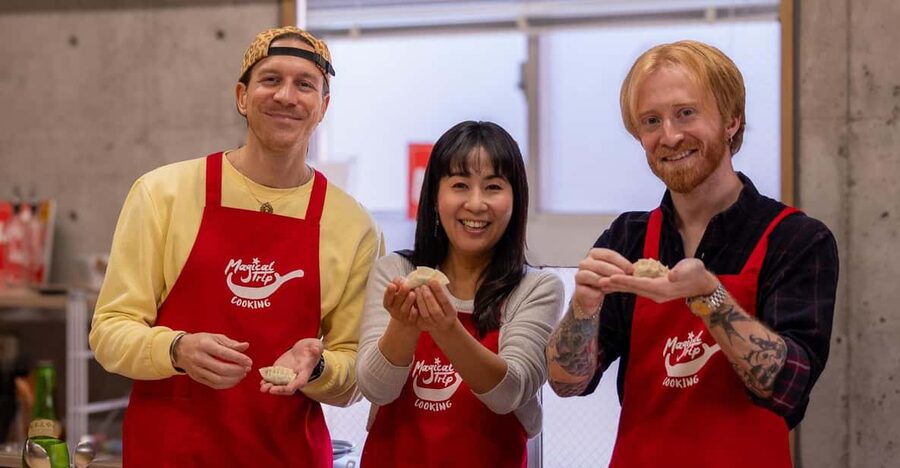
This experience depends heavily on the person leading your class. The hosts named in the feedback include Chie, Eri, Emi, Akko, Ayu, and Linda. Their individual personalities will vary, but the repeated strengths are clear: friendly instruction, patient help, and plenty of conversation about Japanese food and culture.
Chie has been praised for making the cooking easy and fun while explaining Japanese history and products. Eri has helped participants choose music for the room, answered questions about Osaka, and kept the cooking calm and organized. Emi has guided participants through the supermarket and explained the correct method for each dish.
Linda even decorated the room for a Christmas class and went out of her way to help with a sake purchase afterward. That sort of personal touch cannot be promised for every date, but it shows how much the host can shape the mood.
Ayu has also offered Osaka tips during the meal, while Akko has been described as warm and welcoming. If you want a quiet, formal lesson, this may feel chatty. If you like asking questions and learning through conversation, that is a major advantage.
What you receive for $90
At $90 per person, the price is reasonable if you value a complete food experience rather than a short demonstration. You receive four hours of instruction, a supermarket visit, all ingredients, lunch, three canned drinks, tea, recipes, and photos taken by the host and sent by email.
The small group limit adds value. A class of seven is not private, but it gives the host a chance to explain each step and help with cutting, mixing, cooking, and folding. You are paying for time, food, instruction, and access to a local setting, not simply for the final plate.
The included recipes are especially useful. Many cooking activities end with a pleasant meal and little you can use later. Here, the dishes are chosen because they can be recreated with simple ingredients. You can make the class pay off again at home by preparing okonomiyaki for friends or practicing gyoza folding with family.
The price may feel high if you only want to eat Osaka specialties. Restaurants will cost less than four hours of guided cooking in some cases. Book this for the combination of food, conversation, cultural context, and practical skills, not just for lunch.
Dietary needs and comfort considerations
Vegans and vegetarians are welcome, but you must provide your dietary information or allergy details at least one day in advance. Same-day changes cannot be accommodated.
Gluten-free options are not available. The food is prepared in external kitchens, and an allergy-free meal cannot be guaranteed. Substitutions may not always be possible, although the team will try to compensate at other stops. If you have a serious allergy, read this limitation carefully before booking.
The activity may include places that are not accessible by wheelchair or stroller, and it is not recommended for people with mobility issues. A private tour is suggested for anyone with walking difficulties.
Osaka can be very hot in summer, with temperatures reaching 40°C, and cold in winter, with lows around -5°C. Dress for the season, especially since the supermarket visit comes before the indoor cooking session.
Who should book this Osaka food experience?
I would choose this class for a couple wanting a shared activity, friends who enjoy cooking with a drink in hand, or a family with children over 12. It also suits solo visitors because the small group and guided tasks make conversation easy without forcing you to arrive with a companion.
It is a particularly good choice near the end of an Osaka stay. By then, you may have eaten okonomiyaki and gyoza in restaurants, and this class lets you understand how those dishes come together. The recipes and photos also give you something useful to take home.
You should skip it if you need a guaranteed gluten-free meal, cannot manage cutting and heating, or prefer a fast food tasting with little participation. You should also leave enough time around the activity. Four hours is a serious block in your day, and rushing to another appointment would spoil the relaxed pace.
The free cancellation policy allows a full refund when you cancel at least 24 hours ahead. You can also reserve now and pay later, which helps if your Osaka schedule is still shifting.
Should you book it?
Book this class if you want to understand Osaka through ordinary food, not just famous restaurant dishes. The supermarket stop, three approachable recipes, generous lunch, drinks, and recipe download create a useful package at $90.
The best reason to go is the balance. You learn about a lesser-known local soup, make the city’s famous pancake, fold gyoza, and talk with a host who can point you toward other food and cultural experiences. Just confirm your dietary needs in advance and arrive early at Minami Morimachi.
FAQ
How long does the Osaka cooking class last?
The experience lasts four hours, including the supermarket visit, cooking session, lunch, and time with the English-speaking host.
Where is the meeting point?
Meet in front of FamilyMart, about a one-minute walk from Exit 4B of Minami Morimachi Station.
What dishes will I prepare?
You will prepare niku-sui, a beef soup, okonomiyaki, Osaka’s savory pancake, and gyoza dumplings.
Are drinks included?
Yes. The experience includes three canned alcoholic or non-alcoholic drinks, along with tea served during the class.
Can vegans and vegetarians join?
Yes. Vegans and vegetarians are welcome, but you must share dietary needs or allergies at least one day in advance.
Are gluten-free options available?
No. Gluten-free options are not available, and an allergy-free meal cannot be guaranteed.
Is the class suitable for children and people with mobility issues?
Participants must be at least 12 years old because the class involves cutting and heating. Some locations may not be accessible by wheelchair or stroller, and the activity is not recommended for people with mobility difficulties.
More cooking classes elsewhere in Japan
- Ramen and Gyoza Cooking Class in Osaka
★ 5.0 · 202 reviews - Osaka: Cooking Class Ramen & Gyoza Course in Nanba
★ 4.9 · 86 reviews - Osaka: Gluten-Free Ramen and Gyoza Cooking Class
★ 5.0 · 42 reviews - Ramen Cooking Class at Ramen Factory in Kyoto
★ 5.0 · 1,937 reviews
Just added in Osaka
- Private arrival transfer from Kansai International airport to Kyoto City★ 5.0 · 32 reviews
- (Ticket Included) Explore Osaka Castle & Museum of History★ 4.8 · 21 reviews
- Hidden Osaka – Yukaku Red Light Tour & Culinary Adventure★ 4.8 · 96 reviews
- Osaka: Walking Tour and Top Highlights★ 4.8 · 104 reviews
- Pickleball in Osaka, Kobe & Kyoto with Locals!★ 4.7 · 80 reviews
- Osaka: Private Ceramic Painting Workshop★ 5.0 · 13 reviews
- Osaka:SUMO BEATS SHOWCASE: Taiko Drum and Wagyu burger!★ 4.2 · 37 reviews
- Eat Like a Local in Osaka – Private Custom Street Food Tour★ 4.3 · 33 reviews
Sake Tasting, compared.
Kyoto Night Foodie Tour in Gion (9+ dishes + 6 Sake tastings)
Read our review →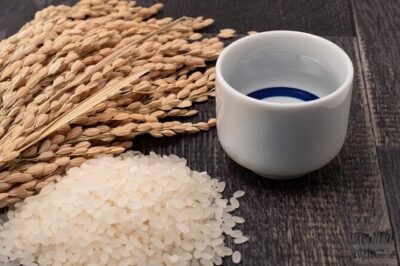
1-Day Snow Monkeys, Zenko-ji Temple & Sake in Nagano
Read our review →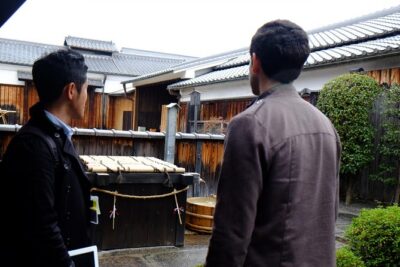
3-Hour Kyoto Insider Sake Brewery Tour with Tastings & Pairings
Read our review →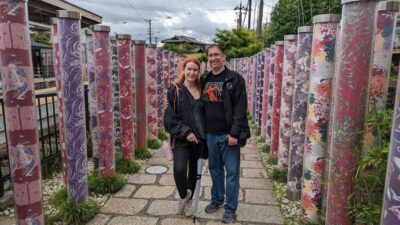
Arashiyama Bamboo, Temple, Monkeys, or Secret Sake Brewery
Read our review →

Insider Sake Brewery Tour with Sake and Food Pairing
Read our review →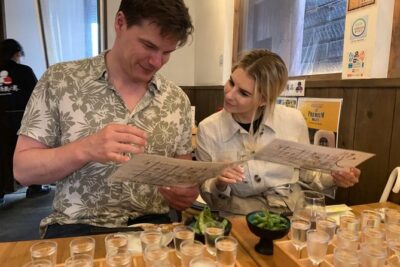
1.5-Hour Kyoto Insider Sake Experience with 7 Tastings & Pairings
Read our review →Browse the lists this tour appears in