
Reviewed · ARASHIYAMA & BAMBOO GROVE TOURS
Osaka/Kyoto:Kinkakuji,Arashiyama,FushimiInariShrine,NaraPark
The best thing about this tour is its ambitious route: four major sights in Kyoto and Nara without making you solve the rail connections yourself. You’ll feed deer at Nara Park, see Todai-ji’s Great Buddha, walk beneath Fushimi Inari’s red gates, and finish among the gold of Kinkaku-ji.
I like the comfortable bus rides between stops and the guides’ practical organization. Guides such as Harry, Gary, Mike, Tracy, and Panda have been praised for clear meeting instructions, useful history, photos, and good humor. The tradeoff is simple: this is a full, fast day, and Arashiyama can feel rushed.
Key points
- Four headline sights in one day: Cover Nara Park, Todai-ji, Arashiyama, Kinkaku-ji, and Fushimi Inari without changing trains.
- A strong mix of experiences: See temples, a famous shrine, a bamboo path, gardens, and free-roaming deer.
- Two Arashiyama schedules: You get about 60 minutes there with the lunch option, or 120 minutes without lunch.
- Optional Kobe Beef lunch: Osaka departures can include a 50-minute Japanese Wagyu Kobe Beef Shabu-Shabu meal.
- Guides make the schedule workable: Clear reminders matter when a large group must return to one bus on time.
- Good value for a packed day: At $66 per person, transport and Kinkaku-ji admission are included, but Todai-ji admission is extra.
Four famous places, one long day
This is a sightseeing marathon, not a slow temple walk. The route links two cities and several of Japan’s most photographed places, so you trade leisurely pacing for convenience and coverage.
That trade can be worthwhile if you have only one free day from Osaka or Kyoto. Public transport can get you to these sights, but doing all four in one day requires careful timing, several train rides, and constant attention to directions. Here, you board an air-conditioned bus and let the guide manage the movement.
The tour lasts roughly nine hours, though the exact length depends on traffic and your departure point. A Kyoto departure can be shorter, around eight and a half hours, while an Osaka day may run from an early morning start to early evening or later. Expect plenty of walking. One participant counted about 21,000 steps.
Other mornings on the western edge of Kyoto:
- Kyoto: Fushimi Inari, Kinkakuji, Bamboo Grove 1 Day Bus Tour
★ 4.8 · 4,316 reviews - Kyoto/Osaka: Nara, Fushimi Inari Taisha, Arashiyama Bus Tour
★ 4.7 · 1,275 reviews - Kyoto Arashiyama Walking Tour: Bamboo, Monkeys, Gardens & Secrets
★ 5.0 · 1,216 reviews
Starting at the correct meeting point
The most important practical detail is the meeting point. You begin at a designated VIP Lounge in Osaka or Kyoto, but the exact location depends on the option you book.
Arrive early and check the instructions carefully. The bus and guide are assigned to a particular location and passenger list, so arriving at the wrong lounge can mean missing the tour without a refund. The bus leaves promptly, and it cannot wait for late arrivals.
The day works best when you treat the schedule seriously. Your guide may give you a return time for each stop, often with repeated reminders. That can feel strict, but it is what keeps a large group moving through four busy attractions.
Guides vary by date. Harry has been praised for his humor and care with guests, while Gary has been described as highly organized and strong in English. Mike, Tracy, Panda, Nick, and others have also received praise for clear directions, history, photographs, and friendly help. Commentary may be in both English and Chinese, depending on the group.
Nara Park and Todai-ji: deer and a giant Buddha
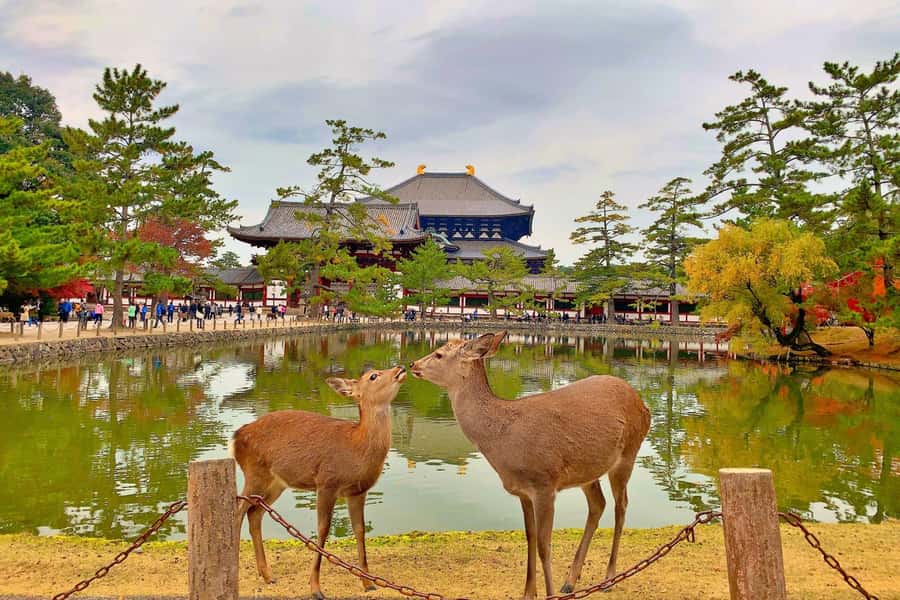
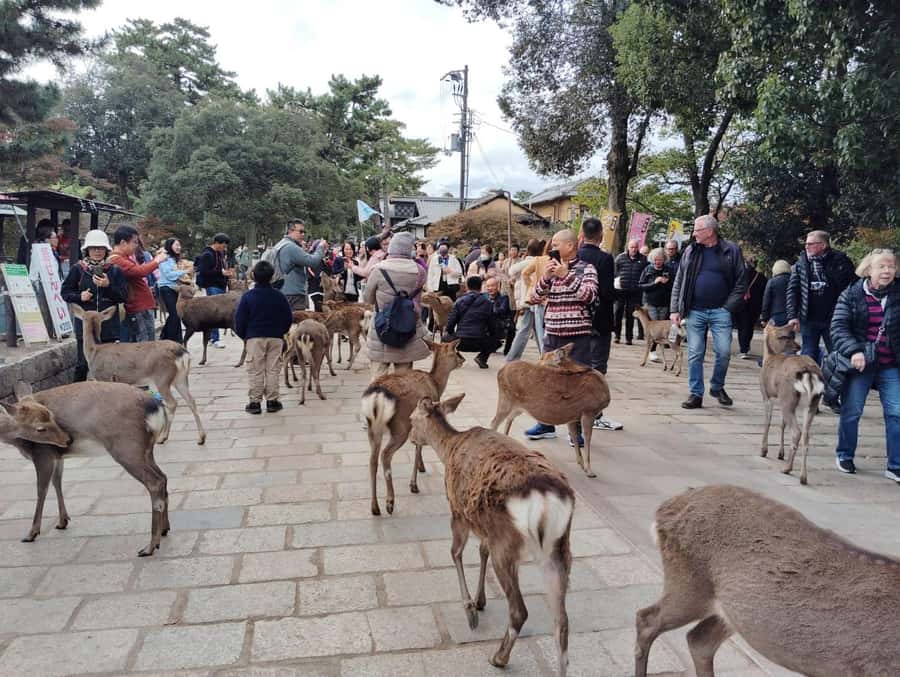
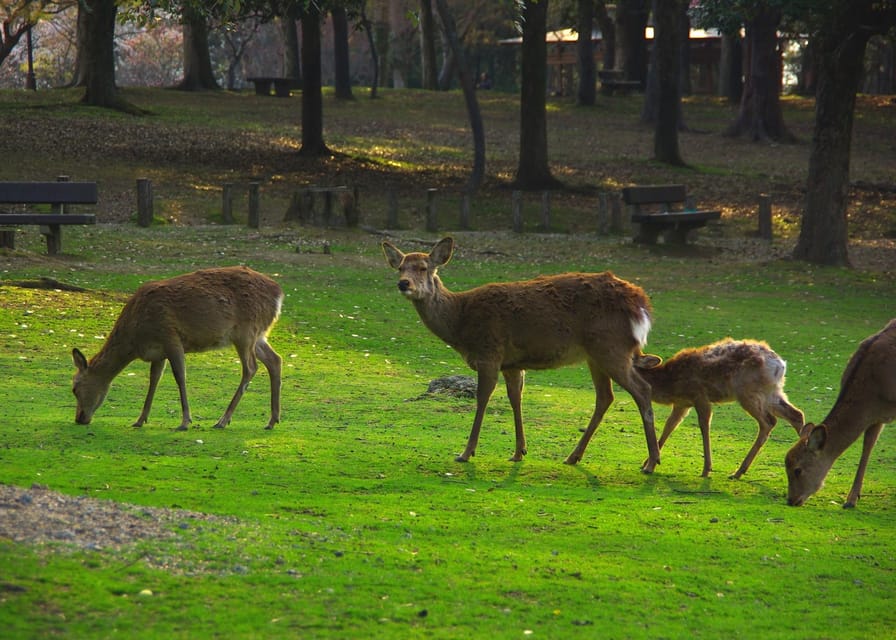
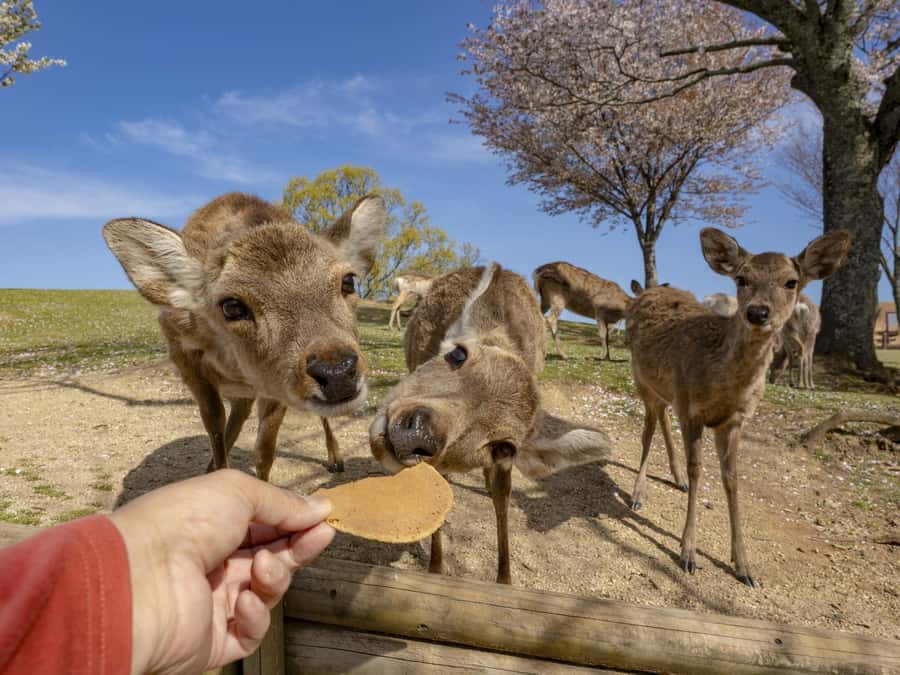
Nara usually provides the day’s most memorable first impression. At Nara Park, free-roaming deer move through the grounds and around the paths. They are associated with the city and are accustomed to people, but they remain wild animals. Keep your movements calm and do not tease or disturb them.
You’ll have time to stroll, take photographs, and enjoy the open setting before visiting Todai-ji. The park is not simply a deer stop. It gives you a chance to see how nature, religious sites, and daily tourism overlap in an old Japanese city.
Todai-ji is a UNESCO World Heritage site and one of the day’s major cultural stops. The temple is famous for its enormous wooden structure and its 15-meter-tall Great Buddha. The scale is hard to appreciate in a photograph. Inside, the statue gives the visit a powerful sense of size and ceremony.
Todai-ji admission is not included, so bring money for the entrance fee. That extra cost is modest compared with the convenience of reaching both Nara Park and the temple by bus, but you should know about it when comparing the $66 tour price.
The Nara stop can feel short if you want a slow visit to every corner of the park. Still, beginning here is smart. Early arrival can help you see the deer before the day becomes more crowded, and several guides use the time well by pointing out where to go and when to return.
Lunch choice: Kobe beef or more time in Arashiyama
If you depart from Osaka, you can select the Kobe Beef Shabu-Shabu lunch. The meal lasts about 50 minutes and includes an explanation of why Kobe beef is so closely controlled. It comes from Japanese Wagyu and is known for fine texture and detailed marbling.
The appeal is not only the food. A guided explanation gives you context before you eat, which is useful if this is your first experience with Kobe beef. The meal also removes the stress of finding a restaurant during a tightly scheduled day.
There is an additional Kobe beef aburi sushi option available for purchase on the day. It is not part of the listed price, so consider it an optional extra rather than an expected part of lunch.
If you choose no lunch, you have free time in Arashiyama to find your own meal. That gives you more control over what you eat and leaves about 120 minutes for the area. You might choose a traditional restaurant, a quick local dish, or snacks while walking near the shops.
The lunch option reduces Arashiyama time to about 60 minutes after the 50-minute meal. That is the main decision. Choose lunch if a planned Kobe beef experience matters to you. Choose no lunch if the Bamboo Grove, shops, and independent eating matter more.
Same base, a different sort of day:
- PERFECT KYOTO 1-Day Bus Tour
★ 5.0 · 13,518 reviews - Kyoto: Tea Ceremony in a Traditional Tea House in Kiyomizu
★ 4.9 · 3,519 reviews - Kyoto Geisha Walking Tour: Gion District & Hidden Gems
★ 4.7 · 3,273 reviews - Kyoto: Tea Ceremony Ju-An at Jotokuji Temple
★ 4.9 · 3,207 reviews
Arashiyama’s Bamboo Grove in a tight window
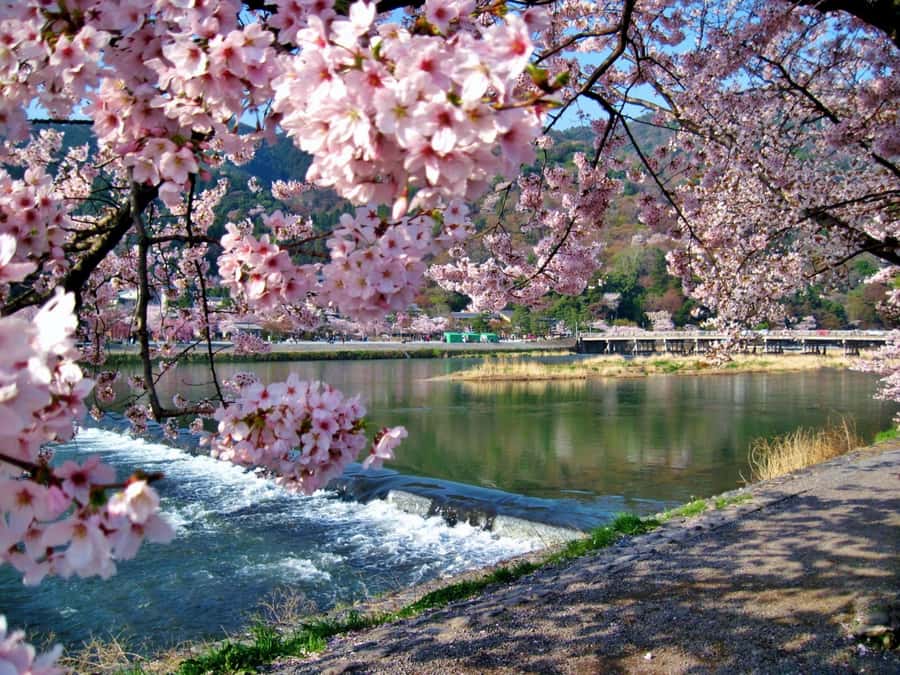
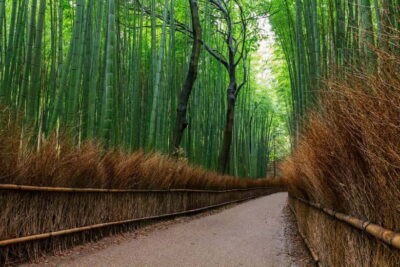
Arashiyama brings a change of mood. The tall bamboo creates a shaded green corridor, with sunlight filtering between the stalks. It is one of Kyoto’s most recognizable scenes, but the path can be crowded, especially at popular times.
With the lunch option, you have about an hour for Arashiyama. That is enough to walk through part of the Bamboo Grove, take photographs, and see a little of the surrounding area, but it is not enough for a relaxed wander. You’ll need to keep an eye on the time.
Without lunch, two hours gives you breathing room. You can walk farther, browse shops, and stop for food without feeling that every photograph costs you your bus departure. Several people found the bamboo area especially attractive, while others wished for more time there.
One useful advantage of a guide is local orientation. Harry has been praised for showing a scenic shortcut, and other guides have helped groups find good photo spots. Still, large groups can split up in crowded areas, so listen carefully to the meeting instructions and remember where the bus is parked.
Arashiyama is the stop most likely to disappoint anyone hoping for a quiet nature walk. The Bamboo Grove is beautiful, but it is also a major tourist sight. Go for the atmosphere and the setting, not solitude.
Kinkaku-ji and the Golden Pavilion
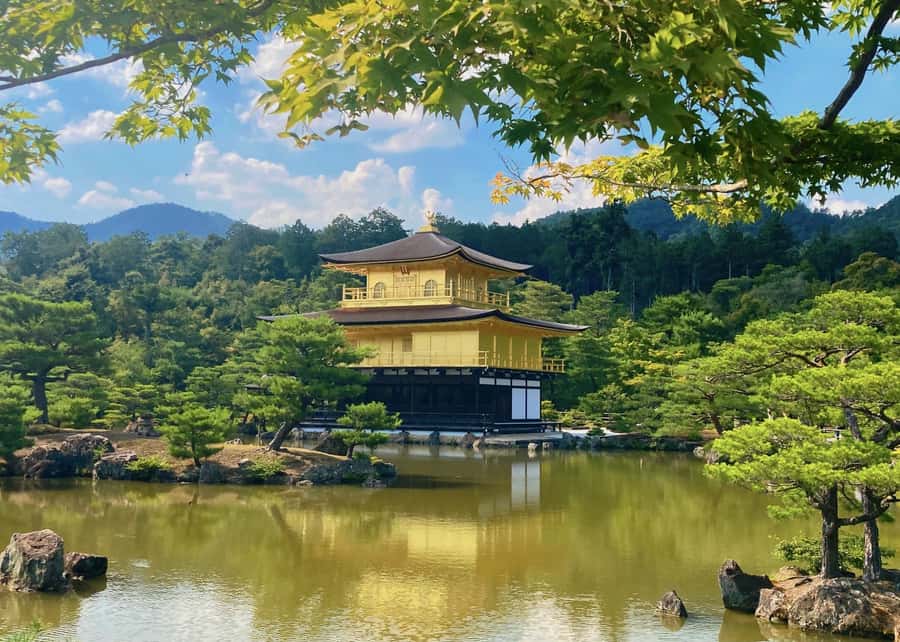
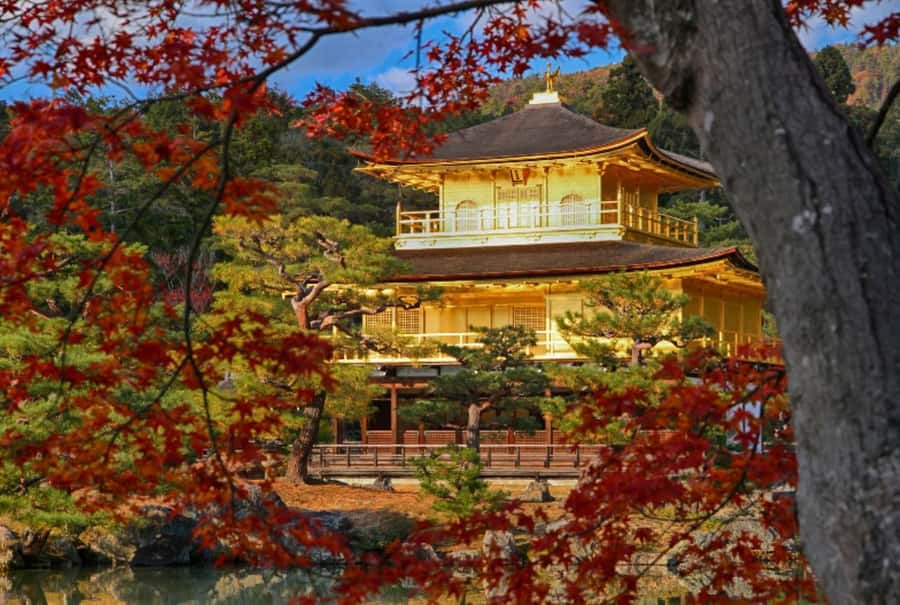
Kinkaku-ji, also called the Golden Pavilion, is the most polished visual stop of the day. Its gold-leaf exterior reflects in the pond, with gardens and carefully framed views around it.
Your entrance ticket is included, which improves the value of the package. You follow the temple route rather than simply viewing the pavilion from outside, although the visit remains focused and does not provide unlimited time for slow garden exploration.
The order of the tour can work in your favor. Arriving later in the day may give the gold exterior warm light, making the reflection especially attractive. Crowds are still possible, and the paths can move slowly when many people stop for photographs.
Kinkaku-ji is a place where the visual impression comes quickly. You do not need a long lecture to understand why it matters. Still, a guide adds useful context about the temple’s religious and cultural role, especially if you are seeing several sites in one day and want help connecting them.
Fushimi Inari’s endless red gates
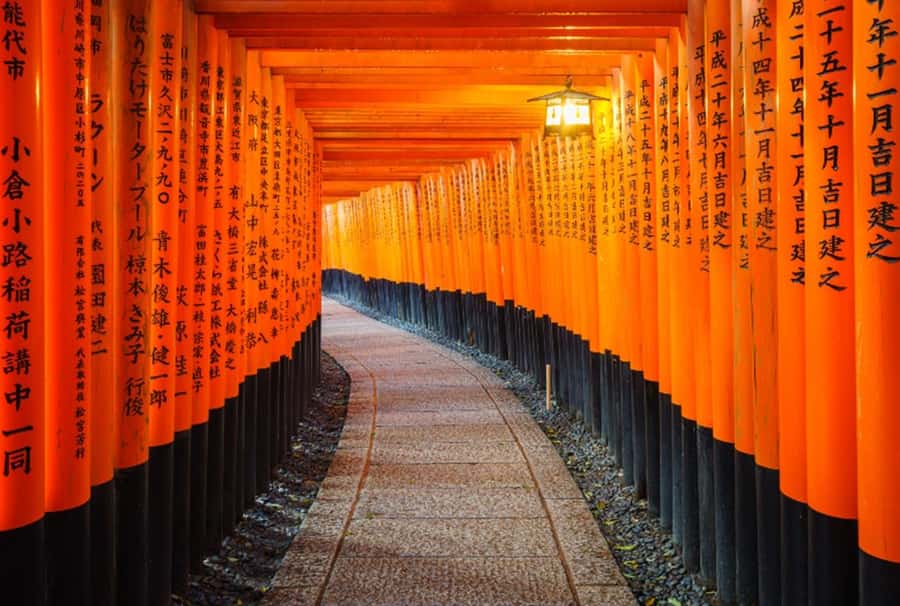
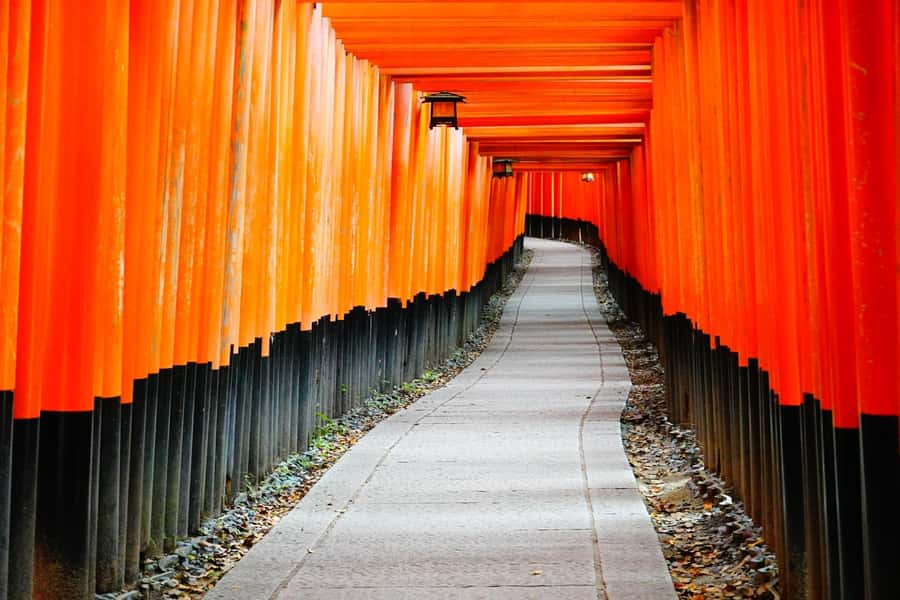
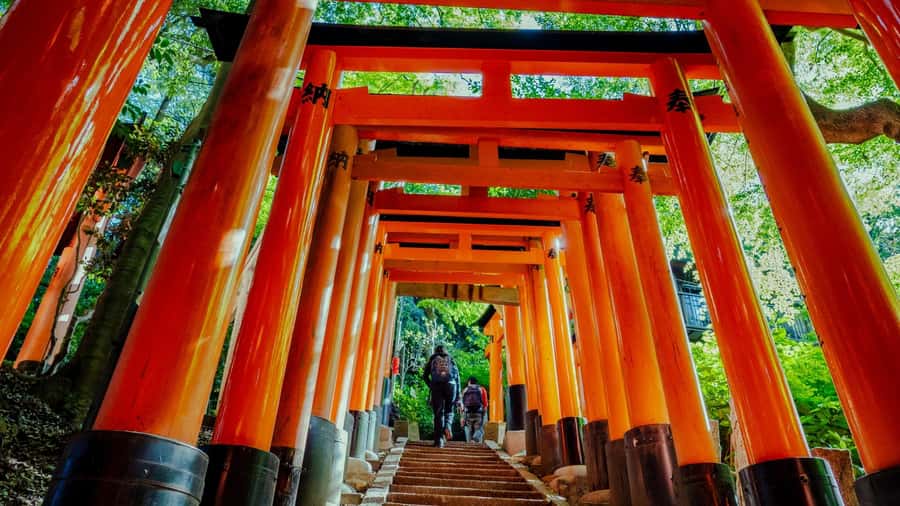
Fushimi Inari Taisha finishes the sightseeing route with one of Kyoto’s strongest images: rows of vermilion torii gates climbing Mount Inari.
Each gate represents a prayer or offering to Inari Okami, a deity linked with prosperity, household safety, and success. The gates form a tunnel-like path that changes as you walk upward.
You should not expect to hike the entire mountain during this tour. The schedule allows time to experience the shrine and walk through a section of the torii gates, but a full climb would require far more time. Use the stop to enjoy the visual rhythm, notice the small shrine details, and take photographs without losing track of the departure time.
Fushimi Inari can be one of the busiest stops. Stay alert in the crowd and agree on the bus meeting instructions before walking away from the group. A large tour is helpful for transport, but it means you must manage your own time once the guide releases you to explore.
What the $66 price really covers
At $66 per person, this is a strong transport value if you want all four locations in one day. You receive an air-conditioned vehicle, an English or Chinese-speaking guide, taxes and handling charges, and admission to Kinkaku-ji.
Todai-ji admission is not included. Lunch is also separate unless you select the Osaka departure option that includes Kobe Beef Shabu-Shabu. You should also budget for food if you choose the no-lunch plan.
The real saving is time and planning. You are paying to connect Osaka or Kyoto with Nara and several Kyoto sights in one organized route. If you are comfortable using trains, prefer long visits at one or two sites, or want to eat wherever you choose, independent travel may suit you better.
For a first visit with limited time, the price is reasonable. You see a wide range of places without arranging several connections. The cost becomes less attractive only if you dislike group schedules or know that you will want more than an hour at Arashiyama.
The bus, group size, and daily rhythm
The bus is air-conditioned and gives you a place to rest between walking stops. That matters late in the day, especially after Nara, Arashiyama, and the temple grounds. There are no USB ports, so charge your phone before departure and carry a portable battery if you need one.
Group size can vary. A bigger group allows the tour to operate at this price, but it also creates delays when someone gets lost or misses a meeting time. Guides generally repeat the departure instructions, yet you are responsible for returning promptly.
The schedule may change because of traffic or other unexpected conditions. Extra stops might be made to cover the planned sights. You should leave the evening flexible rather than booking a fixed dinner reservation immediately after the bus returns.
Wear comfortable shoes, bring water, and prepare for stairs, temple paths, and long periods on your feet. There is no need to rush through every photo, but you do need to keep moving with the group.
Who should book this day trip?
I would choose this tour if you are in Osaka or Kyoto for a short stay and want a broad first look at the region. It suits solo visitors, families who do not want to manage several train connections, and anyone who values a guide’s historical explanation.
It is also a good fit if you want a day that mixes nature, religion, architecture, and food. Nara’s deer, Todai-ji’s Great Buddha, Arashiyama’s bamboo, Kinkaku-ji’s reflection, and Fushimi Inari’s gates feel quite different from one another.
I would hesitate if your priority is slow travel. Arashiyama receives the most pressure from the schedule, particularly with lunch included. You may also find the day tiring, with early starts, a long return, and substantial walking.
Cancellation is allowed up to 24 hours before departure for a full refund. If extreme weather or a natural disaster cancels the tour, a full refund is provided. The activity is offered in English or Chinese, and you can reserve now and pay later.
Should you book it?
Book this tour if you want to cover major Kyoto and Nara sights efficiently for $66, with transport, a guide, and Kinkaku-ji admission handled for you. The strongest part is the range of experiences packed into one day, and guides such as Harry, Gary, Mike, and Tracy can make the tight schedule easier to follow.
Skip it if you want a quiet Bamboo Grove visit, a long Nara stay, or complete control over meals and timing. If you do book, choose the no-lunch option for more Arashiyama time, or choose Kobe Beef Shabu-Shabu if the meal is a major part of your day.
FAQ
How long does the tour last?
The tour takes approximately nine hours, though traffic and other unexpected conditions can change the timing. A Kyoto departure may take about eight and a half hours.
Where does the tour begin?
You begin at a designated VIP Lounge in Osaka or Kyoto. The exact meeting point varies by the option booked.
Can I finish in Osaka or Kyoto?
Yes. The return destination can be Osaka or Kyoto, based on the option and ending location you select.
Is lunch included?
Lunch is optional. Osaka departures offer a Kobe Beef Shabu-Shabu lunch option. Without lunch, you have free time to choose your own meal in Arashiyama.
How much time is available in Arashiyama?
With the lunch option, the schedule provides about 60 minutes in Arashiyama. Without lunch, you have about 120 minutes.
Is Todai-ji admission included?
No. The entrance fee to Todai-ji is not included in the tour price.
Which languages are available?
The tour is offered in English and Chinese. Depending on the group size, the guide may provide commentary in both languages.
What happens if I arrive late or go to the wrong meeting point?
The bus leaves promptly and may not be able to wait. Arriving late or at the wrong meeting point can mean missing the tour without a refund.
Just added in Kyoto
- Kyoto: Private Photoshoot Service★ 5.0 · 158 reviews
- Kyoto Rickshaw Tour★ 5.0 · 210 reviews
- Izakaya Style Cooking Class★ 5.0 · 219 reviews
- Ninja 2-hour Hands-on Lesson by Japanese master in Kyoto -Medium★ 5.0 · 218 reviews
- Kyoto: Traditional Concert at Townhouse or Bathhouse★ 4.9 · 224 reviews
- Kyoto: Arashiyama Bamboo, Temple, Matcha, Monkeys & secret spots★ 5.0 · 219 reviews
- Kyoto Geisha District Walking Tour in Gion★ 5.0 · 232 reviews
- The right way to know Kyoto★ 5.0 · 257 reviews
Arashiyama & Bamboo Grove Tours, compared.
Kyoto/Osaka: Nara, Fushimi Inari Taisha, Arashiyama Bus Tour
Read our review →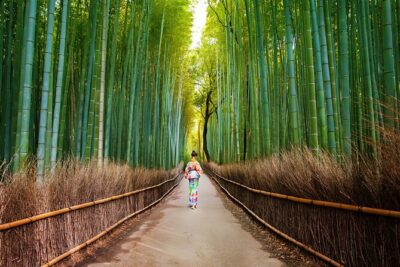
Kyoto Arashiyama Walking Tour: Bamboo, Monkeys, Gardens & Secrets
Read our review →
Arashiyama Bamboo, Temple, Monkeys, or Secret Sake Brewery
Read our review →
Arashiyama Bamboo Forest, Monkeys, Matcha & Temple Tour
Read our review →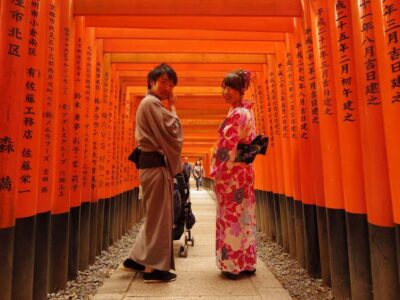
Osaka/Kyoto: Arashiyama, Nara & Fushimi Inari Shrine w/Lunch
Read our review →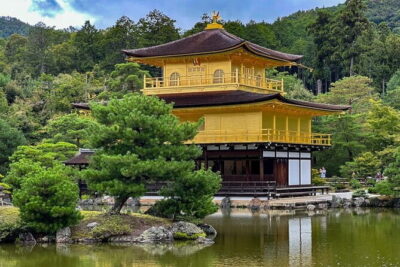
Nijo, Kinkaku-ji, Arashiyama, Kiyomizu & Fushimi Inari
Read our review →
Kyoto Ghost Tour: Dark Tales, Urban Legends, Bamboo Forest Night
Read our review →
Arashiyama Bamboo Forest & Hidden Gems Bike Tour (Early Bird)
Read our review →Browse the lists this tour appears in