
Reviewed · SAKE TASTING
Tokyo: 7 Kinds of Sake Tasting with Japanese Food Pairings
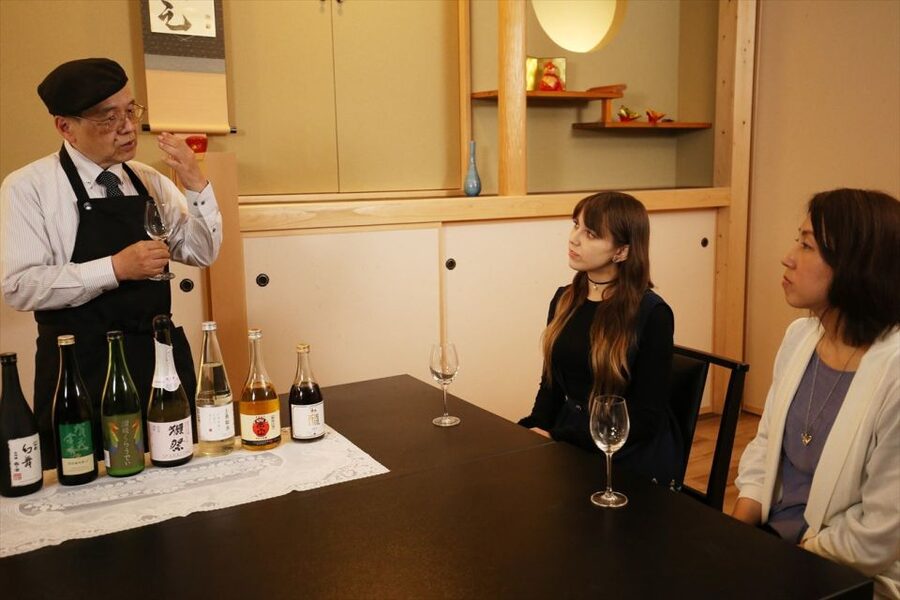
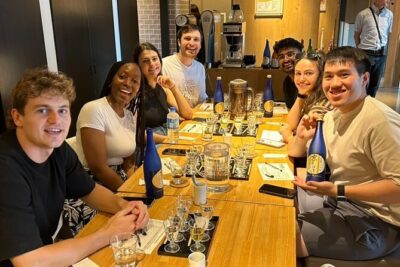
The clever part of this 75-minute tasting is its range. You are not handed seven similar cups and left to guess. The session moves from sparkling and sweet styles to savory pours and finishes with dessert sake, with a small dish matched to each one. That makes sake easier to understand, even if you normally find the labels and terminology baffling.
I like the small group size, capped at 10, and the way the food does real work rather than serving as decoration. I also like the cultural context: your accredited instructor explains how sake is made and why it matters in Japanese religion and tradition. The main drawback is the meeting point. The building is opposite Tokyo Tower, but the activity takes place in a basement room, and several people have found the entrance and room number difficult to locate.
Key points
- Seven distinct sake samples: Taste a planned progression from sparkling and sweet styles to savory and dessert sake.
- Seven food pairings: Expect Japanese and Western bites, with past sessions featuring cheese, crudités, duck, and hot dishes prepared in front of you.
- English-speaking sake instruction: Learn production, varieties, tasting, and cultural customs from a nationally accredited instructor.
- Small, personal setting: The group is limited to 10, and some sessions have felt almost private with only two participants.
- Tokyo Tower meeting point: Meet at the main entrance of Kikai Shinko Kaikan, directly opposite the tower, then go to the basement teaching space.
- A short but focused format: The 75-minute length fits neatly into a Tokyo day, though the tasting is too brief for a full sake course.
Seven pours that show sake’s range
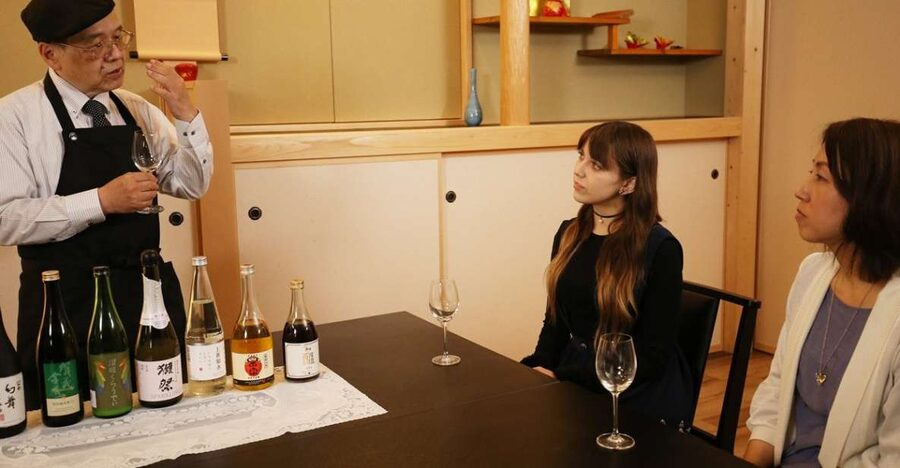
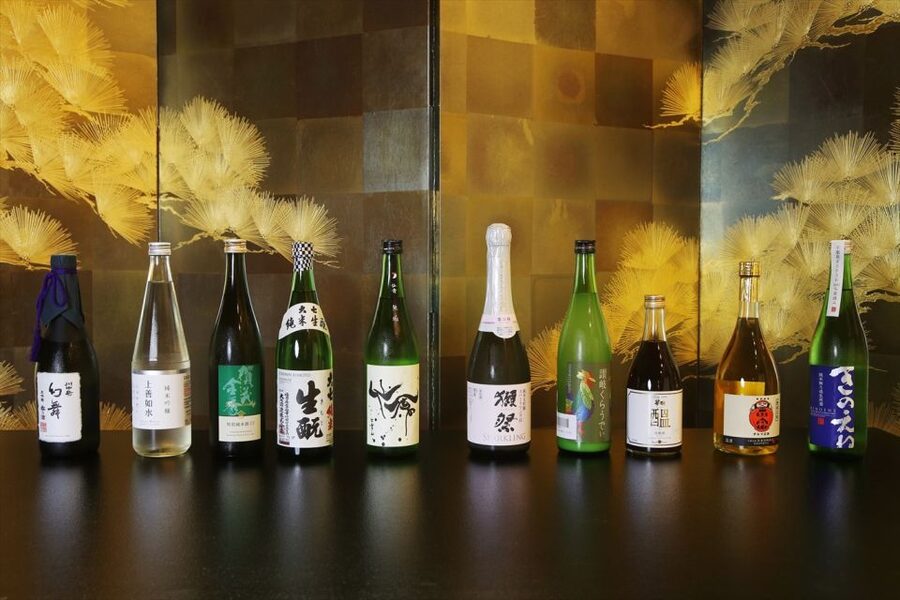
This experience works best because it treats sake as a family of drinks, not a single flavor. You taste seven samples selected to show differences in sweetness, style, and use. The exact labels are not specified in advance, so you should think of the session as a guided introduction rather than a fixed flight from named breweries.
The sequence includes sparkling sake, sweeter examples, savory styles, and a dessert-style sake at the end. That last pour is a useful surprise for anyone who thinks sake must always be dry and served with sushi. It gives the tasting a clear finish and helps you compare sake with food in the same way you might compare wine with a meal.
Your instructor explains how rice, water, yeast, and fermentation shape the final drink. You also learn that sake is not simply one category with minor variations. Production methods and finishing choices affect aroma, body, sweetness, and how the drink works at the table.
I would pay close attention to the order of the pours. Tasting seven drinks in sequence can become a blur if you rush. The point is not to drink quickly. It is to notice how your impression changes when each sake is matched with a different bite.
Other tasting rooms and breweries in Tokyo:
- Ramen and Sushi Cooking Class with Sake Pairing Set in Tokyo
★ 5.0 · 291 reviews - Sake Tasting Masterclass in Shinjuku (8+ Varieties with a Pro)
★ 5.0 · 271 reviews - Sake Omakase in Tokyo: Guided Tasting by Certified Sommeliers
★ 5.0 · 239 reviews
Food pairings make the lesson practical
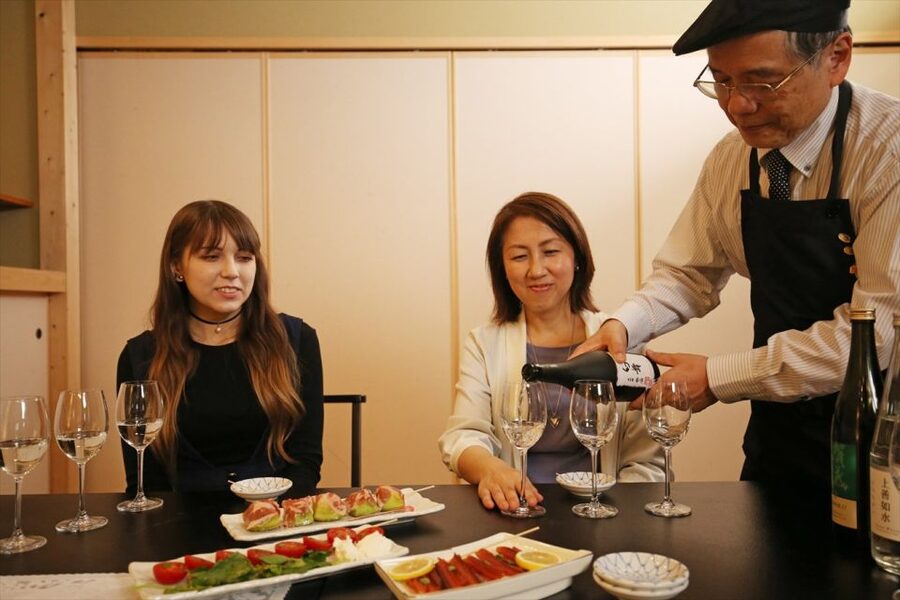
The seven food pairings are one of the strongest reasons to choose this session over a basic sake bar flight. You do not just hear that a sake is sweet, dry, light, or savory. You taste it beside food and see how the combination changes.
The menu combines Japanese and Western dishes, which gives the class a broader use beyond a traditional Japanese meal. Past pairings have included Japanese cheese, crudités, duck, and small hot dishes prepared in front of the group. The food portions are described as bites rather than a full lunch, but the meal is substantial enough to make the tasting feel like more than seven isolated samples.
Some dishes may be cooked in front of you, adding a little movement to what could otherwise be a lecture at a table. You might see a hot pairing finished during the class, then taste it beside the selected sake. That direct comparison is valuable because you can decide what you like instead of relying on technical descriptions.
Do not book this expecting a large restaurant meal. The food is there to explain the sake and support the tasting. If you want dinner, plan another meal before or after the session.
Why sake matters in Japanese culture
Sake has been part of Japanese culture for more than a thousand years. The lesson connects the drink to religion and tradition, so you get more than production facts and tasting notes.
That context matters when you visit Japan. Sake appears in ceremonies, offerings, celebrations, and everyday dining. Understanding that role helps you see why it is treated with care and why serving customs can matter as much as the drink itself.
The cultural section is also a good counterweight to the technical material. A class focused only on rice polishing and fermentation could feel like a food science lecture. Here, you learn why sake has remained important and how it fits into Japanese life.
The instructor-led format is especially useful if you have no vocabulary for describing what you taste. You can ask questions in English and get an explanation of the different varieties available in Japan. Instructors such as Tanaka-san and Taka-san have led sessions with a friendly, engaging manner, but the specific instructor may vary.
What the 75 minutes feel like
The activity is short and tightly packed. You meet your instructor, settle into the teaching space, receive an introduction to sake, and work through seven pairings in about an hour and fifteen minutes.
The format is not designed for a long social afternoon. It is a compact class for people who want a clear introduction before returning to Tokyo sightseeing. You can fit it into a day around Minato City, especially if Tokyo Tower is already on your schedule.
Because the group is limited to 10, the instructor has a reasonable chance to answer individual questions. Some sessions have had only two participants, creating a private-tasting feel without the price of booking a private class. A larger group will feel less personal, but the cap keeps the setting manageable.
I would arrive early. The meeting instructions direct you to the first-floor main entrance of Kikai Shinko Kaikan, a building directly opposite Tokyo Tower. If you cannot find the instructor, the backup location is True Japan Tour in Room B109 on the basement level. The basement teaching kitchen is not an obvious tourist meeting point, and some people have circled the building before finding it.
Same base, a different sort of day:
- Mt Fuji and Hakone 1-Day Bus Tour Return by Bullet Train
★ 5.0 · 26,383 reviews - 1-Day Tokyo Bus Tour
★ 5.0 · 14,250 reviews - Tokyo: TOKYO SKYTREE® Admission ticket
★ 4.5 · 11,192 reviews - Tokyo: teamLab Planets TOKYO Digital Art Museum Entry Ticket
★ 4.6 · 9,779 reviews
The Tokyo Tower location is useful, but allow time to find it
The location is easy to place on a map because Tokyo Tower is such a clear landmark. The building sits directly opposite the tower, which makes this a convenient add-on to nearby sightseeing.
The trouble is the transition from landmark to meeting room. You are not meeting at a prominent street-side tasting bar. You are looking for the main entrance of an office-style building, then possibly heading to a basement room used for cooking classes and demonstrations.
Use the building name, Kikai Shinko Kaikan, and keep the basement room number, B109, handy. Do not assume that seeing Tokyo Tower means you have found the correct entrance. Give yourself extra time, particularly if you are unfamiliar with Tokyo’s building layouts.
Once inside, the setting has a practical advantage. A teaching kitchen is better suited to food pairings than a crowded bar. It allows the instructor to explain the dishes and prepare some hot bites in front of you. The tradeoff is atmosphere: this is a classroom-style space, not a polished sake lounge.
Is $106 a fair price?
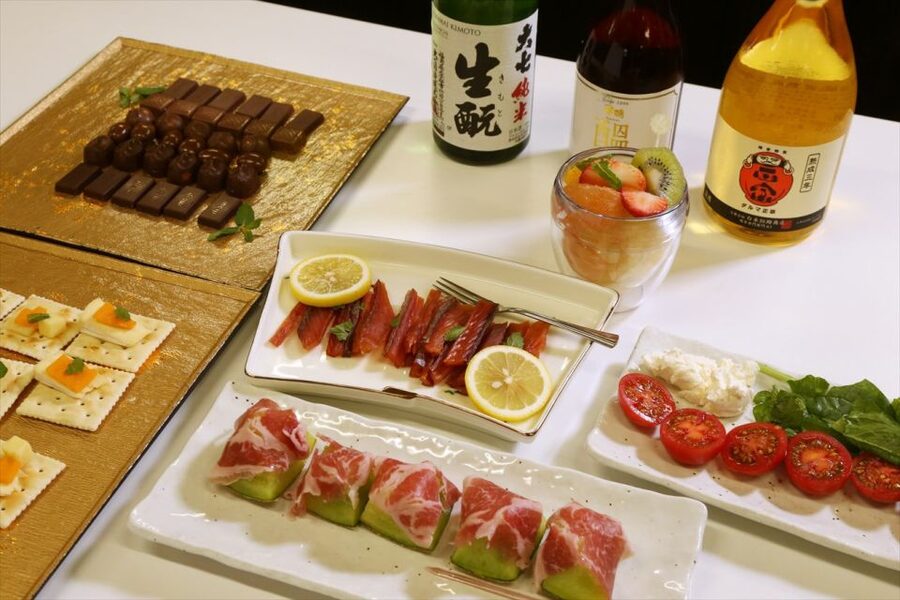
At $106 per person, this is not a casual drink stop. You are paying for seven sake samples, seven food pairings, an English-speaking accredited instructor, and a structured lesson in a small group.
The value depends on what you want. If you only want to try one glass of sake, the price is high. Tokyo offers many cheaper ways to order a drink. If you want to understand the differences between several styles, taste them beside food, and ask questions in English, the price is easier to justify.
The small group matters here. A large tasting event can offer more pours, but you may spend the session listening from the back of the room. With a maximum of 10 people, you have a better chance to ask about a style you enjoy, clarify a production term, or discuss what to order later in Japan.
The food also adds practical value. You leave with a sense of which kinds of dishes pair well with different sake styles, rather than simply knowing which sample you preferred. That can guide your choices at izakaya, restaurants, and specialty shops during the rest of your trip.
Who will get the most from this tasting?
I would recommend it most strongly to you if you enjoy food and drink but feel unsure about sake. You do not need previous tasting experience. The progression from sparkling to sweet, savory, and dessert styles gives you several entry points.
It also suits visitors who want a cultural activity that does not take half a day. At 75 minutes, the session leaves room for Tokyo Tower, nearby Minato City sights, or another reservation.
Sake fans will find the session useful if they want to taste unusual examples from different parts of Japan. One session included unique sake from different regions, which adds interest beyond the standard bottles commonly found abroad.
The activity is less suitable if you dislike alcohol, want a full meal, or prefer to explore independently. It is also not available to anyone under 20. You should treat the seven samples as a tasting flight, not seven full drinks, but the activity still centers on alcohol.
The session is wheelchair accessible, which makes the format easier for many visitors. Hotel pickup and drop-off are not included, so you need to make your own way to the building.
A friendly class with a few practical wrinkles
The strongest feature is the combination of warm instruction and useful food. The hosts have been described as kind, attentive, and welcoming, and the teaching style can feel personal when the group is small. That tone matters because asking basic questions is much easier when the class does not feel formal or intimidating.
The main weakness is not the sake itself. It is the arrival process. The first-floor meeting point, basement backup room, and office-building setting require more attention than the simple Tokyo Tower landmark suggests. Check the room information before leaving and keep the provider name, True Japan Tour, available if you need help.
The exact menu may change, and the specific instructors may not always be Tanaka-san and Taka-san. You should expect the same basic structure, seven sake samples and seven pairings, but not necessarily the same dishes or bottles described in past sessions.
Free cancellation is available up to 24 hours before the activity for a full refund, and you can reserve while paying later. Those options help if your Tokyo schedule is still shifting, but they do not remove the need to arrive at the right building on time.
Should you book it?
Book this tasting if you want a focused introduction to sake, especially one that connects the drink to food and Japanese tradition. The seven-style progression, small group, English instruction, and pairings give you more useful information than a quick bar tasting.
I would skip it if you are seeking a large meal, a glamorous bar setting, or an unstructured evening of drinking. The basement teaching space is functional, and the meeting point takes care. At $106, you should value the instruction as much as the alcohol.
For food-minded visitors, first-time sake drinkers, and anyone already planning to visit Tokyo Tower, this is a well-targeted use of 75 minutes. Arrive early, bring an open palate, and expect a class that teaches you how to make better sake choices for the rest of your time in Japan.
FAQ
Where does the sake tasting take place?
Meet your instructor at the main entrance of Kikai Shinko Kaikan on the first floor. The building is directly opposite Tokyo Tower.
What should I do if I cannot find the instructor?
Go to True Japan Tour in Room B109 on the basement level of the building. The tasting takes place in a basement teaching kitchen and lunch-room space.
How many sake samples are included?
The experience includes seven sake samples, ranging from sparkling and sweet styles to savory and dessert-style sake.
How many food pairings are included?
Seven food pairings are included. The dishes combine Japanese and Western food, and past pairings have included cheese, crudités, duck, and hot bites.
How long does the tasting last?
The tasting lasts 75 minutes. Starting times vary, so you need to check availability when booking.
Is the activity conducted in English?
Yes. The instructor language is English.
How large is the group?
The activity is limited to 10 participants. Some sessions may have fewer people and can feel nearly private.
Can someone under 20 join?
No. The experience is not suitable for people under 20 years old.
Just added in Tokyo
- The 10 Tastings of Tokyo With Locals: Private Street Food Tour★ 5.0 · 48 reviews
- Small Town in the Big City: Tasting Tokyo’s Kichijoji★ 5.0 · 195 reviews
- Small Town in the Big City: Tasting Tokyo’s Kichijoji★ 5.0 · 16 reviews
- EXCLUSIVE Tokyo Secret: Kichijoji Small-Group Food & Bar Hopping★ 5.0 · 29 reviews
- Explore Kichijoji: Walk Through One of Tokyo’s Beloved Districts★ 5.0 · 21 reviews
- :Tokyo,Shibuya/ Pro Photography in Kimono / English-Friendly★ 5.0 · 26 reviews
- 【R34】Tokyo:Private Daikoku tour in Modified R34★ 4.9 · 92 reviews
- Tokyo:Calligraphy &Make your original folding fan in Asakusa★ 5.0 · 62 reviews
Sake Tasting, compared.
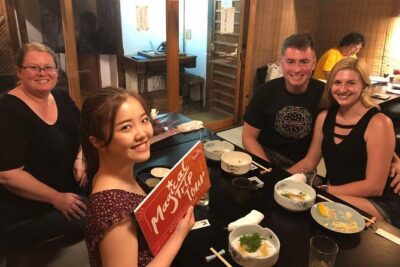
Kyoto Night Foodie Tour in Gion (9+ dishes + 6 Sake tastings)
Read our review →
1-Day Snow Monkeys, Zenko-ji Temple & Sake in Nagano
Read our review →
3-Hour Kyoto Insider Sake Brewery Tour with Tastings & Pairings
Read our review →
Arashiyama Bamboo, Temple, Monkeys, or Secret Sake Brewery
Read our review →
Insider Sake Brewery Tour with Sake and Food Pairing
Read our review →
1.5-Hour Kyoto Insider Sake Experience with 7 Tastings & Pairings
Read our review →Browse the lists this tour appears in