
Reviewed · MOUNT FUJI DAY TRIPS
Tokyo: Full-Day Tour of the Six Majestic Spots of Mt Fuji
Mount Fuji gives this day trip its big promise, but the most special moment can come before you reach the famous viewpoints. Hirano Beach is a morning-only stop for clear Fuji reflections, with swans gliding along the shore. I like that the route also mixes postcard views with real local places, from Oshino Hakkai’s springs to the quiet road by Higashikawa Clock Shop.
I also like the low $45 price, which covers transport, a driver, and a guide, and the variety packed into one day. The catch is simple: Fuji may hide behind clouds, and traffic can stretch the schedule, especially on weekends and holidays. This is a scenic day out even without the mountain, but you should not book it as a guaranteed Fuji photograph.
Six Fuji moments worth getting up early for
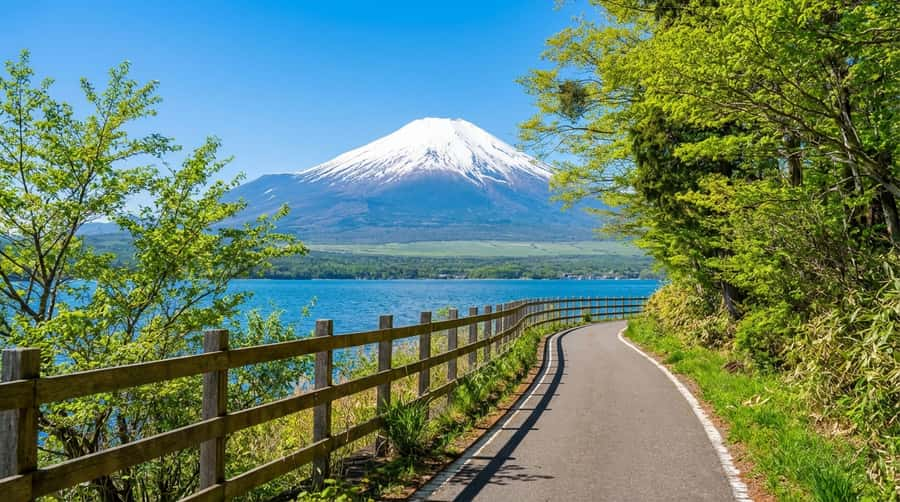
- Mirror images at Hirano Beach: Start at Lake Yamanaka for Fuji reflections and resident swans, with the best conditions in the morning.
- The quiet road to Higashikawa Clock Shop: A straight street creates a striking Fuji view often called the Sky Ladder Town.
- Arakurayama’s red pagoda: Climb the stone steps for the classic five-story pagoda, Fuji, and seasonal blossoms or autumn leaves.
- Oshino Hakkai’s eight springs: See clear water fed by snowmelt from Mount Fuji among thatched buildings and wooden bridges.
- Lake Kawaguchi and Oishi Park: Match Fuji with flowers, from tulips and moss phlox to lavender and autumn color.
- A guide-led day for $45: Transport, driver, and guide are included, but food, drinks, insurance, luggage fees, and hotel transfers are not.
Why this full-day Fuji route works
From Tokyo, Mount Fuji is easy to picture and harder to see well. The mountain can vanish behind cloud, roads can clog, and the best viewpoints are scattered around the Fuji Five Lakes area. This tour solves the transport problem by linking six popular stops in one long day.
At $45 per person, the value is strongest if you want many photo locations without arranging trains, buses, local transfers, and entrance logistics yourself. You get an air-conditioned vehicle, a driver, and a guide. Food and drinks are extra, and there is no hotel pickup or drop-off, so you must reach the assigned meeting point on time.
The tour is best for a first Fuji visit, especially if you want variety. You will see water, a traditional village, a pagoda, flower fields, a shopping street, and a convenience store that has become a photo stop. It is less suited to someone who wants a slow morning at one lake or a serious hike.
The day can also feel different depending on the guide. Tim has been praised for energy, useful explanations, and attentive help. Agnes helped shape a pleasant day with scenic stops and suggested an authentic lunch and kimono experience. Sakuragi has been noted for clear explanations in both English and Chinese. On smaller groups, the driver may also guide, with limited English and no commentary while the vehicle is moving.
Other days out to the mountain from Tokyo:
- Mt Fuji and Hakone 1-Day Bus Tour Return by Bullet Train
★ 5.0 · 26,383 reviews - Mt Fuji & Hakone Cruise, Drum Show Bullet Train 1 Day from Tokyo
★ 4.0 · 7,413 reviews - Tokyo Mt Fuji 5th St & Hakone Cruise Bus Tour w/Bullet Train
★ 4.4 · 5,024 reviews
Hirano Beach: Fuji reflections before the crowds
The first stop matters. Hirano Beach sits on the northeastern side of Lake Yamanaka, where a gravel shore gives you an open view across the water. In calm morning conditions, Fuji appears twice, once above the lake and once in its reflection.
This is the tour’s most time-sensitive stop. The reflection is described as a morning-only opportunity, so an early departure is not a minor detail. If you sleep late, you may miss the best water conditions and the softer light that makes the photograph work.
Swans add another layer to the scene. They are resident birds at the beach, and you may be able to photograph them near the shoreline. The combination of Fuji, still water, and swans feels quieter and more natural than the busier social-media stops later in the day.
Bring comfortable shoes because the beach is gravel, not a polished promenade. Clouds can still cover Fuji, and wind can break up the reflection. Even so, Lake Yamanaka gives you a good first look at the region and a chance to enjoy the lake itself rather than simply taking a quick mountain photo.
Higashikawa Clock Shop and the Sky Ladder Town view
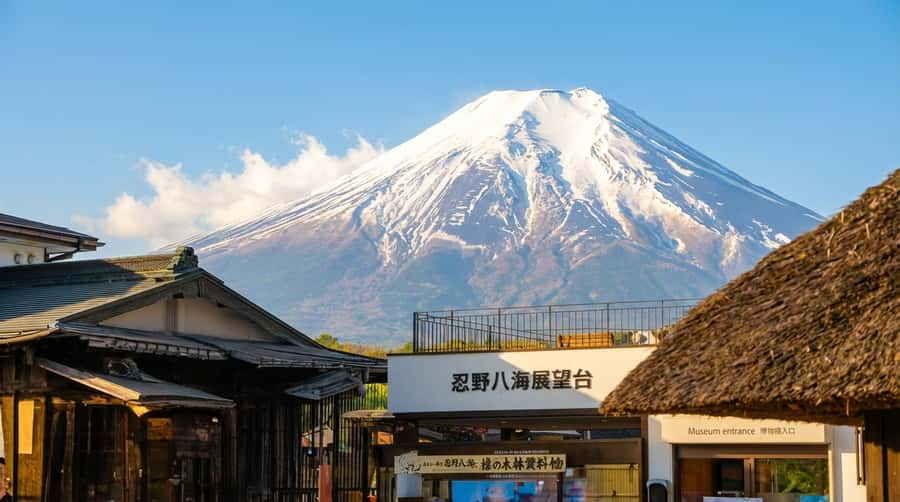
The Higashikawa Clock Shop stop is built around a road rather than a grand attraction. A quiet, straight street points toward Fuji, creating a strong visual line that makes the mountain appear almost within reach.
This is the sort of place where the framing matters more than the amount of time you spend. Look down the road, center Fuji if the sky is clear, and notice how ordinary buildings and the distant mountain share the same picture. The scene has a calm, cinematic quality, with less visual clutter than some of the better-known photo spots.
Do not expect a major clock museum or a long shopping visit. The appeal is the street view and the unusual sense of distance. If Fuji is covered, the composition still has interest, but the stop loses its main point.
The location also shows why a guided vehicle helps. The route links small viewing areas that are not practical to combine quickly by public transport. You can step out, take your photos, and continue without spending your day working out connections.
Arakurayama Sengen Park and the famous pagoda climb
Arakurayama Sengen Park offers the image most associated with Fuji sightseeing in Japan: a red five-story pagoda in the foreground, Mount Fuji behind it, and seasonal color around the frame. The park is close to Shimoyoshida Station, but this tour approaches it as part of the wider route.
The view requires effort. You climb stone steps to reach the pagoda viewpoint, so this is the one major stop where full access is limited. The tour notes that the other stops are wheelchair-accessible, but Arakurayama’s pagoda steps are not. The additional information also marks the tour as unsuitable for wheelchair users, so check your own mobility needs carefully before booking.
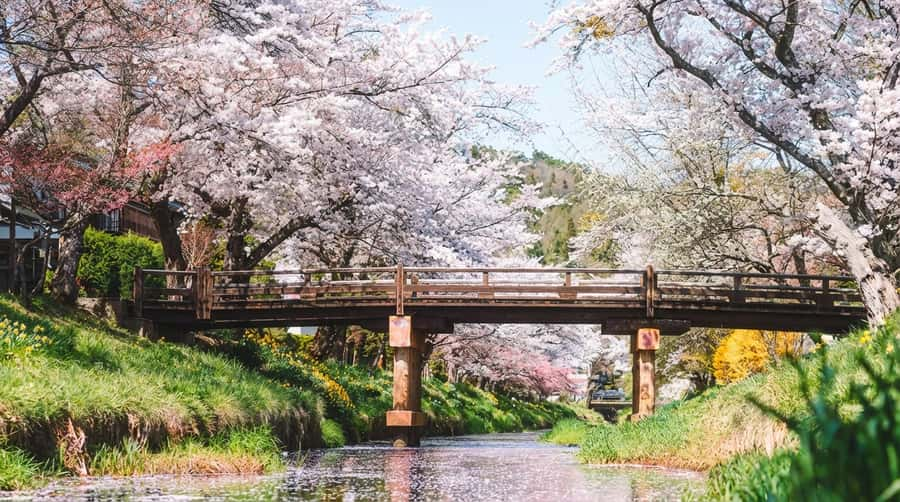
Timing and season shape the scene. Cherry blossoms make spring especially popular, while autumn leaves add warm color later in the year. At other times, the mountain and pagoda remain the main draw.
After the climb, the village below gives you a chance to slow down with a coffee. That small pause matters because the day includes many stops. Arakurayama can otherwise become a quick staircase, crowded viewing platform, and hurried photograph. If you need more time for the climb, tell the guide early, though traffic and the group schedule may limit flexibility.
Same base, a different sort of day:
- 1-Day Tokyo Bus Tour
★ 5.0 · 14,250 reviews - Tokyo: TOKYO SKYTREE® Admission ticket
★ 4.5 · 11,192 reviews - Tokyo: teamLab Planets TOKYO Digital Art Museum Entry Ticket
★ 4.6 · 9,779 reviews - Tokyo: Sumo Show Experience with Chicken Hot Pot and a Photo
★ 4.8 · 6,678 reviews
Oshino Hakkai: clear springs and old village details
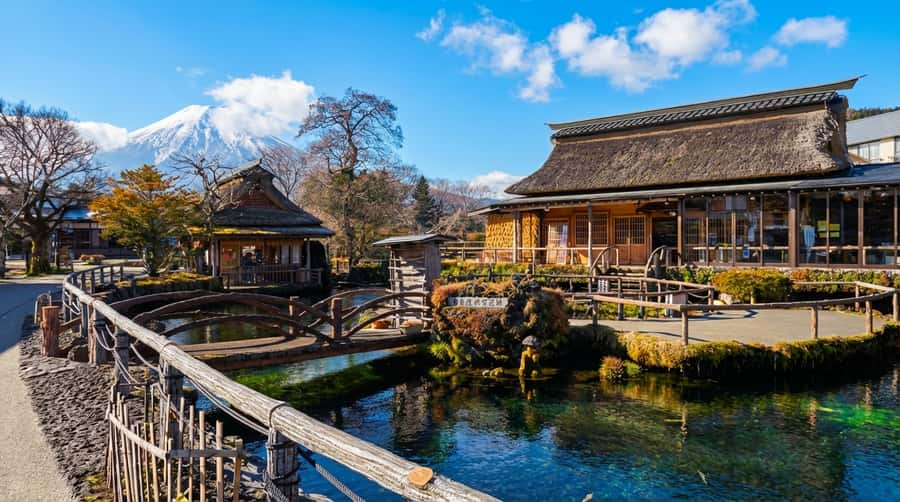
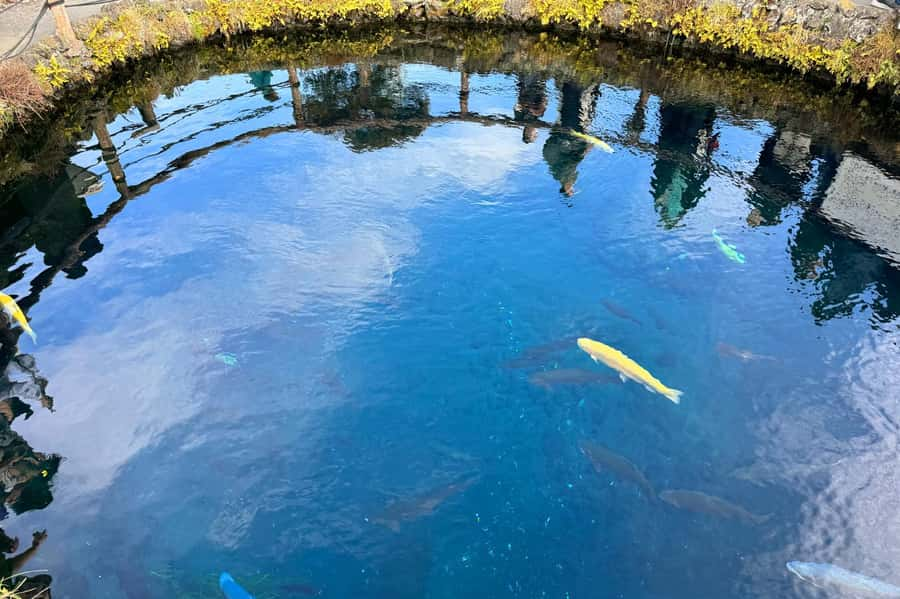
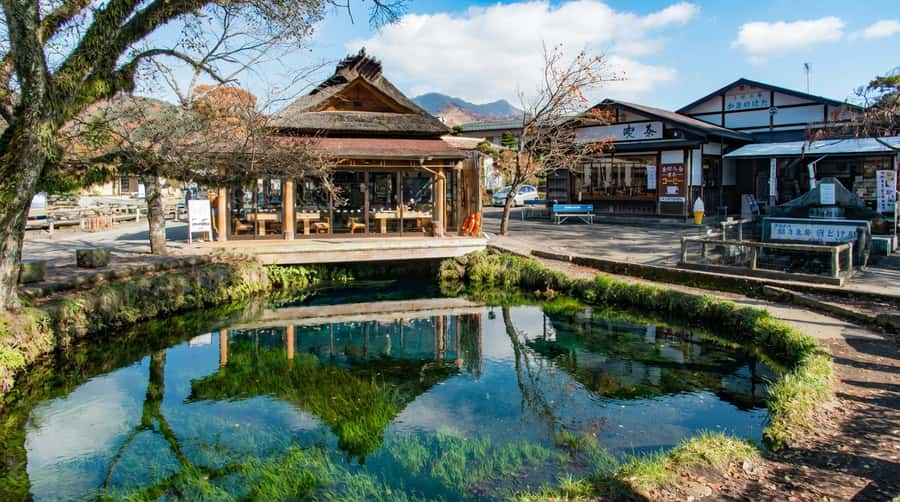
Oshino Hakkai changes the rhythm of the day. Instead of looking only at Fuji, you walk among eight springs fed by melted snow from the mountain. The water is known for its clarity and blue-green color, and the traditional village setting adds wooden bridges, thatched roofs, and small waterways.
This stop gives useful context to Fuji. The mountain is not just a distant cone for photographs. Its snow and underground water help shape the area’s springs and settlements. At Oshino Hakkai, you can see that connection at close range.
The site is a UNESCO-designated natural monument and can become crowded, particularly in peak seasons. Give yourself room to look into the pools, cross the bridges, and notice the village details instead of rushing from one photo point to the next.
Food and drinks are not included. Oshino Hakkai is a natural place to consider buying something, but remember that eating and drinking are not allowed in the vehicle. If you need a proper meal, ask your guide about the day’s timing. Agnes, one of the guides praised for making the day enjoyable, has recommended an authentic lunch option to participants.
Lawson and the modern Fuji photograph
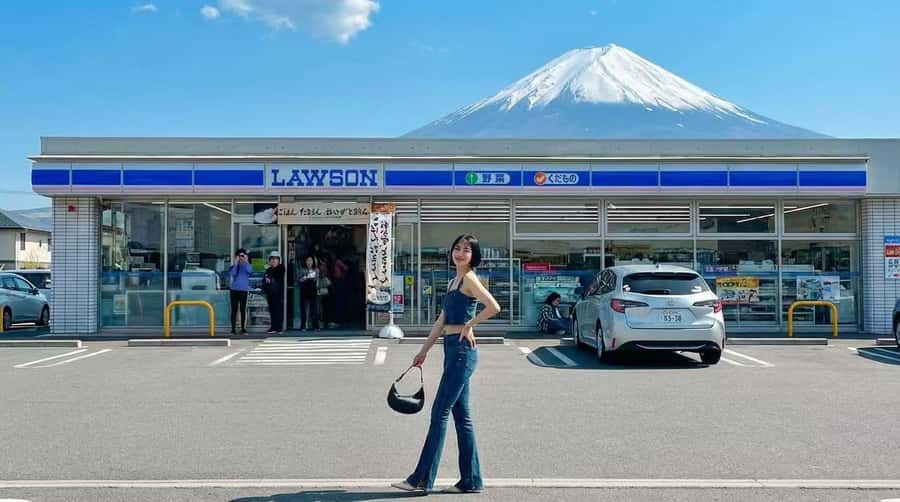
The Lawson stop may sound ordinary, but it is one of the route’s most popular photo ideas. The store’s simple facade and Fuji-facing view have made it a well-known background for phone wallpapers and quick street photographs.
This is a short, modern contrast to Oshino Hakkai and the pagoda. You can grab a snack, look for a clean angle, and capture the familiar Japanese convenience-store scene with Fuji behind it. The appeal is not the shopping itself. It is the strange mix of everyday life and an iconic mountain.
Crowds can make this stop less effortless than social media suggests. Be respectful of customers and the store entrance, and follow your guide’s timing. If you want a snack, this may be useful, since food is not provided with the tour. Just eat it outside the vehicle, as eating and drinking are prohibited onboard.
Lake Kawaguchi and Oishi Park’s changing colors
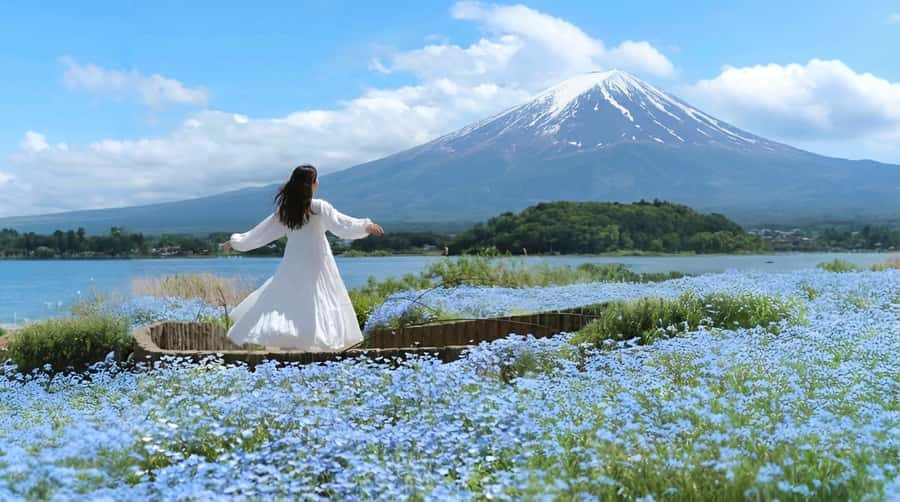
Lake Kawaguchi is the broad final chapter of the day. The lake gives you another open Fuji view, while Oishi Park adds flower beds and seasonal color along the shore.
The flowers change through the year:
- April brings tulips, daffodils, and rapeseed flowers.
- May is known for moss phlox carpeting the ground.
- June and July bring lavender, during the Kawaguchiko Herb Festival period.
- August through October features begonias.
- November brings scarlet maple leaves.
These dates can shift slightly, so check current conditions before you go. The park is not just a backdrop for Fuji. It gives you a reason to enjoy the area even if cloud covers the summit. On a clear day, the flower beds and mountain line create the tour’s most polished postcard scene.
The drawback is that Lake Kawaguchi is popular. Peak flower periods bring more people, and traffic around the lake can affect how long you have at each stop. The itinerary may change if roads are heavily congested or an attraction closes early. If weather blocks a site, the route may switch to another location, with no refund for changes caused by traffic or force majeure.
What the guide and vehicle add
A full day around Fuji is a lot of ground to cover. The air-conditioned vehicle saves you from changing between regional trains and buses, and the driver handles roads that can be slow and confusing for first-time visitors.
The strongest part of the service is the human help. Guides have taken photos, explained the stops, helped with practical problems, and offered food suggestions. Tim has been singled out for being attentive and supportive when a passenger became ill. That kind of response is valuable on a long day away from Tokyo.
The language setup needs a clear explanation. English and Chinese are available, but an individual small-group departure may have international passengers using multiple languages. If the driver is also the guide, English commentary can be limited, and there is no commentary while driving. You may not receive a long lecture at every stop, but you should get basic directions and key facts.
Vehicle comfort has not been perfect every time. One report praised the clean, punctual transport, while another found that the bus air-conditioning did not work properly. Another passenger found the speaker volume too high and experienced ringing ears after announcements. These are isolated practical concerns, but they are worth knowing before committing to a long road day.
Is $45 good value?
For a full-day route from Tokyo, $45 is a low price if you mainly want transport and access to the major viewpoints. The tour covers six distinct places and includes the driver and guide, which removes the cost and effort of piecing the route together.
The price does not cover lunch, snacks, personal spending, insurance, or hotel transfers. Luggage also needs advance notice and may cost extra. These additions can raise your total, but the basic package remains useful for budget-minded visitors.
The best value comes when Fuji is visible for at least part of the day. Yet one passenger had a worthwhile outing despite cloudy weather, enjoying the sites and escape from Tokyo even without a clear mountain. That is the right way to judge this tour: Fuji is the star, but the supporting stops must matter to you too.
Practical details before you reserve
Wear comfortable clothes and shoes. The gravel at Hirano Beach and stone steps at Arakurayama make casual walking shoes a better choice than dress shoes.
Choose a morning departure. It gives Hirano Beach its best chance for reflections and helps protect the most time-sensitive photograph. Do not schedule a same-day flight, Shinkansen, or evening activity afterward. Traffic can change the return time, especially on weekends and holidays.
Your meeting point depends on the option selected, and you cannot change it on departure day. Tell the operator about any requested change at least two days ahead. Late arrivals and no-shows are not refunded, so arrive early.
The tour is marked unsuitable for pregnant women, people with high blood pressure, people over 70, and wheelchair users. The pagoda steps are the clearest physical barrier, but the full-day road schedule is also demanding. Personal travel and accident insurance are not included.
Cancellation is free up to 24 hours before departure. After that, changes caused by weather or traffic may not qualify for a refund.
Should you book this Fuji day trip?
Book it if you want six major Fuji photo settings in one day, prefer a budget price, and do not want to manage regional transport. It suits first-time visitors who like variety, quick stops, seasonal flowers, and a guide who can help with photos and local choices.
Think twice if you need a slow pace, guaranteed English commentary, full wheelchair access, or a fixed return time. Also skip it if a Fuji-free day would ruin your holiday. For everyone else, the route offers a practical escape from Tokyo, with enough springs, flowers, village streets, and lake views to make the day worthwhile even when the mountain plays hide-and-seek.
FAQ
What is included in the $45 tour price?
The price includes transportation in an air-conditioned vehicle, a driver, and a tour guide. Food, drinks, personal expenses, hotel pickup and drop-off, and personal travel or accident insurance are not included.
Does the tour include hotel pickup?
No. You must go to the assigned meeting point, which can vary depending on the option you book. The tour ends back at the meeting point.
What is the best time to see Fuji reflections at Hirano Beach?
A morning departure is recommended. The reflections at Hirano Beach are described as a morning-only opportunity, and calm water conditions can affect the view.
Is the tour suitable for wheelchair users?
The tour information says it is not suitable for wheelchair users. Most stops are described as wheelchair-accessible, but the stone steps to the Arakurayama Sengen Park pagoda are not.
What languages are available?
English and Chinese are available. On small daily groups, the driver may also act as the guide, with limited English commentary and no commentary while driving. International guests may share the vehicle with people using multiple languages.
Can I bring luggage?
You must inform the operator in advance if you plan to bring luggage. An additional payment may be required.
Can I cancel for a full refund?
You can cancel up to 24 hours in advance for a full refund. There are no refunds for no-shows or late arrivals, and changes caused by weather or traffic may not qualify for a refund.
Just added in Tokyo
- The 10 Tastings of Tokyo With Locals: Private Street Food Tour★ 5.0 · 48 reviews
- Small Town in the Big City: Tasting Tokyo’s Kichijoji★ 5.0 · 195 reviews
- Small Town in the Big City: Tasting Tokyo’s Kichijoji★ 5.0 · 16 reviews
- EXCLUSIVE Tokyo Secret: Kichijoji Small-Group Food & Bar Hopping★ 5.0 · 29 reviews
- Explore Kichijoji: Walk Through One of Tokyo’s Beloved Districts★ 5.0 · 21 reviews
- :Tokyo,Shibuya/ Pro Photography in Kimono / English-Friendly★ 5.0 · 26 reviews
- 【R34】Tokyo:Private Daikoku tour in Modified R34★ 4.9 · 92 reviews
- Tokyo:Calligraphy &Make your original folding fan in Asakusa★ 5.0 · 62 reviews
Mount Fuji Day Trips, compared.
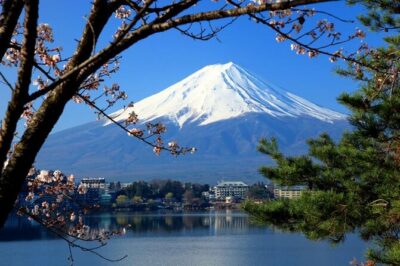
Mt Fuji and Hakone 1-Day Bus Tour Return by Bullet Train
Read our review →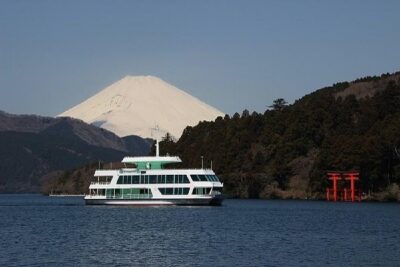
Mt Fuji & Hakone Cruise, Drum Show Bullet Train 1 Day from Tokyo
Read our review →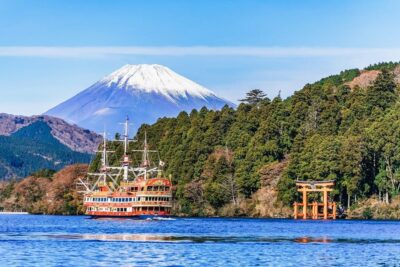
Tokyo Mt Fuji 5th St & Hakone Cruise Bus Tour w/Bullet Train
Read our review →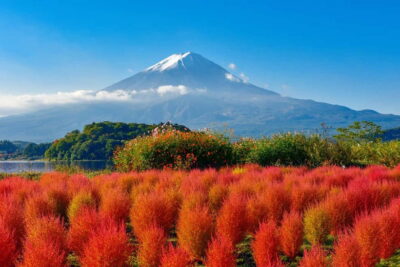

Mt.Fuji,Kawaguchiko Oishi Park,Arakurayama Sengen Park
Read our review →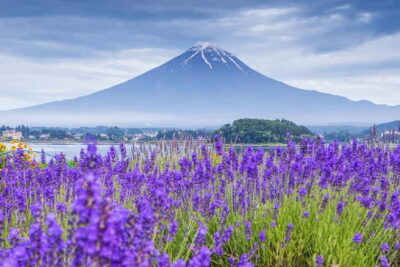
Mt Fuji Top 5 Spots Day Tour: Arakurayama Park,Oshino Hakkai
Read our review →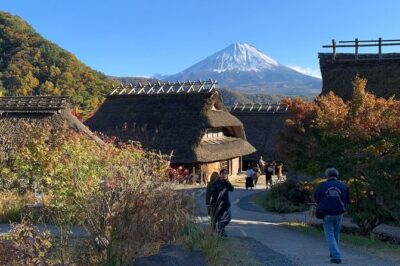
Private Tour to Mt. Fuji and Hakone (Fully Licenced Operator)
Read our review →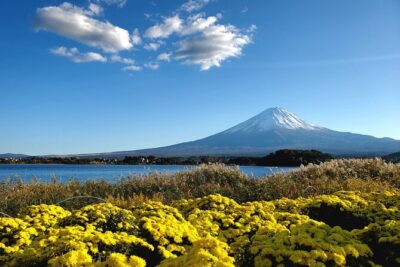
Mount Fuji Full-Day Private Tour from Tokyo (Customizable)
Read our review →Browse the lists this tour appears in