
Reviewed · FOOD TOURS
Tokyo: Private Personalized Local Food Tour
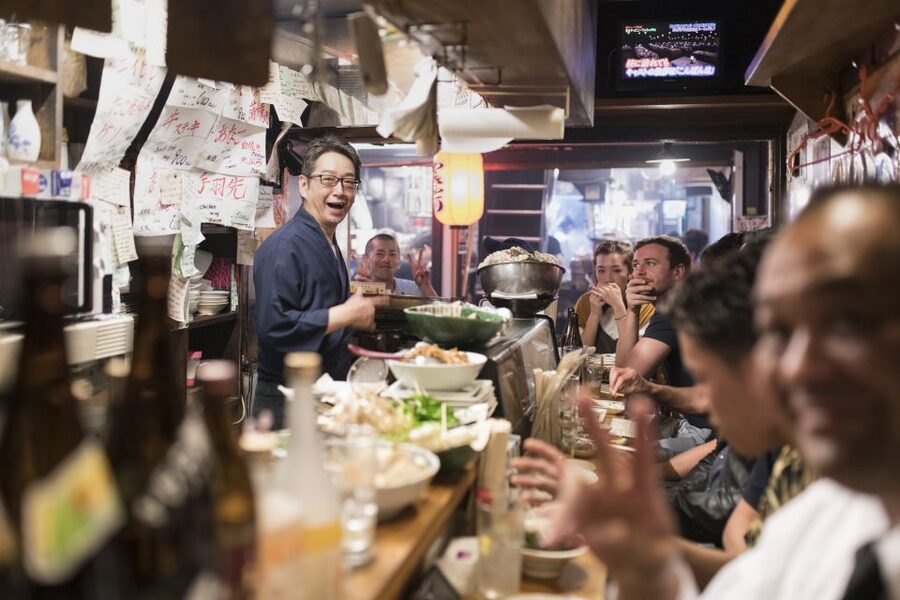
Tokyo’s best food experiences often begin away from the famous sights. This private walk leads you through neighborhood izakayas, ramen counters, alley restaurants, and yatai-style spots, with your host choosing the route around your appetite and curiosity. You might start in Nakano’s retro Sun Mall, find oden and sake in a quiet lane, or make an unexpected stop for a dish that catches your eye.
I like the personal route, which lets you ask for comfort food, unusual flavors, vegetarian choices, or a first taste of Japanese drinking culture. I also like the local help beyond the plate: guides such as Apy, Mari, Steven, and Amir have helped people understand Tokyo customs, use the railway system, and find places to eat later in the trip. The main caution is that the route and exact restaurants are not fixed, and extra transport, food, or drinks cost more.
Key points at a glance
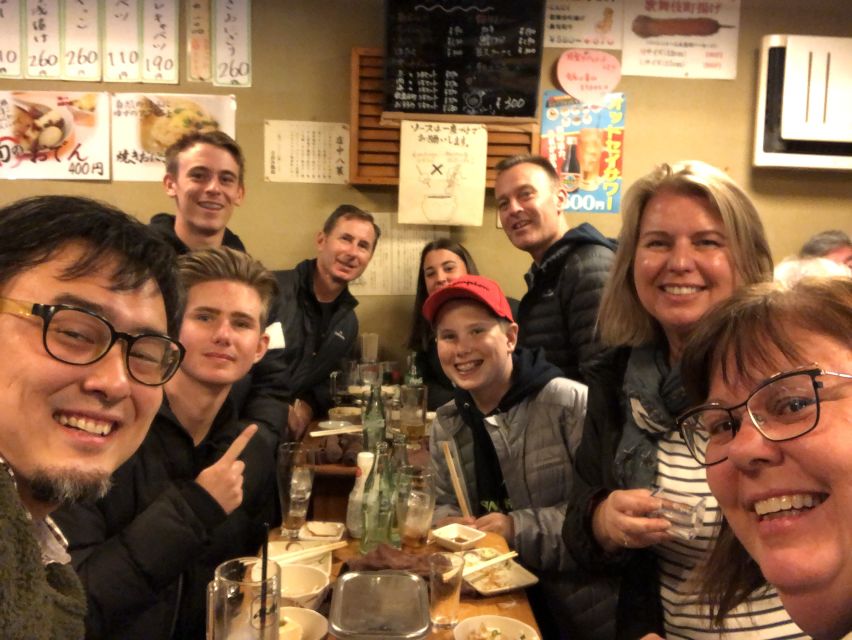
- Eight to ten tastings in three hours: Expect food and drink from two or three local eateries, rather than one long sit-down meal.
- A route shaped around you: Your questionnaire helps match you with a host and sets the tone for the evening.
- Nakano is a strong starting point: JR Nakano Station and Sun Mall place you near old-school shopping streets and local dining.
- Useful for first-time Tokyo visitors: Your host can explain eating customs, Japanese dishes, and practical rail travel.
- Private means flexible: Vegetarian needs, a young child, adventurous eating, and quieter local spots can be discussed in advance.
- Budget for extras: The $172 price covers the listed tastings, but additional orders and transport are separate.
A three-hour introduction to Tokyo through food
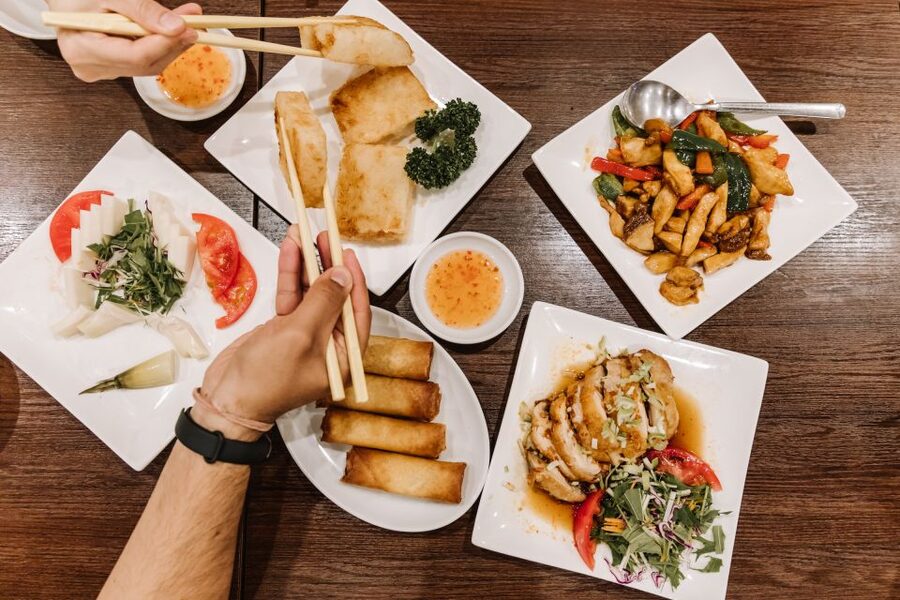
The appeal here is not simply the number of dishes. It is the chance to understand how Tokyo eats. An izakaya is part casual restaurant, part neighborhood bar, and part social meeting place. You may order several small plates, share them across the table, and pair them with beer, sake, plum wine, or another local drink.
Your host acts as translator, food guide, and neighborhood companion. That matters in Tokyo, where a small restaurant may have a Japanese-only menu, ticket machine, or ordering style that is not obvious at first glance. The goal is not to rush through a checklist. It is to let the evening adjust to your interests.
You receive a questionnaire after booking. Use it well. Mention foods you already love, ingredients you avoid, dietary needs, interest in history or local customs, and how adventurous you want to be. If you want to spend more time eating than sightseeing, say so. If you hope to learn how to get around Tokyo by train, include that too.
The experience is private, so you do not share the host with a large group. That gives you room to ask basic questions without feeling self-conscious. It also helps if one person in your party is vegetarian, has a restriction, or needs familiar food alongside new tastes.
Other food tours in Tokyo people book:
- Tokyo: Shinjuku Food Tour (13 Dishes at 4 Local Eateries)
★ 5.0 · 6,603 reviews - Tokyo: Shinjuku Food Tour (15 Dishes and 4 Eateries)
★ 4.9 · 2,033 reviews - Best of Shinjuku: Izakaya Food Tour (4 Stops, 14+ Tastings)
★ 5.0 · 1,863 reviews
Starting near JR Nakano Station and Sun Mall
The usual meeting point is JR Nakano Station, at 5 Chome Nakano, Nakano City. Hotel pickup can be arranged from a central Tokyo hotel, but a private vehicle is not part of the experience. Depending on the final route, you may walk throughout or use public transport or a local taxi at your own cost.
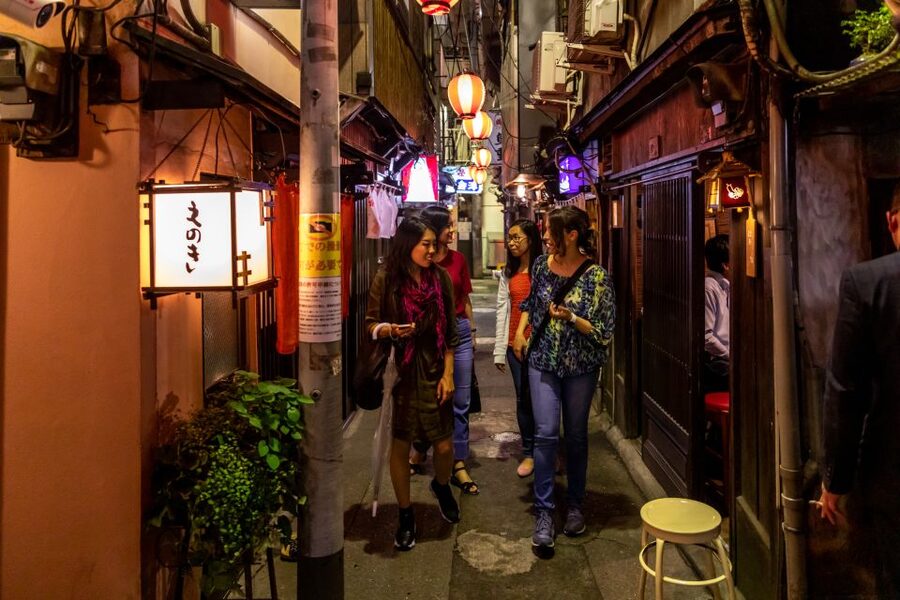
Nakano makes sense as a starting point. Its retro Sun Mall shopping street gives you an immediate sense of everyday Tokyo, with food counters, small shops, and signs glowing above the pavement. Steam from ramen shops and the lanterns outside izakayas create a very different mood from the polished department stores of Ginza or the giant crossings of Shibuya.
Your host may begin with ramen if that suits you. One past itinerary included a short wait at opening time, followed by a bowl that proved worth the pause. That is useful advice: a line at a small local restaurant does not always mean you should abandon the plan, but three hours is a limited window, so your host needs to judge the wait.
You may instead warm up with oden and sake in an alley. Oden is a mild broth dish containing items such as vegetables, tofu, and fish-based ingredients. It is especially suited to a slow start because you can sample several pieces while learning how Japanese comfort food differs from the dishes most often served abroad.
What the food stops can include
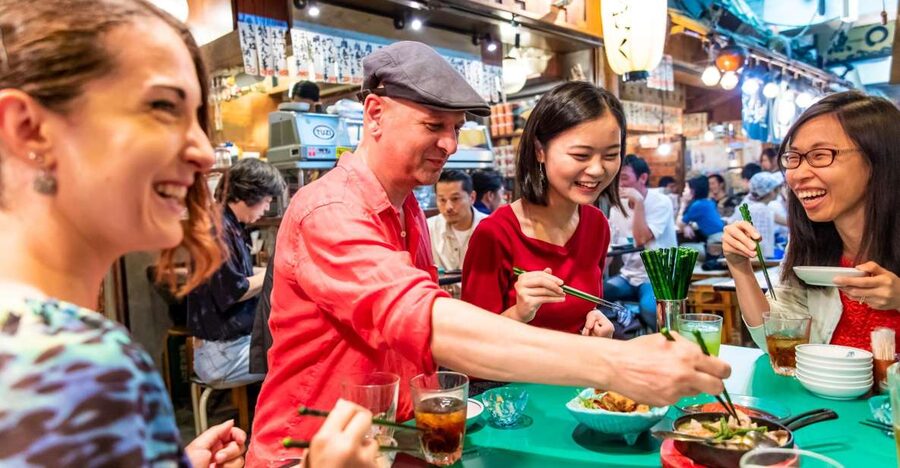
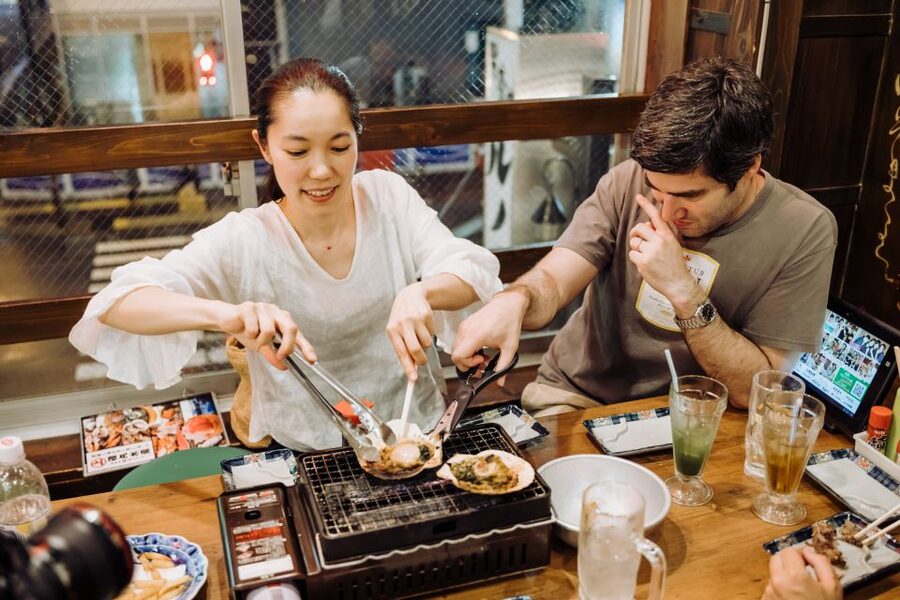
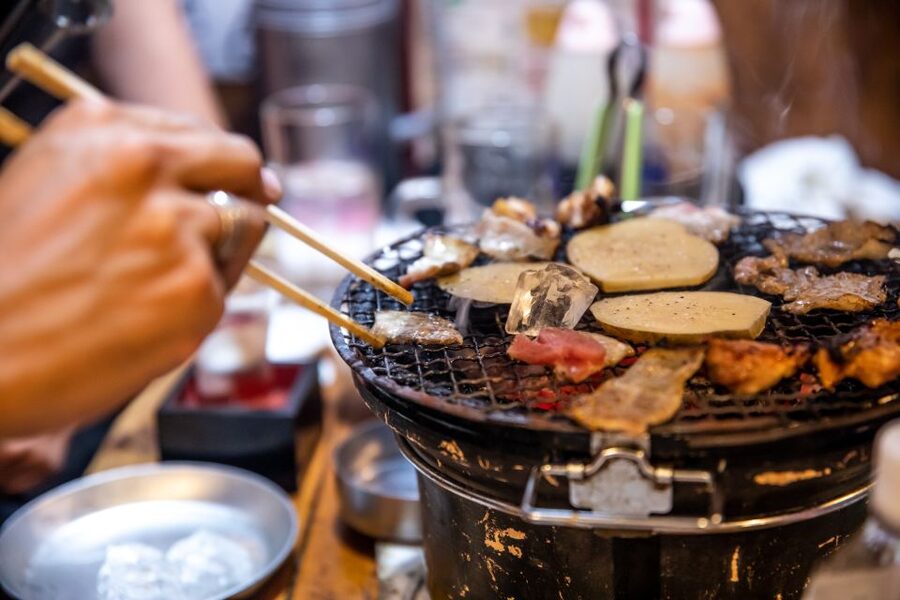
The promised range is 8 to 10 local dishes and drink tastings at two or three eateries. That does not mean eight full meals. Portions may be shared or served as small plates, allowing you to try more without becoming too full halfway through.
Possible stops include an izakaya known for crisp karaage, a skewer shop, a place serving miso eggplant, or a small counter where plum wine gets a local twist. The exact lineup depends on your host, opening hours, your preferences, and the mood of the neighborhood that day.
I like this format because it keeps the food conversation moving. Instead of eating one dish and receiving a long lecture, you can compare textures, ask how something is prepared, and decide what to try next. A well-chosen guide may explain where a dish comes from, how it is usually eaten, and what customs apply at the table.
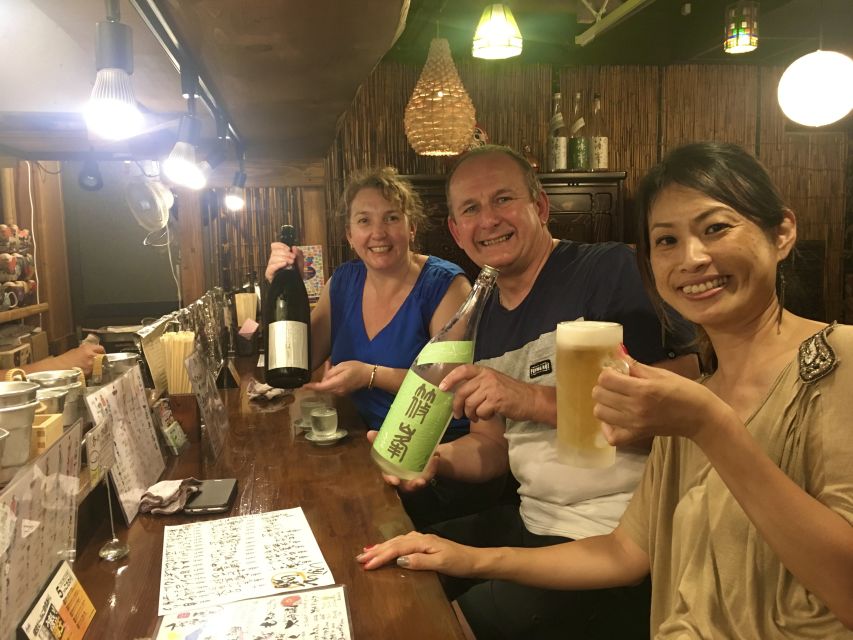
The drinks add another layer. Traditional tastings may include sake or plum wine, but you should tell your host how much you want to drink. The experience is about sampling, not proving your endurance. If you do not drink alcohol, state that in the questionnaire so the route can focus on food and nonalcoholic choices.
The flexible plan also allows for a spontaneous bite. A local stall, a busy counter, or an interesting smell from an alley may change the route. That unpredictability is part of the charm, though it also means you should not expect a precise list of restaurants before the meeting.
Why a private host helps in Tokyo

Tokyo is easy to navigate once you know the basics, but the first few meals can feel like a puzzle. A host can explain how to sit, order, share plates, use chopsticks, and recognize common menu items. Translation support can take the strain out of ordering, especially in small places where English may be limited.
The strongest part of this experience is the personal conversation. Guides have helped people understand Tokyo’s rail system, suggested restaurants for later days, and pointed out areas they might not have found alone. One host even helped with train reservations after the food walk, which is practical assistance you will appreciate when Japan’s railway network feels like a maze of colored lines.
Different hosts bring different strengths. Apy has been praised for combining food, customs, district orientation, and transport advice. Mari has handled dietary needs and led people to places away from the usual tourist circuit. Steven has explained the regional background of dishes while keeping the evening relaxed and conversational. Amir has helped visitors see parts of Tokyo they might otherwise miss.
Those examples also show the one variable you cannot fully control: your host. The questionnaire is meant to match you with someone who shares your interests, so be honest and specific. A food obsessive, a family with a young child, and a couple seeking a quiet local evening need different kinds of guidance.
More eating your way round Tokyo:
- Tokyo Night Foodie Tour in Shinjuku – Seasonal Sushi, Wagyu Beef
★ 5.0 · 1,161 reviews - Eat and Drink Like a Local: Tokyo Ueno Food Tour-Taverns&Ramen
★ 5.0 · 957 reviews - Tokyo: Shibuya Food Tour (13 dishes and 4 Eateries)
★ 5.0 · 770 reviews - Tsukiji Fish Market: Street Food & Culture Walking Tour
★ 5.0 · 669 reviews
A useful choice for first-day orientation
I would consider booking this near the start of a Tokyo stay. Several people have used the experience as their first meal or first full evening in the city, and that timing makes sense. You can ask where to eat later, how the train system works, and which neighborhoods deserve another visit.
The value is not only the included food. You are also paying for three hours of decision-making in a city with too many choices. A good host saves you from wandering past ten restaurants while trying to decide which one will work for your group.
The experience can also point you toward more food for the rest of the trip. Guides have suggested vegetarian ramen, local restaurants, and areas worth exploring on your own. Take notes in your phone, or ask your host to send recommendations through the direct communication channel available before the tour.
If your main goal is a formal lesson in Japanese cuisine, this may feel too loose. The route is built around conversation and discovery, not a fixed cooking class or a detailed lecture on every regional specialty. You may learn a great deal, but the amount depends on your questions and your host.
Handling dietary needs, children, and different appetites
This is a good option for a mixed group because the food plan can be discussed in advance. A past guide adapted the evening for a vegetarian and a young child, while another helped with a dietary restriction. Still, do not wait until the first restaurant to explain a serious allergy or religious restriction.
Write the details clearly in the questionnaire and repeat them when you meet your host. Ask what ingredients are in sauces, broths, marinades, and fried foods. Japanese menus can include fish stock or seafood ingredients in dishes that appear vegetarian, so precise communication matters.
Families should also think about pace. Three hours on foot, with several food stops, can be enjoyable for older children who like trying new things. Very young children may need shorter walks and familiar food. Tell the host your group’s ages and energy level so the route can fit the evening.
For adventurous eaters, this is where the experience earns its keep. You can ask to try dishes you would not confidently order alone, then decide how far outside your comfort zone you want to go. For cautious eaters, you can request ramen, grilled items, rice, or other familiar starting points.
Price, timing, and what is covered
At $172 per person, this is a premium food walk. The price is easier to justify for a private group than for a solo diner, since the host’s time and planning are devoted to you. It also includes 8 to 10 food and drink tastings, a pre-tour questionnaire, and direct contact with your host before the meeting.
The three-hour duration is long enough for several stops but short enough to fit around other Tokyo plans. Allow extra time if you need to reach Nakano or if the route uses public transport. Any train or taxi costs are separate, as are food, drinks, or attraction tickets beyond the included tastings.
The published rating is 4.5 from 101 ratings, with repeated praise for friendly guides, food selection, flexibility, and help with local customs. There has also been at least one problem involving confusion over who was expected to pay for food, so confirm the included items with your host before ordering anything extra. Clear communication should prevent an awkward moment.
Cancellation is free up to 24 hours before the experience, and you can reserve now and pay later. The tour is wheelchair accessible, though the route is a walking experience and may involve changes between venues. Ask about the specific route if mobility is a serious concern.
What can go wrong, and how to prevent it
The biggest risk is a mismatch between your expectations and the flexible format. If you want a set menu, exact restaurant names, or a guaranteed visit to a particular market, ask before booking. This experience is designed around local food discovery, not a fixed sightseeing program.
Another concern is the host’s focus. Some guides offer detailed explanations of dishes, neighborhoods, and customs. Others may feel more like a friendly companion who helps you order and keeps the evening moving. If cultural background matters to you, put that request in the questionnaire and mention it again when you meet.
The three-hour limit can also feel tight if you want many different neighborhoods. A route centered on Nakano may offer a more coherent local evening than a hurried cross-town itinerary. If your host suggests public transport between stops, ask how much walking and transfer time is involved.
Finally, the included tastings may not satisfy a very large appetite. Eight to ten dishes sounds substantial, but many are shared portions. Bring the expectation of variety rather than a giant dinner, and keep some budget available for a favorite dish you want to order again.
Who should book this Tokyo food walk?
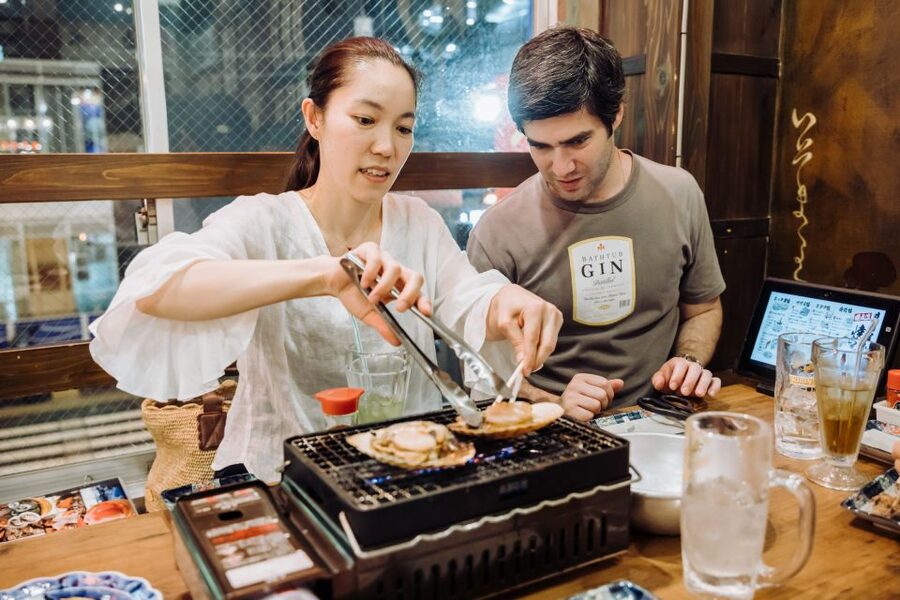
I would recommend it most strongly to first-time visitors, couples, families, and small private groups who want an easy introduction to Japanese food without spending hours researching restaurants. It is also a good fit if you want help with ordering, customs, and transport during your first days in Tokyo.
Food lovers who enjoy small plates and spontaneous choices should have a good time. So should anyone who prefers local streets and ordinary neighborhood restaurants over polished dining rooms. The chance to ask for a quieter alley, an adventurous dish, vegetarian food, or a classic ramen start gives you real control.
I would be more cautious if you are seeking a specialist culinary lecture, a cooking lesson, or a guaranteed market itinerary. You may learn plenty, but the experience depends on the host and your communication before the tour.
Should you book it?
Book this private Tokyo food tour if you value personal guidance more than a fixed schedule. At $172 per person, it is not a cheap meal, but it can be good value when you count the food, translation help, neighborhood orientation, and restaurant advice you take into the rest of your trip.
Before paying, complete the questionnaire carefully. State your food limits, preferred neighborhoods, drinking habits, walking pace, and interest in local customs. If you do that, the flexible format becomes the main advantage rather than a source of uncertainty.
FAQ
Where does the tour meet?
The central meeting point is JR Nakano Station, 5 Chome Nakano, Nakano City, Tokyo 164-0001, Japan. Hotel pickup can be arranged from a central Tokyo hotel.
How long does the experience last?
The food walk lasts three hours.
How many dishes and drinks are included?
You receive tastings of 8 to 10 local dishes and drinks from two or three eateries.
Is this a private tour?
Yes. It is a private group experience with a local food host.
Can the route be adapted to my food preferences?
Yes. You complete a questionnaire about your personality, interests, and food preferences. You can also communicate directly with your host before the tour.
Are transportation costs included?
No. The experience is a walking tour, but public transport or local taxis may be used between locations at an additional cost.
Which languages are available?
The tour is available with a live guide speaking English or Japanese.
Is the tour wheelchair accessible?
Yes, the experience is listed as wheelchair accessible. It remains a walking tour, so you should discuss the specific route with your host if needed.
Just added in Tokyo
- The 10 Tastings of Tokyo With Locals: Private Street Food Tour★ 5.0 · 48 reviews
- Small Town in the Big City: Tasting Tokyo’s Kichijoji★ 5.0 · 195 reviews
- Small Town in the Big City: Tasting Tokyo’s Kichijoji★ 5.0 · 16 reviews
- EXCLUSIVE Tokyo Secret: Kichijoji Small-Group Food & Bar Hopping★ 5.0 · 29 reviews
- Explore Kichijoji: Walk Through One of Tokyo’s Beloved Districts★ 5.0 · 21 reviews
- :Tokyo,Shibuya/ Pro Photography in Kimono / English-Friendly★ 5.0 · 26 reviews
- 【R34】Tokyo:Private Daikoku tour in Modified R34★ 4.9 · 92 reviews
- Tokyo:Calligraphy &Make your original folding fan in Asakusa★ 5.0 · 62 reviews
Food Tours, compared.
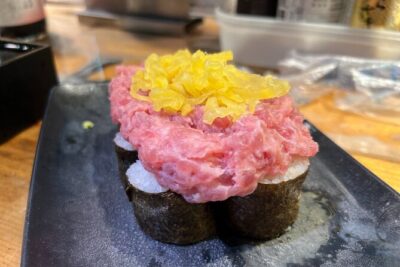
Shinjuku Food Tour (13 Dishes at 4 Local Eateries)
Read our review →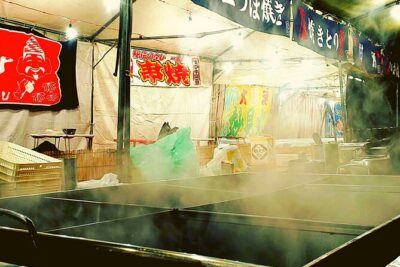
Osaka Food Tour: 13 Dishes at 5 Local Eateries
Read our review →
Best of Shinjuku: Izakaya Food Tour (4 Stops, 14+ Tastings)
Read our review →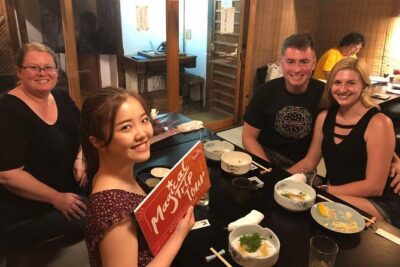
Kyoto Night Foodie Tour in Gion (9+ dishes + 6 Sake tastings)
Read our review →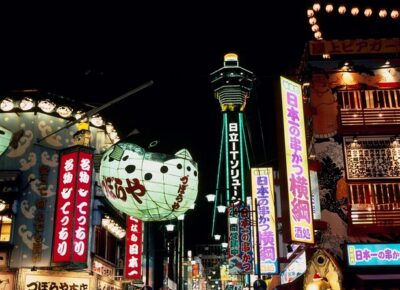
Hungry Osaka Street Food Tour:15 Tastings & 3 Drinks with a Local
Read our review →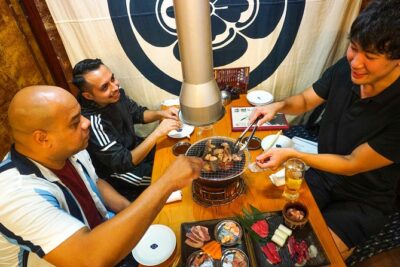
Tokyo Night Foodie Tour in Shinjuku – Seasonal Sushi, Wagyu Beef
Read our review →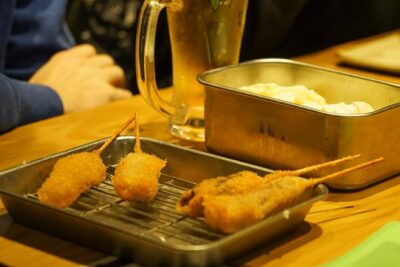
Osaka Local Foodie Walking Tour in Dotonbori and Shinsekai
Read our review →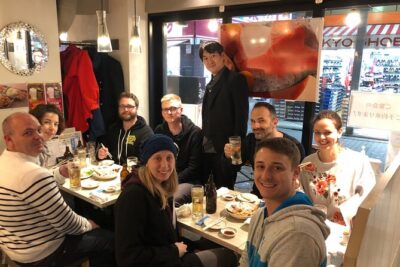
Eat and Drink Like a Local: Tokyo Ueno Food Tour-Taverns&Ramen
Read our review →Browse the lists this tour appears in