
Reviewed · IMPERIAL PALACE & HISTORIC SITES
Tokyo: Imperial Palace East Gardens and Tokyo Station Tour
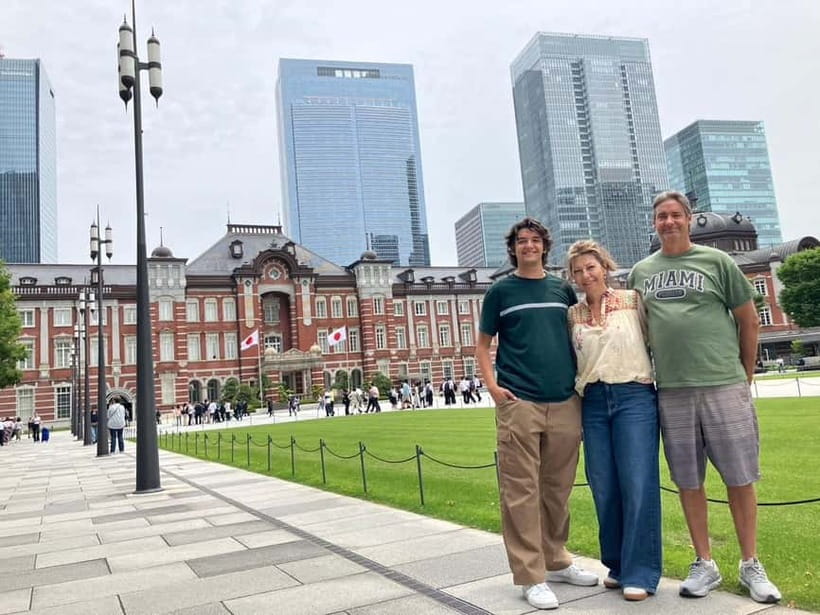
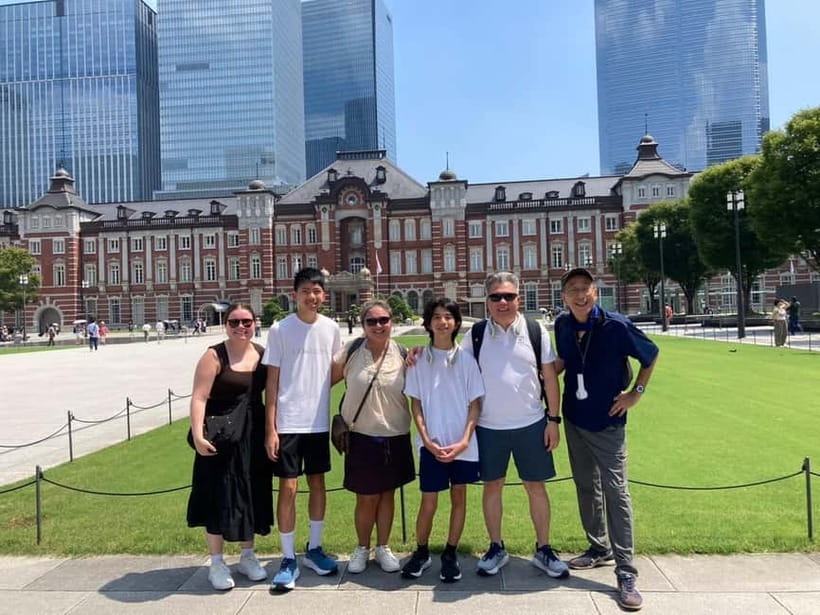
The most interesting part of this tour is the sharp change in scenery. You begin among moats, stone walls, garden ponds, and Edo Castle remains, then walk into Marunouchi’s polished office district before finishing at Tokyo Station’s red-brick facade. Tokyo’s past and present meet within a short route.
I like the clear focus on places you could easily pass without understanding, especially the guardhouses, watchtower, and castle ruins. I also like the guide-led storytelling. Yuki, one of the named guides, explains the area in a lively, humorous way that helps you picture Tokyo 400 years ago. Nijubashi and the restored station add some fine photo stops.
The main consideration is pace. Two and a half hours gives you a useful introduction, not a leisurely garden visit. You will do a moderate amount of walking, and backpacks are not allowed, so pack light and wear shoes that can handle pavement and garden paths.
Key points at a glance
- Edo Castle remains: See Ote-mon Gate, the Hyakunin Bansho Guardhouse, Fujimi-yagura, and the former castle grounds.
- Ninomaru Garden: Enjoy a quieter garden setting with a guide who explains Japanese garden design and its ties to the shogunate.
- Nijubashi views: Pause in the palace area for one of Tokyo’s best-known imperial views.
- Marunouchi contrast: Move from feudal walls and moats to contemporary buildings, public art, and corporate Tokyo.
- Tokyo Station finish: End at the beautifully restored red-brick station, a fitting marker of the city’s modern transformation.
- Flexible booking: The tour lasts 150 minutes, is wheelchair accessible, and offers free cancellation up to 24 hours before departure.
A short route through several versions of Tokyo
This is a useful tour for understanding Tokyo as a city built in layers. The Imperial Palace area preserves the footprint of Edo Castle and the power of the Tokugawa shogunate. Marunouchi shows the capital as a center of business and modern design. Tokyo Station brings the route to a grand, restored finish.
The $38 price is reasonable if you want context rather than simply a walk through attractive places. The East Gardens do not require an admission fee, so you are paying mainly for the guide, the route planning, and the explanations that connect scattered landmarks. If you already know Edo-period history and prefer to explore alone, the value is less clear. If this is your first visit to the palace grounds, the guide can help you notice far more than you would on your own.
The route lasts 150 minutes, or two and a half hours. That is long enough to cover the main sights without taking up an entire day. It is also short enough to pair with another central Tokyo activity, though you should leave room for extra walking before or after the scheduled route.
Other historic grounds in Tokyo:
- Tokyo: Imperial Palace and Shogun Historical Walking Tour
★ 5.0 · 2,251 reviews - Tokyo: Imperial Palace Japanese History Walking Tour
★ 4.9 · 987 reviews - Tokyo: Imperial Palace and Shogun Walking Tour
★ 4.9 · 935 reviews
Meeting near Wadakura Fountain Park
The starting point is the Starbucks Coffee Imperial Palace Gaien Wadakura Fountain Park branch. This gives you a recognizable meeting place near the palace grounds, but you should still check the exact starting time and allow time to find the café.
The opening setting is a good one. You are close to the outer palace area, where broad open space and carefully maintained grounds make a calm break from central Tokyo’s traffic. From here, the tour moves toward the East Gardens and the remains of Edo Castle.
This is an outdoor tour from the first minute. Bring water, sunscreen, a hat, and clothing suited to the weather. A camera is useful, but flash photography is not allowed. Smoking is also prohibited.
Ninomaru Garden and the art of controlled space
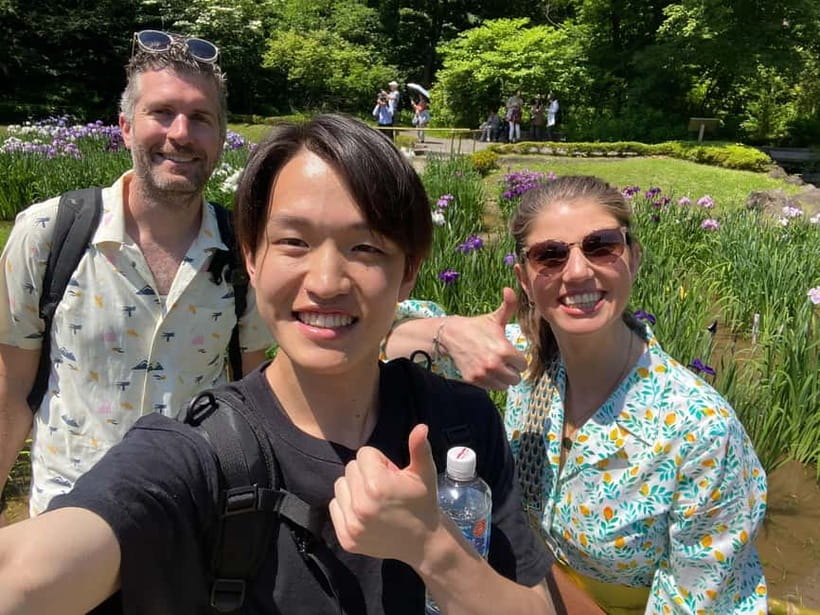
Ninomaru Garden is one of the tour’s best opportunities to slow down and look closely. Japanese gardens are designed around changing views, water, stones, plants, and carefully framed spaces. A guide can explain why the garden is more than decoration and how its design relates to the people who used the castle grounds.
I like this stop because it gives the historical story a human scale. Large political events can feel abstract when you hear only dates and names. A garden helps show how power was also expressed through movement, ceremony, privacy, and control of the view.
Do not expect a long, private garden visit. Ninomaru is one part of a moving walking tour, and the overall East Gardens portion is listed at about 30 minutes. You will get an introduction and useful interpretation rather than unlimited time for photographs or quiet reflection.
Entering the East Gardens through Edo Castle’s defenses
The East Gardens preserve key parts of the old Edo Castle site. The route includes Ote-mon Gate, a major entrance that helps you understand how visitors and officials once approached the castle. The stonework and surrounding defensive features make the palace area feel very different from the glass towers only a short walk away.
The Hyakunin Bansho Guardhouse adds another practical detail. Its name refers to a guardhouse associated with a large body of guards, and the stop helps turn the castle from a vague historic idea into a working compound with checkpoints, ranks, and restricted movement.
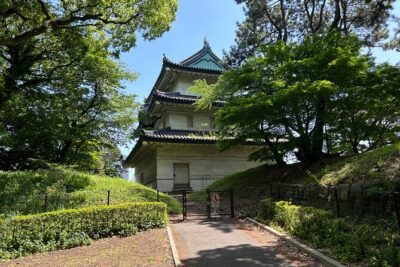
You will also hear about the Edo Castle ruins and the Fujimi-yagura watchtower. The watchtower is especially useful for picturing the castle’s defensive system and the need to survey the grounds. The original main keep is no longer present, but the tour includes a scale model of the Edo Castle main keep. That model can fill in what the remaining walls and foundations cannot show.
This is where the guide matters most. The physical remains are impressive, but without explanation they can look like isolated stones and grassy spaces. Yuki is praised for making the period easy to picture, using humor and clear examples rather than turning the walk into a formal lecture.
Other gardens to walk in Tokyo:
- Imperial Palace East Garden and Edo Castle Walking Tour in Tokyo
★ 5.0 · 510 reviews - Tokyo: Imperial Palace East Gardens Walking Tour
★ 4.8 · 353 reviews - Tokyo Castle, Imperial Palace, Shogun & Garden Walking Tour
★ 5.0 · 211 reviews - Tokyo: Edo Castle & East Garden of the Imperial Palace Tour
★ 4.7 · 112 reviews
Honmaru and the former castle center
The route continues through the Honmaru area, the central compound of the old castle. This section gives you a sense of the scale and importance of Edo Castle, even though the buildings that once filled the site are largely gone.
A good guide will help you connect the open grounds to the political structure of the Edo period. The shogunate governed Japan from this center for centuries, and the castle was not simply a residence. It was a place of administration, ceremony, military authority, and strict access.
The supplied information does not promise interior palace access or special entry to restricted areas. Expect an outdoor visit to the East Gardens and historic remains. That makes comfortable footwear important, especially since the tour includes several stops rather than one short viewpoint.
Nijubashi and the imperial setting
The palace area also provides scenic views of Nijubashi Bridge. The bridge is one of the most recognizable views associated with the Imperial Palace, and it offers a strong visual pause after the castle ruins and garden paths.
Here, the focus shifts from the Tokugawa shogunate to Japan’s imperial institution. The tour places both stories on the same route, helping you see that the palace grounds carry several chapters of national history rather than one single era.
You should expect the guide to explain the imperial setting from public viewpoints. This is not advertised as a private palace interior tour. The value comes from the setting, the views, and the historical connections made along the way.
Kokyo Gaien National Garden is also part of the broader route. Its open spaces help create a transition between the enclosed feel of old castle grounds and the city blocks beyond. It is a good place to look back toward the palace area and notice how much open ground remains in the center of Tokyo.
The ten-minute walk into Marunouchi
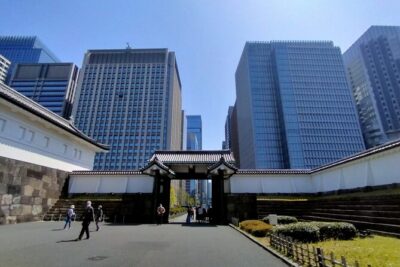
The transition to Marunouchi takes about ten minutes on foot. This is not dead time. It is the point where Tokyo’s visual story changes in front of you.
You leave moats, guardhouses, and garden spaces for broad streets, office buildings, public art, and carefully planned urban architecture. Marunouchi is one of Tokyo’s clearest examples of how an old political center became a modern business district.
I like this part because it prevents the tour from becoming a history lesson sealed inside a garden. You see how the palace relates to the city around it. The route also gives you a chance to compare materials and scale: rough defensive stonework and traditional garden forms against steel, glass, and formal commercial buildings.
The exact amount of time spent on architecture and art is not specified, so do not expect a long gallery-style visit. The emphasis is on outdoor sightseeing and the contrast between old and new Tokyo.
Tokyo Station and the red-brick finale
The final stop is Tokyo Station, where the tour ends. The station’s restored red-brick exterior is an excellent closing image because it represents a different stage in Tokyo’s development. After seeing samurai-era defenses and imperial grounds, you arrive at a major rail landmark built for the modern capital.
The station is not merely a transport hub in this context. Its facade gives the route a sense of arrival and helps show how Tokyo shifted from castle-centered rule to a city linked by rail, commerce, and modern institutions.
The tour focuses on the station exterior and concludes at Tokyo Station. It does not promise an extended interior tour, shopping time, or a train orientation. Plan to explore inside later if you want more time for the building, food, or rail connections.
Finishing here is practical, too. Tokyo Station is a useful place to continue your day, though the tour itself does not include transportation beyond walking. You can end with photographs, a meal, or your next train, depending on your plans.
The guide makes the difference
The strongest part of this experience is the quality of the explanation. Yuki is specifically praised for making the castle area easy to understand, adding humor, and giving vivid context for life around Edo Castle. The comments also point to good organization, kindness, and close study of each site.
Those details matter because this route contains many names and periods that can blur together. Ote-mon Gate, Ninomaru Garden, Honmaru, Fujimi-yagura, Nijubashi, and Marunouchi each tell a different story. A guide who explains the links between them can keep the walk from becoming a parade of unfamiliar terms.
The tour offers live guiding in English, Japanese, Spanish, Chinese, and French. Guide assignment may vary, so Yuki should not be assumed as your guide on every departure. Still, the format is clear: you are booking a live, language-supported walk rather than an audio guide or self-guided route.
Walking comfort, access, and what to carry
The tour is wheelchair accessible, but it is also described as involving a moderate amount of walking. Those two facts can both be true, yet you may still want to ask about the exact route if you have particular mobility needs.
Wear comfortable shoes. You will walk through gardens, historic grounds, open public spaces, and city streets. Weather can affect comfort, so check the forecast and dress appropriately.
Bring water, sunscreen, a hat, a camera, and clothing suited to the conditions. Flash photography is not allowed. Backpacks are also listed among the prohibited items, so do not assume you can arrive with a full daypack. Keep your belongings light and confirm what type of small bag is acceptable before setting out.
The tour does not include an admission fee for the East Gardens because no admission fee is required. That keeps the $38 price focused on the guided experience. You also have the option to cancel up to 24 hours in advance for a full refund, and reserve now while paying later, which is useful when your Tokyo schedule is still changing.
Who will get the most from this walk?
I would recommend this tour to a first-time Tokyo visitor who wants a clear introduction to the Imperial Palace area without spending a full day in a museum. It also suits anyone interested in samurai-era architecture, garden design, Edo Castle, Japanese political history, and the way old sites fit into a modern capital.
It is a good match for families and mixed-interest groups because the route changes setting often. One person can enjoy the gardens, another can focus on castle history, and everyone gets the visual payoff of Tokyo Station.
It may be less suitable if you want a slow photographic session, extensive free time, or a detailed visit inside the palace. The schedule keeps moving, and the tour covers several districts in 150 minutes.
Should you book the Imperial Palace and Tokyo Station walk?
Book it if you want the palace area to make sense, not just look attractive. For $38, you get a guided route through Edo Castle remains, Ninomaru Garden, Honmaru, Kokyo Gaien, Marunouchi, Nijubashi viewpoints, and Tokyo Station, with history and design connecting the stops.
Skip it if you already know the Imperial Palace grounds well or prefer to set your own pace. Otherwise, this is a smart central Tokyo introduction, especially if you value a guide who explains the past in plain language and adds a little humor along the way. Bring light luggage, wear good shoes, and treat the tour as a focused overview rather than a leisurely garden outing.
FAQ
How long does the tour last?
The tour lasts 150 minutes, or two and a half hours.
Where does the tour start?
It starts at Starbucks Coffee Imperial Palace Gaien Wadakura Fountain Park.
Where does the tour finish?
The tour finishes at Tokyo Station.
Is admission to the Imperial Palace East Gardens included?
The East Gardens do not require an admission fee, and the guided visit is included in the tour.
What places are covered?
The route includes Ninomaru Garden, the Imperial Palace East Gardens, Ote-mon Gate, the Hyakunin Bansho Guardhouse, Edo Castle ruins, Fujimi-yagura, the Honmaru area, Kokyo Gaien National Garden, Marunouchi, Nijubashi viewpoints, and Tokyo Station’s exterior.
Which languages are available?
Live guiding is available in English, Japanese, Spanish, Chinese, and French.
Is the tour wheelchair accessible?
Yes, the activity is listed as wheelchair accessible. It also involves a moderate amount of walking.
What should I bring?
Bring comfortable shoes, a hat, a camera, sunscreen, water, and weather-appropriate clothing.
Can I cancel the booking?
Yes. You can cancel up to 24 hours in advance for a full refund. You can also reserve now and pay later.
Just added in Tokyo
- The 10 Tastings of Tokyo With Locals: Private Street Food Tour★ 5.0 · 48 reviews
- Small Town in the Big City: Tasting Tokyo’s Kichijoji★ 5.0 · 195 reviews
- Small Town in the Big City: Tasting Tokyo’s Kichijoji★ 5.0 · 16 reviews
- EXCLUSIVE Tokyo Secret: Kichijoji Small-Group Food & Bar Hopping★ 5.0 · 29 reviews
- Explore Kichijoji: Walk Through One of Tokyo’s Beloved Districts★ 5.0 · 21 reviews
- :Tokyo,Shibuya/ Pro Photography in Kimono / English-Friendly★ 5.0 · 26 reviews
- 【R34】Tokyo:Private Daikoku tour in Modified R34★ 4.9 · 92 reviews
- Tokyo:Calligraphy &Make your original folding fan in Asakusa★ 5.0 · 62 reviews
Imperial Palace & Historic Sites, compared.
Imperial Palace and Shogun Historical Walking Tour
Read our review →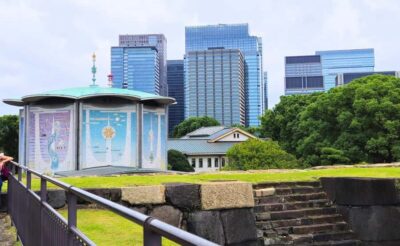
Imperial Palace East Garden and Edo Castle Walking Tour in Tokyo
Read our review →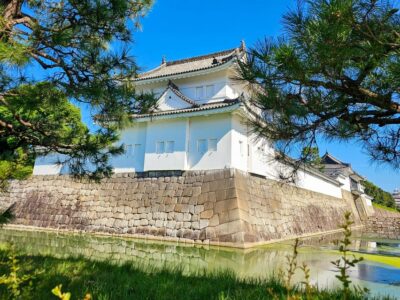
Imperial Palace & Nijo Castle Guided Walking Tour
Read our review →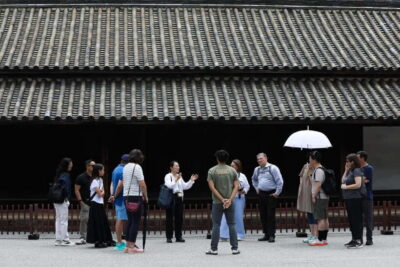
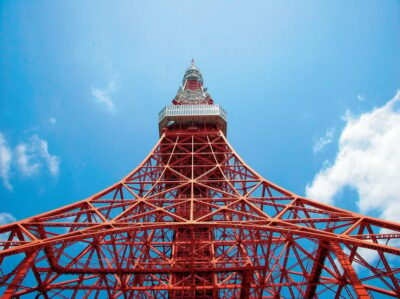
Imperial Palace, Sensō-ji Temple, & Tokyo Tower Tour
Read our review →
Tokyo Castle, Imperial Palace, Shogun & Garden Walking Tour
Read our review →
Imperial Palace, the history of Japan (ENGLISH GUIDE)
Read our review →Browse the lists this tour appears in