
Reviewed · IMPERIAL PALACE & HISTORIC SITES
Tokyo: Imperial Palace East Gardens Walking Tour
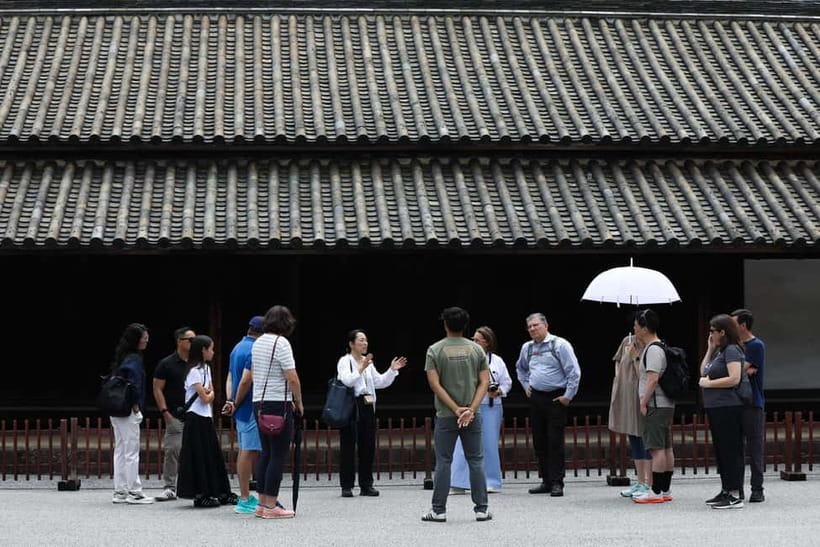
Tokyo’s Imperial Palace East Gardens give you two sides of Tokyo in one walk: the polished capital of today and the former stronghold of the Tokugawa shoguns. The most rewarding part is seeing how castle foundations, guard houses, ponds, stone walls, and carefully arranged trees still explain the shape of old Edo.
I like the way this tour connects military architecture with garden design, rather than treating the gardens as a collection of pretty views. I also like the seasonal payoff: cherry blossoms in spring and autumn foliage in fall can give the same route a very different mood. The main consideration is simple: this tour does not enter the Imperial Palace itself, and the 2.5-hour walk may feel long in hot, wet, or cold weather.
Key points at a glance
- Follow the Tokugawa shoguns’ former grounds: See the East Gardens as part of Edo Castle, once the center of political and military power in Japan.
- Study the Honmaru remains: Castle foundations, gates, and defensive structures help you picture a complex that no longer survives intact.
- Slow down in Ninomaru Garden: Traditional trees, ponds, bridges, stone lanterns, and clipped plants create the tour’s calmest stretch.
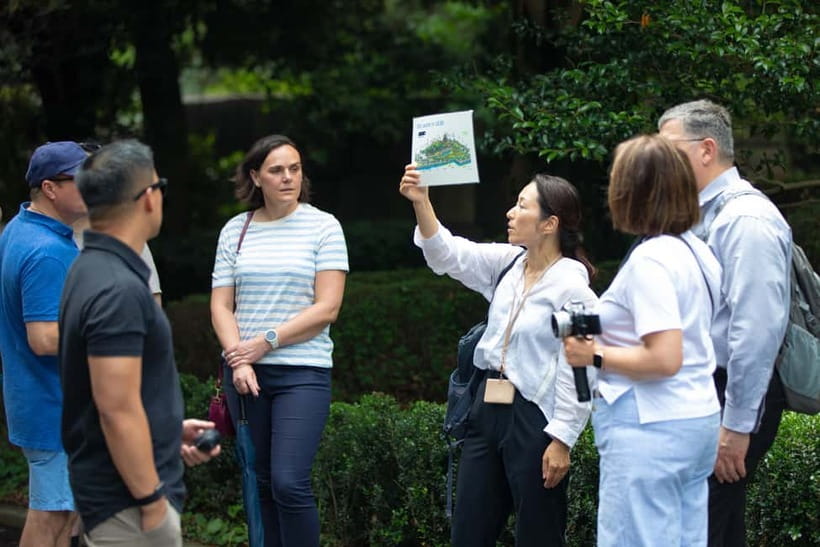
- Learn through stories, maps, and visual aids: Guides such as Mei have used printed images and old maps to make the vanished castle easier to understand.
- Meet near Tokyo Station: The starting point is Starbucks Coffee at Kokyo Gaien Wadakura Fountain Park, with the tour returning to the same area.
- Pay $19 for a 150-minute guided walk: That is a fair price if you want context, not just a solo stroll through the grounds.
Why the East Gardens are worth your time
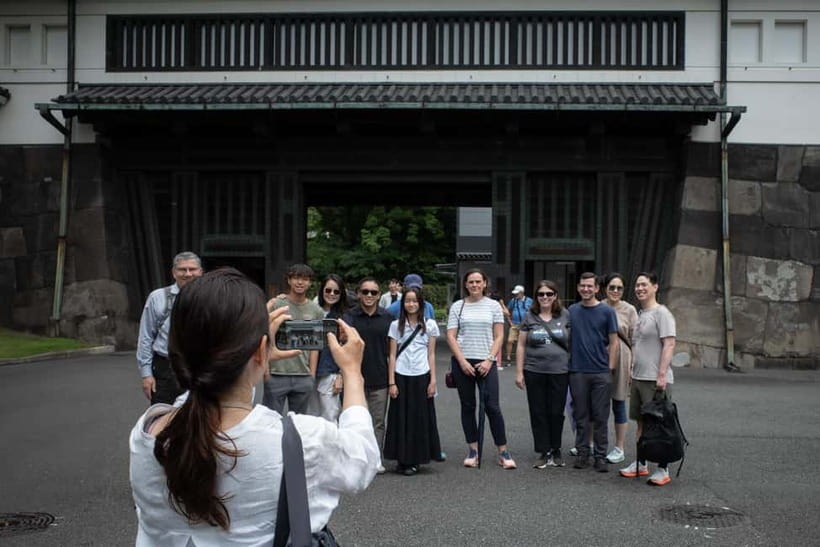
The Imperial Palace sits at the heart of modern Tokyo, but the East Gardens occupy part of the former Edo Castle grounds. During the Edo period, the Tokugawa shoguns ruled Japan from this enormous castle complex. The gardens you see today are not a preserved castle town. They are a mixture of open lawns, surviving stonework, reconstructed or preserved features, ponds, trees, and traces of the old compounds.
That mixture is exactly what makes a guided walk useful. On your own, you can admire a broad stone wall or an empty grassy area without knowing what once stood there. A good guide turns those gaps into a readable plan. You begin to understand where the main compound was, how gates controlled movement, and why raised stone foundations mattered.
I would not choose this tour only for palace photographs. The Imperial Palace is not open to you on this walk, and the East Gardens are not a fully intact castle. I would choose it if you want to understand how Tokyo grew from a feudal seat of power into the capital you see today.
Other walking tours in Tokyo people book:
- Tokyo Tsukiji Fish Market Food and Culture Walking Tour
★ 5.0 · 3,184 reviews - Tokyo: Imperial Palace and Shogun Historical Walking Tour
★ 5.0 · 2,251 reviews - Tokyo: Shinjuku Local Bar and Izakaya Guided Walking Tour
★ 4.9 · 1,794 reviews
Starting at Wadakura Fountain Park
The meeting point is near Starbucks Coffee at Kokyo Gaien Wadakura Fountain Park, at coordinates 35.68299330000001, 139.7611971. You return to this same area after the walk, which makes the route easy to fit into a day of sightseeing around Tokyo Station and the Marunouchi district.
The meeting point matters because the palace grounds cover a large area. You do not want to begin by wandering around the wrong entrance or trying to find a guide among the office towers. Give yourself enough time to locate the Starbucks and nearby fountain park, then look for the guide waiting close by.
The tour is offered in English. The guide is not just there to point out trees. The best part of the experience is the spoken explanation, so arrive ready to ask questions. Several guides, including Mei, Kei, Wakana, Mieko, Miyu, and Tatsie, have been singled out for friendly delivery, clear English, humor, and patience with questions.
Seeing Edo Castle through what remains

The Honmaru area was once the main compound of Edo Castle. Today, you see remnants rather than grand interiors. Castle foundations, gates, and defensive features give you clues about the old layout, but you will need to use your imagination.
That is where the guide’s storytelling earns the $19 fee. A bare foundation can seem unimpressive until you learn what it supported and how it fitted into the wider castle. The military details also add substance to what might otherwise be a pleasant but vague park walk. You can look at the height and placement of walls, consider controlled entrances, and picture the castle as a working seat of power rather than a decorative palace.
One especially useful feature is the use of printed maps and photographs. Mei has used laminated visual aids to show how Edo Castle looked and how its compounds related to one another. Since much of the original castle is gone, these aids help bridge the gap between the quiet garden in front of you and the huge complex that once occupied it.
I appreciate this kind of explanation because it keeps the tour grounded. You are not asked to admire ruins simply because they are old. You are shown what the stones did, how the castle functioned, and why the site mattered.
Ninomaru Garden, the quiet center of the walk
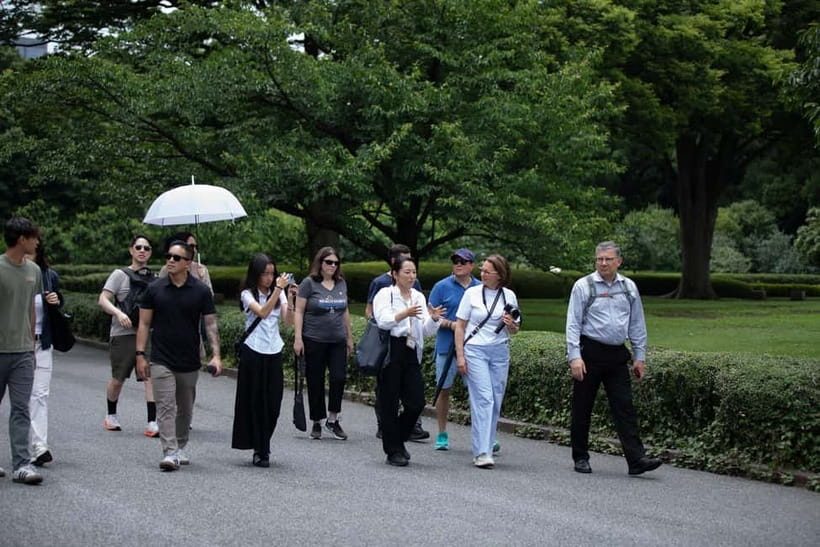
Ninomaru Garden offers a change of pace from the castle remains. Here, traditional Japanese design comes forward through carefully arranged trees, shrubs, ponds, bridges, and stone lanterns. The garden is not meant to feel crowded with objects. Its appeal comes from spacing, balance, and views that reward a slower walk.
The garden is also a good place to notice details you could easily miss alone. You might find carefully pruned trees, tranquil water, and distinctive koi. One unusual detail mentioned during the tour is a special breed of koi associated with a member of the royal family. The point is not simply the fish itself. It shows how the palace grounds connect gardening, royal life, breeding traditions, and Japanese taste.
The guide usually keeps the pace moving, but the tour allows time to take in the setting. At the end, you may have some personal time in the Japanese garden for photographs and quiet looking. Guides have also suggested good picture spots and offered to take photos, a small service that is genuinely useful when you are traveling as a couple or family.
Do not expect every section to feel equally dramatic. Some of the East Gardens are open and spacious rather than packed with monuments. That quiet is part of the appeal, but anyone seeking constant spectacle may prefer a busier Tokyo attraction.
Other historic grounds in Tokyo:
- Tokyo: Imperial Palace Japanese History Walking Tour
★ 4.9 · 987 reviews - Tokyo: Imperial Palace and Shogun Walking Tour
★ 4.9 · 935 reviews - Imperial Palace East Garden and Edo Castle Walking Tour in Tokyo
★ 5.0 · 510 reviews - Tokyo: Imperial Palace, Sensō-ji Temple, & Tokyo Tower Tour
★ 4.5 · 339 reviews
Seasonal beauty: spring flowers and autumn color
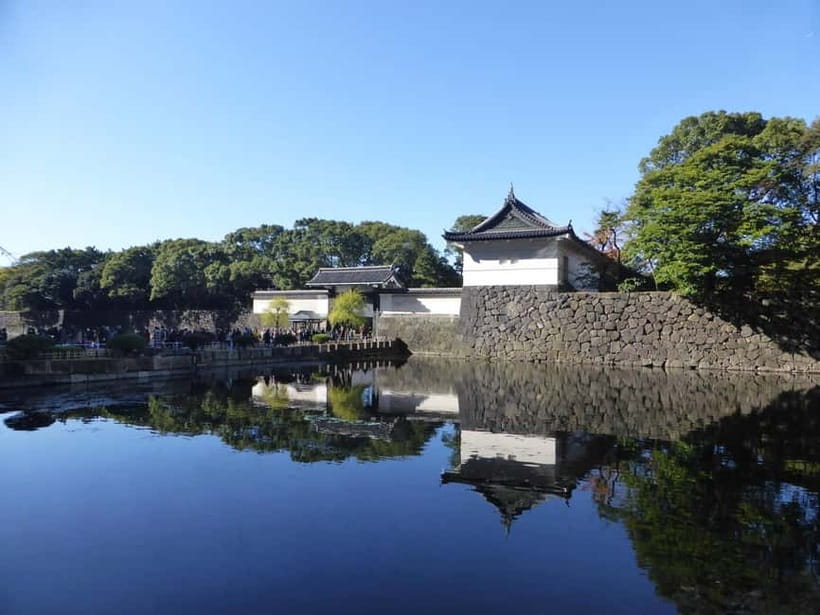
Spring is the obvious choice if cherry blossoms are high on your Tokyo wish list. The East Gardens offer a setting where blossoms appear alongside old walls, paths, and garden features. That combination is more appealing to me than a stand-alone flower display because the historical setting gives the views more character.
Fall brings a different reward. Colorful foliage can make the garden’s ponds, bridges, and clipped trees especially attractive. Late November and early December can be a strong period for autumn color, based on the seasonal experience described by visitors to the tour.
Still, do not book solely on the hope of perfect seasonal conditions. Blossom and foliage timing varies, and the tour runs in rain as well as clear weather. A guide can help keep the walk interesting in poor conditions, but you should wear practical shoes and bring weather protection. The route lasts 150 minutes, so comfort matters more than dressing for a single photograph.
Summer can be less forgiving because the walk is outdoors and includes extended time on foot. Winter may offer clearer views and fewer seasonal distractions, while the bare garden makes the stonework and layout easier to study. I see the tour as worthwhile in any season, but for pure garden beauty, spring and fall have the strongest appeal.
What the guides add to the experience
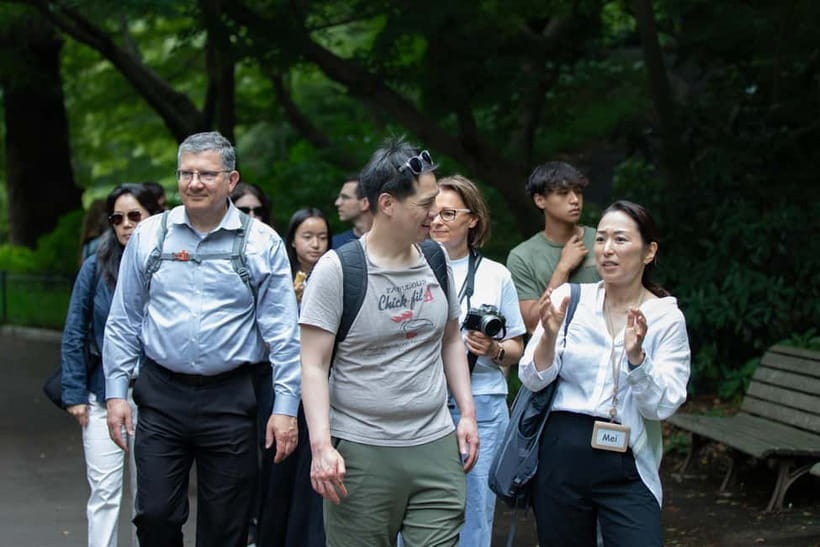
The guide quality is the strongest thread running through the experience. Mei is repeatedly praised for combining history, humor, patience, and practical Tokyo suggestions. Kei is described as friendly and willing to answer a wide range of questions. Wakana is praised for a well-paced walk and clear explanations, while Mieko, Miyu, Tatsie, Midori, Fuku, Loc, and others have also been appreciated for making the history approachable.
That variety matters because this is a story-led tour. The stones and trees do not change, but the delivery can. The strongest guides appear to explain the shoguns, emperors, samurai culture, castle planning, Japanese customs, and the modern Imperial family without turning the walk into a dry lecture.
Some guides also add light jokes and modern references. That helps when the subject becomes dense. You are dealing with several layers of power and succession, and a touch of humor can keep the information from blurring together.
I would ask questions as you go. The guides have been praised for patience, and the walk is more useful when you connect the site to your own interests. Ask about the castle’s defenses, the difference between shogun and emperor, garden design, or what happened to the original buildings. The tour is designed for conversation, not just a procession from one sign to the next.
Is $19 good value for 150 minutes?
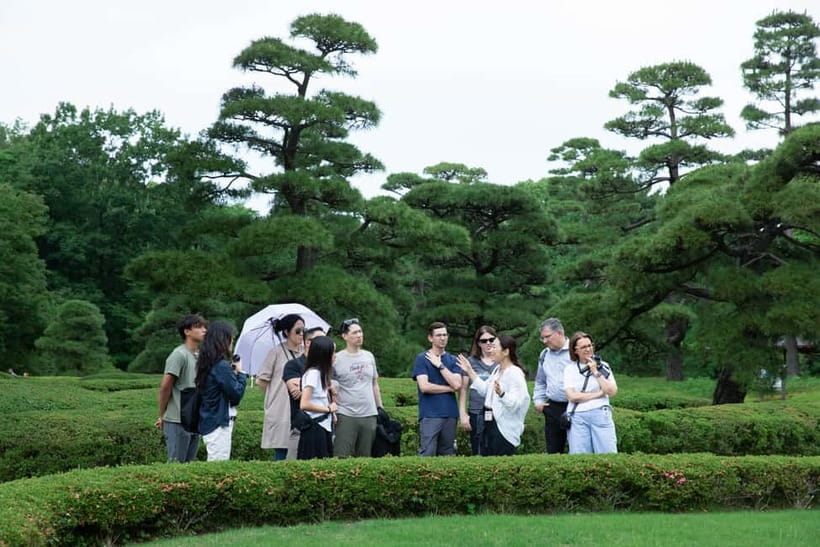
At $19 per person, this is inexpensive for a 2.5-hour guided walk in central Tokyo. The gardens themselves are the setting, but you are paying mainly for interpretation. If you already know Edo-period history and prefer to read signs at your own pace, you may find the tour less necessary.
For most first-time visitors, I think the price is fair. The East Gardens are attractive on their own, yet the missing castle buildings make them harder to read without background. A guide fills in the lost pieces and helps you see why a foundation, wall, or guard house deserves attention.
The value is also practical. Guides have offered photo help and suggestions for other places to visit, restaurants, and ways to continue exploring Tokyo. Those extras are not the formal product, but they can make the tour more useful early in a trip, when you are still sorting out the city.
The price does not include entry to the Imperial Palace, and the tour does not go inside the palace. Keep that distinction clear when comparing it with other palace experiences. This is an East Gardens and former Edo Castle walk, not an interior palace visit.
Pace, access, and practical planning
The tour lasts 150 minutes and is listed as wheelchair accessible. Even so, you should plan for a substantial amount of outdoor movement and check conditions that could affect your comfort. The tour proceeds in rain, and one guide has been praised for keeping a group happy during wet weather, but an umbrella or rain jacket remains sensible.
Wear shoes suited to walking. You will be moving through gardens and historic grounds rather than sitting for long stretches. Bring water in warm weather and allow room in your schedule for the walk to finish at the original meeting area.
The tour can work well on a first or last day in Tokyo. On a first day, it gives you a clear historical framework for the city. On a last day, it offers a calmer contrast to shopping streets, high-rise districts, and packed stations. I would avoid placing it immediately before a rigid timed booking, since outdoor walks can be affected by weather and the size of the grounds.
Free cancellation is available up to 24 hours before the start, and you can reserve now while paying later. Those terms are useful when your Tokyo plans are still shifting, but the more important decision is seasonal and personal: do you want a guided history walk or a quick garden visit?
Who should book this Imperial Palace walk?
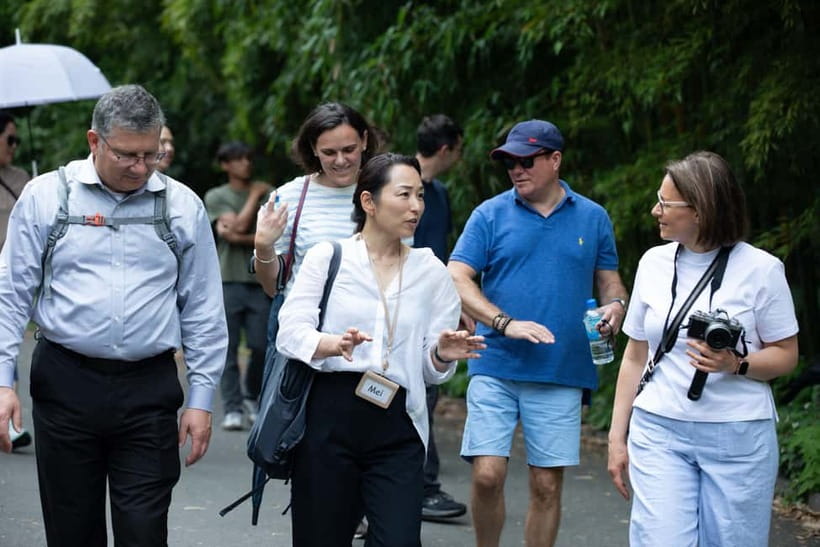
I recommend it to first-time visitors who want a clear introduction to shogun-era Japan without committing to a full museum day. Families can benefit from the stories and visual aids, especially when children need more than bare ruins to stay interested.
It also suits travelers who enjoy gardens but want more than a photo stop. Ninomaru Garden provides the calm, carefully ordered side of Japanese design, while Honmaru and the defensive remains show the practical side of the former castle.
History fans will get the most from the tour, but you do not need prior knowledge. The guides explain the basic roles of shoguns and emperors, connect the gardens to Edo Castle, and answer questions along the route.
I would think twice if you want to enter the Imperial Palace, avoid a 2.5-hour walk, or prefer complete freedom to stop wherever you wish. The East Gardens can be visited without a guide, and independent visitors may enjoy setting their own pace.
Should you book it?
Book this tour if you want the East Gardens to make sense, not simply look pretty. For $19, you get a 150-minute English walk through former Edo Castle grounds, with attention to Honmaru ruins, Ninomaru Garden, castle defenses, seasonal plants, and the changing roles of shoguns and emperors.
The best reason to book is the guide. Mei, Kei, Wakana, Mieko, and several others have been praised for warmth, humor, clear explanations, and useful visual aids. Just remember that the Imperial Palace interior is not part of the route. If that limitation suits your plan, this is a practical, good-value way to connect old Edo with modern Tokyo.
FAQ
Where does the tour start?
The tour starts near Starbucks Coffee at Kokyo Gaien Wadakura Fountain Park. The coordinates are 35.68299330000001, 139.7611971.
Where does the tour finish?
The walk returns to Starbucks Coffee at Kokyo Gaien Wadakura Fountain Park.
How long does the tour last?
The tour lasts 150 minutes, or 2.5 hours.
Is the Imperial Palace interior included?
No. The tour does not go inside the Imperial Palace. It explores the East Gardens and former Edo Castle grounds.
What language is the tour offered in?
The tour is conducted in English with a live guide.
What will I see in the Honmaru area?
You can see remnants of the former main compound of Edo Castle, including castle foundations, gates, and defensive structures.
What is special about Ninomaru Garden?
Ninomaru Garden is known for traditional Japanese design, with arranged trees and shrubs, ponds, bridges, and stone lanterns.
Is the tour wheelchair accessible?
Yes, the activity is listed as wheelchair accessible.
Can I cancel for a refund?
Yes. You can cancel up to 24 hours in advance for a full refund. You can also reserve now and pay later.
More walking tours elsewhere in Japan
- Tokyo: Tsukiji Fish Market Food and Walking tour
★ 5.0 · 1,724 reviews - Tokyo: Asakusa Walking Tour with Sensoji Temple Visit
★ 4.8 · 1,583 reviews - Tokyo: Tsukiji Fish Market Guided Walking Tour
★ 4.9 · 1,397 reviews - Tokyo Castle & Imperial PalaceーShogun Walking Tour
★ 4.7 · 1,068 reviews
More gardens in Tokyo
- Tokyo Castle, Imperial Palace, Shogun & Garden Walking Tour
★ 5.0 · 211 reviews - Osaka: teamLab Botanical Garden Entry Ticket
★ 4.5 · 1,710 reviews - Kyoto Arashiyama Walking Tour: Bamboo, Monkeys, Gardens & Secrets
★ 5.0 · 1,216 reviews - Kyoto Zen Meditation & Garden Tour at a Zen Temple with Lunch
★ 5.0 · 441 reviews
Just added in Tokyo
- Nikko: Edo Wonderland Edomura Cultural Theme Park Ticket★ 4.3 · 205 reviews
- 《MEMBERS-ONLY-BAR-HOPPING》Discover Your Special Whiskey in Tokyo!★ 5.0 · 29 reviews
- Japanese Whisky Hunting《HIGH-QUALITY-ONLY》Rare Tasting Class★ 5.0 · 20 reviews
- Luxury Tokyo Sake, Cocktail, Whisky and Pairing Tour★ 5.0 · 18 reviews
- Wagyu & Sake Pairing in Shinjuku – Steak, Shabu-Shabu & More★ 5.0 · 112 reviews
- Small-Group Wagyu Beef and 7 Japanese Dishes Tokyo Cooking Class★ 5.0 · 190 reviews
- From Tokyo: Private Tour to Fuji/Hakone – Onsen, Art, Nature★ 5.0 · 116 reviews
- Tokyo: KABUKI Show at Kabukiza Theatre Admission Ticket★ 4.8 · 152 reviews
Imperial Palace & Historic Sites, compared.
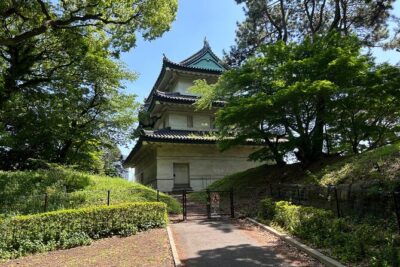
Imperial Palace and Shogun Historical Walking Tour
Read our review →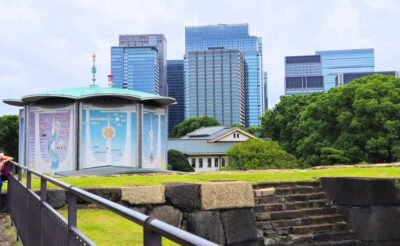
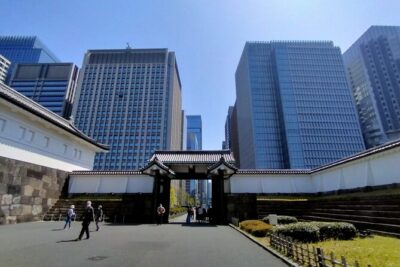
Imperial Palace East Garden and Edo Castle Walking Tour in Tokyo
Read our review →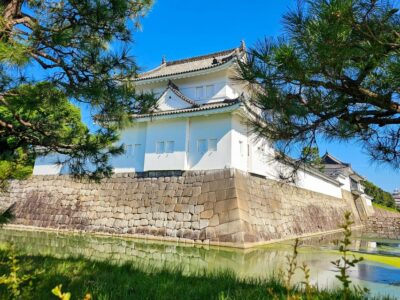
Imperial Palace & Nijo Castle Guided Walking Tour
Read our review →
Imperial Palace, Sensō-ji Temple, & Tokyo Tower Tour
Read our review →
Tokyo Castle, Imperial Palace, Shogun & Garden Walking Tour
Read our review →Browse the lists this tour appears in