
Reviewed · IMPERIAL PALACE & HISTORIC SITES
Tokyo: Imperial Palace, the history of Japan (ENGLISH GUIDE)
Tokyo’s Imperial Palace grounds tell Japan’s story in layers: samurai power, imperial rule, war, rebuilding, and modern government. This walking tour focuses on the eastern gardens of the former Edo Palace, where stone walls, old foundations, gates, and carefully tended gardens make the past easy to picture. The vanished main castle is not a missing attraction to shrug off. Its absence is part of the story your guide explains.
I like two things here. First, the tour gives you context instead of just pretty garden views. Second, the small-group feel can make the visit more conversational. Guide Nicolas, described as Franco-Japanese, has answered questions about Japanese mythology, language, the imperial family, and everyday Japan. The main point to check is the language: the tour title says English guide, but the supplied details repeatedly list French.
- Edo Castle under your feet: Walk across the former base of Edo Castle, more than 350 years old.
- A palace that is no longer there: Learn why the main castle disappeared, plus see a miniature version of the former palace.
- Special koi: Look for a distinctive breed of koi found only here.
- Trees from across Japan: See plantings connected with different prefectures.
- A practical central meeting point: Meet near Starbucks in Wadakuramon Fountain Park, five to ten minutes from Tokyo or Otemachi Station.
- A small-group advantage: The experience can feel personal, with time for questions and conversation.
Why Edo Castle Makes a Better History Lesson Than a Palace Interior
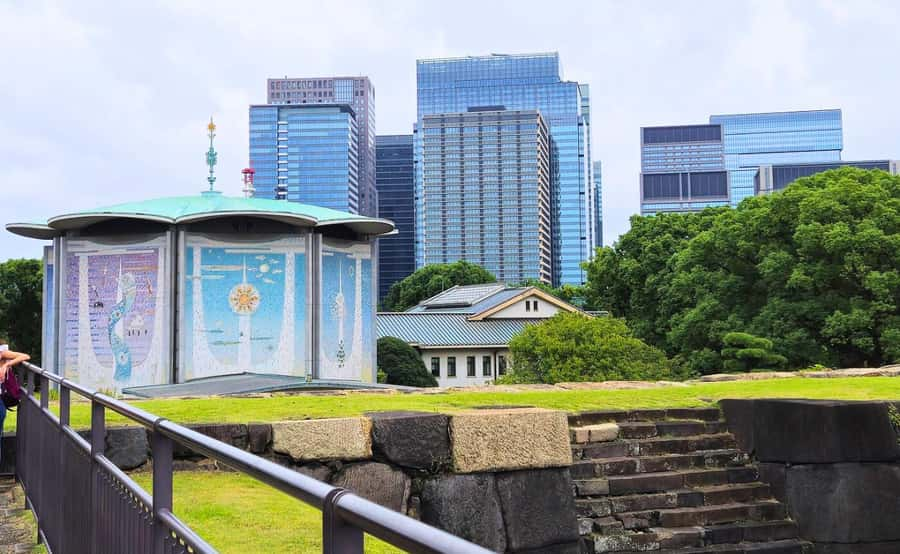
The Imperial Palace is not simply a grand residence waiting for you to enter. Much of the palace itself is closed to the public, and this tour does not include access to the inner palace. Instead, you explore the eastern gardens of the former Edo Palace, part of the old Edo Castle complex.
That distinction matters. You are not signing up for a room-by-room palace tour with lavish interiors. You are walking through a former seat of military and political power, using surviving walls, foundations, gardens, and open spaces to understand how Japan changed.
Edo Castle was central to the Tokugawa shogunate, the military government that ruled Japan for more than two centuries. The tour places you at the former castle base and explains how that world eventually gave way to modern Japan and the imperial system.
I like this approach because the site asks you to use your imagination. A standing castle can make the past feel finished and tidy. Ruins leave room for questions. Why did the main castle disappear? What did the old barracks do? How did the palace grounds change from a military center to part of modern Tokyo? Those are the useful questions here.
Your guide’s role is especially important. Without interpretation, you could stroll through attractive gardens, photograph stonework, and miss the larger story. With a guide, the site becomes a map of political change.
Meeting at Wadakuramon Fountain Park
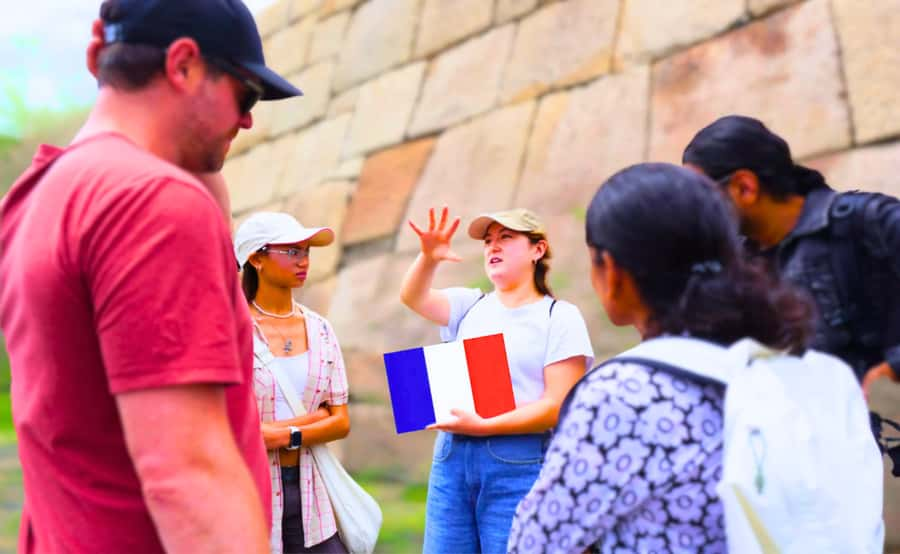
The tour begins at Wadakuramon Fountain Park, near the Starbucks by the fountain. From Tokyo Station or Otemachi Station, allow about five to ten minutes on foot. That sounds simple, but Tokyo Station has a famously large network of exits and underground passages, so give yourself extra time beyond the stated walk if you do not know the area.
Look for a guide holding a sign with the SUNRISE ADVENTURE logo. This is a clear meeting arrangement, and the fountain gives you a useful landmark in an otherwise busy central district.
The group then walks together to Otemon, the large main gate of the Imperial Palace. The meeting point is not inside the palace grounds, so do not head directly to a random palace entrance and expect to find the guide there.
Punctuality matters. If you are more than ten minutes late, the group may begin without you. I would arrive at least fifteen minutes early, especially if you are navigating Tokyo Station for the first time.
The experience ends back at the same meeting point. That makes it easy to continue sightseeing around Tokyo Station, Marunouchi, or Otemachi afterward, though the tour information does not provide a set duration, so avoid booking a tight follow-up plan.
Other historic grounds in Tokyo:
- Tokyo: Imperial Palace and Shogun Historical Walking Tour
★ 5.0 · 2,251 reviews - Tokyo: Imperial Palace Japanese History Walking Tour
★ 4.9 · 987 reviews - Tokyo: Imperial Palace and Shogun Walking Tour
★ 4.9 · 935 reviews
Entering Through Otemon, the Main Gate
Otemon provides the natural opening to the walk. Passing through a major gate gives you an immediate sense of scale and helps frame the palace grounds as a fortified complex rather than a simple urban park.
From here, the guide leads you through the eastern gardens. Expect a walking tour rather than a fixed indoor route. The emphasis is on the connection between physical remains and historical events.
The main castle no longer exists. That may disappoint anyone hoping for a classic Japanese castle silhouette, but the explanation of its disappearance is one of the central moments of the visit. You also have the chance to see a miniature structure representing the former palace, which helps fill in some of the visual gap.
This is a good place to adjust your expectations. You will see palace ruins and traces of earlier buildings, not a complete castle restored for visitors. If you enjoy historical clues, that is a strength. If you mainly want grand architecture, the experience may feel more restrained.
Barracks, Stonework, and the Former Castle Base
The walk includes the former soldiers’ barracks. This detail adds useful balance to the palace story. Royal and military sites are often presented through rulers and grand ceremonies, but barracks point to the people and systems that kept the castle operating.
You can expect the guide to connect these remains with the larger role of Edo Castle. The site was not only a residence or symbolic center. It was also a working base tied to military authority and political control.
The former castle base is described as more than 350 years old. That age gives the walk weight, but the value lies in understanding continuity. Modern Tokyo grew around layers of earlier power, and the palace grounds preserve some of those layers in a central location.
I would pay close attention to the guide’s explanation at the ruins rather than treating them as quick photo stops. Stone foundations can look plain in isolation. Once you understand what stood there and why it mattered, the same stones become much easier to read.
Oriental Gardens and Trees From Across Japan
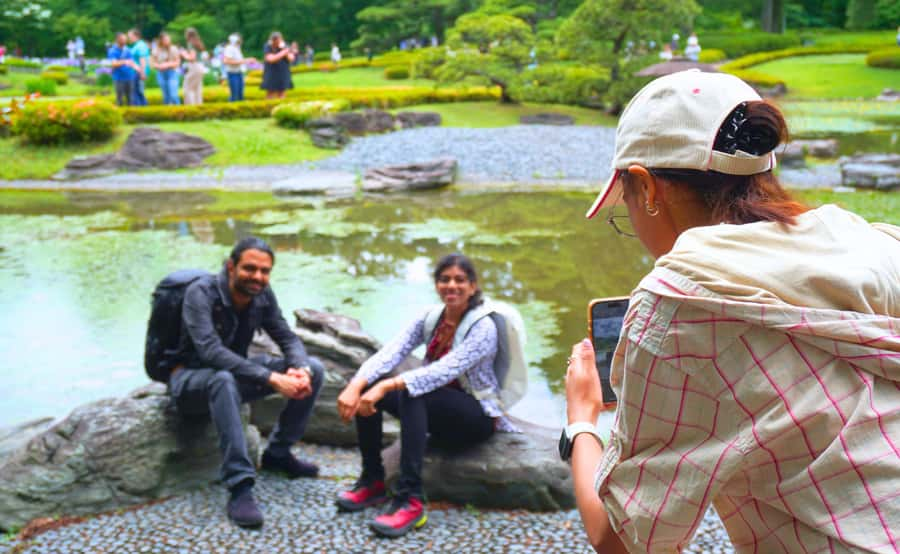
The gardens provide a quieter side of the tour. You will walk among traditional Japanese plantings, open spaces, and trees associated with different prefectures of Japan.
That variety gives the gardens more than ornamental value. The trees offer a small picture of Japan’s regional identity, linking the palace grounds with places beyond Tokyo. Your guide can help explain why these plantings are here and how they fit into the site.
The gardens are also the best part of the experience for visitors who want a break from Tokyo’s hard surfaces and packed streets. The pace is walking-based, and the setting offers calmer views than the surrounding city.
Still, this is an outdoor tour in all weather. Wear clothing suited to the forecast, and choose practical shoes. The instructions are clear that the tour goes ahead in good weather or bad. Rain gear is not listed as an included item, so bring what you need.
The gardens also offer some of the strongest photo opportunities. Look for views that combine stone walls, trees, paths, and open areas. Your guide knows the better spots, which is useful if you want more than standard snapshots of the palace exterior.
Same base, a different sort of day:
- Mt Fuji and Hakone 1-Day Bus Tour Return by Bullet Train
★ 5.0 · 26,383 reviews - 1-Day Tokyo Bus Tour
★ 5.0 · 14,250 reviews - Tokyo: TOKYO SKYTREE® Admission ticket
★ 4.5 · 11,192 reviews - Tokyo: teamLab Planets TOKYO Digital Art Museum Entry Ticket
★ 4.6 · 9,779 reviews
The Rare Koi and Small Details That Make the Walk Personal
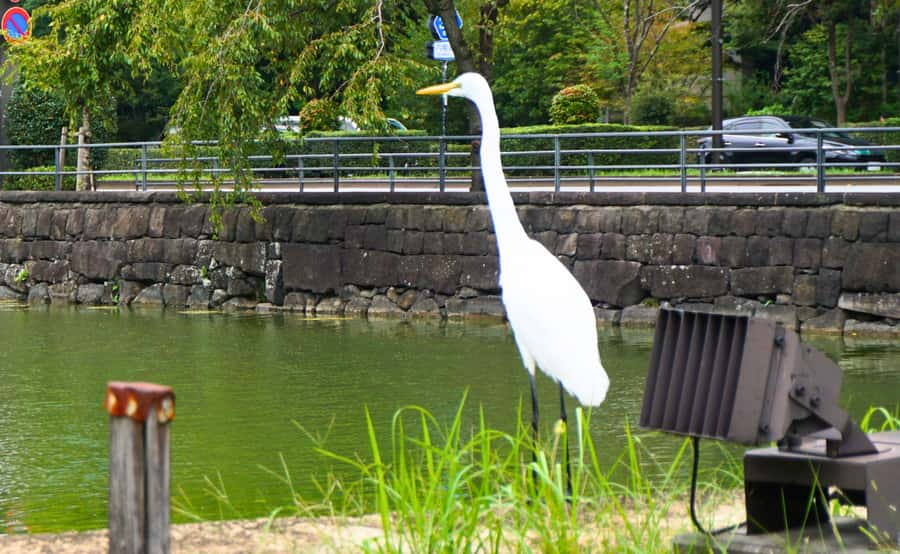
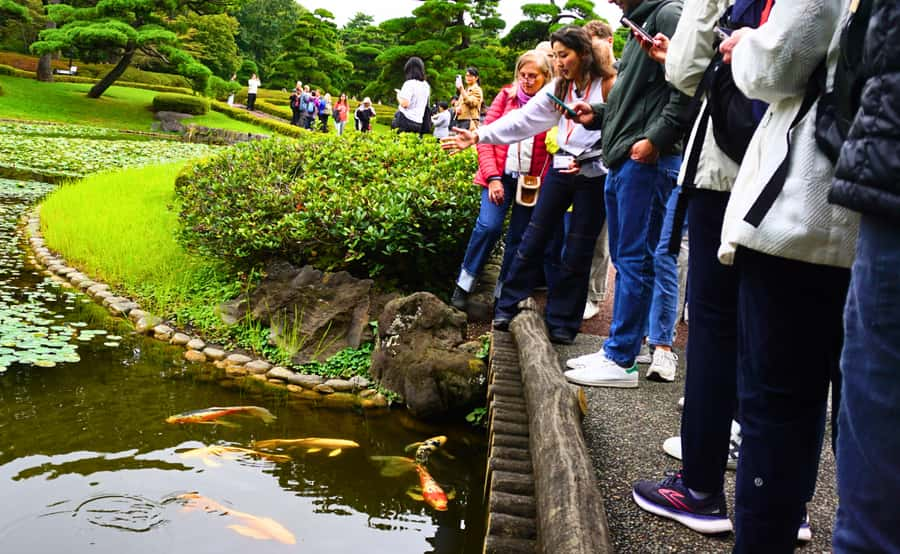
The koi are one of the tour’s more unusual features. You can see a special breed that is found only here, giving the walk a small surprise beyond the expected castle walls and garden paths.
This kind of detail helps break up a history-heavy visit. You move from political events and palace ruins to living features of the grounds. It also gives families and visitors with limited interest in military history something specific to look for.
Do not expect the koi to replace the main historical content. They are one stop within a broader walk, not the central attraction. Their value comes from the way they add character to the gardens.
The same is true of the trees from different prefectures. These details reward a slower pace and a guide who is willing to answer questions. The experience is strongest when you treat it as a conversation through the grounds rather than a quick checklist of sights.
Nicolas, Questions, and the Guide Language Issue
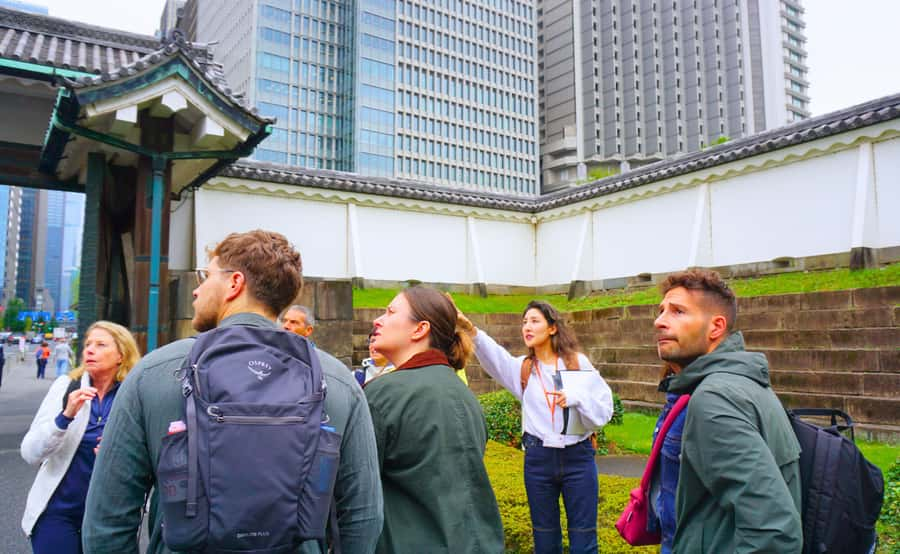
The guide can make or break this kind of tour. The supplied experience details identify French as the guide language, even though the title says English guide. That is a serious point to settle before paying.
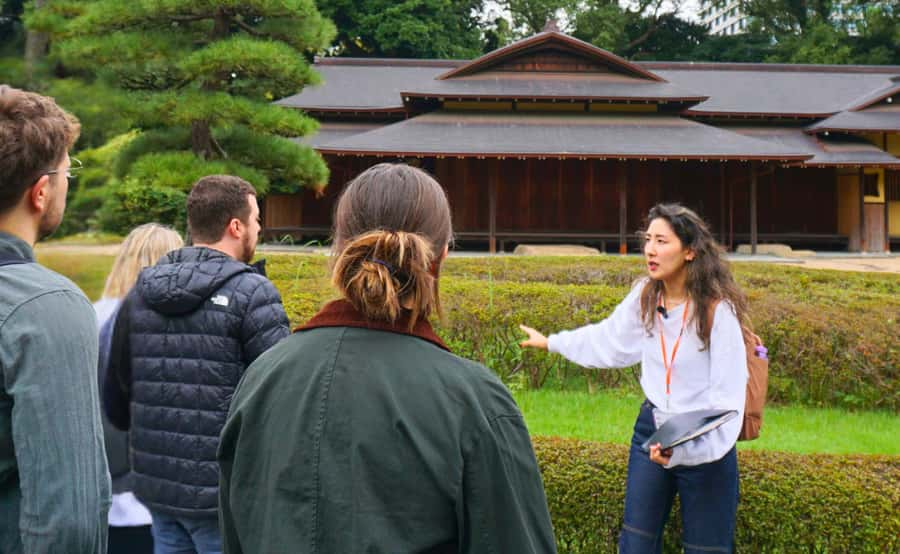
Nicolas is specifically identified as a Franco-Japanese guide. His role appears to extend beyond memorized dates. He can discuss Japanese mythology, the Japanese language, the imperial family, and Japan more generally. If you enjoy asking questions, that range could make the walk much more rewarding.
The tour is especially suited to people who want to understand how Japan became the country it is today. You can ask about the transition from shogunal rule to the modern imperial period, the meaning of the grounds, or cultural ideas connected with the site.
A small group of five is mentioned in the experience information. Group size can vary, and no fixed maximum is provided, so do not assume every departure will be that small. Still, the format appears designed to allow conversation rather than keeping you at a distance from the guide.
If you need English, contact the provider before booking and get a clear answer. Do not rely on the title alone. If French works for you, the language issue is less of a concern.
What You Get for $40

At $40 per person, you are paying for a guided historical walk, not entry to the inner palace or a private tour of imperial rooms. The value depends on how much you want interpretation.
The grounds themselves are the setting, but the guide supplies the structure. You are paying to understand the ruins, the vanished castle, the soldiers’ barracks, the gardens, the koi, and the imperial connection as one story.
That is a fair use of $40 for visitors who would otherwise walk through the gardens without knowing what they were seeing. It is less compelling if you prefer to explore independently or only want photographs.
No food, transport, or inner palace access is included. You make your own way to the meeting point, and the tour ends there. The price is easiest to justify for first-time visitors who want a historical orientation to central Tokyo.
The booking terms also allow you to reserve and pay later, with cancellation up to 24 hours ahead for a full refund. Those details give you some flexibility, but the ten-minute late policy remains strict.
Who Will Enjoy This Imperial Palace Walk

I would recommend this experience to you if you enjoy history, gardens, and asking questions. It is also a good fit if you want a calmer break from Tokyo’s dense commercial districts without leaving the city center.
Families may like the mix of castle stories, koi, gardens, and open walking space. The visit also works for anyone trying to understand the difference between the shogun’s Edo Castle and the modern Imperial Palace.
You may want another option if you need a fully English-language tour and cannot confirm the guide language. You may also be disappointed if your main goal is to enter the palace or see a complete castle building.
The tour is not designed for smoking, drones, alcohol, drugs, littering, or skateboards. Those restrictions fit the formal setting, but they are worth noting if you are planning a full day around the palace grounds.
Should You Book This Tour?
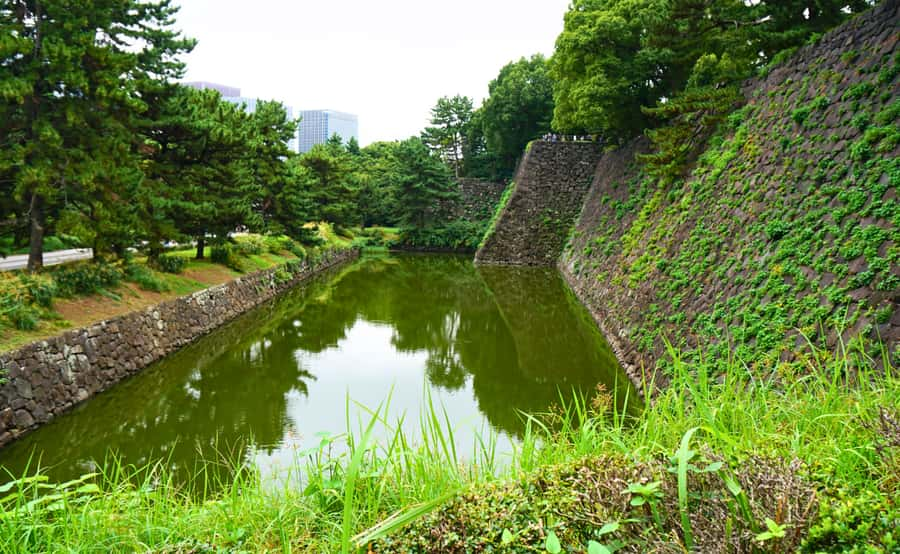
Book it if you want the eastern gardens to make historical sense, especially if Nicolas is leading the walk and French is suitable for you. The strongest parts are the explanation of the missing castle, the former barracks, the Edo Castle foundations, and the chance to ask broad questions about Japan.
Before booking, confirm the guide language. That is the one detail that could change the whole experience. Also arrive early at Wadakuramon Fountain Park, wear weather-ready clothing, and allow extra time to find the meeting point from Tokyo Station.
For $40, this is a sensible choice for a history-minded visitor who values a personal guide more than palace interiors. Skip it if you want an English tour without uncertainty, inner palace access, or a complete surviving castle.
FAQ
Is this an English-language tour?
The title identifies an English guide, but the included and additional information lists French as the language. Confirm the language with Sunrise Adventure before booking.
Where does the tour begin?
It begins at Wadakuramon Fountain Park, near the Starbucks by the fountain. The guide waits near the fountain with a SUNRISE ADVENTURE sign.
How far is the meeting point from Tokyo Station?
The meeting point is about a five to ten minute walk from Tokyo Station or Otemachi Station.
Does the tour enter the inner Imperial Palace?
No. Access to the inner palace is not included.
What will I see during the walk?
You will visit the eastern gardens of the former Edo Palace, pass through Otemon, see palace ruins and a miniature former palace structure, explore former soldiers’ barracks, view special koi, and see trees from different Japanese prefectures.
Is the main castle still standing?
No. The main castle no longer exists. The guide explains why, and the tour includes a chance to see a miniature structure of the former palace.
What happens if I arrive late?
If you do not arrive within ten minutes of the meeting time, the group may start without you.
Can I cancel the booking?
You can cancel up to 24 hours in advance for a full refund. The reserve and pay later option is also available.
Just added in Tokyo
- The 10 Tastings of Tokyo With Locals: Private Street Food Tour★ 5.0 · 48 reviews
- Small Town in the Big City: Tasting Tokyo’s Kichijoji★ 5.0 · 195 reviews
- Small Town in the Big City: Tasting Tokyo’s Kichijoji★ 5.0 · 16 reviews
- EXCLUSIVE Tokyo Secret: Kichijoji Small-Group Food & Bar Hopping★ 5.0 · 29 reviews
- Explore Kichijoji: Walk Through One of Tokyo’s Beloved Districts★ 5.0 · 21 reviews
- :Tokyo,Shibuya/ Pro Photography in Kimono / English-Friendly★ 5.0 · 26 reviews
- 【R34】Tokyo:Private Daikoku tour in Modified R34★ 4.9 · 92 reviews
- Tokyo:Calligraphy &Make your original folding fan in Asakusa★ 5.0 · 62 reviews
Imperial Palace & Historic Sites, compared.
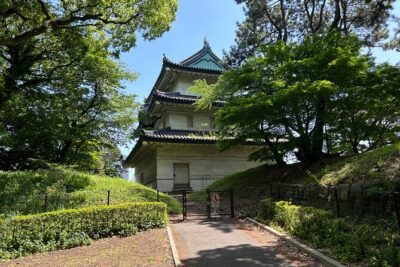
Imperial Palace and Shogun Historical Walking Tour
Read our review →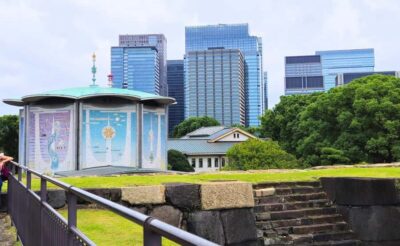
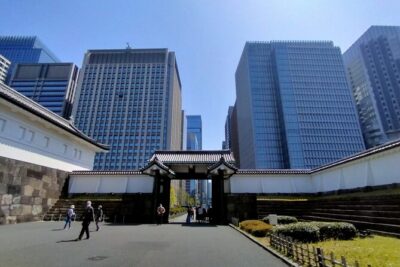
Imperial Palace East Garden and Edo Castle Walking Tour in Tokyo
Read our review →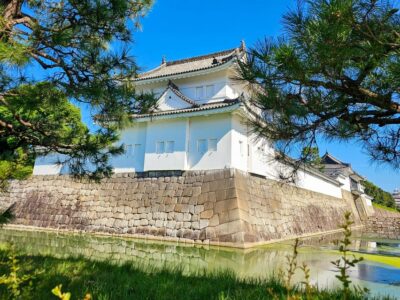
Imperial Palace & Nijo Castle Guided Walking Tour
Read our review →
Imperial Palace, Sensō-ji Temple, & Tokyo Tower Tour
Read our review →
Tokyo Castle, Imperial Palace, Shogun & Garden Walking Tour
Read our review →
Pvt. Tour – Edo Castle & Imperial Palace East Gardens
Read our review →Browse the lists this tour appears in