
Reviewed · FOOD TOURS
Tokyo: Local Foodie Adventure near Roppongi
Azabujuban gives you a very different Tokyo from the glass towers and late-night glow of nearby Roppongi. In this old neighborhood, small food shops and family-run restaurants fill lanes that have served local residents for generations. You’ll eat five Japanese treats, visit shrines and temples, and hear how this compact town developed.
I like two things right away: the tiny group of one to four people, which allows guide Ellen to adjust the pace, and the focus on ordinary neighborhood food rather than famous tourist sights. The chance to browse shops found mainly in Azabujuban adds another useful layer.
The main consideration is that the food choices change with store availability, so you should not book expecting a fixed menu. You’ll also need comfortable shoes and enough energy for a moderate amount of walking.
Key points to know before you book
- Azabujuban is a local neighborhood near Roppongi, with more than 300 shops and a long connection to everyday Tokyo life.
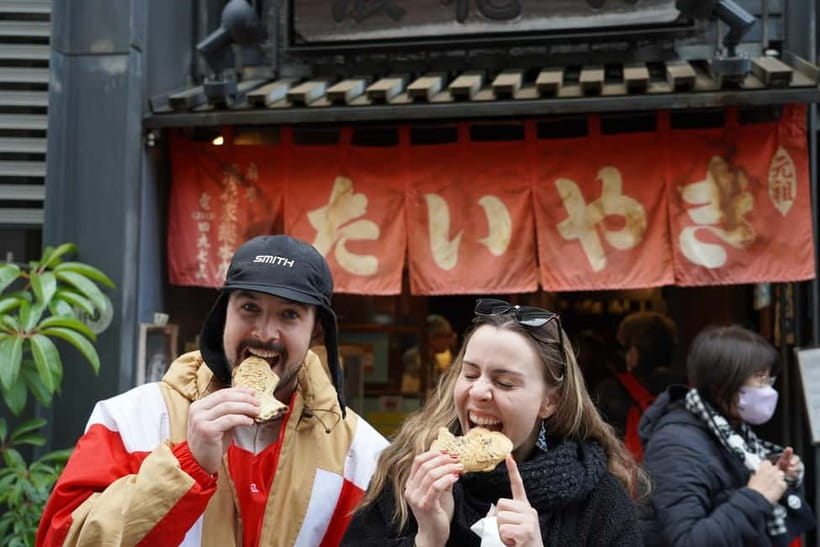
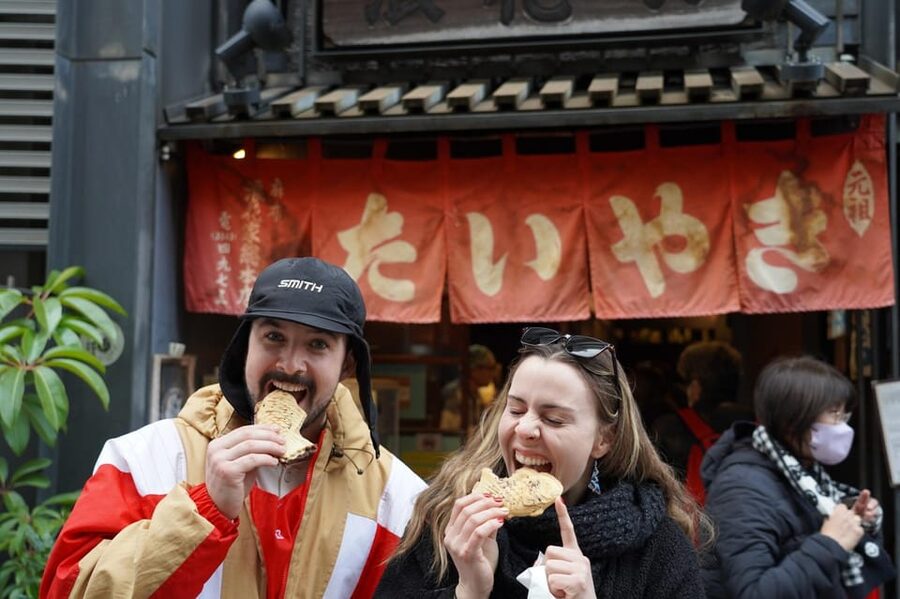
- Five Japanese treats and one alcoholic drink are included, with choices that can range from yakitori and mame daifuku to taiyaki and oden.
- Guide Ellen is a major part of the experience, bringing local stories, food knowledge, and a friendly style to the walk.
- Shrines, temples, and local folklore give the food stops a cultural setting rather than making this just a series of tastings.
- The group size is very small, usually one to four people, which suits visitors who like questions and personal attention.
- The $71 price is strongest for food-focused visitors who would otherwise spend time and money finding these shops alone.
Starting at Azabujuban Station, Exit 4
You meet at Azabujuban Station, Exit 4, in front of Oslo Coffee. Look for the Japan Hopping Tours logo and the guide waiting there.
This is a practical meeting point because it puts you directly in the neighborhood rather than asking you to begin from a major sightseeing district. You are not being picked up at your hotel, and transportation to the meeting point is not included, so allow for your own subway fare and route planning.
Azabujuban sits close to Roppongi, but the mood changes quickly once you leave the large avenues. The area is known for more than 300 shops, including stores that have remained open for many decades. That gives the walk a sense of continuity you do not always find in central Tokyo.
The experience ends back at the same meeting point. That makes it easy to continue toward Roppongi, return to your hotel, or plan another Tokyo activity nearby.
Other food tours in Tokyo people book:
- Tokyo: Shinjuku Food Tour (13 Dishes at 4 Local Eateries)
★ 5.0 · 6,603 reviews - Tokyo: Shinjuku Food Tour (15 Dishes and 4 Eateries)
★ 4.9 · 2,033 reviews - Best of Shinjuku: Izakaya Food Tour (4 Stops, 14+ Tastings)
★ 5.0 · 1,863 reviews
Why Azabujuban feels different from nearby Roppongi
Roppongi is famous for nightlife, museums, restaurants, and modern buildings. Azabujuban offers a slower look at Tokyo, with old stores, neighborhood food, religious sites, and local customs close together.
I like this contrast. You can stay near one of Tokyo’s best-known entertainment areas while spending your food tour in streets that feel more connected to residents than to sightseeing crowds.
The tour also gives useful context for the neighborhood. You are not simply handed a snack and told its name. As you walk, you learn about the area’s past, local stores, shrines, temples, and folklore. That background helps explain why certain shops matter to the town.
For Sailor Moon fans, the area has an added appeal. Azabujuban is connected with real places that inspired manga creator Naoko Takeuchi when she developed the setting for the series. The tour does not promise a full Sailor Moon-themed program, but this local connection can make the walk especially appealing to fans.
Five Japanese treats, with the menu changing each day
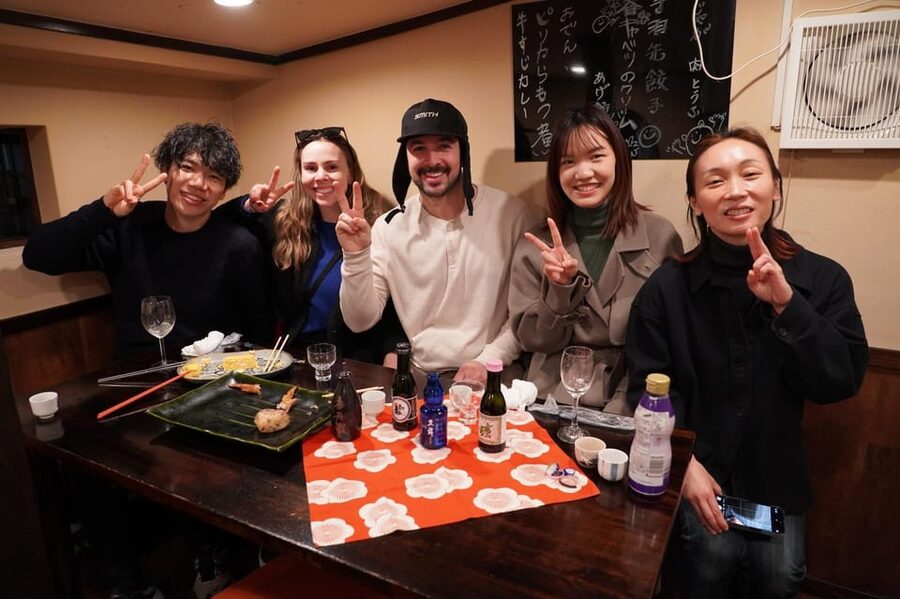
The food is the main reason to book this experience, but the flexible menu is important to understand. You receive five different Japanese treats, selected according to what is available that day, plus one alcoholic drink.
Possible foods named for this experience include:
- Yakitori, grilled chicken served as a savory snack
- Mame daifuku, a soft rice cake filled with sweet bean paste and beans
- Taiyaki, a fish-shaped pastry with a sweet filling
- Oden, a warm homemade dish with assorted ingredients in broth
- Other snacks, pastries, omelettes, sushi, or seasonal shop offerings
You should treat these as examples rather than guaranteed stops. Store hours, stock, and local availability can change the food selection.
That flexible approach has a benefit. You may get food that is especially good that day instead of a fixed list chosen months in advance. The trade-off is less certainty, particularly if you have your heart set on one specific dish.
The included food is intended to be enough to fill you up. You should still tell the guide about preferences or requests at the start, since the small group format allows some adjustment. Do not assume extra food, extra drinks, or additional restaurant orders are covered by the $71 price.
Yakitori, oden, and the value of ordinary food
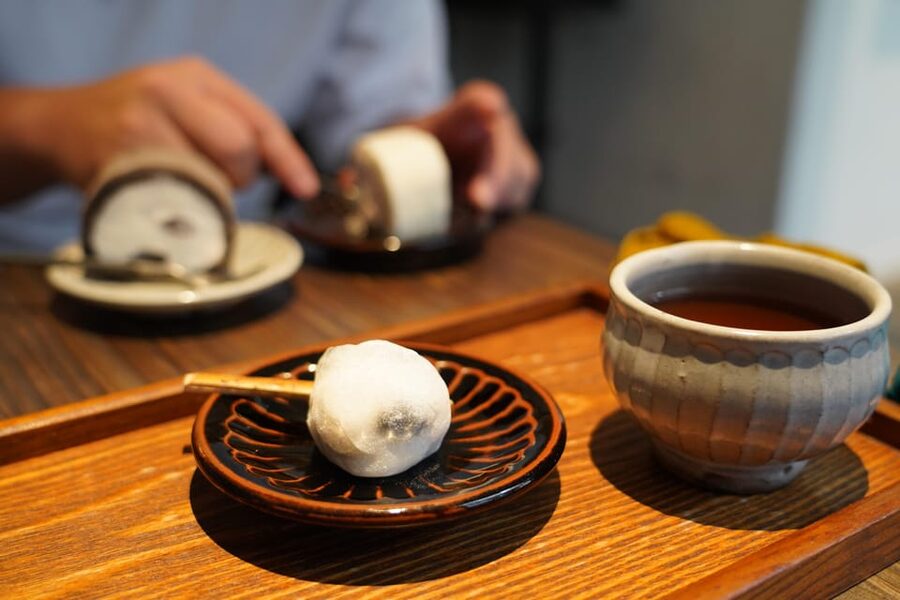
A good food walk teaches you how people eat in a place, not just which dish photographs well. Yakitori and oden fit that purpose because they are familiar, approachable foods tied to casual Japanese dining.
Yakitori gives you a savory grilled bite, while oden offers a different experience, with ingredients served in a warm broth. Mame daifuku and taiyaki bring sweetness and texture into the mix. Together, these examples show a useful spread of Japanese flavors rather than five versions of the same snack.
The food stops may also include small restaurants and pastry shops. One visitor described the restaurants as home-style, and that is the kind of setting this tour aims to show you. You may meet restaurant staff or local customers, which adds a social element missing from a standard tasting counter.
I would not choose this tour if you need a carefully controlled gourmet menu. I would choose it if you want to understand how food fits into a neighborhood and are happy to let the day’s selection shape your meal.
More eating your way round Tokyo:
- Tokyo Night Foodie Tour in Shinjuku – Seasonal Sushi, Wagyu Beef
★ 5.0 · 1,161 reviews - Eat and Drink Like a Local: Tokyo Ueno Food Tour-Taverns&Ramen
★ 5.0 · 957 reviews - Tokyo: Shibuya Food Tour (13 dishes and 4 Eateries)
★ 5.0 · 770 reviews - Tsukiji Fish Market: Street Food & Culture Walking Tour
★ 5.0 · 669 reviews
Shrines, temples, and the stories between snacks
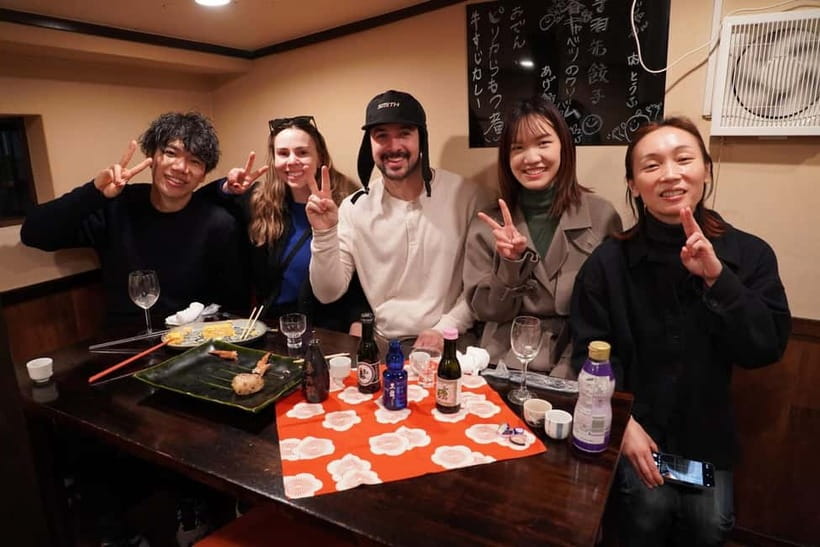
The religious sites are not filler between restaurants. Visiting local shrines and temples gives you a reason to pause and see another side of Azabujuban.
The tour includes places associated with good luck, along with local folklore and neighborhood history. Your guide can explain why these sites matter and how they connect with the people who live nearby.
This is where Ellen’s role becomes especially important. She is described as friendly, well prepared, and attentive to questions. She also has a strong grasp of Azabujuban’s people and food, which helps turn a short stop at a shrine or temple into part of the neighborhood story.
The sites are not presented as grand national monuments. That is part of their value. You are seeing local religious places in the middle of an active Tokyo district, not checking off another major attraction.
Meeting shopkeepers and seeing local routines
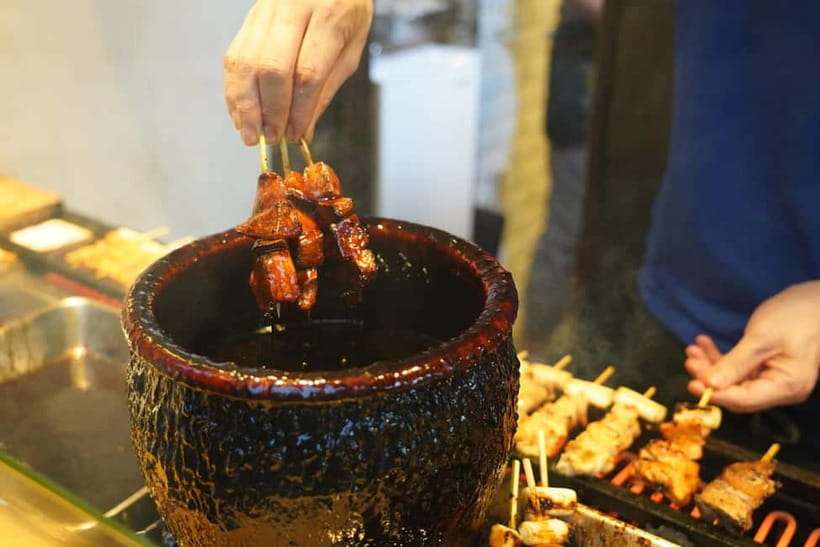
The tour includes time to browse distinctive stores that are mainly associated with Azabujuban. This is a useful chance to shop for gifts without spending your whole day in a large department store.
The shops may be small, specialized, or tied to the neighborhood’s long retail tradition. The available information does not promise a specific souvenir or store, so you should keep your expectations open. The appeal is the chance to find something connected to the area rather than a standard Tokyo gift sold everywhere.
The social side also matters. The experience is designed to bring you into contact with local residents and restaurant staff. You may chat with people connected to the stops, though the exact encounters will depend on the day.
That human contact can be one of the best parts of a small-group food walk. It gives you a better sense of how the neighborhood works and makes the stops feel less like a transaction.
Ellen and the advantages of a four-person maximum
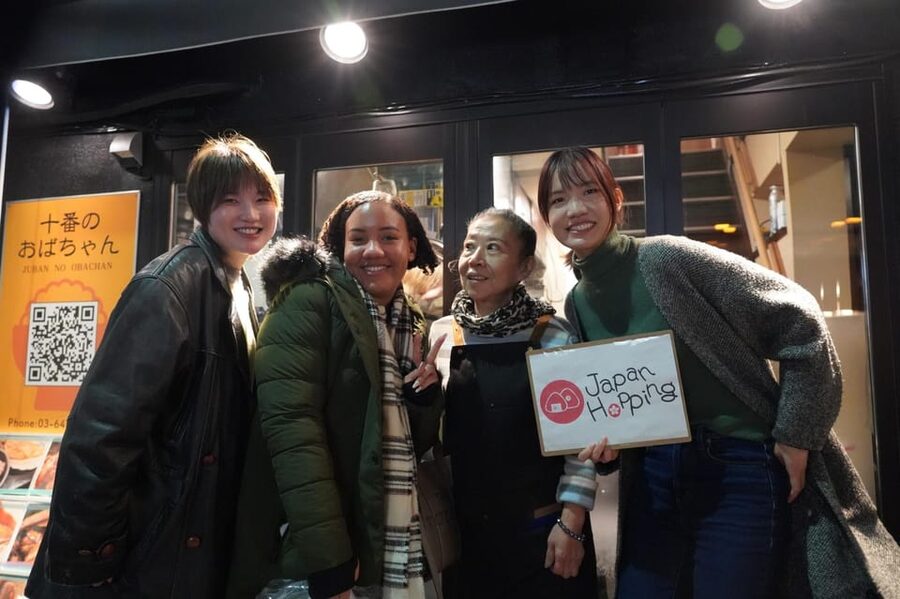
Several details point to the guide as a central part of the experience. Ellen is praised for creating a comfortable atmosphere, answering questions, adjusting stops to individual needs, and explaining Azabujuban in a clear way.
The group normally includes one to four people. That is a strong advantage over a large bus-style food tour. You can ask about ingredients, customs, restaurants, or local stories without trying to get the guide’s attention from the back of a crowd.
A small group also helps with the food stops. Tiny shops and family restaurants may not have room for a large party, while four people can move through the neighborhood with less fuss.
The guide may be Ellen, though the details also refer to two female guides, so you should not assume she is the only person leading this experience. The language is English.
How much value do you get for $71?
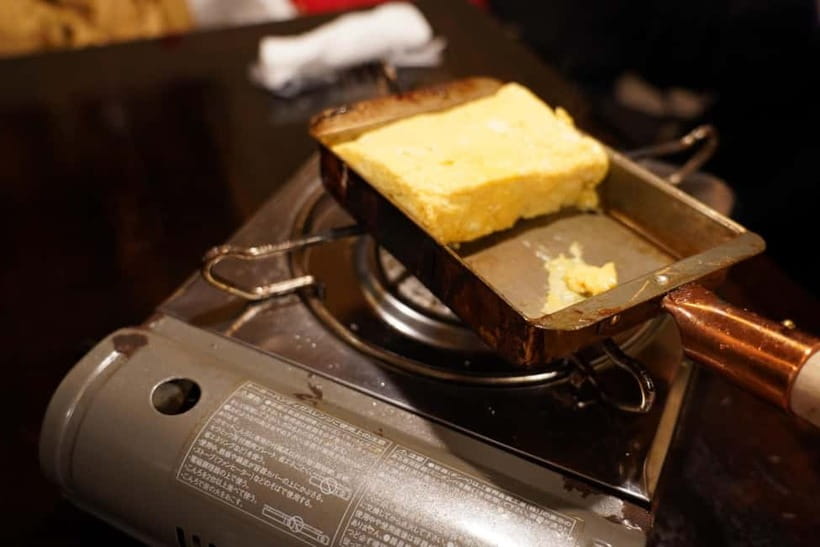
At $71 per person, this is not the cheapest way to eat in Tokyo. You could buy individual snacks for less if you already knew where to go and were comfortable ordering without help.
The price becomes more reasonable when you count the full package: five food tastings, one alcoholic drink, a guided neighborhood walk, local history, religious sites, shopping suggestions, and a very small group. You are also paying for access to places and explanations that can be difficult to find on your own.
The strongest value is for first-time visitors who want a gentle introduction to Japanese food and neighborhood customs. It also suits repeat visitors who have seen the big Tokyo sights and want a more local-feeling outing.
The value is weaker if you are mainly interested in eating as much as possible. Additional food and drinks cost extra, and the tour is built around learning and walking as much as tasting.
Walking, comfort, and practical planning
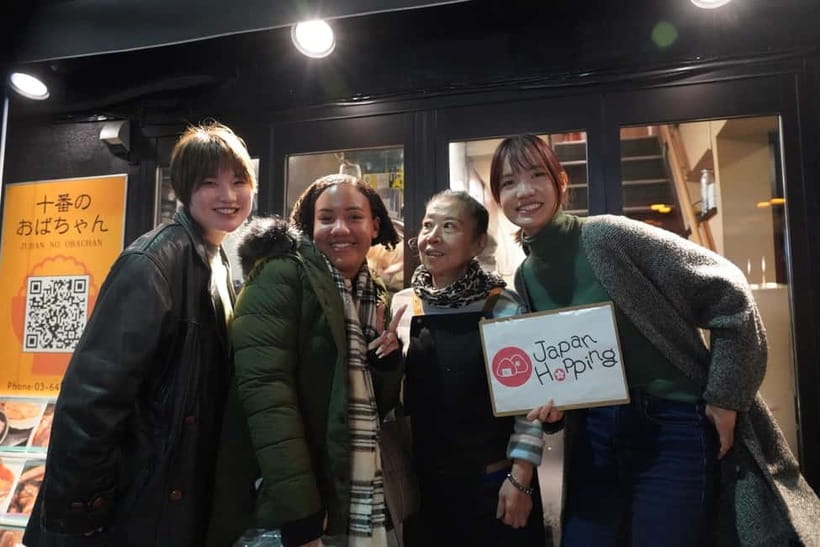
Wear comfortable shoes. You will walk around the town between food stops, shrines, temples, and shops, and the activity calls for a moderate level of fitness.
No transportation costs are included. You are responsible for reaching Azabujuban Station and for any transport after the tour. Since the activity begins and ends at the same place, planning is straightforward.
The tour is conducted in English. You can reserve now and pay later, which helps if your Tokyo schedule is still changing. Cancellation is allowed up to 24 hours before the activity for a full refund.
People over 95 are not considered suitable for the activity. That restriction, combined with the walking requirement, makes it sensible to think honestly about mobility before booking.
Who will enjoy this Azabujuban food walk?
I would recommend it to you if you want:
- A small-group activity with room for questions
- Japanese food beyond the usual major tourist stops
- A neighborhood walk near Roppongi without staying in the nightlife district
- Local stories connected to shrines, temples, shops, and folklore
- A flexible menu that may include savory, sweet, and warm dishes
- A guide-led introduction to Japanese food customs
- A possible Sailor Moon connection to real Tokyo locations
Families, couples, solo visitors, and small friend groups can all fit comfortably into the format. The activity also works well early in a Tokyo stay, since Ellen can help you understand foods and customs you may encounter elsewhere.
I would be more cautious if you have strict dietary needs, since the menu changes and no specific dietary arrangements are provided. I would also skip it if you dislike walking, want a fixed restaurant itinerary, or prefer to explore completely independently.
Should you book the Azabujuban experience?
Book this tour if you want a personal introduction to an older Tokyo neighborhood, with enough food to make a meal and enough local context to make the streets meaningful. The small group and Ellen’s attentive guiding style are the biggest strengths.
The $71 price is fair when you value the guide, the five tastings, and the time saved locating these places yourself. Go in with an open mind about the menu, wear good shoes, and expect a neighborhood food walk rather than a luxury dining event.
For a quieter side of Tokyo near Roppongi, this is a strong choice. For a fixed menu or a fast, food-only itinerary, spend your money elsewhere.
FAQ
Where does the Azabujuban food tour begin?
Meet at Azabujuban Station, Exit 4, in front of Oslo Coffee. Look for the Japan Hopping Tours logo.
Where does the activity end?
The tour ends back at the same meeting point at Azabujuban Station.
How many foods are included?
Five different Japanese treats are included. The selection depends on store availability on the day.
Is a drink included?
Yes. One alcoholic beverage is included. Additional food and drinks are not included.
Is the tour conducted in English?
Yes. The tour language is English.
How large is the group?
This is a small-group activity, with one to four people expected to join.
What should I bring?
Bring comfortable shoes. You should also be prepared for a moderate amount of walking around the neighborhood.
Just added in Tokyo
- The 10 Tastings of Tokyo With Locals: Private Street Food Tour★ 5.0 · 48 reviews
- Small Town in the Big City: Tasting Tokyo’s Kichijoji★ 5.0 · 195 reviews
- Small Town in the Big City: Tasting Tokyo’s Kichijoji★ 5.0 · 16 reviews
- EXCLUSIVE Tokyo Secret: Kichijoji Small-Group Food & Bar Hopping★ 5.0 · 29 reviews
- Explore Kichijoji: Walk Through One of Tokyo’s Beloved Districts★ 5.0 · 21 reviews
- :Tokyo,Shibuya/ Pro Photography in Kimono / English-Friendly★ 5.0 · 26 reviews
- 【R34】Tokyo:Private Daikoku tour in Modified R34★ 4.9 · 92 reviews
- Tokyo:Calligraphy &Make your original folding fan in Asakusa★ 5.0 · 62 reviews
Food Tours, compared.
Shinjuku Food Tour (13 Dishes at 4 Local Eateries)
Read our review →
Osaka Food Tour: 13 Dishes at 5 Local Eateries
Read our review →
Best of Shinjuku: Izakaya Food Tour (4 Stops, 14+ Tastings)
Read our review →
Kyoto Night Foodie Tour in Gion (9+ dishes + 6 Sake tastings)
Read our review →
Hungry Osaka Street Food Tour:15 Tastings & 3 Drinks with a Local
Read our review →
Tokyo Night Foodie Tour in Shinjuku – Seasonal Sushi, Wagyu Beef
Read our review →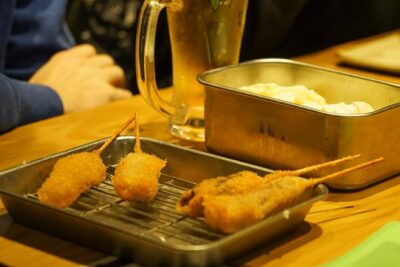
Osaka Local Foodie Walking Tour in Dotonbori and Shinsekai
Read our review →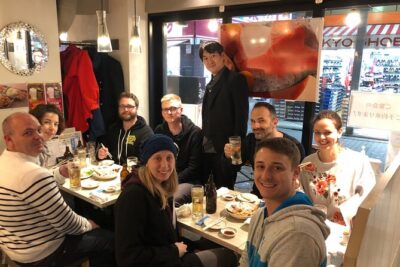
Eat and Drink Like a Local: Tokyo Ueno Food Tour-Taverns&Ramen
Read our review →Browse the lists this tour appears in