
Reviewed · MOUNT FUJI DAY TRIPS
Tokyo: Mt. Fuji, Arakurayama Sengen Park, Oshino Hakkai Tour
Mount Fuji gets the star treatment here, but the best part is the variety. Arakurayama Sengen Park gives you the famous pagoda-and-mountain view, while Oshino Hakkai and Saiko Iyashi-no-Sato Nenba show a quieter side of the Fuji area. You get several strong photo stops without arranging rural transport yourself.
I like the practical all-in-one format and the seasonal changes. Cherry blossoms frame the pagoda in spring, lavender colors Oishi Park in summer, and snow gives the village a storybook look in winter. The main drawback is a long day on the road, with crowds, stairs, and traffic delays that can cancel the weekday stop at Oishi Park.
Key points to know before you book
- The classic Fuji photograph: Arakurayama Sengen Park pairs a five-story pagoda with Mount Fuji, but reaching the viewpoint means uphill walking and long stairs.
- Clear spring water at Oshino Hakkai: Allow 90 minutes to see the ponds, village scenery, and food stalls at your own pace.
- Oishi Park is weekday-only: The stop is skipped on weekends, holidays, Golden Week, and sometimes weekdays when traffic runs late.
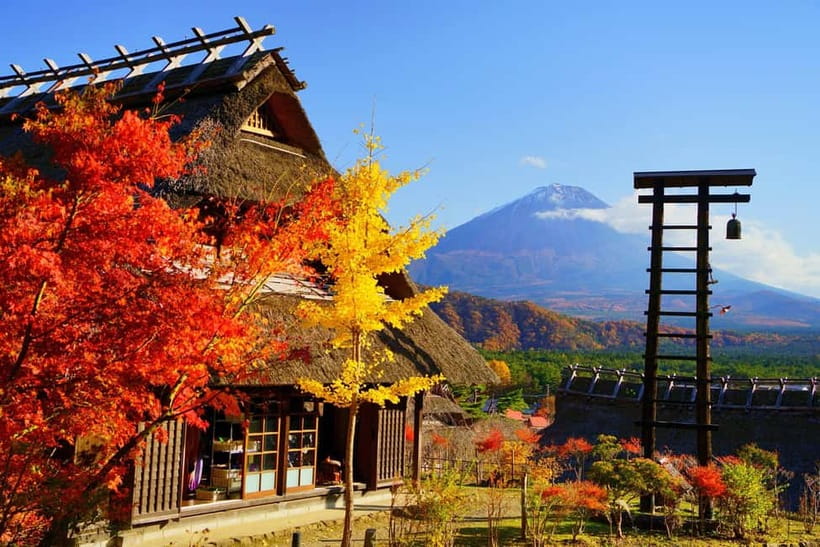
- A traditional village visit: Saiko Iyashi-no-Sato Nenba includes admission and its old-style thatched houses.
- A full day from Shinjuku: The tour lasts 570 minutes, with about four hours of bus travel spread across the route.
- Good value at $50: Transport, a live English or Chinese guide, and one admission ticket are included, but meals and personal spending are not.
Why this Mount Fuji day trip works
This tour is built for you if you want to see several Fuji-area sights in one day without piecing together trains, local buses, and rural connections. It leaves from the west side of Shinjuku and returns to Shinjuku Station, making it easy to fit into a Tokyo stay.
The route mixes famous views with places that feel more local. You move from a hilltop shrine park to a small spring village, then to lakeside scenery and a reconstructed rural settlement. That range gives the day more substance than a single photo stop.
The tour has a 4.3 out of 5 rating from 35 ratings. Its strongest points are the chance to see Mount Fuji clearly and the guide support. One useful warning comes through clearly: expect more walking than the schedule may suggest. Comfortable shoes are not optional here.
Other days out to the mountain from Tokyo:
- Mt Fuji and Hakone 1-Day Bus Tour Return by Bullet Train
★ 5.0 · 26,383 reviews - Mt Fuji & Hakone Cruise, Drum Show Bullet Train 1 Day from Tokyo
★ 4.0 · 7,413 reviews - Tokyo Mt Fuji 5th St & Hakone Cruise Bus Tour w/Bullet Train
★ 4.4 · 5,024 reviews
Meeting at Kogakuin University in Shinjuku
Your meeting point is in front of Kogakuin University near the Shinjuku West Exit. From the underground Central West Exit, walk for one or two minutes toward the Tokyo Metropolitan Government Building. The Keio Plaza Hotel is opposite the university, and you should look for the Wonder Tour flag.
Arrive on time. There is no advance contact before departure, so do not count on a last-minute reminder or a phone call if you are still making your way through Shinjuku Station.
The first bus ride takes about 90 minutes. Traffic can change the feel of the day, especially on weekends and during busy seasons. The long ride is the price of reaching the Fuji Five Lakes area from central Tokyo, but it also means you can rest between stops instead of changing vehicles.
Arakurayama Sengen Park and the famous pagoda view
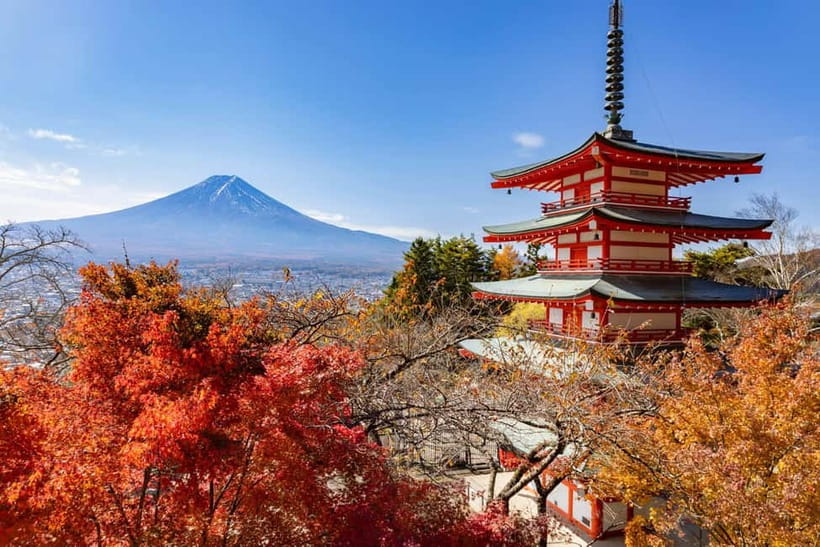
The first main stop is Arakurayama Sengen Park, with about an hour for sightseeing. This is where you get the image many people associate with Fuji trips: Mount Fuji rising behind a five-story pagoda, with the city and surrounding hills below.
The view changes sharply with the season. In spring, about 650 cherry trees bloom around the hillside. The usual Fuji combination is at its best from late April to early May, although weather can shift the timing and the number of open flowers.
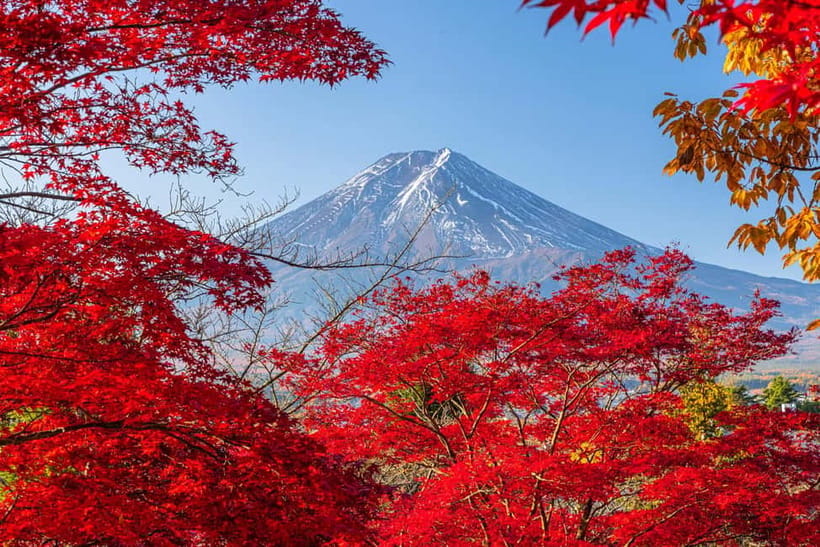
Summer brings green trees, clear air, and a blue sky when conditions cooperate. Autumn turns the hillside red and orange, often from late October to early November. Winter can be especially striking, with snow on the pagoda roof and Mount Fuji appearing bright and sharply outlined.
There is a catch. The viewpoint involves long stairs and uphill sections. You should plan for a steady climb, not a quick step off the bus and a flat walk to a lookout. People who need crutches and anyone over 70 should consider the physical demands carefully, as the tour is not recommended for them.
Clouds are another factor. No tour can guarantee a clear Fuji view, and the schedule cannot be followed in every case during extreme weather. If conditions force the operator to cancel the activity, you can reschedule or request a full refund. If weather or another unexpected event changes the route after departure, a refund is not guaranteed.
Fujiyoshida Honcho Street and Hikawa Clock Shop
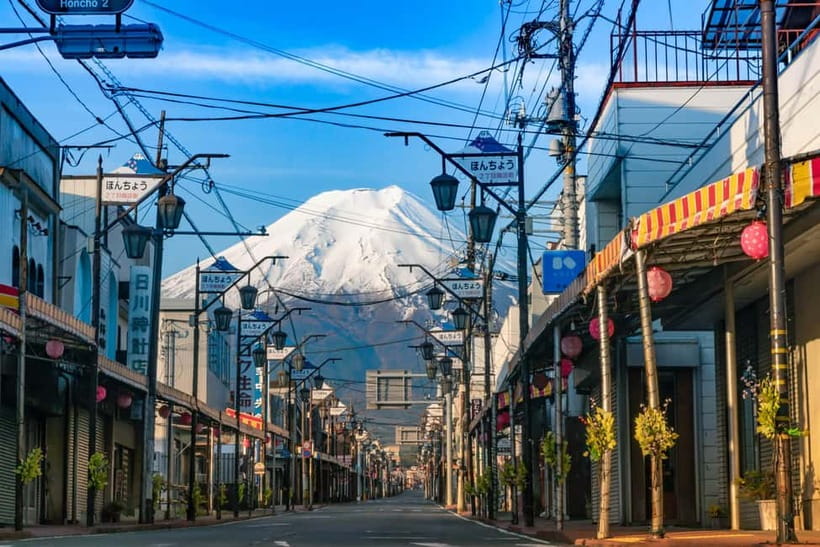
The 30-minute stop at Hikawa Clock Shop brings you to the Fujiyoshida Honcho Street area. This traditional street is known for its old-style Japanese town feel and a particularly appealing view toward Mount Fuji at the end of the road.
Thirty minutes is enough to take photographs, look at the architecture, and get a taste of the street. It is not enough for a long meal or a slow shopping session, so use this stop as a visual break rather than a major shopping visit.
Spring brings cherry blossoms near the shops. Summer can have festival fireworks and stalls, while autumn leaves add color to the street. In winter, the clear cold air can make the snow-covered mountain visible from far away.
This stop also gives you a different view of Fuji-area life. Arakurayama is a formal park and viewpoint. Fujiyoshida feels more like a working town with a straight road, shopfronts, and a mountain quietly placed behind it.
Same base, a different sort of day:
- 1-Day Tokyo Bus Tour
★ 5.0 · 14,250 reviews - Tokyo: TOKYO SKYTREE® Admission ticket
★ 4.5 · 11,192 reviews - Tokyo: teamLab Planets TOKYO Digital Art Museum Entry Ticket
★ 4.6 · 9,779 reviews - Tokyo: Sumo Show Experience with Chicken Hot Pot and a Photo
★ 4.8 · 6,678 reviews
Oshino Hakkai and its eight spring ponds
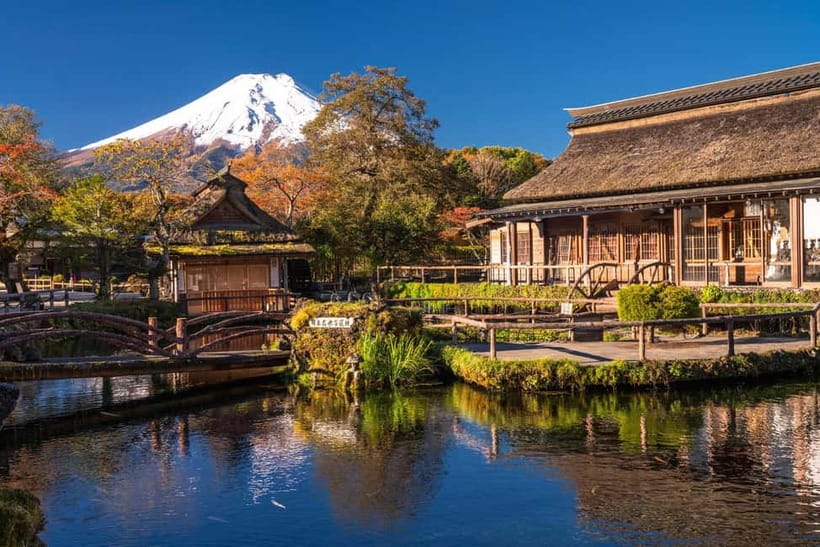
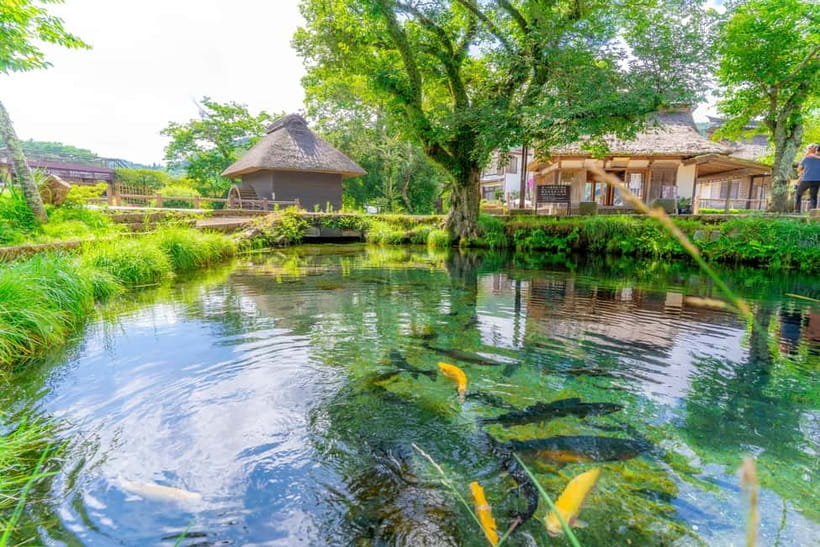
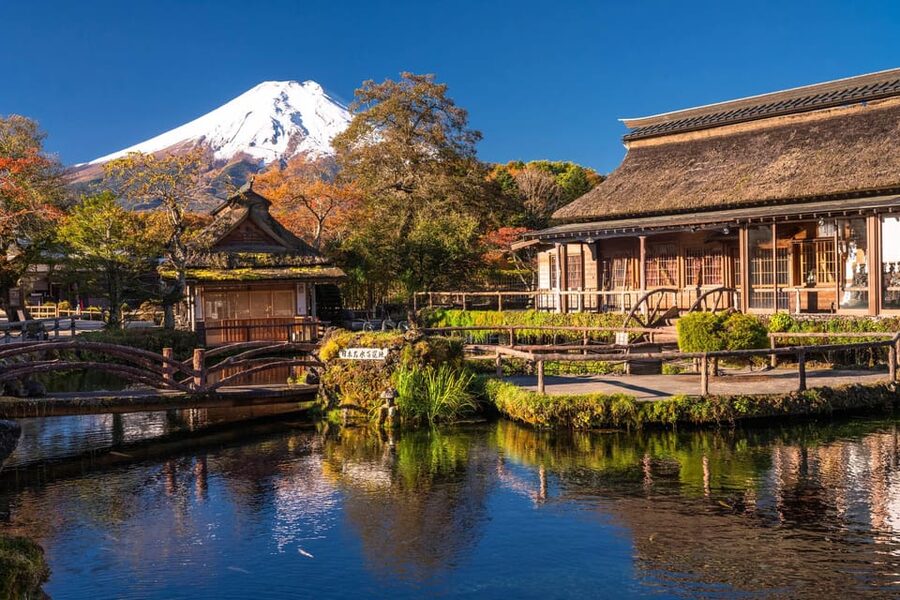
After about 20 minutes by bus, you reach Oshino Hakkai for 90 minutes. This is one of the most rewarding stops on the route if you like water, village scenery, and a slower pace.
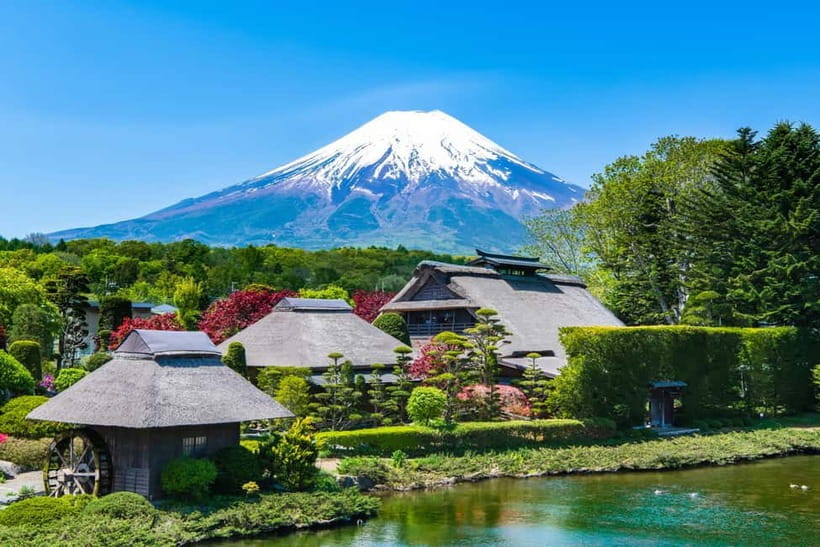
Oshino Hakkai is known for clear spring water and small ponds fed by water from Mount Fuji. The water remains cold and clean-looking through the seasons, with reflections of trees, houses, and the mountain when the sky is clear.
Spring adds cherry blossoms near the water. Summer brings cool air, green plants, and a refreshing feel. In autumn, red leaves fall onto the ponds, and winter snow covers the village while the springs remain clear.
You have enough time to walk around rather than simply take one photograph. Bring cash, since meals and personal purchases are not included and the tour specifically advises carrying cash. This is a good place to sample local food if you choose, but the schedule does not include a meal.
Crowds can be heavy, especially in the most popular photo areas. That does not ruin the stop, but it does mean you may need patience when moving around the ponds. Keep your expectations sensible: this is a popular scenic village, not a private nature walk.
Oishi Park, Lake Kawaguchi, and the weekday rule
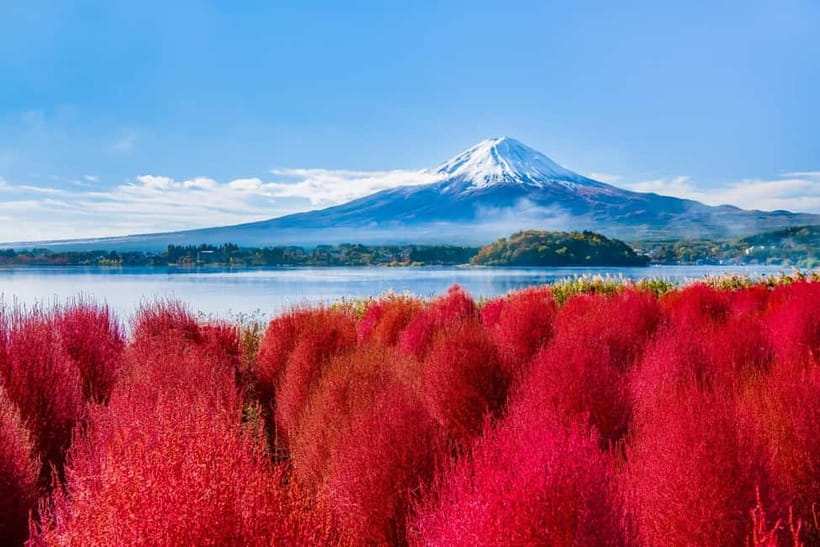
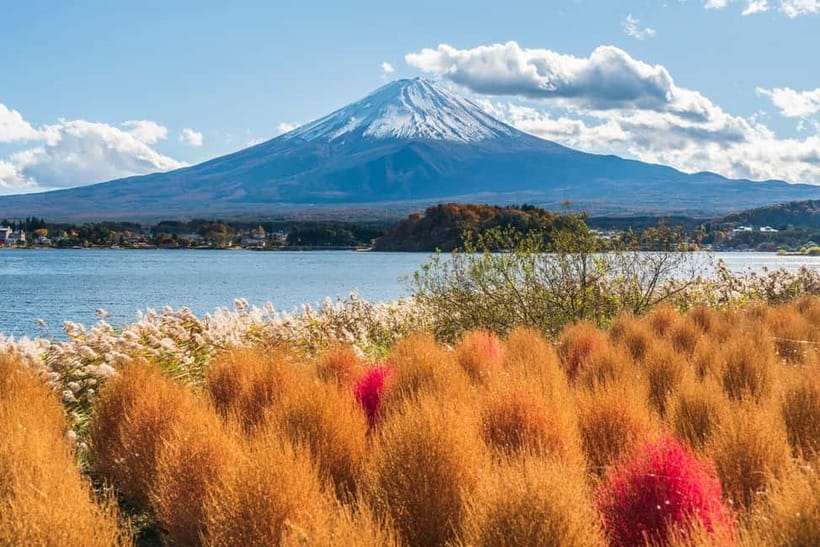
Oishi Park is a 30-minute photo stop after a 30-minute bus ride from Oshino Hakkai. It sits by Lake Kawaguchi, with open views toward Mount Fuji and seasonal flowers along the shore.
This part of the itinerary is useful because it gives you a lakeside view after the hill and spring village stops. In spring, tulips and moss phlox add color. Summer is known for purple lavender and a strong floral scent. In autumn, the grass turns golden and the mountain may show its first snow. Winter brings a quiet lake reflecting snowy Fuji.
The important restriction is easy to miss: Oishi Park is visited only on weekdays. It is closed to this tour on weekends, holidays, and during Golden Week from April 29 to May 5. Even on a weekday, heavy traffic can cause the stop to be canceled so the bus can keep the rest of the schedule.
That makes Oishi Park a welcome extra, not a guaranteed centerpiece. If it is essential to your plans, this tour is not the safest choice. If you are happy with a flexible Fuji day and the other stops matter just as much, the weekday visit can be a pleasant bonus.
Saiko Iyashi-no-Sato Nenba’s thatched houses
The final sightseeing stop is Saiko Iyashi-no-Sato Nenba, reached after about 20 minutes on the bus. Admission is included, and you have one hour to walk among the traditional thatched-roof houses.
This place offers the most direct look at old rural Japan on the route. The houses sit against the Fuji-area mountains, and the setting changes with the calendar. Cherry blossoms add a rural spring feel, summer brings green fields and streams, autumn puts red leaves behind the thatched roofs, and winter snow makes the village look almost theatrical.
The name includes the idea of healing and relaxation, and the pace here is calmer than at the major Fuji viewpoints. You can focus on rooflines, paths, mountain air, and the contrast between the old houses and the modern bus trip that brought you there.
One hour is enough for a good walk and photographs. It is not a long cultural workshop or a full museum visit, so think of it as a quiet final stop with a strong sense of place.
Four hours of bus time and what it means
The scheduled rides add up to roughly four hours: 90 minutes from Shinjuku, 20 minutes to Oshino Hakkai, 30 minutes to Oishi Park, 20 minutes to Saiko Iyashi-no-Sato Nenba, and about two hours back to Shinjuku.
That sounds like a lot because it is. The benefit is simple: you cover a wide area in one day without handling transfers or rural bus timetables. The cost is a long day with limited control over how long you stay at each place.
The final ride to Shinjuku is scheduled for two hours, but traffic can make it longer. If you have a dinner reservation, theater ticket, airport transfer, or evening train to catch, leave plenty of room after the planned arrival. I would not schedule anything tight.
The vehicle may be a coach, Hiace, or microbus. If the trip uses a Hiace or microbus, the driver provides Chinese or machine-translated English commentary rather than a professional guide. The advertised languages are Chinese and English, but the quality and style of commentary can depend on the vehicle arrangement.
Is $50 a fair price?
At $50 per person, the value is strong if you want convenience. Round-trip transport from central Tokyo, several Fuji-area stops, an English or Chinese guide, and the Saiko Iyashi-no-Sato Nenba ticket are included.
You still pay for meals, drinks, souvenirs, and other personal expenses. The tour does not include a meal, so plan to buy food during the day or bring something suitable. Cash is specifically recommended.
The price is less attractive if you prefer slow travel. You will have fixed time at every stop, and Oishi Park may disappear from the route on weekends or because of traffic. You are paying for access and organization, not a private guide or a leisurely custom schedule.
For a first visit to the Mount Fuji area, I think the price makes sense. You get a good range of sights for less than the cost and effort of arranging the same route independently. Just remember that low-cost group touring always trades flexibility for coverage.
Who should book this tour?
This tour suits you best if you:
- Want a full Fuji-area day trip from Tokyo
- Prefer a planned route with round-trip transport
- Like photography and seasonal scenery
- Want both famous viewpoints and traditional village settings
- Are comfortable walking uphill and climbing stairs
- Can accept crowds, traffic, and schedule changes
It may not suit you if you need a slow pace, guaranteed access to Oishi Park, a private vehicle, or an evening schedule with no delays. People with limited mobility should pay close attention to the stairs at Arakurayama and the uphill sections elsewhere.
You may bring one suitcase per passenger, up to 30 kilograms and 155 centimeters in total dimensions. Do not put valuables in the bus trunk, since the company does not accept responsibility for loss, theft, or damage.
Cancellation is free up to 24 hours before departure for a full refund. The reserve-now, pay-later option also helps if your Tokyo plans are still shifting. Alcohol and drugs are not allowed.
Should you book the Mount Fuji day trip?
Book it if your priority is seeing many of the area’s best-known sights in one organized day for $50. The combination of Arakurayama’s pagoda, Oshino Hakkai’s water, the Fujiyoshida street view, and the thatched houses at Saiko gives you a useful introduction to the region.
Choose another plan if you want a quiet Fuji experience or need complete control over timing. The best practical approach is to book for a clear weekday if Oishi Park matters, wear shoes suited to stairs, carry cash, and leave your evening open for traffic.
FAQ
How long is the tour?
The tour lasts 570 minutes, or about nine and a half hours. It starts at Kogakuin University in Shinjuku and finishes at Shinjuku Station.
Where is the meeting point?
Meet in front of Kogakuin University near the Shinjuku West Exit. Walk one to two minutes from the underground Central West Exit toward the Tokyo Metropolitan Government Building. The Keio Plaza Hotel is opposite, and you should look for the Wonder Tour flag.
Is Oishi Park visited every day?
No. Oishi Park is visited only on weekdays and is closed on weekends, holidays, and Golden Week from April 29 to May 5. The stop can also be canceled on a weekday if traffic causes delays.
What languages are available?
The activity is offered in Chinese and English. If the vehicle is a Hiace or microbus, the driver may provide Chinese or machine-translated English commentary rather than commentary from a professional guide.
Is food included?
No. Meals and personal expenses are not included. Bring cash for food and purchases during the day.
Is the tour suitable for people with limited mobility?
The route includes long stairs and uphill sections, especially around Arakurayama Sengen Park. The activity is not recommended for people over 70 or for seniors who require crutches.
Just added in Tokyo
- The 10 Tastings of Tokyo With Locals: Private Street Food Tour★ 5.0 · 48 reviews
- Small Town in the Big City: Tasting Tokyo’s Kichijoji★ 5.0 · 195 reviews
- Small Town in the Big City: Tasting Tokyo’s Kichijoji★ 5.0 · 16 reviews
- EXCLUSIVE Tokyo Secret: Kichijoji Small-Group Food & Bar Hopping★ 5.0 · 29 reviews
- Explore Kichijoji: Walk Through One of Tokyo’s Beloved Districts★ 5.0 · 21 reviews
- :Tokyo,Shibuya/ Pro Photography in Kimono / English-Friendly★ 5.0 · 26 reviews
- 【R34】Tokyo:Private Daikoku tour in Modified R34★ 4.9 · 92 reviews
- Tokyo:Calligraphy &Make your original folding fan in Asakusa★ 5.0 · 62 reviews
Mount Fuji Day Trips, compared.
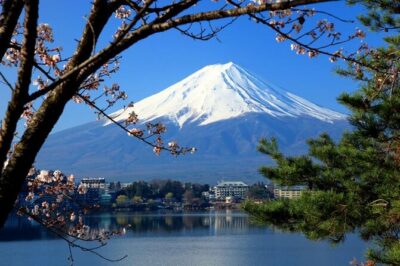
Mt Fuji and Hakone 1-Day Bus Tour Return by Bullet Train
Read our review →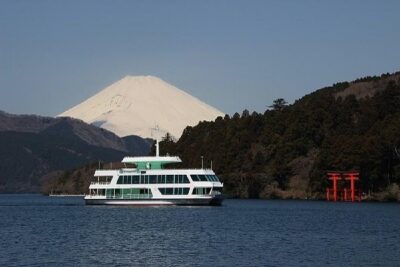
Mt Fuji & Hakone Cruise, Drum Show Bullet Train 1 Day from Tokyo
Read our review →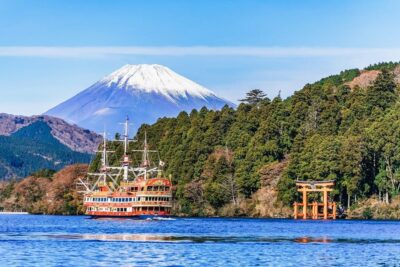
Tokyo Mt Fuji 5th St & Hakone Cruise Bus Tour w/Bullet Train
Read our review →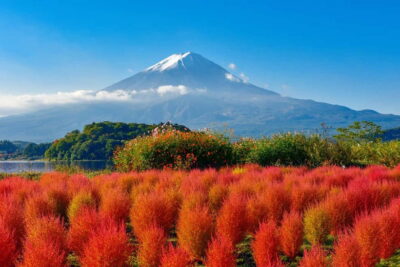
Mt.Fuji,Kawaguchiko Oishi Park,Arakurayama Sengen Park
Read our review →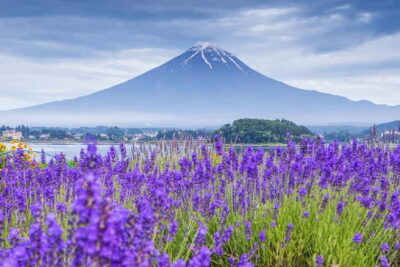
Mt Fuji Top 5 Spots Day Tour: Arakurayama Park,Oshino Hakkai
Read our review →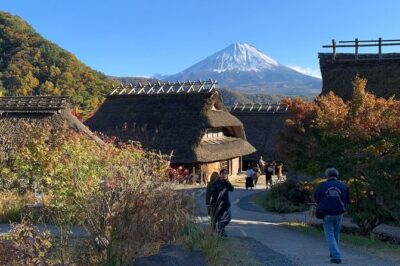
Private Tour to Mt. Fuji and Hakone (Fully Licenced Operator)
Read our review →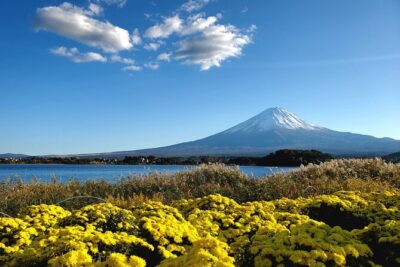
Mount Fuji Full-Day Private Tour from Tokyo (Customizable)
Read our review →Browse the lists this tour appears in