
Reviewed · CITY TOURS
Tokyo: Private City Highlights Tour
Tokyo can feel like several cities stitched together: quiet shrine paths, neon crossings, palace gardens, old market lanes, and tower views. This private eight-hour tour lets you cover a remarkable amount of ground without figuring out every train connection. The strongest feature is flexibility: guide Ahmad has adjusted routes, slowed the pace, and brought visitors closer to sights when walking was difficult.
I especially like the hotel pickup and private vehicle, since they save time on a day packed with far-flung stops. I also like the chance to shape the route around history, shopping, food, or modern Tokyo rather than follow a fixed group schedule. The tradeoff is clear: with eleven listed stops in eight hours, many visits will be brief, and entrance fees and lunch cost extra.
Key points to know before booking
- Private transport covers a lot of Tokyo: You can move from Asakusa to Shibuya, Shinjuku, and Tsukiji without changing trains.
- Ahmad has earned praise for flexibility: He has adjusted plans, worked around bad weather, and helped reduce walking distances.
- The day mixes old and new Tokyo: Senso-ji, Meiji Shrine, the Imperial Palace, Skytree, Tokyo Tower, and Shibuya all appear in one route.
- The schedule is ambitious: Eleven stops fit only because several are short photo or sightseeing visits.
- The price works best for a small group: At $319 for up to five people, the per-person cost drops sharply when shared.
- You pay separately for admissions and food: Bring extra money if you want tower observation decks or a proper lunch.
A private day for seeing Tokyo’s broad outline
This is not a slow neighborhood walk. It is a city sampler with a car, a driver-guide, and plenty of stops. You begin with pickup at a hotel, hostel, apartment, or other Tokyo address, then move across the city with fuel, highway tolls, and onboard WiFi included when available.
The private format matters in Tokyo. A fixed group can lose time waiting for late arrivals or moving at one person’s pace. Here, you can ask to spend more time at a shrine, keep a shopping stop short, or change the order if weather causes trouble. Ahmad has been praised for listening and changing the plan as the day develops.
Still, you should set realistic expectations. Tokyo’s roads can be slow, and the provider warns that traffic may delay pickup by as much as 30 minutes. The listed schedule includes Asakusa Shrine, Meiji Shrine, Skytree, the Imperial Palace, Tokyo Tower, Shinjuku Gyoen, Shibuya Crossing, Tsukiji Outer Market, Takeshita Street, and Taito City. That is a lot for one day.
Think of the experience as a guided introduction, not a series of long museum visits. You will see the key districts and decide which ones deserve a longer return visit.
Other ways to see Tokyo in a day:
- From Tokyo: Mount Fuji Full-Day Sightseeing Trip
★ 4.5 · 4,970 reviews - Tokyo: Hop-On Hop-Off Sightseeing Bus Ticket
★ 3.9 · 4,207 reviews - Tokyo: Private City Highlights Tour with Local Guide
★ 4.8 · 1,433 reviews
Asakusa and Senso-ji: Tokyo’s oldest temple setting
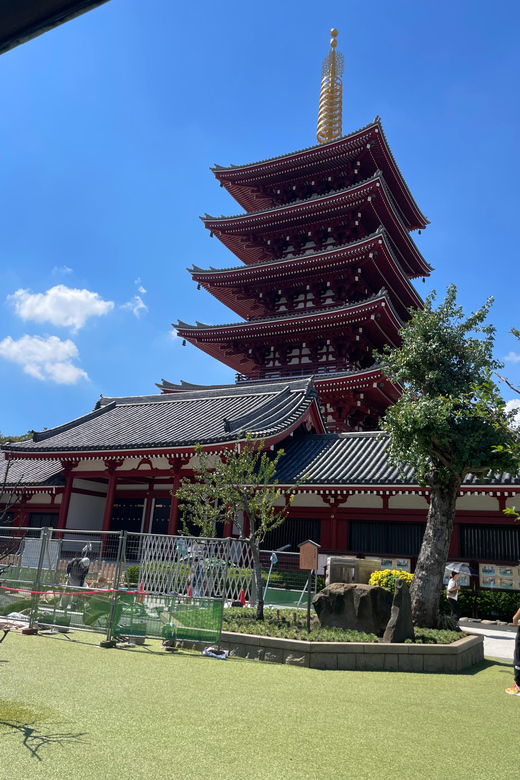
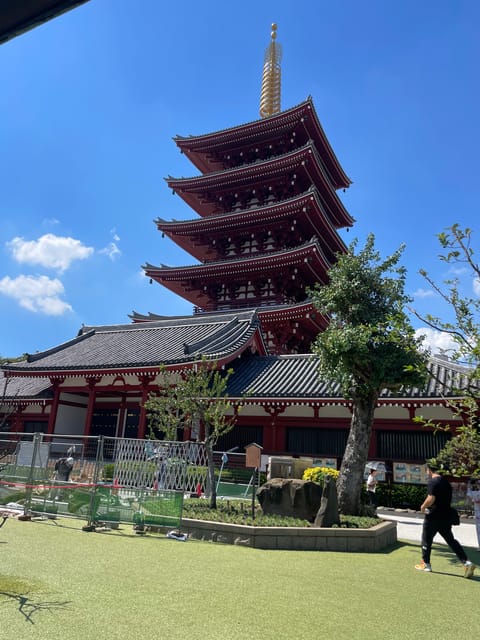
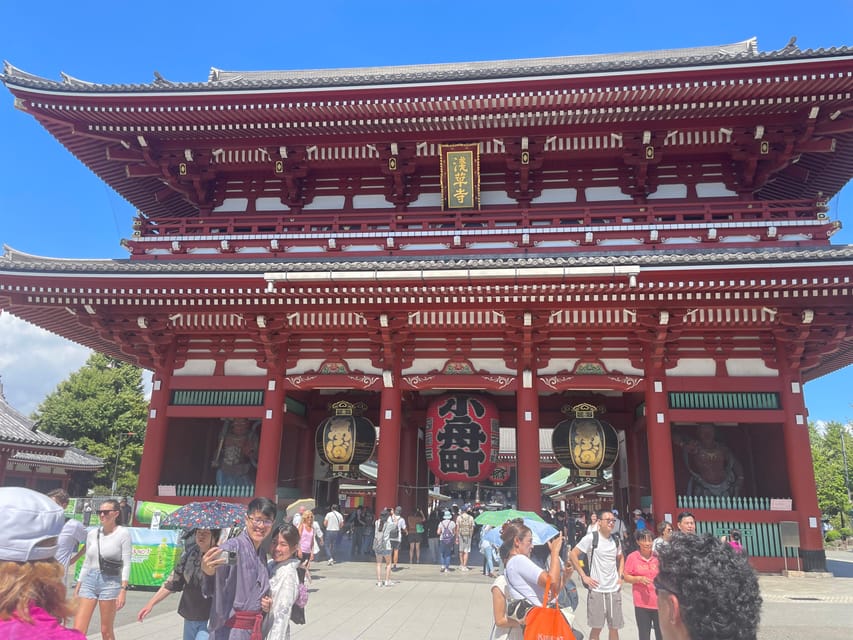
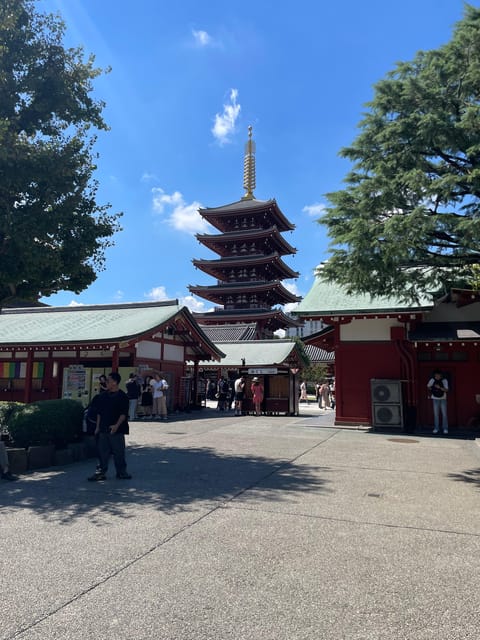
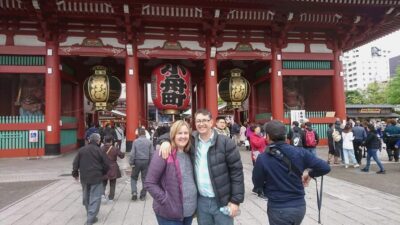
The day begins in Asakusa, where the Buddhist Senso-ji complex gives you one of the clearest introductions to old Tokyo. The approach usually centers on Kaminarimon Gate, with its large lantern and dramatic entrance. From there, Nakamise Street leads toward the main temple, lined with traditional shops selling snacks, souvenirs, and small goods.
The temple dates to 628, making it one of the city’s most important religious sites. The setting is highly photogenic, but it is not just a backdrop. You can watch worshippers make offerings, see incense smoke near the temple grounds, and get a sense of how an active place of faith fits into a modern city.
The itinerary gives Asakusa Shrine about an hour. That is enough for a purposeful visit, especially if you want the gate, shopping street, and temple area. It is not enough for a leisurely browse through every stall. If small food shops and traditional souvenirs interest you, tell Ahmad early so this first stop does not become only a quick photograph.
Taito City is also included for about 30 minutes later in the day. Since Asakusa is in Taito City, the exact use of this stop may depend on the route and your interests. Ask how the two visits will be handled so you do not spend time repeating the same area.
Meiji Shrine and the calm side of Harajuku
Meiji Shrine gives the tour its strongest change of mood. The shrine honors Emperor Meiji and Empress Shoken and sits within a wooded area near Harajuku. After Tokyo’s traffic and dense streets, the approach feels quiet and spacious.
You will walk beneath large torii gates and along paths that lead through the trees. The one-hour visit allows time for a steady walk, a look at the shrine buildings, and a moment to observe Shinto customs. Comfortable shoes are important here, especially since this is one of several walking stops.
The shrine is close to Harajuku, but the two places offer very different experiences. Meiji Shrine presents formal tradition and quiet ritual. Takeshita Street, scheduled for about 30 minutes, is crowded with youth fashion, small shops, and quick snacks. The short visit works well for people-watching and getting a taste of the area, but shoppers may find it too brief.
If fashion is your priority, ask to adjust the day. A private tour is most useful when you make your main interest clear before pickup. You may want less time at a tower and more time around Harajuku shops, though the final route depends on traffic and the guide’s judgment.
Tokyo Skytree for the biggest city view
Tokyo Skytree reaches 634 meters and is Japan’s tallest structure. Its observation decks offer wide views over Tokyo, with Mt. Fuji sometimes visible on clear days. This is the place to understand the sheer scale of the city.
The itinerary allows about an hour for Skytree. That can cover the building, views, and a quick look around, but it may not leave much room for long lines or relaxed shopping. Observation deck admission is not included, so check the cost before you decide to go up.
Skytree is especially useful early in your Tokyo visit because it helps you see how spread out the city is. You can look toward different districts and then recognize them later from street level. On hazy or rainy days, the view may be limited. Ahmad has shown flexibility when weather spoiled the original plan, so ask about a substitute if the upper decks are unlikely to deliver much.
The route also includes Tokyo Tower for about an hour. Seeing both towers in one day gives you two different views and two major pieces of Tokyo’s modern identity, but it also uses time that could go toward a market or shopping street. If you only want one tower, say so.
Same base, a different sort of day:
- Mt Fuji and Hakone 1-Day Bus Tour Return by Bullet Train
★ 5.0 · 26,383 reviews - 1-Day Tokyo Bus Tour
★ 5.0 · 14,250 reviews - Tokyo: TOKYO SKYTREE® Admission ticket
★ 4.5 · 11,192 reviews - Tokyo: teamLab Planets TOKYO Digital Art Museum Entry Ticket
★ 4.6 · 9,779 reviews
The Imperial Palace and East Gardens
The Imperial Palace is the Emperor of Japan’s residence, surrounded by gates, stone walls, and gardens. Public access is limited in some areas, but the East Gardens are open to visitors and provide a chance to walk through a more formal historic setting.
The planned visit lasts about 45 minutes. That is enough for a brisk look at the grounds, but do not expect a full palace tour. The value here is the contrast between the central city and the open garden spaces around the imperial compound.
This stop suits you if you want a short history break between taller buildings and shopping districts. If gardens are a major interest, the timing may feel tight. You can ask whether the East Gardens deserve more of the day than another short photo stop.
Shinjuku Gyoen, a garden pause in a packed day
Shinjuku Gyoen National Garden receives about an hour. It gives you a needed pause after several urban sights and helps prevent the day from becoming a string of intersections and towers.
The garden is useful for a slower walk and a change of scenery. Since the visit is scheduled rather than optional in the main plan, it adds balance to the route. You will want comfortable footwear, though the private vehicle reduces the distance between major districts.
The practical concern is time. If traffic causes delays or you spend longer at Skytree, the garden visit may be shortened. Tell Ahmad if this is one of your must-see places. The flexibility of the private format is most valuable when you identify two or three priorities instead of trying to give every stop equal weight.
Shibuya Crossing and modern Tokyo
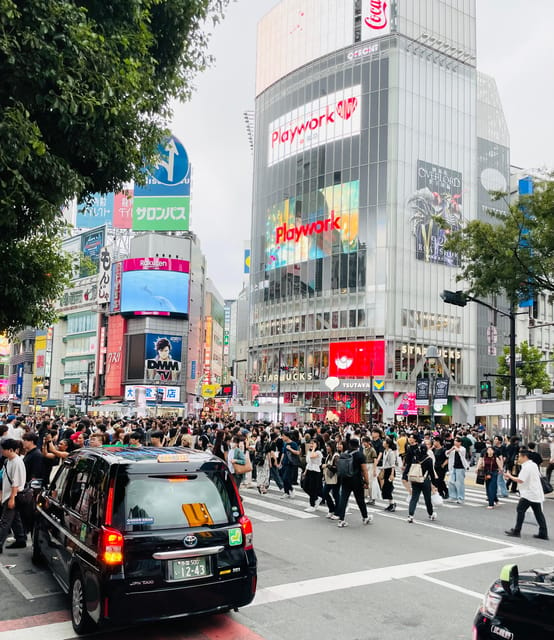
Shibuya Crossing is the tour’s most energetic urban stop. When the signals change, pedestrians move across the intersection from several directions, creating the famous scramble seen in countless photos and films. It is a quick, vivid look at Tokyo’s street culture.
The schedule allows about 45 minutes, enough to cross, take photographs, and look around the surrounding district. It is not designed as a full Shibuya shopping visit. If you want department stores, cafés, or nightlife, you will need to return on your own.
Shibuya makes a good late-day stop because it shows a different side of Tokyo from the shrines and palace grounds. The crossing itself is free, but the experience depends on timing, crowds, and where your vehicle can stop. A guide who knows the area can save you the bother of finding the best approach.
Tsukiji Outer Market for food and local flavor
The original wholesale fish market moved to Toyosu, but Tsukiji Outer Market remains active. Its lanes contain seafood sellers, restaurants, and small food stalls. You may find sushi, sashimi, grilled items, and tamagoyaki, the Japanese rolled omelette.
This is one of the few stops where lunch and sightseeing naturally overlap. Food is not included, so you can choose how much to spend. If you want to eat here, make that clear before the schedule gets tight. A brief stop may give you a look at the stalls but not enough time for a relaxed meal.
Tsukiji is also a good place to ask your guide about what is worth trying. The private setup gives you someone to help with the broad choice, though specific food recommendations are not guaranteed. Keep in mind that the market can be crowded, and you should watch your belongings in narrow lanes.
How the private vehicle changes the day
Tokyo’s train system is excellent, but this route crosses a large part of the city. A private vehicle removes the need to plan each transfer and gives you a place to leave shopping bags or rest between stops. Hotel pickup and drop-off add real value, especially if you are still learning Tokyo’s station system.
The vehicle includes petrol and highway tolls. WiFi is available onboard when conditions allow, but you should not depend on it as your only connection. Drinks and food are not allowed in the vehicle, and smoking is prohibited.
The guide can also bring you closer to sights when needed. One person with walking difficulties was able to reduce walking distances through drop-offs near attractions. The tour is wheelchair accessible, but you should tell the provider about mobility needs, allergies, car seats, or other requirements before the day.
You are responsible for personal expenses, meals, and entry fees. The reservation allows cancellation up to 24 hours ahead for a full refund, and you can reserve now and pay later. Pickup does not cover airports, ports, or stations, so this works best once you are staying at a Tokyo address.
Is $319 good value for up to five people?
At $319 per group, the price is easiest to justify when shared. Five people pay about $64 each before admissions and food. Two people pay about $160 each, so a small group will need to value the private vehicle and custom route more highly than the low per-person price.
You are paying for coverage and control rather than admission bundles. Fuel, tolls, hotel pickup, and drop-off are included, but tower tickets and lunch are not. Add those costs before comparing this with a public walking tour or a standard sightseeing bus.
The value is strongest for families, friends, and first-time visitors who want one organized day of orientation. It is less appealing if you prefer to spend half a day at one temple, museum, or neighborhood. Tokyo rewards slow exploration, and this tour deliberately chooses breadth.
Who should book this Tokyo tour?
I would choose it for a first full day in Tokyo, especially if you want to see both traditional and modern districts without handling transport yourself. It also suits a mixed-interest group, where one person wants temples, another wants shopping, and someone else wants towers and city views.
The tour can work well for older visitors or anyone who wants to limit walking between districts. The day still includes walks at shrines, markets, gardens, and shopping streets, so it is not a no-walking experience. People over 95 are listed as unsuitable for the activity.
I would hesitate if your main goal is food. Tsukiji is only one stop, and lunch is not included. I would also hesitate if you want long visits at every attraction. The schedule is simply too full for that.
Should you book it?
Book this private Tokyo tour if you want a well-organized first look at the city, hotel pickup, and the freedom to change the plan. Ahmad has been singled out for punctuality, patience, clear English, and willingness to adjust the route, including on a day with poor weather.
Before booking, choose your top three stops and ask how much time you want for food, shopping, or tower views. If you accept short visits and extra admission costs, $319 can be fair for a group of up to five. If you want a slow, detailed experience at one neighborhood, use the same money for a private walking tour focused on fewer sights.
FAQ
How long is the Tokyo private city tour?
The tour lasts eight hours, including pickup, sightseeing, and return to your Tokyo address.
How much does the tour cost?
The listed price is $319 per private group of up to five people.
Is hotel pickup included?
Yes. Pickup and drop-off are included from hotels, hostels, apartments, or other addresses in Tokyo.
Can the tour pick me up at an airport, port, or station?
No. Pickup is not available from airports, ports, or stations.
What languages are available?
The host or greeter is available in English and Japanese.
Is the tour private?
Yes. It is designed for a private group rather than a shared coach group.
Are entrance fees included?
No. Entrance fees are not included in the tour price.
Is lunch included?
No. Lunch and other personal expenses are separate.
Can the route be customized?
Yes. The tour can be adjusted around interests such as history, shopping, technology, and the amount of time spent at different sights.
What should I bring?
Bring comfortable shoes. The itinerary includes walks at shrines, gardens, markets, and shopping streets.
Just added in Tokyo
- The 10 Tastings of Tokyo With Locals: Private Street Food Tour★ 5.0 · 48 reviews
- Small Town in the Big City: Tasting Tokyo’s Kichijoji★ 5.0 · 195 reviews
- Small Town in the Big City: Tasting Tokyo’s Kichijoji★ 5.0 · 16 reviews
- EXCLUSIVE Tokyo Secret: Kichijoji Small-Group Food & Bar Hopping★ 5.0 · 29 reviews
- Explore Kichijoji: Walk Through One of Tokyo’s Beloved Districts★ 5.0 · 21 reviews
- :Tokyo,Shibuya/ Pro Photography in Kimono / English-Friendly★ 5.0 · 26 reviews
- 【R34】Tokyo:Private Daikoku tour in Modified R34★ 4.9 · 92 reviews
- Tokyo:Calligraphy &Make your original folding fan in Asakusa★ 5.0 · 62 reviews
City Tours, compared.

Private City Highlights Tour with Local Guide
Read our review →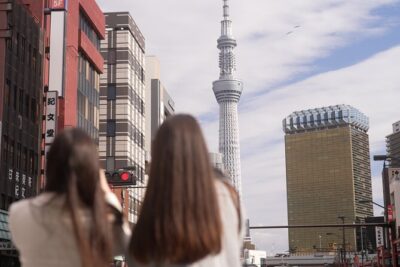
Tokyo Private Sightseeing Tour by Car- English speaking chauffeur
Read our review →
Discover Mt. Fuji 5th Station & Kawaguchiko Sightseeing Day Tour
Read our review →
North Okinawa Sightseeing Tour & Churaumi Aquarium
Read our review →
Open Top Panoramic Sightseeing Bus with Audio Guide
Read our review →Browse the lists this tour appears in