
Reviewed · SAMURAI & NINJA EXPERIENCES
Tokyo: Samurai Experience with a real sword
A real sword, traditional clothing, and a controlled sword-to-sword exchange make this two-hour Tokyo experience far more hands-on than a museum visit. You learn how to handle a katana, watch Shiden-ryu swordsmanship, and finish with filmed target cutting if you are at least 12.
I like the clear progression from seated etiquette to basic forms, combat practice, and the final photo session. I also like that the experience gives you a video and photographs, so the memory does not end when you change back into your clothes.
The main consideration is that this is an introduction, not a full martial arts course. English support is provided, but one session relied on Google Translate for some communication, and the activity is not suitable for pregnant women or wheelchair users.
Key points at a glance
- Real sword target cutting: Participants aged 12 and above may cut objects with a genuine samurai sword while the action is recorded.
- Kimono and hakama dressing: Traditional clothing gives the session a stronger sense of ceremony and helps you understand how movement changes in samurai dress.
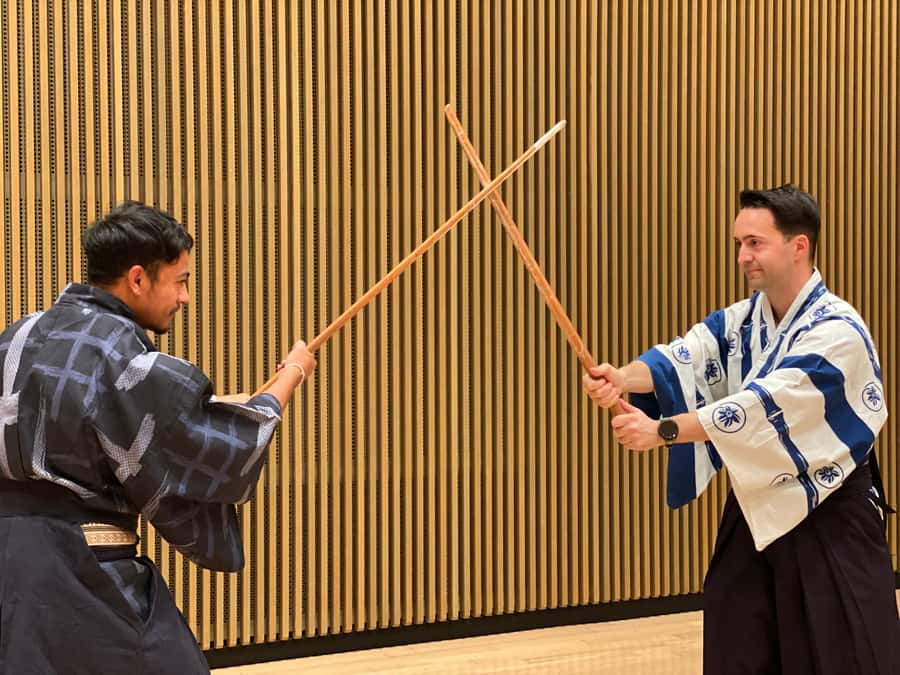
- Sword-to-sword practice: You learn basic movements before taking part in a controlled uchikomi exercise.
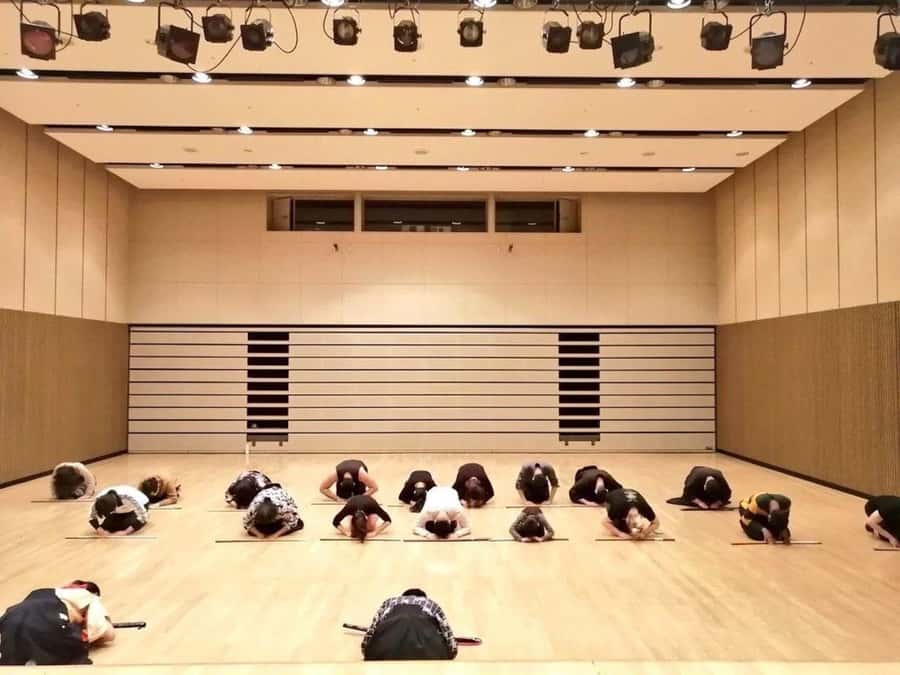
- Etiquette before action: Zarei, or seated bowing, begins and ends the session, giving the activity a proper structure.
- A useful keepsake: Photography is included, and you take home a video of your samurai experience.
- English instruction: An English-speaking coach and staff are provided, though translation apps may help with finer points.
From Tokyo meeting point to samurai training room
Your meeting point is after the station ticket gates. Leave through the west exit, go down to ground level, and look for McDonald’s. Staff will hold a meeting board, but do not cut this close: arrive 20 minutes before the scheduled time.
The meeting location can change within Tokyo depending on the date. Check your final instructions carefully rather than assuming the west exit is always the last stop. The activity ends back at the meeting point, which keeps the logistics simple.
From there, staff take you to the training center. The transfer is part of the opening rhythm: you leave the ordinary station crowd behind, change clothes, and prepare for an activity that depends on focus and careful movement.
Wear comfortable clothes underneath your costume and bring a change of clothes. You should also carry water in a bottle with a secure lid. Loose drinks and active sword practice are a poor combination, so this small rule matters.
Other samurai and ninja experiences in Tokyo people book:
- Tokyo: Samurai Restaurant Show Ticket with 2 Drinks
★ 4.5 · 1,307 reviews - Tokyo: Samurai Ninja Museum Guided tour and Experience
★ 4.6 · 1,010 reviews - Tokyo: Samurai Sword & Archery Class from Samurai Descendant
★ 5.0 · 603 reviews
Kimono, hakama, and the first bow
The session begins with reception and dressing. You choose a kimono and hakama, the divided skirt-like trousers traditionally associated with formal Japanese clothing and martial arts. The outfit is not just a costume layer for photographs. It changes how you stand, step, and turn.
The staff ask for your height and weight on the reservation form. That information helps prepare suitable clothing, so provide it accurately when booking. If you are tall or need a particular fit, this is the time to give the organizers useful information.
Before the sword comes out, you learn samurai etiquette, including zarei, the seated bow. This is one of the better parts of the session because it places the sword work in a formal setting. The bow is a reminder that the activity is built around discipline and respect, not theatrical swinging.
You will likely notice that the pace is deliberate at first. That is a good thing. The sword is real, and learning how to stand, hold it, and move safely matters more than racing toward the dramatic parts.
Watching Shiden-ryu swordsmanship
A demonstration of iai and swordsmanship follows. Iai focuses on drawing and using the sword from a controlled position, then returning it to its sheath. The display helps you see the difference between a simple movie-style slash and a movement built around posture, timing, and control.
This demonstration is also the clearest cultural section of the experience. You are not simply handed a prop and told to pose. You see a formal martial art before trying selected movements yourself.
Instructor Hiryu has been praised for explaining samurai history and philosophy during the session. The official language is English, and an English-speaking coach is included, but the quality of communication can vary. One account found the hosts friendly and helpful while using Google Translate for some points. Bring patience and keep your translation app ready if you want detailed questions answered.
That small language caveat is worth knowing. You should expect to understand the main safety instructions and activity sequence, but not necessarily receive a long academic lecture in fluent English.
Learning to draw, sheath, and move safely
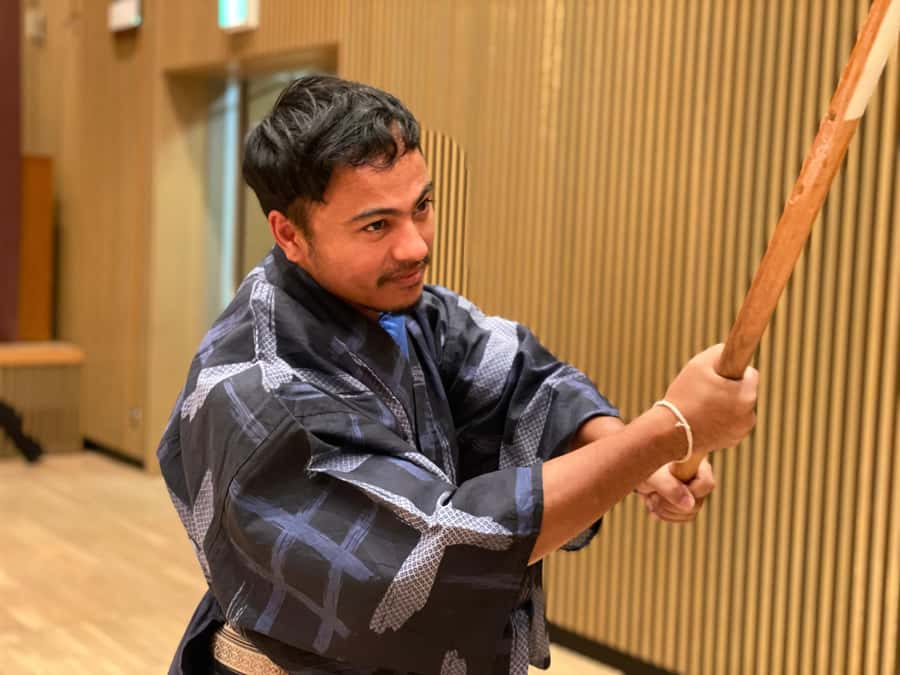
The coach introduces sword-handling techniques and basic samurai forms. You practice how to hold the weapon, how to position your body, and how to draw and sheath it. These basic actions may sound simple, but they are the foundation for everything that follows.
I like this part because it gives the session a useful arc. You begin with ceremony, then learn the mechanics, and only later attempt partner work. A guest who arrives hoping for instant action may find the opening slow, but the order makes sense.
Your clothing and the sword both limit careless movement. You need to keep your feet organized, maintain awareness of the person opposite you, and follow the coach’s instructions. That makes this a better choice for someone interested in trying a traditional discipline than for someone seeking a pure adrenaline activity.
The precise amount of individual practice can depend on the group and timing. The full experience lasts two hours, so expect an introduction rather than a detailed course in swordsmanship. Your aim is to leave with a feel for the form, not professional technique.
Other swordplay and stealth sessions in Tokyo:
- Best Samurai Experience in Tokyo
★ 5.0 · 458 reviews - Ninja Experience (Family Friendly) at Samurai Ninja Museum TOKYO
★ 5.0 · 441 reviews - Tokyo: Samurai Entertainment Night Show in Kanda Shrine
★ 4.6 · 417 reviews - Tokyo Sword Experience – includes Museum Ticket/Ninja Experience
★ 5.0 · 314 reviews
Uchikomi, the sword-to-sword exchange
The most theatrical section is uchikomi, a controlled sword-to-sword combat exercise. By this point, you have already learned basic forms and movements, so the exchange has some structure behind it.
Do not picture an uncontrolled duel. This is a coached activity with rules and etiquette. Listen closely, keep your movements measured, and treat the person opposite you as a practice partner rather than an opponent to defeat.
This part should appeal to couples, friends, and families with older children who want to share an activity. It also creates the best photographs because you are no longer simply posing with a sword. You are taking part in a short, choreographed piece of sword training.
At the same time, the format may feel less authentic to people expecting a full martial arts lesson. The advertised experience gives you an introduction to uchikomi, not a long series of combat drills. The value comes from trying the ritual and movement under supervision, not from mastering a fighting system in one afternoon.
Cutting targets with a genuine samurai sword
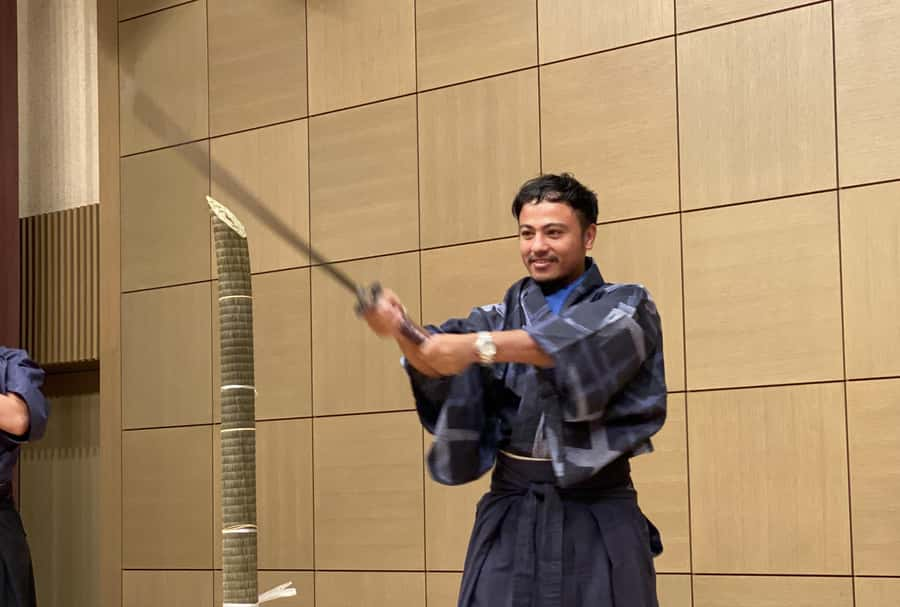
Participants aged 12 and above can try cutting objects with a real samurai sword. This is the moment many people will remember most clearly, and video recording is available so you can take the action home.
The word real matters here. You are not simply posing with a lightweight replica. That makes the safety briefing and the earlier handling practice especially important. Follow the instructor’s directions exactly, and do not treat the sword as a toy once the camera starts rolling.
The target cutting is also the reason families should check ages carefully. Younger children may still enjoy the costume, demonstration, and photos, but the real-sword cutting portion is restricted to participants 12 and older.
The activity does not specify the exact objects being cut, so you should not book expecting one particular target. What you can count on is the chance to attempt a supervised cut and receive a video record of the experience.
Photos, video, and the session’s extra touches
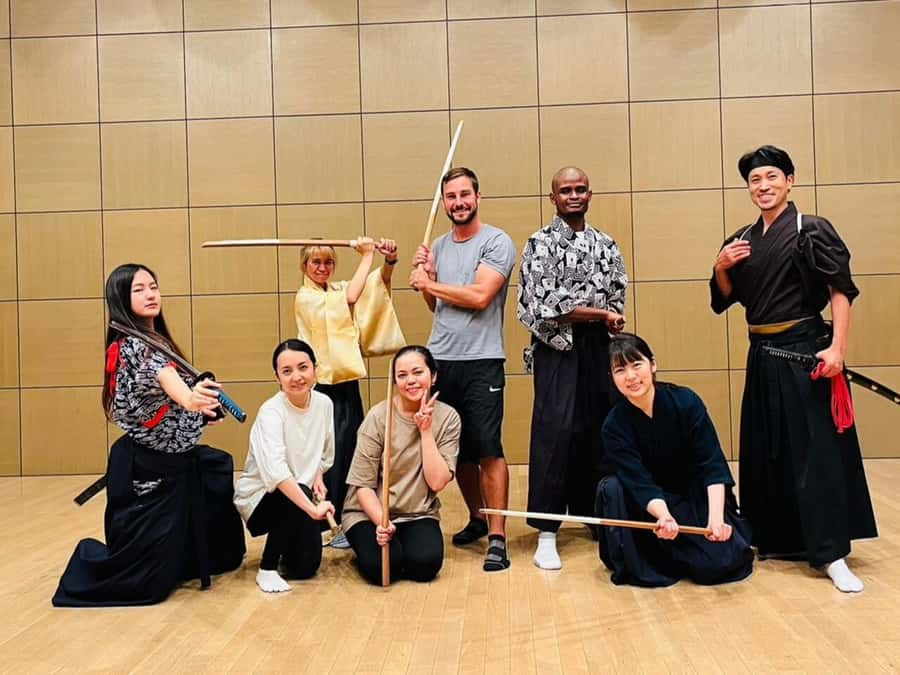
A presentation and video recording are built into the schedule, followed by a commemorative photo session. The included photography charge is useful because you do not have to rely on a companion standing outside the action with a phone.
You receive a video of your samurai experience as a keepsake. This adds real value to the $102 price, particularly if you want proof of the target cut or a record of the sword movements. Check how the video is delivered during the session, since the supplied details do not specify the format or transfer method.
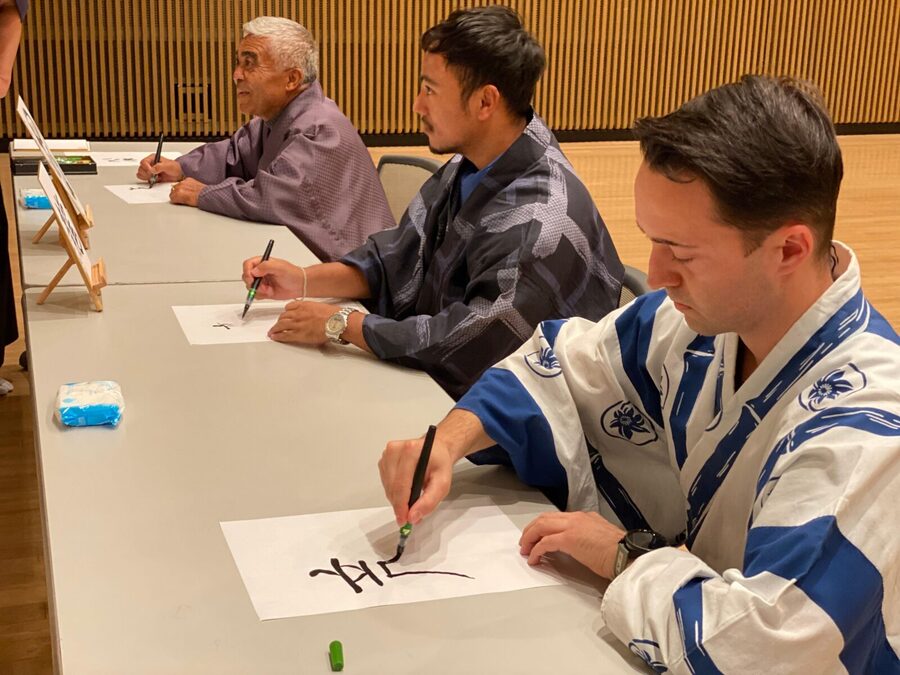
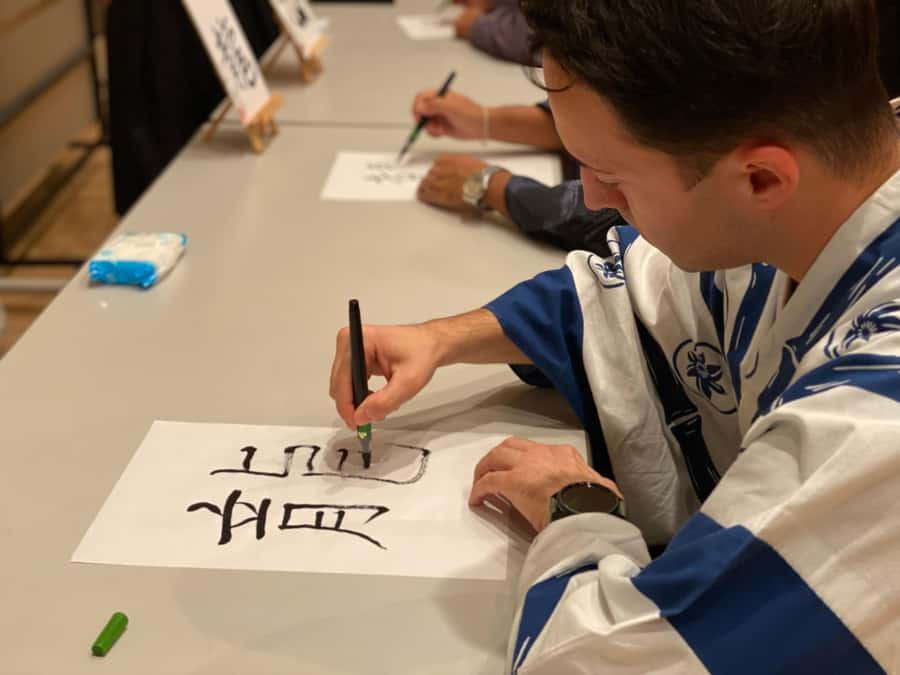
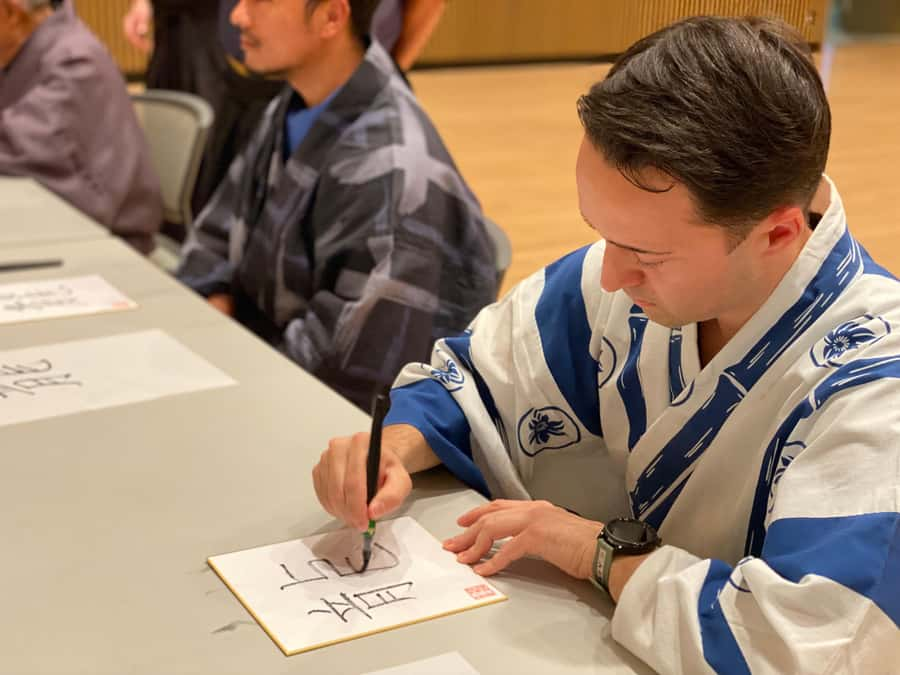
Some sessions have also included calligraphy and a small meal. These are appealing additions, especially if you want a broader cultural encounter, but they are not listed among the standard inclusions. Treat them as possible extras rather than guaranteed parts of every booking.
The core promise is clear: clothing, etiquette, sword instruction, combat practice, target cutting for participants 12 and older, photography, and video. That is enough to judge the experience without counting on anything beyond those items.
Is $102 a fair price?
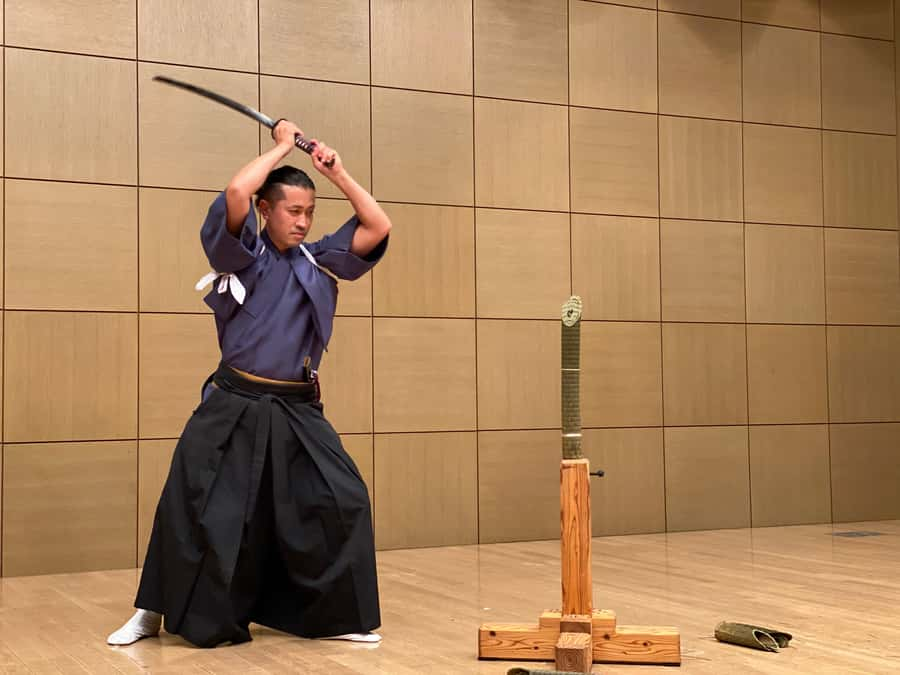
At $102 per person, this is not a bargain basement photo opportunity. You are paying for a two-hour guided activity with a professional coach, venue use, traditional clothing, photography, and access to a real sword under supervision.
I think the price makes the most sense if you value participation and a keepsake. A standard temple visit or samurai-themed photo session will cost less in some cases, but neither necessarily gives you the chance to learn handling techniques, practice uchikomi, and cut a target with a genuine sword.
The value is also stronger for two people sharing the experience. Couples can watch each other take part, and the included photos and video give you a joint memory rather than a few costume portraits. If you are mainly interested in historical facts, the price may feel high because the session is active and introductory rather than lecture-based.
The rating of 4.7 from 17 published ratings suggests a strong overall response, but the sample is small. I would use that number as a helpful sign, not a guarantee that every session will feel identical. The experience depends partly on the coach, the group, and how much English explanation you need.
Free cancellation is available up to 14 days before the activity for a full refund. That is a useful cushion for a complicated Japan itinerary, but the deadline is early, so do not treat it like a last-minute cancellation option.
Who should book this samurai experience?
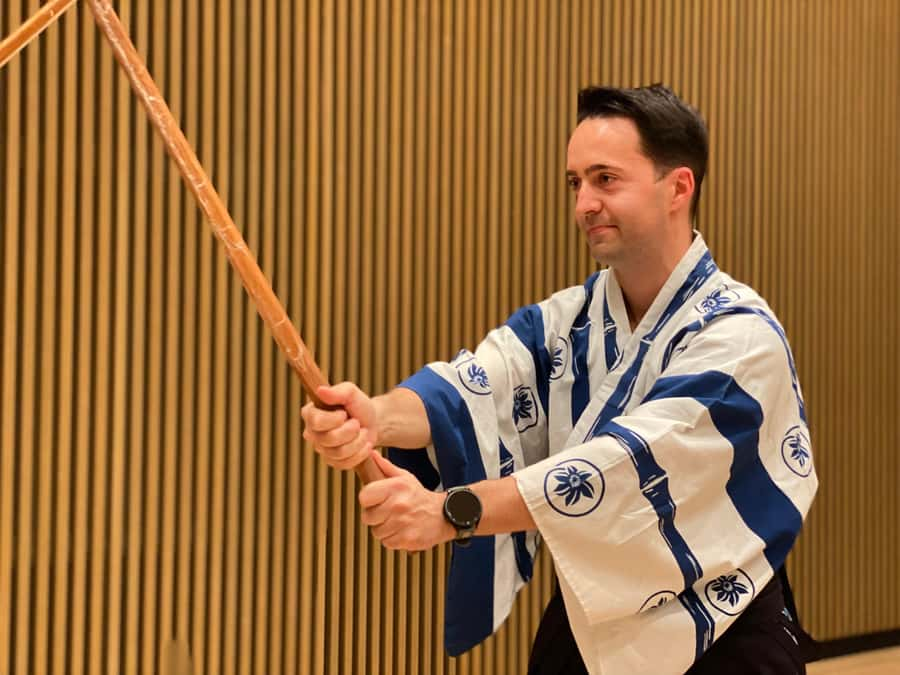
I would recommend it to you if you want a cultural activity that combines dress, movement, ceremony, and a clear visual souvenir. It suits couples, friends, families with participants 12 and older, and anyone who has always wanted to handle a katana in a supervised setting.
It is especially good for people who enjoy learning by doing. You begin with zarei, watch iai, practice sword handling, take part in uchikomi, and then attempt target cutting. Each stage gives you something different.
You may want to skip it if you dislike dressing up, have limited mobility, or want a long and technically demanding martial arts course. The activity is not suitable for wheelchair users or pregnant women, and comfortable clothing is still important beneath the costume.
English is supported, but the session may not provide detailed English conversation at every moment. If you want to ask about samurai philosophy or sword technique, bring a translation app and allow for a few pauses.
Practical planning before you go
Book with enough time to provide your height and weight. Wear comfortable clothing that is easy to change out of, and bring a spare outfit for after the session.
Arrive 20 minutes early at the stated meeting point. Find the staff member with the meeting board near the west exit and McDonald’s after the ticket gates. Since the location may change within Tokyo, read the latest meeting instructions on the day.
Bring water in a container with a secure lid. Smoking is not allowed, and alcoholic drinks are not allowed in the vehicle. The activity ends at the meeting point, so you can plan your next Tokyo stop from there.
The experience lasts two hours, but allow extra time around it for meeting, transport to the training center, changing, and the return to the meeting point. The supplied schedule does not promise a particular starting time, so check availability before arranging a tight reservation afterward.
Should you book it?
Book this if you want more than a costume photograph. The real appeal is the sequence: formal bowing, traditional dress, sword instruction, controlled partner combat, and supervised target cutting with a video to take home.
I would not choose it as a substitute for serious martial arts training or a detailed history seminar. But for a memorable Tokyo activity with a strong sense of ceremony and plenty to show your friends afterward, the combination is convincing.
At $102, the best value comes from using every part of the session: ask questions, pay attention during the demonstration, take the etiquette seriously, and make sure your video and photographs are arranged before you leave. If that sounds like your kind of afternoon, this is a solid booking.
FAQ
How long does the samurai experience last?
The activity lasts two hours. Check availability for the available starting times.
Where is the meeting point?
After leaving the ticket gates, go out through the west exit and descend to the ground floor, where you will find McDonald’s. Meet the staff member holding a meeting board.
Can the meeting location change?
Yes. The meeting location may vary within Tokyo depending on the date. You will be notified if it changes.
How early should I arrive?
Arrive 20 minutes before the scheduled meeting time.
Is the experience conducted in English?
English-speaking staff and an English instructor are provided. Some communication may also require a translation app.
Can children cut objects with the real sword?
Real-sword target cutting is available to participants aged 12 and above.
What should I wear and bring?
Wear comfortable clothes and bring a change of clothes and water. Your drink should have a secure lid.
Are photos and video included?
Photography charges are included, and you receive a video of your samurai experience to take home.
Is the activity accessible to everyone?
The experience is not suitable for pregnant women or wheelchair users. Smoking is not allowed, and alcoholic drinks are not allowed in the vehicle.
Just added in Tokyo
- The 10 Tastings of Tokyo With Locals: Private Street Food Tour★ 5.0 · 48 reviews
- Small Town in the Big City: Tasting Tokyo’s Kichijoji★ 5.0 · 195 reviews
- Small Town in the Big City: Tasting Tokyo’s Kichijoji★ 5.0 · 16 reviews
- EXCLUSIVE Tokyo Secret: Kichijoji Small-Group Food & Bar Hopping★ 5.0 · 29 reviews
- Explore Kichijoji: Walk Through One of Tokyo’s Beloved Districts★ 5.0 · 21 reviews
- :Tokyo,Shibuya/ Pro Photography in Kimono / English-Friendly★ 5.0 · 26 reviews
- 【R34】Tokyo:Private Daikoku tour in Modified R34★ 4.9 · 92 reviews
- Tokyo:Calligraphy &Make your original folding fan in Asakusa★ 5.0 · 62 reviews
Samurai & Ninja Experiences, compared.
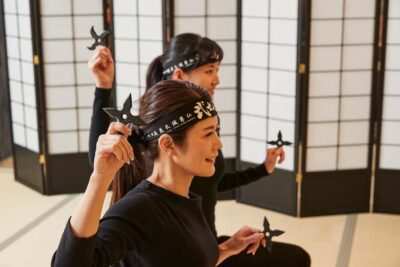
Samurai Ninja Museum Guided tour and Experience
Read our review →
Kendo and Samurai Experience with Uniform and Gear
Read our review →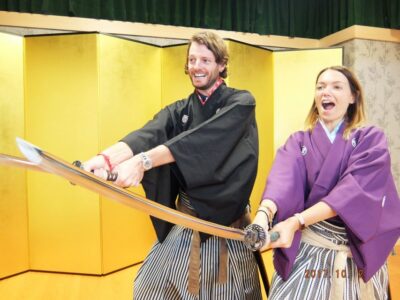
Samurai Sword Class by Experts in Traditional Arts
Read our review →
Skip the lines Basic Ticket at SAMURAI NINJA MUSEUM KYOTO
Read our review →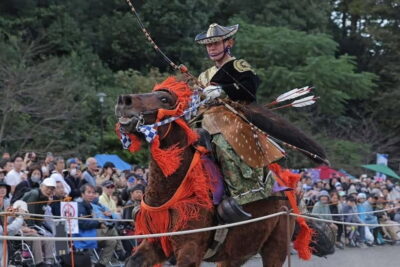
Samurai Sword & Archery Class from Samurai Descendant
Read our review →
Browse the lists this tour appears in