
Reviewed · SAMURAI & NINJA EXPERIENCES
Tokyo: Samurai Sword Academy in the Hometown of Last Samurai
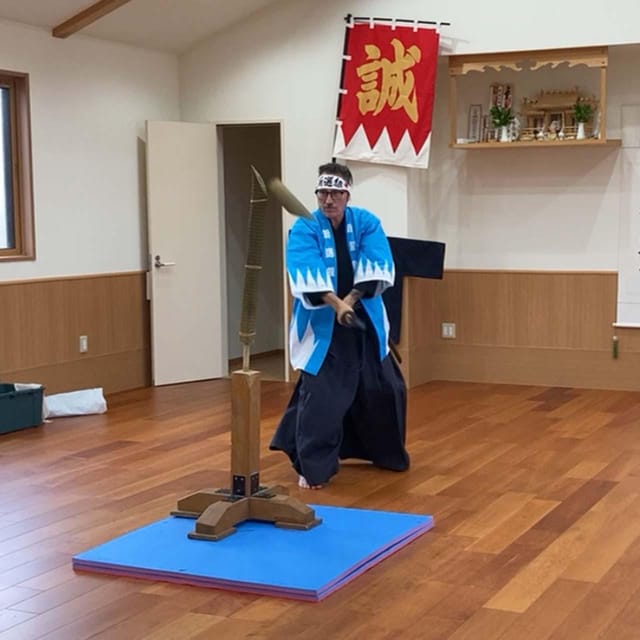
The most unusual part of this Tokyo-area experience is simple: you practice at an actual Tennen Rishin-ryu dojo, the sword school linked to the Shinsengumi, rather than watching a staged samurai show. In Hino, the hometown of these late-Edo-period swordsmen, Masao Inoue, a descendant of Shinsengumi executive Genzaburo Inoue, leads a small class through the basics.
I like the four-person limit, which gives the instructors time to correct your feet, posture, and grip. I also like the careful build-up from wooden sword exercises to handling a real Japanese sword, with the final tatami cutting session adding a memorable finish. The main catch is that this is active martial-arts training, not a casual costume photo stop, so it is unsuitable for children under 18 and people with several health or mobility concerns.
Key points to know before you book
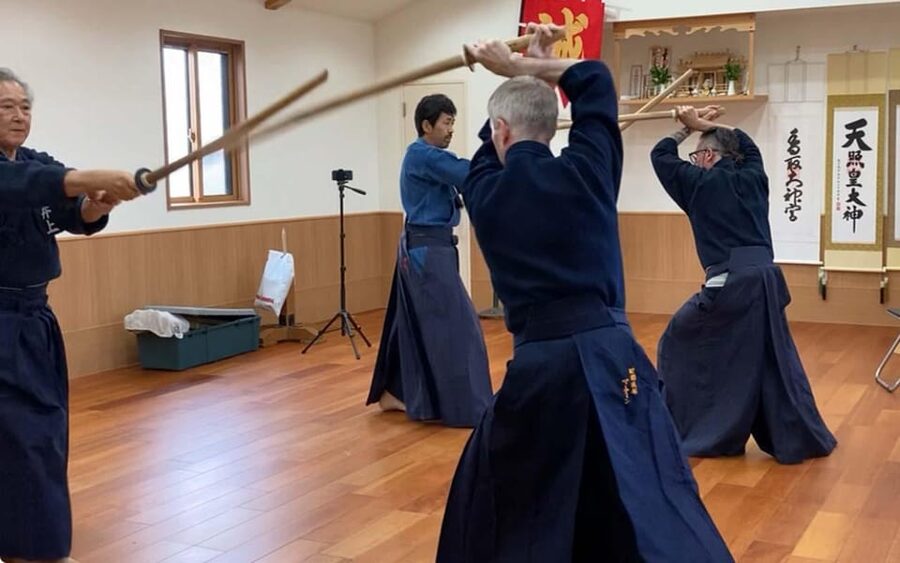
- Learn the Shinsengumi’s Tennen Rishin-ryu: Practice a sword tradition that began in the Edo period and continues at the Hino Dojo.
- Train with Masao Inoue: The dojo chairman is a descendant of Genzaburo Inoue, a Shinsengumi executive.
- Progress from basics to a real blade: Expect posture, footwork, kata, wooden sword work, and Japanese sword handling.
- Wear the full practice outfit: Dogi, hakama, and a Shinsengumi dandara baori are provided.
- Keep the class personal: Groups are limited to four people, with English and Japanese instruction.
- Allow time for the trip to Hino: The meeting point is five minutes from Hino Station on the JR Chuo Line.
Why Hino matters to the Shinsengumi story
Tokyo has plenty of samurai-themed activities, but this one takes you away from the usual central districts to Hino, a place tied directly to the Shinsengumi. At the end of the Edo period, swordsmen from this area formed the Shinsengumi, a group often described as the strongest band of swordsmen of its time. They became known as the Last Samurai.
That background changes the feel of the class. You are not simply learning a few dramatic poses for a photograph. You are practicing a sword system that began in the Edo period and remains active today. The setting gives the lesson a sense of place, especially when the instructor explains the connection between the dojo, Hino, and the Shinsengumi.
The meeting point is on the second floor of the Inoue Genzaburo Museum, about a five-minute walk from Hino Station on the JR Chuo Line. That is useful to know because the activity is not in central Tokyo. The short walk from the station makes the journey manageable, but you should still allow enough time to leave the city center and find the museum without rushing.
The museum connection also gives the start of the activity a clear historical focus. You are entering a place linked to Genzaburo Inoue, rather than arriving at a generic martial-arts studio. The small museum setting and working dojo help separate this from a commercial show built only for tourists.
Other samurai and ninja experiences in Tokyo people book:
- Tokyo: Samurai Restaurant Show Ticket with 2 Drinks
★ 4.5 · 1,307 reviews - Tokyo: Samurai Ninja Museum Guided tour and Experience
★ 4.6 · 1,010 reviews - Tokyo: Samurai Sword & Archery Class from Samurai Descendant
★ 5.0 · 603 reviews
What the two-hour lesson actually covers
The lesson is structured as training, not a single demonstration. You begin by getting ready in the provided dogi and hakama, the traditional practice uniform. You also have the chance to wear a dandara baori, the distinctive uniform associated with the Shinsengumi. These clothes are more than a costume detail. They help you move into the formal setting of the dojo and make the photographs more meaningful.
The first physical work focuses on posture and foot placement. This can sound basic, but it matters when you later handle a sword. One useful point is that correct foot position helps prevent injury. The instructors explain not only what to do, but why the movement is performed that way.
You then work with a wooden sword. The early exercises introduce the shape of the movements without putting a sharp or heavy blade into your hands. Expect to practice basic positions, footwork, and kata. The exact pace will depend on your group, but the class is designed for beginners rather than people who already train in kenjutsu.
This staged approach is one of the strongest parts of the activity. You first get a feel for distance, balance, and movement. After that, you move toward paired or duel-style practice under supervision. The sequence makes the session feel like a lesson with a purpose, rather than a collection of unrelated tricks.
The instructors are described as patient, attentive, serious, and friendly. That combination is important here. A sword class needs clear discipline and safety, but a first-time visitor also needs room to make mistakes. The small group allows the teachers to watch your movement closely and offer corrections.
At the later stage, you handle a real Japanese sword. The activity description calls the sword the soul of the samurai, and the point is clear: holding a genuine blade carries a different weight from swinging a wooden practice sword. You are not left to work it out alone. The progression and close instruction are meant to keep the handling controlled and respectful.
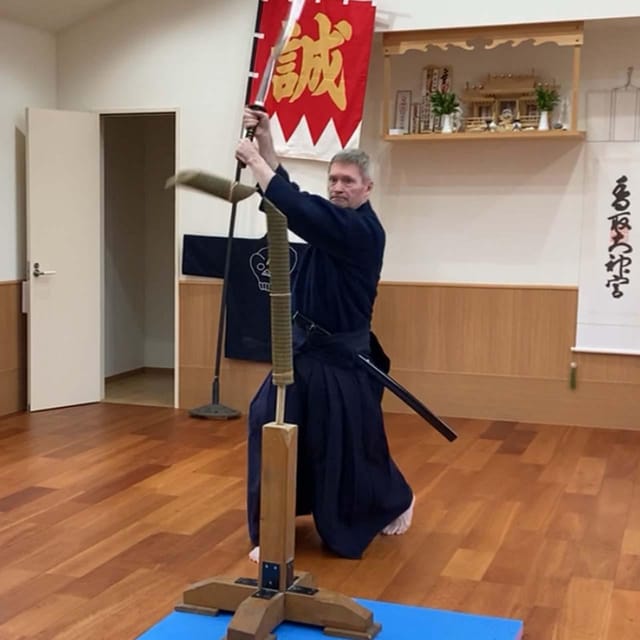
The final cutting activity involves tatami mats, and some participants also describe cutting bamboo. The supplied details consistently identify tatami cutting as part of the experience, while the bamboo reference is less definite, so do not book this expecting a particular cutting target beyond what the instructors confirm on the day. The cutting session is an exciting close to the lesson, but it depends on following the earlier instruction carefully.
A surprise at the end is also mentioned, though its nature is not specified. That is worth leaving as a surprise rather than trying to guess what it is.
The dojo setting gives the lesson its value
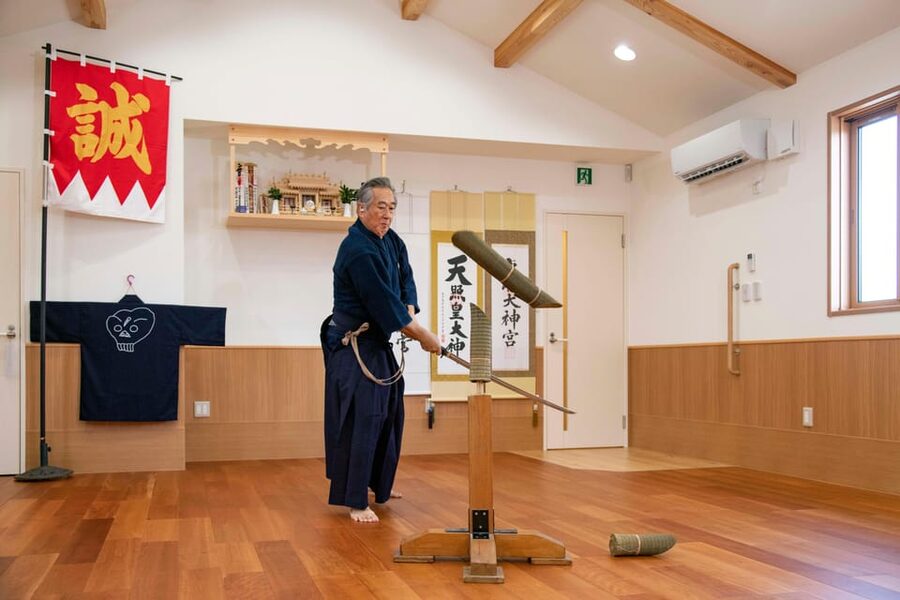
The main value here is not the number of sword movements you learn in two hours. It is the combination of place, lineage, and direct instruction. You are working in the Tennen Rishin-ryu Hino Dojo, where students continue to train, rather than in a temporary room arranged for a one-off show.
Masao Inoue leads the experience as chairman of the Tennen Rishin-ryu Hino Dojo. His family connection to Genzaburo Inoue adds a personal link to the Shinsengumi story. That does not turn the class into a museum lecture. Instead, the historical background supports the physical lesson and helps explain why the dojo matters.
I especially like that the activity gives you something to do with the history. You learn about the Shinsengumi, then practice a sword tradition connected to them. The story is not left on a display panel. It becomes part of your posture, footwork, and handling of the sword.
The facility is described as spacious and well kept, with good equipment. That matters when you are learning movements that need room and concentration. A cramped or poorly maintained room would make the class less comfortable, particularly once wooden swords and real blades are involved.
The instructors also bring a useful balance. The tone is serious enough to respect the school, but friendly enough to keep a beginner from feeling out of place. If you learn kata slowly, the class is designed to give the teacher time to work with you. You should not need to arrive with martial-arts experience.
What makes the small group worthwhile
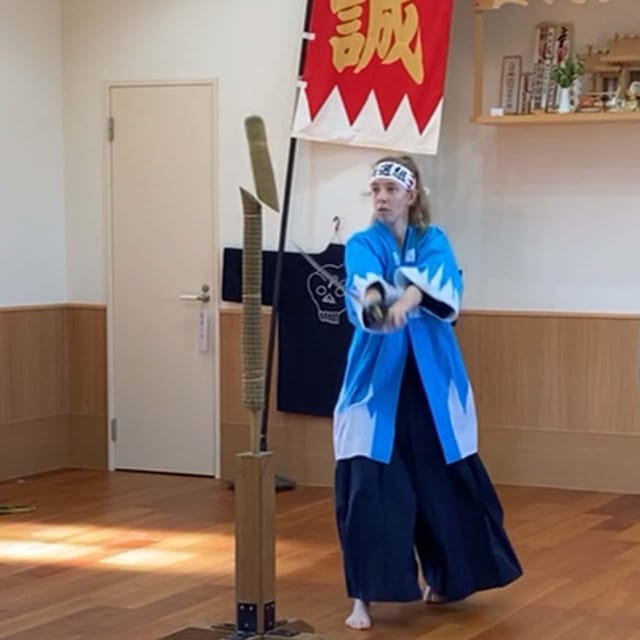
A limit of four participants is a major advantage at this price. At $116 per person, this is not the cheapest cultural activity in Tokyo, but you are paying for a private-feeling lesson rather than a large demonstration. The instructor can see how you stand, how you step, and how you hold the wooden sword.
That level of attention becomes even more important before the real sword work. Beginners often focus on the blade and forget their feet. A small group gives the teacher a chance to correct the whole movement and keep the session controlled.
The small size can also make the class more comfortable for people who feel awkward performing in front of a crowd. You will still practice with other participants, including duel-style work, but the setting is limited and guided.
English and Japanese instruction are available. The supplied information does not promise that every explanation will be delivered in fluent English, so you should still expect demonstrations and physical correction to carry part of the lesson. For a movement-based class, that can work well because you can watch the technique as you listen.
Communication before the activity is described as fast and efficient, which is useful for a specialized experience with a less familiar meeting point. Still, check the starting time and directions when you book, since the two-hour session has set availability rather than an open-ended drop-in format.
Other swordplay and stealth sessions in Tokyo:
- Best Samurai Experience in Tokyo
★ 5.0 · 458 reviews - Ninja Experience (Family Friendly) at Samurai Ninja Museum TOKYO
★ 5.0 · 441 reviews - Tokyo: Samurai Entertainment Night Show in Kanda Shrine
★ 4.6 · 417 reviews - Tokyo Sword Experience – includes Museum Ticket/Ninja Experience
★ 5.0 · 314 reviews
How the $116 price measures up
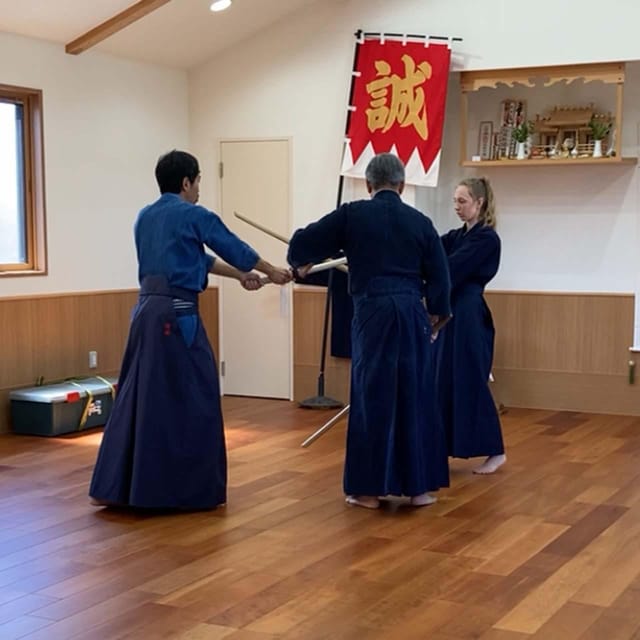
At $116, this costs more than a basic museum visit or a short cultural demonstration. The price makes more sense when you consider what is included: an instructor and master, the swordsmanship lesson, a wooden sword, a Japanese sword, dogi and hakama, and a Shinsengumi dandara baori.
You also get access to a real dojo, a small class, and a lesson that moves from history to practice. Renting the clothing and handling the equipment yourself would be difficult to arrange independently, particularly if you want instruction from the Tennen Rishin-ryu tradition.
I would see this as good value for someone who already wants a hands-on samurai activity. It is less convincing for someone who mainly wants a quick photo in costume. The two-hour length gives enough time to learn the basics and reach the cutting exercise, but it does not make you a swordsman. You are buying an introduction with historical context, not a full course in kenjutsu.
The included clothing is another practical benefit. You do not need to bring anything fancy, and the outfit gives the session a consistent appearance. Wear something that allows comfortable movement underneath and follow the dojo’s instructions on the day.
Who should book this sword experience
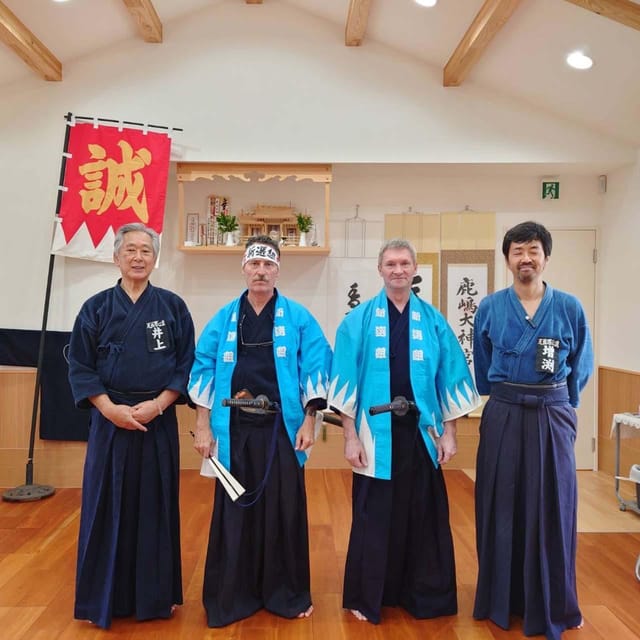
This is best for adults and older teens are excluded by the age rule, so the practical audience is adults under 75 who are comfortable with light physical training. You should be able to stand, step, turn, and follow repeated instructions for two hours.
It suits you especially well if you:
- Have an interest in the Shinsengumi or late-Edo Japan
- Want to handle a Japanese sword under supervision
- Prefer a real training setting to a stage performance
- Enjoy small-group activities with direct teaching
- Are willing to concentrate on technique before the exciting final cut
It is not suitable for pregnant people, wheelchair users, or people with mobility, back, heart, or vertigo problems. The activity also excludes people with recent surgery, a cold, low fitness, or other listed health concerns. If any of those points apply to you, choose a less physical cultural activity instead.
The lesson is also not a good match if you want to spend the whole time taking photographs. Pictures may be part of the memory, but the priority is training and safe handling. You need to listen, repeat movements, and accept correction.
Practical details for your Tokyo day
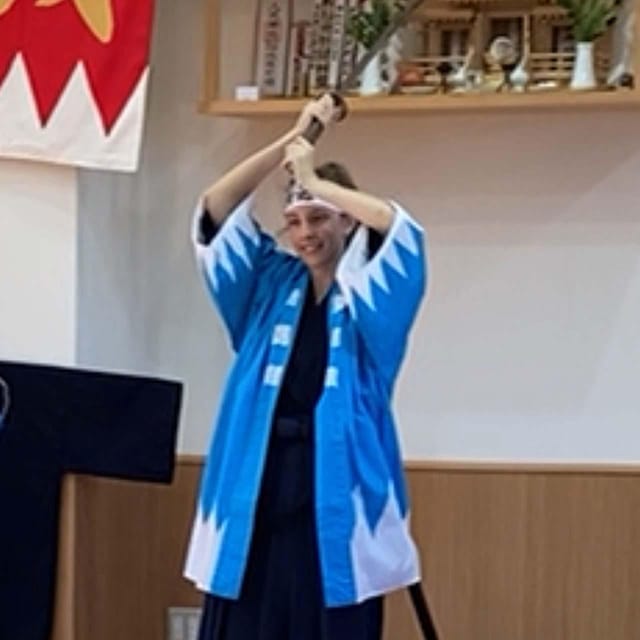
Plan the activity as a half-day outing from central Tokyo, even though the lesson itself lasts two hours. The venue is a short walk from Hino Station on the JR Chuo Line, and the five-minute walk is straightforward once you reach the station.
The meeting point is on the second floor of the Inoue Genzaburo Museum. That detail is important, since arriving at the museum rather than searching for a separate dojo will make the start easier.
The group size is limited to four, and the available instruction languages are English and Japanese. The activity provides the practice uniform, wooden sword, Japanese sword, and Shinsengumi coat. You do not need special equipment.
Free cancellation is available up to 24 hours before the activity for a full refund. You can also reserve and pay later, which helps if your Tokyo schedule is still shifting. Check the available starting times before you build the rest of your day around Hino.
The overall rating is five out of five from 21 verified bookings, with especially strong praise for the instructors, the authentic dojo setting, the patient teaching, and the progression from basics to cutting tatami. Those are the areas I would use to judge the activity, rather than expecting a long sightseeing program.
Should you book the Tennen Rishin-ryu lesson?
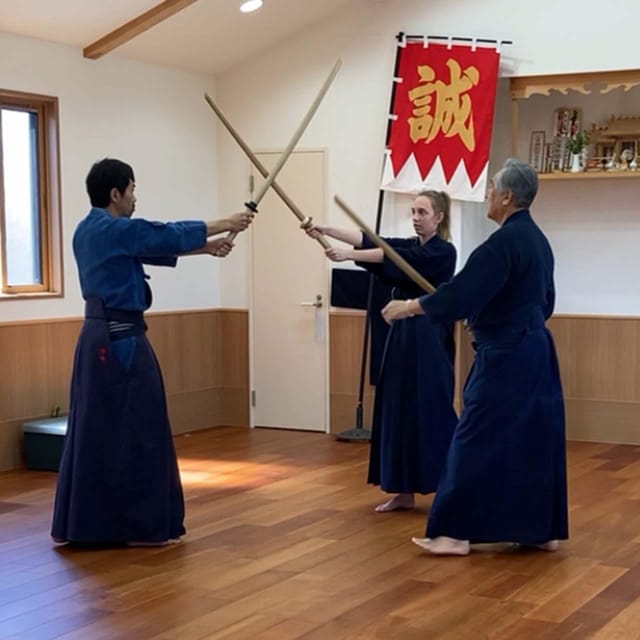
Book it if you want a serious, hands-on connection to the Shinsengumi and are happy to leave central Tokyo for a small dojo in Hino. The family link through Masao Inoue, the working training hall, and the careful move from wooden sword to Japanese sword make this far more meaningful than a quick samurai photo opportunity.
Skip it if you have health limitations listed in the restrictions, dislike physical instruction, or want a broad tour of Tokyo sights. At $116, the value comes from personal teaching, equipment, clothing, and historical setting. For the right person, it offers a rare chance to practice a living sword tradition in the hometown of the Shinsengumi.
FAQ
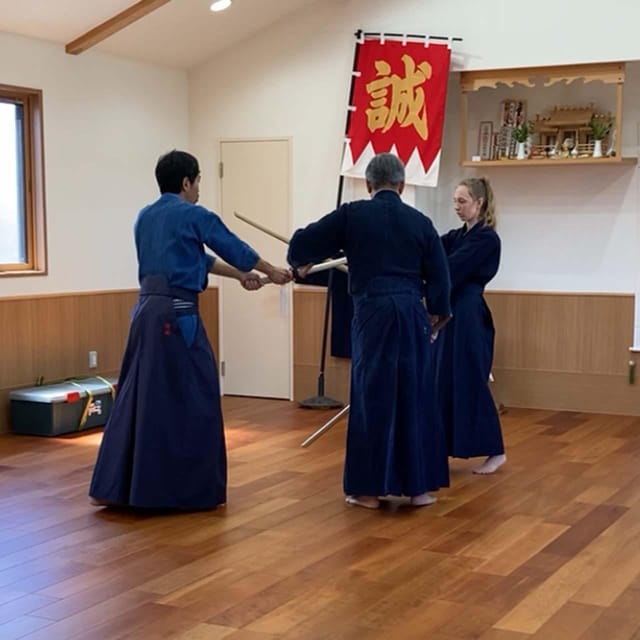
How long does the swordsmanship experience last?
The activity lasts two hours.
Where does the activity meet?
It meets on the second floor of the Inoue Genzaburo Museum, about a five-minute walk from Hino Station on the JR Chuo Line.
How many people can join the class?
The experience is limited to four participants.
Is instruction available in English?
Yes. Instruction is available in English and Japanese.
What equipment and clothing are included?
The activity includes an instructor and master, swordsmanship training, a wooden sword, a Japanese sword, dogi and hakama, and a Shinsengumi dandara baori.
Do I need previous swordsmanship experience?
The provided details do not require previous experience. The lesson begins with posture, footwork, wooden sword practice, and kata before progressing to Japanese sword handling.
Who should not take part?
The activity is not suitable for pregnant people, people with back, heart, mobility, or vertigo problems, wheelchair users, children under 18, people with a cold, people with recent surgery, people with low fitness, people over 75, or people with altitude sickness.
Just added in Tokyo
- The 10 Tastings of Tokyo With Locals: Private Street Food Tour★ 5.0 · 48 reviews
- Small Town in the Big City: Tasting Tokyo’s Kichijoji★ 5.0 · 195 reviews
- Small Town in the Big City: Tasting Tokyo’s Kichijoji★ 5.0 · 16 reviews
- EXCLUSIVE Tokyo Secret: Kichijoji Small-Group Food & Bar Hopping★ 5.0 · 29 reviews
- Explore Kichijoji: Walk Through One of Tokyo’s Beloved Districts★ 5.0 · 21 reviews
- :Tokyo,Shibuya/ Pro Photography in Kimono / English-Friendly★ 5.0 · 26 reviews
- 【R34】Tokyo:Private Daikoku tour in Modified R34★ 4.9 · 92 reviews
- Tokyo:Calligraphy &Make your original folding fan in Asakusa★ 5.0 · 62 reviews
Samurai & Ninja Experiences, compared.
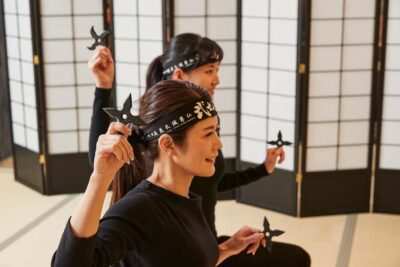
Samurai Ninja Museum Guided tour and Experience
Read our review →
Kendo and Samurai Experience with Uniform and Gear
Read our review →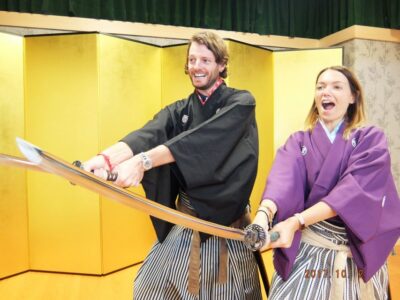
Samurai Sword Class by Experts in Traditional Arts
Read our review →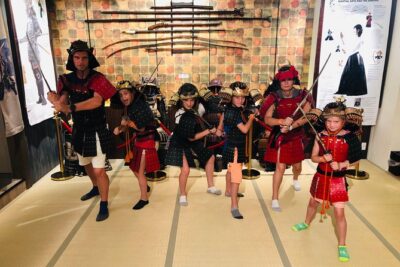
Skip the lines Basic Ticket at SAMURAI NINJA MUSEUM KYOTO
Read our review →
Samurai Sword & Archery Class from Samurai Descendant
Read our review →
Browse the lists this tour appears in