
Reviewed · FOOD TOURS
Tokyo: Allstar Food Tour
Tokyo’s best food lesson may begin beneath a railway line. This three-hour tour moves from polished Ginza to the lantern-lit alleys of Yurakucho, where small izakaya serve the food and atmosphere of everyday Japan. You’ll taste several dishes, learn the customs behind them, and finish with dessert.
I like the contrast between Tokyo’s most expensive district and its old-school pub lanes. I also like the small group limit of 10, which gives guides such as Motoko, Josh, Sandra, and Satoshi room to explain what is on your plate. The main drawback is the price: at $181 per person, it is a serious spend for three hours, and extra food, drinks, transport, and gratuity cost more.
Key points to know
- Two very different Tokyo neighborhoods: Walk from elegant Ginza to the retro Yurakucho alleys beneath the railway.
- More than a meal: Learn Japanese food customs, izakaya manners, regional specialties, and Showa-era culture.
- A historic snack stop: Try crisp rice crackers made from a recipe dating back more than 200 years at a shop with over 300 years of history.
- Small English-speaking group: The tour is limited to 10 participants, with two drinks included.
- A strong first-night choice: The food, walking, and local orientation can help you get your bearings early in your Japan trip.
- Plan for additional costs: Hotel pickup, transport, gratuity, and anything beyond the included tasting are not covered.
From Ginza’s Wako Building to Yurakucho’s railway arches
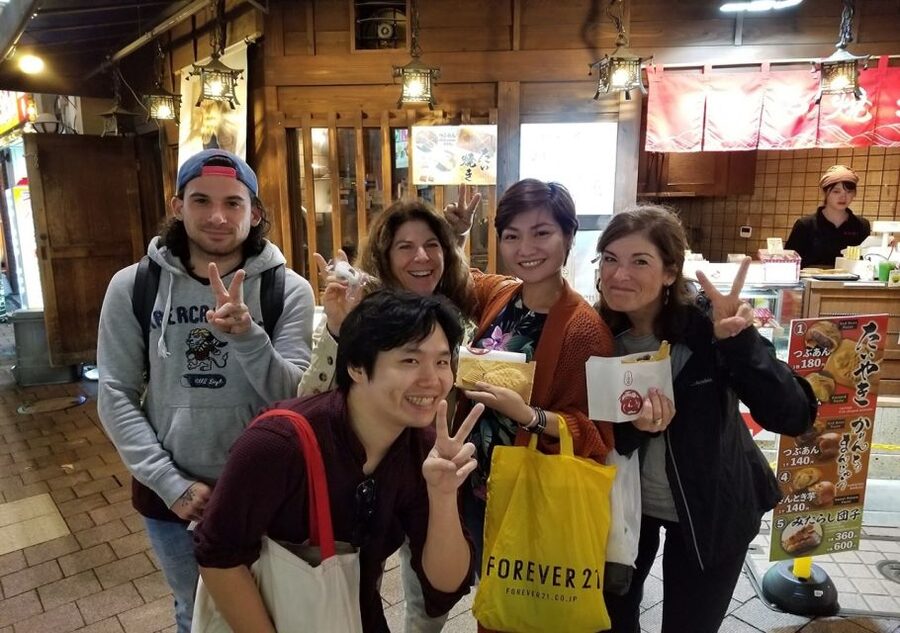
The meeting point is easy to spot: in front of the Ginza Wako Building, a short walk from Ginza Station. From the station, follow signs for the Ginza 4 chome Crossing Gate, pass through the fare gate, and use Exit A9.
That location puts you right in the middle of Ginza, one of Tokyo’s most polished shopping districts. The famous Wako clock tower gives you a clear landmark, which matters in a city where a station exit can feel like the start of a small expedition.
The walk begins in a district known for luxury shops, department stores, and carefully kept streets. This is not the Tokyo of crowded market lanes. Ginza shows Japan’s formal, high-end side, and the setting helps explain why dining here can cost so much.
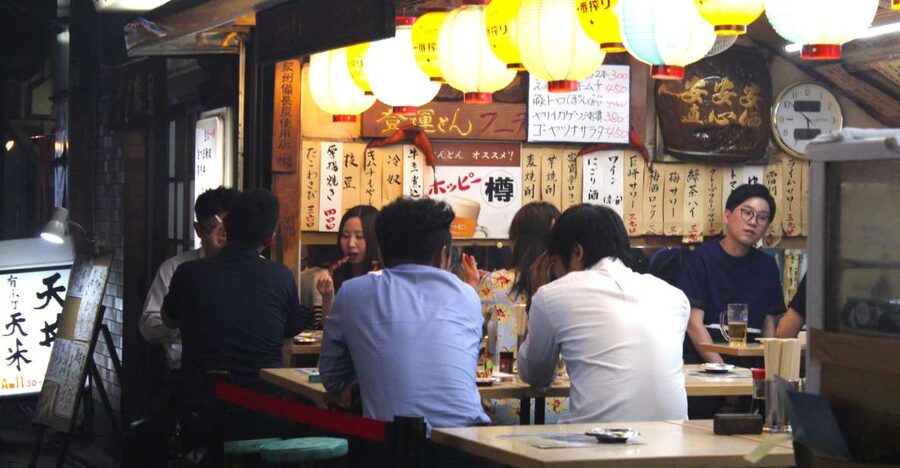
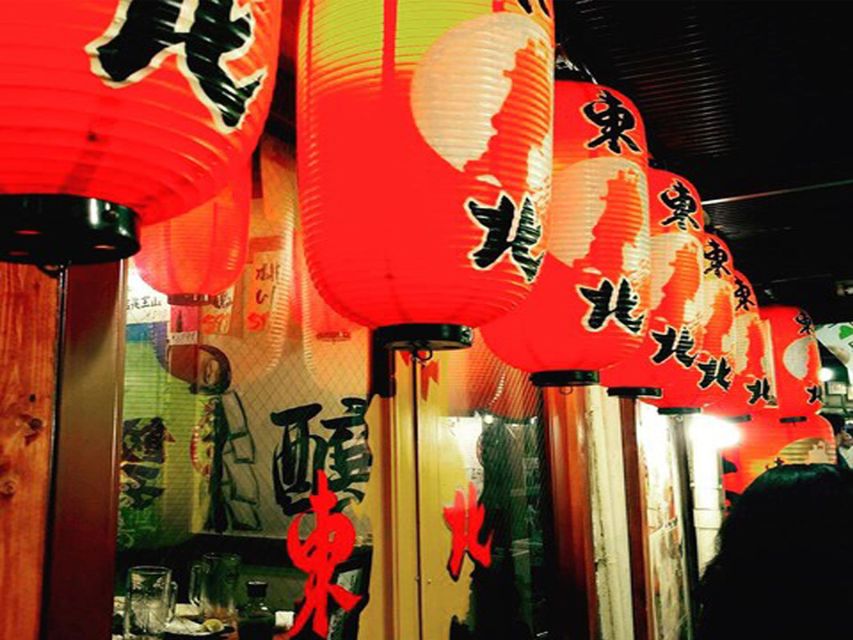
Then the mood changes as you head toward Yurakucho. Under and around the railway line, the city becomes closer, older, and more casual. Small restaurants sit in tight spaces. Red lanterns glow near the entrances. Trains rumble overhead while diners talk over grilled food and drinks.
That contrast is one of the tour’s best features. You are not simply moving between restaurants. You are seeing two versions of Tokyo within a short walk: the refined Ginza of luxury retail and the friendly, slightly rough-edged drinking quarter of Yurakucho.
Other food tours in Tokyo people book:
- Tokyo: Shinjuku Food Tour (13 Dishes at 4 Local Eateries)
★ 5.0 · 6,603 reviews - Tokyo: Shinjuku Food Tour (15 Dishes and 4 Eateries)
★ 4.9 · 2,033 reviews - Best of Shinjuku: Izakaya Food Tour (4 Stops, 14+ Tastings)
★ 5.0 · 1,863 reviews
What the izakaya stop adds to the evening
An izakaya is often translated as a Japanese pub, but that description misses some of its appeal. It is a place for food as much as drinking, with small dishes ordered for the table and shared over conversation.
For a first-time visitor, an izakaya can be hard to enter alone. Menus may be difficult to read, ordering customs may not be clear, and tiny rooms can feel intimidating when you do not know what is expected. A guide removes that friction.
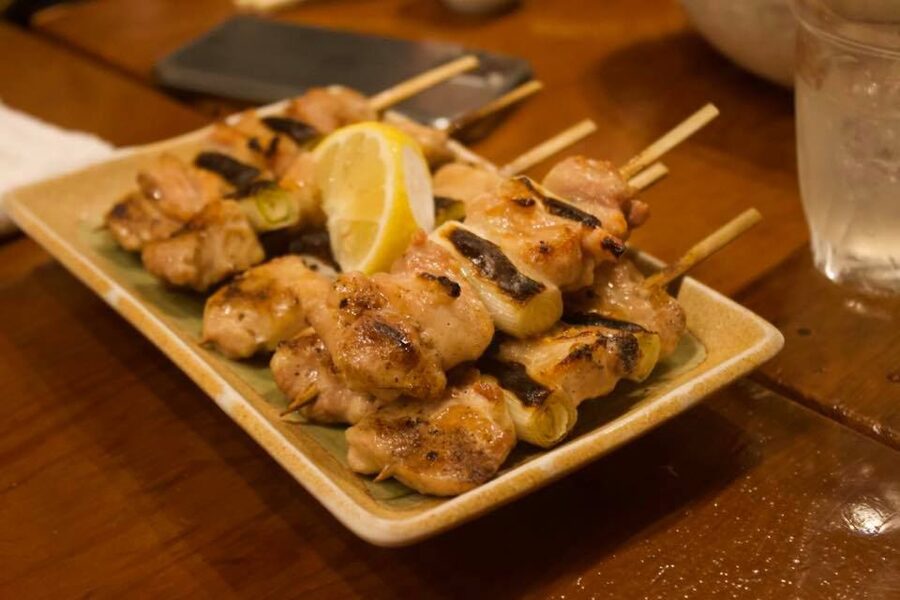
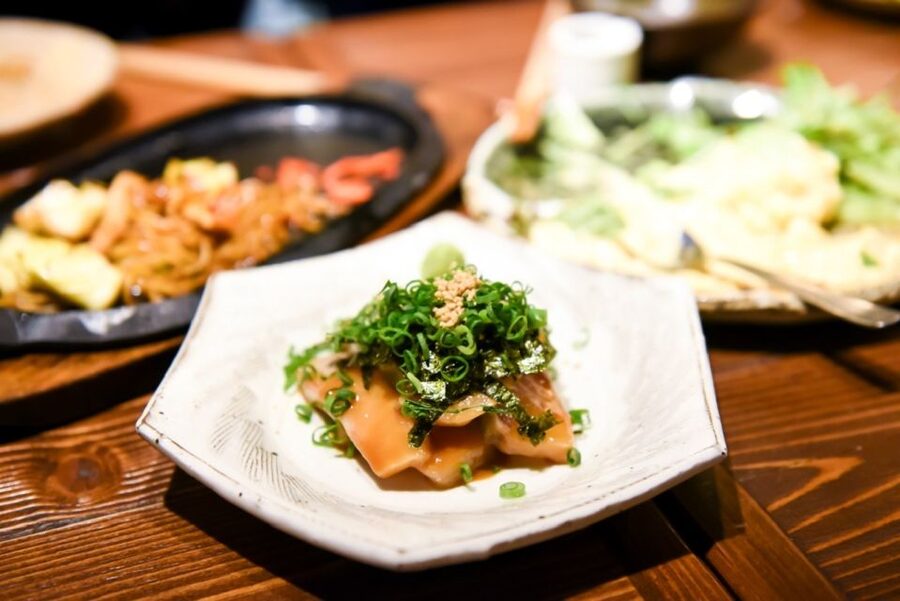
The tour takes you into the kind of compact local dining spaces that are easy to overlook. One past itinerary included a tiny izakaya decorated with colorful murals, while another included yakitori restaurants operating beneath the railway. These details give the evening a sense of place that a standard restaurant meal cannot match.
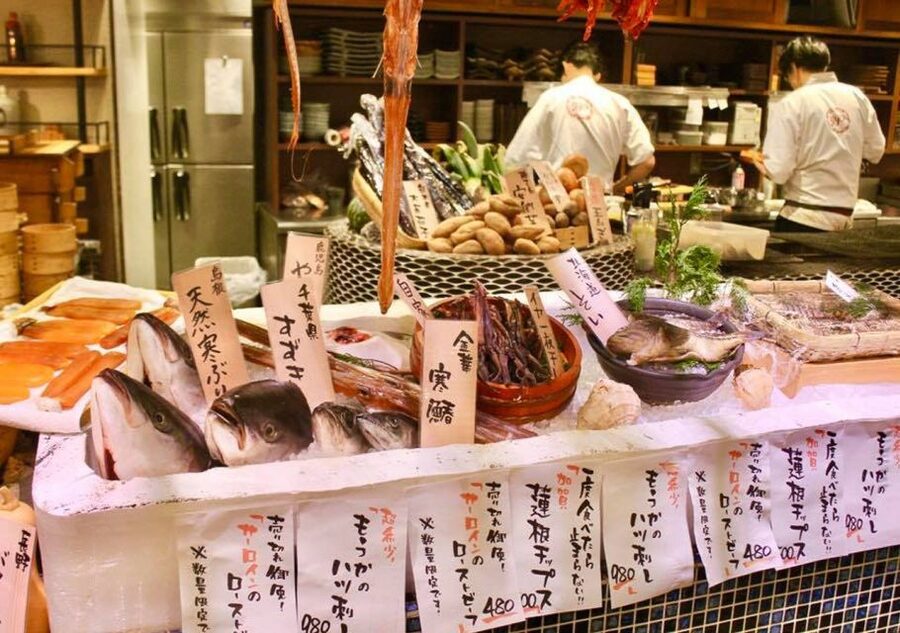
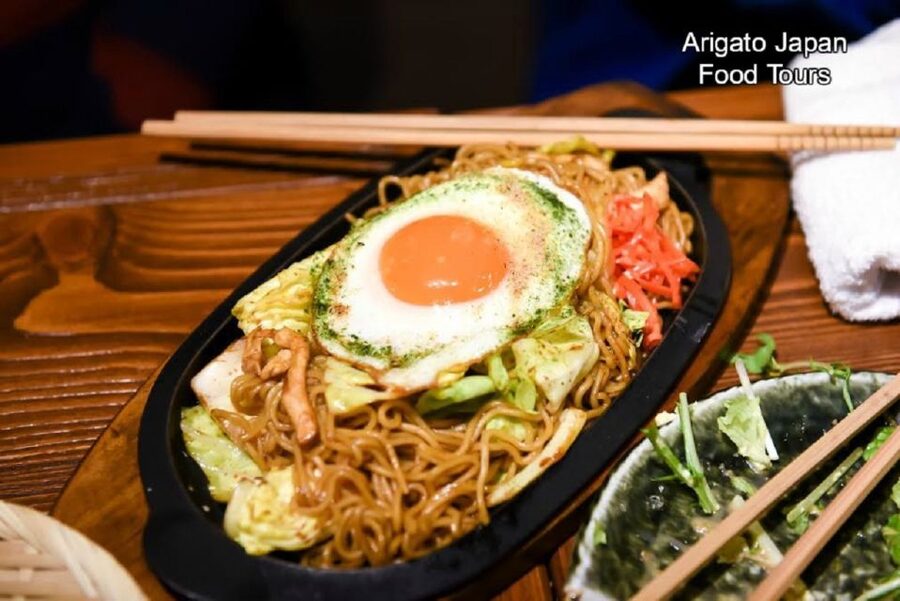
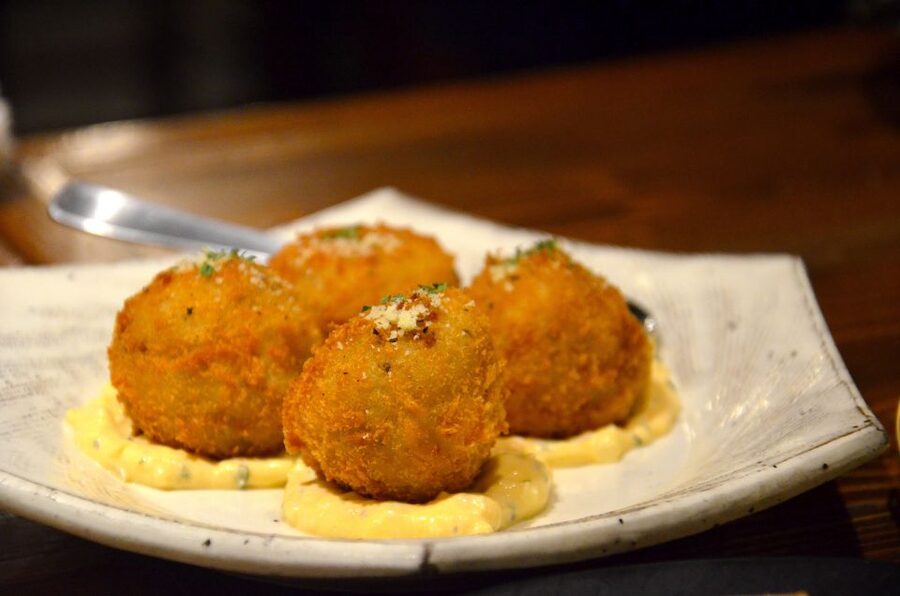
You should expect several dishes rather than one large main course. The point is variety: small portions that let you compare flavors, textures, and regional styles. The exact menu can change with the season and availability, so do not book this expecting a fixed list of sushi, ramen, or grilled meat.
You may also hear about table manners, ordering customs, and the role of shared food in Japanese social life. Those explanations are useful because the meal becomes easier to understand. Instead of simply asking if something tastes good, you learn why it is served in a certain way and how it fits into local dining culture.
Two drinks are included. Additional drinks are available at your own cost, but the tour does not cover unlimited beverages. If you are watching your budget, keep that in mind before ordering another round.
Regional food, seasonal tastes, and the old snack shop
The food focus is broader than Tokyo alone. The tour includes regional specialties from across Japan, along with seasonal flavors. That gives you a small sample of the country’s food culture without requiring a separate trip to each region.
One especially distinctive stop is a specialty snack shop connected to more than 300 years of history. There, you can try crisp rice crackers made with a secret recipe that dates back more than 200 years.
This is the kind of stop I value on a food tour. A rice cracker may seem simple, but it can tell you plenty about Japanese food habits. It shows the care given to texture, preservation, presentation, and small snacks meant to be enjoyed with tea or given as gifts.
The shop also adds a useful counterpoint to the restaurant visits. You are not only eating food prepared for immediate consumption. You are seeing a traditional product that has been refined and passed down over generations.
The tour may also include a department-store food area, where one earlier route visited counters selling thousands of food products. These high-end food halls are another important part of Tokyo’s food culture. They are useful places to see beautifully packaged sweets, snacks, prepared dishes, and regional products in one location.
Exact stops can vary, so think of the tour as a guided tasting route rather than a guaranteed checklist. The value comes from having someone explain what you are seeing and steer you toward foods you might otherwise pass by.
Why the dessert finish matters
The evening ends with a dessert. That sounds like a small detail, but it gives the three-hour route a satisfying shape.
Japanese desserts often focus on texture and balance rather than heavy sweetness. You might find a delicate confection, a seasonal treat, or another specialty chosen to close the meal. The supplied information does not specify the exact dessert, so you should not expect a particular item.
What you can count on is a final sweet course after the savory stops. It also gives you a chance to ask your guide about other desserts, snacks, or food shops to try during the rest of your stay.
I like this kind of ending because it keeps the tour from feeling like a fast sequence of restaurant visits. You have time to finish with something memorable, then continue your evening in Ginza or return to your hotel.
More eating your way round Tokyo:
- Tokyo Night Foodie Tour in Shinjuku – Seasonal Sushi, Wagyu Beef
★ 5.0 · 1,161 reviews - Eat and Drink Like a Local: Tokyo Ueno Food Tour-Taverns&Ramen
★ 5.0 · 957 reviews - Tokyo: Shibuya Food Tour (13 dishes and 4 Eateries)
★ 5.0 · 770 reviews - Tsukiji Fish Market: Street Food & Culture Walking Tour
★ 5.0 · 669 reviews
A guide makes the difference in this format
Food tours depend heavily on the person leading them. Here, the small group size gives the guide a practical advantage. With no more than 10 people, it should be easier to hear explanations, ask questions, and stay together in narrow streets and small restaurants.
The guides associated with this tour have included Motoko, Josh, Sandra, Satoshi, Ryan, Anne, and Joshua. Their strengths, based on the experience descriptions available, include cultural explanations, humor, local food knowledge, and help with choosing places to eat.
Motoko led a route that connected street food, family-run restaurants, sushi, and ramen with stories about Japanese food culture. Josh and Joshua were described as friendly and funny, with one route beginning early enough to avoid the heaviest dinner rush. Ryan was associated with local bars and eating places, including the small izakaya with murals.
You are not guaranteed a particular guide, so I would not book solely to meet one named person. Still, the range of guide styles is useful to know. This is not just a guide who points at dishes and gives their names. The intended experience includes history, customs, neighborhood context, and practical food advice.
The tour is in English. If you want a quiet, private dinner, this is not the right format. If you want help making sense of Japanese food and dining customs on your first evening, the guide is a major part of the value.
Is $181 a fair price?
At $181 per person, this is not a bargain food crawl. The price makes more sense if you treat it as a guided cultural outing that includes several food stops, two drinks, dessert, and the convenience of having the route arranged.
You are paying for access to small restaurants, an English-speaking guide, local explanations, and a compact introduction to two central districts. You also avoid the guesswork of choosing dishes and figuring out how to order in unfamiliar places.
Still, you should be clear about what the price does not cover. Hotel pickup is not included, though it may be arranged for an additional charge. Transportation costs, gratuity, and extra food or drinks are also separate.
For a couple, family, or small group, the cost can add up quickly. I would compare it with the price of a self-guided dinner in Yurakucho before booking. If you are comfortable ordering on your own and already understand izakaya dining, you may prefer to spend the money on a longer meal.
If this is your first night in Tokyo, the calculation changes. You receive food, neighborhood orientation, and cultural context in one outing. That can save time and prevent a few awkward ordering mistakes. The value is strongest for first-time visitors who want a guided start, not for people seeking the cheapest way to eat.
Timing, group size, and practical planning
The experience lasts three hours, with starting times available according to the date you choose. One useful tip from the tour history is to consider a start time before the busiest dinner period. A quieter beginning can make it easier to hear the guide and move through the small dining areas.
The route involves walking between Ginza and Yurakucho, so wear comfortable shoes. No special transport is included, and you are responsible for getting to the Wako Building and returning afterward.
A small group is a real benefit here. Tokyo’s railway-side restaurants can be cramped, and a large party would make the route less comfortable. The limit of 10 also gives you a better chance to speak with the guide rather than simply follow at the back.
Dietary options are available, but you should communicate your needs in advance. If you are joining alone, contact the supplier before booking. Participants aged 10 and over must provide a copy of their passport information, so handle that requirement before the meeting day.
Free cancellation is available up to 24 hours before the tour for a full refund. You can also reserve now and pay later, which helps if your Tokyo plans are still shifting.
Who will get the most from this Tokyo food tour?
I would recommend this experience to first-time visitors who want an easy introduction to Japanese dining. It is especially useful if you are curious about izakaya but would not feel comfortable walking into a tiny pub without help.
It also suits people who enjoy learning the story behind food. The old rice-cracker shop, regional specialties, seasonal items, and Showa-era neighborhood setting add more than simple restaurant hopping.
Couples and small groups will likely appreciate the relaxed social format. Solo visitors can join, but they need to email the supplier before booking. Families should also check that the food and timing suit children, since the tour centers on pub-style dining and a three-hour evening route.
I would hesitate to recommend it to someone with a very limited budget, a strict need for a fixed menu, or an interest in only one food, such as sushi. The menu changes, extra purchases cost more, and the tour aims for variety rather than a single specialty.
Should you book the Allstar Food Tour?
Book it if you want your first Tokyo evening to combine food with place and custom. The move from Ginza’s luxury streets to Yurakucho’s railway-side izakaya gives you a compact look at two very different sides of the city.
The strongest reasons to go are the small group, the English explanations, the historic snack stop, and the chance to try regional and seasonal foods without having to plan every restaurant yourself. The main question is value. At $181, this is a guided experience rather than a cheap dinner.
If that price fits your budget, I think it is a smart choice for a first or second night in Tokyo. If you already know Japanese dining well, spend the money on a restaurant and explore Yurakucho independently.
FAQ
How long is the Tokyo Allstar Food Tour?
The tour lasts three hours.
Where does the tour meet?
It meets in front of the Ginza Wako Building, about a minute’s walk from Ginza Station. From the station, use Exit A9.
What neighborhoods does the tour visit?
The route visits Ginza and Yurakucho, including the restaurant lanes around the railway.
What food is included?
The tour includes a variety of dishes at multiple food stops, regional and seasonal specialties, unique snacks, and dessert. The exact menu may vary.
Are drinks included?
Two drinks are included. Additional drinks can be purchased at your own expense.
Is the tour conducted in English?
Yes. The tour has a live English-speaking guide.
How many people are in the group?
The group is limited to 10 participants.
What is not included in the price?
Hotel pickup, transportation costs, gratuity, and additional food or drinks are not included. Hotel pickup may be arranged for an additional charge.
Just added in Tokyo
- The 10 Tastings of Tokyo With Locals: Private Street Food Tour★ 5.0 · 48 reviews
- Small Town in the Big City: Tasting Tokyo’s Kichijoji★ 5.0 · 195 reviews
- Small Town in the Big City: Tasting Tokyo’s Kichijoji★ 5.0 · 16 reviews
- EXCLUSIVE Tokyo Secret: Kichijoji Small-Group Food & Bar Hopping★ 5.0 · 29 reviews
- Explore Kichijoji: Walk Through One of Tokyo’s Beloved Districts★ 5.0 · 21 reviews
- :Tokyo,Shibuya/ Pro Photography in Kimono / English-Friendly★ 5.0 · 26 reviews
- 【R34】Tokyo:Private Daikoku tour in Modified R34★ 4.9 · 92 reviews
- Tokyo:Calligraphy &Make your original folding fan in Asakusa★ 5.0 · 62 reviews
Food Tours, compared.
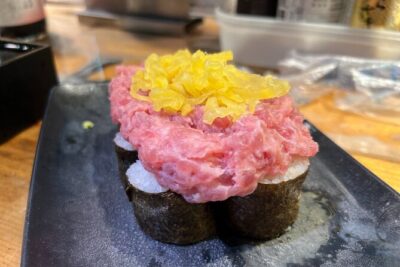
Shinjuku Food Tour (13 Dishes at 4 Local Eateries)
Read our review →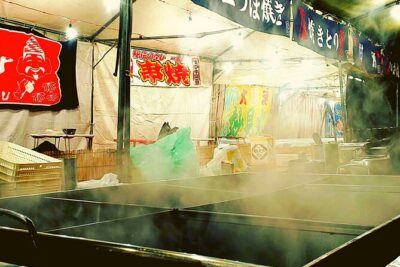
Osaka Food Tour: 13 Dishes at 5 Local Eateries
Read our review →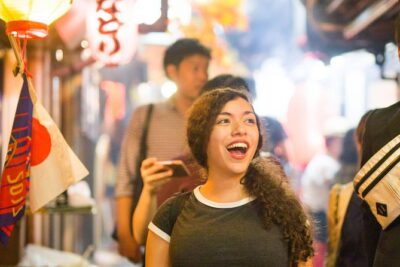
Best of Shinjuku: Izakaya Food Tour (4 Stops, 14+ Tastings)
Read our review →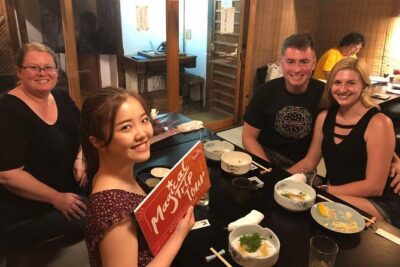
Kyoto Night Foodie Tour in Gion (9+ dishes + 6 Sake tastings)
Read our review →
Hungry Osaka Street Food Tour:15 Tastings & 3 Drinks with a Local
Read our review →
Tokyo Night Foodie Tour in Shinjuku – Seasonal Sushi, Wagyu Beef
Read our review →
Osaka Local Foodie Walking Tour in Dotonbori and Shinsekai
Read our review →
Eat and Drink Like a Local: Tokyo Ueno Food Tour-Taverns&Ramen
Read our review →Browse the lists this tour appears in