
Reviewed · ONSEN & HOT SPRING VISITS
Guide tour of Japanese bathing culture at Funaoka Onsen
Funaoka Onsen is not a polished hotel spa. It is a working Kyoto bathhouse where you learn the rules, remove your clothes, and bathe as people in Japan have done for generations. Guide Atsuki first explains the customs at Sarasa Nishijin, a cafe converted from a public bathhouse, then helps you put that knowledge to use.
I like the way the experience removes the guesswork from a first bathhouse visit. I also like the small group limit of five, which gives you room to ask questions about bathing etiquette and Japanese public-bath history. The main consideration is simple: this requires nude bathing, with men and women separated, so couples bathe apart and some people may not feel comfortable.
Key points at a glance
- Learn in a former bathhouse: Sarasa Nishijin provides a memorable setting for the opening lesson, along with a guide to take home.
- Practice at Funaoka Onsen: The second part gives you time to follow the bathing steps yourself rather than only hearing about them.
- Atsuki leads the experience: Your local Japanese guide explains the customs and remains available to help you feel at ease.
- Keep the group small: A maximum of five people makes this more personal than a large sightseeing tour.
- Know the bathing format: Bathing is nude and separated by gender, with no shared bathing time for couples.
- Plan for health and language limits: The guide’s English is limited, and people with certain medical conditions or who feel unwell should not participate.
Why this Kyoto bathhouse experience is different
Many Kyoto activities show you temples, gardens, and old streets. This one asks you to take part in an everyday custom. That shift matters. You are not only looking at Japanese culture from the outside. You are learning how a public bath works, why the steps matter, and how to behave once you enter.
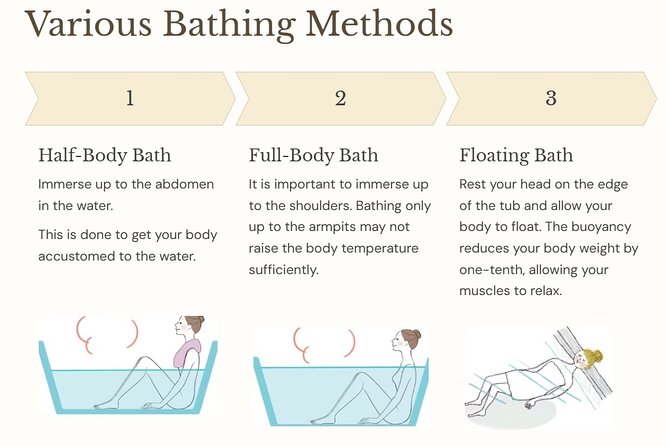
Japanese bathing is treated as more than a quick wash. The lesson covers the meaning of the practice, the proper order of things, and the health benefits associated with bathing. You also receive a take-home guide, so the information does not end when the 90-minute session does.
The experience is especially useful if you have avoided a Japanese bathhouse because you were unsure what to do. You will not need to guess when to wash, how to approach the baths, or how to avoid common mistakes. That peace of mind is a real part of the value.
The format also feels personal. The maximum group size is five, and Atsuki leads the visit as an independent guide rather than as an employee of Funaoka Onsen. That distinction helps explain the nature of the experience: it is a guided cultural introduction paired with a visit to a public bathhouse, not a private spa treatment.
Other baths worth the trip from Kyoto:
- Kyoto: Hike and Hot Springs in Kurama
★ 5.0 · 49 reviews - From Osaka: Himeji Castle, Arima Onsen & Mt. Rokko Day Tour
★ 4.6 · 339 reviews - Osaka: Nara and Uji Day Trip with Deer Park and Hot Spring
★ 4.4 · 302 reviews
Sarasa Nishijin: learning in a former public bathhouse
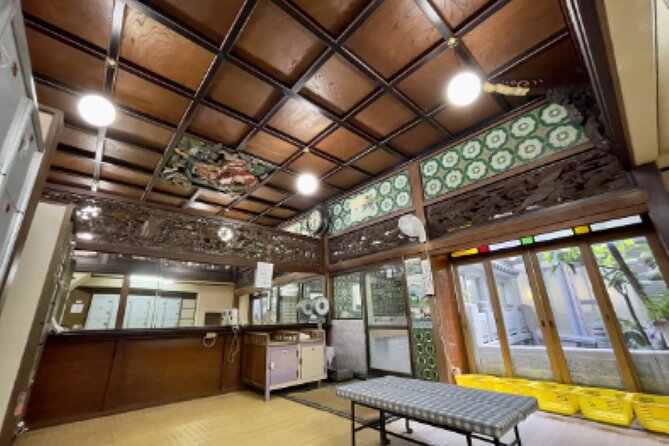
The first stop is Sarasa Nishijin, a cafe created from an old public bathhouse. The setting does more than provide a place to sit with a drink. It gives you an early look at the kind of community space that Japanese bathing culture grew around.
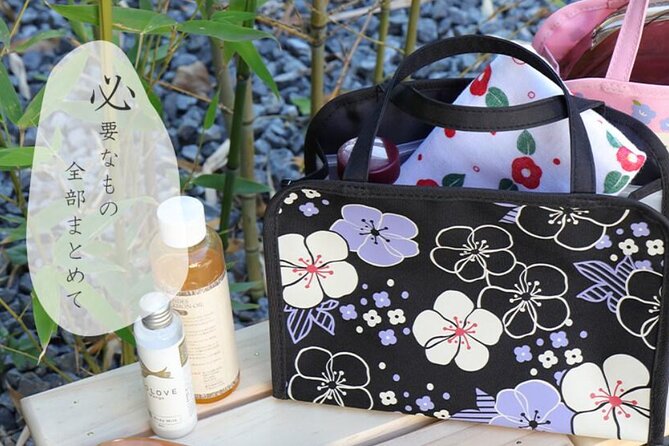
You spend about 15 minutes here learning about the history and meaning of public baths. Atsuki explains how to bathe properly and introduces the health side of the custom. You also receive written material covering the correct bathing method.
I like this opening because it gives you context before you face the more practical part of the visit. Funaoka Onsen has its own long story, including an unusual connection to the competition between public bathhouses and traditional geothermal hot springs. That background makes the building more than a place to get clean. It becomes part of Kyoto’s social and bathing history.
The cafe stop is short, so do not expect a long lecture or a full historical tour. Its job is to prepare you. You get the basic ideas, learn the sequence, and have a chance to ask questions before entering the bathhouse.
The supplied information does not clearly explain whether the drink is included beyond saying you will sip a drink at the cafe, so confirm the details if that matters to your budget. The written guide is included, and that is useful for anyone who wants to visit another public bath later in the trip.
Funaoka Onsen: from explanation to actual bathing
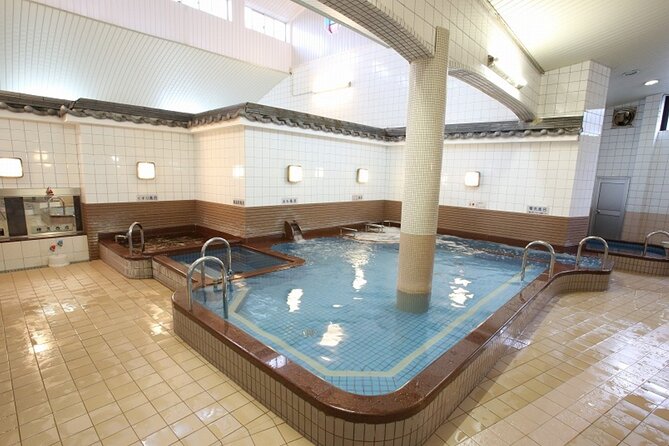
The main portion takes place at Funaoka Onsen and lasts about one hour. Before you bathe, Atsuki uses materials to explain the specific method again. This second explanation is important because it connects the general ideas from Sarasa Nishijin with the real setting in front of you.
You then try the process yourself. The guide helps you follow the steps and remains available to reduce the worry of doing something incorrectly. For a first visit, that support can make the difference between spending the whole time feeling nervous and actually relaxing.
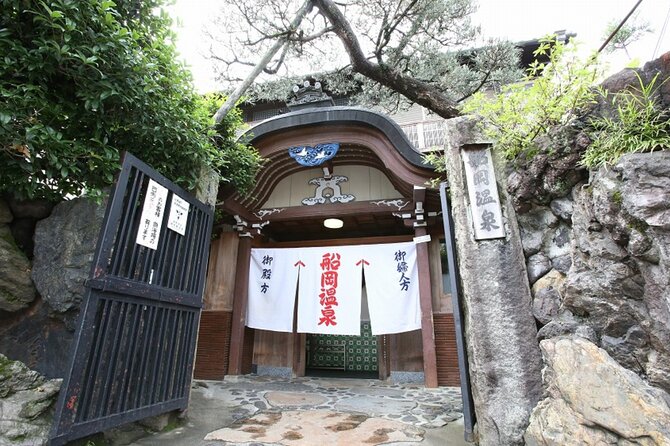
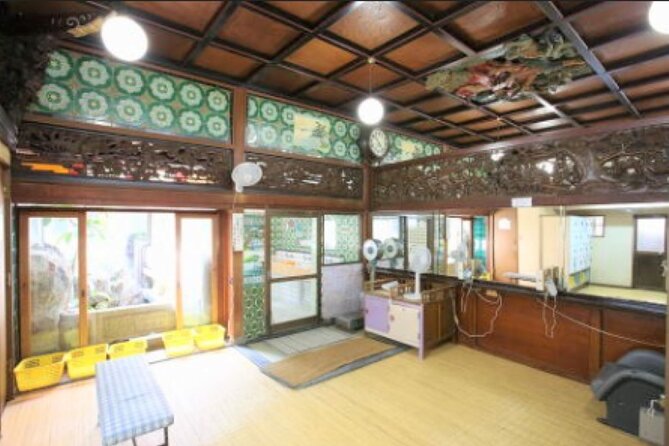
Funaoka Onsen is described as a legendary and well-preserved bathhouse used by Kyoto residents for generations. The experience does not simply bring you to the entrance and leave you to work it out. It gives you the cultural background, the practical rules, and guided time inside.
Still, you should understand the limits. This is not a private bathing session. It is not a couple’s spa appointment, and the bath is not mixed gender. You bathe without clothing, and the men’s and women’s areas are separate. If you are traveling with a partner, you will be apart during the actual bathing portion.
That arrangement is standard for the setting described here, but it may not suit everyone. The guide’s own response to this concern acknowledges that mixed bathing in swimsuits would be easier for some people, but it does not reflect the usual format of Japanese public baths. Decide before booking, not after arriving at the door.
What Atsuki adds to the visit
Atsuki is a local Japanese guide who focuses on helping people understand the bathing process. The strongest part of the guidance is practical. You learn the steps, the reasons behind them, and how the same habits can be used at other public baths and hot springs in Japan.
The guide’s English is described as limited. That does not automatically make the activity unsuitable, but it does affect what you should expect. The lesson may work best if you are patient, listen closely, and use the written material to support the spoken explanation.
This is not the right choice if you want a long, detailed English-language seminar on Japanese history. It is a better fit if you want a clear introduction to bathing customs with enough support to take part comfortably.
Atsuki also helps with the emotional side of the experience. First-time bathers often worry about breaking an unwritten rule. A guide who can show you the order of things lets you focus on the pleasant part instead of constantly checking what comes next.
Same base, a different sort of day:
- PERFECT KYOTO 1-Day Bus Tour
★ 5.0 · 13,518 reviews - Kyoto: Fushimi Inari, Kinkakuji, Bamboo Grove 1 Day Bus Tour
★ 4.8 · 4,316 reviews - Kyoto: Tea Ceremony in a Traditional Tea House in Kiyomizu
★ 4.9 · 3,519 reviews - Kyoto Geisha Walking Tour: Gion District & Hidden Gems
★ 4.7 · 3,273 reviews
The value of a $45.72 cultural experience
At $45.72 per person, this costs more than simply entering a public bath on your own. You are paying for the guide, the cultural explanation, the small group format, the written material, and the help of having someone nearby during your first visit.
The price makes the most sense if you are new to Japanese public baths. A solo visitor may find the guidance especially useful because there is no companion to compare notes with or reassure you. The experience also suits anyone who wants more than a quick soak and would otherwise spend time researching etiquette alone.
If you already know Japanese bathhouse customs and feel comfortable entering Funaoka Onsen without help, the added cost may not be worthwhile. You could prefer to pay only the bathhouse admission and explore at your own pace. The tour earns its price through instruction and confidence, not through exclusive access.
The average booking lead time is 34 days, which suggests that you should not leave it until the last part of a Kyoto trip if the timing matters. The mobile ticket is convenient, and confirmation arrives at booking. Free cancellation is available up to 24 hours before the start time. Changes or cancellations inside that window are not accepted for a refund.
Timing, meeting point, and group size
The experience lasts about 1 hour and 30 minutes. The stated meeting point is Funaoka Onsen at 82-1 Murasakino Minamifunaokacho, Kita Ward, Kyoto, 603-8225, and the activity finishes back at the meeting point.
There is one practical detail to check carefully. The sequence begins at Sarasa Nishijin and then moves to Funaoka Onsen, while the listed meeting point is Funaoka Onsen. Since the opening stop and the stated meeting point do not appear to match perfectly, confirm the exact rendezvous instructions before setting out. This is especially important because arriving at the wrong bathhouse or cafe could quickly eat into a short session.
The area is near public transportation. The group maximum is five, a useful limit for a setting where personal questions and clear instruction matter. A small group also reduces the chance that the explanation feels rushed or impersonal.
You should allow extra time around the activity for transportation and changing, even though the advertised duration is 90 minutes. The bathing portion itself takes about an hour, and you will want to arrive calm rather than hurrying in from another Kyoto sight.
Who will get the most from it
I would recommend this for a first-time public-bath visitor who wants help with etiquette. It is also a good match for a solo person, someone interested in Japanese wellness customs, or anyone who has spent a busy day visiting shrines and wants a slower cultural activity.
The experience can also suit a person who enjoys learning through participation. You do not only receive a talk. You put the instructions into practice at Funaoka Onsen, which makes the lesson easier to remember.
It is less suitable for anyone who wants to keep a swimsuit on, remain with a partner during the bath, or avoid gender-separated facilities. It may also frustrate you if you need extensive English explanation. The guide is local Japanese and not very strong in English, so the communication style may be simpler than you expect.
People with serious heart or lung disease, recent gastrointestinal bleeding, advanced malignant tumors, or severe anemia should not take part. You should also skip the experience if you have a fever, feel unwell, or have consumed alcohol. If a doctor has advised you not to use hot springs or baths, follow that advice and do not participate.
A few useful expectations before you go
Come prepared for a cultural activity, not a luxury treatment. The focus is on learning how Japanese public bathing works and then using that knowledge in a real bathhouse.
The most important points to keep in mind are:
- Nude bathing is required during the actual bathhouse visit.
- The facilities are separated by gender, so couples will not bathe together.
- A written guide is provided, which can help you remember the steps later.
- Atsuki is an independent guide, not an employee of Funaoka Onsen.
- The group can have no more than five people, keeping the instruction relatively personal.
- The tour is not suitable after drinking alcohol or when you are ill.
It is also wise to think about comfort before booking. If the idea of communal nude bathing makes you uneasy, no amount of explanation may change your mind. If your hesitation is mainly fear of making a mistake, this is exactly the kind of situation where the guide can help.
Should you book the Funaoka Onsen experience?
Book it if you want a direct, guided introduction to Japanese bathing and are comfortable with nude, gender-separated bathing. The strongest reasons are the practical coaching, the small group, the former bathhouse setting at Sarasa Nishijin, and the chance to use the customs at historic Funaoka Onsen rather than only hearing about them.
Skip it if you want a private or mixed-gender bath, need fluent English instruction, or already know the etiquette. At $45.72, the value comes from confidence and cultural context. For a first visit, that can be money well spent. For an experienced bathhouse user, it may feel unnecessary.
FAQ
How long does the bathing culture experience last?
The experience lasts approximately 1 hour and 30 minutes. About 15 minutes is spent at Sarasa Nishijin, followed by about one hour at Funaoka Onsen.
Where does the activity meet and end?
The listed meeting point is Funaoka Onsen, located at 82-1 Murasakino Minamifunaokacho, Kita Ward, Kyoto, 603-8225. The activity ends back at the meeting point. Because Sarasa Nishijin is the first stop, confirm the exact meeting instructions before the day of the activity.
Is bathing at Funaoka Onsen nude?
Yes. The bathing portion requires nude bathing, and the facilities are separated by gender. Couples will be separated during the bath.
Who guides the experience?
The guide is Atsuki, a local Japanese independent guide who is not an employee of Funaoka Onsen. The guide’s English is described as limited.
What is included in the experience?
The experience includes the guided explanation at Sarasa Nishijin, admission to Funaoka Onsen, instruction about bathing methods, and a take-home guide to proper bathing techniques. A mobile ticket is provided.
Can I cancel for a refund?
You can cancel for a full refund up to 24 hours before the experience start time. Cancellations or changes made less than 24 hours before the start time are not accepted for a refund.
Just added in Kyoto
- Private Cooking Class Udon in Kyoto Japan★ 5.0 · 23 reviews
- Your Private Vacation Photography Session In Kyoto★ 5.0 · 110 reviews
- Kyoto: Zen Meditation at a Private Temple with a Monk★ 5.0 · 25 reviews
- Private Pewter Sake Cup Experience with a Kyoto Artisan★ 5.0 · 31 reviews
- Kyoto Wagashi(Japanese sweets) Cooking Class near Fushimiinari★ 5.0 · 60 reviews
- Kyoto:Family-Friendly Kimono & Yukata Experience at WARGO★ 5.0 · 147 reviews
- Private Guided Traditional Buddhist Cooking in Japan★ 5.0 · 16 reviews
- Kyoto: Gion Geisha District & Sake-in-Hand Walking Tour★ 5.0 · 37 reviews
Onsen & Hot Spring Visits, compared.
Himeji Castle, Arima Onsen & Mt. Rokko Day Tour
Read our review →
Nara and Uji Day Trip with Deer Park and Hot Spring
Read our review →
Private Tour to Fuji/Hakone – Onsen, Art, Nature
Read our review →
Mt. Fuji, Hakone Private Tour from Tokyo – Onsen, Arts and Nature
Read our review →
Private Nagano 1-Day Tour:Snow Monkeys,Zenko-ji,Obuse,Sake,Onsen
Read our review →
Mt Takao Tour with Ramen and Tattoo-Okay Hot Spring
Read our review →Browse the lists this tour appears in