
Reviewed · TEA CEREMONY EXPERIENCES
Experience a tea ceremony in an authentic tearoom, in Kyoto!
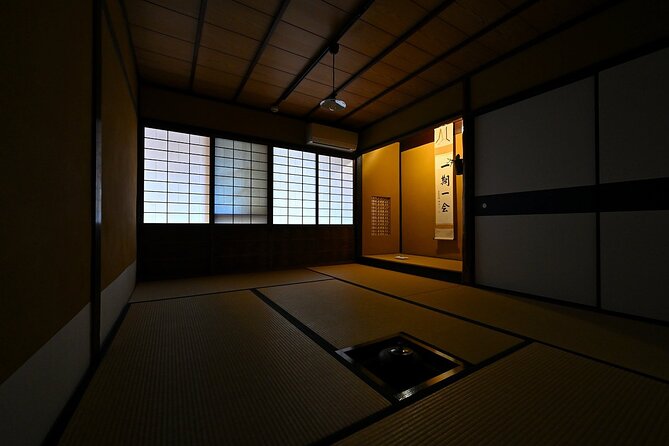
The best part of this Kyoto experience is the setting: you enter the tea room through a garden in a 130-year-old townhouse, rather than sitting in a modern studio built for tourists. I like the calm, personal format, and I like that Kaori explains the customs in clear English before letting you make your own matcha. The sweets come from Shioyoshi-ken, a long-established Kyoto shop, which adds a thoughtful local touch.
The main drawback is its short length. At about 45 minutes, this is an introduction rather than a full study of tea ceremony, and the $39.63 price may feel high if you want only a quick cup of tea. Sitting in the traditional position can also trouble visitors with bad knees, though a stool is available.
Key points to know before booking
- A real old Kyoto setting: The ceremony takes place in the tearoom of a 130-year-old townhouse, reached through the garden.
- You make your own matcha: Kaori first demonstrates the method, then guides you through preparing your own bowl.
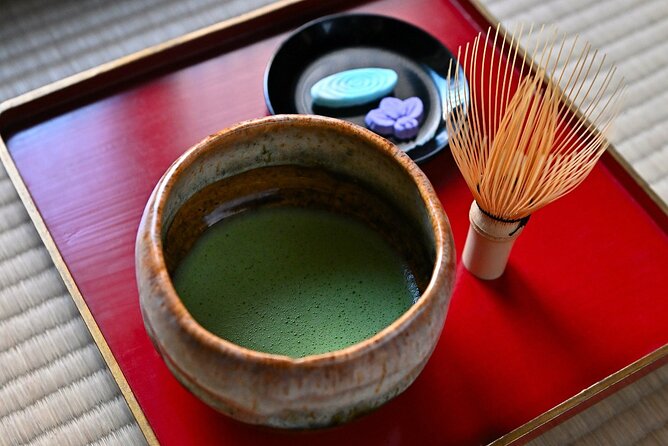
- Local sweets are part of the lesson: You receive dried wasanbon sweets from Shioyoshi-ken, a historic Kyoto confectionery shop.
- Small groups keep it personal: The maximum group size is 10, and smaller bookings may feel almost private.
- Good for first-timers: You learn how to appreciate, drink, and prepare matcha without needing previous experience.
- Plan for traditional sitting: A stool can be provided if kneeling or sitting on the floor is difficult.
Entering a 130-year-old Kyoto townhouse
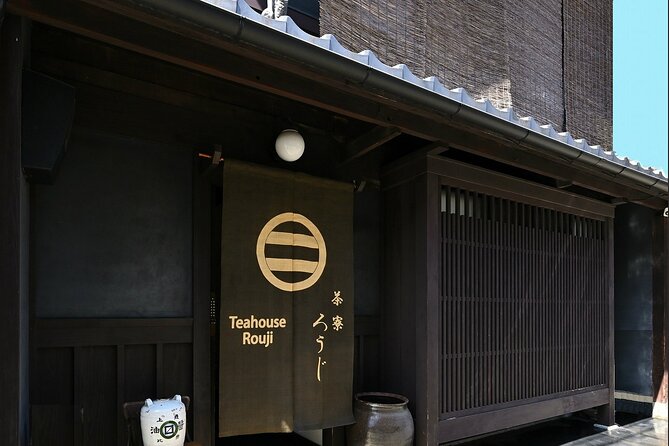
This experience begins at 22-26 Nishinokyo Ikenouchicho in Nakagyo Ward, a location near public transportation. The address is not one of Kyoto’s headline sights, and that is part of the appeal. You are stepping away from the busiest sightseeing routes and into a domestic-style setting tied to older Kyoto architecture.
The arrival matters here. You do not simply walk into a classroom, take a seat, and watch a staged performance. The activity description has you enter the tea room from the garden, which gives the ceremony a proper sense of transition. The garden entrance helps separate the noise of the city from the quiet pace inside.
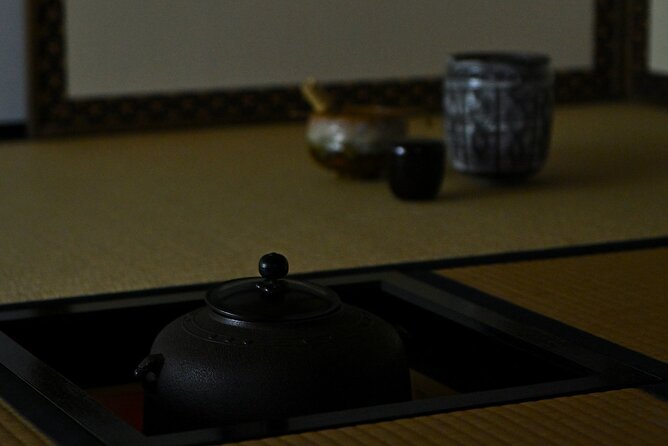
The townhouse is about 130 years old, giving the session a stronger sense of place than a hotel function room or a purpose-built cultural center. I would not book this expecting a grand museum interior. The charm is more modest: an old Kyoto home, a tea room, and a host who pays attention to the small movements that give the ceremony its meaning.
Because the group can include up to 10 people, the atmosphere depends partly on the size of your booking. A group of three or four may feel intimate, while a full session will naturally feel more like a class. The smaller groups described by participants included family groups and pairs, and private-feeling sessions are possible, though not guaranteed.
Other tea ceremonies in Kyoto people book:
- Kyoto: Tea Ceremony in a Traditional Tea House in Kiyomizu
★ 4.9 · 3,519 reviews - Kyoto: Tea Ceremony Ju-An at Jotokuji Temple
★ 4.9 · 3,207 reviews - Kyoto: 45-Minute Tea Ceremony Lesson Experience
★ 4.3 · 2,378 reviews
Watching the tea ceremony before taking part
Kaori begins by explaining the history and culture of tea ceremony. This introduction is important because the ritual can seem puzzling if you only watch the movements. The bows, utensils, gestures, and careful serving style are not random decoration. They are part of a Japanese tradition that brings attention to hospitality, simplicity, and the act of sharing tea.
I like that the session is not limited to a silent demonstration. You are told how to appreciate and drink matcha, including the proper way to receive it. That gives you useful context for tea rooms and cultural sites you may encounter during the rest of your time in Japan.
The host wears a kimono, according to one detailed account, which adds to the traditional character of the demonstration. English is another strong point. Kaori is described as speaking very good English and explaining the steps patiently, so you should be able to ask questions rather than merely watch from the side.
The tone is gentle and unhurried. Several participants described Kaori as welcoming, kind, patient, and calming. Those qualities matter in a ceremony that can otherwise make first-time visitors nervous about using the wrong gesture or holding the bowl incorrectly. The point is to learn, not to pass an etiquette exam.
Savoring Kyoto sweets from Shioyoshi-ken
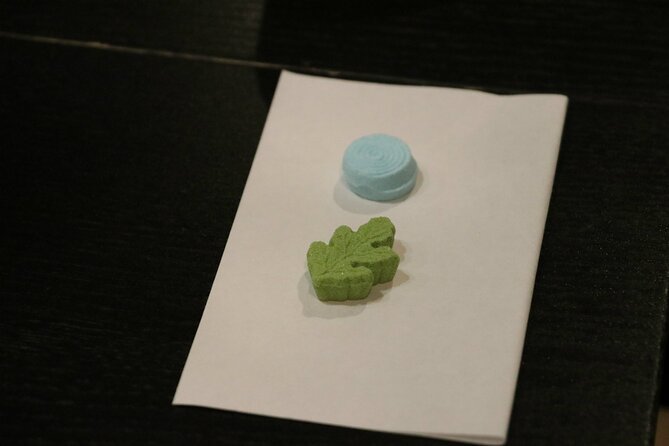
During the demonstration, you receive dried sweets with the matcha. These are wasanbon sweets, made from a type of fine Japanese sugar and served in traditional tea settings. They are small, and you should not expect a large snack or a dessert course.
The sweets come from Shioyoshi-ken, a long-established confectionery shop in Kyoto. That detail adds value because the food is not a generic packaged treat chosen only for convenience. The sweets are there to balance the bitter taste of matcha and to show how tea ceremony pairs flavor, texture, and presentation.
You may find them quite sweet. One participant felt the portions were tiny and overly sugary, so this part will not satisfy anyone expecting a substantial tasting. I see the sweets differently as part of the lesson rather than a meal. Their role is to prepare your palate for the tea and to introduce a traditional confection associated with the ceremony.
If you are interested in Japanese food culture, this is one of the more useful details to notice. The experience connects the tea to a Kyoto producer instead of treating matcha as an isolated drink. Take your time with the sweet, then notice how it changes the taste of the tea.
Making your own matcha
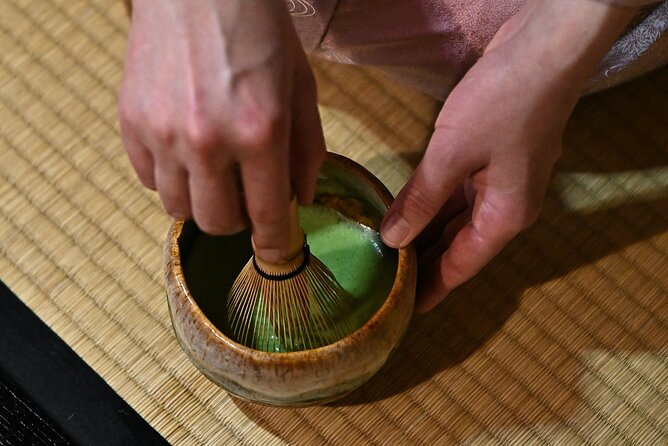
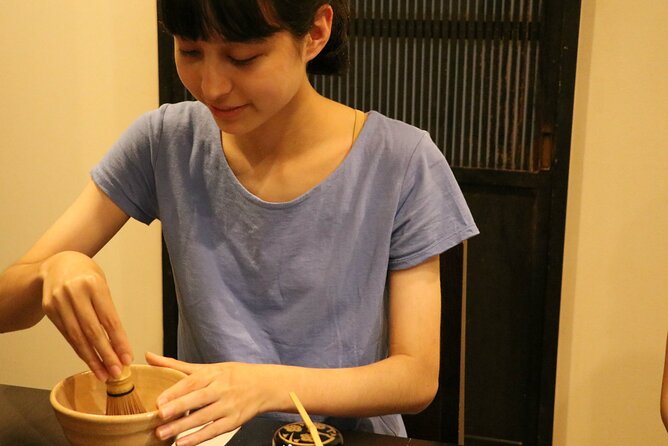
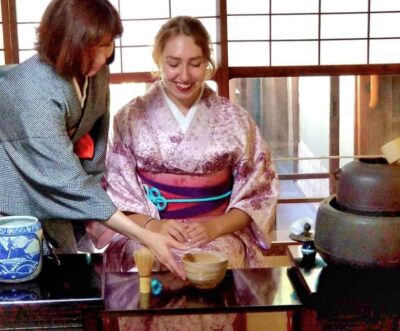
After watching Kaori prepare the tea, you make your own matcha. This hands-on portion is the practical heart of the session. You learn how to use the tea bowl and whisk, how to combine the powder and water, and how to create the frothy drink associated with matcha.
You do not need prior experience. The instructions are designed for beginners, and Kaori guides you through the process step by step. That makes the activity more useful than a performance where you simply photograph the host and move on.
Your first bowl may not look perfect. That is fine. The value is in learning the method and understanding how much care goes into a drink that can appear simple at first glance. The activity also explains how to make matcha at home without a complete tea ceremony setup or expensive equipment.
This home-use advice is a practical bonus. You can take the basic skill back with you instead of leaving Kyoto with only a memory. One participant bought a matcha brush after the session, and another planned to continue making matcha at home. The experience clearly encourages that kind of follow-up.
The matcha itself receives strong praise, with one participant calling it the best they had tasted. Taste is personal, of course, but the important point is that you are not merely handed a prepared green tea. You take part in making it and learn why the preparation affects the final drink.
Other tea rooms and ceremonies in Kyoto:
- Kyoto: Table-Style Tea Ceremony at a Kyo-Machiya
★ 4.9 · 1,211 reviews - Kimono Tea Ceremony at Kyoto Maikoya, NISHIKI
★ 5.0 · 911 reviews - Kyoto: Arashiyama Bamboo Forest, Monkeys, Matcha & Temple Tour
★ 5.0 · 759 reviews - Kyoto: Tea Museum Tickets and Matcha Grinding Experience
★ 4.9 · 739 reviews
What the 45-minute format really gives you
The listed duration is approximately 45 minutes. That makes this a compact activity, easy to fit between major Kyoto sights, a meal, or an evening reservation. Some descriptions place the experience closer to an hour, so I would allow a little extra time rather than scheduling another activity immediately afterward.
The short format is both a strength and a limit. If you want a gentle first look at tea ceremony, 45 minutes is enough to see a demonstration, enjoy a sweet, hear the basic cultural background, and prepare matcha yourself. It works well for families and for visitors who are curious but do not want to commit half a day to a formal lesson.
If you already study tea ceremony, this will probably feel introductory. The activity teaches the basics of history, etiquette, drinking, and preparation, but it is not presented as advanced instruction. You are getting a carefully shaped first experience, not a long traditional tea gathering.
I think the duration also helps younger visitors. The ceremony has quiet moments, but children can stay involved because they eventually whisk their own tea. The host’s patient style should help families feel comfortable asking questions and moving at a beginner’s pace.
Considering the $39.63 price
At $39.63 per person, this is not the cheapest way to taste matcha in Kyoto. You can find green tea at cafés for far less. The price makes more sense when you count the setting, the demonstration, the cultural explanation, the sweets, the instruction, and your hands-on preparation.
I would compare it with the cost of a short cultural class rather than the cost of a drink. You are paying for access to an old townhouse tearoom and for a host who guides you through customs that would be difficult to understand from a menu or a quick temple visit.
The value is strongest if you care about context. If your only goal is to drink matcha, this may seem expensive and overly formal. If you want to know how tea is served, why the gestures matter, and how to prepare it yourself, the fee is easier to justify.
The experience has a 4.6 rating from 41 reviews, with many top ratings praising the host, the setting, the English explanations, and the chance to prepare matcha. There are also lower ratings that raise useful concerns. One participant felt the ceremony was too short for the price, while another found the sweets too small and the activity uninteresting. Those criticisms are fair if you expect a full meal, a long lesson, or a large performance.
Sitting comfortably in the traditional room
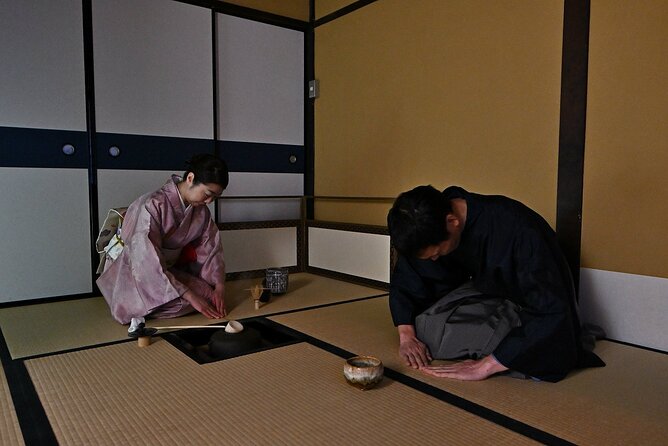
Traditional tea ceremony often involves sitting on the floor, and that can be difficult if you have bad knees or limited mobility. One participant specifically noted the challenge but also said a stool was available. You should request or ask for the stool if needed rather than trying to endure an uncomfortable position.
The activity is not described as wheelchair accessible, and no detailed accessibility information is provided. If you need specific assistance, confirm it before booking. The meeting point is near public transportation, but the supplied details do not specify the exact station, walking distance, or entrance arrangements.
You should also remember that the tea room is an authentic older setting, not necessarily a modern space designed around maximum comfort. That is part of its character, but it may require a little flexibility. Wear clothing that allows you to sit comfortably and avoid arriving rushed.
How this fits into a Kyoto day
The location in Nakagyo Ward makes this a useful break from major sightseeing. You can schedule it as a calm middle-of-the-day activity, especially if you have been visiting temples, shops, and busy streets. The session ends back at the meeting point, so you can continue to another part of Kyoto afterward.
I would avoid placing it immediately before a train departure or a tightly timed reservation. The official duration is approximate, and some sessions may take closer to an hour. Allow time to find the townhouse and settle in before the ceremony begins.
A mobile ticket makes the booking simple, but confirmation is sent within 48 hours and depends on availability. Check your final appointment time carefully. A scheduling misunderstanding once resulted in a party arriving at the wrong time and missing the session, so do not rely on memory alone. Keep the confirmed time and meeting details easy to find on your phone.
The cancellation terms are straightforward: cancel at least 24 hours before the start time for a full refund. Changes or cancellations made later are not accepted, and cut-off times use Kyoto local time. If the minimum number of participants is not reached and the activity is canceled, you are offered another date or experience, or a full refund.
Who will get the most from this tea ceremony
I would recommend this experience to first-time visitors who want a respectful introduction to Japanese tea culture without spending half a day in a formal school. It also suits couples, families, and small groups who value conversation and personal guidance.
It is a particularly good fit if you want to learn a skill you can repeat at home. The matcha preparation lesson turns the experience into more than a cultural display. You leave knowing the basic process and how to enjoy tea even without a complete set of traditional utensils.
You may want to choose another activity if you are mainly looking for a kimono photo opportunity. A kimono is worn by the host, but the experience does not include dressing you in one. You may also be disappointed if you expect a large selection of sweets or a long ceremony with many formal stages.
People who dislike floor sitting should make arrangements for the stool in advance. Anyone seeking advanced tea training should also understand that this is a short introduction. Its strength is clarity and welcome, not depth of instruction.
Should you book this Kyoto tea ceremony?
Book it if the thought of making matcha in an old Kyoto townhouse appeals to you more than simply ordering tea at a café. The combination of the garden entrance, kimono-clad host, traditional sweets from Shioyoshi-ken, and hands-on preparation gives the 45-minute session a clear sense of purpose.
I would book it early for a small family or couple’s experience, while remembering that the group limit is 10 and an intimate format is not guaranteed. Bring curiosity, keep your schedule flexible, and tell the host if sitting on the floor will be difficult.
Skip it if $39.63 feels too high for a short cultural activity, or if you want a full meal, a long ceremony, or a kimono rental. For everyone else, this is a friendly and practical way to understand matcha, tea etiquette, and one of Kyoto’s most recognizable traditions.
FAQ
How long does the tea ceremony experience last?
The listed duration is approximately 45 minutes. Some descriptions of the session place it closer to an hour, so allow a little extra time when planning your day.
Where does the experience take place?
It takes place at 22-26 Nishinokyo Ikenouchicho, Nakagyo Ward, Kyoto, 604-8375, Japan, in the tearoom of a 130-year-old Kyoto townhouse.
Who leads the tea ceremony?
The host is Kaori. She explains the tea ceremony and matcha preparation in English, demonstrates the process, and guides you as you make your own tea.
Is matcha preparation included?
Yes. You watch the host demonstrate the method, then prepare your own matcha with detailed instructions suitable for beginners.
Are sweets included?
Yes. You receive dried wasanbon sweets from Shioyoshi-ken, a long-established Japanese confectionery shop in Kyoto, to enjoy with the matcha.
Can I cancel for a full refund?
You can cancel at least 24 hours before the experience start time for a full refund. Cancellations or changes made less than 24 hours before the start time are not accepted for a refund.
Just added in Kyoto
- Private Cooking Class Udon in Kyoto Japan★ 5.0 · 23 reviews
- Your Private Vacation Photography Session In Kyoto★ 5.0 · 110 reviews
- Kyoto: Zen Meditation at a Private Temple with a Monk★ 5.0 · 25 reviews
- Private Pewter Sake Cup Experience with a Kyoto Artisan★ 5.0 · 31 reviews
- Kyoto Wagashi(Japanese sweets) Cooking Class near Fushimiinari★ 5.0 · 60 reviews
- Kyoto:Family-Friendly Kimono & Yukata Experience at WARGO★ 5.0 · 147 reviews
- Private Guided Traditional Buddhist Cooking in Japan★ 5.0 · 16 reviews
- Kyoto: Gion Geisha District & Sake-in-Hand Walking Tour★ 5.0 · 37 reviews
Tea Ceremony Experiences, compared.
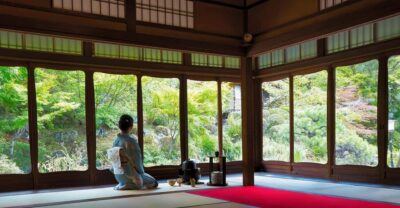
Tea Ceremony in a Traditional Tea House in Kiyomizu
Read our review →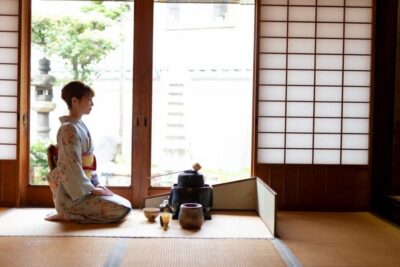
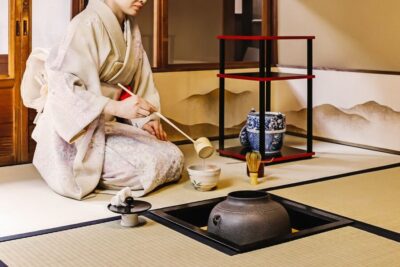
World Heritage Kyoto & Nara Uji Authentic Matcha Experience
Read our review →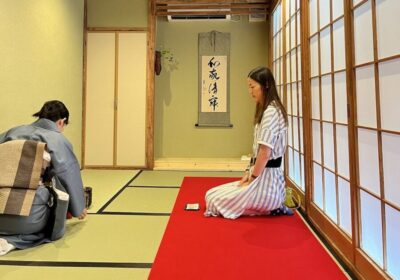
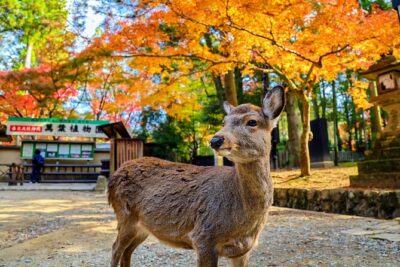
Arashiyama Bamboo Forest, Monkeys, Matcha & Temple Tour
Read our review →Browse the lists this tour appears in